MENU
Close





From the finish of wine to the lingering trail of perfume, wine and perfume - two worlds that seem to stand apart meet in the most delicate of experiences: what remains after everything else has passed.

From the finish of wine to the lingering trail of perfume, wine and perfume - two worlds that seem to stand apart meet in the most delicate of experiences: what remains after everything else has passed.
April 17, 2026


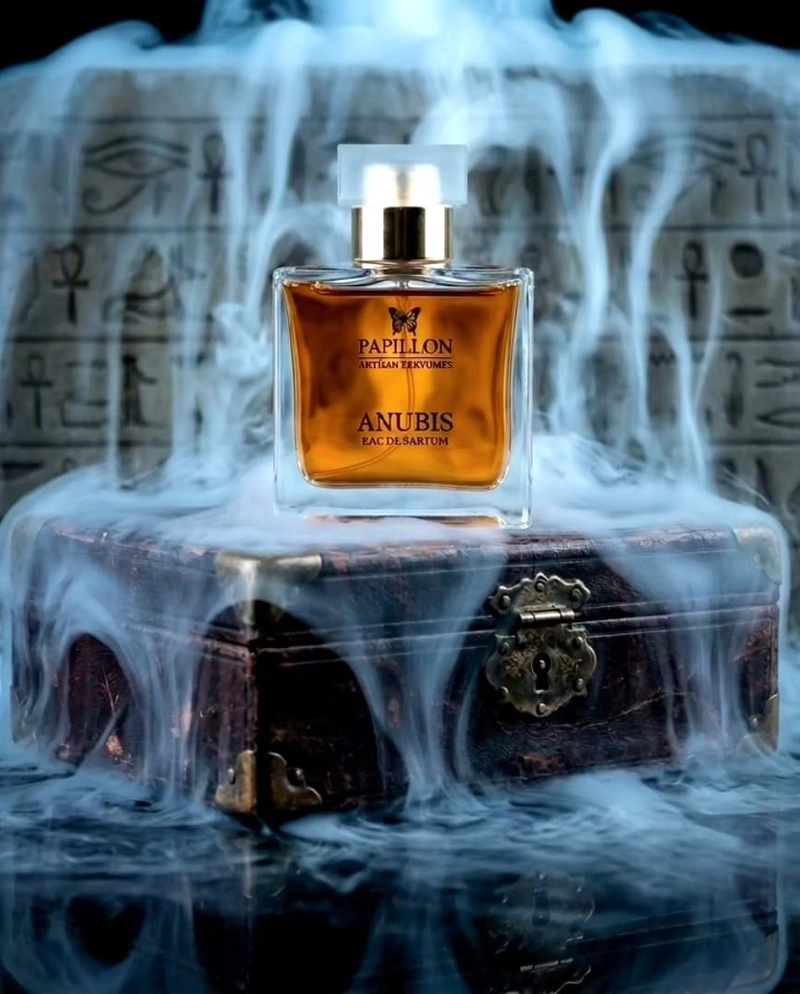
Wine and perfume are rarely thought of as an ideal pairing. One demands a nose clear enough to register the subtlest aromatic layers; the other exists to leave its mark on skin and air with a personality all its own. And yet, if they are placed side by side as two languages of scent, it becomes clear that a glass of wine and the fragrance resting on a wrist have far more in common than one might imagine.
Smell. Swirl. Pause. Reflect. Then begin again. In the world of wine tasting, everything starts with the nose before it ever reaches the palate. A beautiful wine is not read only through acidity, sweetness, or tannin, but through what cannot be seen: notes that unfold slowly, memories suddenly stirred, the sense of a landscape, a season of sunlight, a grape variety distilled into a language at once fragile and deeply haunting.
That is precisely why, in serious tasting environments, perfume is often treated as an intruder. A fragrance that is too strong on the skin can distort the entire impression of the wine in front of it. It slips in between the taster and what they are trying to read. It leaves too forceful a signature in a moment that calls for almost total purity of perception.
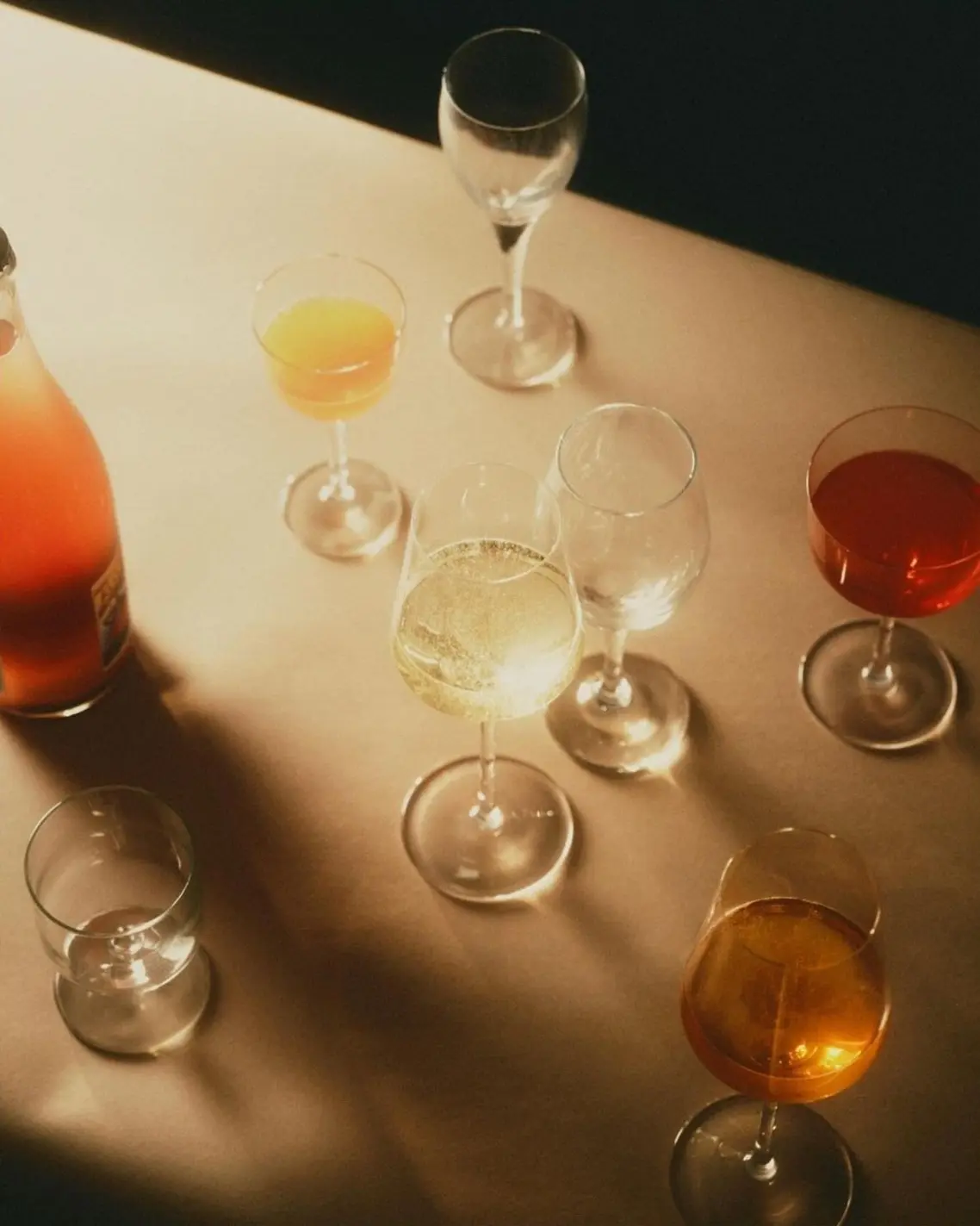
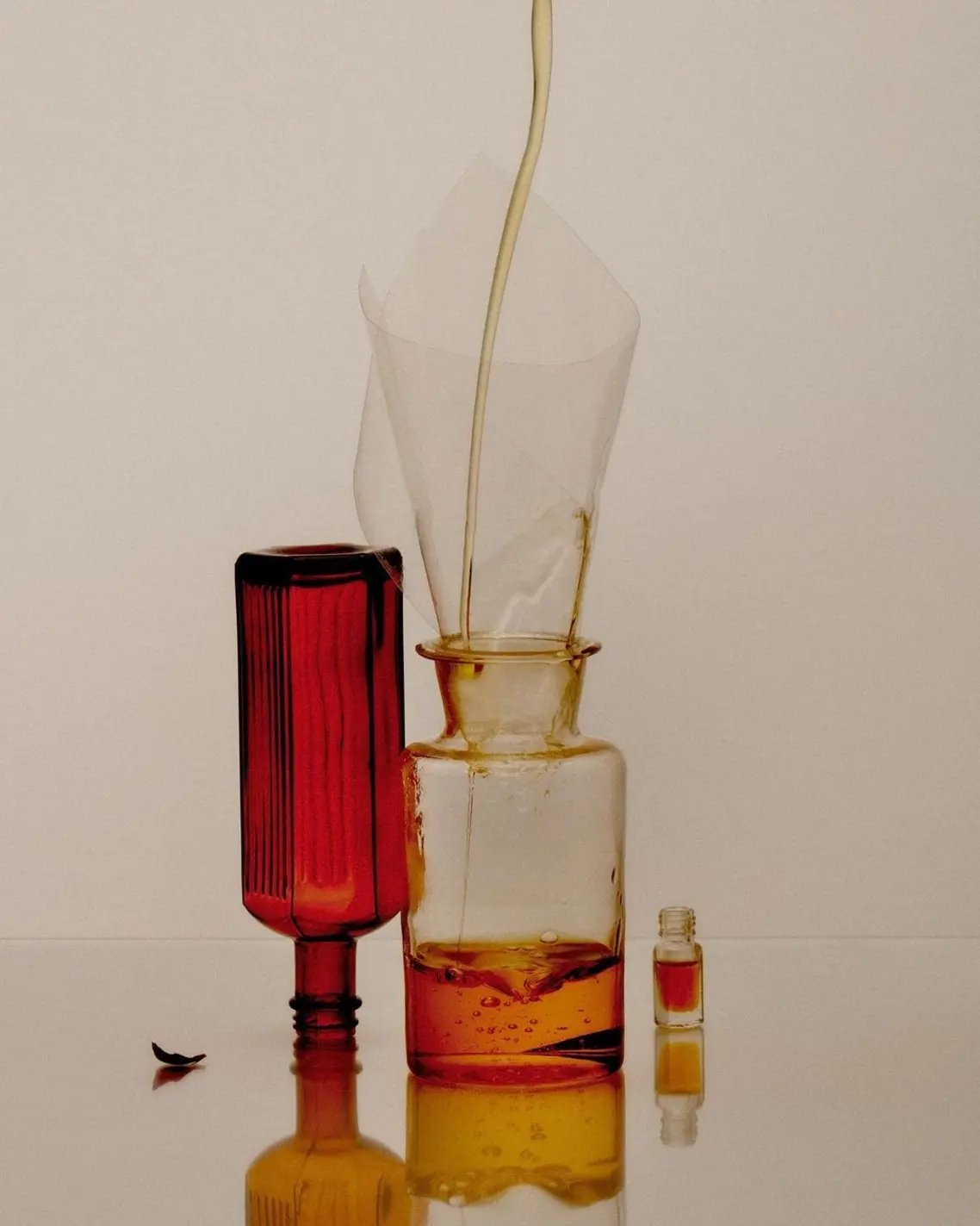
But that is only the logic of tasting. Step outside that professional territory and look instead through the lens of culture, aesthetics, and cultivated living, and wine and perfume begin to reveal themselves as two surprisingly intimate worlds. Both are perceived first through scent. Both are structured through layers, transitions, and aftereffects. Both demand olfactory memory more than vocabulary. And both, at their most beautiful, remind us that something invisible can sometimes carry more weight than any object we can hold.
People often say that the human sense of smell can register around 10,000 different scents. Whether that figure is taken as a familiar approximation rather than an absolute scientific truth, it still suggests something wonderful: the nose is far more powerful than the way most of us use it in everyday life. For much of the time, we move only within a handful of familiar smells, letting finer nuances pass unnoticed and unnamed. That is why both wine and perfume function as discreet schools of the senses. They teach us to smell more carefully, to remember more deeply, and to distinguish differences that at first seem impossibly slight.
Perfume, after all, operates according to a similar logic. It opens with top notes, reveals its character in the heart, and lingers longest in the base. A good fragrance has never been merely something pleasant to smell. It is image, personality, memory, sometimes even a form of soft power. A person may enter a room without saying a word, and yet their scent will already have spoken on their behalf — about taste, about rhythm, about the way they wish to exist in someone else’s memory. Wine does much the same. A glass of wine speaks not only of grapes, but of soil, climate, vintage, yeast, oak, time, and, more deeply still, of the decisions made by the person who brought it into being.
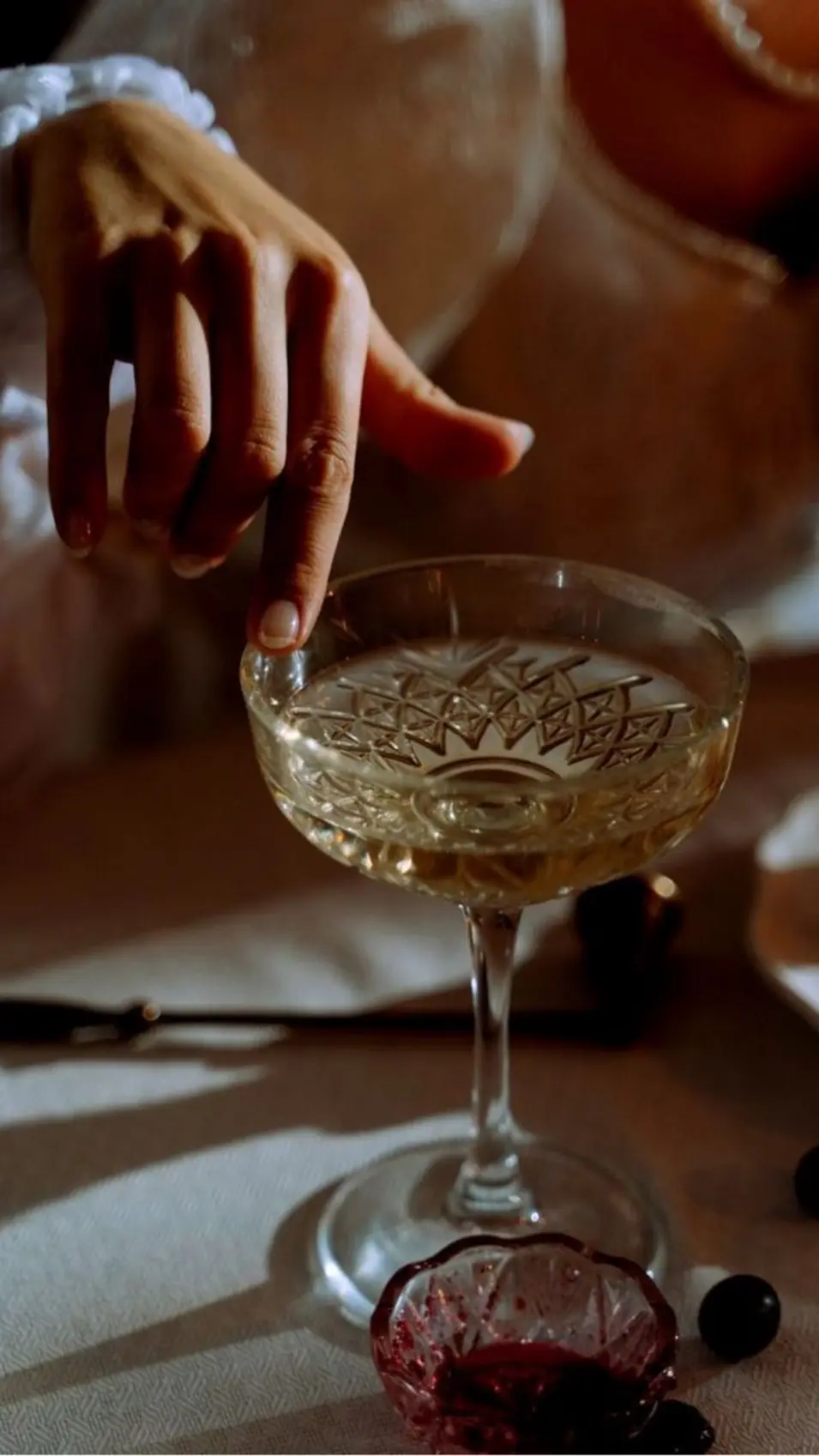
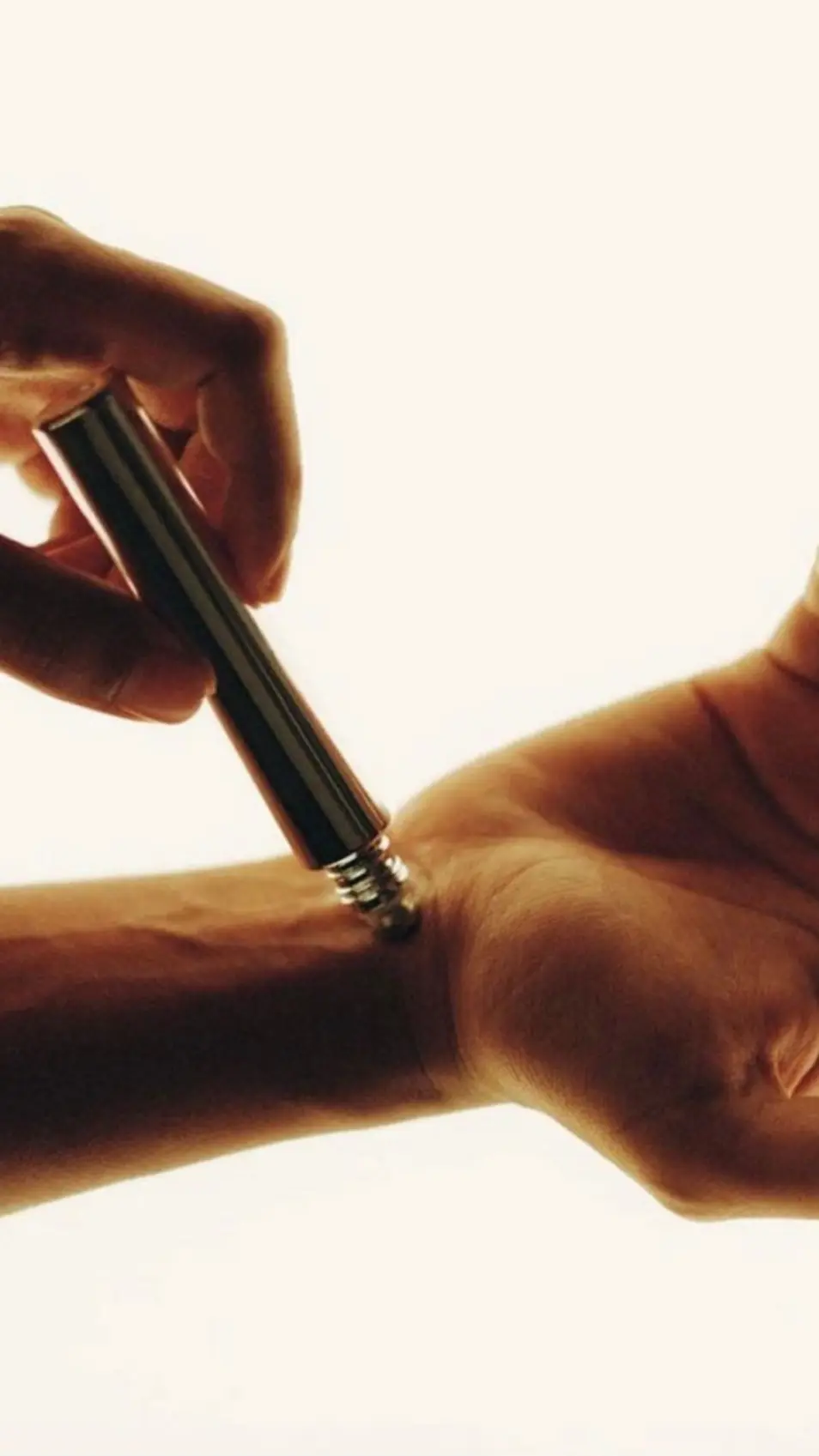
That is why there has always been an unspoken kinship between the perfumer and the winemaker. Both work through blending. Both depend on olfactory memory. Both must learn to recognise nuances that most people would miss entirely. And both understand that beauty does not lie in immediate revelation. A fine perfume, like a fine wine, needs an opening, a pause, and then a lingering finish.
Perhaps that is why the most seductive thing about wine has never been the first sip alone. People often say that a great wine must have a beautiful finish. In other words, once the wine has passed over the tongue, something must remain: a slow note, a lingering sensation, an aftertaste that makes the drinker pause for a few extra seconds just to understand what has happened. Beautiful love affairs may be much the same. What makes them unforgettable is not only the moment of presence, but the ache they leave behind once they have passed. If wine is remembered for its finish, then perfume is remembered for its power to sustain longing. It is the art of extending what has just disappeared. It allows a moment to continue long after it has ended, living on in the skin, in memory, and in the emotions of someone who once stood very close.
Placed beside one another in that way, wine and perfume no longer appear to oppose each other. They become two versions of the same idea: the most beautiful things are the ones that know how to remain just long enough. A fine wine does not erupt and vanish; it opens, develops, and leaves behind a discreet echo. A fine fragrance does not demand attention through sheer force; it clings to the wrist, lingers on fabric, then returns unexpectedly to the mind late in the evening. Neither exists to conquer instantly. They exist to linger in feeling.
From there, the relationship between them becomes far more interesting than the simple question of whether they should be placed together at all. In rigorous wine tastings, restraint is obviously essential. But in a life guided more by the senses than by rules, it is easy to imagine a dinner in which the wine in the glass and the light fragrance on the skin do not cancel each other out, but create an atmosphere of their own. Not a confused blend of competing smells, but a subtle dialogue between what is in the glass and what rests on the body.
That dialogue requires one principle above all: perfume must never overpower the wine. A fragrance that is too dense, too sweet, too heavy, or too assertive can close every door of perception. But a scent with air in it, with brightness, with restraint, can sometimes make an entire dinner feel softer, lovelier, more atmospheric. It does not interfere with the wine as a rival; it acts more like another source of light cast gently across it. In that moment, wine and perfume stop being separate things. They become two voices in the same composition of sensation.
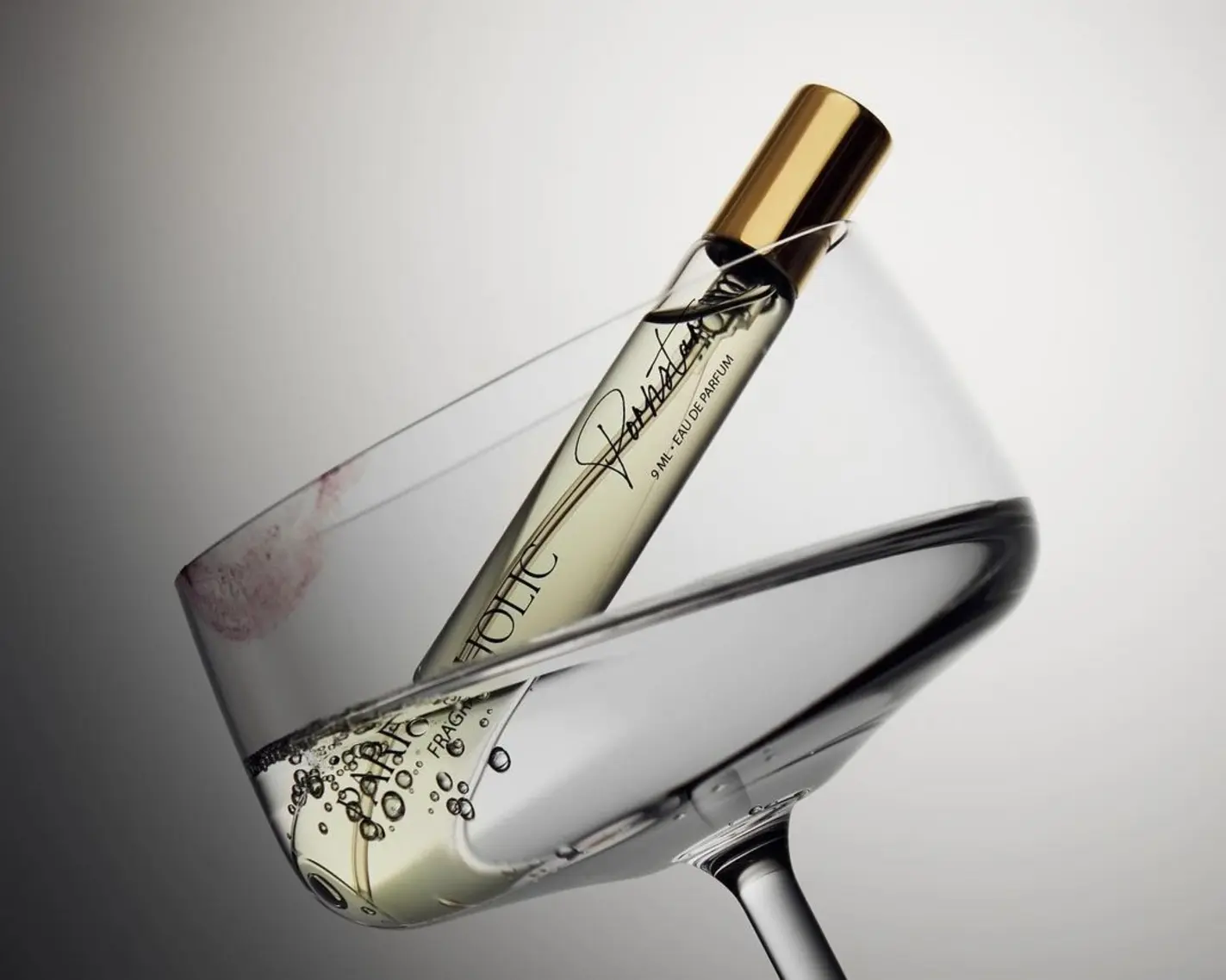
There is something faintly decadent in such an encounter, in the sense of the aesthetic and sensuous spirit that ran through late-19th-century France and England. Not in any vulgar or moralising sense, but in the belief that life can be made more beautiful through moments shaped by the senses. A glass of wine poured at exactly the right moment. A fragrance that lingers just enough. A dinner table quiet enough for someone to hear the afterlife of both taste and scent. This is no longer a story about consumption. It is a story about tempo, spirit, and allowing oneself to slow down long enough to notice something blooming almost imperceptibly.
Wine and perfume, then, are not really rivals at all. They simply refuse carelessness. One asks for purity of perception, the other for precision of choice. Without restraint, they can ruin each other. But placed together properly, they can achieve what the finest luxuries have always pursued: not excess, but depth of sensation.
And at the far edge of this story, perhaps the most beautiful thing that remains is not any particular bottle of wine, nor any particular fragrance. It is the human ability to remember a moment through the nose. A sip of wine passes, a trace of perfume remains, and somewhere between those two seemingly fragile things, memory suddenly finds a form of its own.