MENU
Close





Not every summer fragrance needs to smell of blazing sun, tropical fruit, or sun-warmed skin. Some of the most beautiful summer perfumes move in a quieter register: cut petals, pale light, clear water, and clean air. In that world, freesia is one of perfumery’s most delicate flowers.
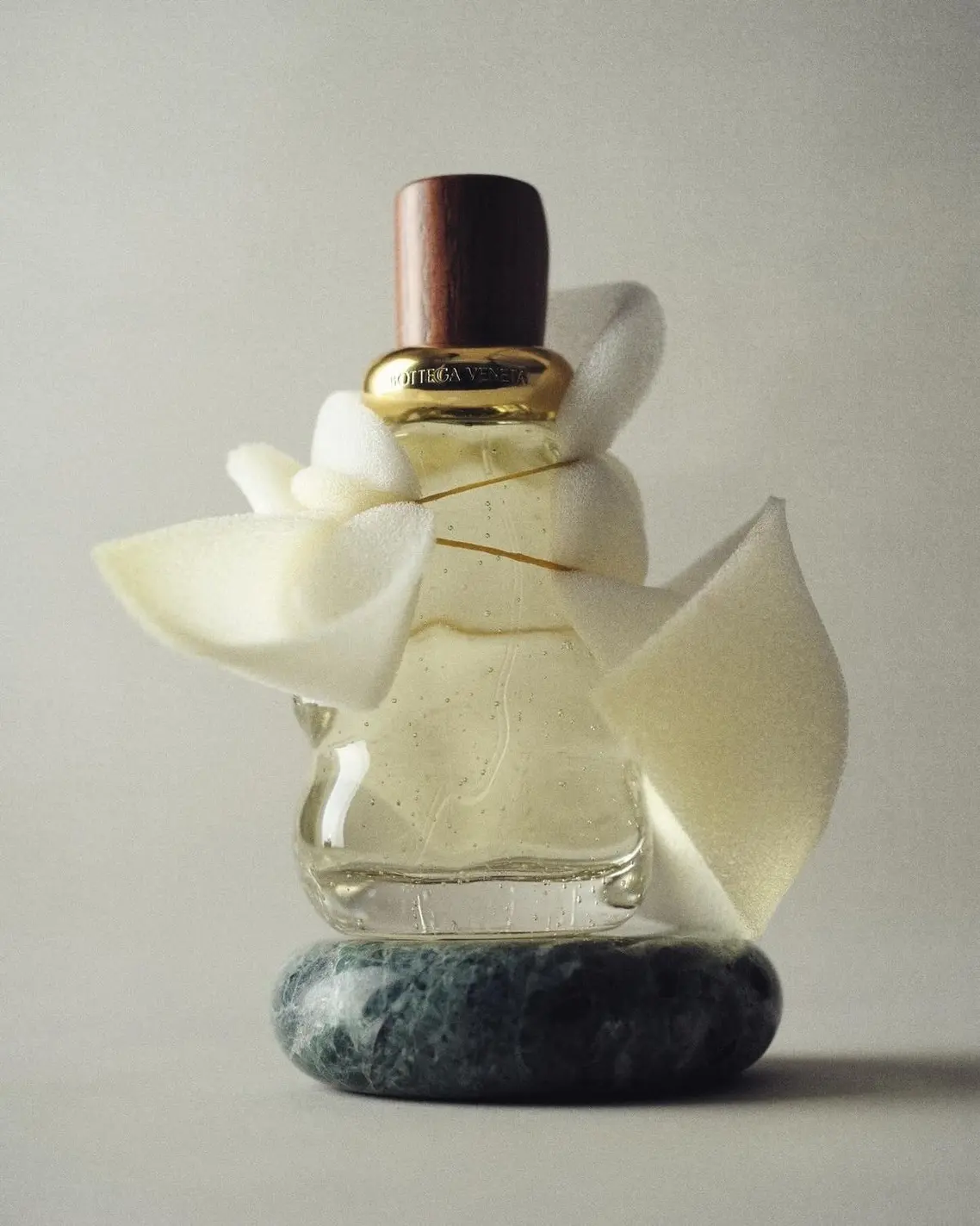
Not every summer fragrance needs to smell of blazing sun, tropical fruit, or sun-warmed skin. Some of the most beautiful summer perfumes move in a quieter register: cut petals, pale light, clear water, and clean air. In that world, freesia is one of perfumery’s most delicate flowers.
April 21, 2026


Not every beautiful flower enters perfumery with a flourish. Some flowers arrive like a conquest: rose, jasmine, tuberose - names that can claim an entire room in a single breath. Freesia is different. It does not arrive like a declaration. It comes instead as a fine, clean brightness, a little green, a little spicy, beautiful in a way that asks you to lean closer before you fully notice it. Perhaps that is precisely why freesia has become one of the most interesting materials in summer perfume.
Because summer does not always need to be loud. After years of the market associating the season with dazzling citrus, coconut, solar florals, or ripe tropical fruit, there is a growing return to another kind of scent: lighter, brighter, less demonstrative, closer to the feeling of clean skin and clear air than to a statement made at full volume. Freesia belongs to exactly that world. It does not make summer feel hotter. It makes summer feel more breathable.
Freesia had been cultivated in Europe from the late 18th century onward and became more familiar in the 19th century for its graceful form and translucent scent. Yet it was not until the mid-1980s that freesia entered the language of modern perfume in a truly memorable way, when Bernard Chant created Antonia’s Flowers for Antonia Bellanca-Mahoney, the woman behind the flower shop in East Hampton, New York. What Antonia wanted was not a perfume trying to seduce through exaggeration, but the freshness of walking into her flower shop itself. That instinct now feels strikingly close to what many people seek in summer perfume today: something fresh, true, and effortless, something that brightens both the body and the air around it without seeming to try too hard.
That was a turning point, not only because Antonia’s Flowers was beautiful, but because it revealed what freesia truly is in perfume: not loud, not overpowering, not interested in becoming the queen of every bouquet. Freesia is beautiful in a more elusive way. Its scent blends fresh floral sweetness with a green clarity, a passing woody translucence, and, at times, a fine thread of spice that becomes clearer only when one leans close to the heart of the flower. It does not rush toward the nose. It waits there — bright, clean, slightly withdrawn — as if it only opens fully to those willing to linger.
That quality is exactly what makes freesia especially suited to summer. In hot weather, a fragrance that is too dense can feel tiring, a sweetness that is too rich can become oppressive, and anything too forceful can undo the ease one usually wants from the season. Freesia does the opposite. It has brightness without sharpness, femininity without creaminess, floralcy without weight. It carries the feeling of a white dress drying in early sunlight, a vase of flowers just cut and set by an open window, or a breeze moving through a room that has only just been aired.
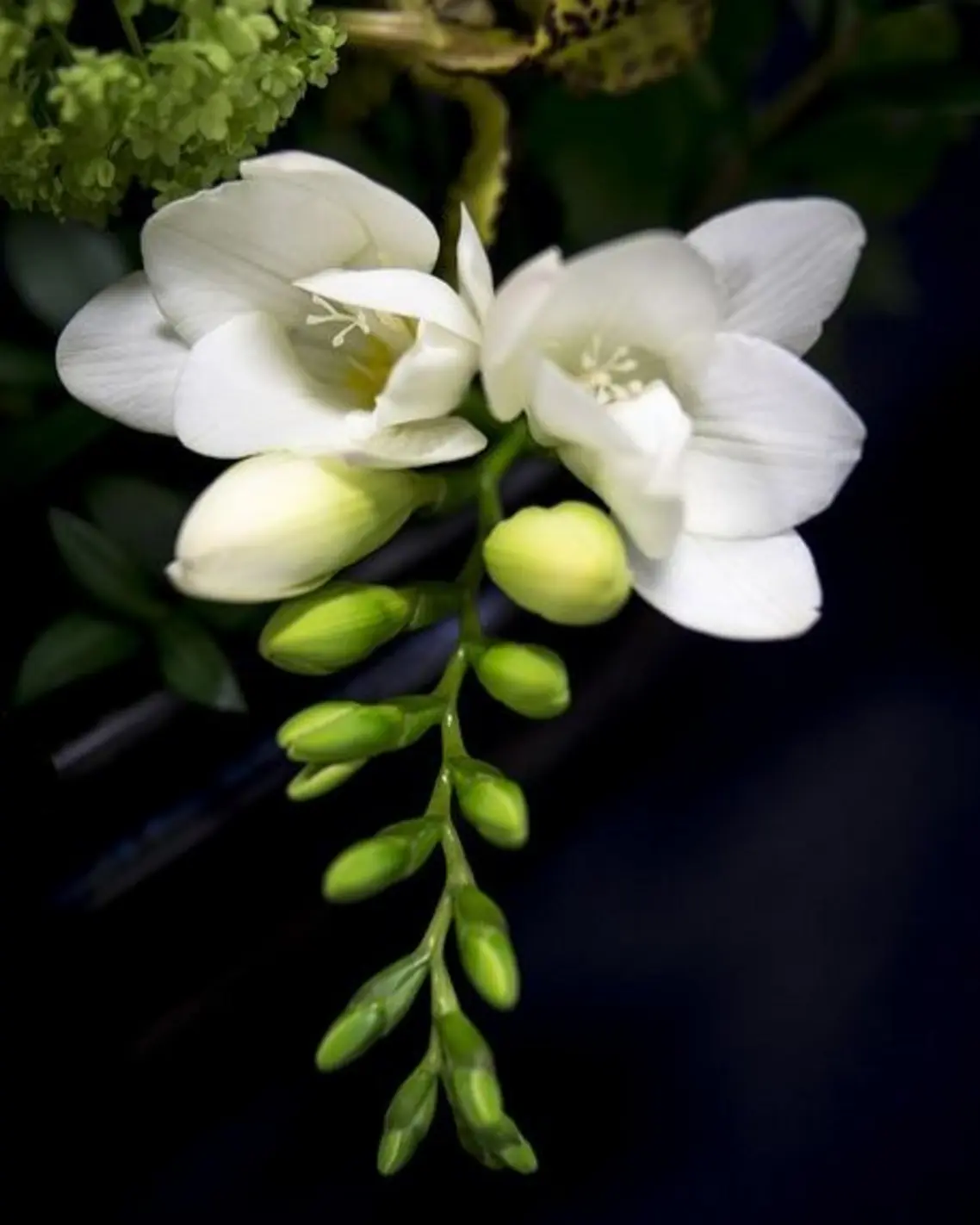
Olfactively, freesia is especially rich in linalool, a compound associated with freshness, brightness, and a floral-clean effect. Yet this is also part of the flower’s paradox. What makes freesia difficult to capture in perfume is that it does not possess a single forceful “signature molecule” so immediately recognisable that one can identify it in an instant, the way one often can with rose or jasmine. Instead, freesia appears as a blend of fresh, clean, green, and soft floral nuances — beautiful more in its balance than in any solitary dominant note. That subtlety is also what keeps it from feeling heavy, and why it slips so naturally into the language of summer fragrance.
For that reason, freesia was never embraced in quite the same way rose, jasmine, or tuberose once were. It lacked the kind of olfactory power that could establish an entire school of perfumery around itself. It did not yield the kind of unmistakable oil that demanded to be named at once. But that does not make freesia any less beautiful. On the contrary, it simply meant the flower needed a different language in which to be interpreted. And modern summer perfume, with its love of transparent structures, soft florals, and luminous airiness, has turned out to be exactly where freesia found its most natural voice.
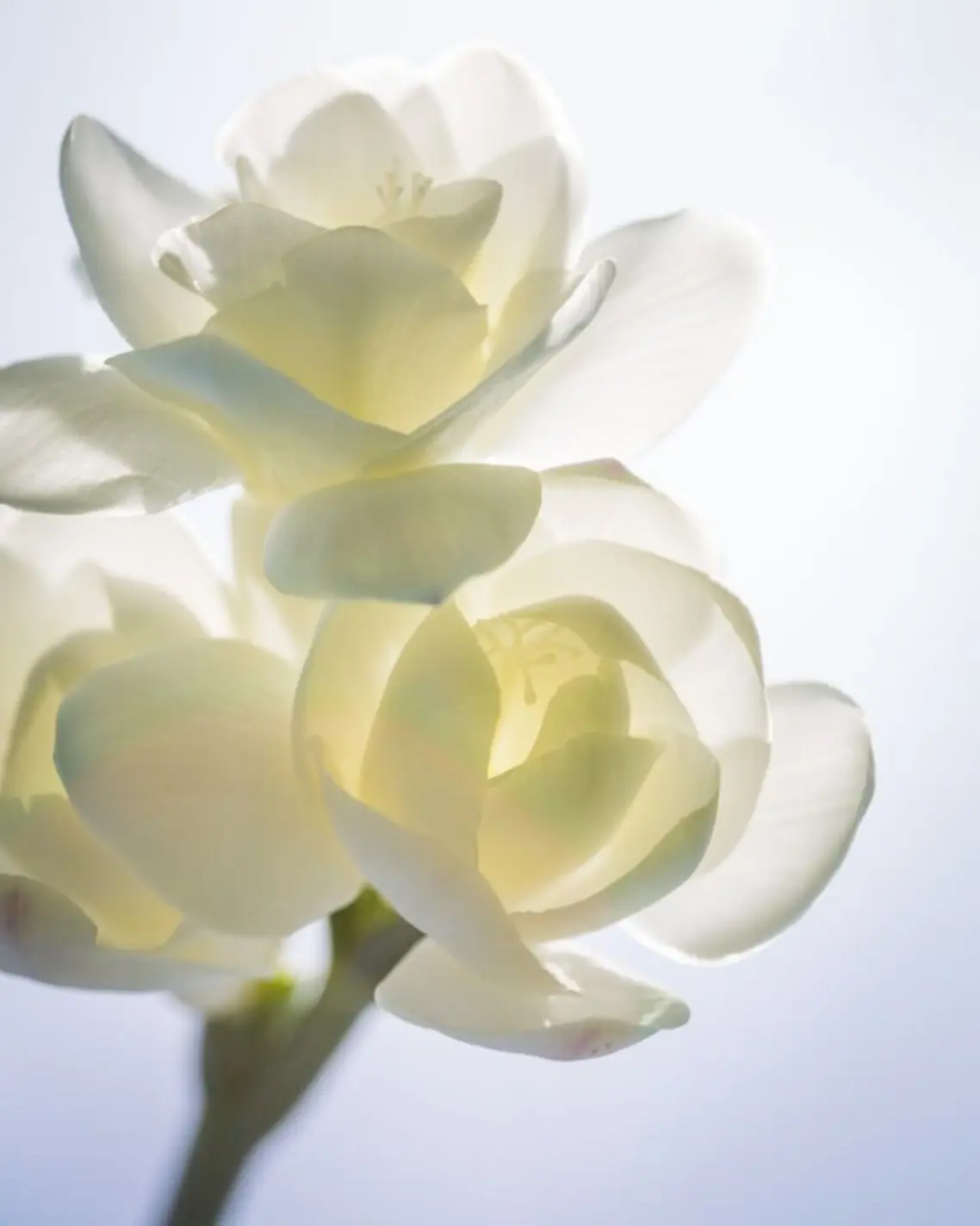
From that point on, freesia no longer needed to stand entirely alone. It could be woven into lily of the valley, peony, magnolia, violet leaf, or other green florals to create an accord that felt bright, airy, soft, and unmistakably feminine. It does not enter like a soprano determined to dominate the score; it is more like a wash of light that makes everything else clearer. And that may be where freesia is most beautiful of all: not in its power to take possession of a composition, but in its ability to make the whole structure feel cleaner, finer, brighter, and more breathable.
Perhaps that is why freesia has remained so closely tied to the idea of freshness in perfume. It suggests petals just cut from the stem, clear water, pale light, a kind of femininity that does not require much embellishment. It offers a very different kind of summer: not the summer of tropical cocktails, caramelised skin, or golden beaches, but the summer of early mornings, open windows, white cotton, water running into a sink, and a bouquet placed down while the room is still cool.
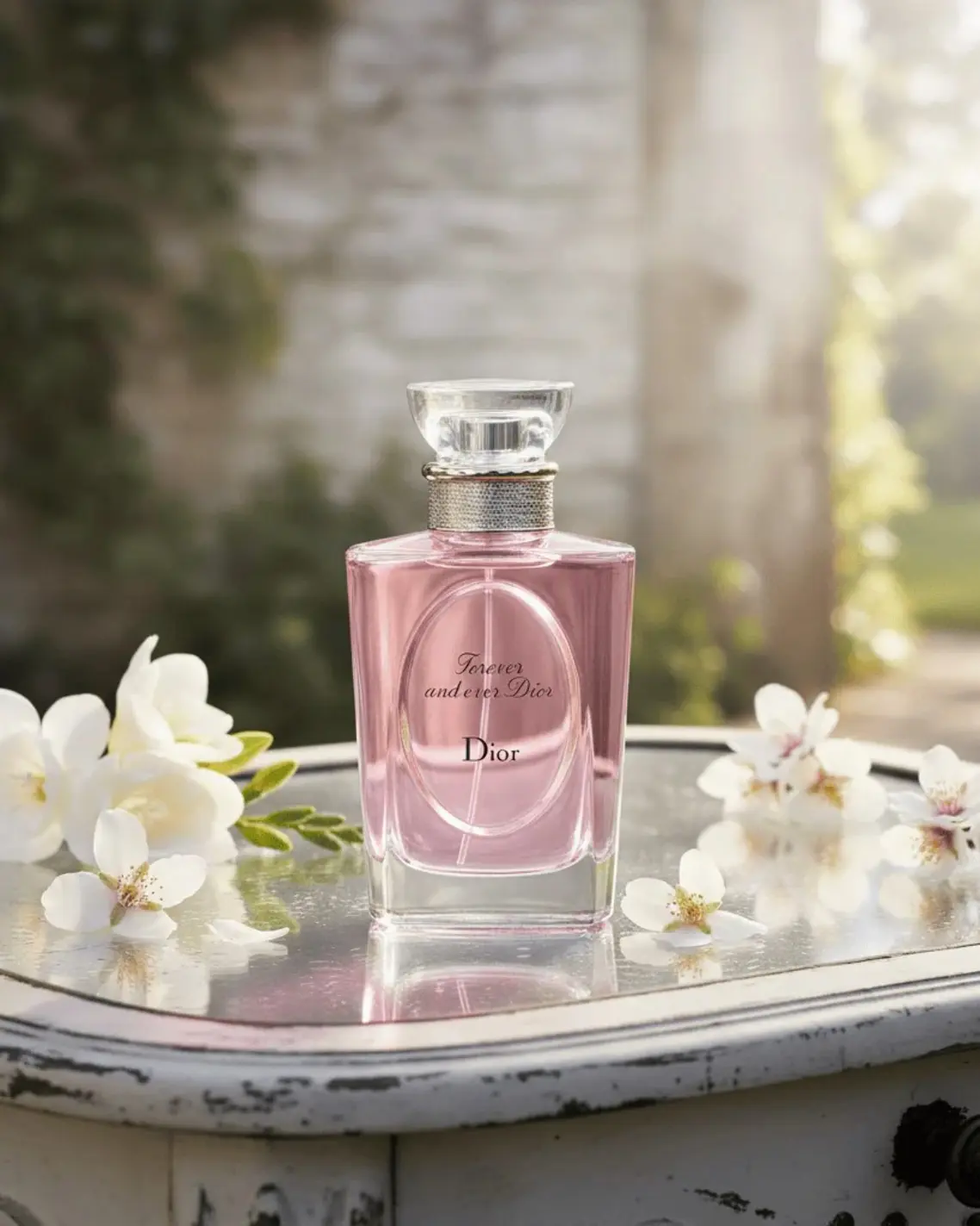
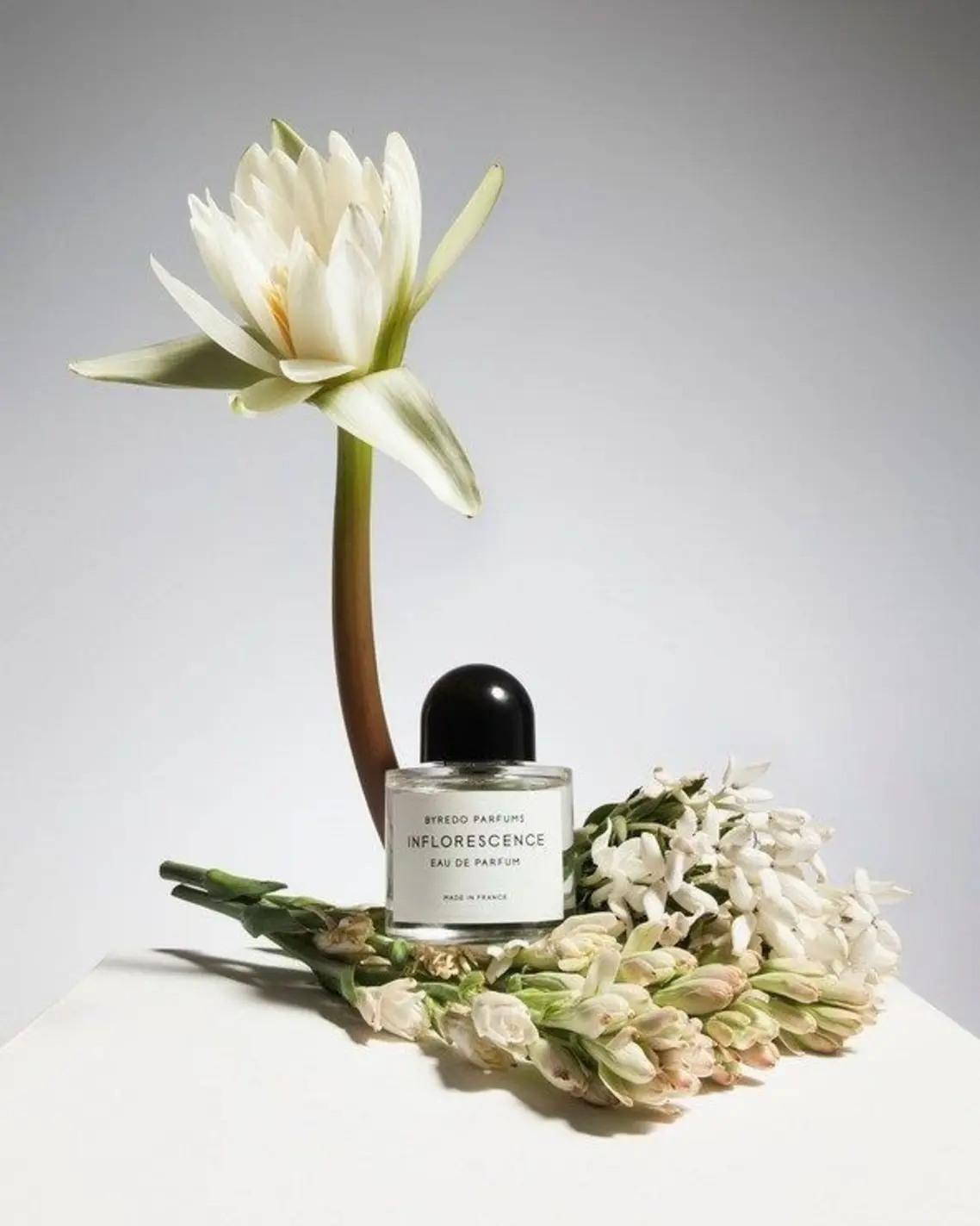
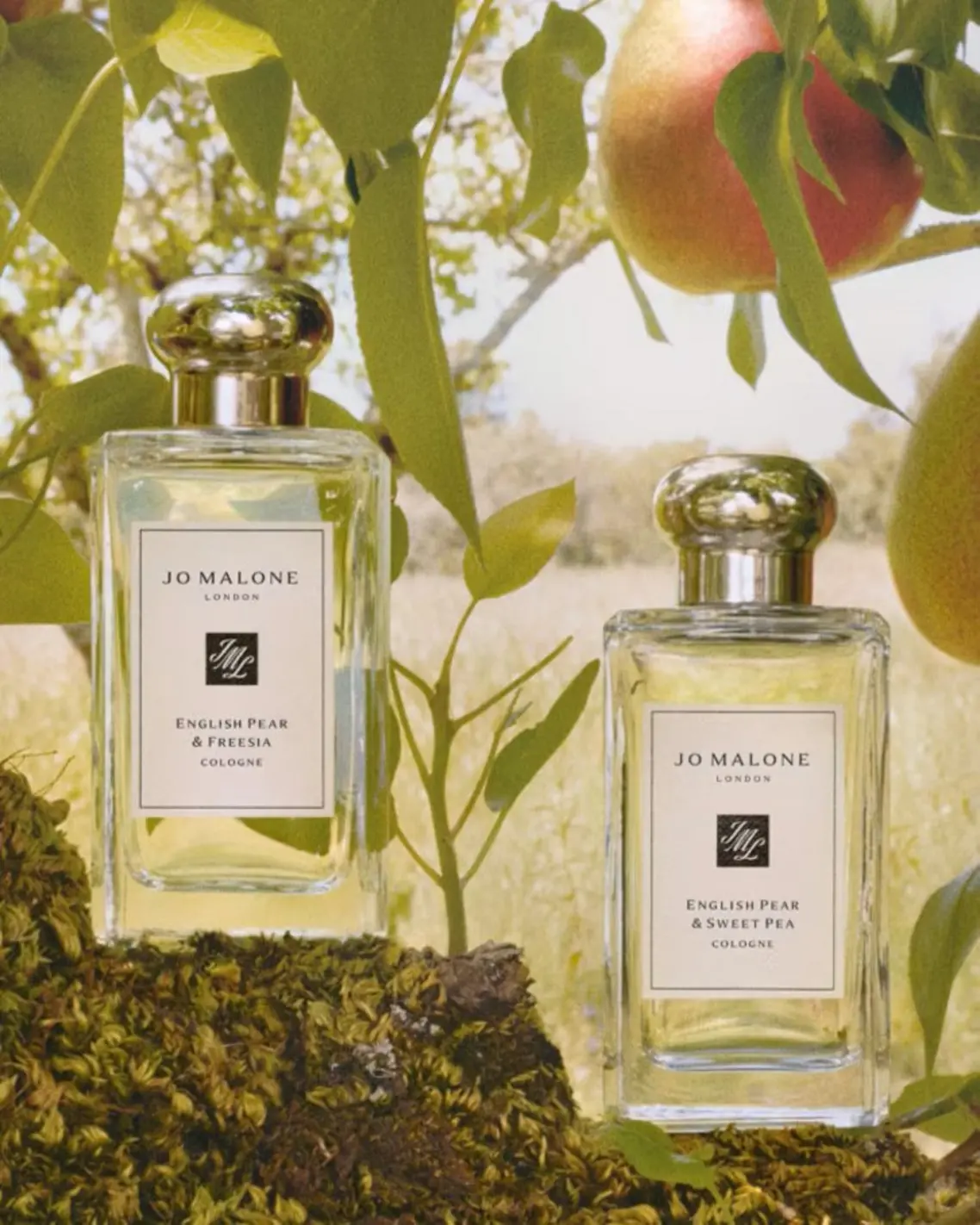
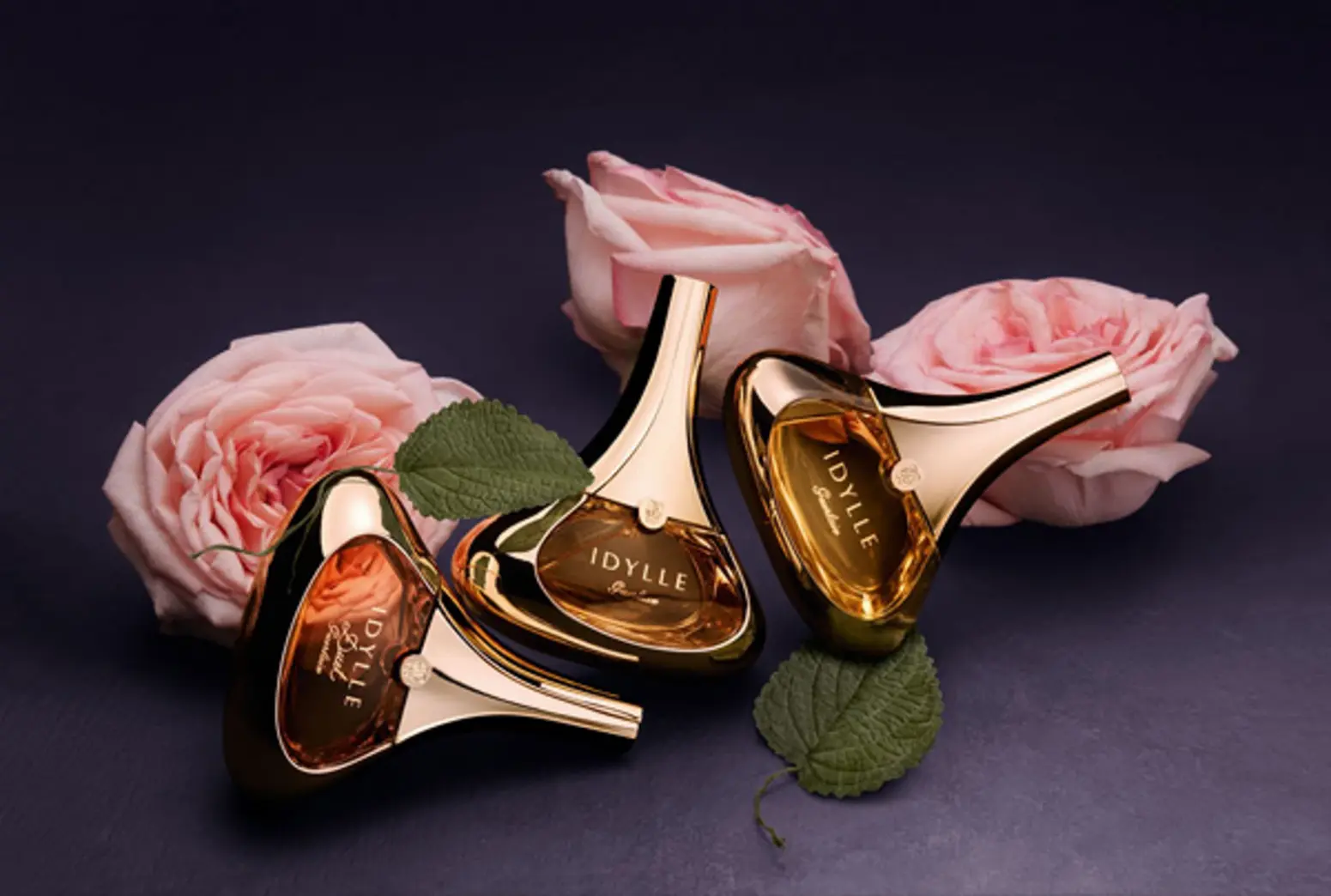
That is also why freesia continues to live so elegantly in contemporary luxury fragrance. At one end, it can come close to centre stage, as in Ofrésia by Diptyque, where white freesia is framed by carnation, guaiac wood, and black pepper to create something both transparent and faintly spiced. At the other, it appears as a source of light within a wider composition: wrapping itself around ripe pear in English Pear & Freesia by Jo Malone London, illuminating the mineral-woody structure of Chloé Nomade Eau de Parfum, or softening the rose-and-jasmine bouquet of Forever and Ever Dior. In Dior Addict Eau Fraîche, freesia sits between lily of the valley and citrus to push the composition toward freshness, while in Guerlain Idylle it helps lift and soften the bouquet. At Byredo, freesia appears in two different moods: in La Tulipe as a bright opening gesture, and in Inflorescence as the doorway into a spring bouquet flushed with pink light.
Seen as a summer perfume material, that is exactly what makes freesia so valuable. It rarely works through display. It does not demand that people turn around the way an overtly narcotic flower might. It does its work more quietly: lifting the air, clarifying the rhythm of a fragrance, giving the whole composition more light, more softness, and more room to breathe. In hot weather, that is almost an ideal quality. A beautiful summer fragrance does not necessarily need to make the whole world aware that you have passed through it. Sometimes it only needs to make you feel lighter, cleaner, and a little more luminous.
Freesia’s problem was never that it lacked the beauty to belong in perfume. Its problem was that it was too subtle to be captured easily. It is a flower that never insists upon attention from the outset, and perhaps that is exactly why, once it finally found the right olfactory language, it became memorable in its own distinct way. Not as loud as rose. Not as sensual as jasmine. Not as intoxicating as tuberose. Freesia is a quiet beauty: clean, bright, and always as though it were standing half a step back. And perhaps because of that, it lingers.
And that may be freesia’s most elegant form of existence in summer perfume: not as a note determined to claim the entire sun, but as a quiet brightness just enough to make the whole day feel easier to breathe.
Freesia suits summer because it carries a clean, bright, airy floral quality with real breathing space. It is not creamy in the way some white florals can be, and it is not as densely sweet as gourmand notes, so in heat it keeps its clarity and lightness.
Freesia in summer perfume is especially beautiful alongside citrus, pear, lily of the valley, peony, green notes, light musks, transparent woods. In other words, freesia does not make summer smell more fiery. It makes summer smell clearer.