MENU
Close





Somewhere between a runway livestream, a celebrity arrival and the next tab already open on our phone, a collection can disappear before we have decided what we thought of it. When Fashion Week gives us everything everywhere all at once, what are we actually still looking for?
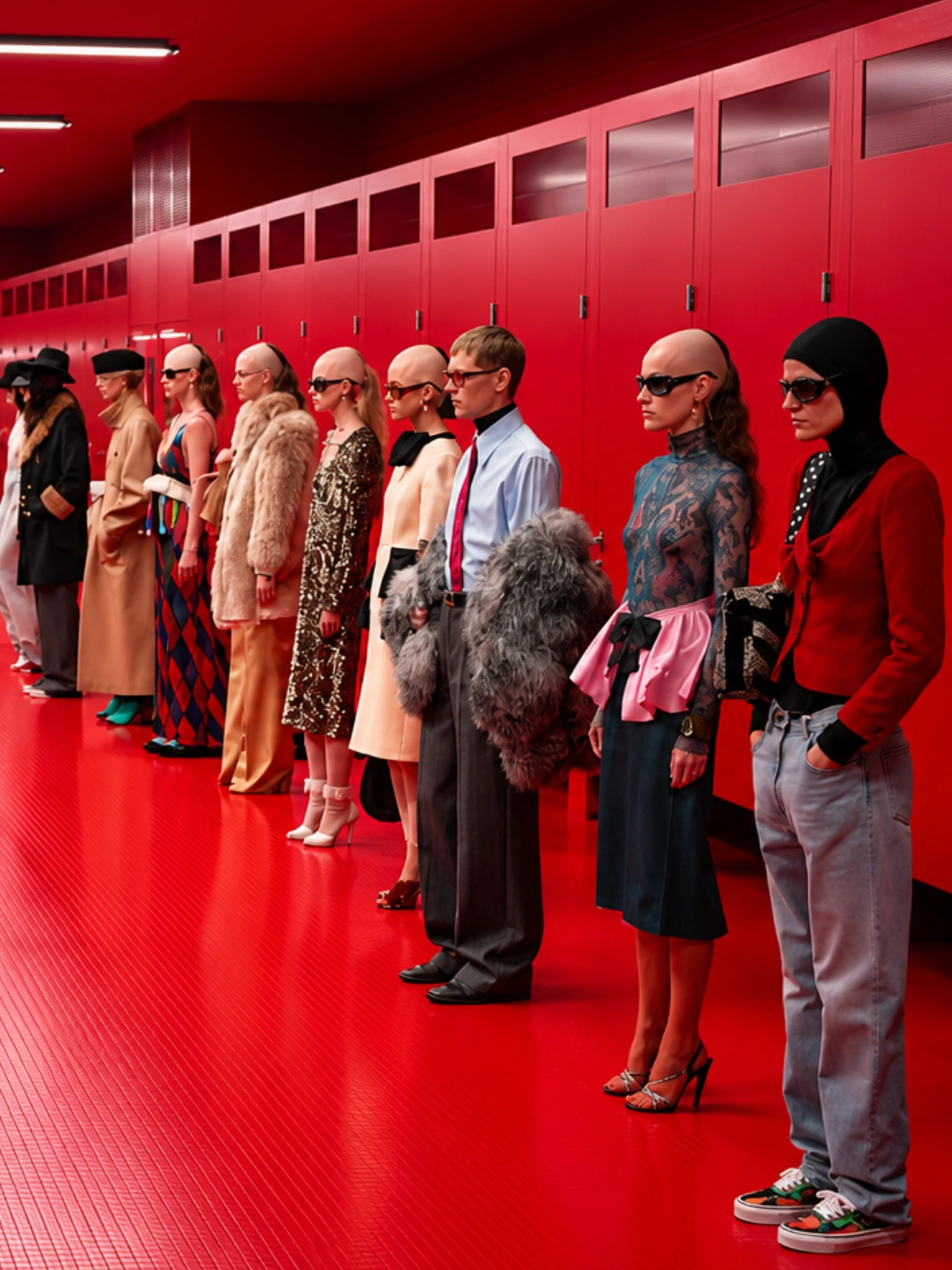
Somewhere between a runway livestream, a celebrity arrival and the next tab already open on our phone, a collection can disappear before we have decided what we thought of it. When Fashion Week gives us everything everywhere all at once, what are we actually still looking for?
August 20, 2026
Advertisement
Advertisement



It is a privilege to witness creativity unfold almost in real time, wherever we happen to be. There was a time when an invitation to a fashion show carried its own kind of social currency, signalling proximity to an industry that revealed itself selectively through editors, buyers, clients and a carefully chosen front row. Today, a collection in Paris can appear live on a screen thousands of miles away, its details uploaded minutes later, its references traced through digital archives, and its earliest reactions already forming before the designer has taken a bow.
Access once operated as a marker of cultural capital; now it can belong to almost anyone with a connection and a screen. A generation raised inside this openness can study decades of runway history, discover designers far beyond the traditional capitals and build an aesthetic language publicly before entering the old institutional circuit. The field has gained an extraordinary number of eyes, and increasingly, those eyes have become creators themselves.
Visibility, however, has developed its own appetite. Once a designer enters the conversation, the contemporary system provides very little room to disappear from it. Another collection follows, then another image, another collaboration, another presentation and another reason to resurface on the feed. The cycle keeps extending, with increasingly little space between one proposition and the next.
What began as liberation from scarcity has gradually acquired another edge: excess.
September makes the word “week” sound increasingly quaint. New York Fashion Week will run from September 10 to 15 for Spring/Summer 2027, and the CFDA's preliminary schedule already contains 70 runway shows and presentations, alongside additional digital and appointment-based collections. London follows from September 17 to 21, Milan from September 22 to 28, while Paris begins on September 28 and continues through October 6.
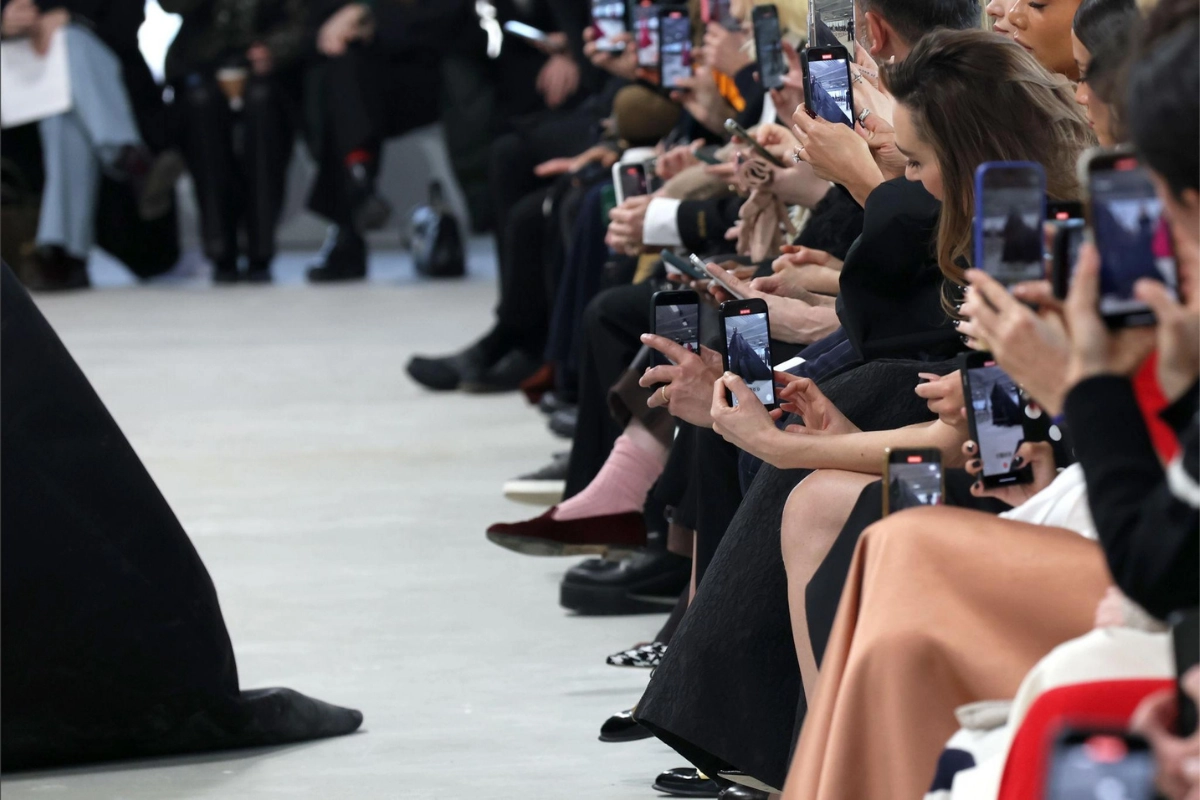
Womenswear alone therefore occupies almost four consecutive weeks across the four major capitals. The wider fashion calendar stretches much further. Menswear, couture, pre-fall, resort, destination shows and special projects occupy the rest of the year. FHCM already maps separate Paris womenswear, menswear and Haute Couture seasons into 2027. Earlier this year, Vogue observed that by the time Fall 2026 reached Paris, the broader runway circuit had already been moving for more than seven weeks from Pitti Uomo onward.
The season no longer arrives as a season. It arrives as a stream of notifications.
More names on the fashion calendar can open more creative possibilities. Emerging designers gain platforms beside established houses, smaller scenes enter international conversations, and a wider range of identities can finally participate in shaping contemporary dress. That abundance cuts both ways. Visibility increasingly depends on returning season after season with enough novelty to warrant another collection and enough imagery to restart the attention cycle.
If everyone becomes a designer, who is going to buy the product?
That question lands differently in 2026. McKinsey reports that 70 percent of surveyed consumers plan to spend less, while 80 percent are displaying value-seeking behaviour such as waiting for sales or searching for alternatives. Faster trend cycles and uneven demand are also contributing to excess inventory and additional pressure on businesses. Creative supply can expand almost endlessly. Consumer attention, purchasing power and wardrobes have considerably firmer limits.
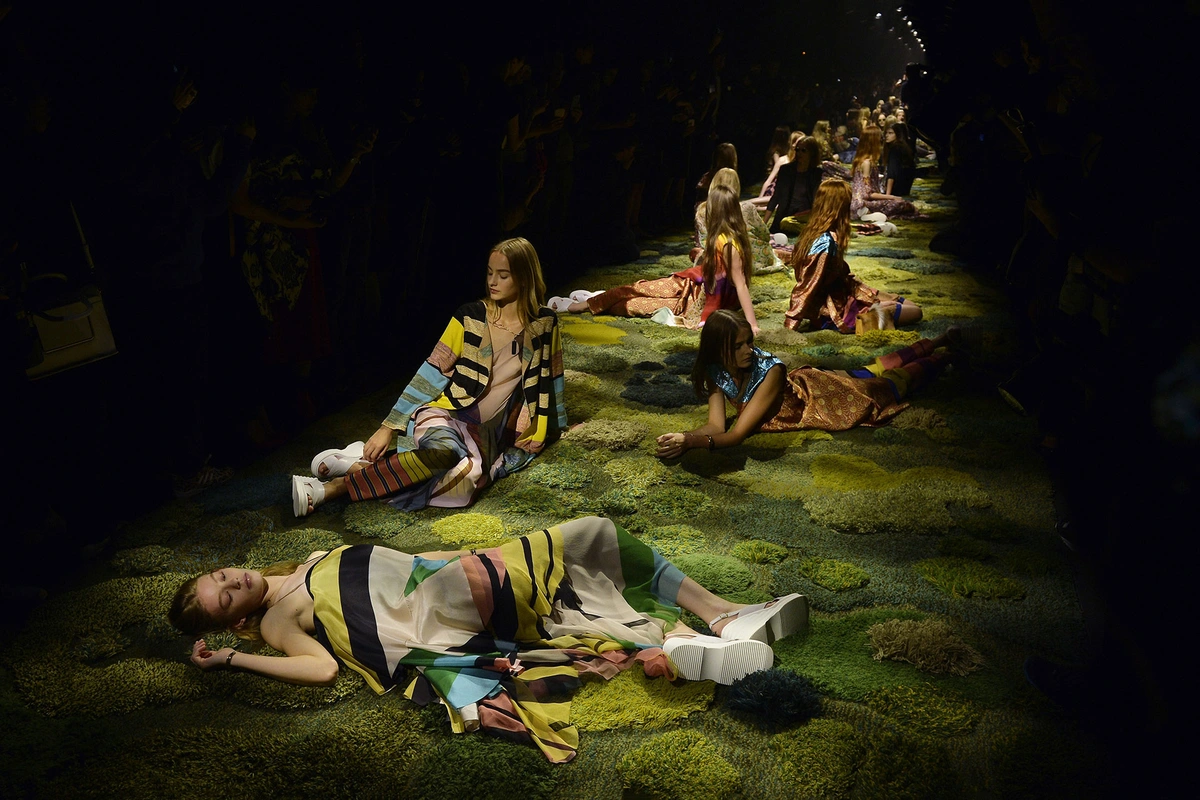
Another question sits beneath the economics. Does every creative proposition have to become a collection before it can become profitable?
Clothing has always carried meanings far beyond the practical act of dressing a body. Runway presentations can create fantasy, performance, political commentary, cultural identity, craft and image. Yet the ideas behind them still tend to materialise through another set of samples, another production cycle, another delivery and another assortment waiting to be sold.
Designers need businesses capable of sustaining them, houses need growth, employees need salaries, and investors expect returns. Profitability belongs naturally within an industry of this scale. The tension emerges when generating value becomes inseparable from generating more material output.
If every new idea needs another collection in order to produce commercial value, how much clothing can the world reasonably be asked to absorb?
A notification appears shortly after the lights come up. Perhaps a pop star has arrived in an archival dress, two celebrities have been seated together, or the venue has been transformed into an enormous installation. Within minutes, those images can travel far beyond the audience interested in the actual collection.
The economics of attention reward exactly this behaviour. For Spring/Summer 2025, Vogue Business reported $839.6 million in earned media value across Fashion Month, with star-heavy front rows remaining a major engine of visibility. Dior generated the highest EMV across the four capitals, while a single front-row guest accounted for 23 percent of the house's Instagram engagement during the season. For Fall 2026, the publication again described a crowded global calendar in which brands competed for concentrated influence across social media.
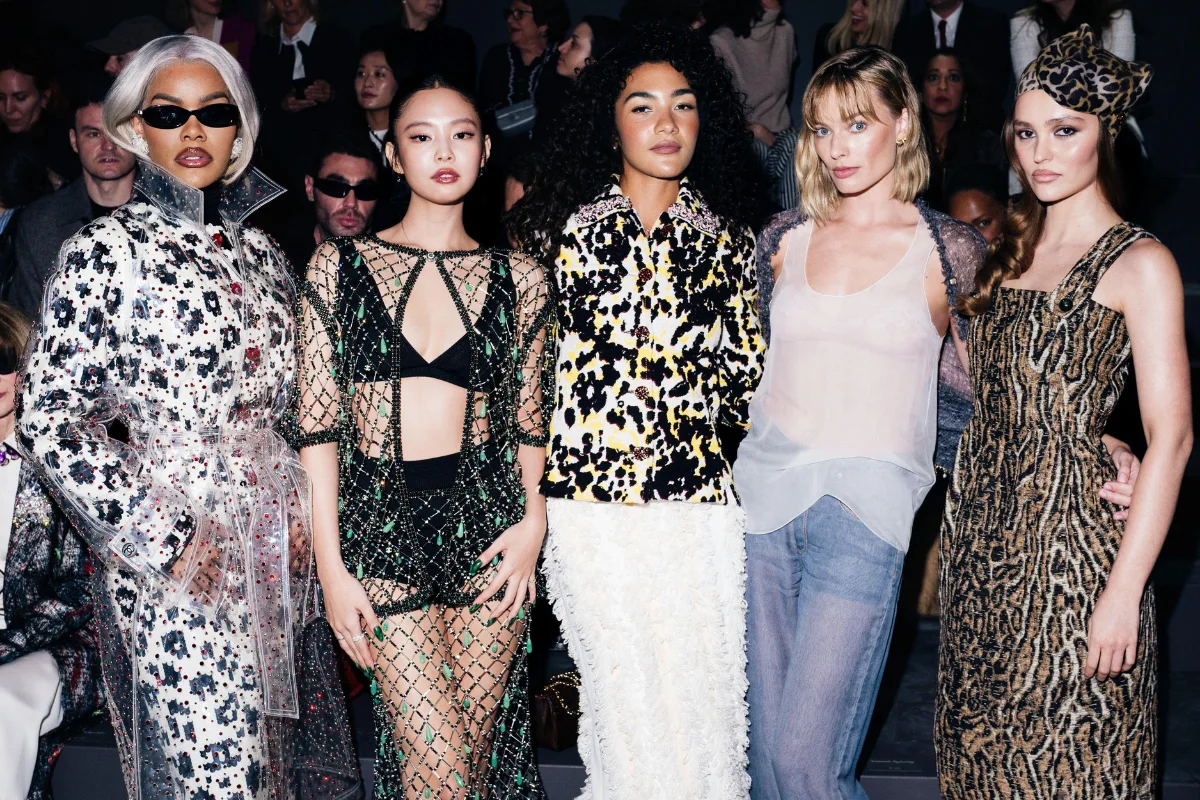
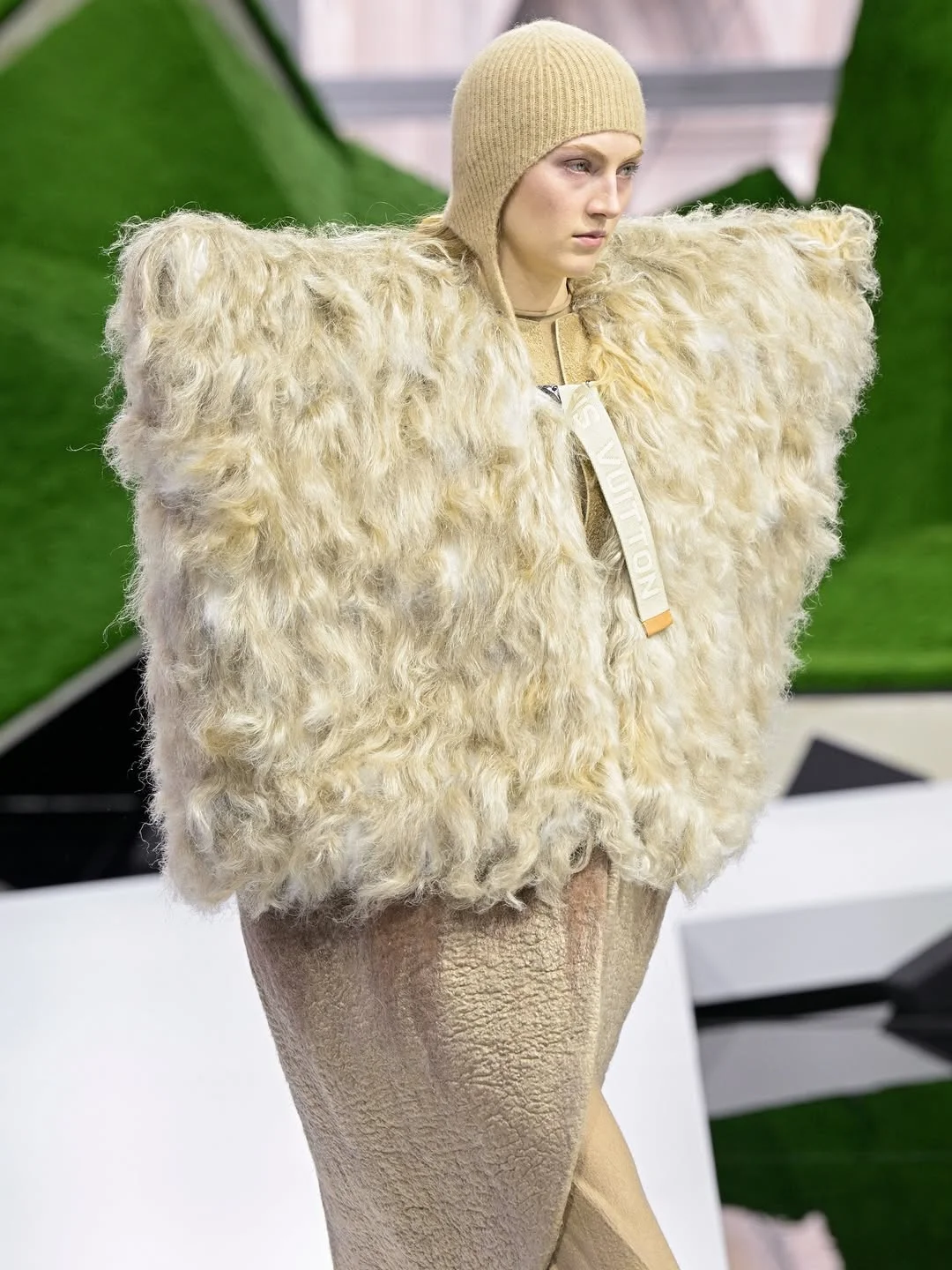
Celebrity has occupied the front row for decades, just as theatrical staging has long belonged to the fashion show. Mugler understood spectacle. Alexander McQueen turned the runway into psychological theatre. John Galliano constructed entire worlds around a collection. Their scale could be enormous, yet those environments pulled the viewer further into silhouette, character, movement and clothes.
Something changes when the surrounding event begins to circulate almost independently of what came down the runway.
The giant installation sticks in someone's mind. Another person remembers the guest list. The meme survives, the celebrity arrival gains its own news cycle, and millions of impressions accumulate around a show whose silhouettes become strangely difficult to describe several days later.
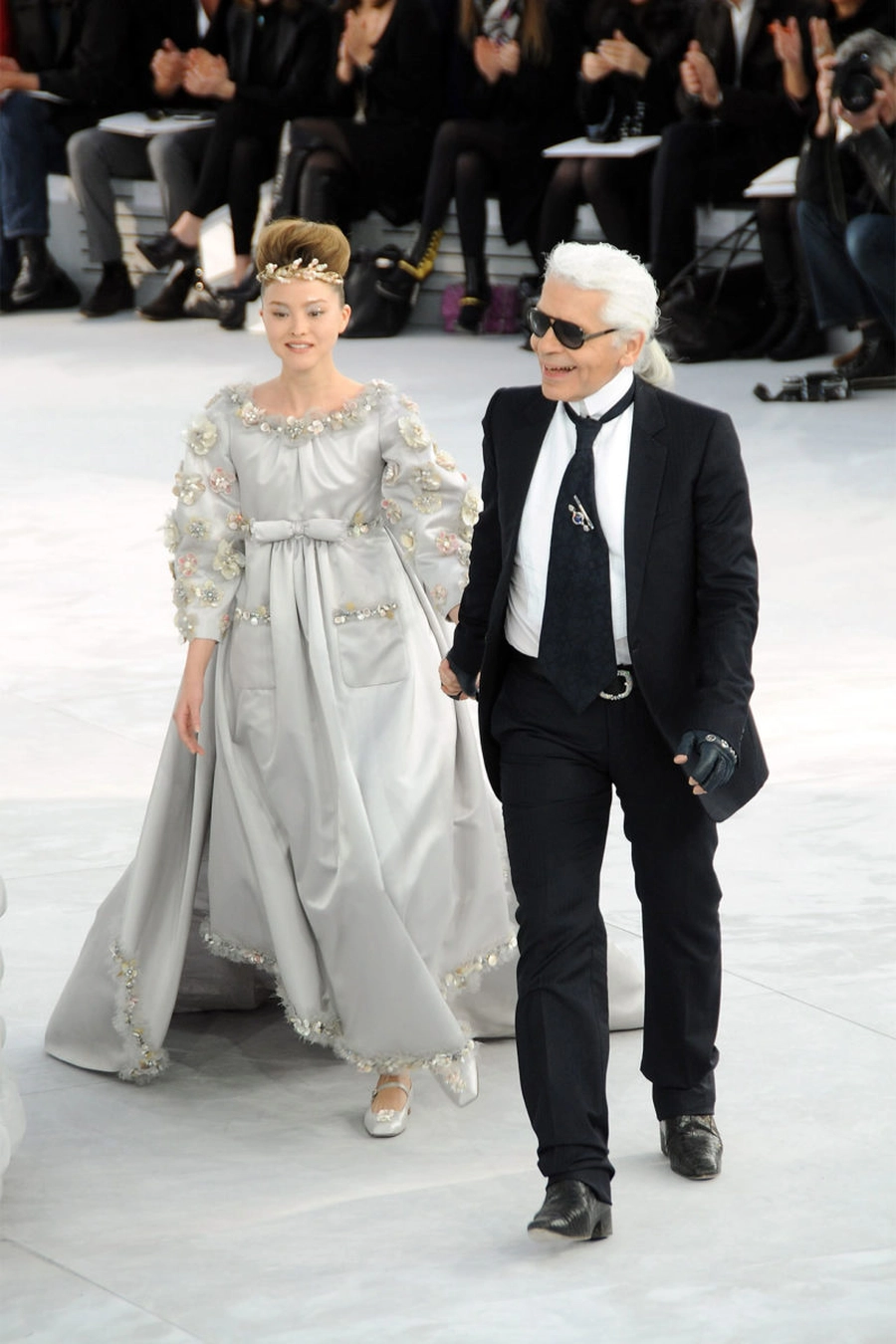
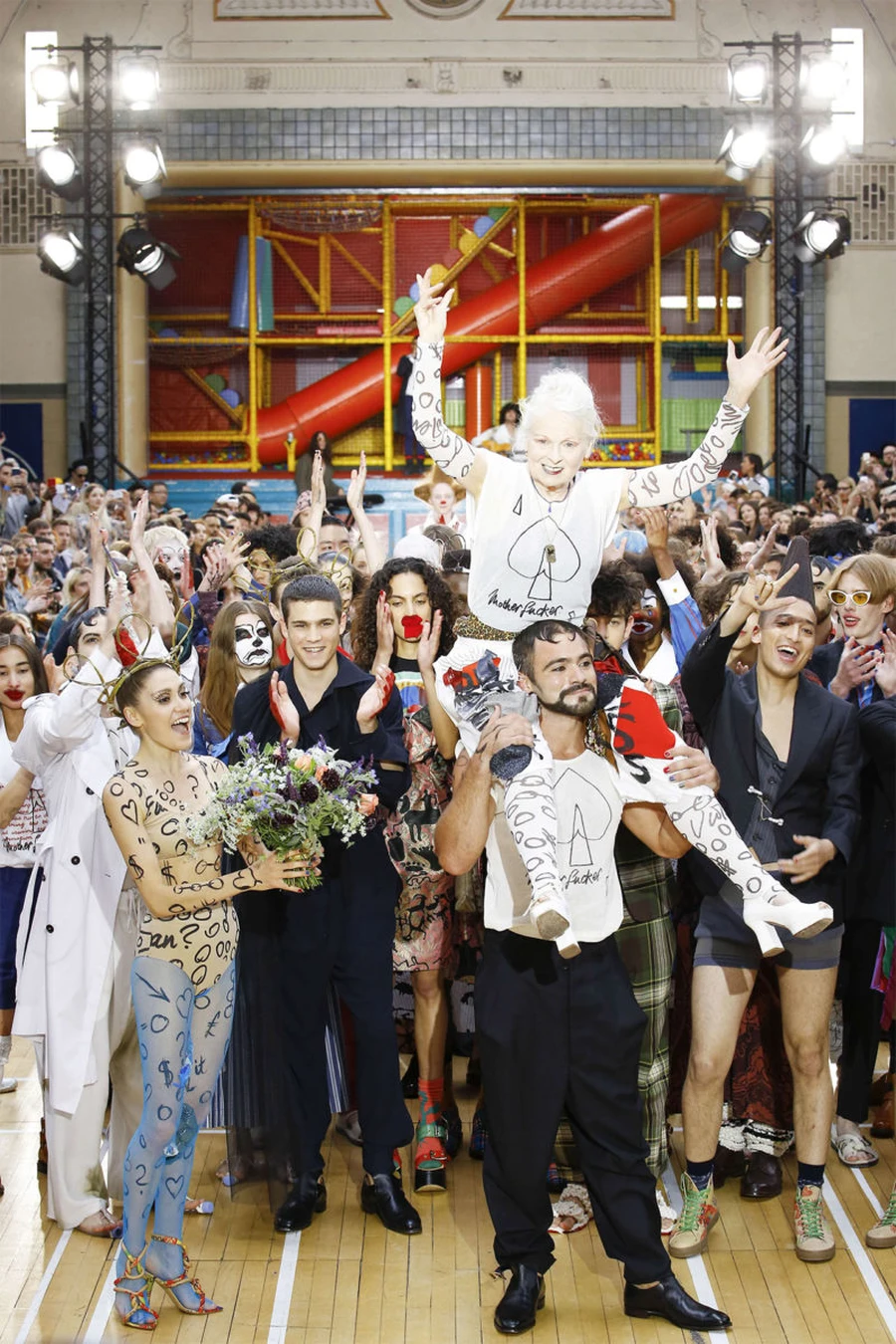
Visibility has expanded around the runway while attention to the garments themselves has become increasingly fragile.
A famous face reaches millions before the first coat turns a corner. An extraordinary venue communicates instantly on a vertical screen. Construction asks for a closer gaze; a perfectly cropped image enters circulation in seconds. Under those conditions, the garment can become a less efficient unit of attention than everything surrounding it.
When a fashion show can dominate the conversation without its clothes becoming part of that conversation, what exactly is the audience being asked to remember?
Brand heat, cultural proximity, celebrity association and social reach now sit beside the traditional purpose of presenting a collection. Spectacle once helped make clothes desirable. At times, the contemporary runway seems to require clothes in order to keep generating spectacle.
Strange proportions often need a second encounter before they begin to make sense, while certain silhouettes gather meaning only after circulating through editorials, shops, streets and the imaginations of other designers. Some collections become significant precisely through the time culture spends living with them. Desire rarely appears on command.
The current fashion calendar leaves increasingly narrow spaces between those encounters. One fashion show concludes and another begins. Images are posted, judged, ranked and converted into content while the next invitation is already circulating. Even a remarkable collection enters the same stream as hundreds of other looks, campaigns, celebrity appearances, collaborations and micro-moments competing for the same eyes.
Creativity still thrives inside that speed. Concentration has become far harder to protect.
Part of the heat attached to the 1980s and 1990s may come from that difference in attention. Those decades carried aggressive commerce, celebrity and elaborate spectacle of their own, yet a memorable proposition could inhabit culture for longer. A Mugler silhouette became inseparable from Mugler. McQueen's runway images acquired lives extending well beyond their original season. John Galliano built visual worlds whose references continued moving through magazines, editorials and wardrobes.
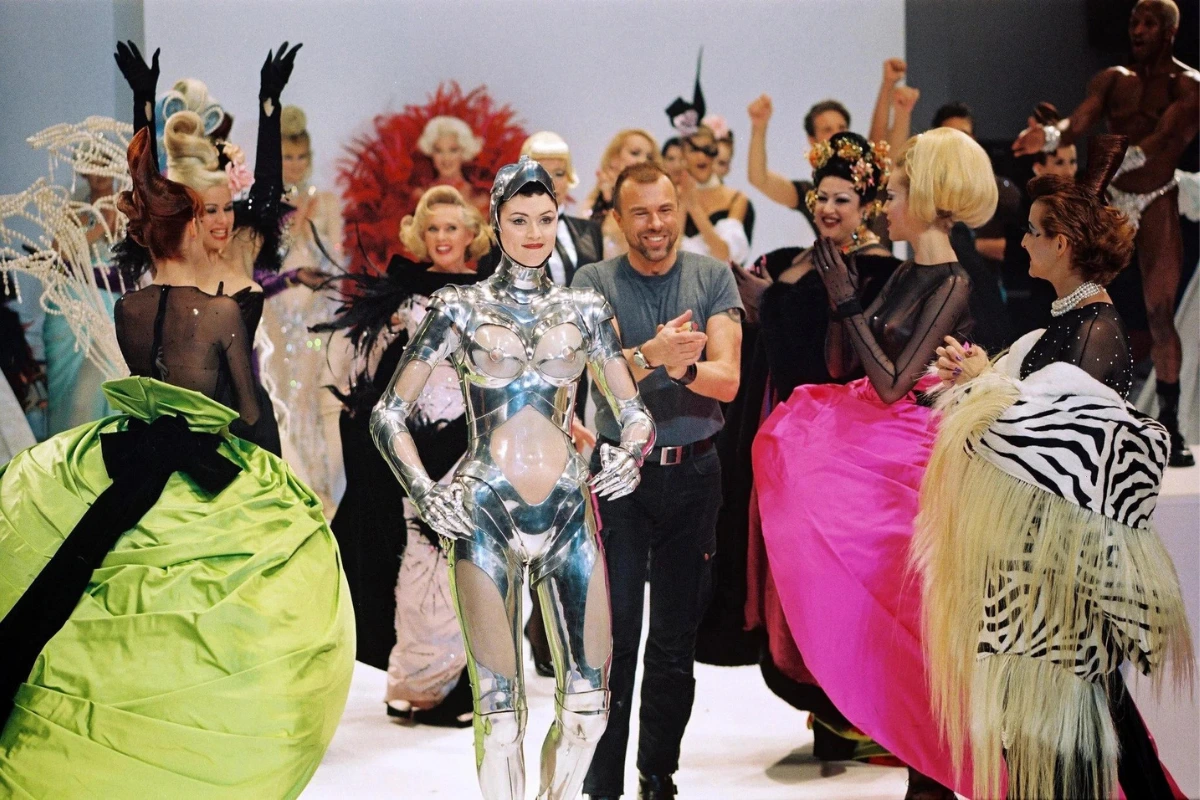
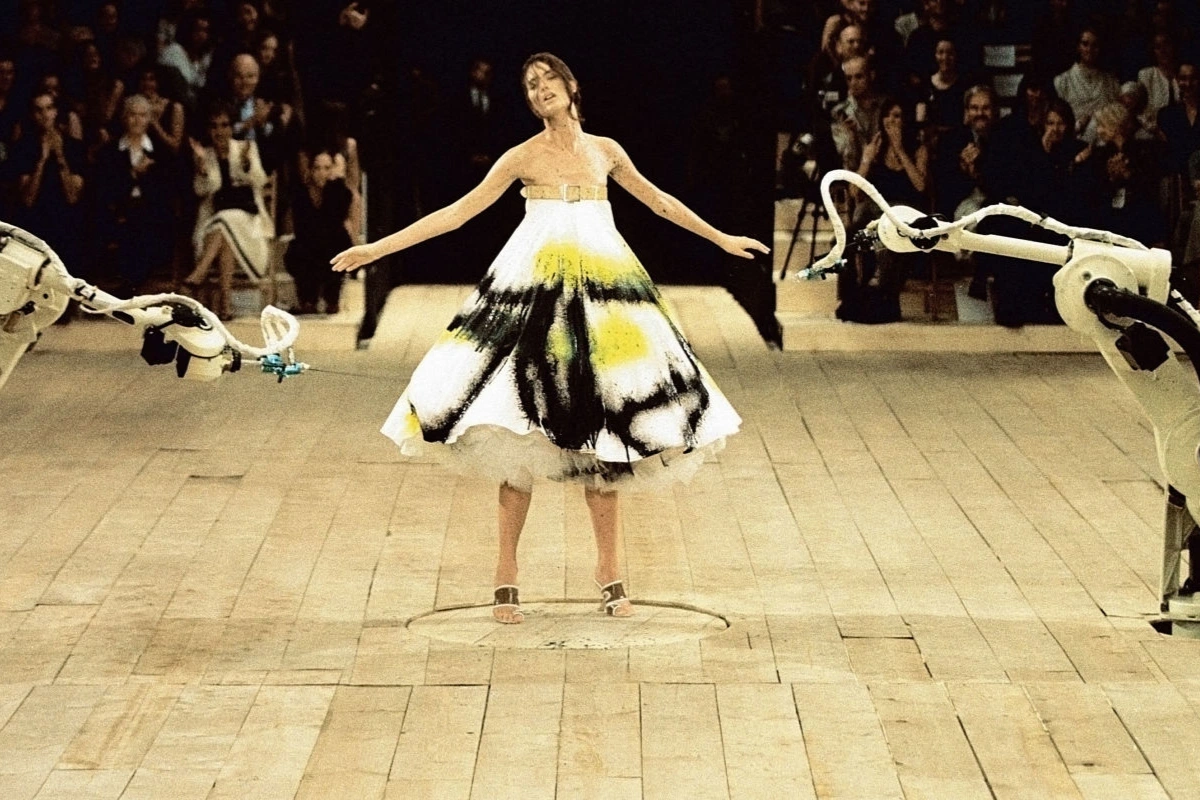
Today, seeing and forgetting can occur at almost the same velocity.
Creativity itself may still burn just as fiercely. The surrounding environment has simply become so crowded that every idea receives less oxygen. An extraordinary image appears on Monday, becomes discourse on Tuesday and is displaced by the next show on Wednesday.
Access has become a double-edged privilege. More voices, perspectives and creative identities can enter the conversation, while that same openness accelerates the rate at which each one is replaced. Possibility expands as attention disperses, leaving a silhouette, a collection or an entire visual language less time to settle into memory.
Shortening Fashion Week alone would barely reach the deeper pressure. Greater access deserves to remain, as does the richer landscape of voices it has enabled. The harder questions sit within the system surrounding them: why must relevance depend on relentless production, why must every collection demand its own moment, and why must each moment hurry toward replacement?
At some point, Fashion Week may have to decide whether more still means better, or whether enough can become its own kind of luxury. As the calendar grows more crowded, abundance also raises the stakes for everyone inside it. More houses compete for the same buyers, headlines, celebrity placements and finite pockets of attention, leaving less time for a weak collection to recover before the next contender arrives. Creative momentum can accelerate a house just as quickly as a few forgettable seasons can push it out of the conversation.
The runway may consequently be gaining another form of entertainment value. We are watching clothes, but increasingly, we are also watching who commands the week, whose debut survives scrutiny, whose front row becomes the story and which house loses cultural ground by the time everyone reaches Paris. Fashion Month can occasionally resemble the industry’s own Hunger Games, where every show becomes both a creative proposition and another round in a much larger contest for relevance. Perhaps part of the fascination now lies precisely there: the spectacle is no longer confined to what happens on the runway, but extends to the competition unfolding between the houses themselves.
Advertisement