MENU
Close





A peptide that makes you tan sounds tempting, but what else comes with it? Before trying Melanotan II, it is worth understanding how widely this tiny molecule can act across the body.
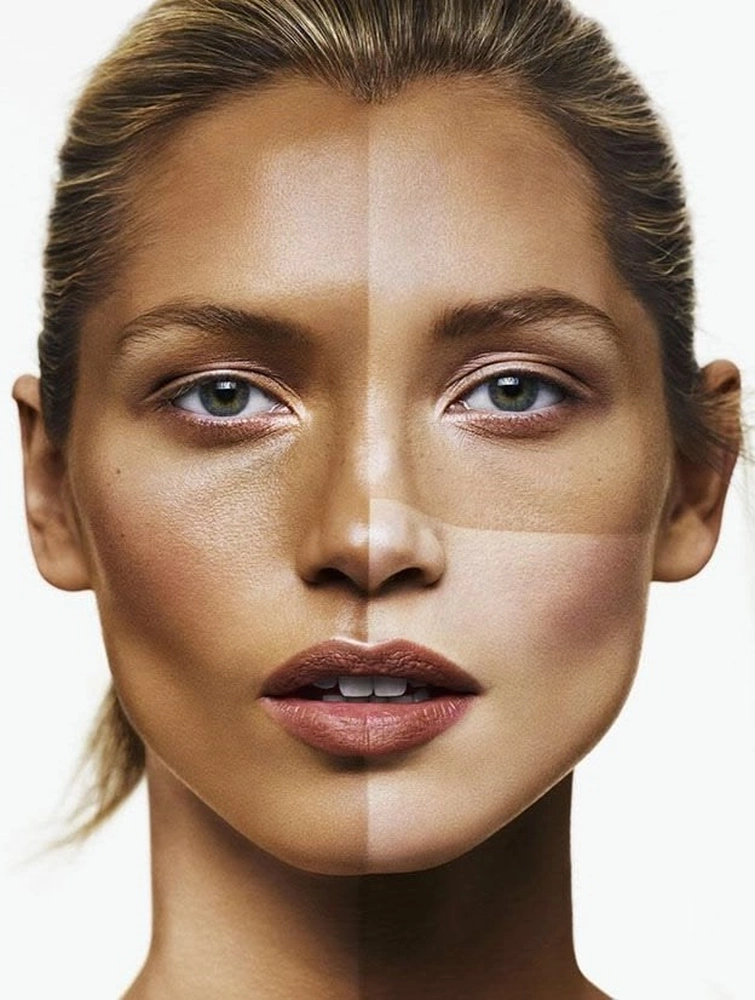
A peptide that makes you tan sounds tempting, but what else comes with it? Before trying Melanotan II, it is worth understanding how widely this tiny molecule can act across the body.
August 23, 2026
Advertisement

Advertisement



A bottle of self-tanner stains the outermost layer of skin. Melanotan II sends a chemical message into the body and asks pigment-producing cells to start making melanin.
The story of Melanotan II begins with a hormone the body already knows. Alpha-melanocyte-stimulating hormone, usually shortened to α-MSH, belongs to the melanocortin system, a network of chemical signals involved in pigmentation and several other physiological functions. Melanotan II, or MT2, is a synthetic cyclic peptide created to imitate part of that signaling activity.
A 2026 systematic review by dermatologist Gabriella Resnick examined 68 peer-reviewed studies on tanning agents. Their review describes Melanotan II as a melanocortin analogue capable of activating melanocortin receptors and stimulating pigmentation.
An early human experiment already showed how powerful that signal could become. In a 1996 study at the University of Arizona College of Medicine, pharmacologist Robert T. Dorr and colleagues gave Melanotan II to three healthy male volunteers. Increased pigmentation appeared on the face, upper body, and buttocks after a short treatment period. The researchers also recorded nausea, fatigue, yawning, and spontaneous erections.
The tanning effect was real. Several effects reached far beyond looking bronzed. That is the first clue to understanding Melanotan II. Calling it a tanning peptide describes the cosmetic result people seek. Inside the body, Melanotan II behaves as a melanocortin receptor agonist capable of reaching a much wider biological system.
Deep within the epidermis sit melanocytes, specialized cells responsible for producing melanin. One important switch on these cells is the melanocortin 1 receptor, or MC1R.
When melanocortin signaling activates MC1R, a cascade inside the melanocyte encourages production of eumelanin, the brown-black pigment involved in darker skin coloration. The 2026 review led by Gabriella Resnick maps this pathway through MC1R activation, cyclic AMP signaling and increased melanogenesis.

Melanotan II taps into this existing biological machinery. Conventional DHA self-tanner reacts with amino acids in the stratum corneum, creating brown-colored melanoidins across the outermost layers of skin. The same 2026 systematic review describes DHA pigmentation through this Maillard reaction. Melanotan II encourages melanocytes to manufacture pigment themselves.
The mirror can therefore show a familiar bronzed result while the biological process starts much deeper inside the pigmentation pathway.
That distinction raises an important question: If Melanotan II increases melanin, does the new pigment turn somebody into their own sunscreen?
The useful answer comes from separating pigmentation from complete photoprotection. Even medically approved melanocortin therapy continues to sit alongside sun and light protection. FDA prescribing information for afamelanotide specifically instructs patients with erythropoietic protoporphyria to maintain photoprotective measures during treatment.
MC1R explains much of the pigmentation story. The wider melanocortin receptor family participates in processes reaching into appetite, energy balance and sexual function. Melanotan II has activity across this broader receptor system, giving one small peptide access to several biological conversations at once.
Researchers discovered one of those conversations almost by accident.
A controlled study by Hunter Wessells and colleagues examined men with organic erectile dysfunction and again recorded erections and increased sexual desire following Melanotan II administration.
Suddenly, a peptide sought for bronzed skin also had a résumé involving erections, desire and hunger.
When a beauty intervention intended to change skin color can also influence hunger and sexual arousal, can we still think of Melanotan II as simply a tanning product?
The desire behind Melanotan II is easy to read.
A tan has spent generations carrying visual associations with holidays, health, athleticism, and body definition. Melanotan II promises to move part of that process inside the body, using melanin itself as the cosmetic material.
A 2026 clinical case from Alexander Bonchev at the Medical University of Sofia makes that motivation unusually explicit. His 42-year-old patient reported using Melanotan II specifically to achieve deeper tanning and improve the visual definition of his muscles. During the same period, the patient also used sunbeds.
The combination says a great deal about beauty psychology. Melanotan II can become another tool within an existing tanning ritual, carrying the fantasy that biology itself can be optimized toward a desired shade.
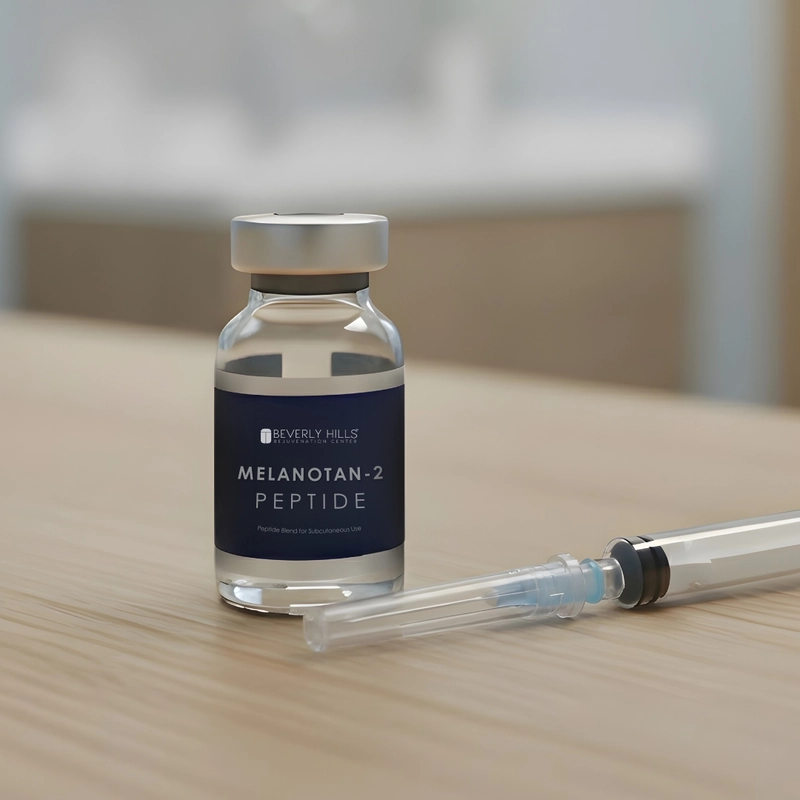
If Melanotan II activates pigmentation throughout the body, can it choose where that pigment appears?
The Sofia case gives us an answer.
During 64 days of Melanotan II use, Alexander Bonchev's patient developed pronounced brown pigmentation across the gums and inside both cheeks. Some pre-existing skin moles also darkened. After the injections stopped, much of the cheek pigmentation faded over the following months, while some gingival pigmentation remained visible at the three-month follow-up.
Melanotan II cannot receive an instruction saying “bronze my shoulders, sharpen my abs and leave my gums alone.”
Even a perfectly characterized drug requires dependable manufacturing. The Melanotan II market introduces another variable because many consumer products circulate outside approved pharmaceutical supply systems.
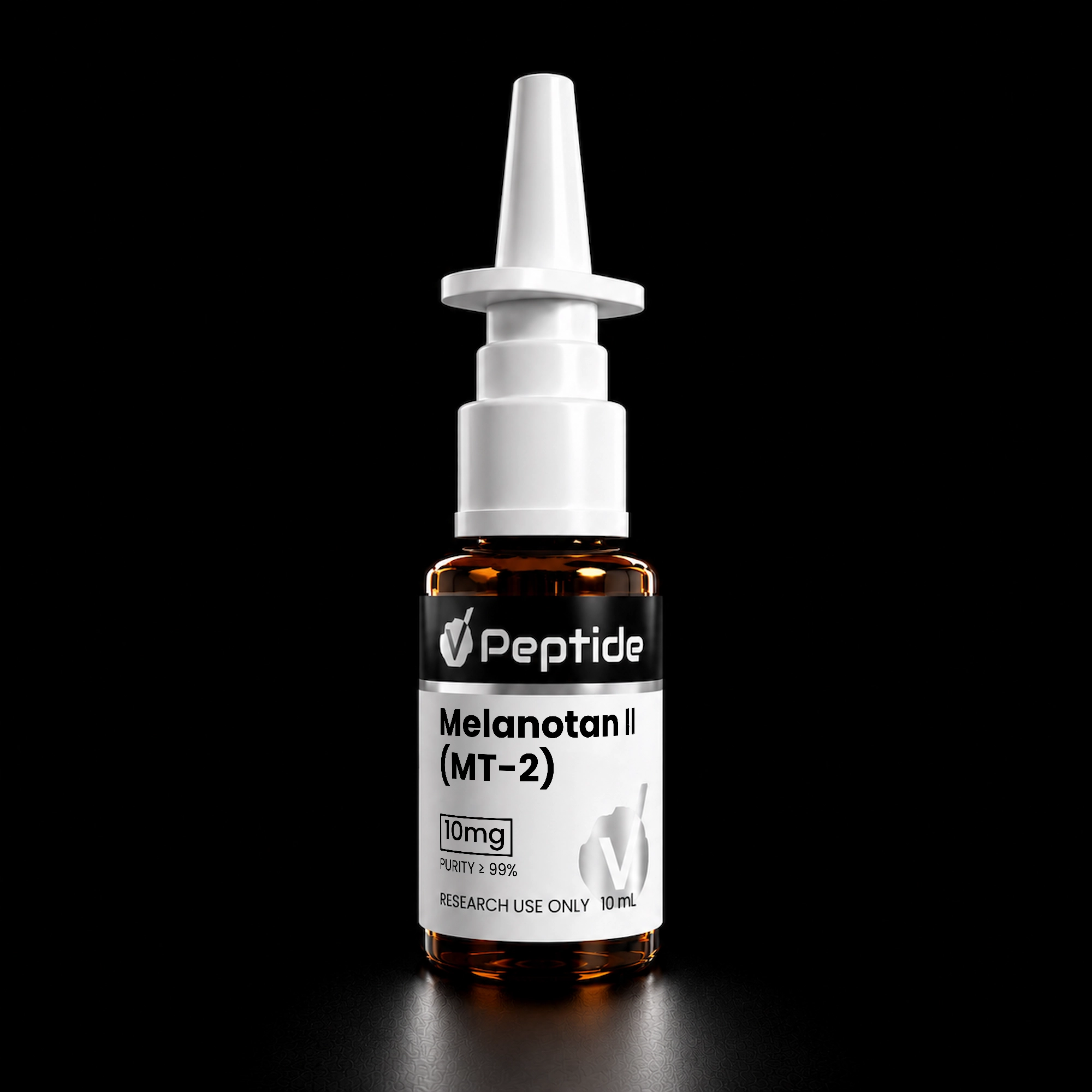
In August 2026, Australia's Therapeutic Goods Administration published laboratory results from five seized Melanotan II nasal sprays. Every bottle carried a label claiming 30 mg of MT2 in 20 mL. Laboratory estimates ranged from 22 mg to 54 mg.
Three months earlier, the TGA had issued 27 infringement notices totaling A$101,412 to a New South Wales individual over the alleged unlawful supply of Melanotan II. The agency states that MT2 is prescription-only in Australia and currently absent from the Australian Register of Therapeutic Goods as an approved tanning product.
Melanotan II can affect much more than skin color. Commonly discussed risks include nausea, flushing, headaches, fatigue, appetite changes, dizziness, darkening of freckles and moles, new areas of pigmentation and prolonged erections. Because the peptide works through melanocortin receptors across the body, an unexpected reaction can show up somewhere far away from the tan itself.
Anyone considering Melanotan II benefits from speaking with a doctor or dermatologist first, especially when existing moles, unusual pigmentation or other health concerns are present. During use, skin deserves regular observation for spots that rapidly change in size, shape, color or texture. Persistent nausea, severe muscle pain, dark urine, intense headaches, neurological symptoms or an erection lasting several hours call for prompt medical attention.
Melanotan II commonly circulates through online sellers as injectable vials and nasal sprays, where strength, purity and storage conditions can vary. Keeping the packaging, ingredient information and purchase details gives a healthcare professional useful context if a reaction occurs. A clinic visit can help monitor the body and skin, while Melanotan II remains outside an established FDA-approved cosmetic tanning treatment pathway.
Advertisement