The value of a painting extends way beyond its artistic brilliance. Vincent van Gogh’s recent record-breaking painting, Châtaigniers en fleurs achieved $190.4 million at Sotheby’s New York, demonstrating how auction history, ownership and provenance can shape the destiny of a million-dollar masterpiece.
Van Gogh’s $190.4 Auction Record Came With Provenance
The value of a painting extends way beyond its artistic brilliance. Vincent van Gogh’s recent record-breaking painting, Châtaigniers en fleurs achieved $190.4 million at Sotheby’s New York, demonstrating how auction history, ownership and provenance can shape the destiny of a million-dollar masterpiece.
November 12, 2026


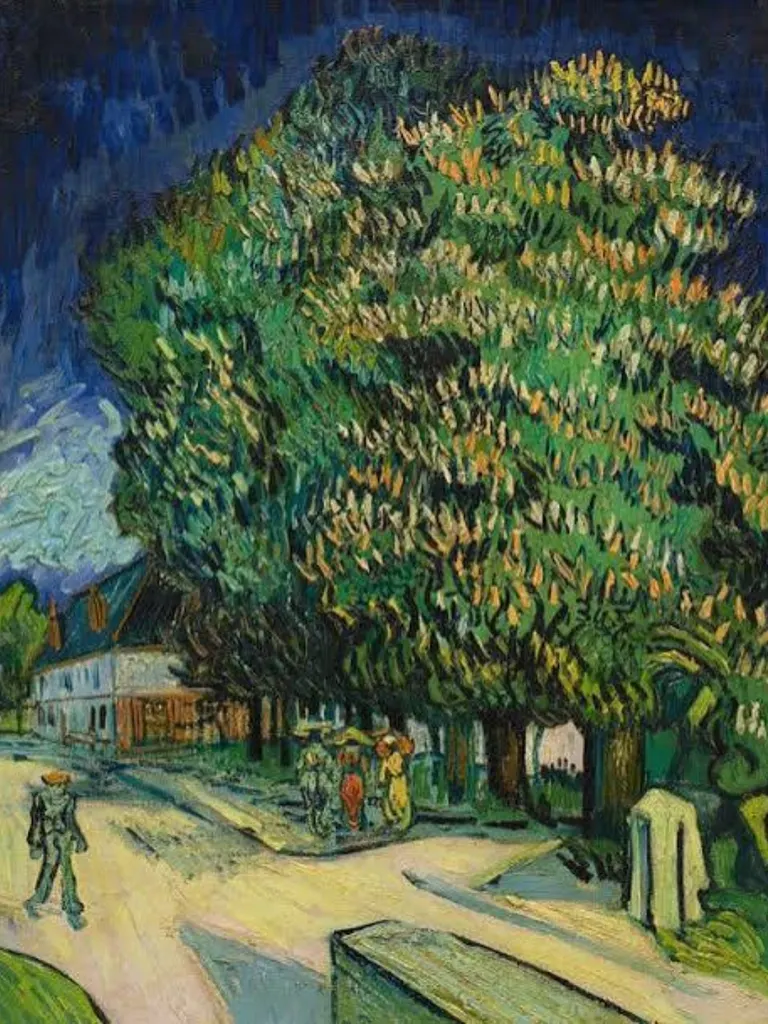
On November 18, 2026, Vincent van Gogh’s Châtaigniers en fleurs (Chestnut Trees in Blossom, May 1890) sold for $190.4 million, including buyer’s premium, at Sotheby’s New York. Leading the single-owner evening sale Legendary: The Blaquier-Arrieta Collection, the painting surpassed Van Gogh’s previous public auction record by more than $73 million, marking a remarkable 62 per cent increase. The result was particularly significant given that the canvas had remained largely out of public view for over six decades. Behind the scenes, the lore about its provenance makes the painting even more interesting.
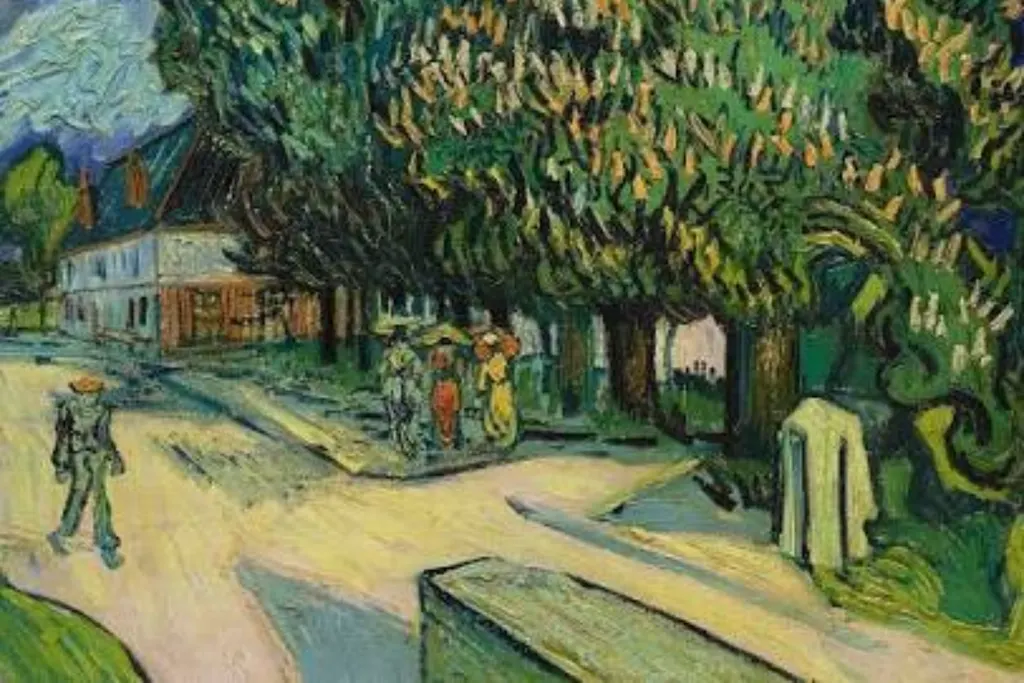
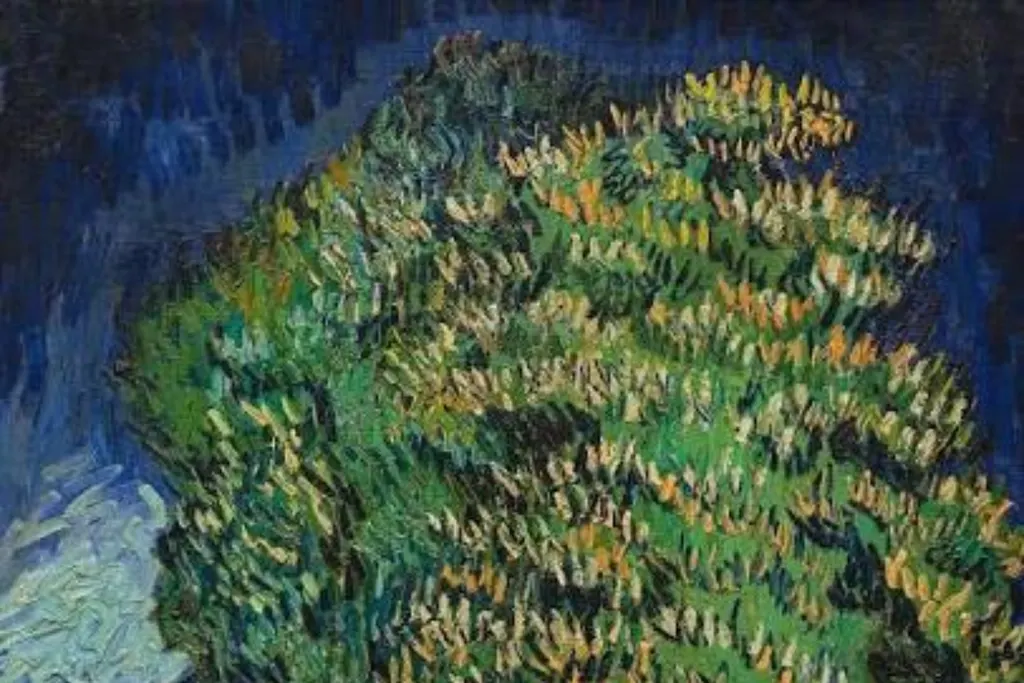
Painted shortly after Vincent Van Gogh arrived in Auvers-sur-Oise in May 1890, following his departure from the asylum at Saint-Rémy, Châtaigniers en fleurs captures the village's chestnut trees in full spring bloom. The composition reflects the artist's intense productivity during his final months, just two months before his death in July 1890. Thick, rhythmic impasto strokes of cobalt blue, emerald green and creamy white blossoms create a vibrant canopy, contrasted by warm ochre and rose architectural details. Its expressive palette and energetic brushwork exemplify the emotional intensity of his late period.
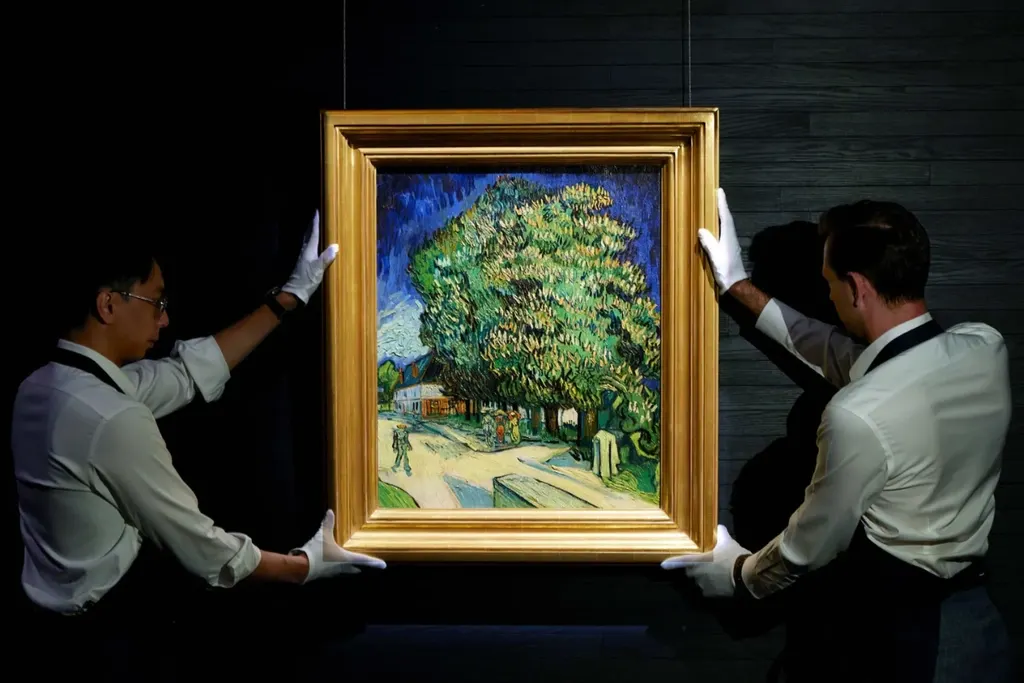
Beyond its artistic significance, the painting's extraordinary auction result was closely tied to its ownership history, Châtaigniers en fleurs belonged to the collection of Argentine industrialist Carlos Pedro Blaquier and his wife, Nelly Arrieta de Blaquier, who acquired it in the mid-20th century and kept it in Buenos Aires for more than 60 years. The work headlined a group of 12 paintings estimated at approximately $450 million, collectively known as the Blaquier-Arrieta Collection.
However, its provenance became the subject of controversy shortly before the auction. Descendants of Samuel Fischer, a prominent Jewish German publisher, sought to prevent the sale, claiming that the painting had been sold under duress in 1936 as the family fled Nazi persecution. The dispute brought renewed attention to the responsibility of auction houses and collectors in examining the historical ownership of artworks, particularly those that changed hands during periods of political persecution.
On November 17, just one day before the scheduled auction, Sotheby's, the Blaquier-Arrieta consignors and the Fischer heirs reached a confidential settlement. The agreement resolved the ownership dispute, clearing the way for the painting to appear at auction.
The eventual $190.4 million result therefore represented more than a new auction benchmark for Vincent Van Gogh. It demonstrated how artistic significance, historical documentation and the complexities of provenance intersect in the international art market. For collectors, provenance is not merely a record of previous ownership but an essential component of an artwork's identity, legitimacy and long-term value. In this case, the painting's journey through history proved almost as compelling as the masterpiece itself.