MENU
Close





With textured fashion on the rise, it is no surprise we have all turned into bird enthusiasts, seduced by clothes that promise softness, spectacle, and the fantasy of flight.
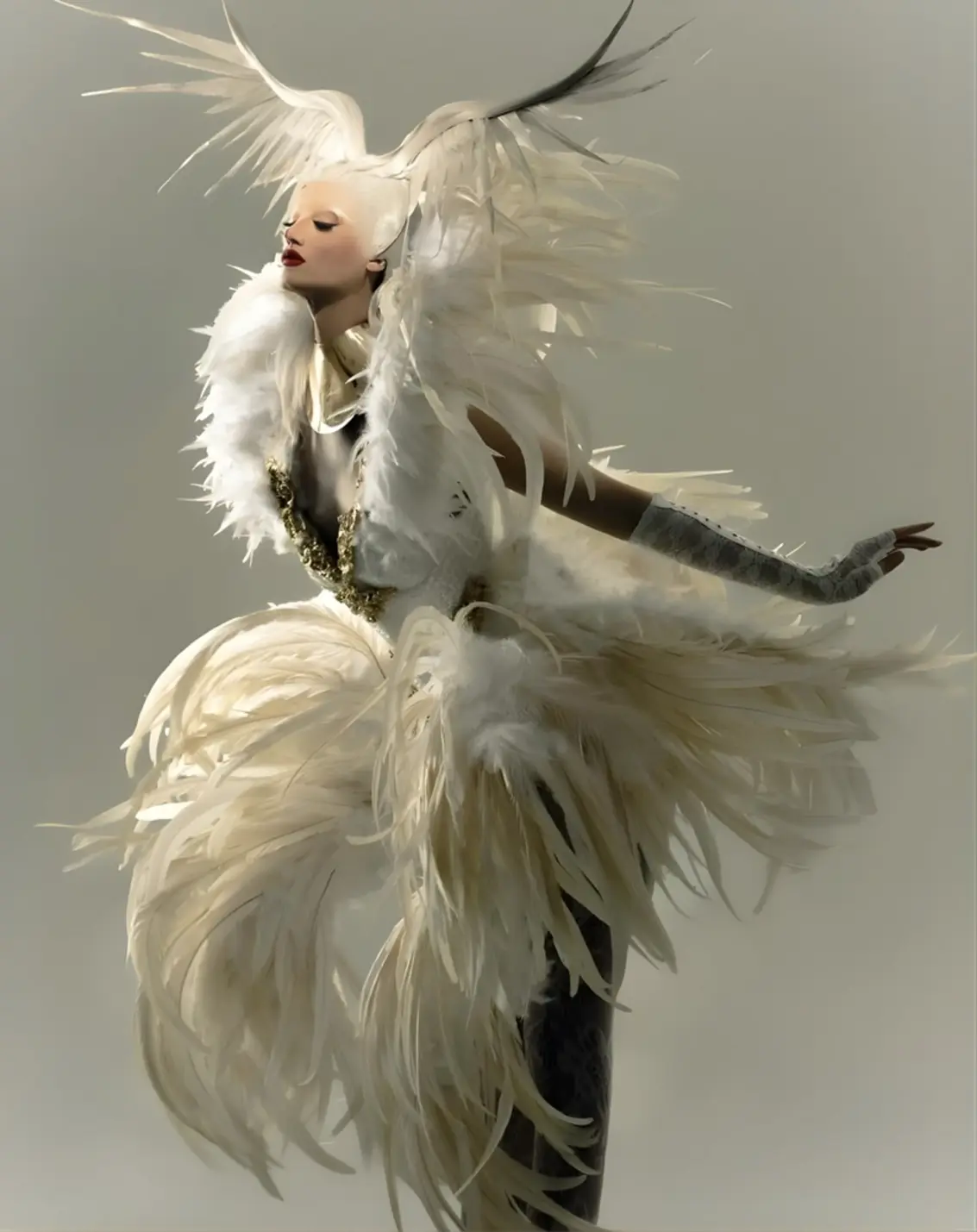
With textured fashion on the rise, it is no surprise we have all turned into bird enthusiasts, seduced by clothes that promise softness, spectacle, and the fantasy of flight.
March 31, 2026
Advertisement
Advertisement
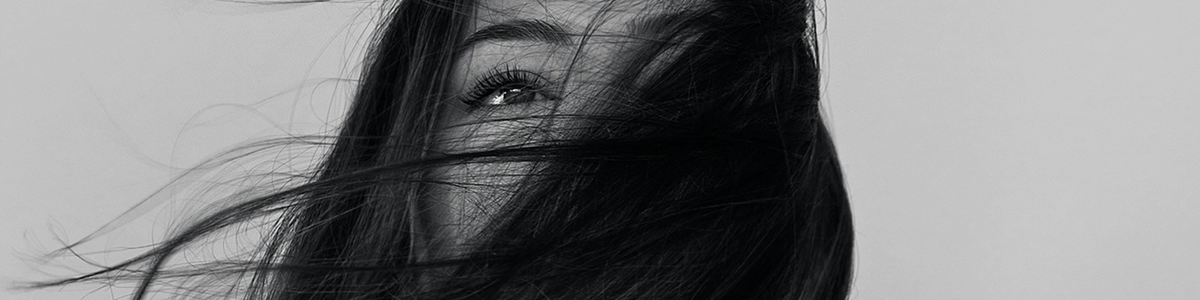


Fashion may have broken up with fur in public, but its fingertips are clearly still texting the same fantasy after midnight. The appetite for plush, stroking, status-loaded texture never really left the room. It simply changed costumes. Suddenly, textured fashion runway looks are fluffing themself up with feathers, teasing out shearling, licking at pony hair, and wrapping itself in mohair and fringe like the world’s chicest nervous system. One minute we were all sworn devotees of quiet luxury, dressed like the Olsen twins. Next minute, we were flirting with plumage and pelt effects like a flock of beautifully overfunded bird enthusiasts.
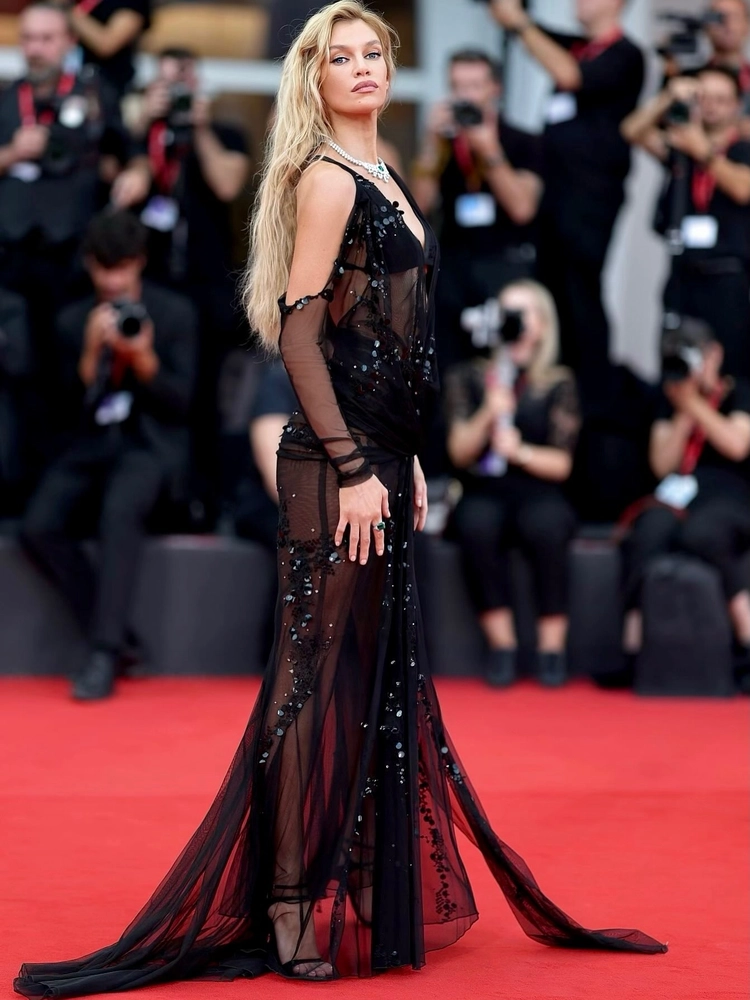
It all began at couture, of course, where textured fashion first gave itself permission to molt. January arrived in a flurry of feathered lapels, jackets, and bodices at Schiaparelli Couture, while Dior Couture sent out chiffon and organza so artfully shredded they seemed to exhale into plumage. Chanel Couture went fully avian, teasing its collection with feathers, fringe, and the kind of bird-brained glamour that knows exactly what it is doing. By the time the Oscars rolled around two months later, the mood had escaped the runway and landed squarely on the red carpet. Nicole Kidman, Teyana Taylor, and Maya Rudolph drifted out in Chanel plumes, while Demi Moore wore Gucci in iridescent black and green feathers, like some dangerously elegant creature who had no business being that composed.
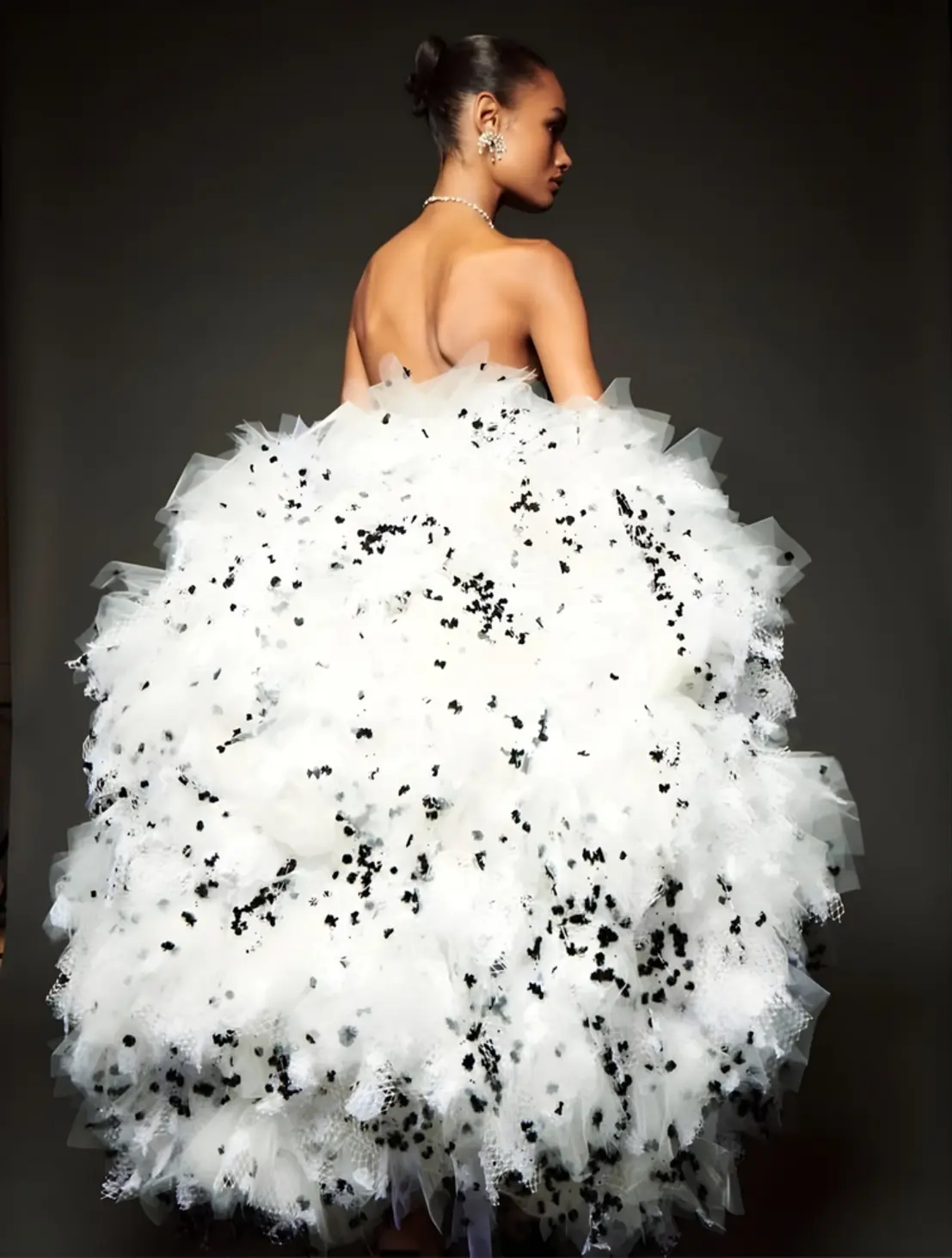
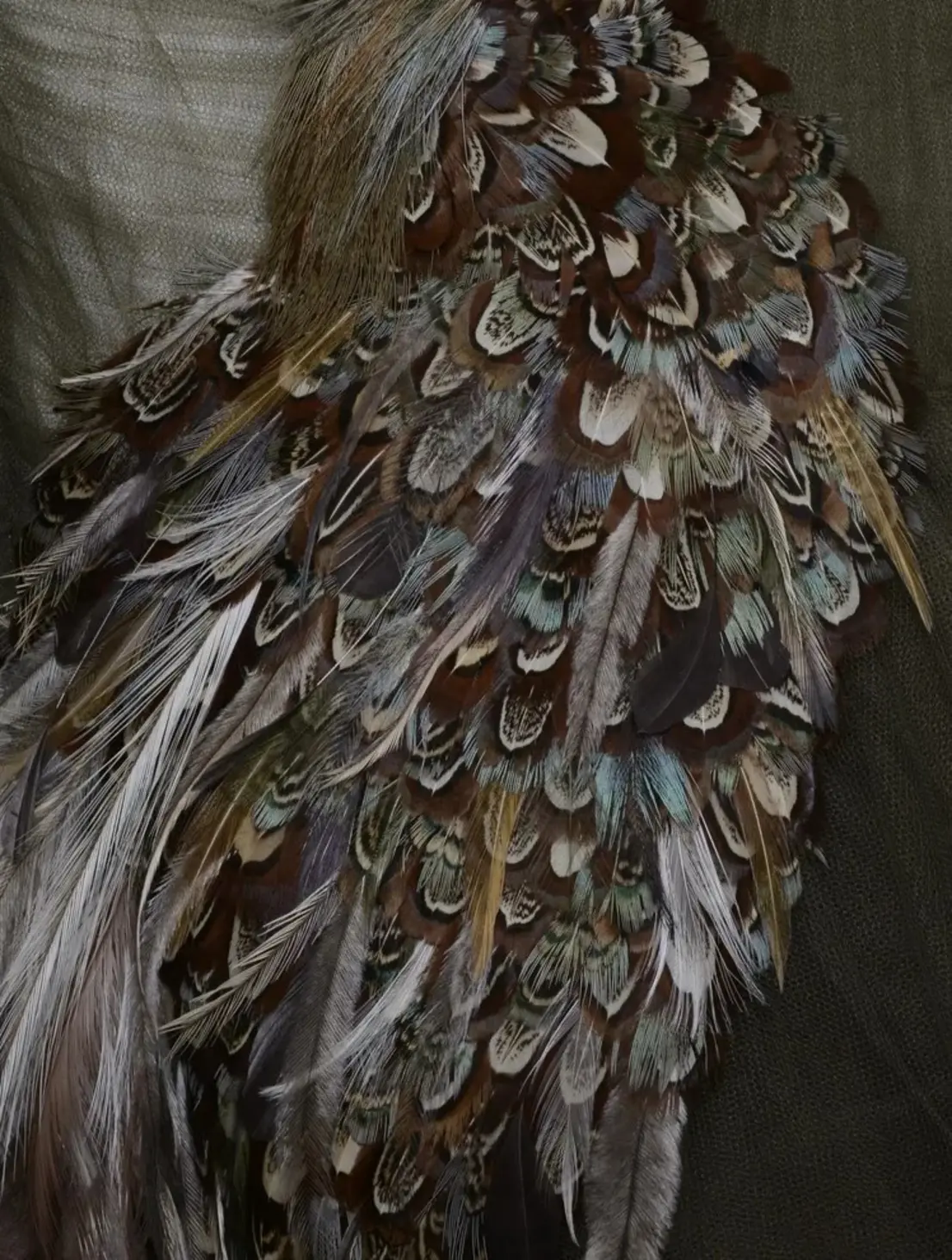
This was hardly a visual coincidence. Feathers and shearling on the runway jumped more than 200 percent and 500 percent over the previous year, according to Tagwalk, while faux fur, bouclette, and pony hair were up 20 percent in the same stretch. The stores were already following suit. What looked at first like a flirtation had clearly become a full-blown tactile affair. After years of polished restraint and suspiciously well-behaved luxury, consumers wanted a little friction back in the wardrobe. A little swish. A little fluff. A little fabulous disruption that made textured fashion feel irresistible again.
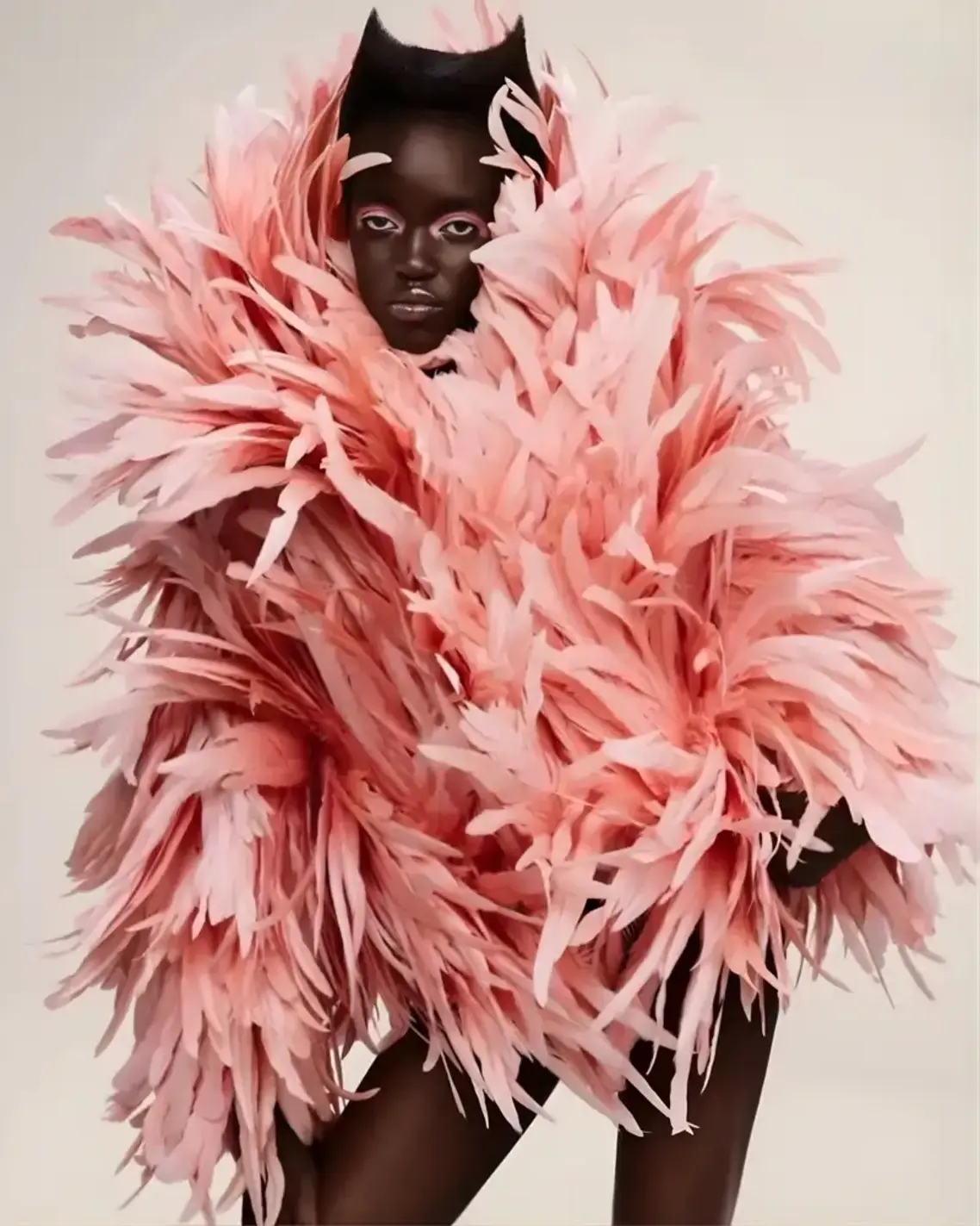
And really, who could blame them. It is natural to get bored of yourself. Natural to tire of clean lines and tasteful self-control and start craving a silhouette with a pulse. Textured fashion arrive at exactly the right emotional moment, when the world feels tense, grimy, overworked, and vaguely apocalyptic, and people are desperate for softness, shelter, escapism, and some proof that beauty still knows how to perform. Feathers, pony hair, and shearling do not merely decorate. They seduce. They cocoon. They whisper of a richer, stranger life. In uncertain times, fashion tends to answer with opulence, because extravagance has a wicked way of making people want in. Dior’s post-war New Look once felt shocking for exactly that reason. It looked excessive, irresistible, and gloriously out of step, which is often the first sign that something is about to matter.
That same appetite is feeding the industry’s renewed obsession with craft, innovation, and visibly luxurious surfaces. Brands need to persuade shoppers that these pieces deserve the spend, and textured fashion does that work beautifully because it looks expensive before you have even touched it. Trade shows have seen a drift away from synthetics and toward natural fibres like wool, opening the door to a richer supply of textured materials. Stella McCartney introduced a plant-based feather alternative through Fevvers for Spring/Summer 2026. Louis Vuitton worked with BioFluff’s plant-based faux fur. Louise Trotter used recycled fibreglass to create Bottega Veneta’s gleaming fur-effect coats. At Dior, Jonathan Anderson manipulated chiffon and organza into feather-like fantasy, while Loewe pushed bouclé leather and brushed shearling into something plush, odd, and exquisitely overdone. That is the real point of all this fluff and fringe. It is kitsch with pedigree, fantasy with technique, and luxury making its case through touch, drama, and just a little bit of delicious excess.
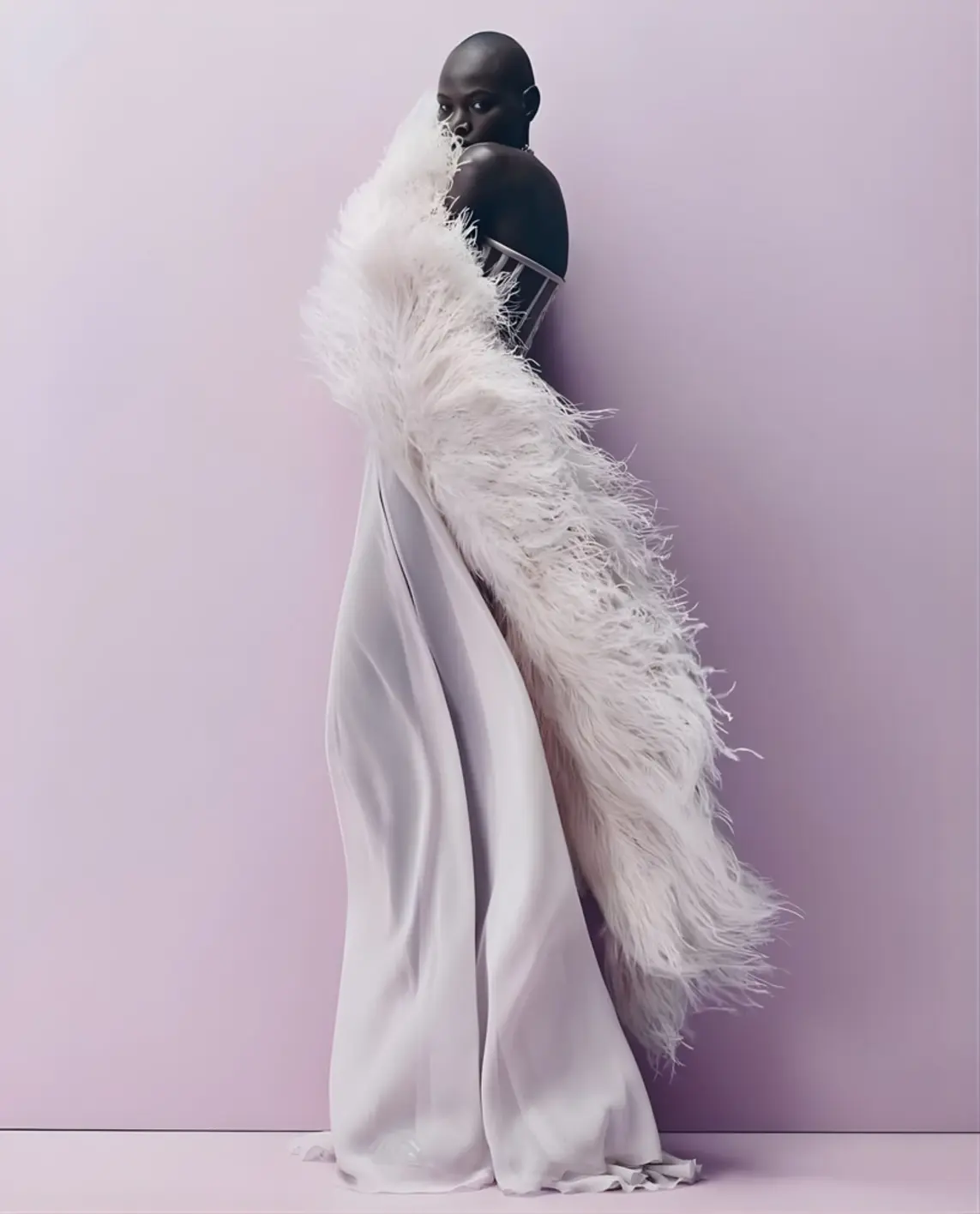
That is why this shift feels bigger than a trend report with a few fuzzy accessories attached. It is moving toward touch, movement, and material drama because people want evidence of feeling again. They want clothes that interrupt the eye. Clothes that justify the spend. Clothes that feel crafted, strokable, and just unruly enough to make a sensible wardrobe blush.
So yes, suddenly we are all flirting with textured fashion. Suddenly the industry looks a little more feral, a little more theatrical, a little more willing to molt its restraint. After years of polish and discipline, fashion seems to want to fly, or at least fake the sensation beautifully. Maybe that is escapism. Maybe that is relief. Maybe that is the fantasy of a softer, freer world waiting somewhere beyond the dust. Whatever the reason, texture has returned with claws, plumes, and a very expensive sense of timing.
Advertisement