MENU
Close





Suez Canal is often reduced to a canal city, a headline, a bottleneck, a map label with global consequences. Yet the city itself carries a tougher, stranger beauty. It is a place of ancient routes, wartime scars, working-port pride, protest energy, and songs that learned how to survive destruction.
Suez Canal is often reduced to a canal city, a headline, a bottleneck, a map label with global consequences. Yet the city itself carries a tougher, stranger beauty. It is a place of ancient routes, wartime scars, working-port pride, protest energy, and songs that learned how to survive destruction.
April 3, 2026


To arrive in Suez is to enter a city that has spent centuries standing at the hinge of worlds. Africa brushes Asia here. Desert meets harbor. Empire meets labor. Pilgrimage meets petroleum. The city sits at the southern terminus of the Suez Canal, yet Suez is older than the canal, tougher than its headlines, and far more emotionally complex than the trade route that made its name global. This is a city of ancient channels, Ottoman fleets, national drama, and ordinary people who learned how to live beside history without waiting for permission from it.
Long before container ships turned Suez into a daily economic obsession, this was already a frontier landscape of connection. The history of the area can be traced back to the ancient trading site of Clysma, later the Muslim Qulzum, while the broader isthmus had older canal experiments linking Nile lands toward the Red Sea as early as the second millennium BCE. Those routes were extended, neglected, reopened, and reimagined by later powers from the Ptolemies to the Romans to the early Arabs. Suez, in other words, did not suddenly become strategic in 1869. It had been magnetic for centuries.
That long prehistory matters because it gives Suez a deeper mood than simple infrastructure worship. The city was already a threshold before modernity gave it a steel-and-shipping vocabulary. After the Ottoman conquest, Suez developed into a naval station and a major port connected to Arabia, Yemen, and India. Even in its quieter periods, it never fully lost the feeling of being watched by history. Ports rarely do.
Then came the nineteenth century and the version of Suez that reordered the planet. Construction on the modern canal began in 1859, and it opened in 1869 after a decade of work. The result was not merely an engineering accomplishment. It was a geopolitical nerve laid through Egyptian land. The Suez Canal Authority still describes the waterway as the shortest link between East and West, while outside analysts continue to cite its enormous influence on freight, fuel, and shipping time.
“Tonight the Suez Canal will be managed by Egyptians!”
That sentence, delivered by Gamal Abdel Nasser in 1956, remains one of the great lines of twentieth-century political theater. In a single stroke, Suez stopped being only a canal city and became a sovereignty story. That shift still shapes the city’s mythology.
If the canal gave Suez global stature, resistance gave it character. The city suffered heavily in the wars that followed 1967. The Suez Canal Authority notes that navigation through the canal stopped after the June 1967 war and resumed only in 1975, when Anwar El-Sadat reopened it in a speech that framed the canal as “a branch for peace and an artery for prosperity.” In the years between, Suez lived with military trauma, displacement, and damage that left deep marks on its urban memory.
That memory is one reason Suez often feels emotionally different from Cairo. Cairo performs scale. Alexandria performs nostalgia. Suez performs nerve. During the 2011 uprising, Suez was identified as one of the early flashpoints where deadly clashes erupted almost immediately, helping push the anti-Mubarak revolt into a national emergency. The city’s political reputation was already fierce; 2011 only sharpened it.
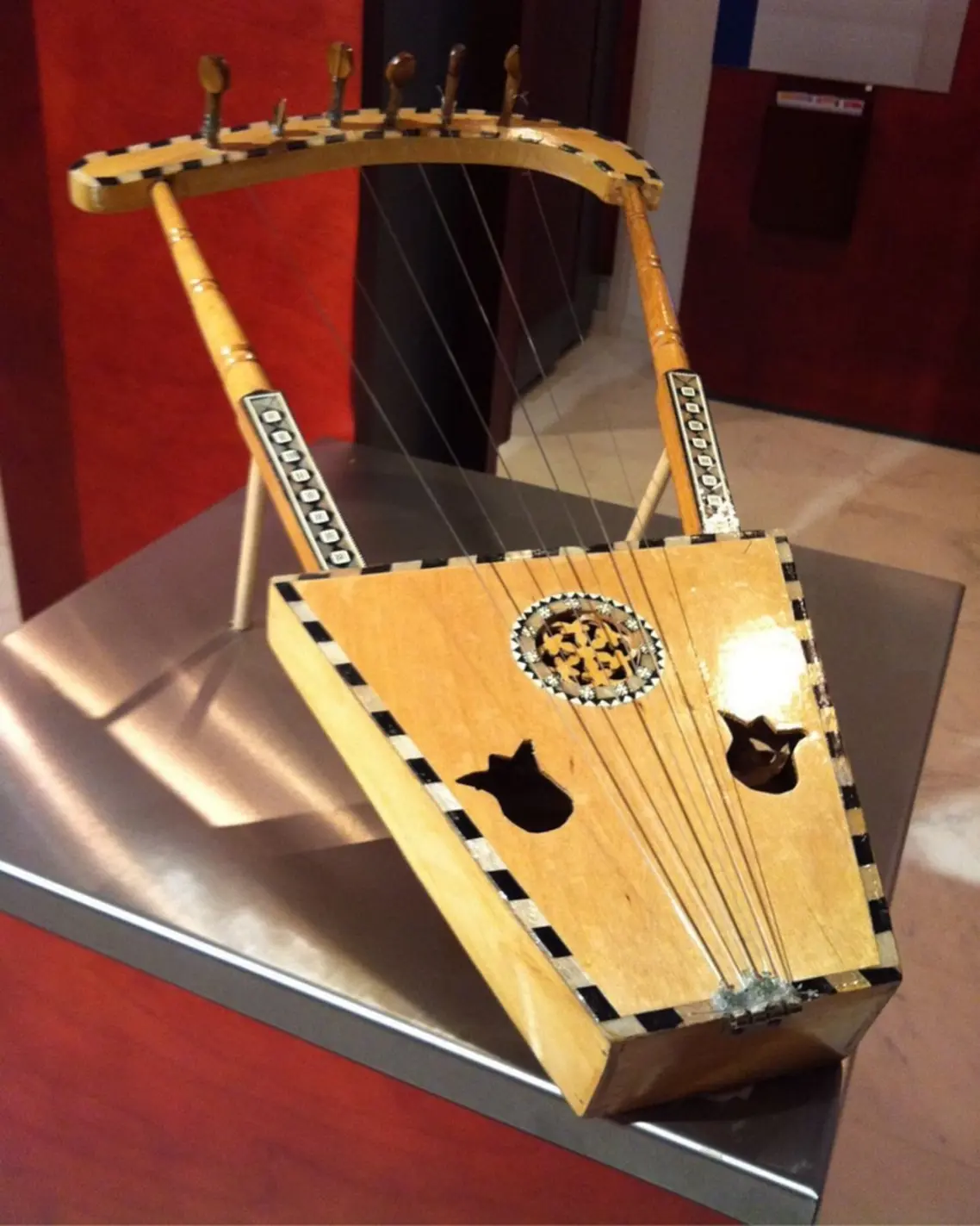
And then there is the music. No portrait of Suez feels complete without the simsimiyya, the lyre-like instrument associated with the canal city. Research on the instrument places it along the Red Sea and canal belt, and accounts of Suez’s wartime culture describe simsimiyya songs as part of popular resistance after 1967, carrying determination and hope among displaced communities. In many cities, music decorates history. In Suez, music had a job.
“Songs of resistance instilled a spirit of determination and hope.”
That may be the cleanest summary of Suez there is. This is a city where culture does not float above hardship in a cloud of tasteful abstraction. It works. It steadies. It survives. Even its beauty feels practical.
The Suez Canal is often reduced to a feat of engineering, a line cut through geography to accelerate trade, empire, and modernity. Yet to travel along it through its cultural places, historical landmarks, and museums is to discover that the canal is also a corridor of memory, where Egypt’s encounter with Europe, industry, war, and self-invention remains written into stone, façades, gardens, and galleries.
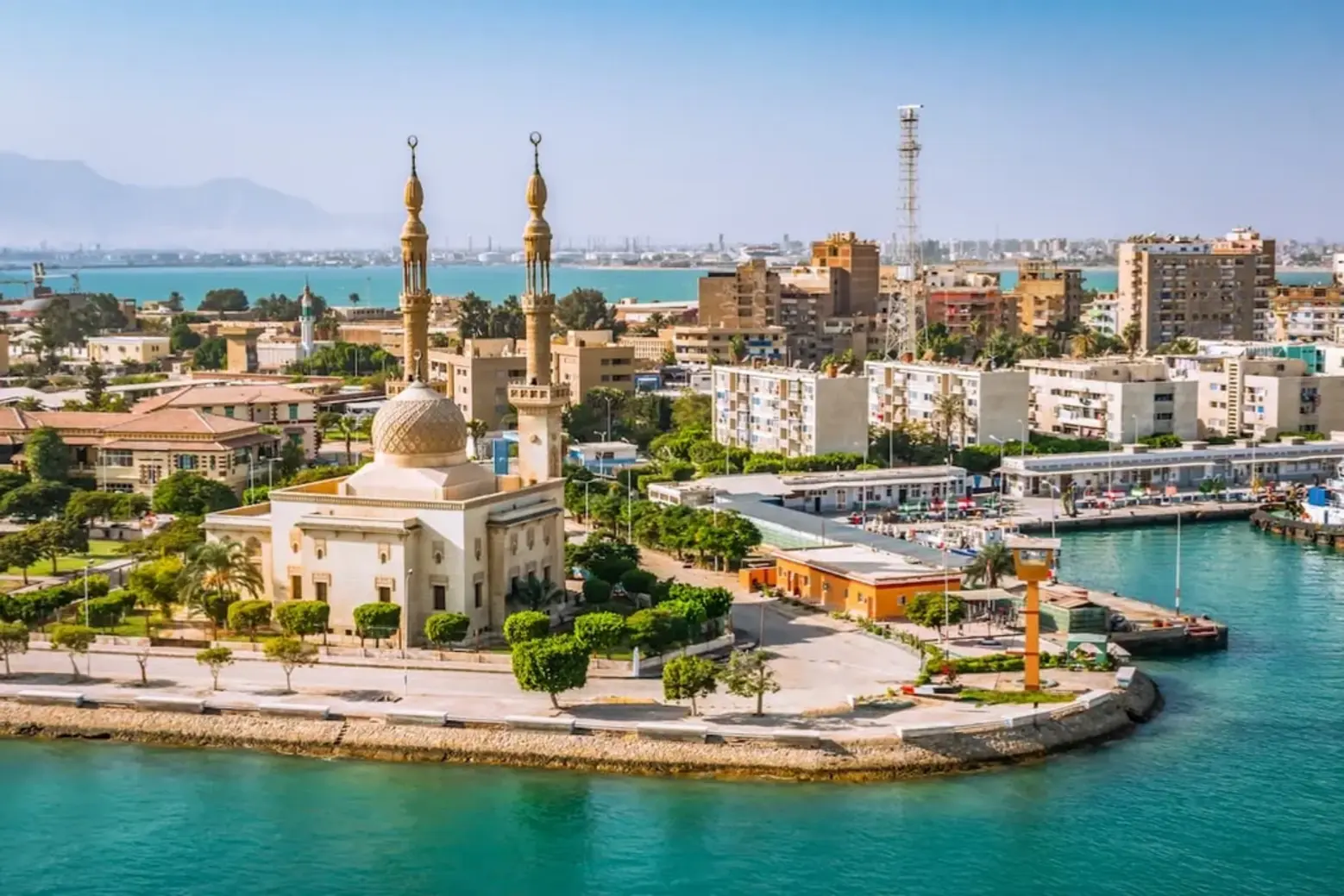
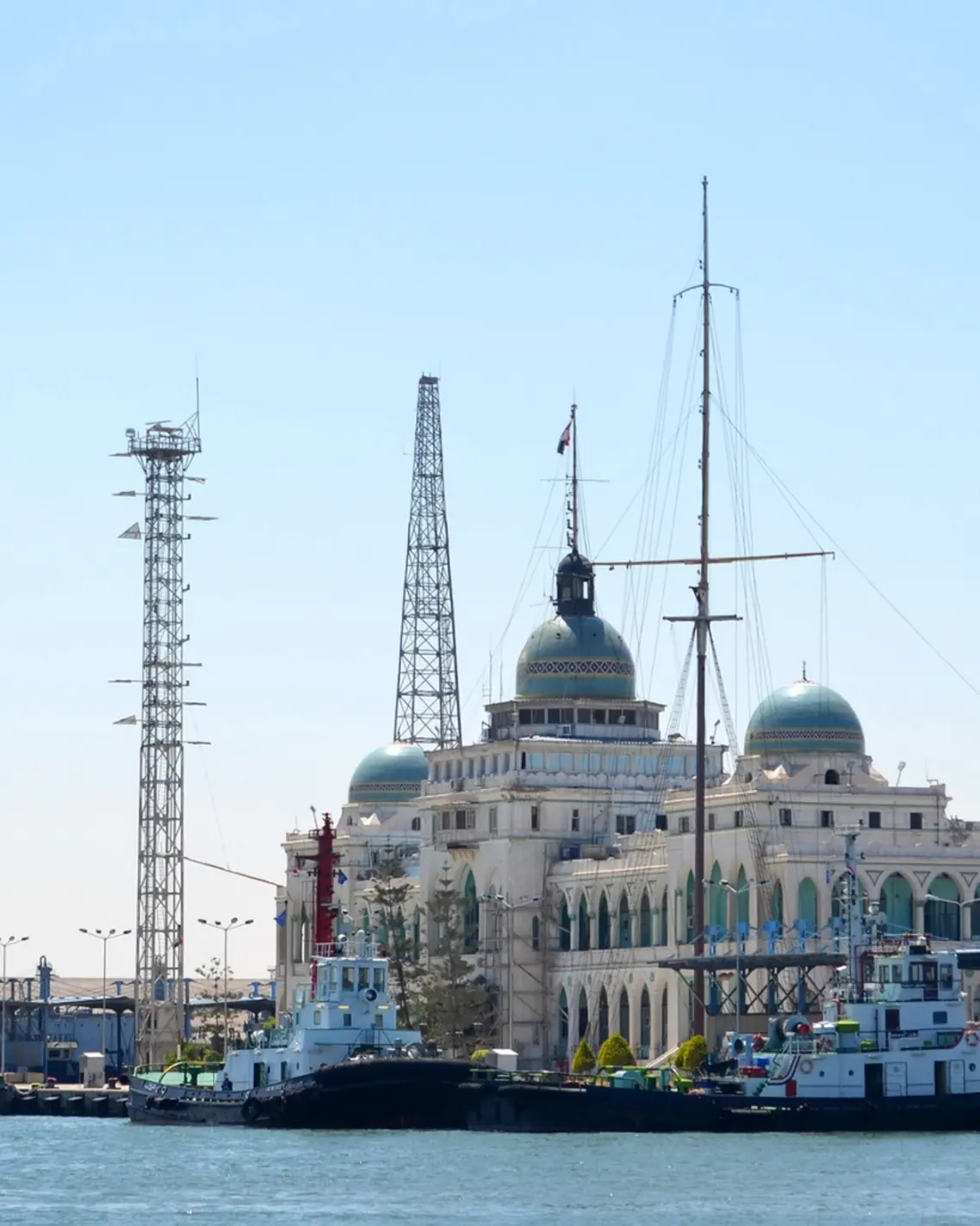
Port Said introduces this story with drama. At the northern entrance, the city feels almost theatrical, its lighthouse and canal authority building standing as monuments to a 19th-century belief that technology could reorganize the world. But beneath that grandeur, Port Said is also a city of surveillance, control, and strategic obsession, a place where architecture serves commerce as much as beauty. Even the ferry crossing between Port Said and Port Fuad becomes part of the narrative, turning the act of looking at ships into a lesson about how this waterway transformed ordinary urban life into a daily performance of global history.
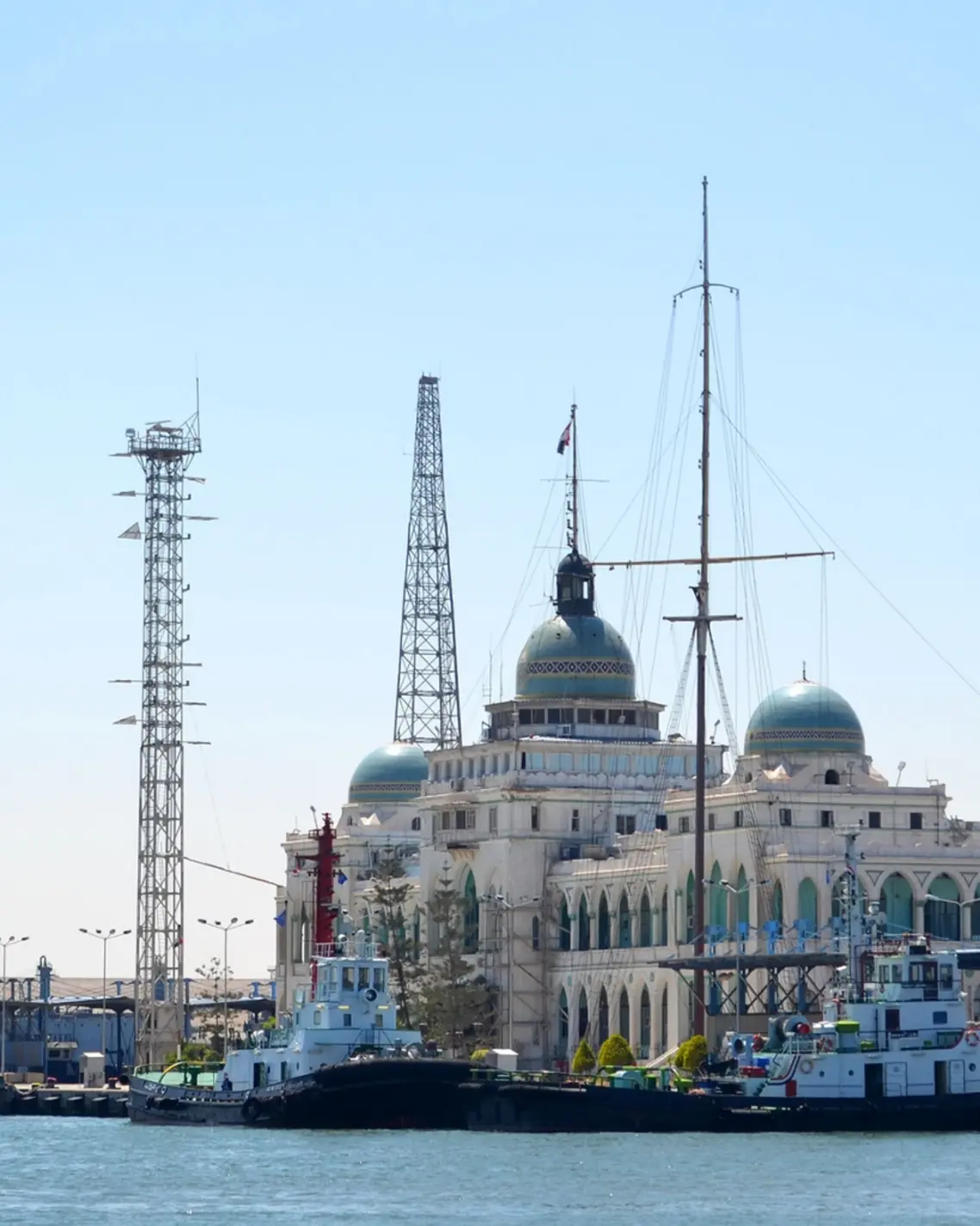
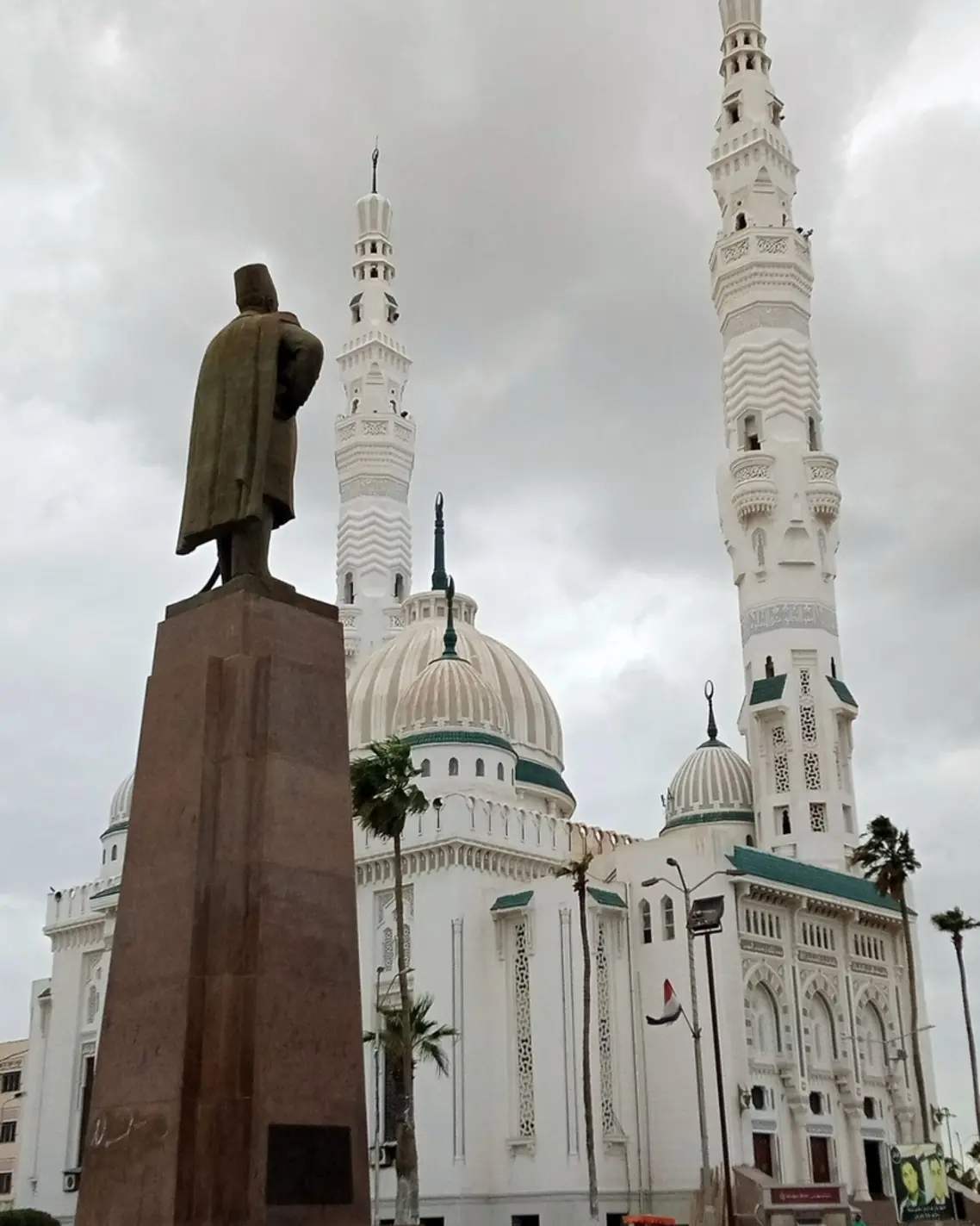
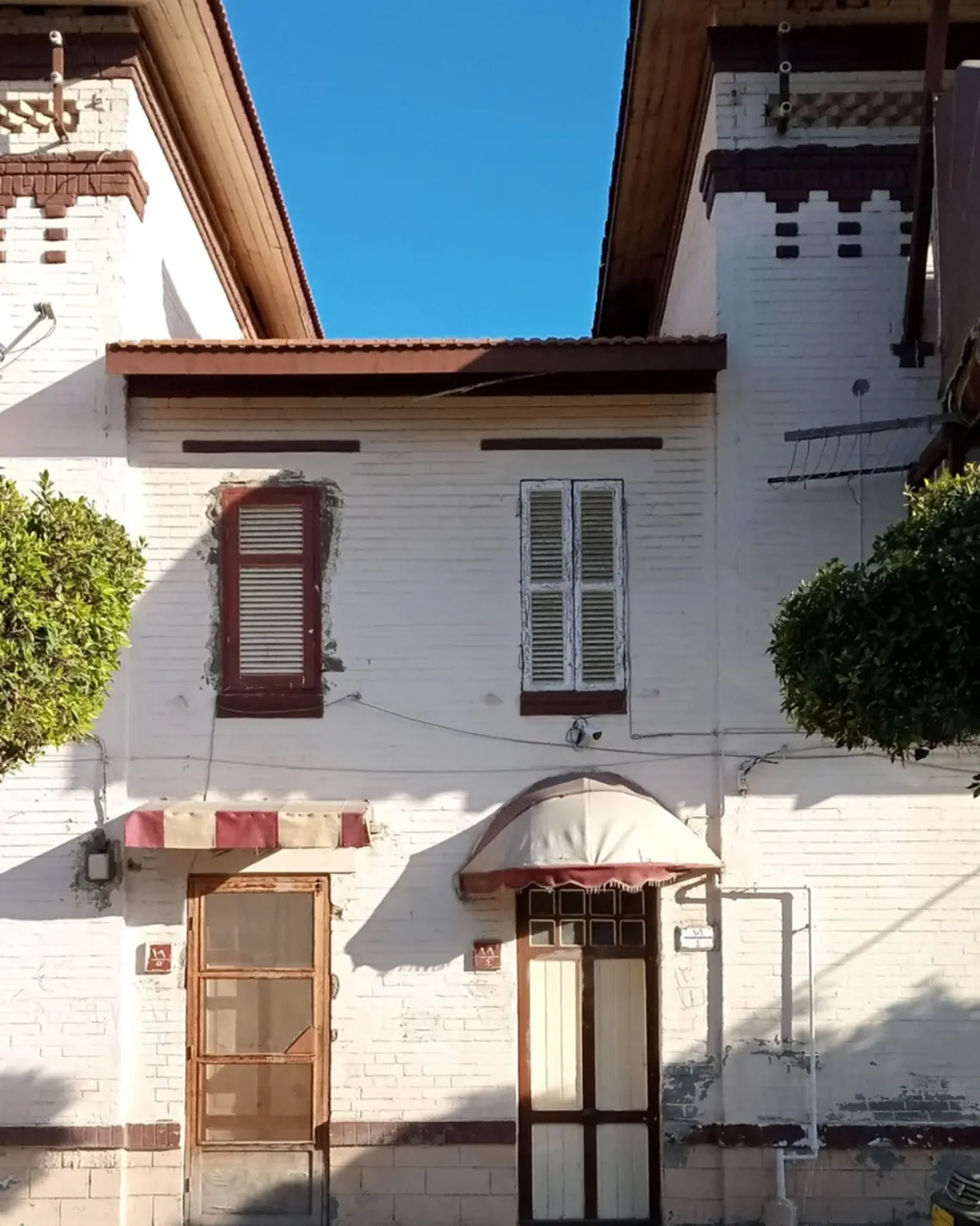
Further south, Ismailia shifts the mood. If Port Said is spectacle, Ismailia is reflection. Framed by greenery and colonial villas, it reveals the canal city’s intellectual and administrative heart, especially in the Suez Canal Museum, where maps, tools, artifacts, and the preserved spaces associated with Ferdinand de Lesseps turn the canal from abstract marvel into human project. Here, the visitor begins to see that the Suez Canal was never simply dug, it was imagined, managed, argued over, and staged as a civilizational triumph. The museum quietly exposes the layers beneath that triumph, from the bureaucratic machinery of the Universal Company to the personal ambitions that shaped the enterprise.
By the time the journey reaches Suez, the story grows older and heavier. The Suez National Museum stretches the timeline beyond the modern canal, reminding us that this corridor of movement has tempted rulers, merchants, and pilgrims for millennia. Its artifacts and narratives place the canal within a much longer history of Egyptian navigation, including earlier attempts to connect the Nile to the Red Sea, while also grounding Suez in the rhythms of pilgrimage and regional exchange.
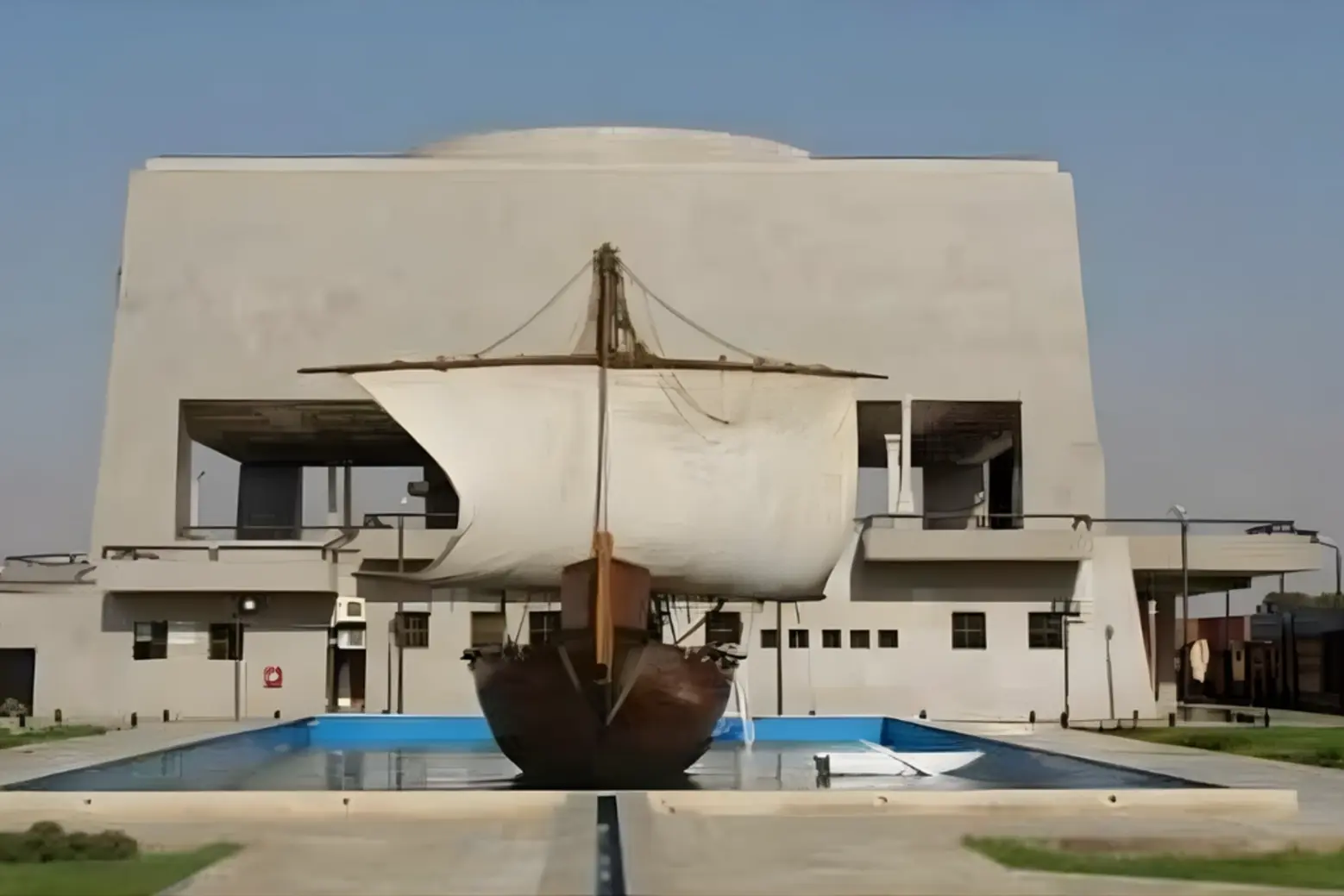
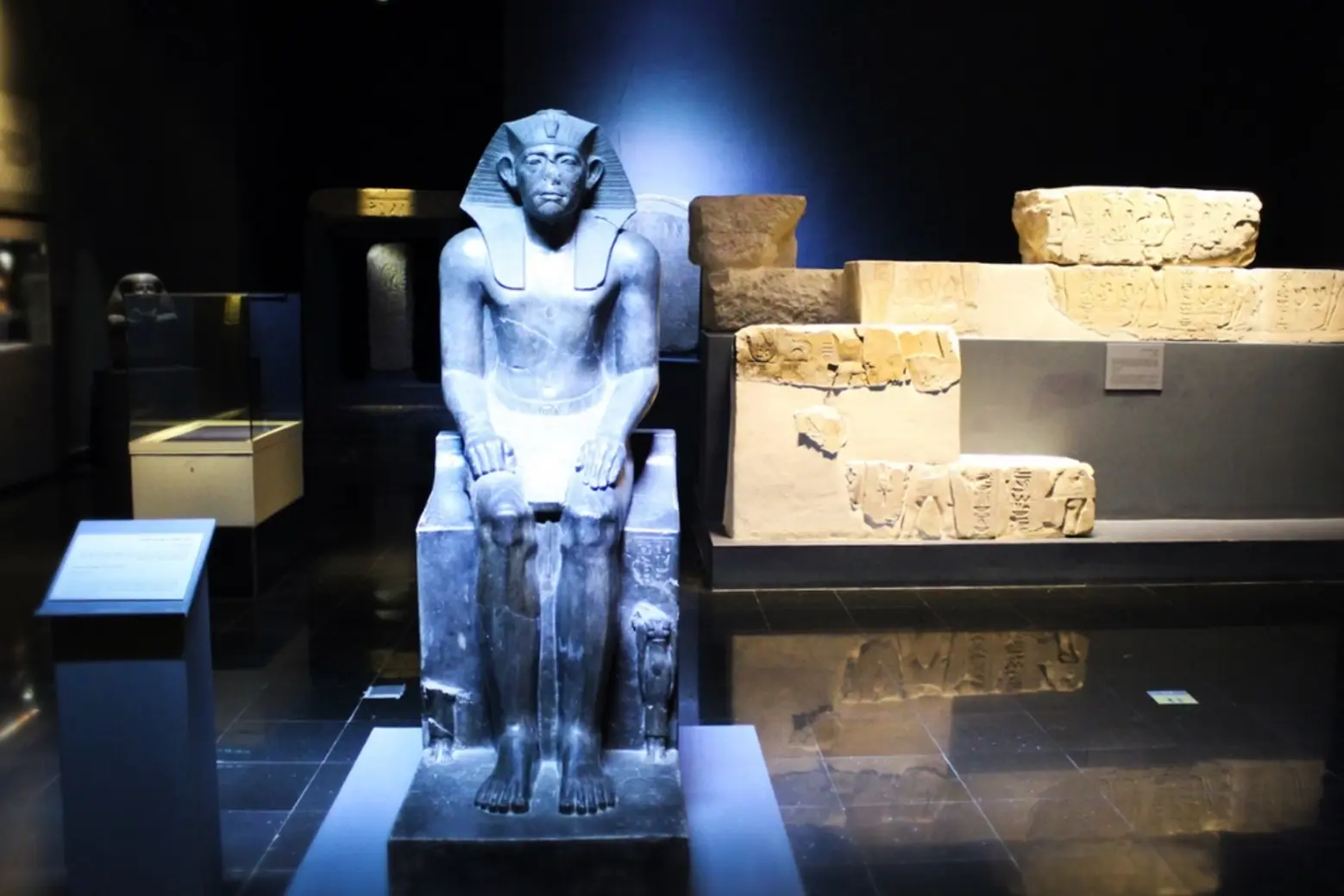
Nearby, Port Said’s military museum adds another layer altogether, revealing how the canal became not only a channel of commerce but a stage for conflict, sovereignty, and national resilience. Together, these museums and sites reveal the canal’s paradox: It was built to move the world faster, yet the places around it ask the visitor to slow down and confront the immense historical weight that still clings to its waters.
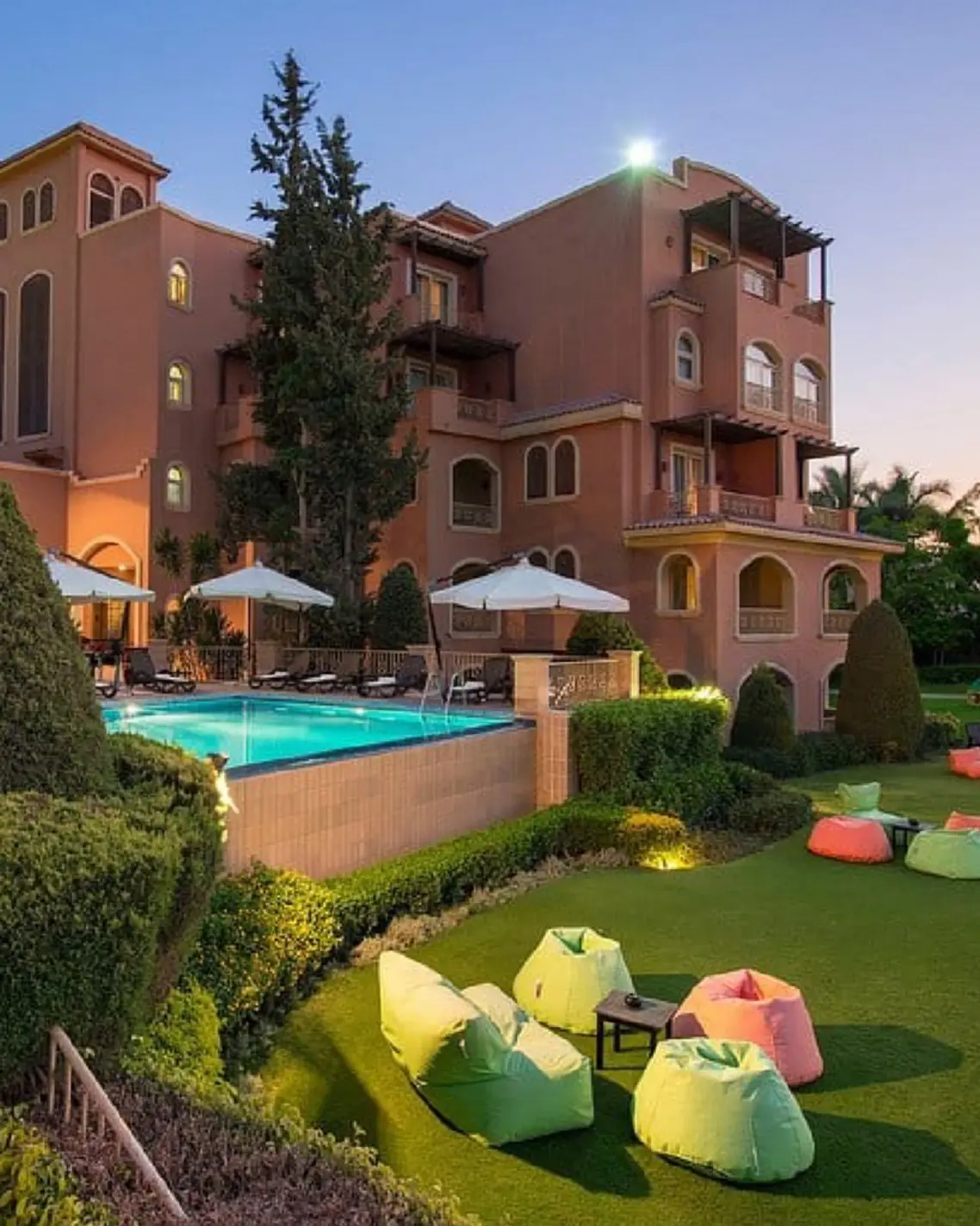
Among the best luxury beach resorts in Ain Sokhna, the Stella Di Mare collection remains a defining name. Stella Di Mare Golf Hotel suits travelers who prefer a quieter, more polished retreat, with its championship golf course, spa, elegant dining, and private club atmosphere. Stella Di Mare Grand Hotel offers a classic beachfront escape, with tropical gardens, a lagoon-style pool, direct beach access, and refined rooms overlooking the Red Sea.
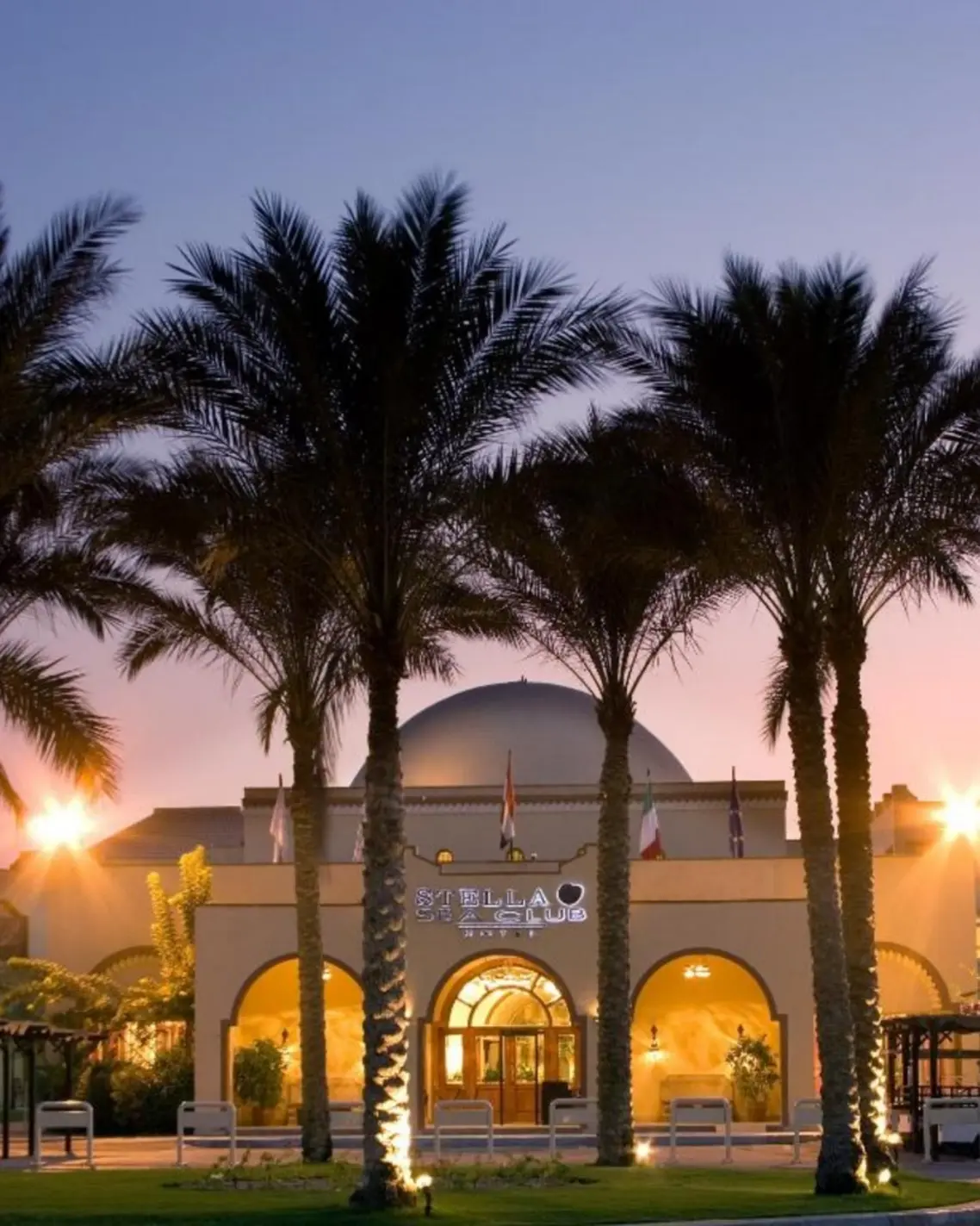
Another standout among the best luxury beach resorts in the area is Al Masa Hotel El Sokhna, known for its sleek contemporary design, infinity pools, private beach, and elevated dining experience. For a more intimate stay, Stella Sea Club Hotel delivers a smaller-scale, club-style setting with villa-inspired architecture, while Seaville Beach Hotel offers a modern beachfront option focused on sea views, simplicity, and warm service.
Suez Canal is one of those cities that punishes shallow reading. Call it only a canal city and you miss the ancient trade routes beneath it. Call it only strategic and you miss the songs. Call it only industrial and you miss the museum, the pilgrimage memory, the war scars, the stubborn civic pride. Suez matters because it moves the world, yes. But it lingers because it has been broken, rebuilt, nationalized, sung through, and still refuses to become just a statistic. That is what makes Suez more than a chokepoint. It is a city with salt in its lungs and history in its posture.