MENU
Close





Hurghada did not inherit grandeur the way Cairo inherited dynasties or Luxor inherited temples. It built allure in real time. What began as a small settlement on the Red Sea coast grew into a resort city so dramatically transformed that NASA tracked its expansion from space.
Hurghada did not inherit grandeur the way Cairo inherited dynasties or Luxor inherited temples. It built allure in real time. What began as a small settlement on the Red Sea coast grew into a resort city so dramatically transformed that NASA tracked its expansion from space.
April 5, 2026


On Egypt’s Red Sea coast, Hurghada, once a modest port, has evolved into the capital of the Red Sea Governorate, long tied to oil exploration and production, then radically reshaped by tourism from the late twentieth century onward. The result is a place that feels surprisingly modern, yet still edged with working-city texture: marina glamour beside old souks, spa rituals beside dive boats, marble mosques beside weathered streets. Hurghada works best when it is read slowly.
Hurghada’s story is refreshingly young by Egyptian standards. It as a Red Sea port whose main industry was long oil exploration and production, while NASA notes that the city first emerged as a settlement of significance in 1909, when British geologists discovered oil reserves nearby. For decades, oil and fishing shaped its economy. Then the coastline’s breeze, coral beauty, and year-round light gave it a second life. By the 1980s, hotel development accelerated, and Hurghada began its pivot from functional outpost to international resort city.
“Over just a few decades, this Red Sea settlement has morphed from a small village into a haven for tourists.”
NASA’s satellite record remains one of the best “fun facts” about Hurghada because it is also one of the clearest visual metaphors for the city itself. In 1985, the settlement appeared sparse against the desert. by 2014, development crowded the coastline, the shallows flashed turquoise offshore, and the town had expanded into a dense, tourism-driven urban strip. NASA also notes that Hurghada had around 12,000 residents in the 1980s and more than 250,000 by 2014. Few Egyptian cities wear modern transformation this visibly. Hurghada almost glows with it.
That is what makes Hurghada fascinating. It lacks the inherited melancholy of Alexandria and the imperial theatre of Cairo. Its drama is different. It is where reinvention happened in public, under the hard sun, with cranes and coral beauty and international capital all moving at once. The city feels self-made, and that gives it a distinctly contemporary glamour.
To understand Hurghada properly, you have to leave the polished hotel compounds and walk into El Dahar, the old district. The Red Sea Governorate describes El Dahar as the part of town with souks, fishermen’s joints, and local shops that “gives you a taste of real Egyptian life.” That line lands because it is true. El Dahar is where Hurghada shakes off the brochure voice. The tempo changes. The streets grow louder, denser, more lived-in. Spice, fruit, fish, hardware, fabric, prayer, traffic, and bargaining all crowd the same atmosphere.
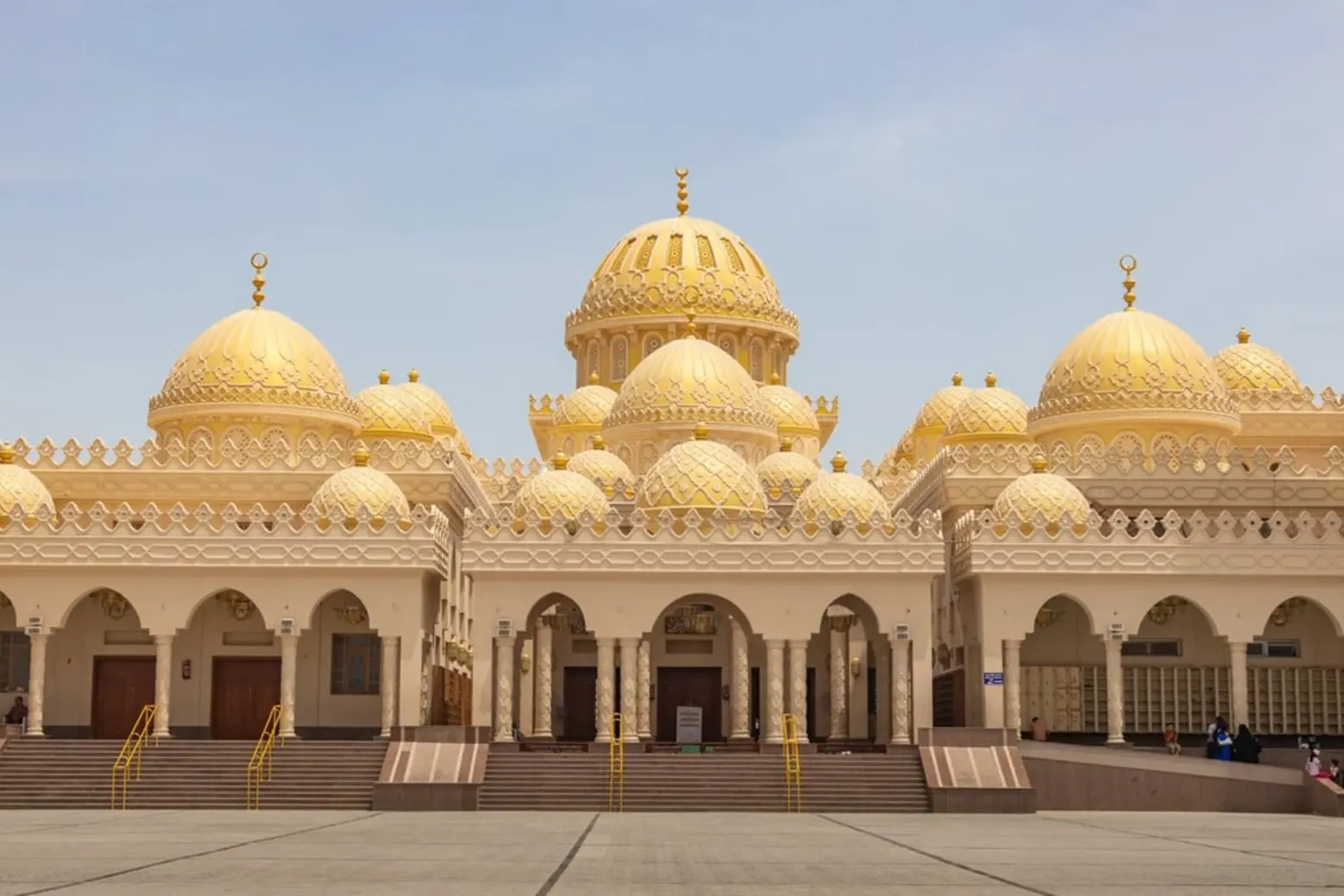
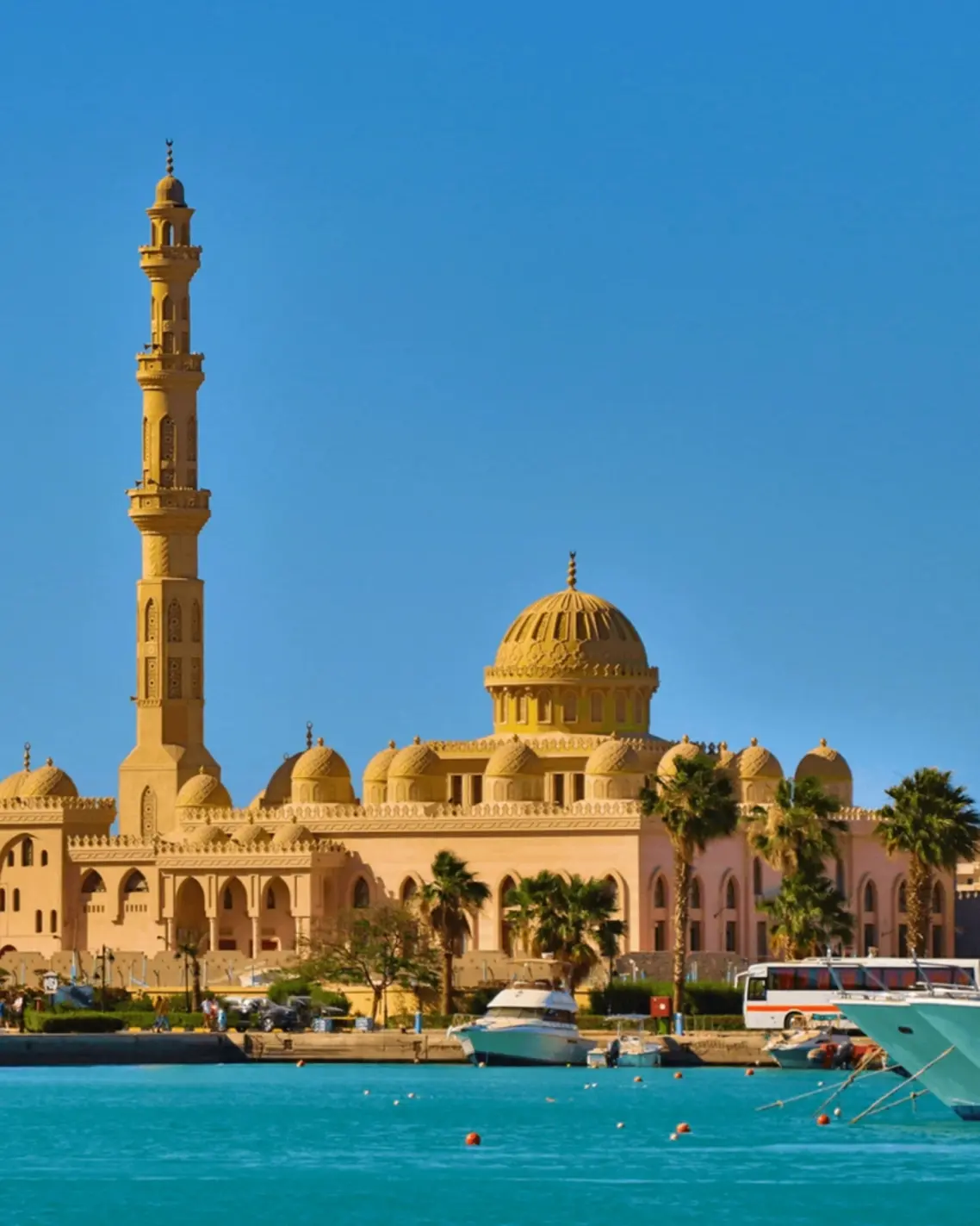
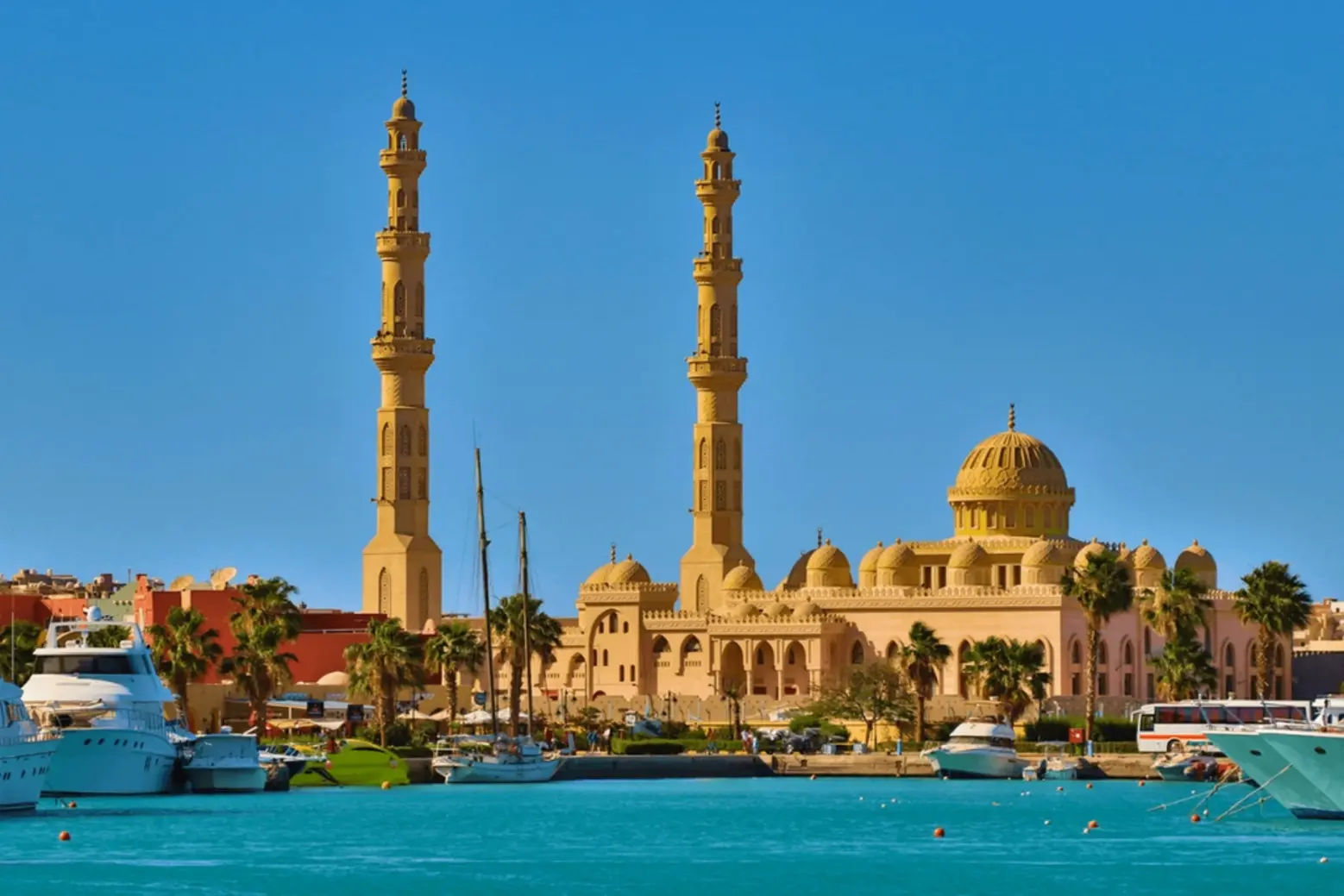
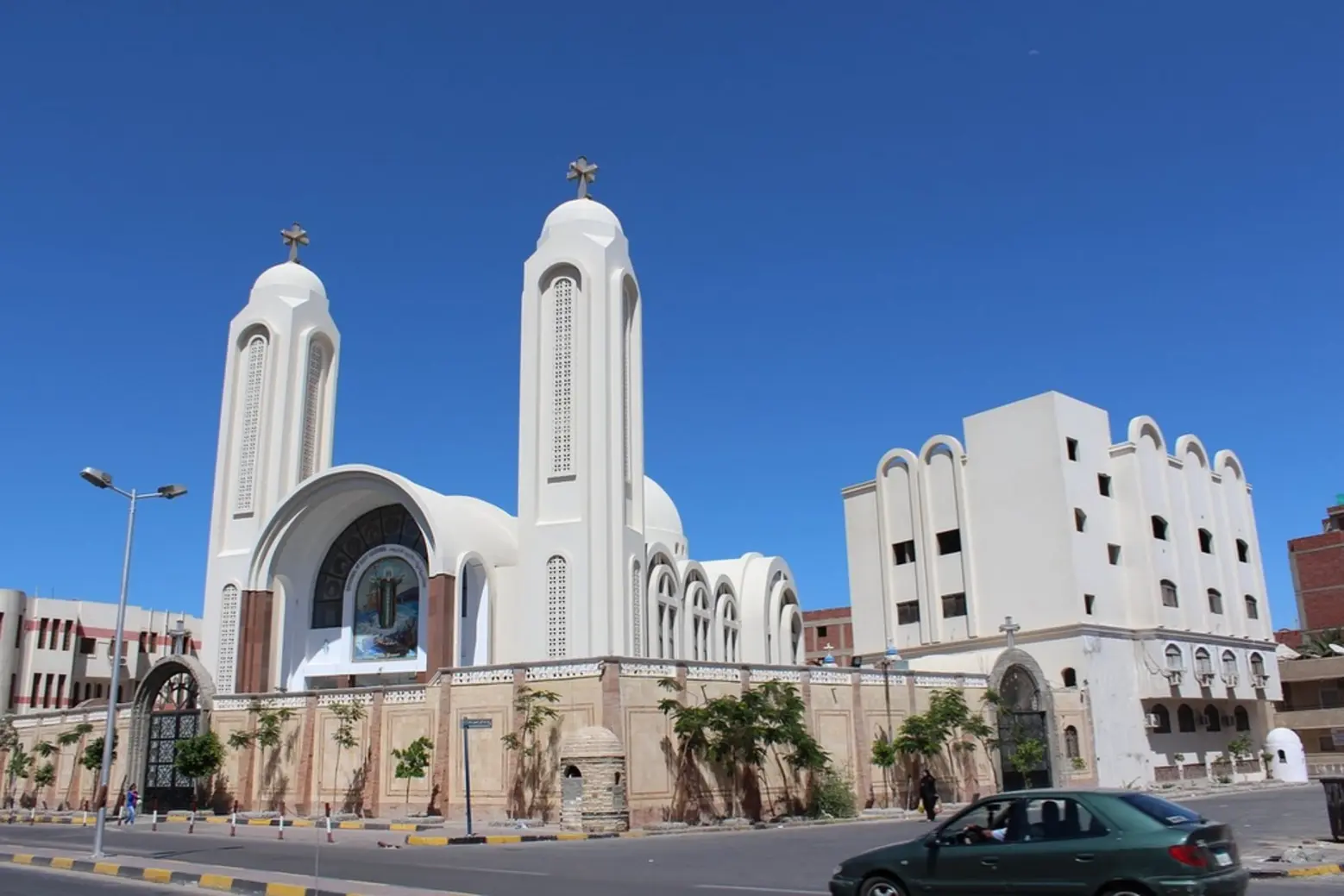
The city’s spiritual architecture adds another layer of texture. Mosque El Mina El Kabeer rises beside the marina with white domes and twin minarets, offering one of Hurghada’s most photogenic silhouettes, especially at dusk. In El Dahar, Saint Shenouda Coptic Orthodox Church brings a quieter register, with visitors drawn to its painted interiors, icons, and sense of stillness inside the busy district. Hurghada feels richer when these spaces are read together: mosque, church, market, marina. The city’s elegance is never only about resorts. It is also about coexistence and rhythm.
Then there is the Hurghada Museum, one of the city’s most persuasive cultural arguments. Egypt’s Ministry of Tourism and Antiquities says it is the first antiquities museum in the Red Sea Governorate and the product of a collaboration between the ministry, the governorate, and the private sector. It holds 2,000 artifacts spanning ancient Egyptian, Greco-Roman, Jewish, Christian, Islamic, and modern eras. The official theme is to “present the concept of beauty in Egypt,” which feels exactly right for Hurghada: A city that sells pleasure yet increasingly wants cultural depth to travel with it.
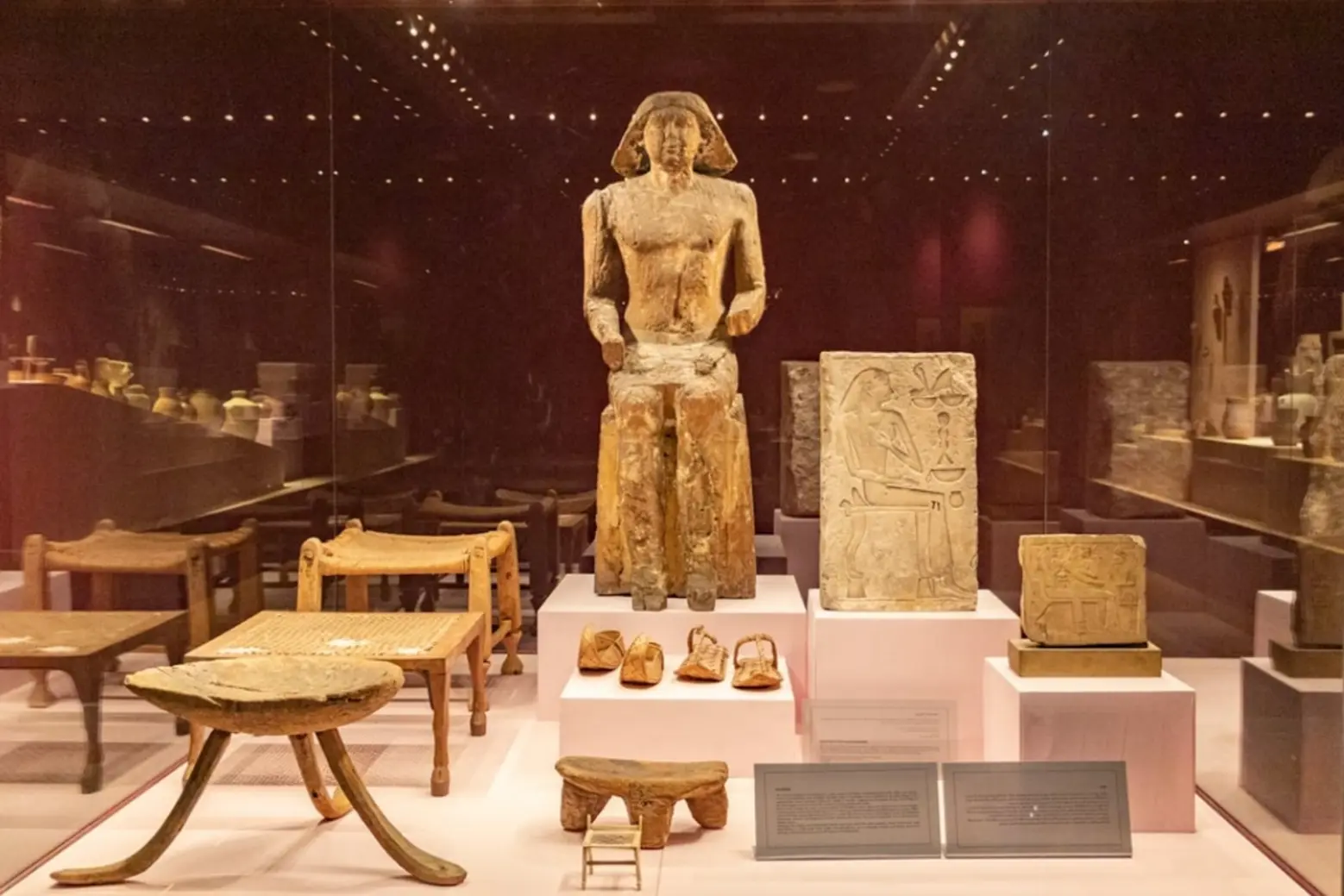
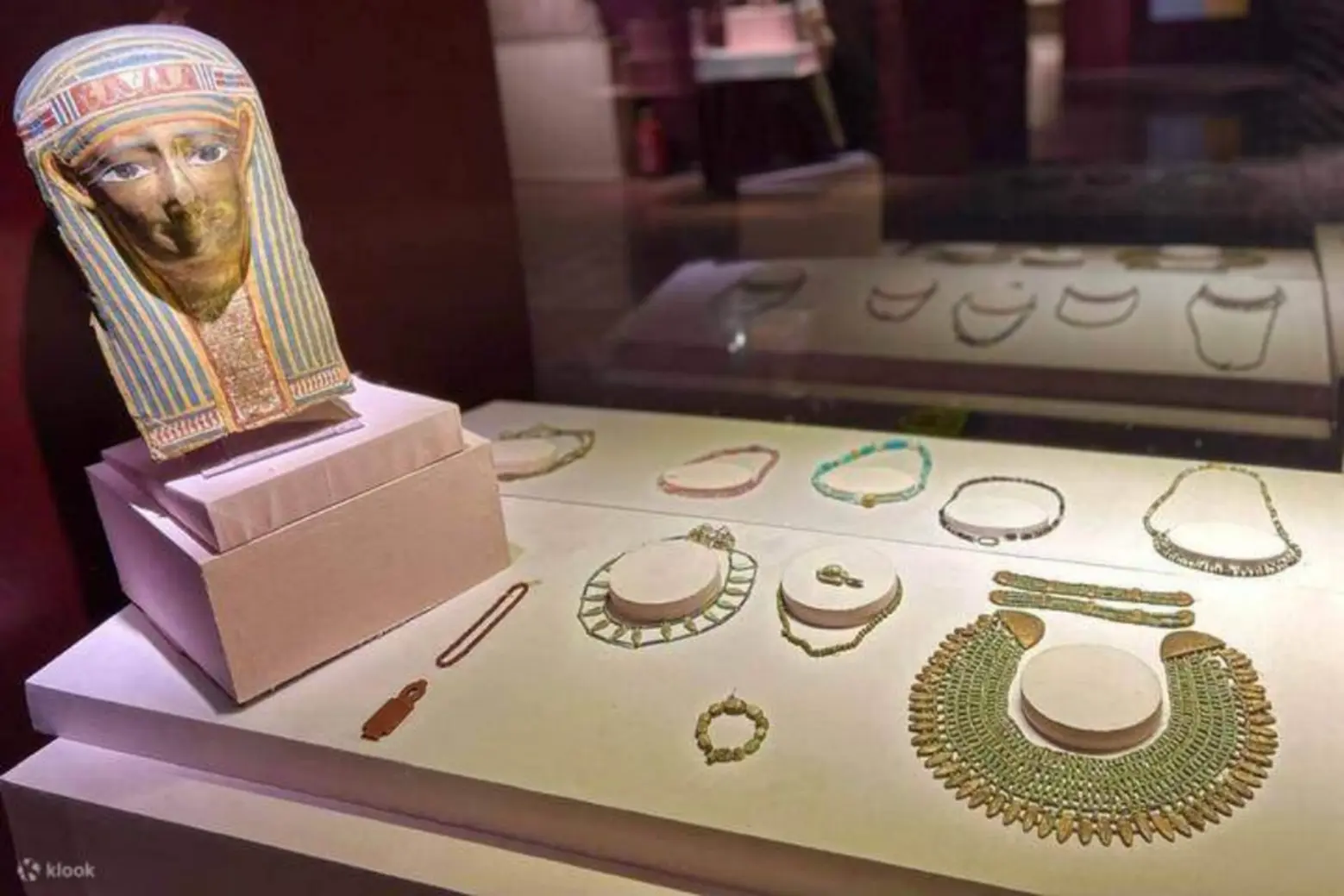
Hurghada’s true luxury may still be underwater. Its global rise was powered by reefs, visibility, warm water, and access to some of the Red Sea’s most coveted snorkeling and diving conditions. The extensive coral networks and spectacular coastal views are key reasons hotel development surged in the 1980s. Even now, the city’s prestige still begins with color: Impossible blues above the surface, exquisite coral beauty below it.
The wider Egyptian Red Sea adds more wonder to the frame. Egypt’s national biodiversity reporting notes that Red Sea seagrass beds provide food for threatened green turtles and dugongs, which is part of why the region still carries such ecological magnetism for divers, snorkelers, and conservation-minded travelers. Hurghada may be resort-forward, but it sits inside a marine world that is far rarer and more fragile than many beach destinations ever need to think about.
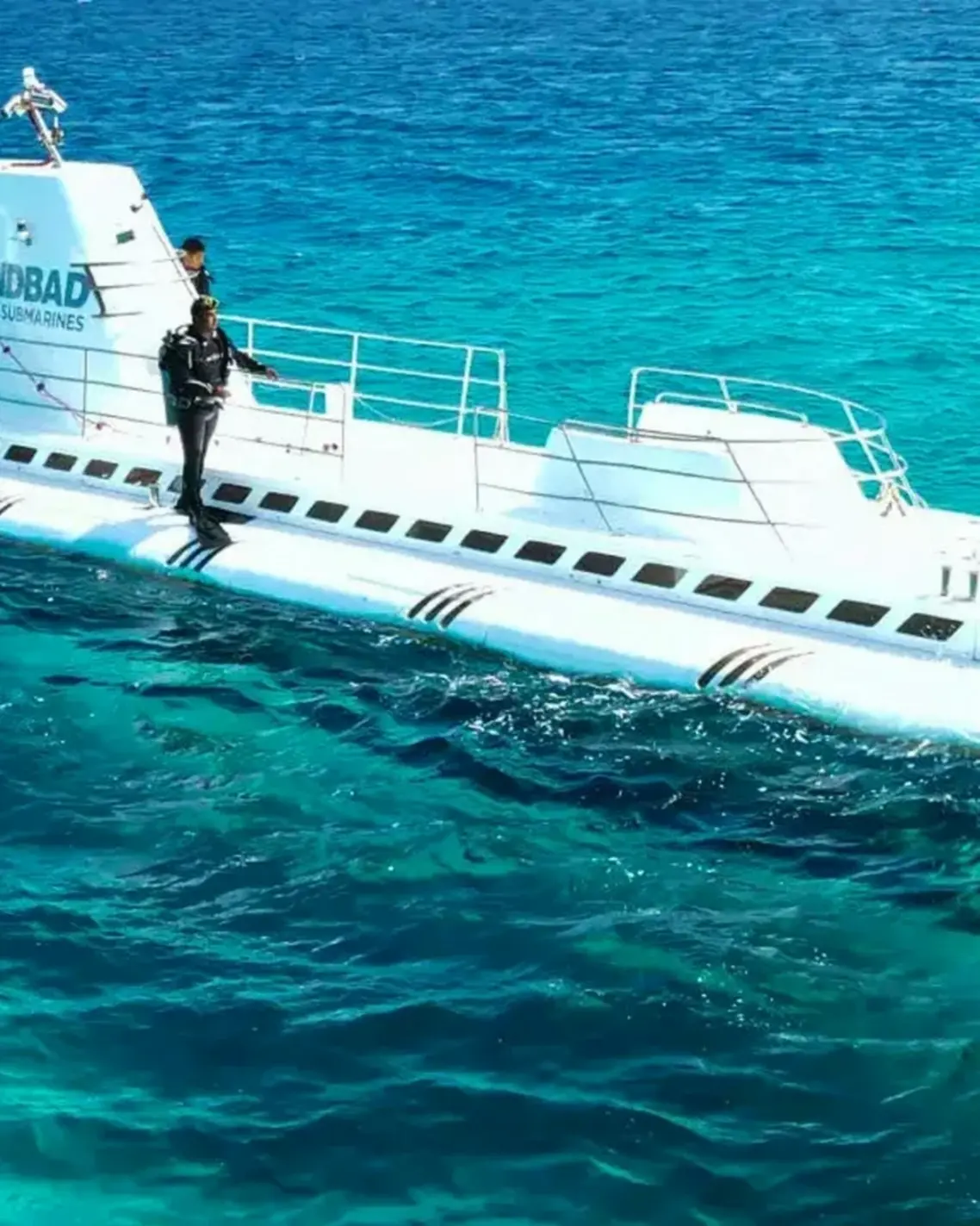
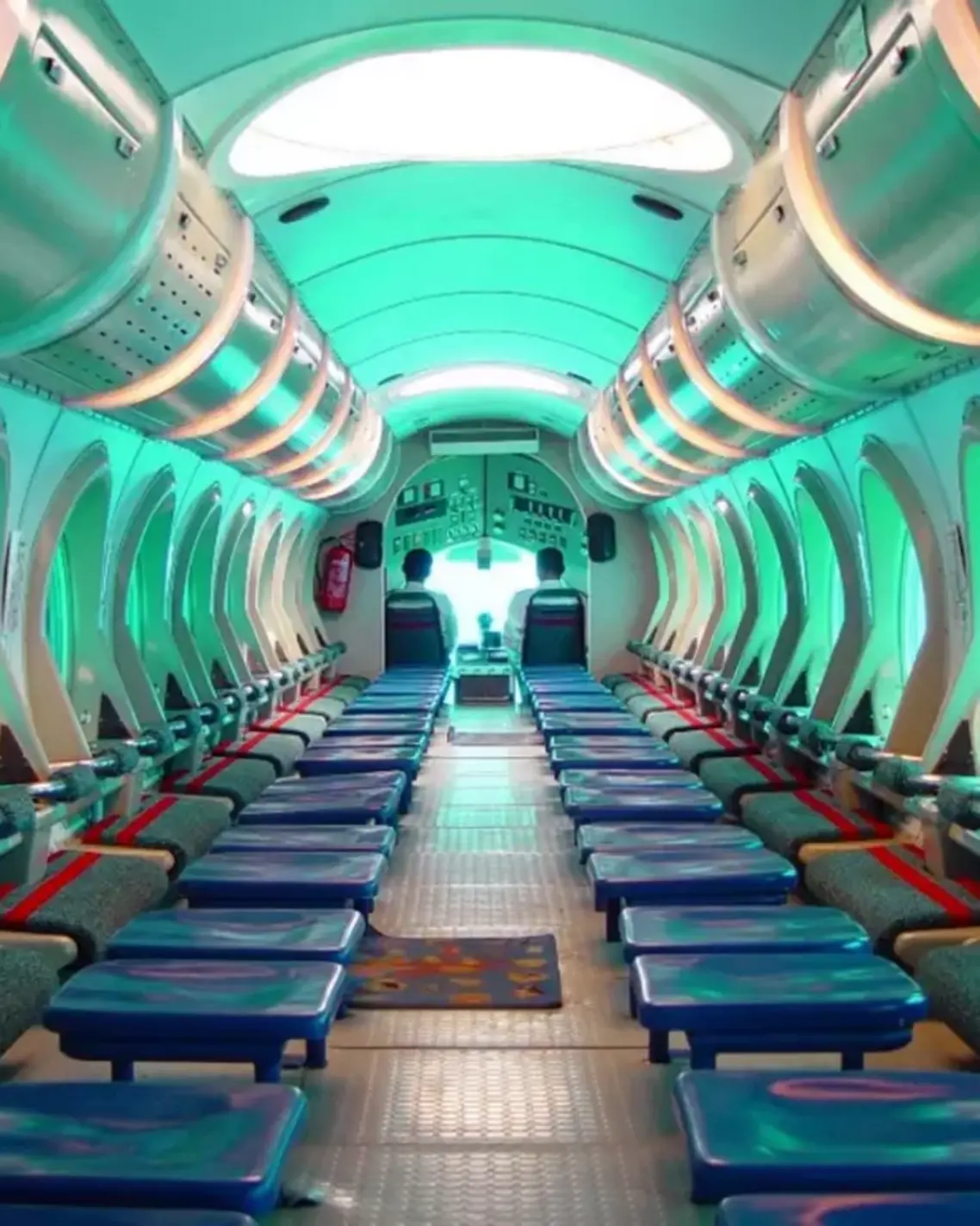
A final curiosity belongs in this chapter. Hurghada became famous for Sindbad Submarines, whose official site describes them as “the only real submarine in Africa & the Arab World,” descending about 25 metres below the surface to view reef life. That feat helped turn underwater sightseeing into mass fantasy, even for travelers who never intended to dive.
Hurghada’s most compelling luxury story in 2026 sits slightly away from the loudest center. The newer aesthetic runs south and north into enclaves like Sahl Hasheesh, Soma Bay, Magawish, and El Gouna, where the mood has shifted from “more amenities” to “better atmosphere.” That is where “slow prestige” truly enters the picture: less neon, more horizon; less excess for its own sake, more privacy, proportion, and spatial calm.
The Oberoi Beach Resort in Sahl Hasheesh remains one of the sharpest expressions of this mood. The property spans 48 acres of beachfront and leans into domes, natural light, handcrafted lanterns, and a quiet architectural language drawn from traditional design elements.
At Soma Bay, Kempinski continues to anchor the wellness end of the spectrum with one of the region’s largest thalasso-therapy centers. Baron Palace pushes a grander register with its silky-white private beach and symmetrical resort theatre, while Rixos Premium Magawish offers a more contemporary all-inclusive version of indulgence, with suites, villas, and private beach cabanas with butler service. The Chedi El Gouna adds another note entirely, minimalist, eco-conscious, and understated in a way that feels newly in fashion along the Red Sea.
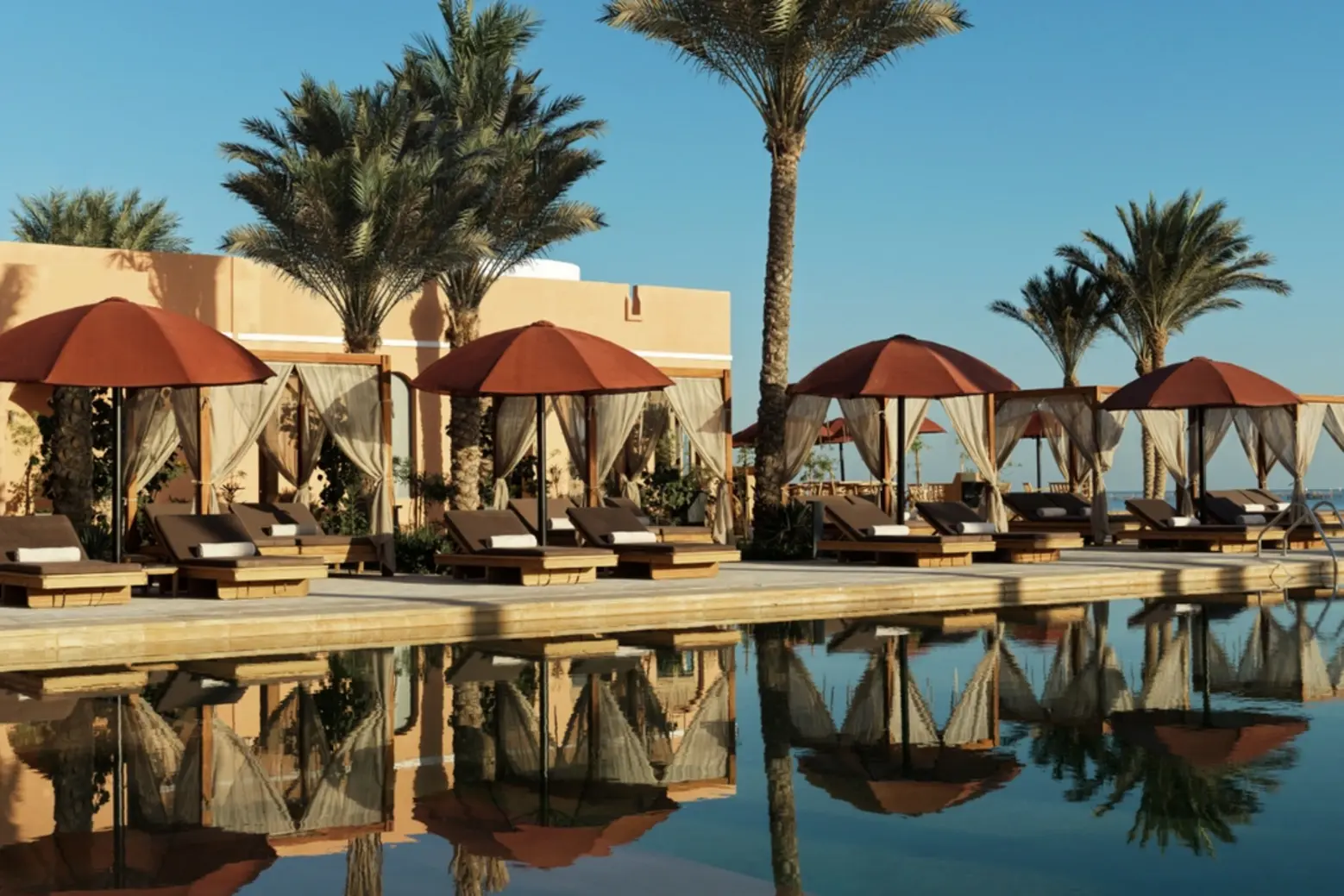
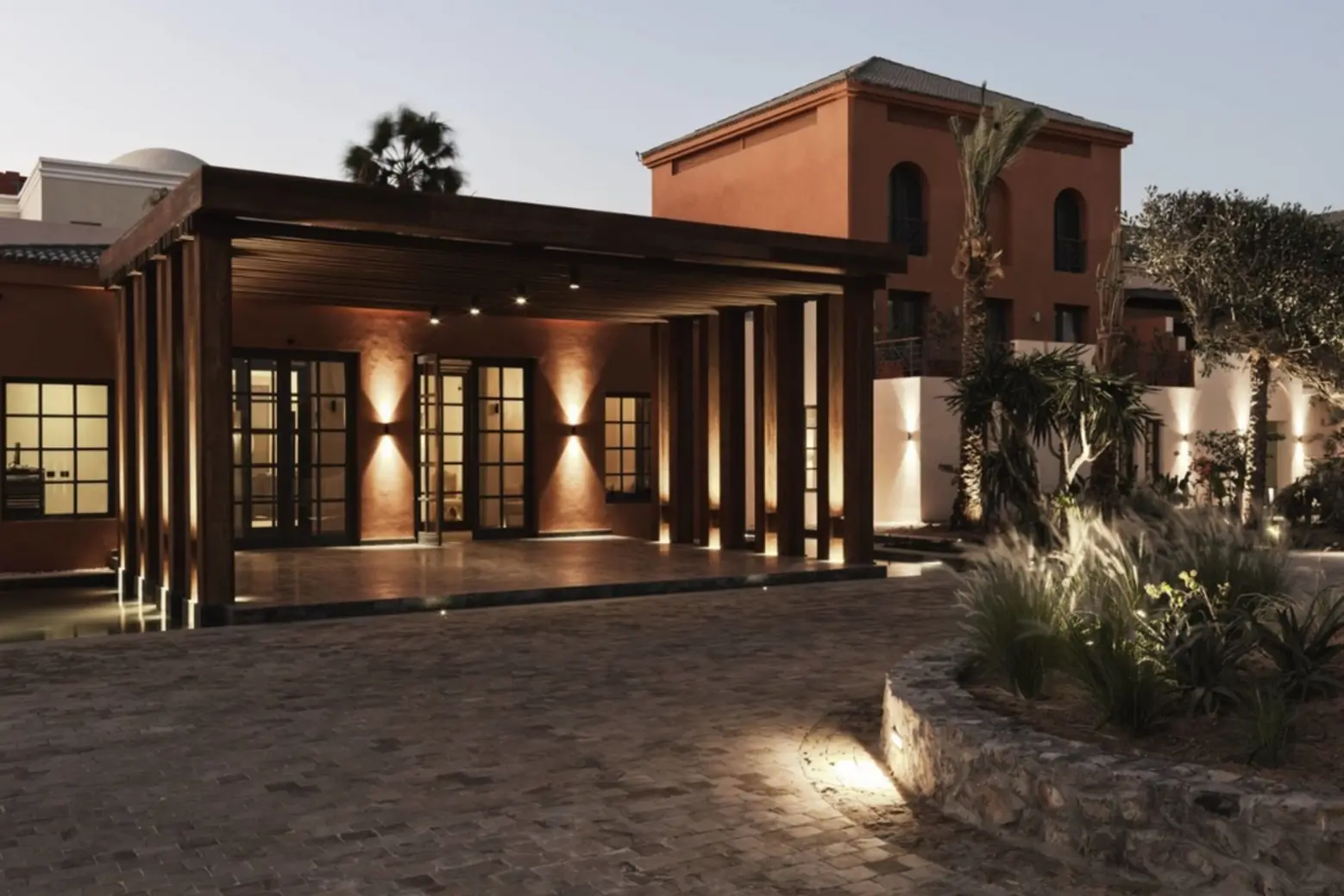
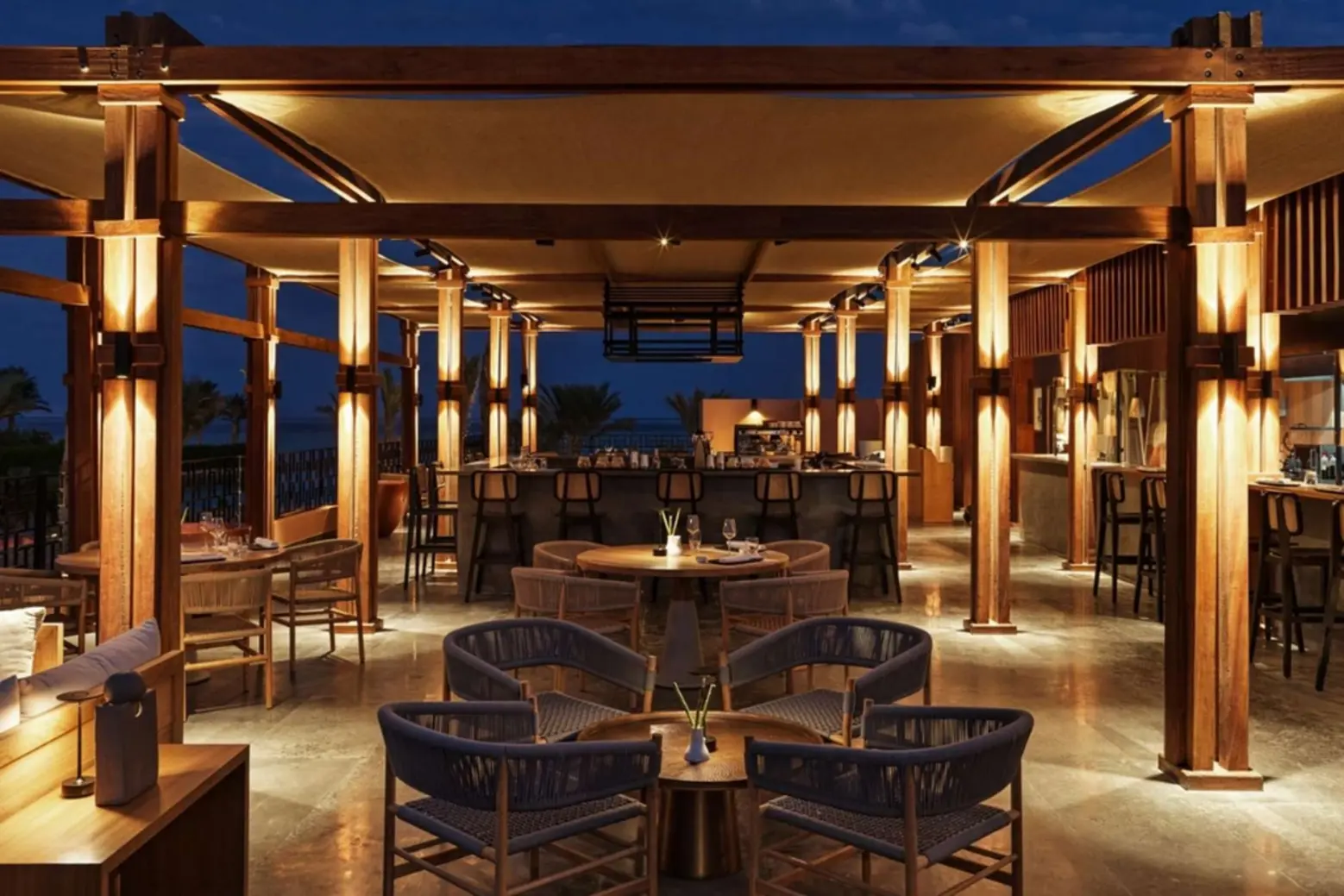
Hurghada’s desert fringe strengthens that slower luxury mood. Stargazing and Bedouin-style desert dinners remain staple excursions in 2026 offerings around Hurghada and Makadi Bay, helped by the Eastern Desert’s clear skies and distance from urban glare.
Hurghada had to assemble beauty from more volatile materials: The history of oil exploration and production, reef allure, desert openness, speculative development, religious texture, and a coastline that could seduce almost anyone into staying longer than planned. That is why the city now feels so interesting. Hurghada is still a resort hub, yes, but the best version of it in 2026 is more refined than that label suggests. It invites a slower gaze. It asks you to look at the old town after the beach, the museum after the marina, the reef with reverence, the luxury with discernment. In that sense, Hurghada has graduated from destination to mood. And the mood is pure sophistication on the coast of the Red Sea.