MENU
Close





Kyoto remains Japan’s most refined lesson in beauty shaped by restraint, where the pause between things carries as much meaning as the things themselves.

Kyoto remains Japan’s most refined lesson in beauty shaped by restraint, where the pause between things carries as much meaning as the things themselves.
April 2, 2026


In Japanese aesthetics, 間 ("ma") is the interval that creates meaning, the charged space between forms, and few cities embody that principle more completely than Kyoto.
Kyoto’s authority comes from duration. For more than a millennium, it served as Japan’s imperial capital, and that history still shapes the city’s visual and emotional grammar. Here, beauty is rarely loud. It emerges through proportion, emptiness, ritual, and the choreography of materials: Cedar, paper, tatami, stone, lacquer, steam, moss, shadow. Kyoto teaches that refinement can live inside subtraction. The city’s temples, tea rooms, gardens, and machiya townhouses all express a preference for rhythm over excess, for attention over display. That is why the idea of ma feels so useful here. Rather than emptiness in a Western sense, it suggests an interval that heightens perception, a space where time, silence, and form become inseparable.
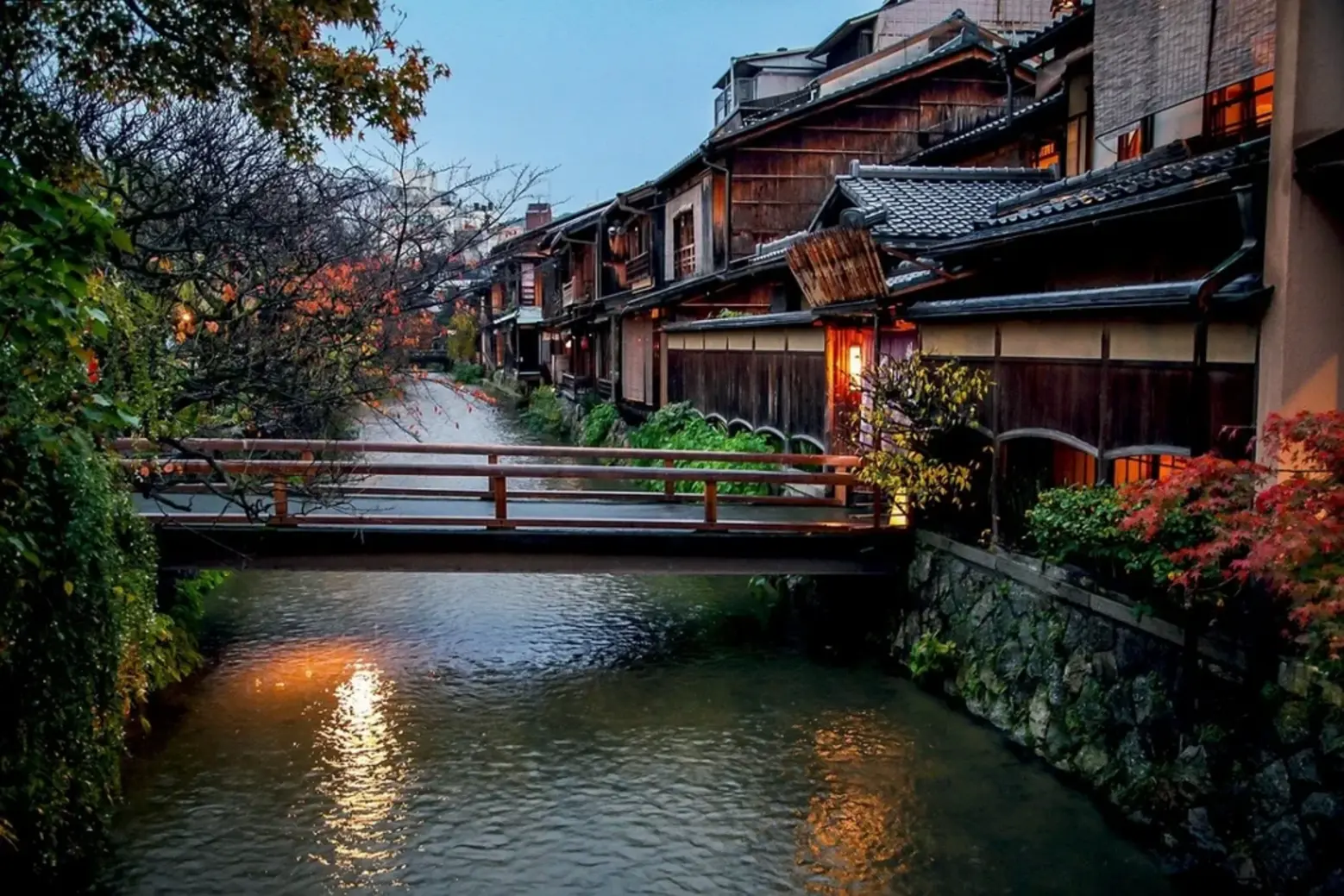
This sensibility shapes Kyoto’s most memorable cultural experiences. A Zen garden is powerful because of what it withholds. A tea ceremony is moving because every gesture is deliberate, every pause active. Even the city’s best architecture often seems to breathe through negative space. That is why Kyoto still feels contemporary to designers, architects, and travelers seeking something more lasting than surface luxury. It offers a philosophy of living as much as a destination.
Kyoto’s great festivals remain among the strongest reasons to visit, because they are not reenactments staged for tourists. They are living civic rituals that carry deep historical memory. The Aoi Matsuri, held on May, remains one of Kyoto’s three great festivals. The procession departs from the Kyoto Imperial Palace and moves toward the Kamo Shrines in Heian-period costume, transforming the city into a moving scroll of court life. It is one of the clearest expressions of Kyoto’s old aristocratic imagination, elegant, ceremonial, and layered with historical symbolism.

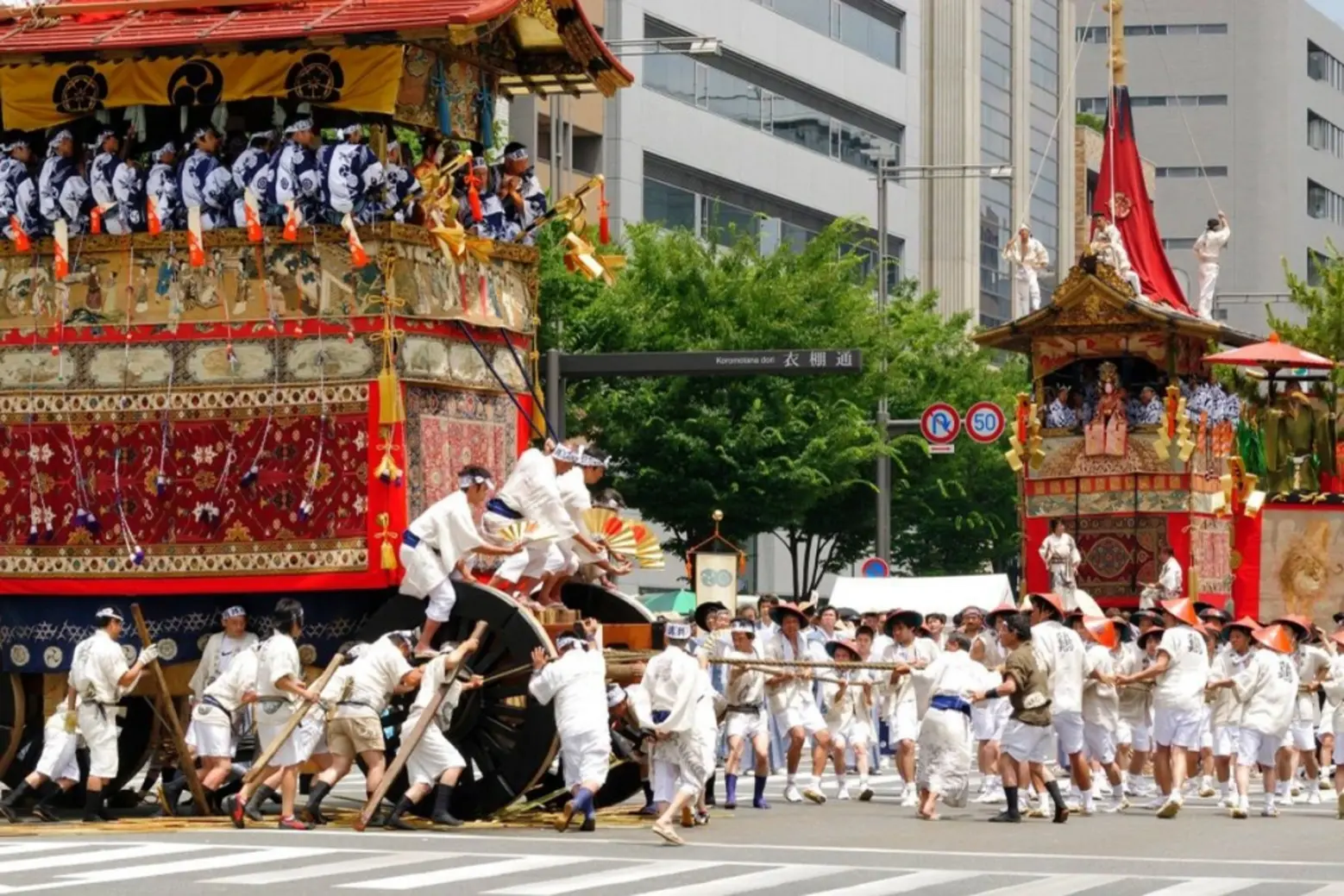
Then comes the vast emotional theater of Gion Matsuri, which runs through July. Rooted in rituals once intended to ward off plague, it culminates in the great Yamaboko float parades, when monumental wooden floats, dressed with precious textiles and intricate ornaments, move through central Kyoto with astonishing grace. Gion Matsuri reveals another side of Kyoto. Not stillness but collective devotion, craftsmanship on wheels, and the power of ritual to occupy an entire month.
For a more contemporary counterpoint, KYOTOGRAPHIE 2026 uses historic and modern venues across the city for one of Japan’s most respected international photography festivals.
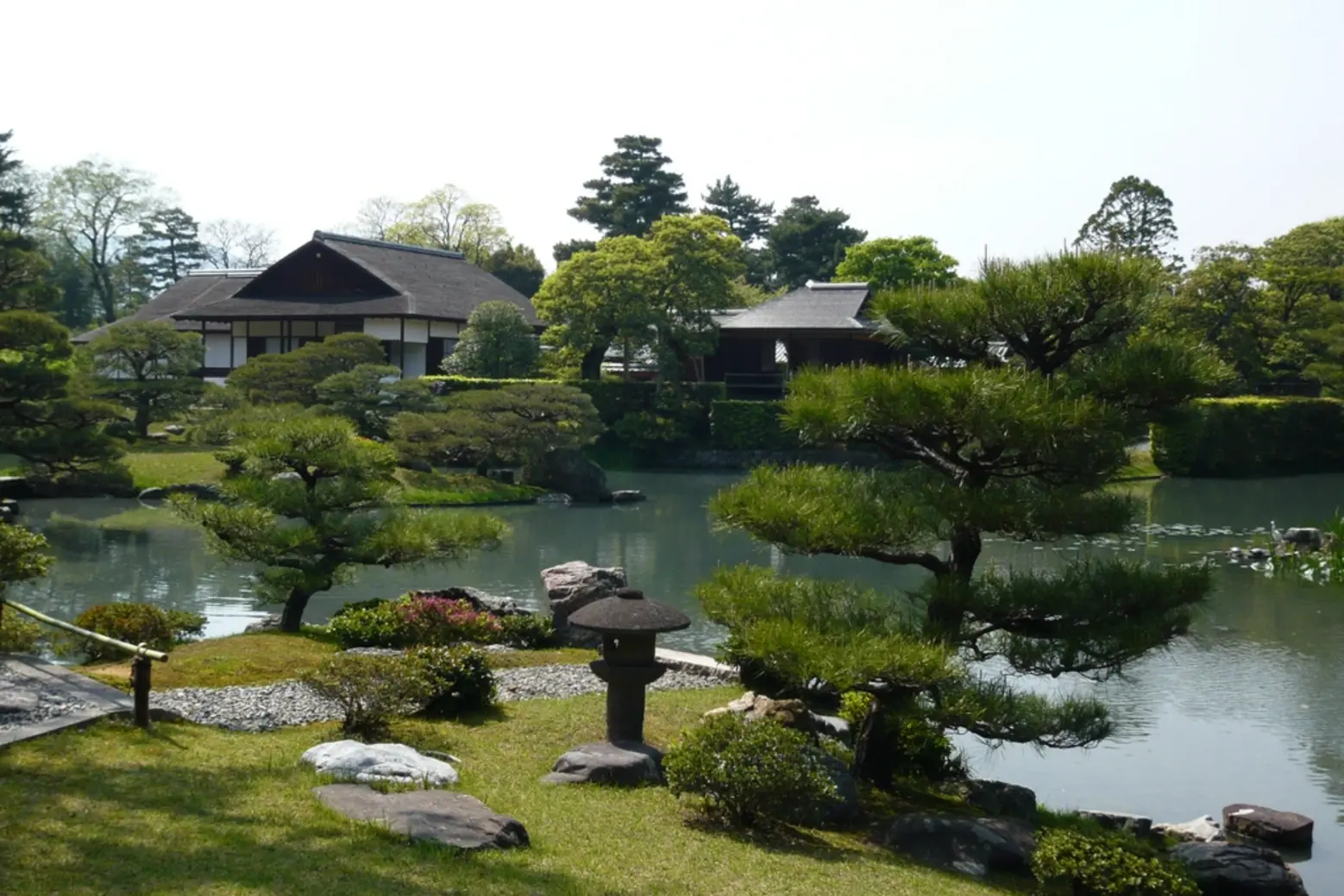
Kyoto is best understood through places that reveal how architecture shapes feeling. Katsura Imperial Villa remains essential, not for monumental scale but for control, rhythm, and exquisite integration with landscape. Modern architects have long admired it for the way its pavilions, pathways, and gardens achieve harmony through wood, paper, proportion, and view composition. Visits require advance application through the Imperial Household Agency, which only adds to its aura of studied access.
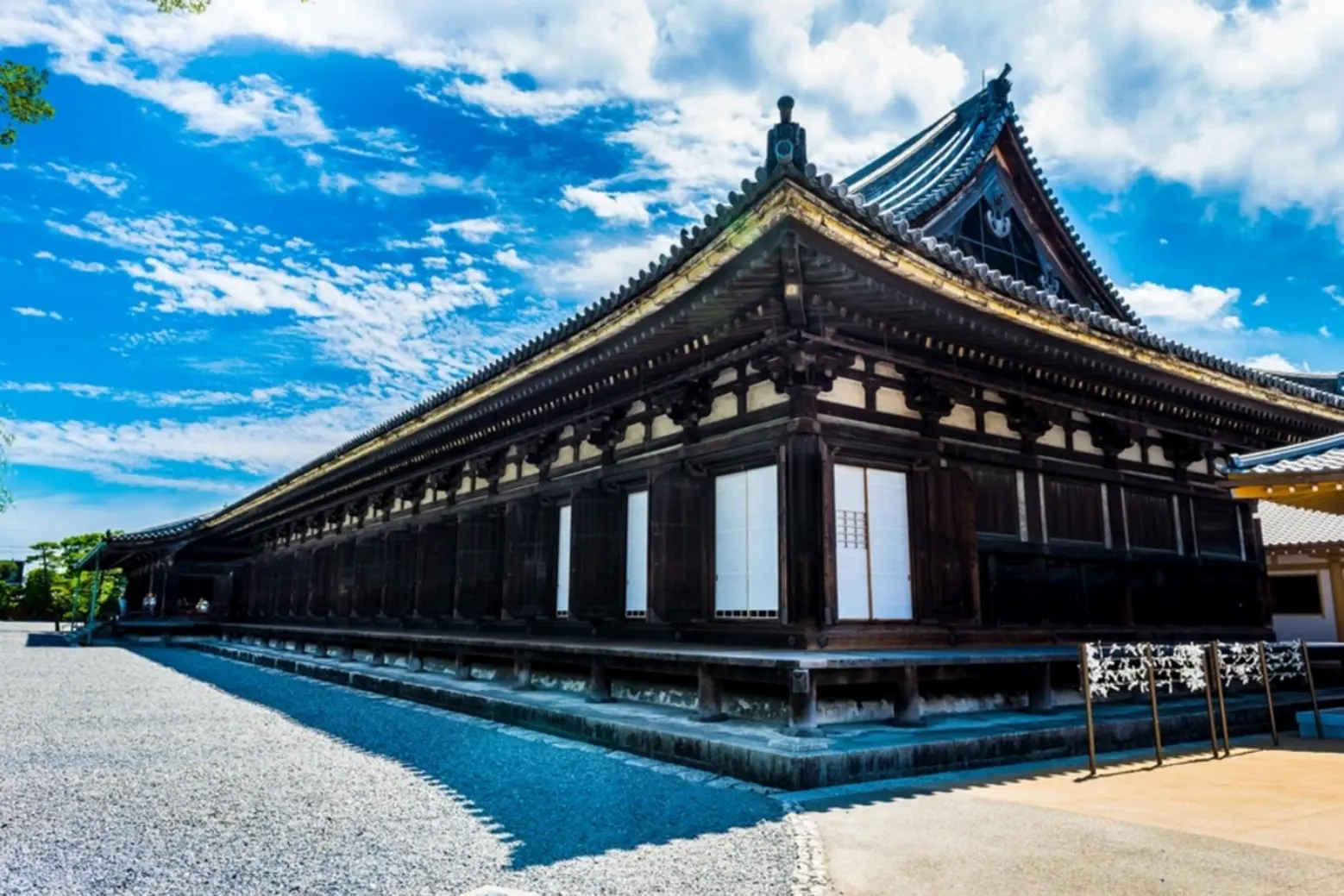
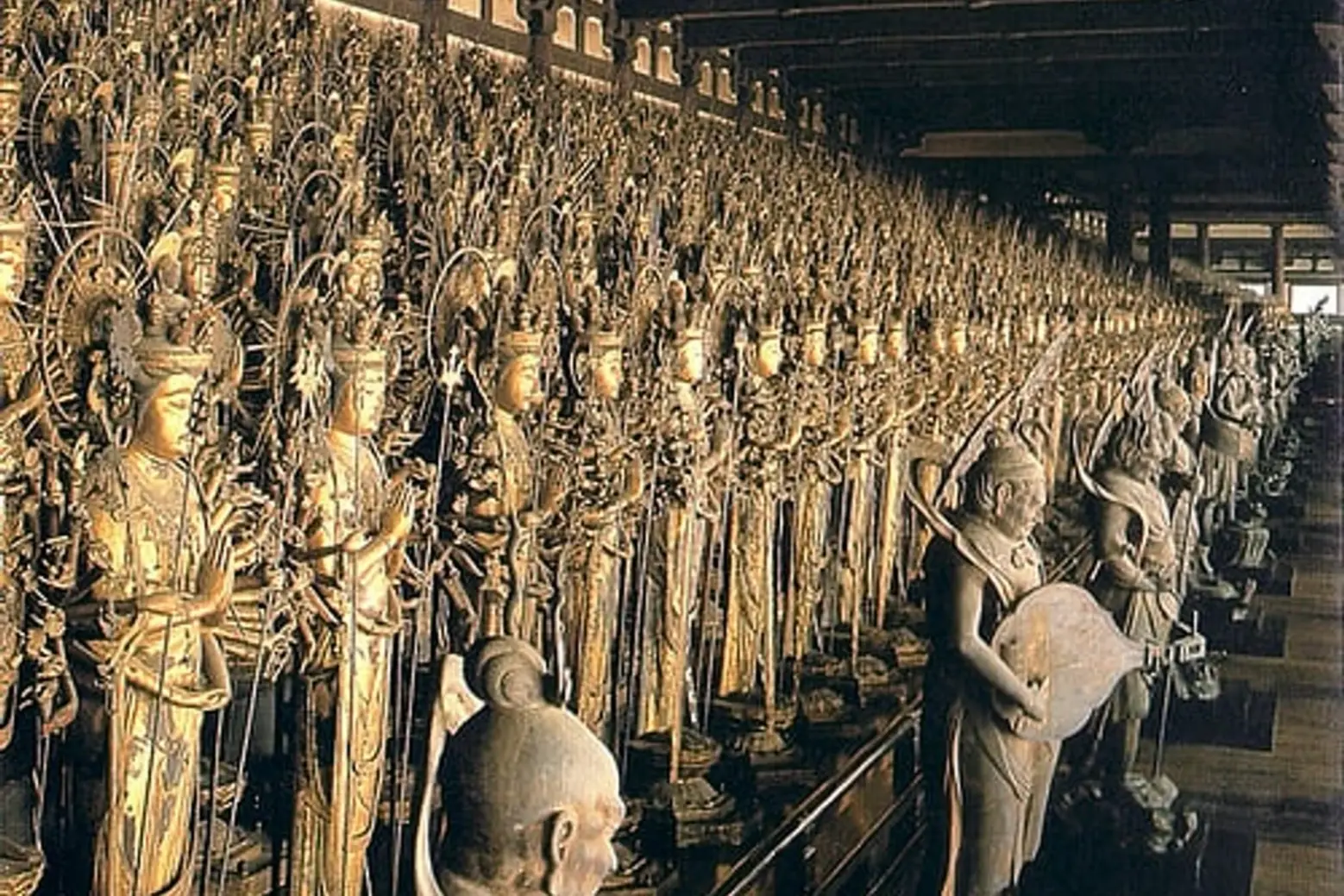
Sanjusangendo offers a different form of intensity. Its long wooden hall houses 1,001 statues of Kannon, creating a repetition so overwhelming that it moves beyond ornament into atmosphere. The experience is almost cinematic: line, rhythm, devotion, and scale all working together until the hall feels like a meditation on spiritual abundance. If Katsura teaches restraint, Sanjusangendo teaches accumulation with purpose.
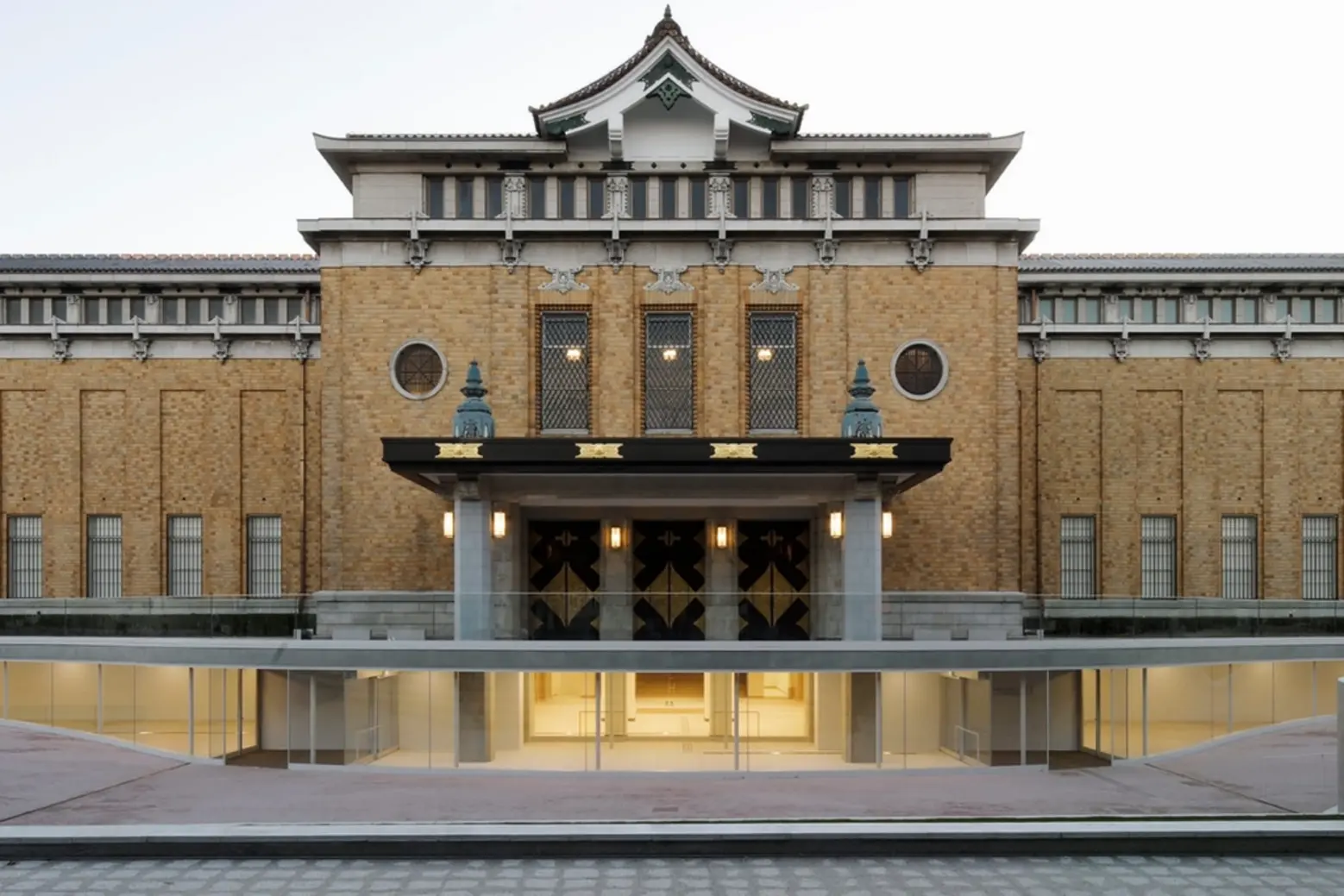
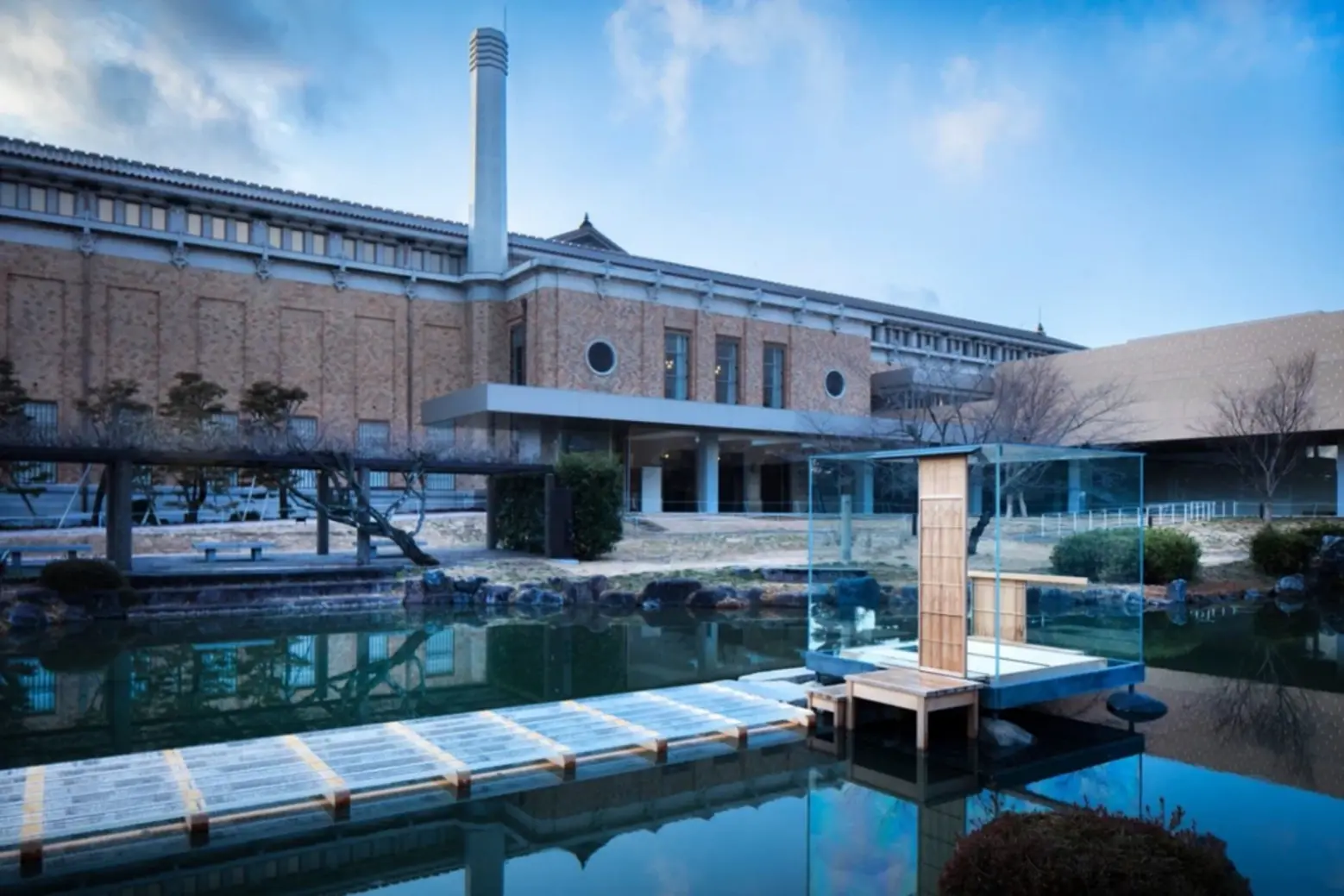
For travelers interested in architectural evolution rather than preservation alone, the Kyoto City KYOCERA Museum of Art is one of the city’s most rewarding stops. Opened in 1933 and renewed in the 21st century, it pairs its historic main building with the sleek Glass Ribbon, a transparent intervention that physically and symbolically links old and new architecture. Few places explain Kyoto’s cultural present so elegantly. They show that the city’s classical identity does not depend on resisting modernity, but on absorbing it with discipline.
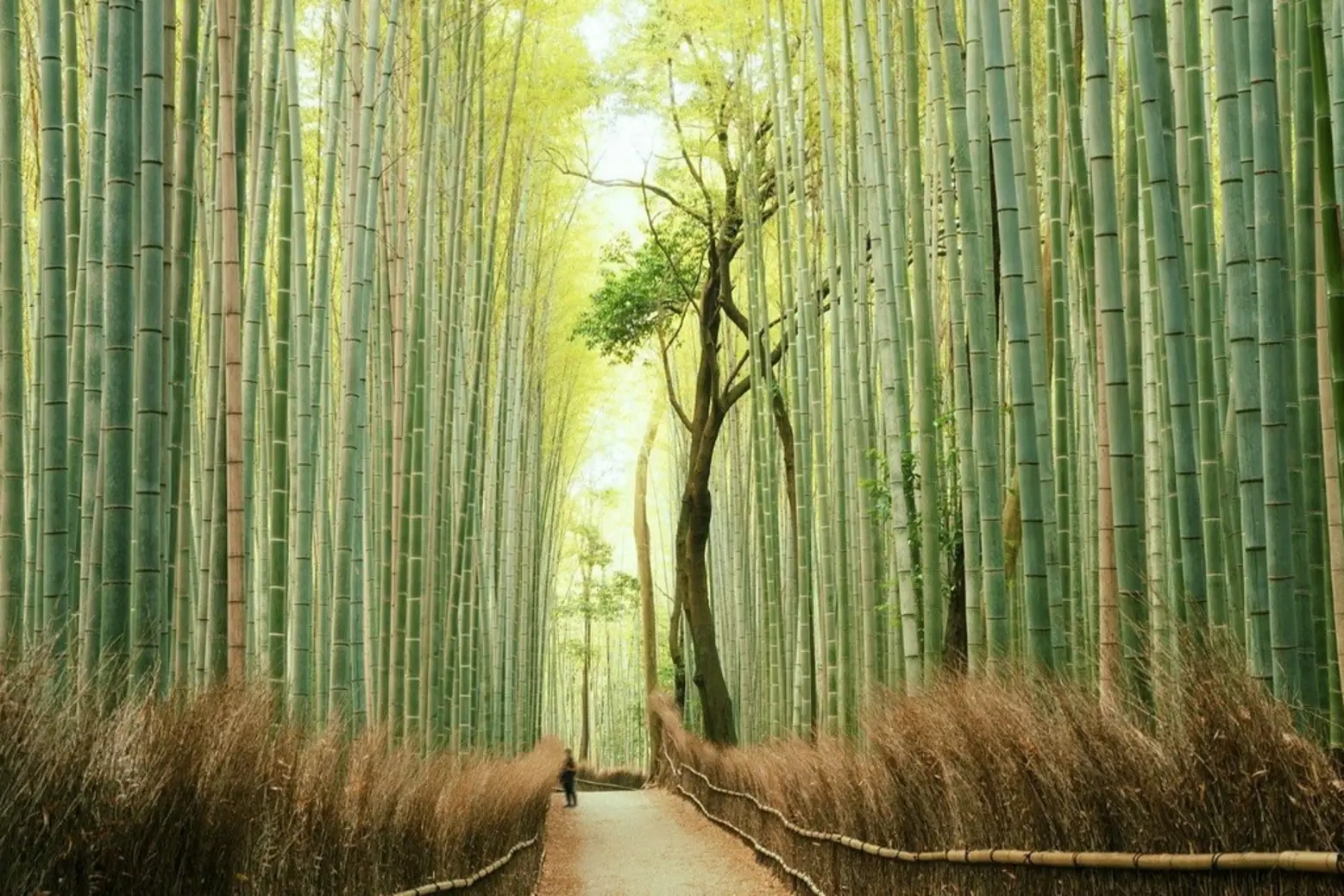
A spring feature gains even more texture by pairing these spaces with Arashiyama. The bamboo grove remains one of Kyoto’s defining walks, a corridor of filtered light and moving green that feels especially vivid during the fresh clarity of late spring. In editorial terms, it gives you a beautiful contrast: young greenery against old timber, kinetic nature against the fixed patience of temple stone.
Kyoto’s most interesting luxury addresses are those that understand hospitality as spatial culture.
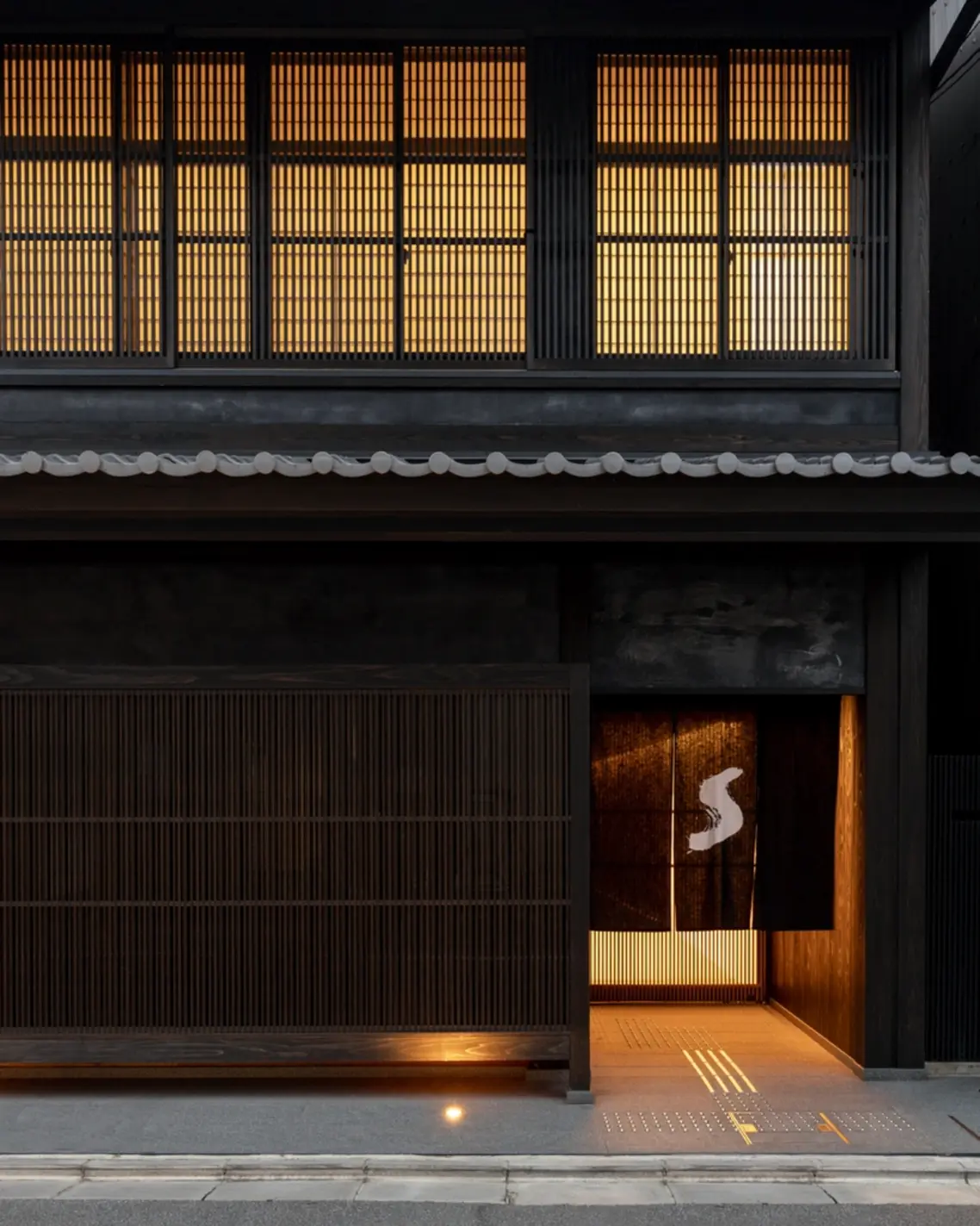
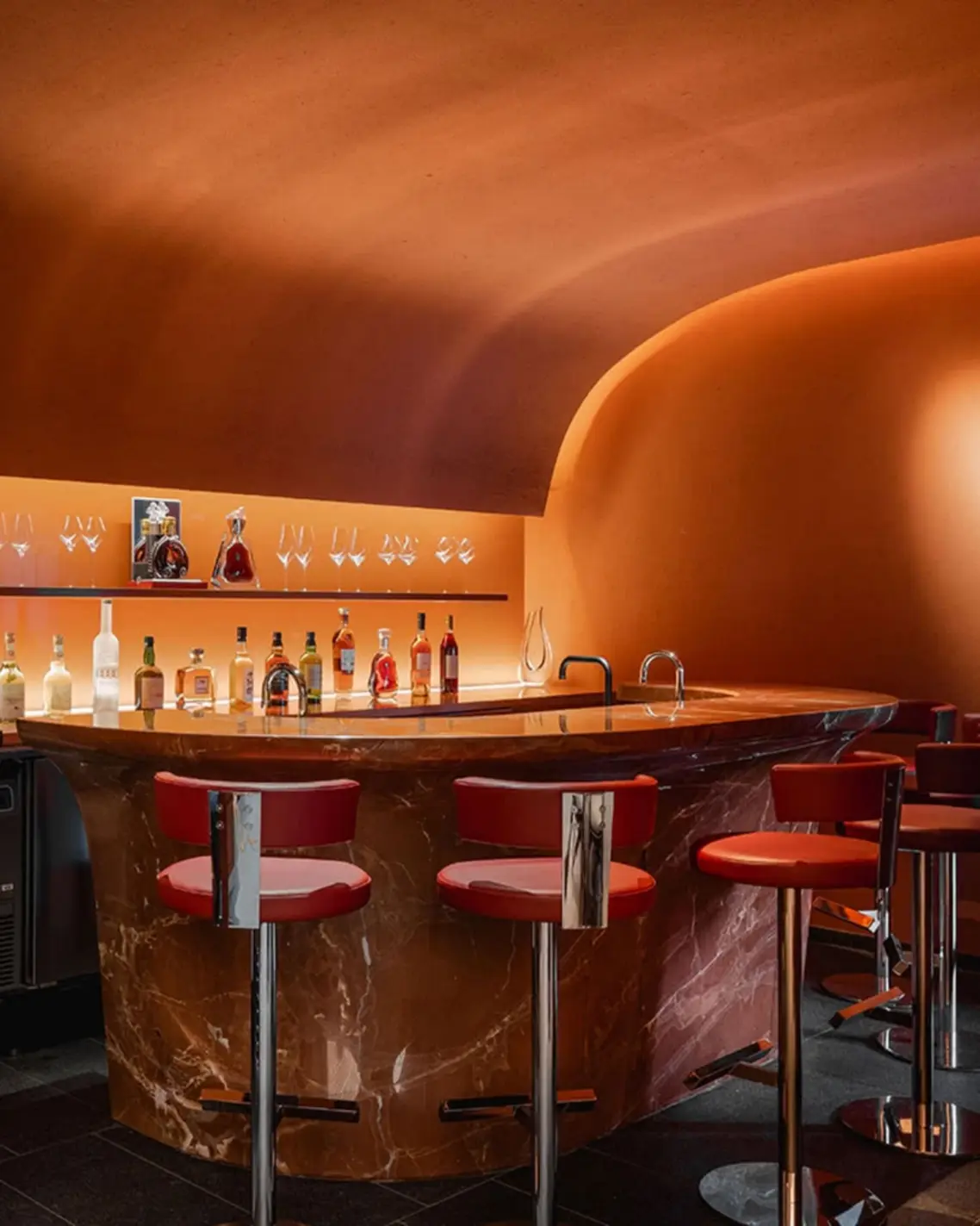
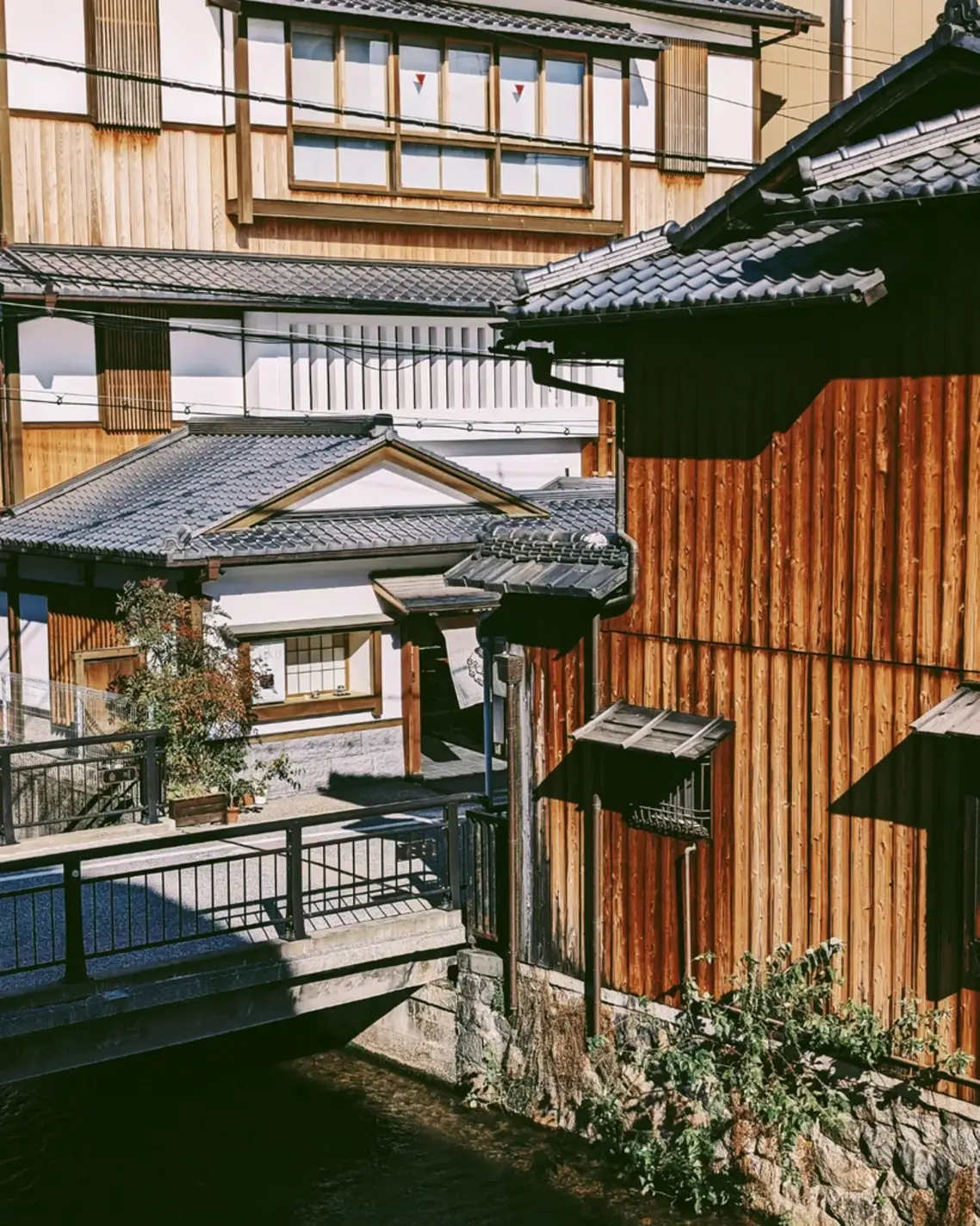
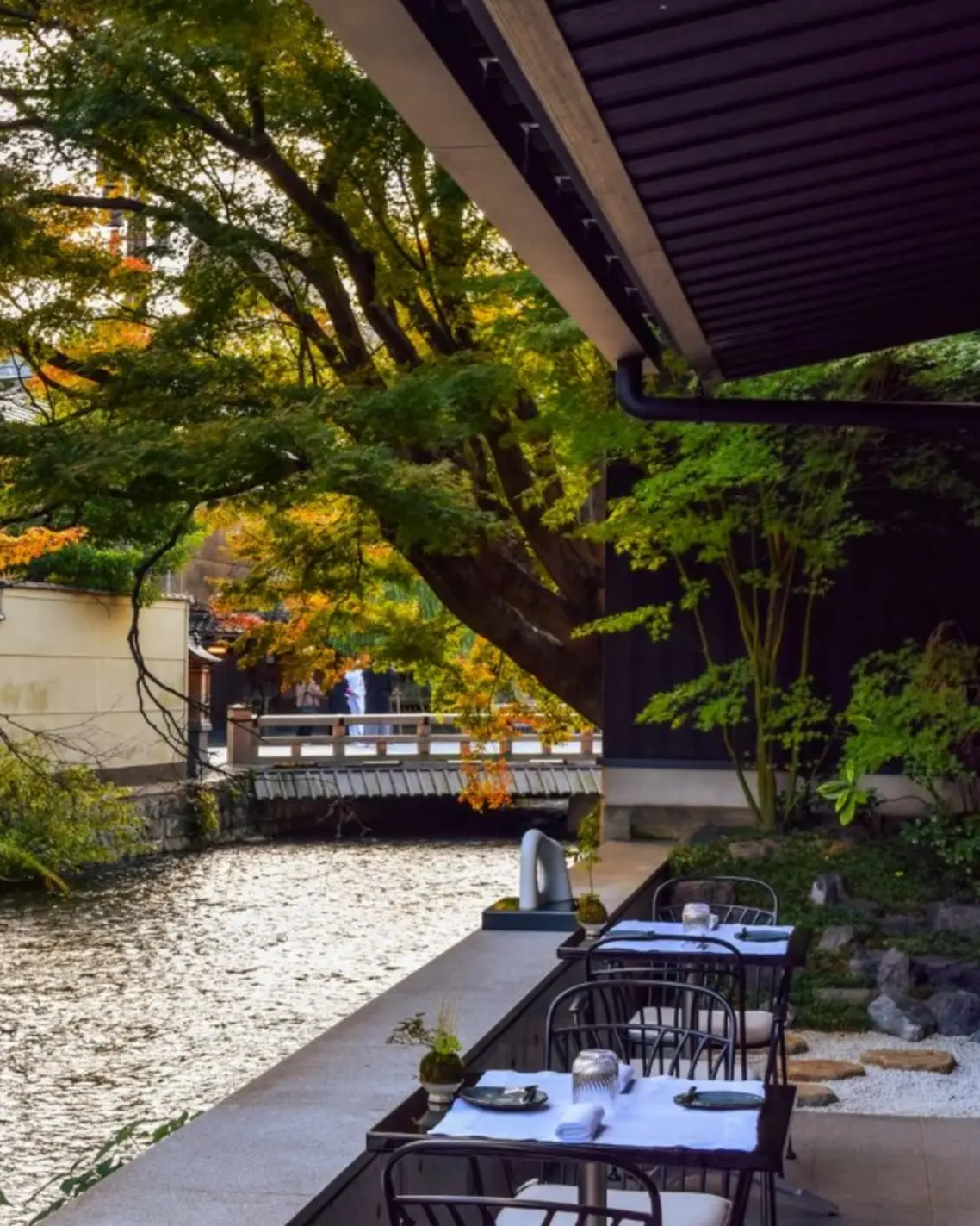
The Shinmonzen, tucked into Gion Shirakawa, is one of the strongest examples. Designed by Tadao Ando, it brings together concrete precision, quiet light, and a personalized scale that feels closer to an art residence than a conventional hotel. It is contemporary, yet its mood remains deeply Kyoto - composed, intimate, and respectful of its surroundings.
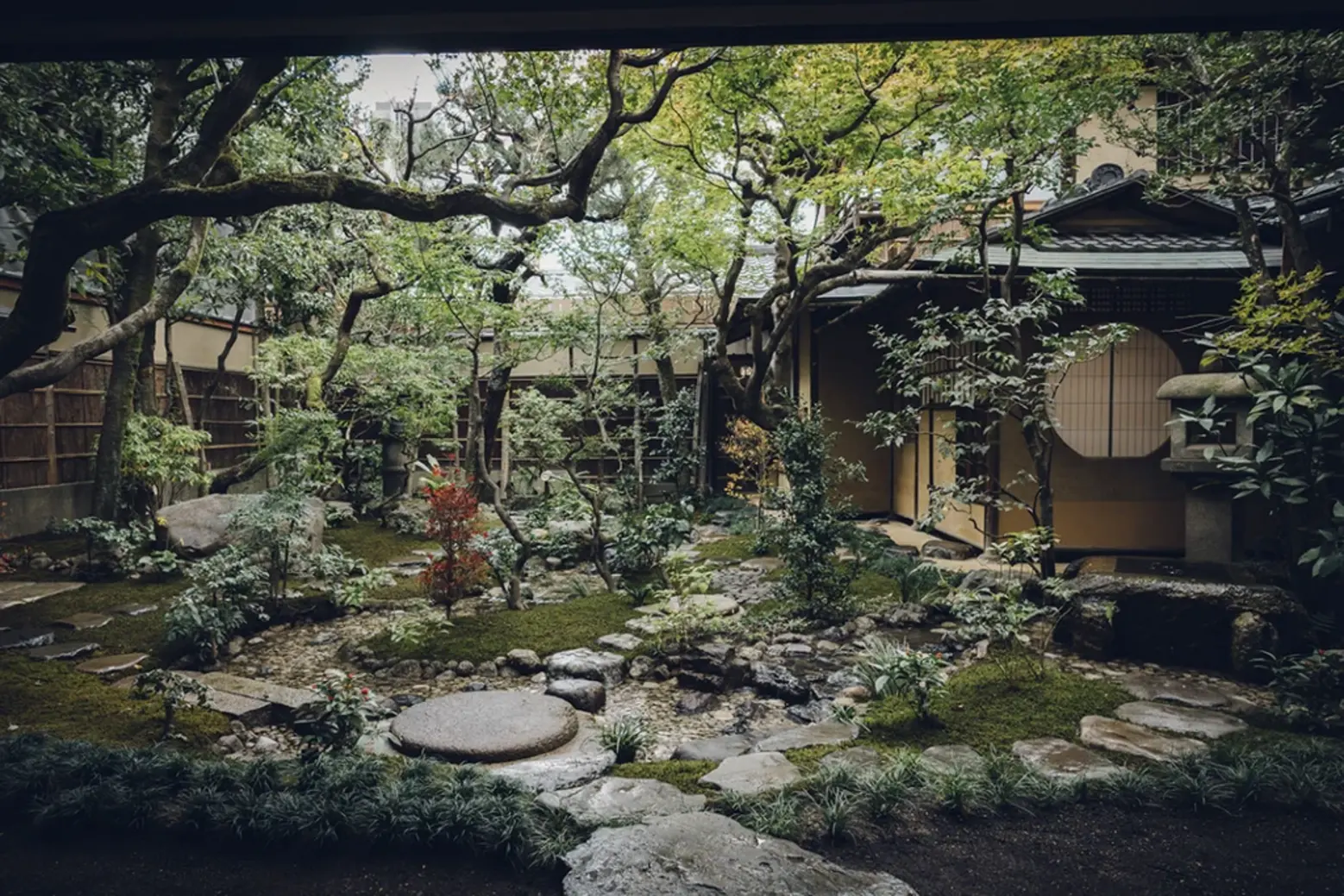
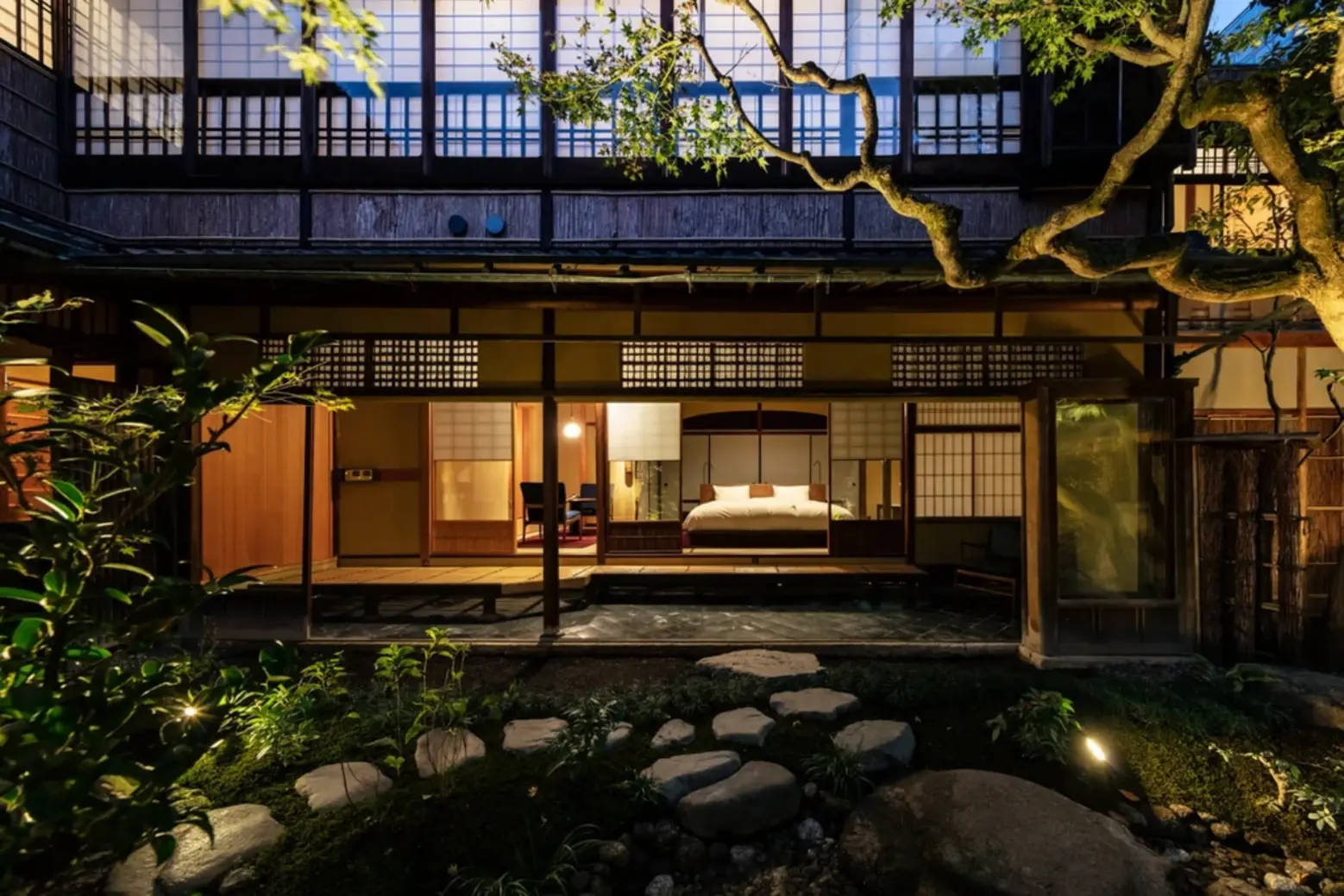
Sowaka works differently, leaning into the mood of a restored historic property in Gion. Its appeal lies in the feeling that one is inhabiting a private Kyoto world rather than checking into a branded luxury shell. The beauty is in the transition from street to corridor, corridor to garden, garden to room. That domestic sense of secrecy is exactly what so many travelers now want from the city.
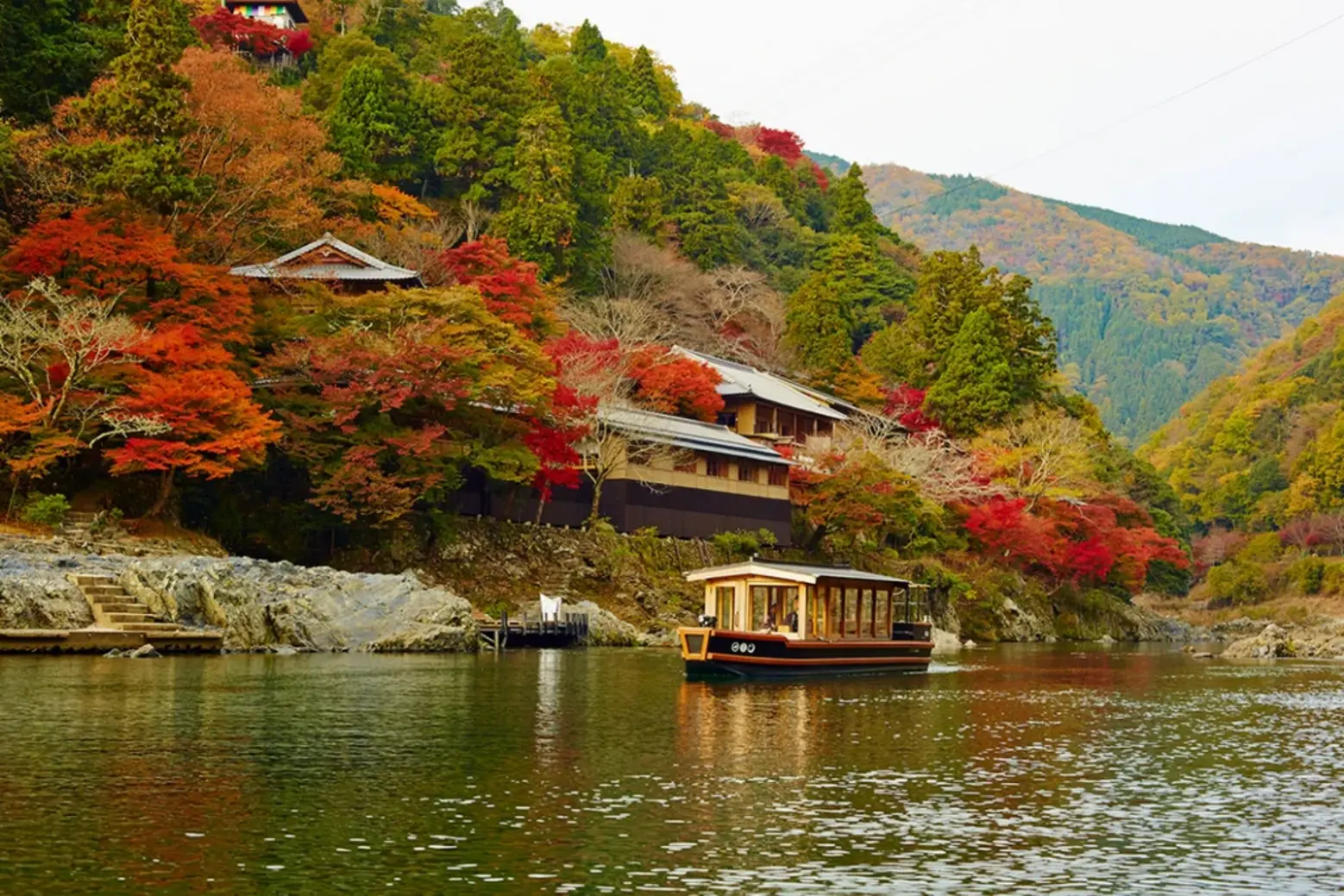
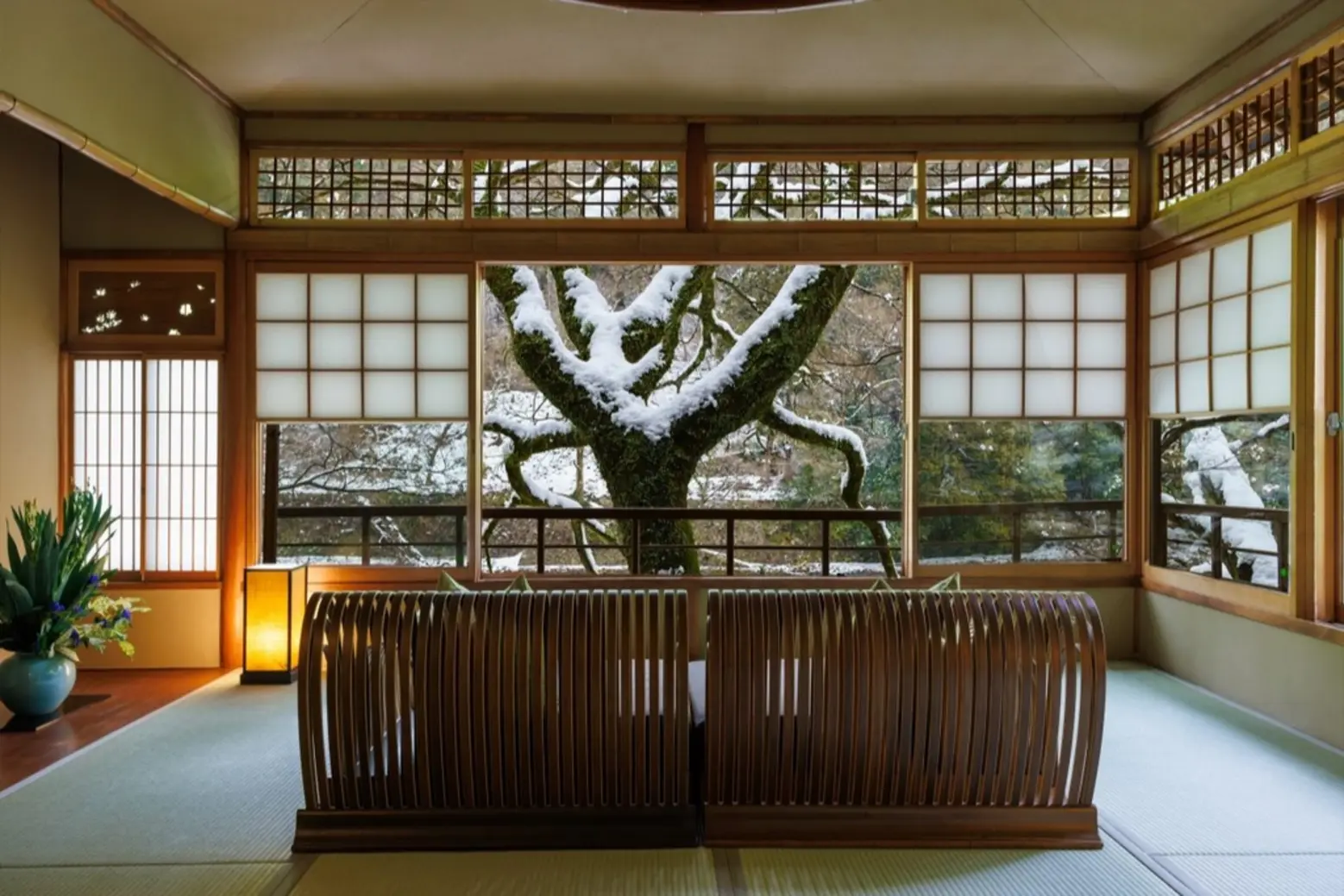
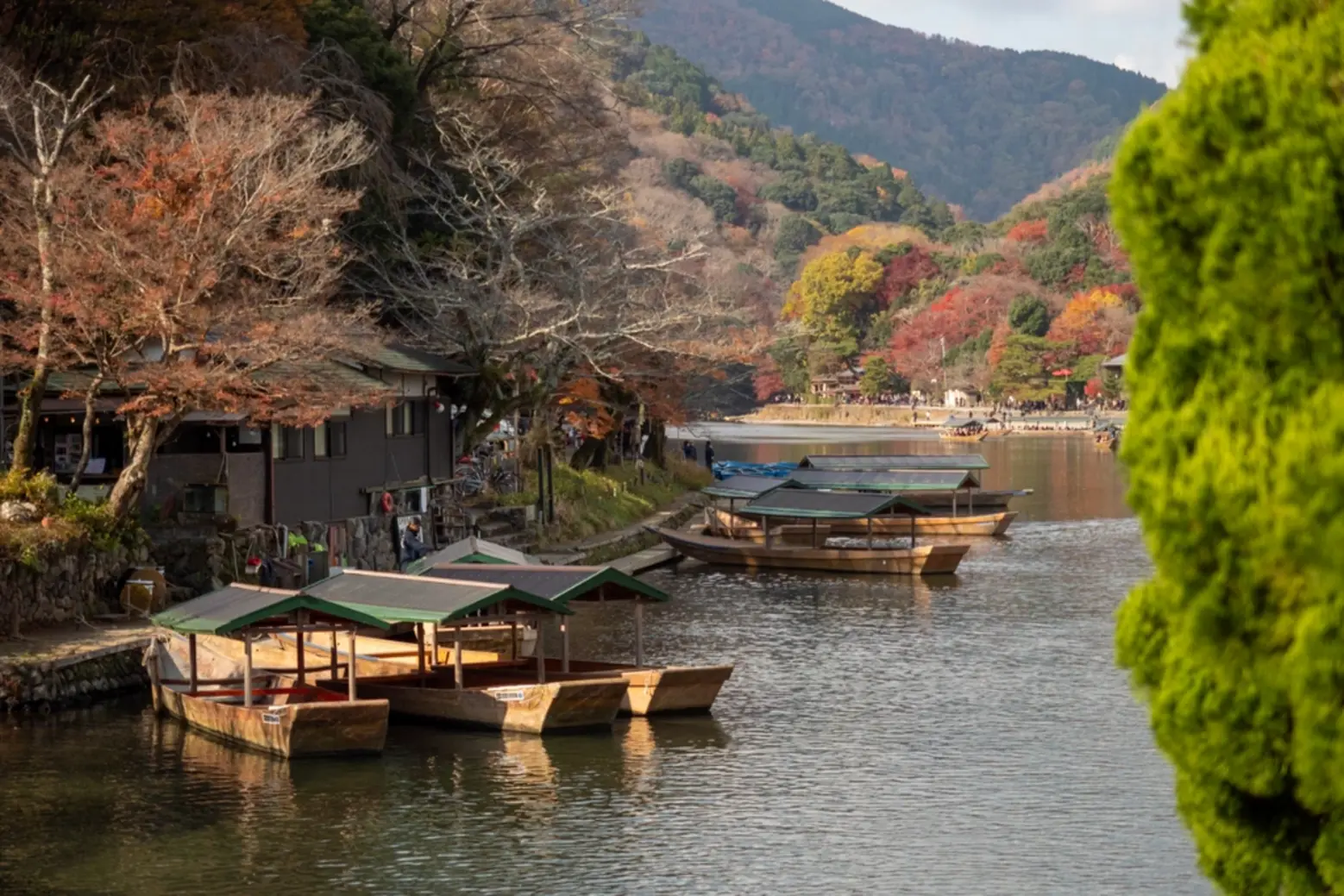
Among the most secluded expressions of slow prestige, Aman Kyoto and HOSHINOYA Kyoto remain benchmarks. Aman Kyoto sits in a secret garden at the foothills of Hidari Daimonji, where forest, moss, and stone set the emotional tone before the architecture fully reveals itself. HOSHINOYA Kyoto, reached by private boat from Arashiyama’s Togetsukyo Bridge, turns arrival into ritual and lets the river replace the usual grammar of urban hospitality. Both properties succeed because they give the landscape authority. The guest does not dominate the setting; the setting reshapes the guest.
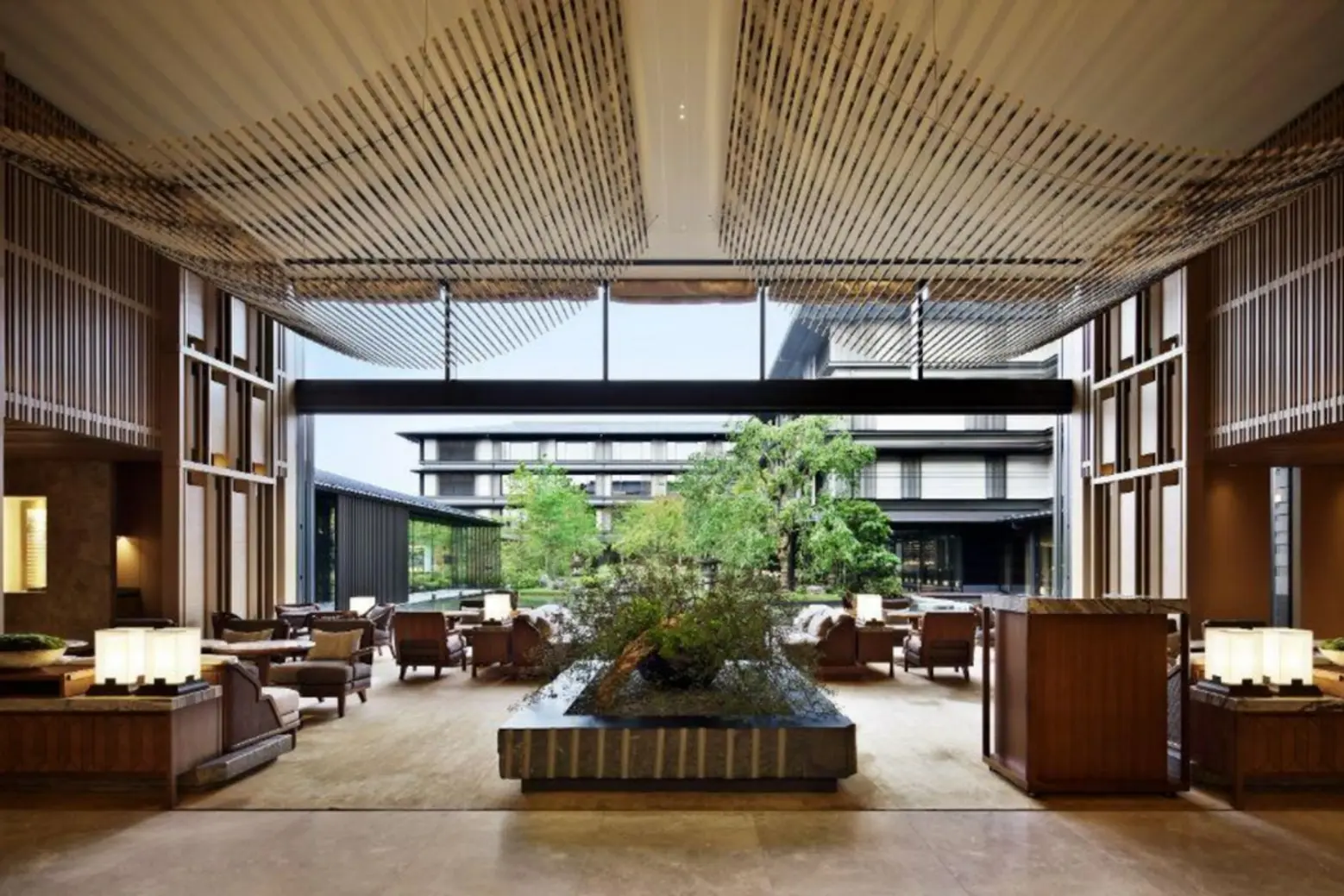
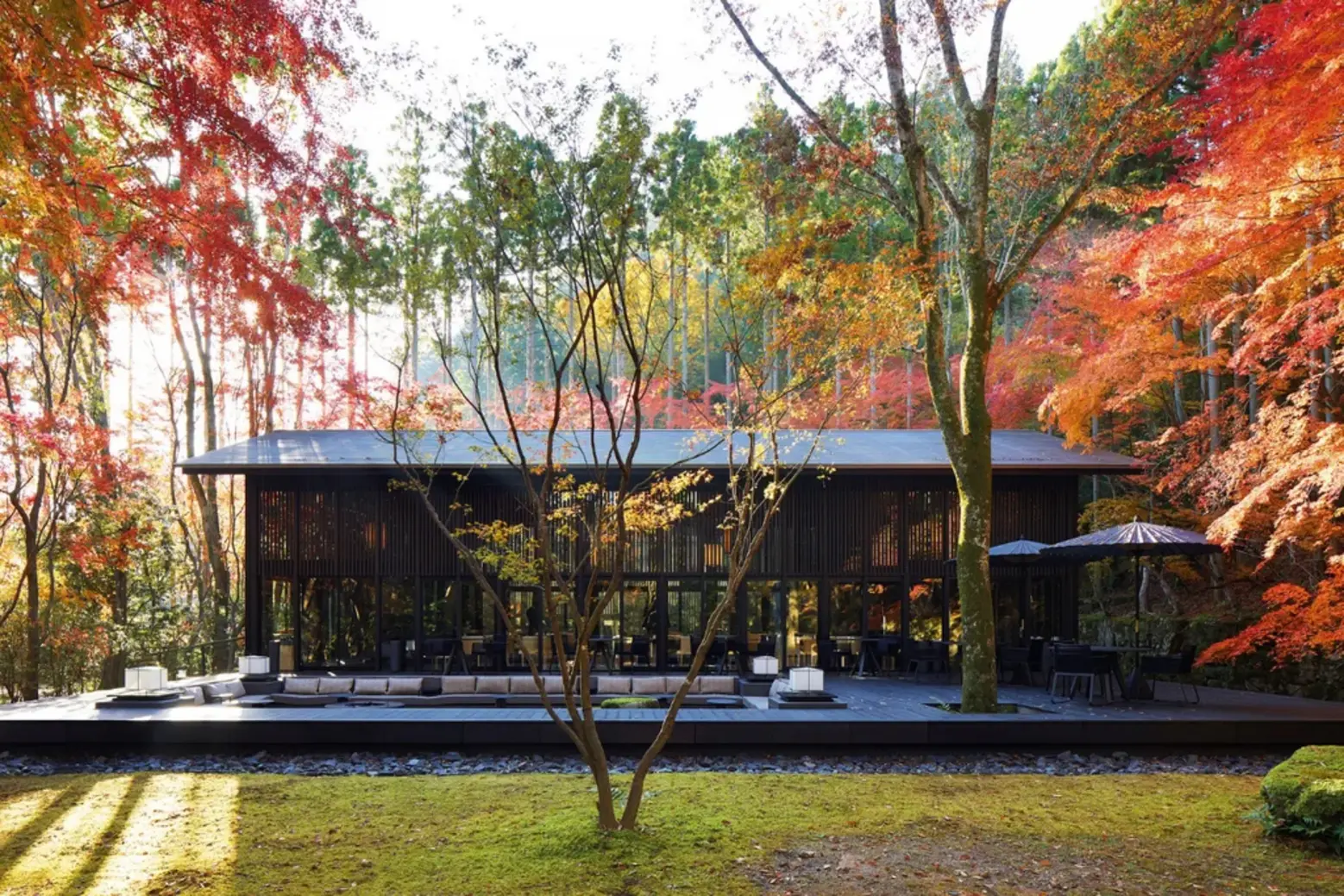
For travelers drawn to luxury, Capella Kyoto's opening signals how global luxury groups now approach Kyoto: Through local craft, historical continuity, and architecture that seeks dialogue rather than disruption. That, more than anything, is Kyoto’s influence on contemporary hospitality. The city asks every new entrant to slow down, listen, and build with humility.
Kyoto is found in intervals, in weathered wood, in ritual timing, in a room that knows how to frame a garden, in a festival that allows the past to move again through the present. To travel to Kyoto now is to enter a city that understands the kind of beauty that lies in between silence and sound.