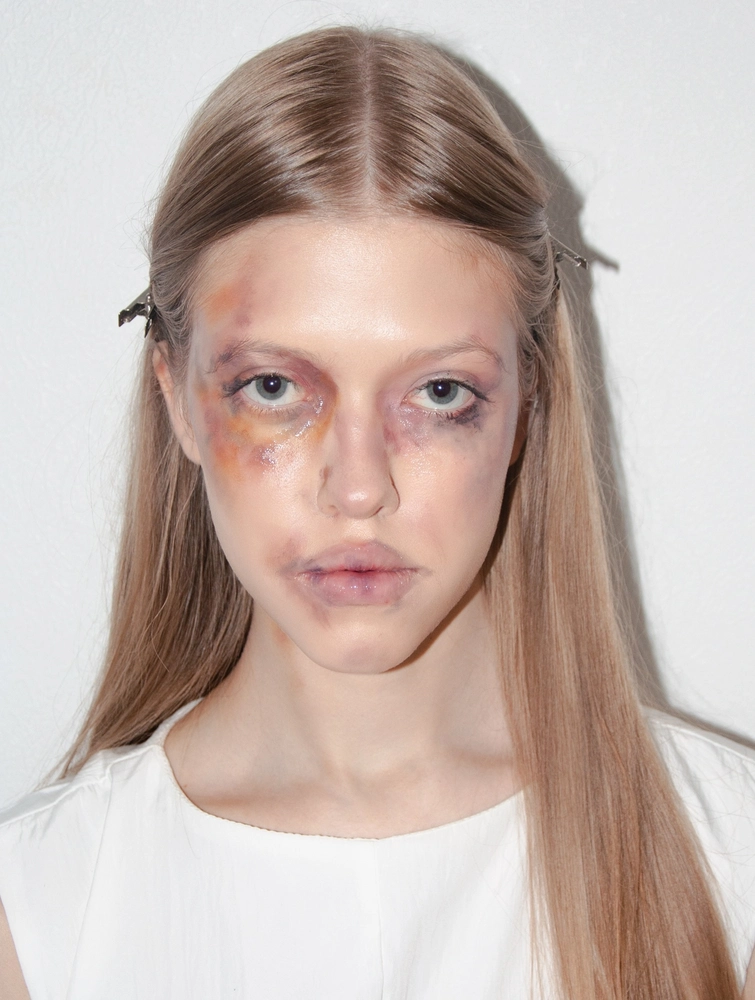
With “EDGE” as its guiding idea, KYOTOGRAPHIE 2026 spreads photography across Kyoto’s temples, townhouses, arcades, and museums, turning the city into a living meditation on tension, transition, memory, and survival.
KYOTOGRAPHIE 2026 Turns Kyoto Into a City of Thresholds
With “EDGE” as its guiding idea, KYOTOGRAPHIE 2026 spreads photography across Kyoto’s temples, townhouses, arcades, and museums, turning the city into a living meditation on tension, transition, memory, and survival.
April 18, 2026


Now underway from April 18 to May 17, KYOTOGRAPHIE 2026 now transforms Kyoto into one of the world’s most distinctive photography stages, scattering its main program across 14 exhibitions in 12 venues and inviting visitors to move through the city as though it were one vast, unfolding gallery. This year’s theme, “EDGE,” frames the festival as a study of thresholds: social, political, environmental, and even photographic itself, at a moment when the medium is being tested by digital overload and the rise of AI imagery.
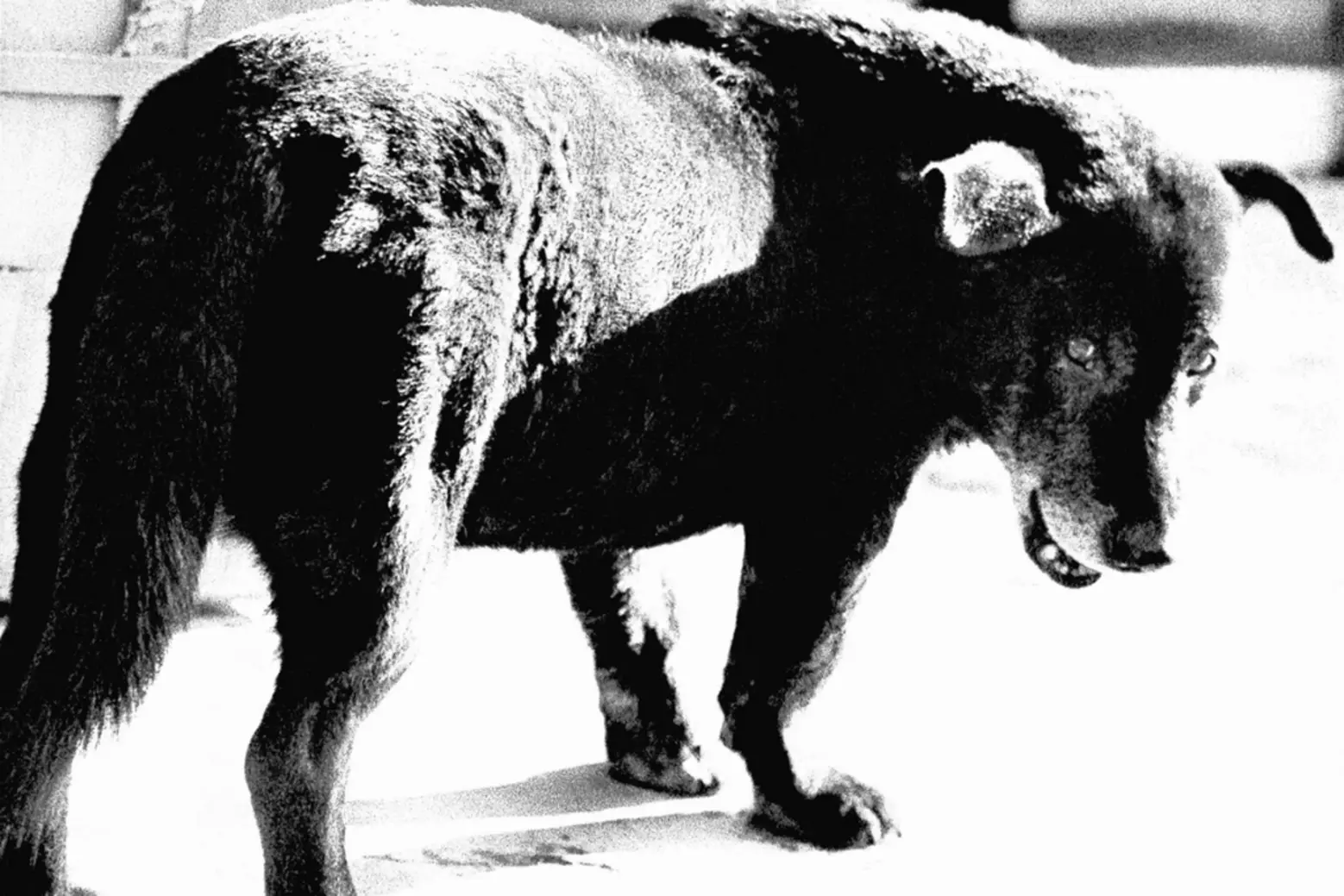
That idea lands with unusual force in a program that moves elegantly between legends, provocateurs, and urgent contemporary voices. At the Kyoto City KYOCERA Museum of Art, Daido Moriyama’s A Retrospective surveys more than six decades of work, tracing his radical reinvention of photography through magazines, photobooks, grainy street images, and his restless inquiry into what the camera can hold.
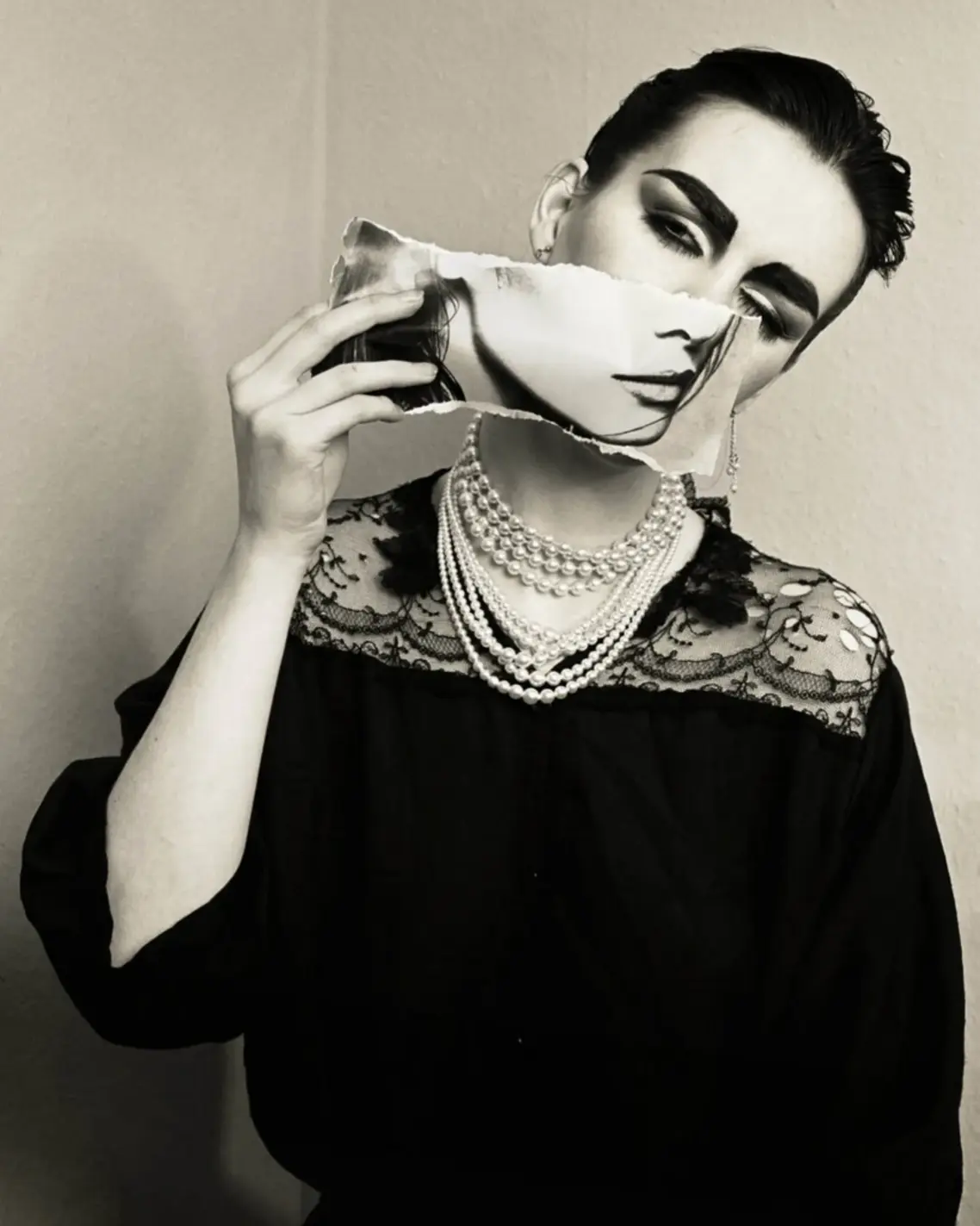
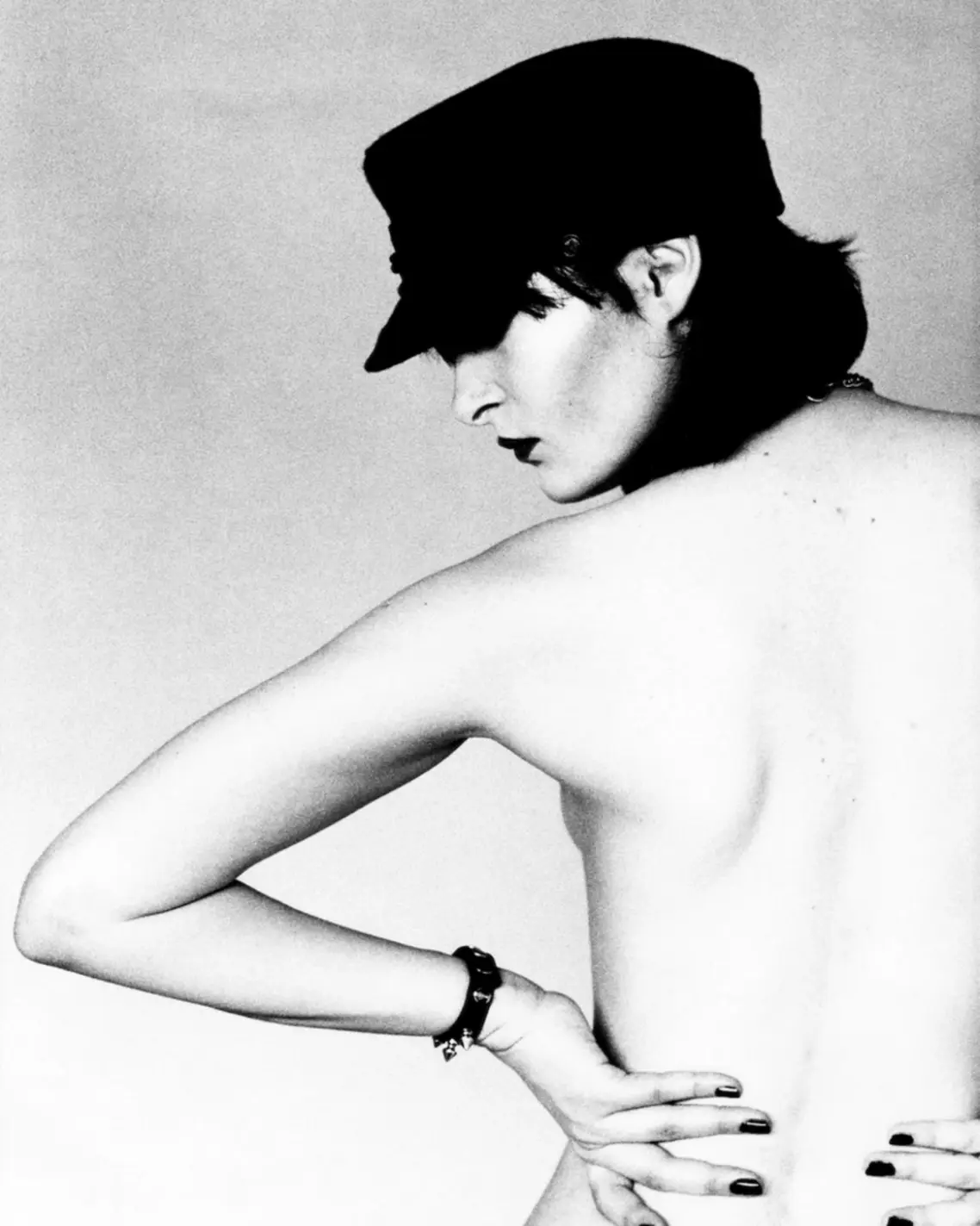
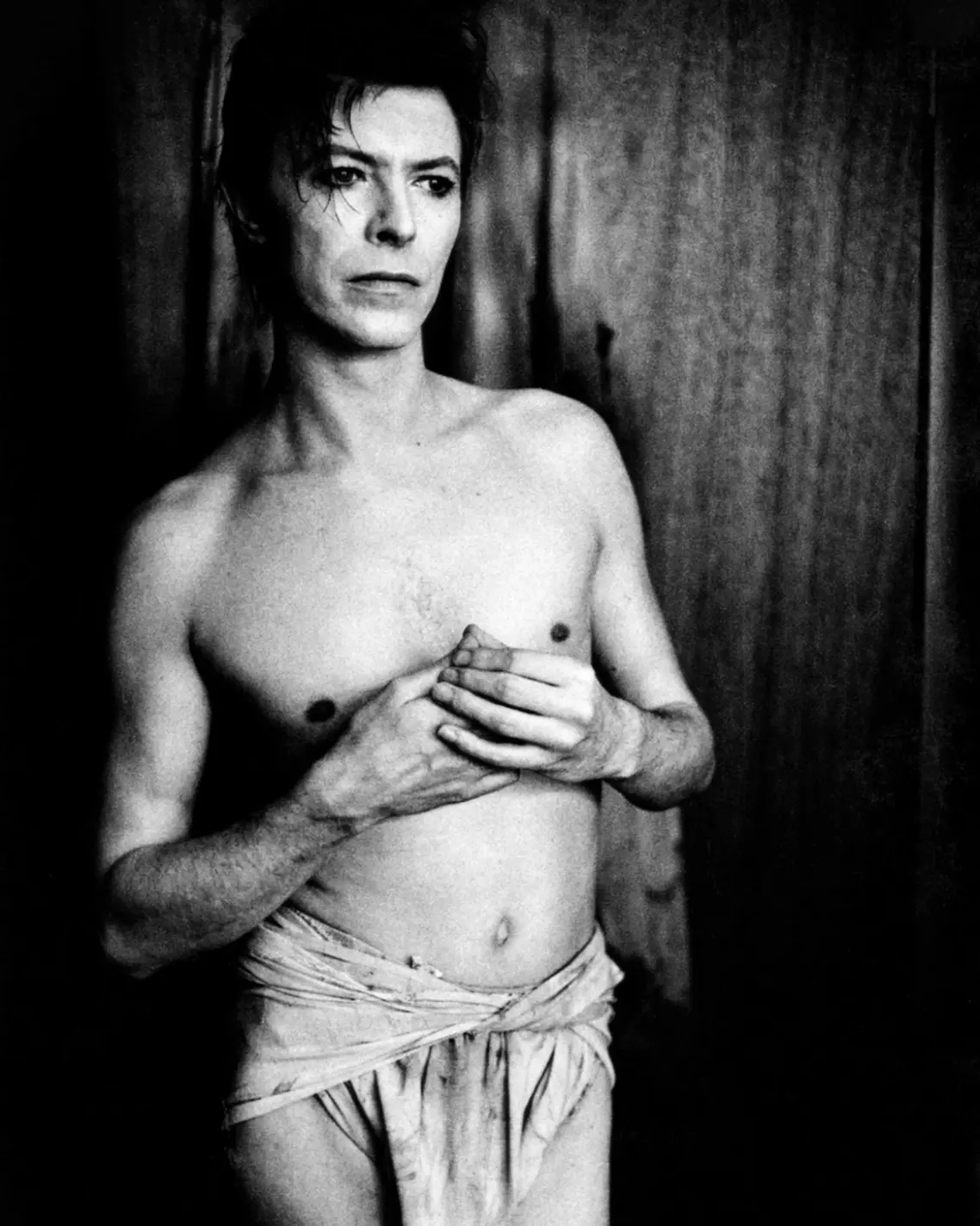
Elsewhere, Anton Corbijn’s Presence gathers nearly 100 works across 50 years, while Linder’s Goddess of the Mind brings the British artist’s razor-sharp feminist photomontages to Japan for the first time.
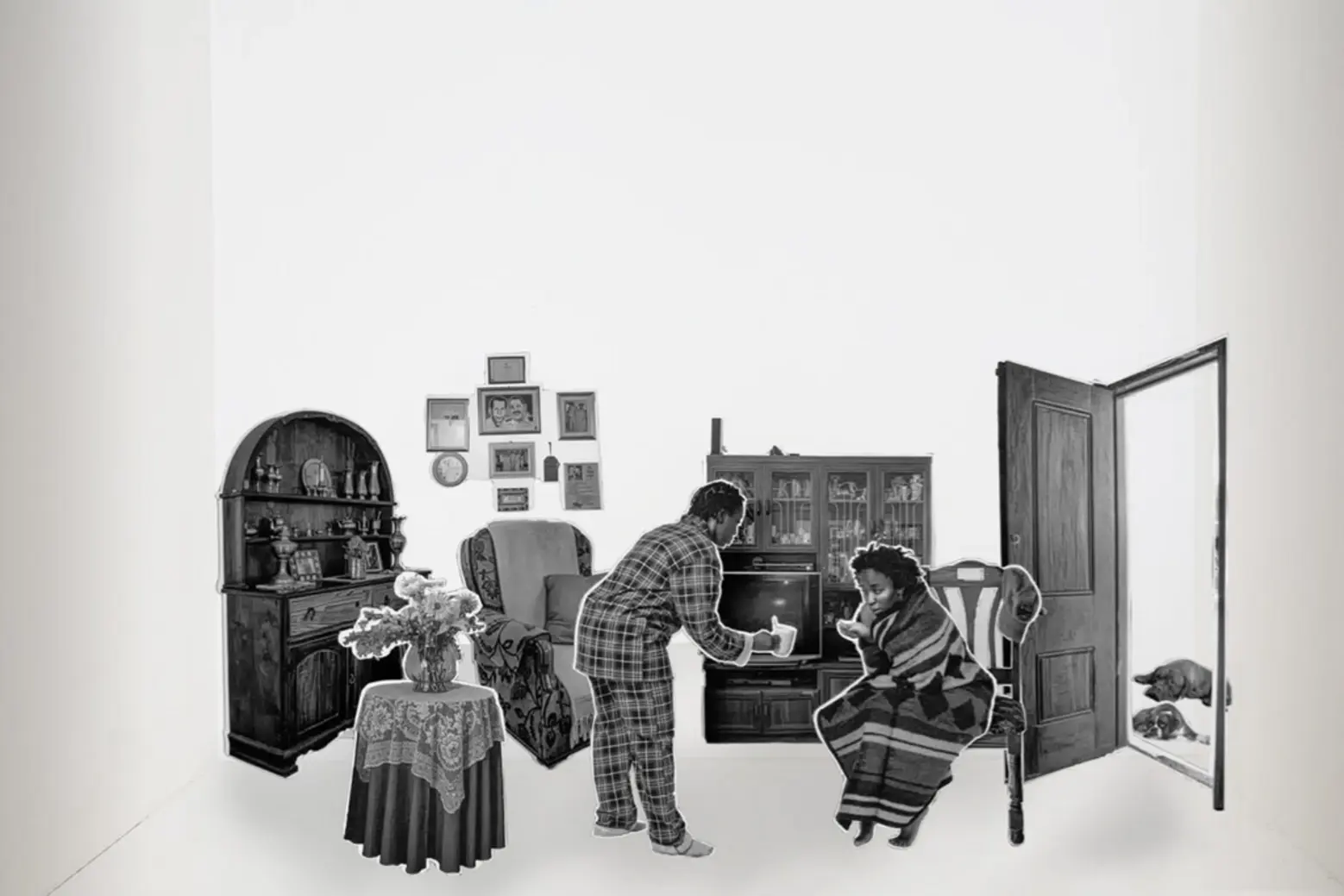
One of the most compelling threads in KYOTOGRAPHIE 2026 is South Africa In Focus, a major segment shaped around contemporary and historical South African image-making. Lebohang Kganye presents Rehearsal of Memory at Higashi Honganji’s O-genkan in her first major presentation in Japan, while Ernest Cole’s House of Bondage brings his searing anti-apartheid document to Japanese audiences for the first time. Nearby, Pieter Hugo’s What the Light Falls On unfolds as an intimate, expansive meditation on life, death, and the human condition. The program is further deepened by a photobook exhibition curated by A4 Arts Foundation.
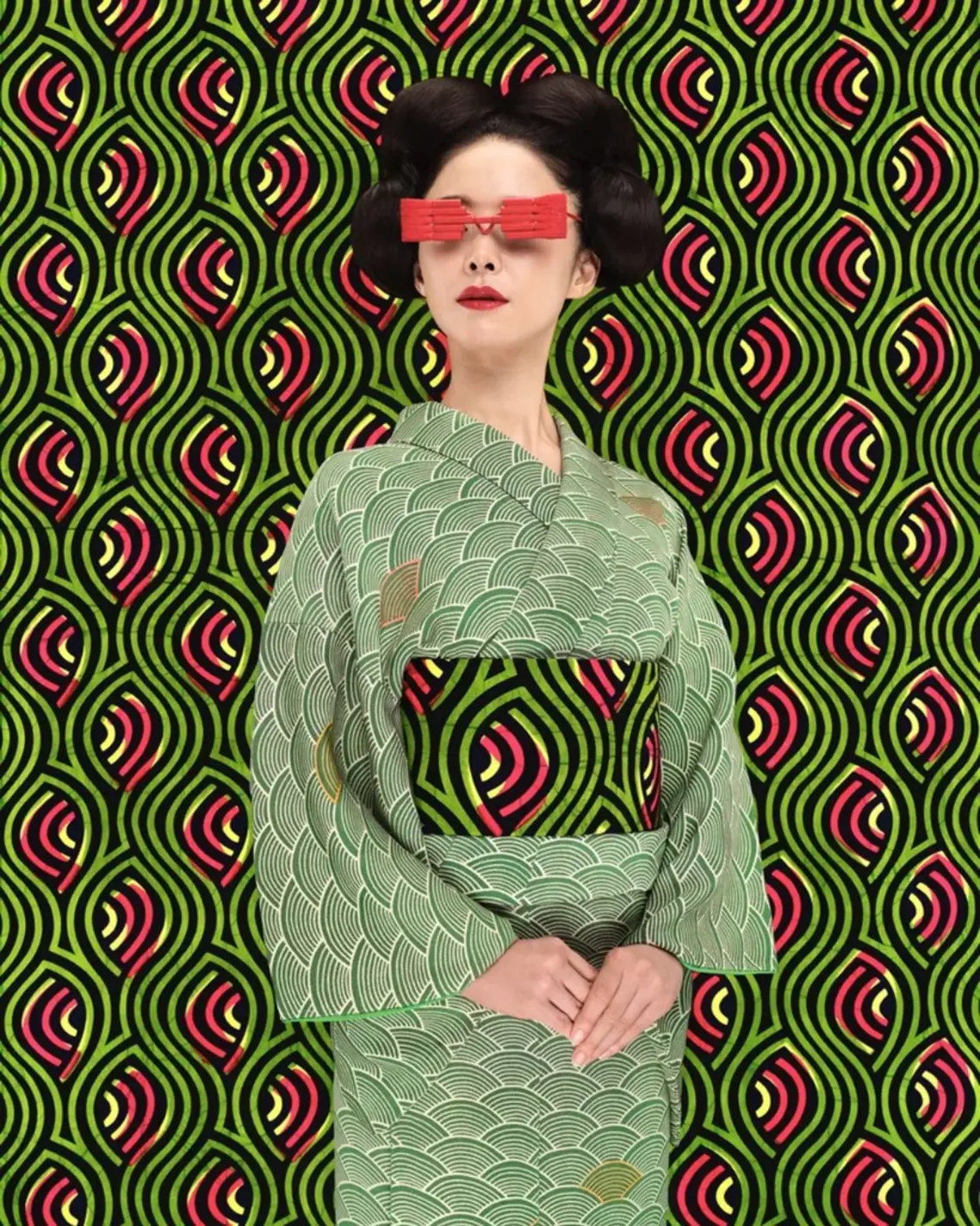
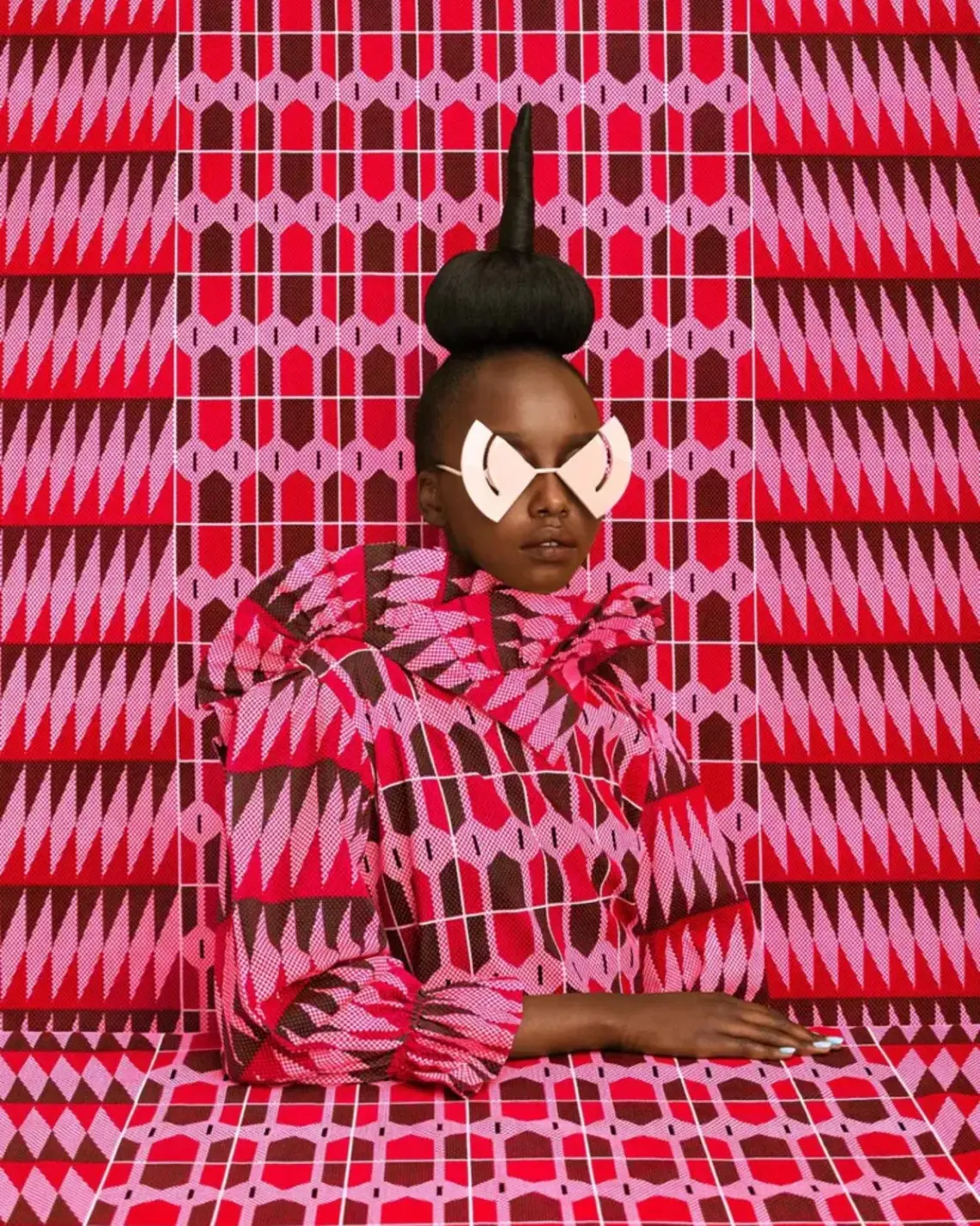
What keeps KYOTOGRAPHIE singular, though, is its scenography. Photography here never sits in neutral white boxes for long. Fatma Hassona’s The eye of Gaza is shown at Hachiku-an, a former Kawasaki residence that also serves as the festival’s information hub, while Thandiwe Muriu’s work reaches into both Kondaya Genbei and the Demachi Masugata Shopping Arcade, pulling photographic imagination into everyday urban flow. The city itself becomes part of the exhibition grammar.
Beyond the main program, KG+ extends that energy outward as a platform for emerging photographers, and sister festival KYOTOPHONIE overlaps with performances including Msaki x Tubatsi at Higashi Honganji Temple’s Audio-visual Hall on April 19. Together, they make KYOTOGRAPHIE 2026 feel larger than a festival and closer to a citywide cultural ecosystem, one where photography is given room to breathe, argue, haunt, and expand.