MENU
Close





Madrid still shimmers with prestige, sunshine, galleries, gardens and a certain aristocratic ease. In 2026, its most elegant itinerary begins with a sharper awareness of the city beneath the postcard, and with a form of travel that gives something back.
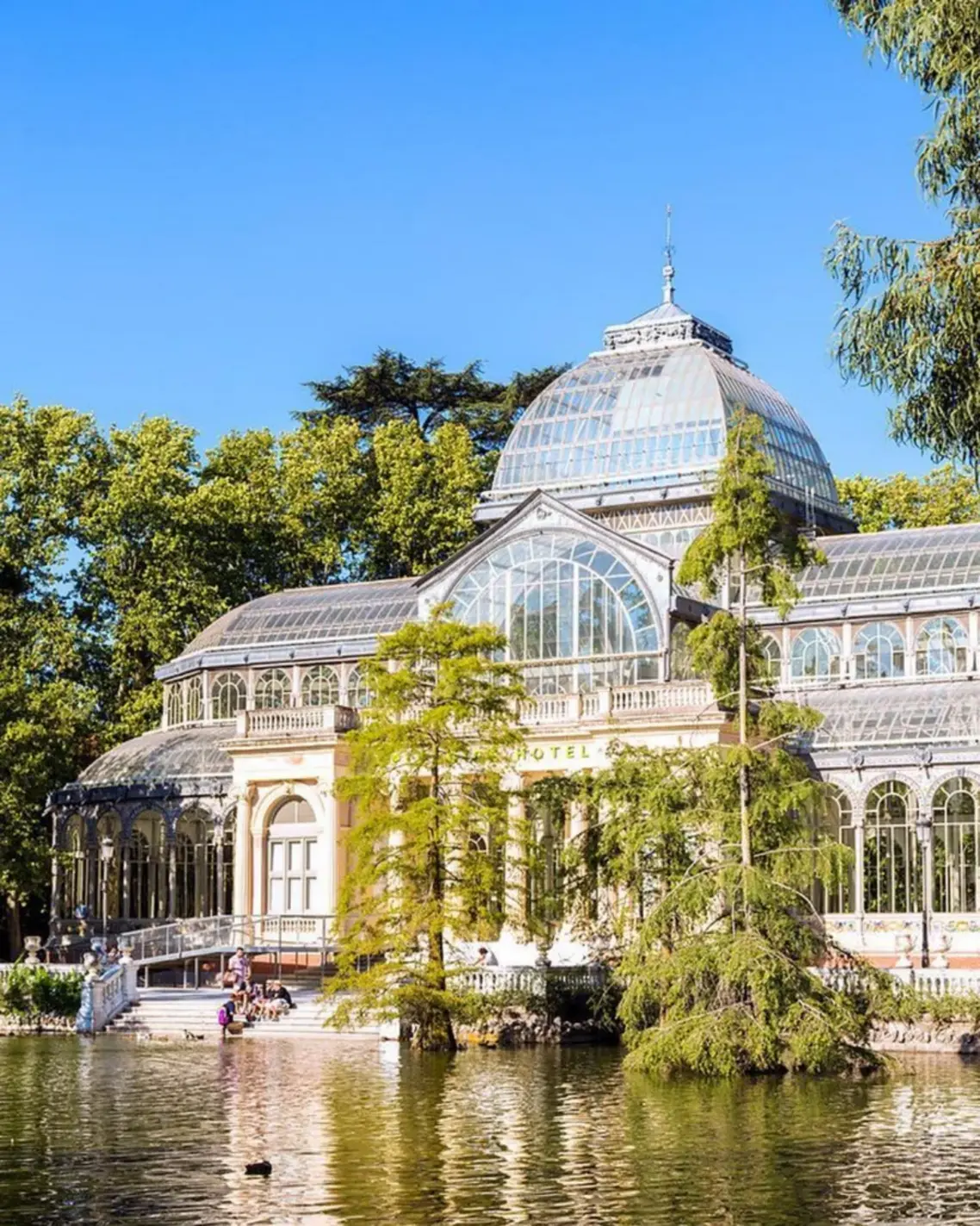
Madrid still shimmers with prestige, sunshine, galleries, gardens and a certain aristocratic ease. In 2026, its most elegant itinerary begins with a sharper awareness of the city beneath the postcard, and with a form of travel that gives something back.
May 6, 2026


Madrid in 2026 feels glorious and unsettled at once. The light still lands beautifully on stone façades, late lunches still unfurl into vermouth hours, and the city still knows how to seduce a traveler within minutes. Yet Madrid also sits inside Spain’s wider revolt against touristification, especially where housing is concerned.
Mass protests over soaring rents and tourist flats, with residents in Madrid describing how residential buildings were being converted into short-term stays. By late 2025 and early 2026, Madrid and Spain were tightening rules around tourist accommodation and seasonal rentals, while the city’s Plan RESIDE formally barred tourist flats from residential buildings.
Still want a taste?
To say that Spaniards are “against tourism” would flatten the story into something crude. The truer picture is that many residents are against excess, against a model in which short-term profit crowds out daily life. Reuters noted that average Spanish rents had doubled over the past decade, house prices had surged, and rental supply had shrunk sharply; in Madrid, residents in neighborhoods such as Lavapiés tied that pressure directly to tourist flats. The city’s own enforcement figures add substance to the anger: Madrid reported in February 2026 that it had detected 1,893 tourist-use dwellings during inspections from May 2024 to December 2025, and that 497 illegal tourist homes had returned to residential use. Madrid’s stance is not anti-visitor so much as anti-extraction. The city still thrives on the spending, visibility, and creative energy that cultural tourism brings. This year's ARCOmadrid is a clear example. The 2026 edition welcomed about 95,000 visitors, among them 40,000 international art professionals, generated roughly €195 million for Madrid, and helped sustain around 1,475 jobs. What is being challenged is not tourism itself, but a model of tourism that rewards short-term gain at the expense of local life. Madrid’s preferred future is one where visitors come for art, heritage, hospitality, and serious cultural exchange, while the city’s residential fabric remains intact.
That is where the idea of conscious tourism becomes useful. I am using the phrase as an editorial solution rather than an official slogan: travel in a way that lowers pressure on housing, strengthens local commerce, and treats neighborhoods as lived-in places rather than themed sets. In Madrid, that means choosing a hotel over an apartment carved out of residential stock, spending money in taverns and shops with roots in the city, and making room in your schedule for districts that still breathe at a local pace. The clearest lesson from both the protests and the regulations is that Madrid still wants visitors, it simply wants a healthier relationship with them.

Madrid rewards a traveler who understands its texture before chasing its checklist. The city began as Mayrit, a name tied to abundant water, a lovely surprise for a capital so often imagined through dry Castilian heat. Its elevation, about 667 meters above sea level, helps explain the sharpness of its atmosphere and the clarity of its light. Then there is the greenery: official tourism materials describe Madrid as one of the world’s greenest cities, with over 55 percent of its streets tree-lined and almost 300,000 trees softening the urban fabric. This is one reason Madrid feels expansive even when it is dense. It offers shade, pause, and a more generous rhythm than the stereotype of a capital in constant motion.

Its great cultural axis confirms that Madrid’s luxury has always been public as much as private. UNESCO’s “Landscape of Light,” the Paseo del Prado and Buen Retiro ensemble, recognizes a city model in which art, science, leisure, and nature share the same promenade. The UNESCO listing describes the Paseo del Prado as a prototype of the tree-lined urban avenue, while Madrid’s tourism board emphasizes its unusually early role as a space designed for public enjoyment. A conscious traveler should linger here slowly, not just museum-hop. Walk the Prado frontage in the morning, let Retiro absorb the heat in the afternoon, and remember that Madrid’s refinement was built as much in civic space as in salons. Even Botín, founded in 1725 and recognized by Guinness as the world’s oldest restaurant, makes that point: History in Madrid is meant to be inhabited, tasted, and returned to, not merely photographed.
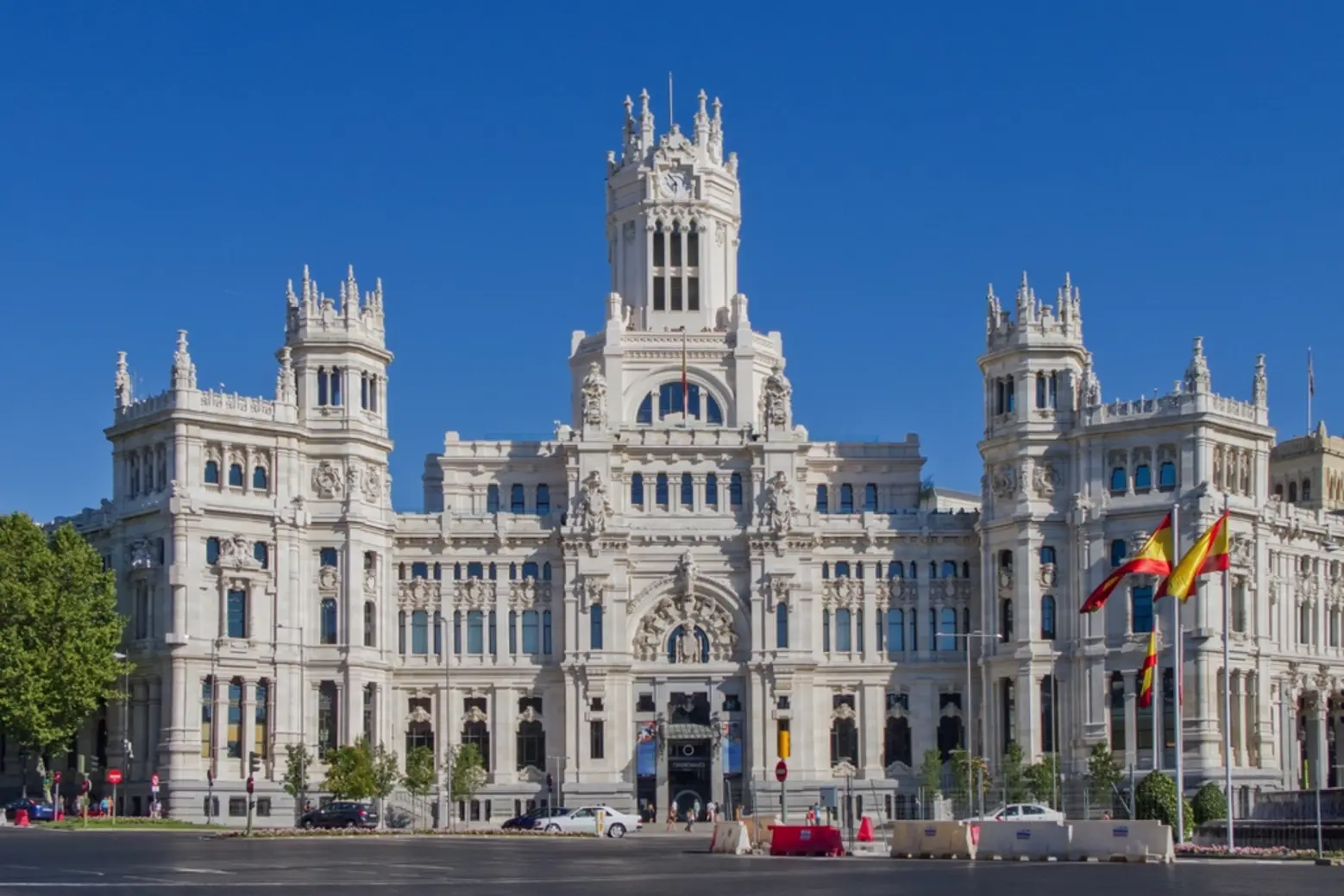
The most compelling hotel choices in Madrid now come with an ethical dimension. In a city increasingly shaped by the debate around housing and tourist pressure, where you stay matters almost as much as how you travel. The best addresses are the kind that place you inside Madrid’s architectural memory without taking space from the residential fabric locals are trying to preserve. In that sense, Madrid’s finest properties belong in the conversation around boutique hotels Europe for all the right reasons: they offer character, craftsmanship, and a deep sense of place.
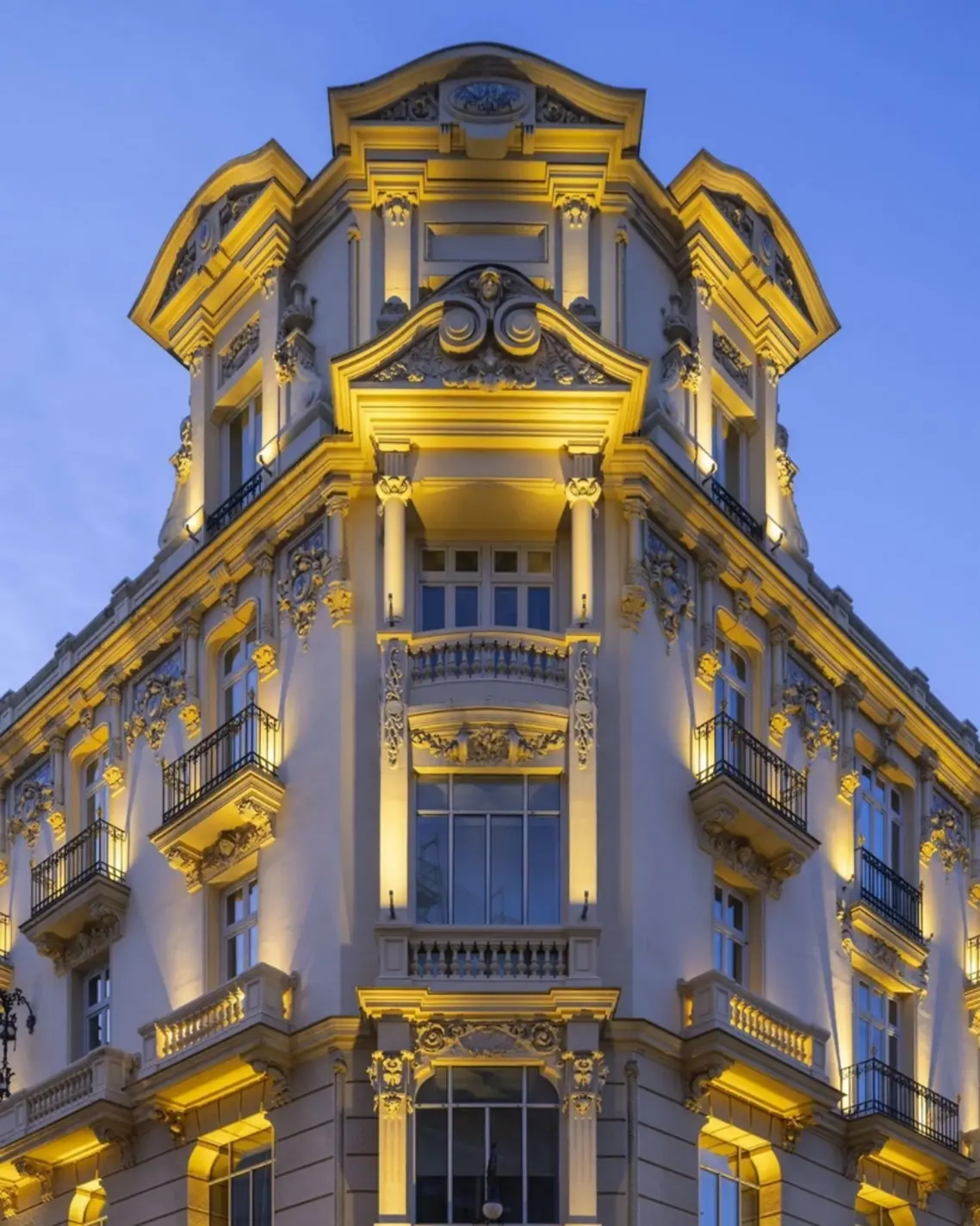
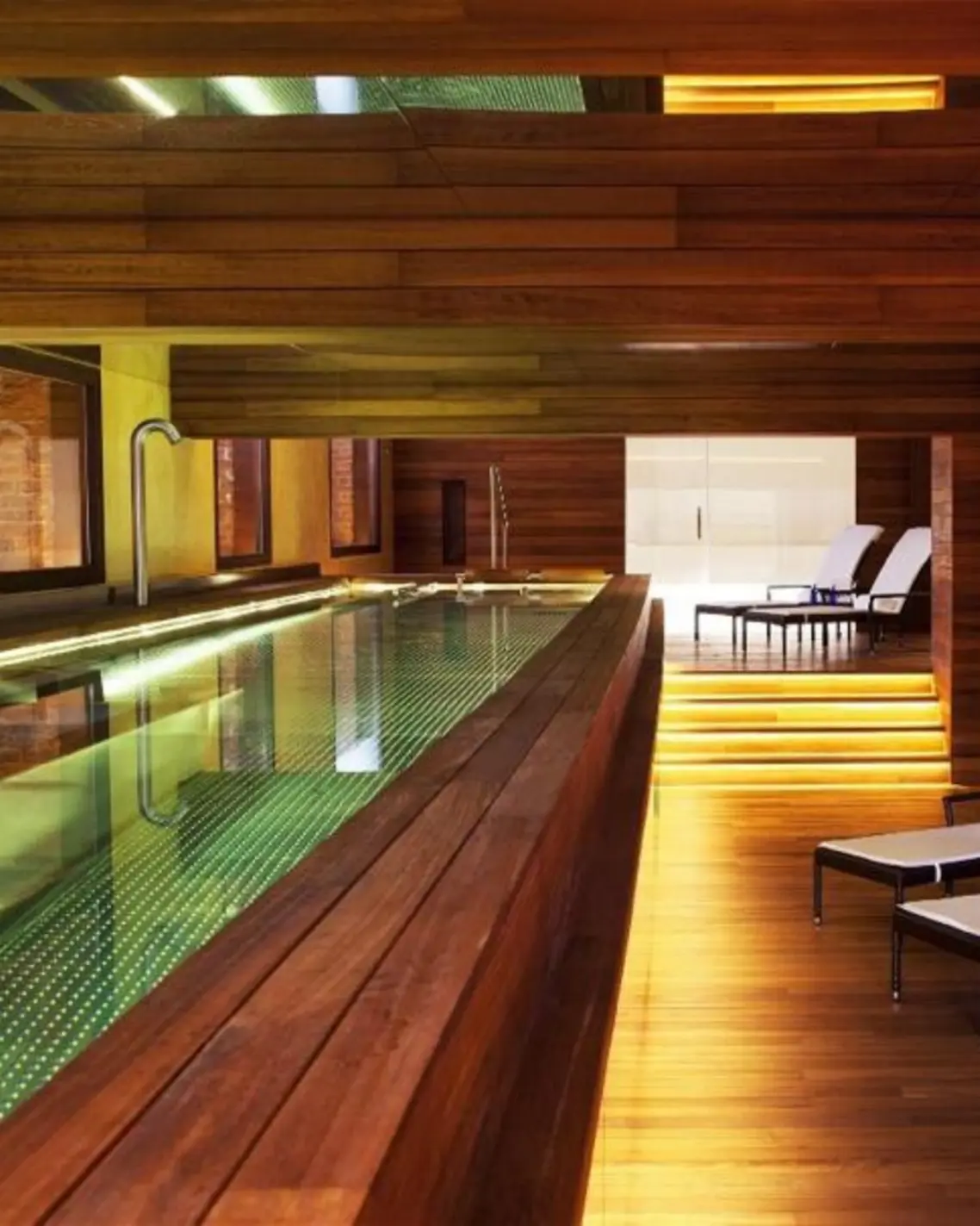
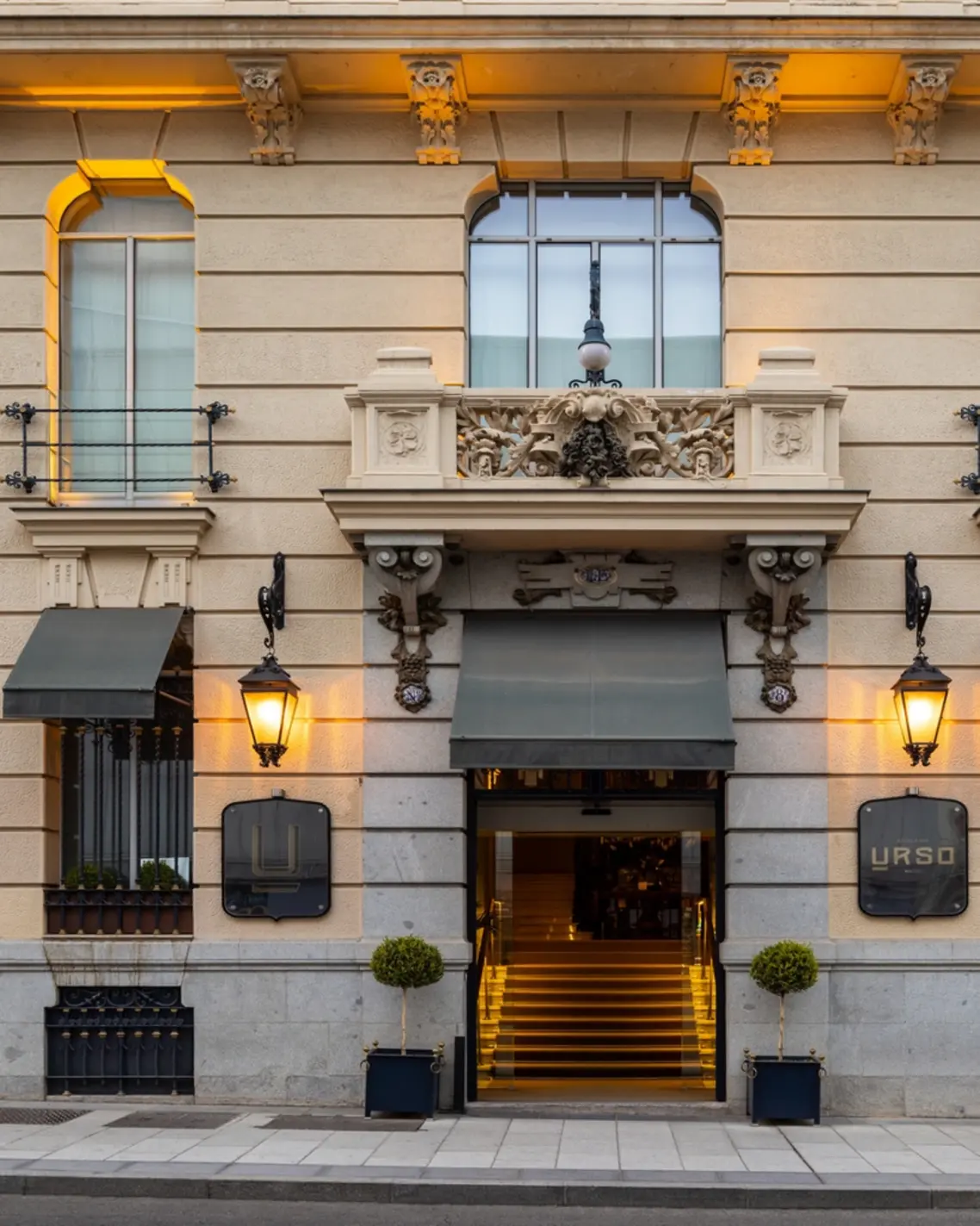
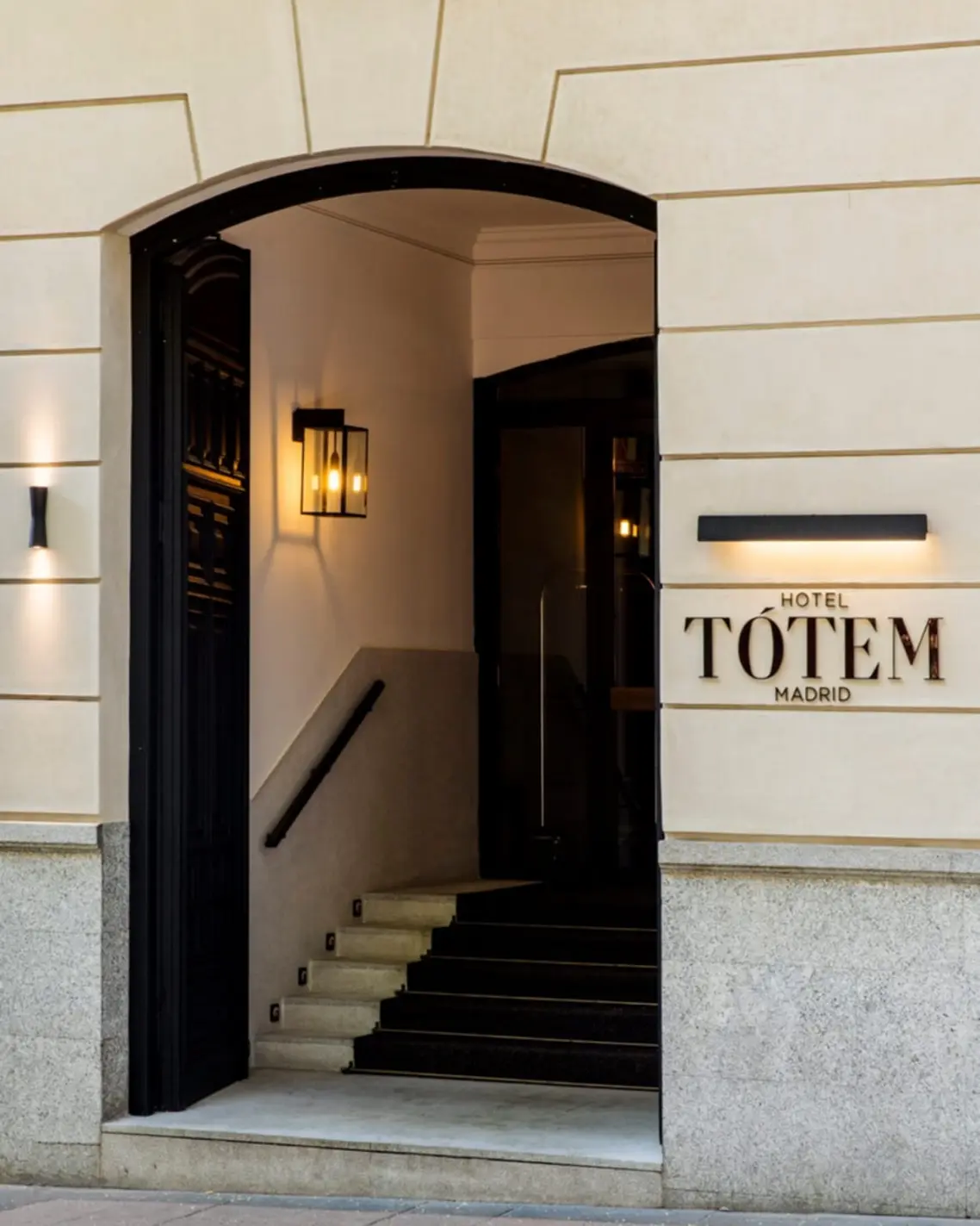
Urso Hotel & Spa captures that balance beautifully in Chamberí, with its central patio, stained glass, and decorative tiles. Tótem Madrid brings a similarly discreet elegance to Salamanca from within a restored 19th-century building.
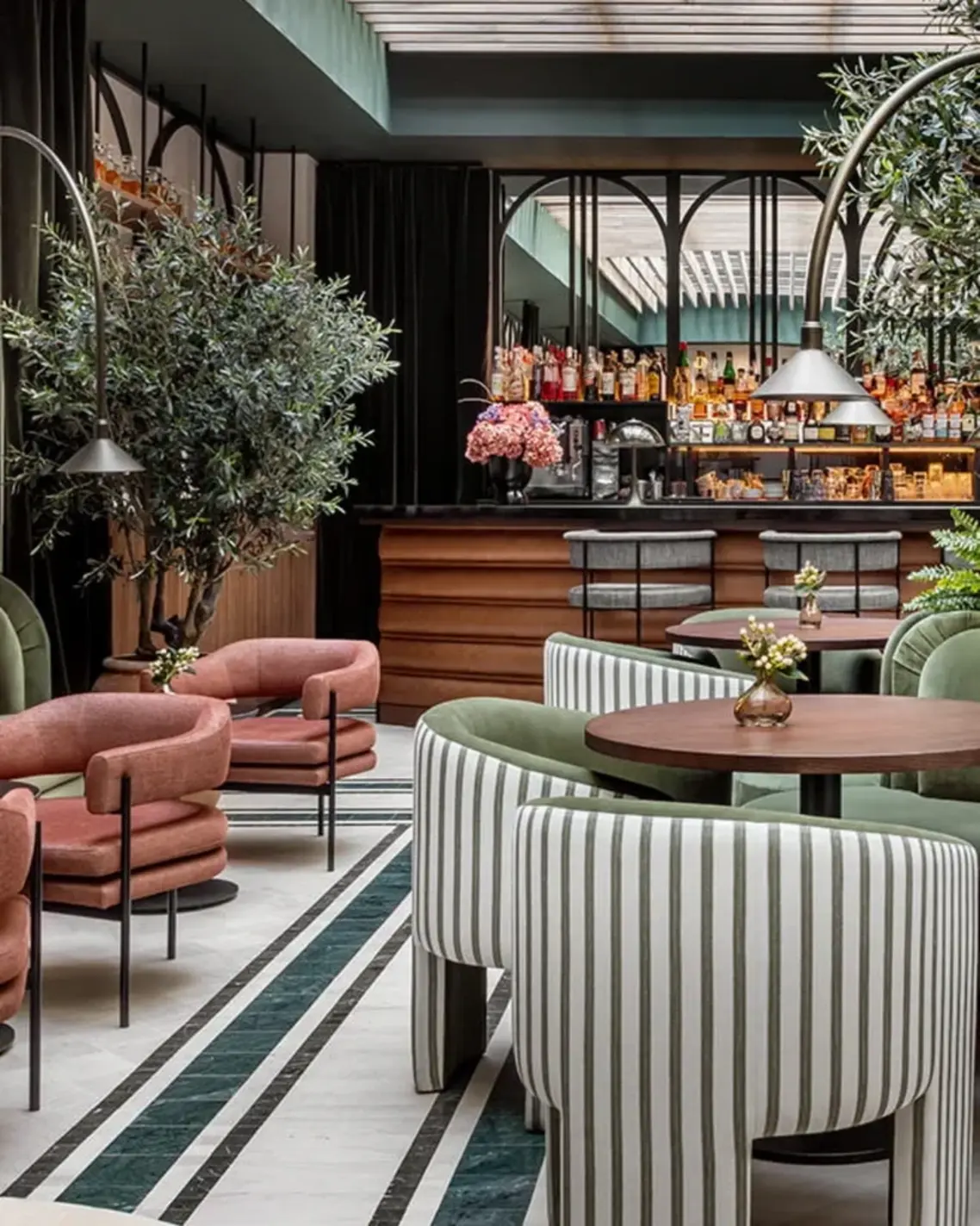
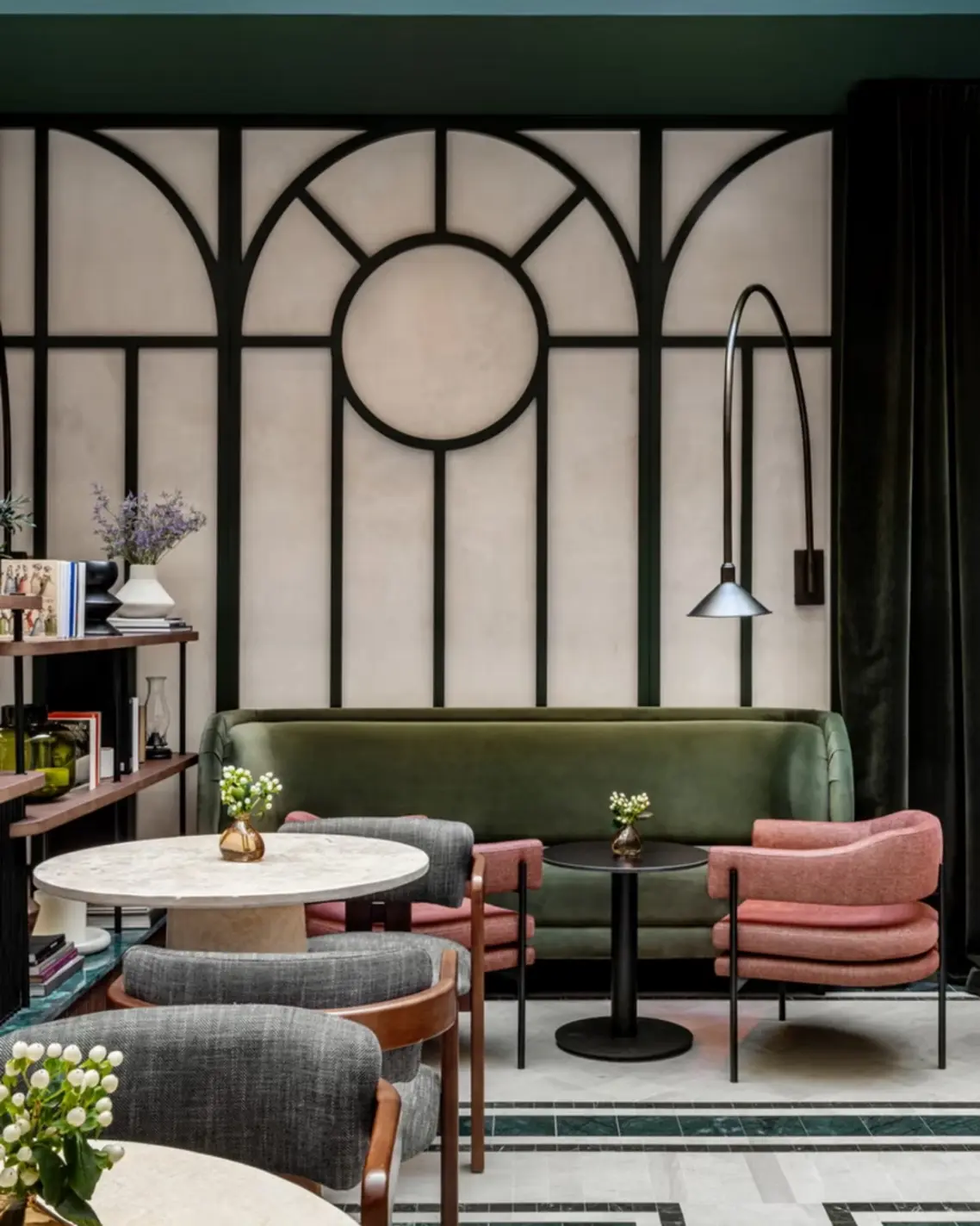
CoolRooms Palacio de Atocha delivers grandeur in the Literary Quarter through an 1852 palace, a preserved staircase, and a hidden garden. Only YOU Boutique channels a livelier design spirit inside a 19th-century mansion in Salesas, while Santo Mauro remains the old-soul fantasy, a former ducal residence transformed into one of the city’s most private and aristocratic retreats.
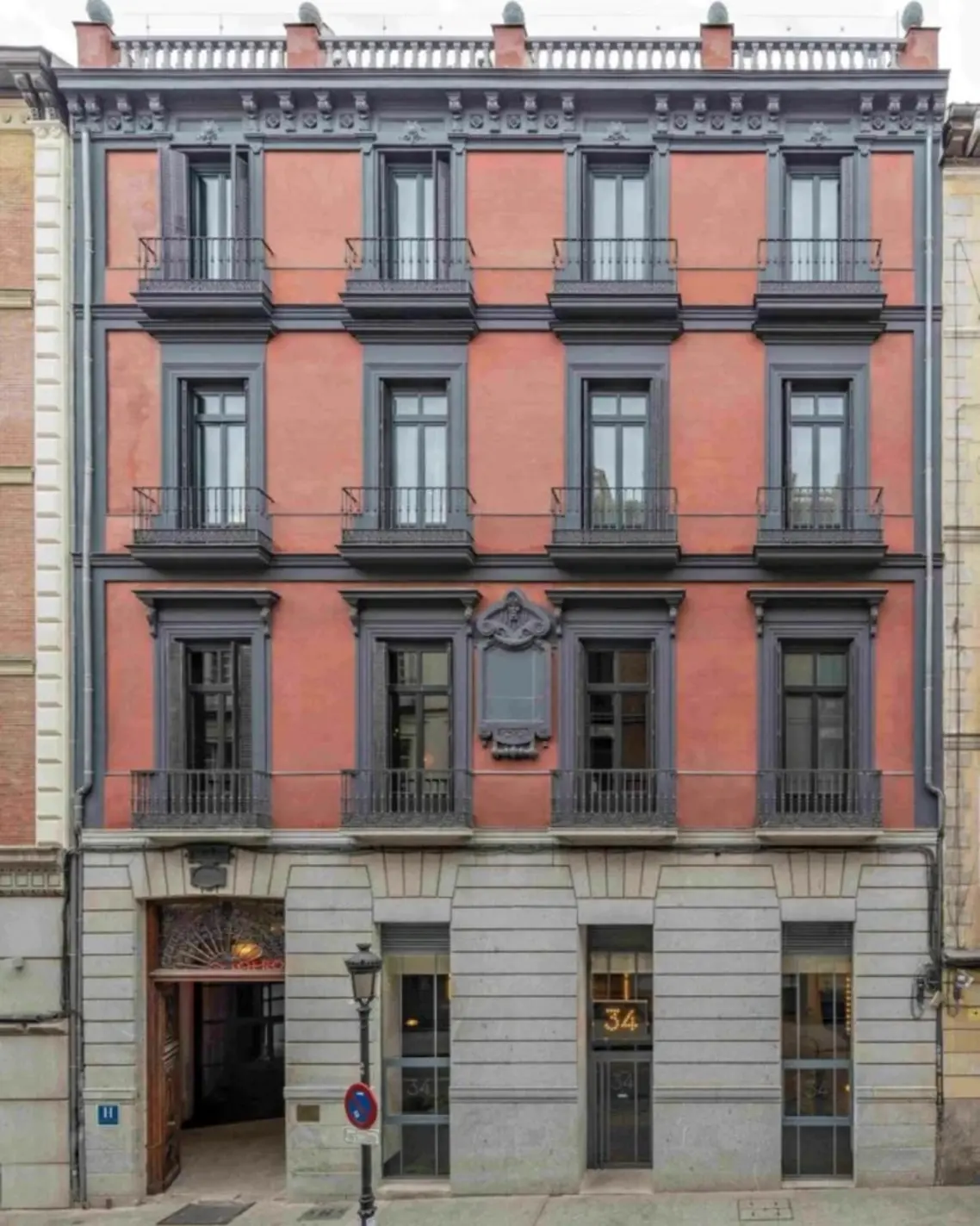
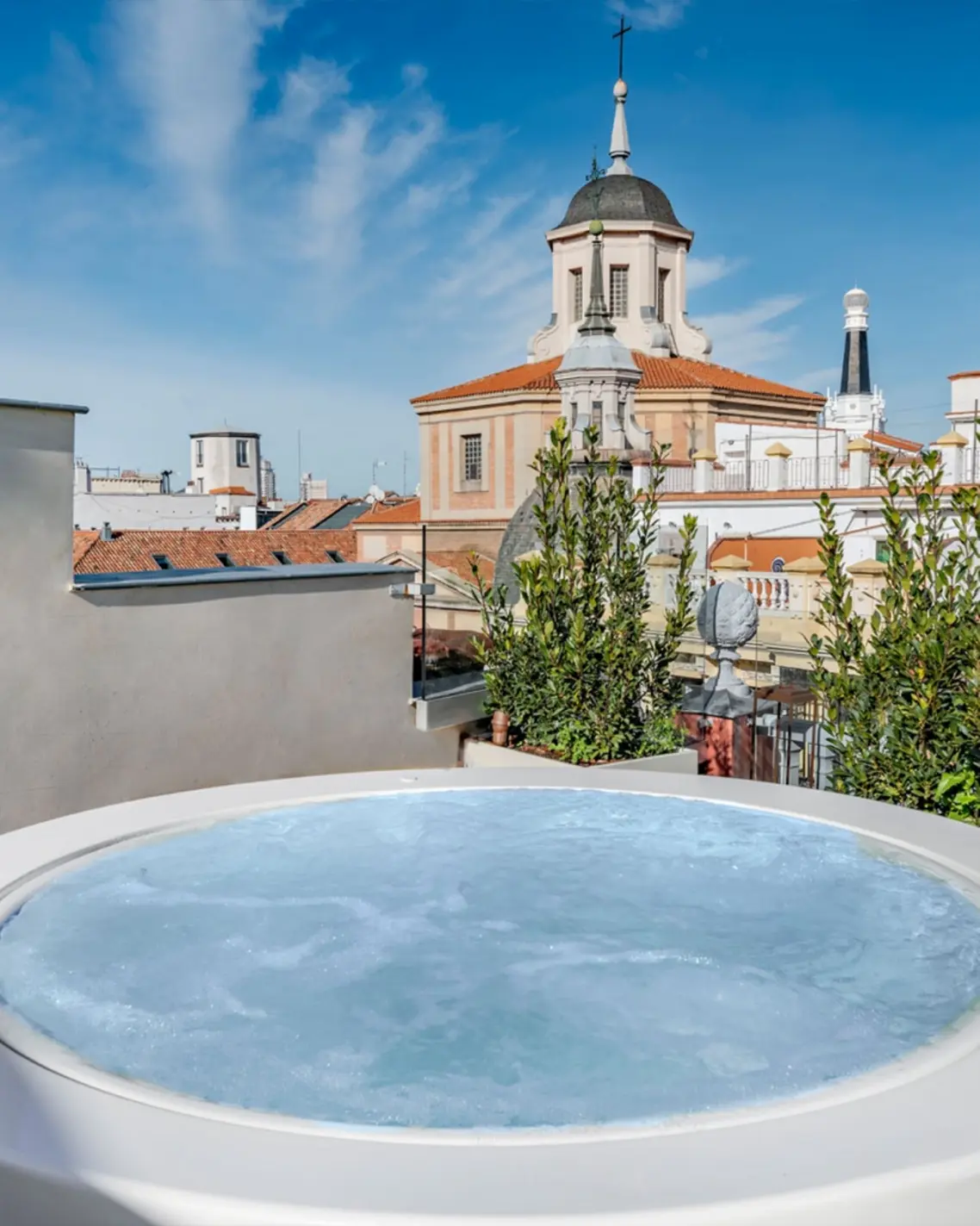
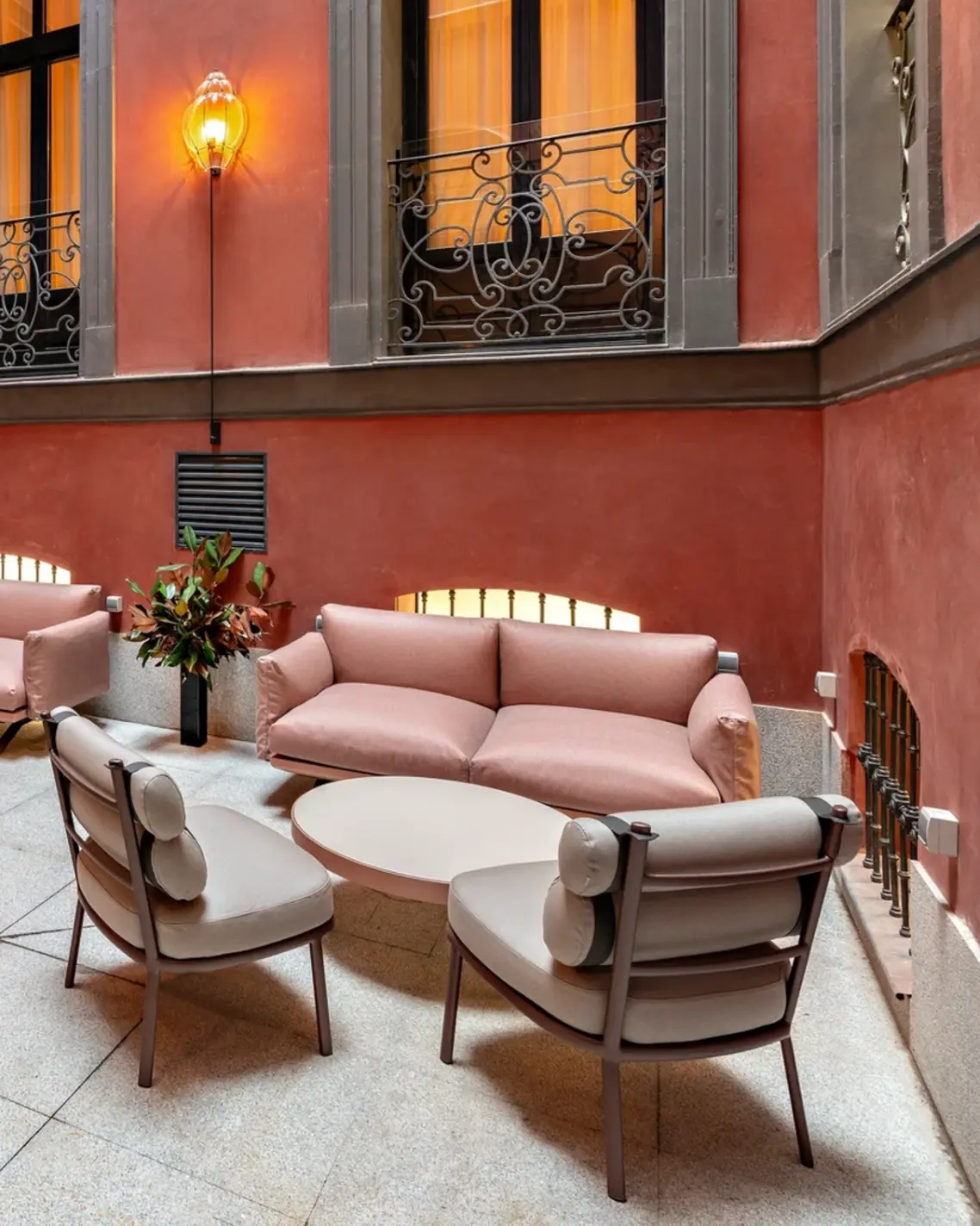
What ties these hotels together is more than style. They offer entry into neighborhoods that already carry Madrid’s history, rhythm, and personality beyond the standard tourist loop. Chamberí remains one of the city’s most authentic districts, rich with literary and artistic character, while Salesas brings together elegance, independent design, and a more local shopping culture. Even when choosing one of Madrid’s most polished stays, the ideal remains the same: To sleep beautifully, then step outside as a guest of the neighborhood, fully inside the city rather than sealed off from it.
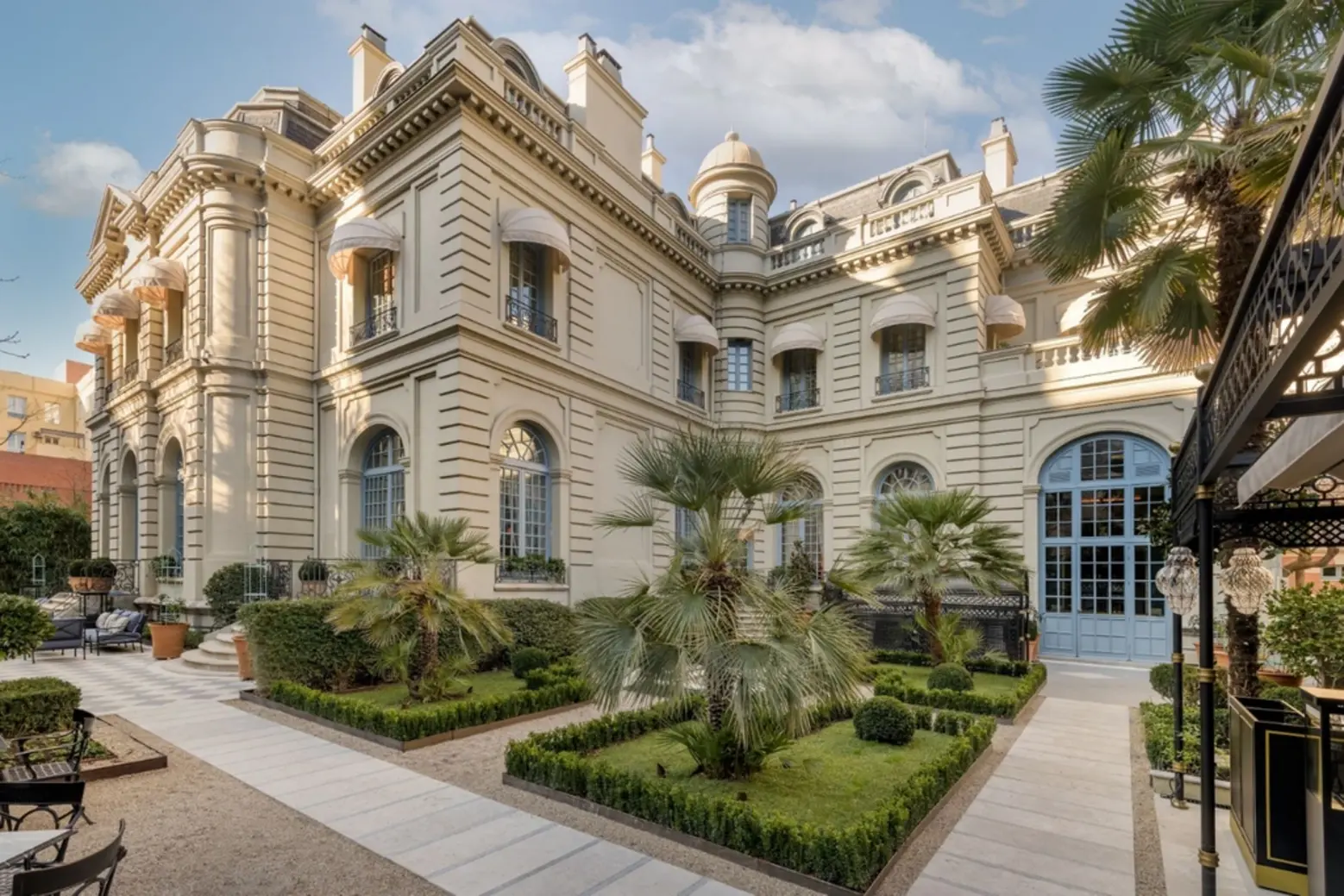
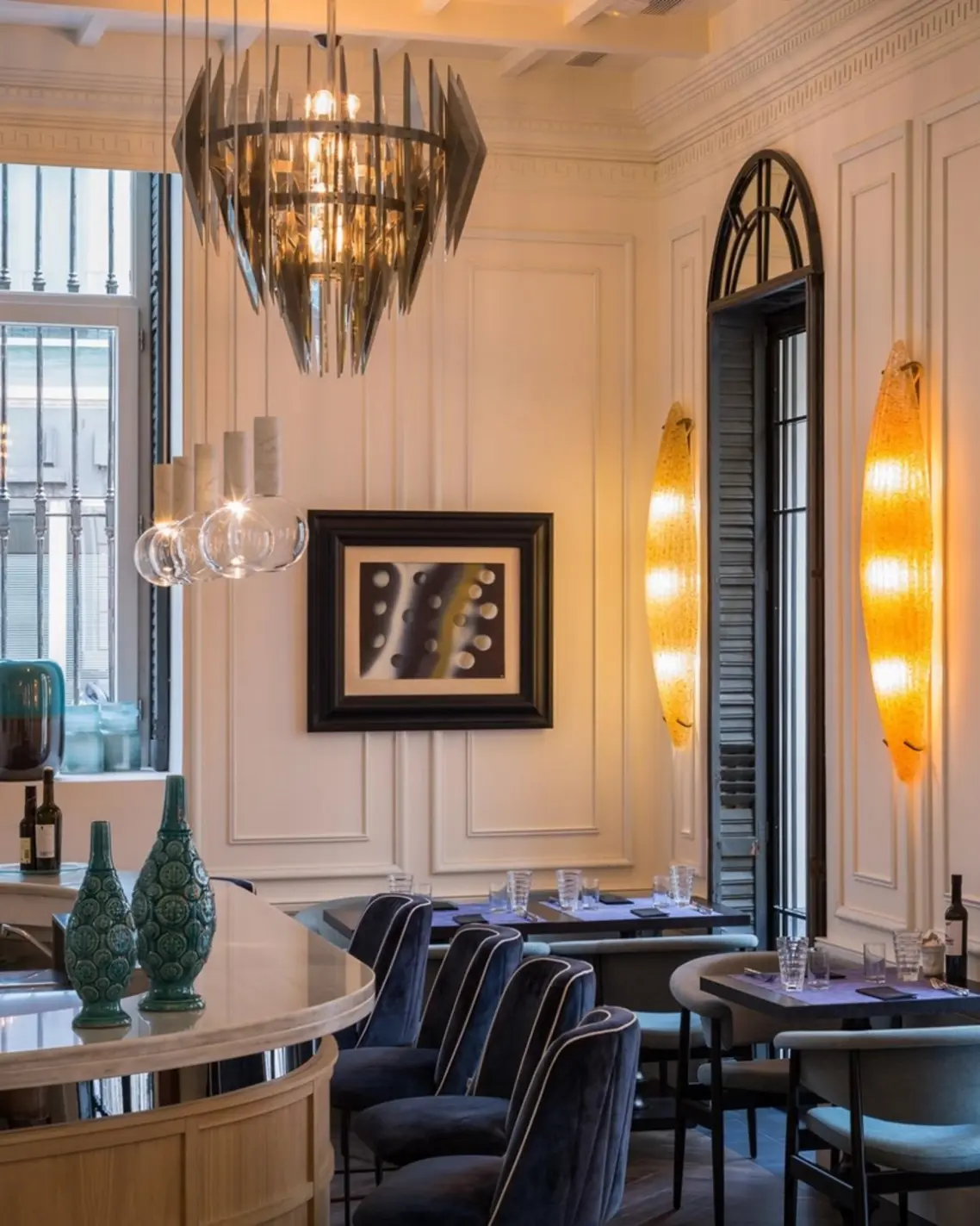
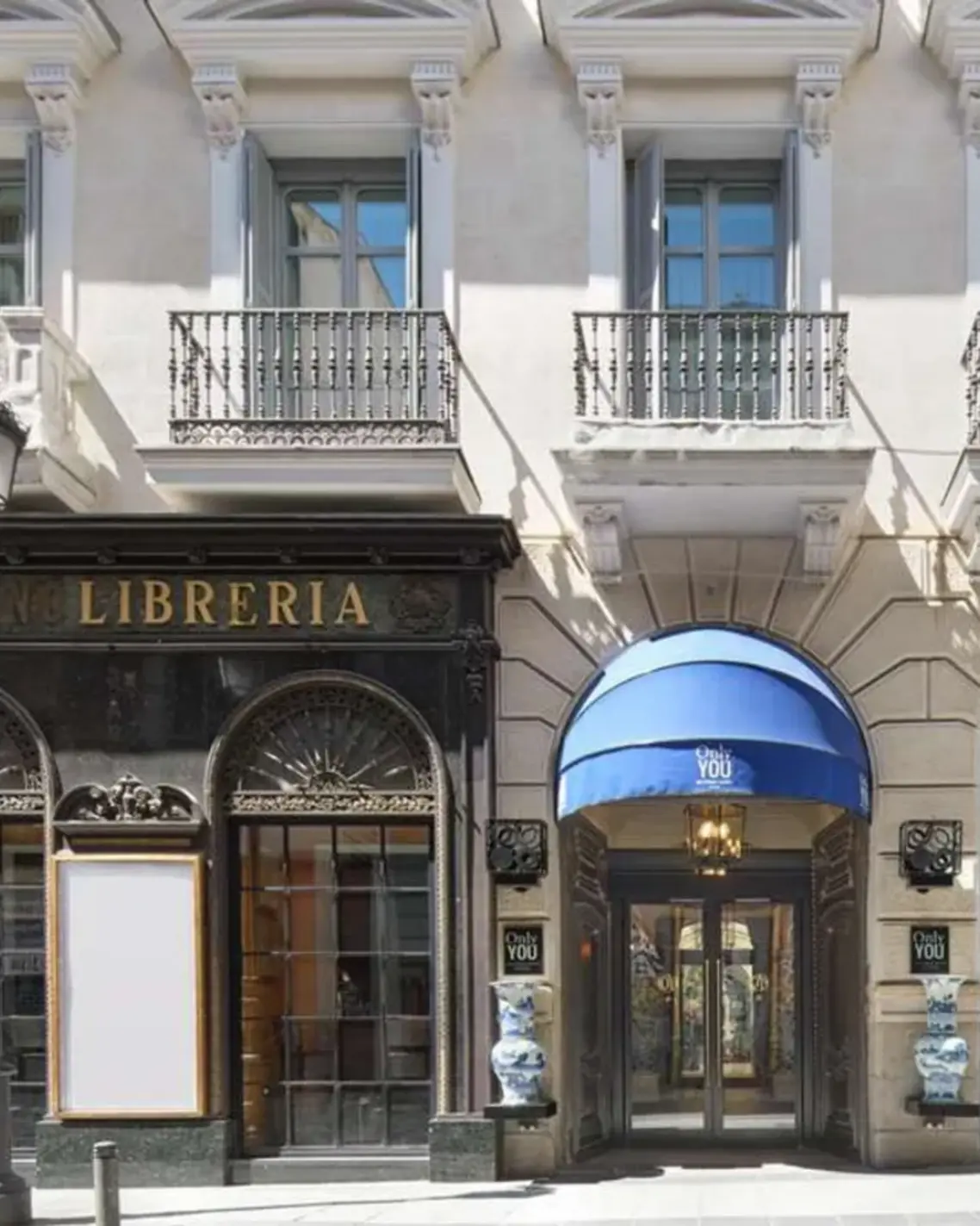
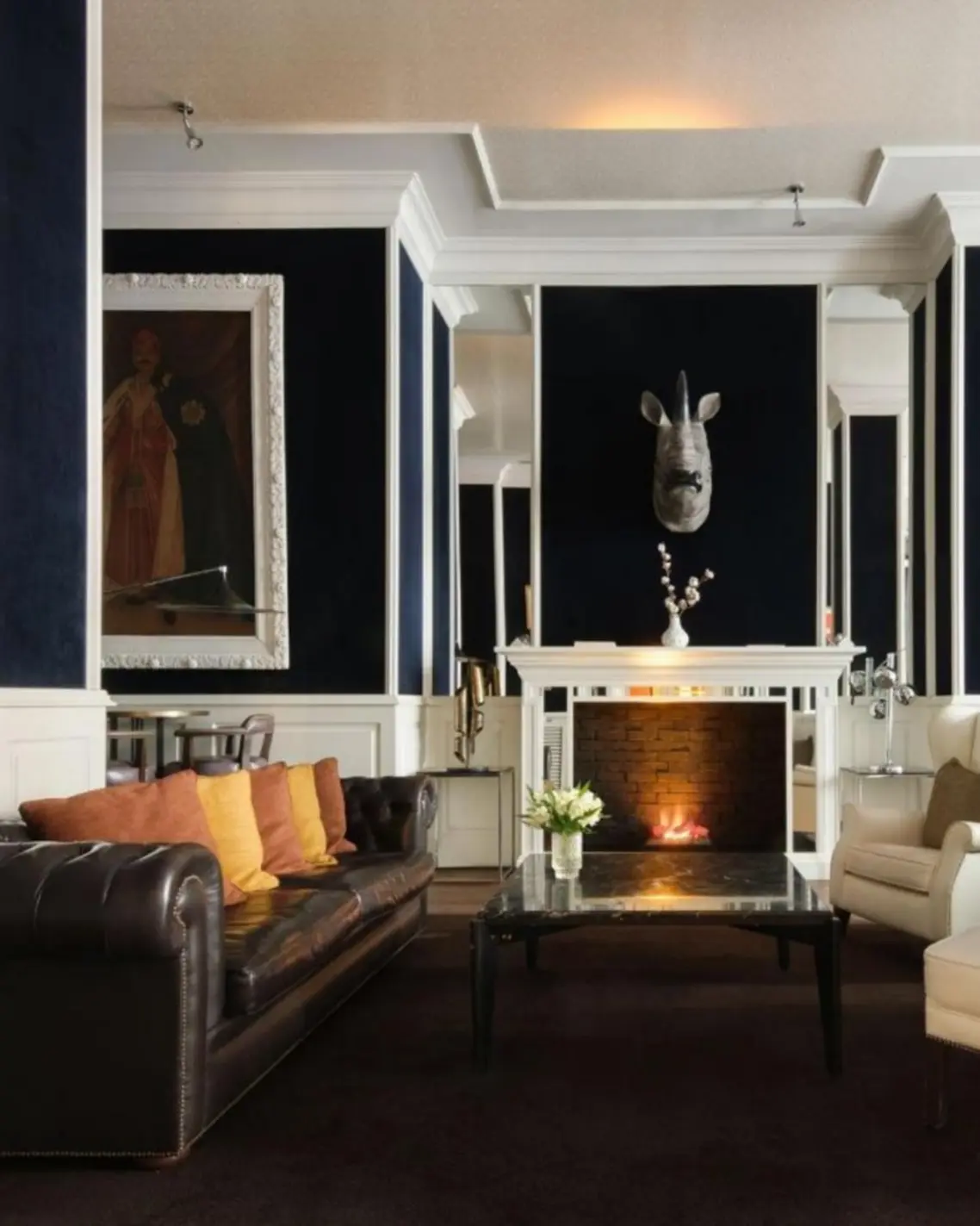
A conscious Madrid itinerary begins by resisting the gravitational pull of the obvious. The city itself describes Sol–Gran Vía as possibly its most touristy area, which makes it perfect for a glance and a stroll, though less ideal as the center of your entire stay. Give more time to Chamberí, whose plazas and everyday elegance reveal a lived Madrid, to Barrio de las Letras, where traditional taverns still carry Castilian flavors into the present, to Salesas, where small design shops bring fashion, craft, and contemporary taste into conversation, and to Conde Duque, whose narrow streets, taverns, and original stores offer a gentler urban tempo. Madrid becomes more itself the moment you stop asking it to perform only its greatest hits.

Food and shopping matter here because they shape the moral footprint of a trip. The tourism board’s guide to the Literary Quarter makes a point of the district’s traditional taverns and Madrid staples, while its Salesas guide celebrates the area’s smaller design shops over the sweep of chain retail. That offers a neat formula for conscious tourism: eat where the city still tastes like itself, buy where the neighborhood still sounds like itself. Book one historic meal, perhaps at Botín if you want the ceremonial version, then balance it with taverns, aperitivo bars, bookstores, local ceramics, or young fashion studios. Spend time on craft, on conversation, on places with continuity. Madrid is luxurious enough to let restraint feel sumptuous.
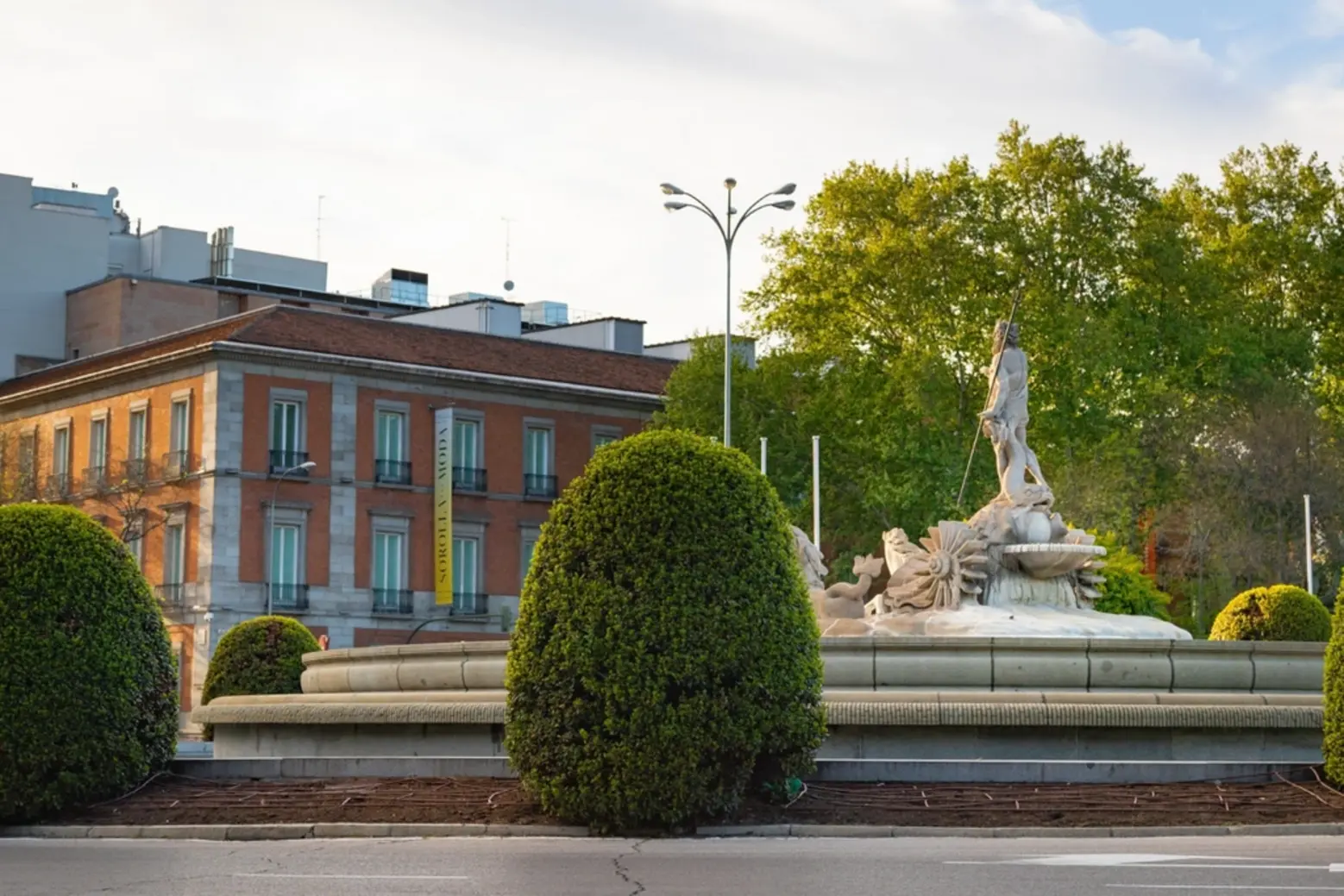
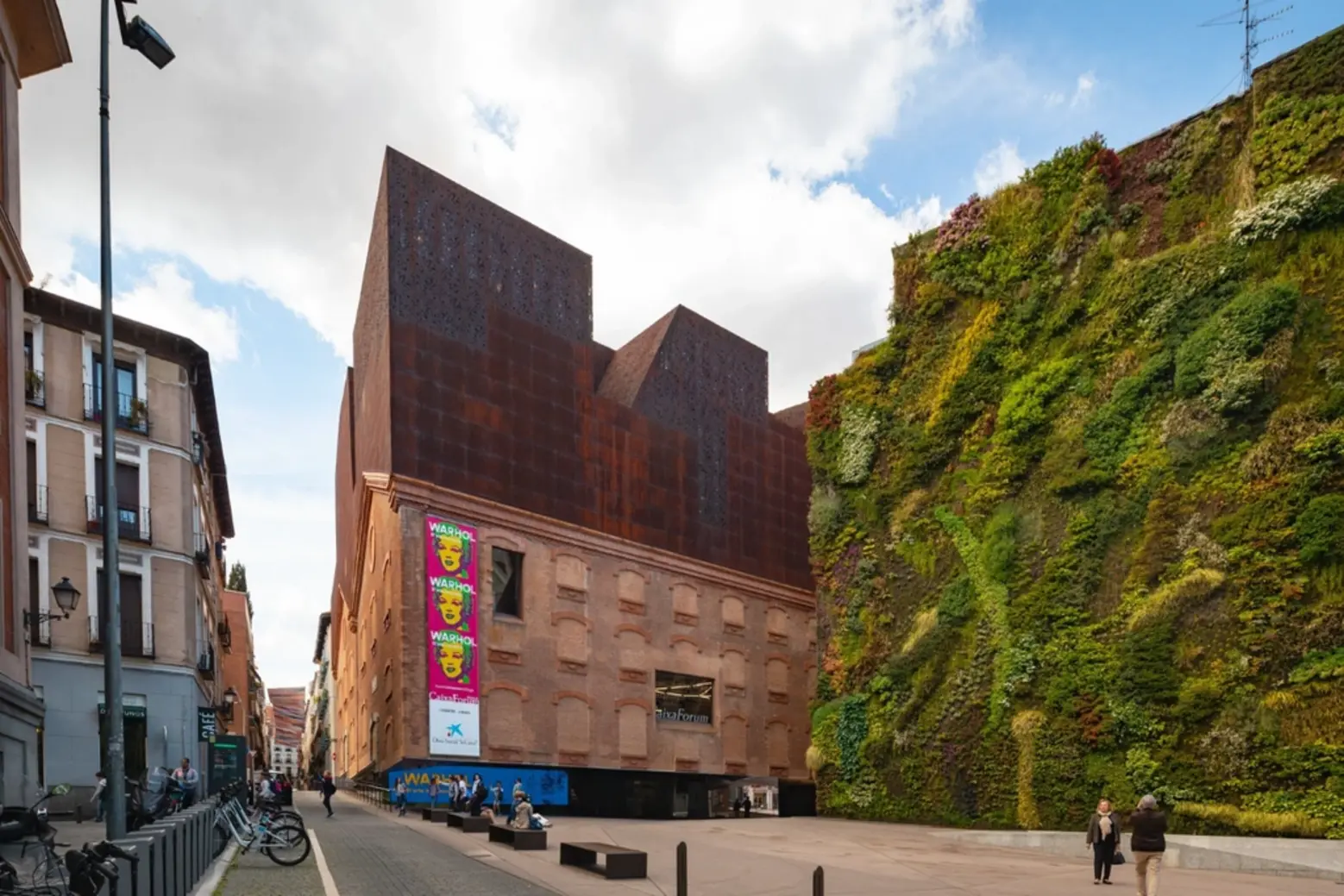
Madrid remains one of Europe’s most magnetic capitals, and perhaps more magnetic now because the city is asking harder questions of itself and of the people who visit. Its water-born name, high-altitude light, UNESCO promenade, ancient restaurant culture, tree-heavy streets, and quietly glamorous hotels still make a compelling case for travel. The difference in 2026 is that style alone feels incomplete. The best way to travel in Madrid now is to move with attention: stay in places that preserve rather than displace, dine in rooms with memory, wander beyond the most overexposed arteries, and let the city’s local cadence set your own. Madrid has not lost its shine. It has refined its terms.