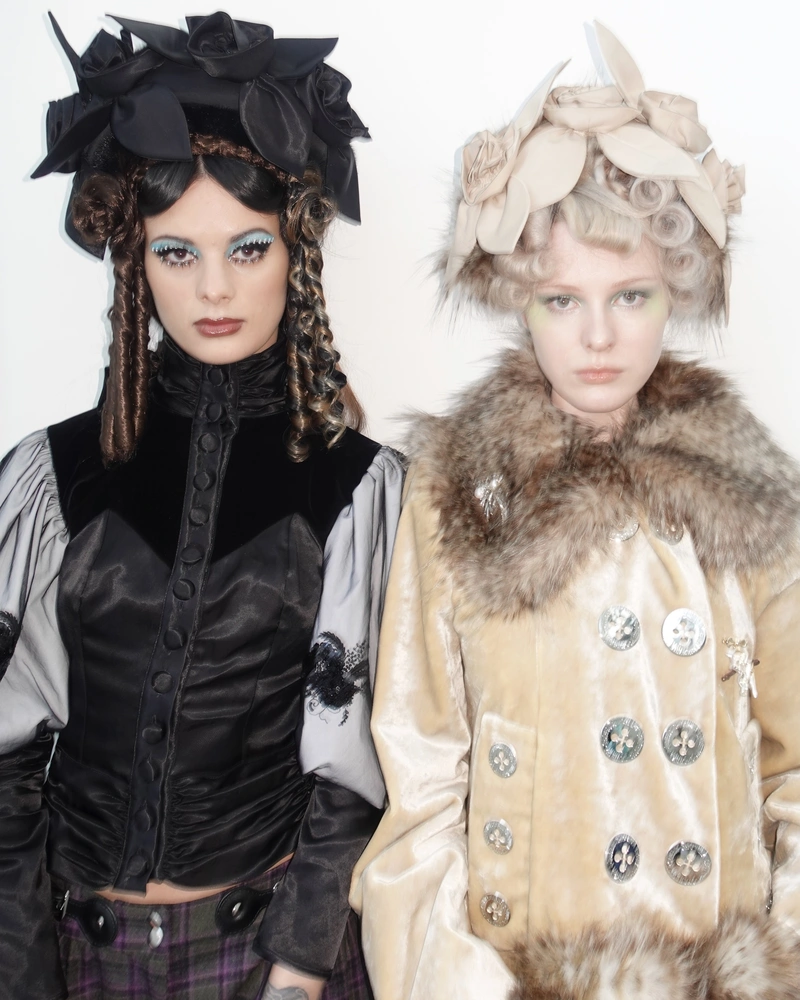
For its 45th edition, ARCOmadrid 2026 returned to Madrid from March 4 to 8, 2026 with a sharp curatorial pivot, a strong institutional buying wave, and hard proof that an art fair can still function as both marketplace and cultural engine: 95,000 visitors, 211 galleries, and an estimated €195 million in economic impact.

For its 45th edition, ARCOmadrid 2026 returned to Madrid from March 4 to 8, 2026 with a sharp curatorial pivot, a strong institutional buying wave, and hard proof that an art fair can still function as both marketplace and cultural engine: 95,000 visitors, 211 galleries, and an estimated €195 million in economic impact.
April 8, 2026


While ARCOmadrid 2025 centered on the ecological and metaphysical themes of the Amazon, the 2026 edition shifts toward a temporal reflection with its 45th-anniversary section, "ARCO2045: The Future, for Now," curated by Magalí Arriola and José Luis Blondet, to ask what an art fair might still mean in an age of unstable economies, fractured attention, ecological scrutiny, and shifting collector behavior.
ARCO did not try to look timeless. It tried to look alert. And in doing so, it offered one of the clearest readings yet of where the European art market is heading: toward fairs that must justify themselves intellectually, regionally, and economically all at once.
The most decisive gesture of ARCOmadrid 2026 was conceptual. Officially framed around ARCO2045: The Future, for Now, the central section was spread across two spaces and invited visitors to consider “possible futures” and “tentative artistic languages” rather than polished market certainty. The curatorial language itself insisted on instability, presentness, and the incomplete nature of the future, which made the art fair feel less like a showroom of settled value and more like a testing ground for new artistic syntax.
This forward motion did not erase ARCO’s long-standing identity. ARCOmadrid holds its unique position as a Latin American focal point in Europe with 11 Latin American countries and over 40 galleries (out of 175) represented. The result was a fair that looked outward without dissolving into generic internationalism. In a market where many fairs increasingly resemble one another, ARCO’s cultural distinctiveness remains one of its strongest assets.
The numbers of the art fair are a clear statement. ARCOmadrid 2026 closed with 95,000 visitors, around 40,000 art professionals, 211 galleries from 30 countries, roughly 1,300 artists, and an estimated €195 million in economic impact for Madrid, supporting 1,475 jobs. Those are more than celebratory statistics. They show that the art fair still operates as a major civic and commercial platform at a moment when many cultural events are under pressure to prove their relevance in measurable terms.
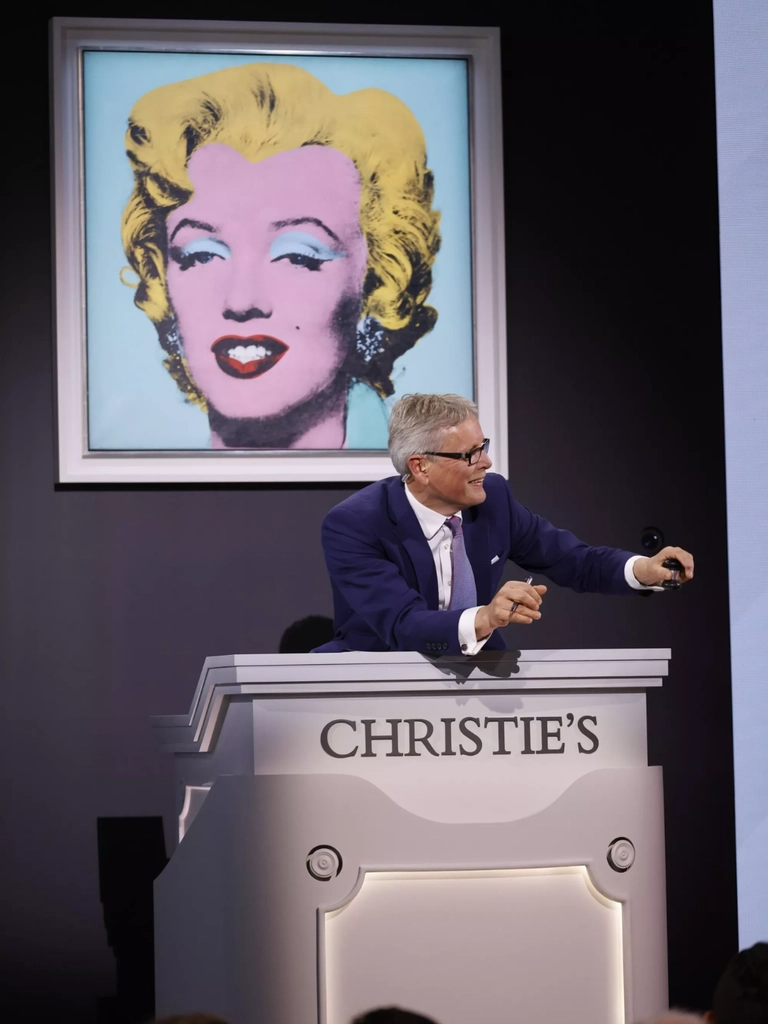
Yet the mood of the market was more nuanced than a pure victory lap. ARCO’s identity, as several observers noted, remains less trophy-hunting than many larger global fairs; it still presents itself as a place where curatorial intelligence and regional conversation matter alongside sales. Even so, the prestige end of the market held its symbolic force.
If ARCO 2026 revealed anything essential about today’s European art market, it is that public and quasi-public institutions remain the ballast beneath the glamour.
The art fair’s experimental charge gathered most forcefully in Opening. New Galleries, the section curated by Rafael Barber Cortell and Anissa Touati. Conceived as a platform shaped by acceleration, instability, and the growing difficulty of imagining stable futures, it treated the present not as a pause before what comes next, but as the very terrain on which new artistic languages are being formed. Bringing together 18 young galleries from cities including Athens, Buenos Aires, Cape Town, Dakar, Istanbul, and Tbilisi, the section read less like a satellite program than a fragmented atlas of the art world’s next geography. Its top distinction, the 12th Opening. New Galleries Award, went to the Senegalese gallery Selebe Yoon for its presentation of Alioune Diouf and Fatim Soumaré, a result that widened ARCO’s horizon beyond its familiar Europe–Latin America axis and signaled a more expansive international imagination.
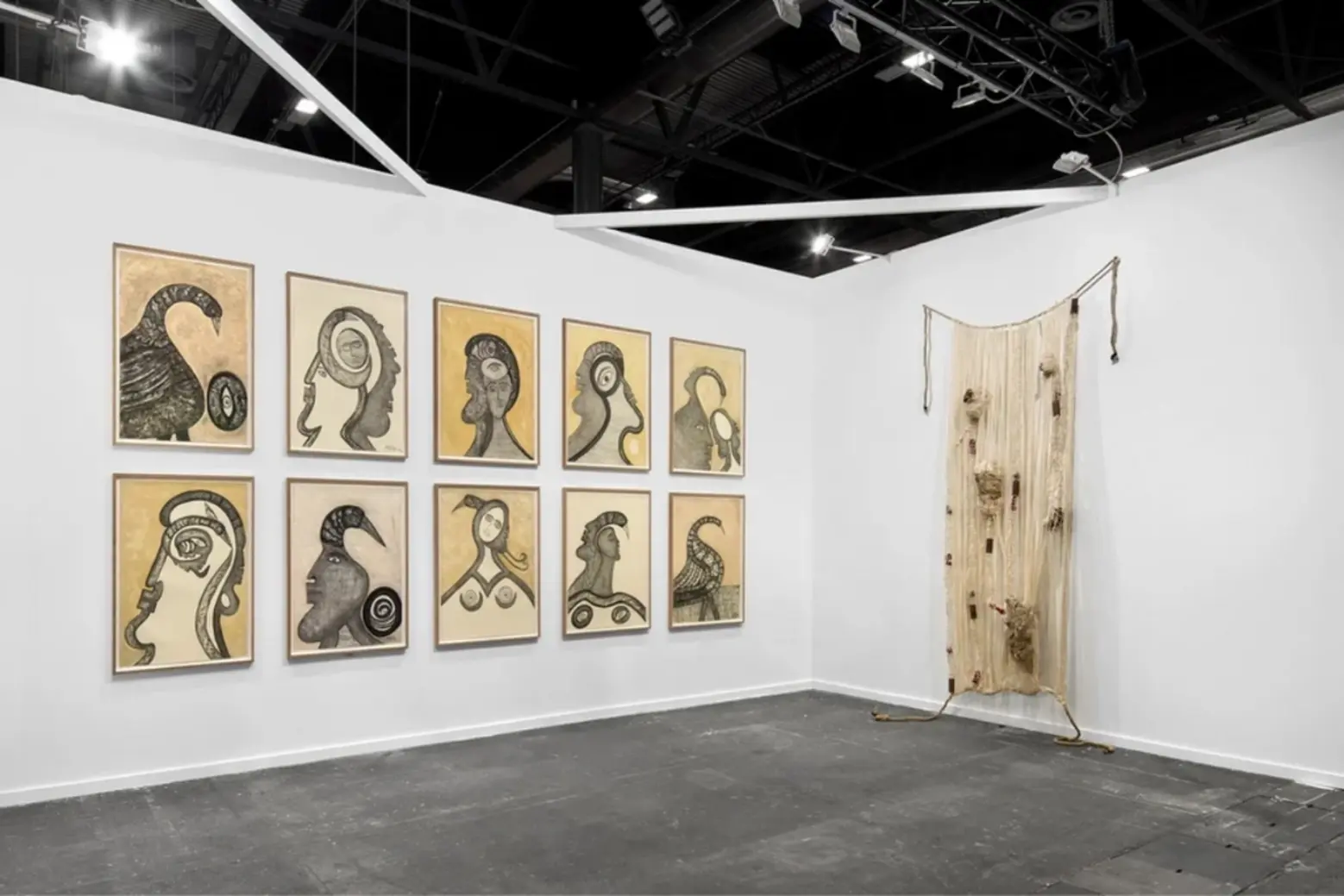
Materially, the fair also seemed to be shifting register. ARCO’s own language around the event described its architecture as an “ephemeral metropolis,” built from the systems, rhythms, and internal logic of the fair itself, while the curated discourse around the edition repeatedly returned to the physical, the tactile, and the embodied. That sensibility made itself felt in the prominence of works rooted in matter, labor, and historical residue rather than in the frictionless sheen of purely digital spectacle. Outside the halls, that groundedness carried extra weight. The art fair unfolded amidst debates concerning tourism in Madrid about housing pressure, and the social cost of urban branding, which made the fair’s position especially revealing: Prestige events now have to justify more than their market value. They have to articulate an ethic of presence within the city that hosts them.
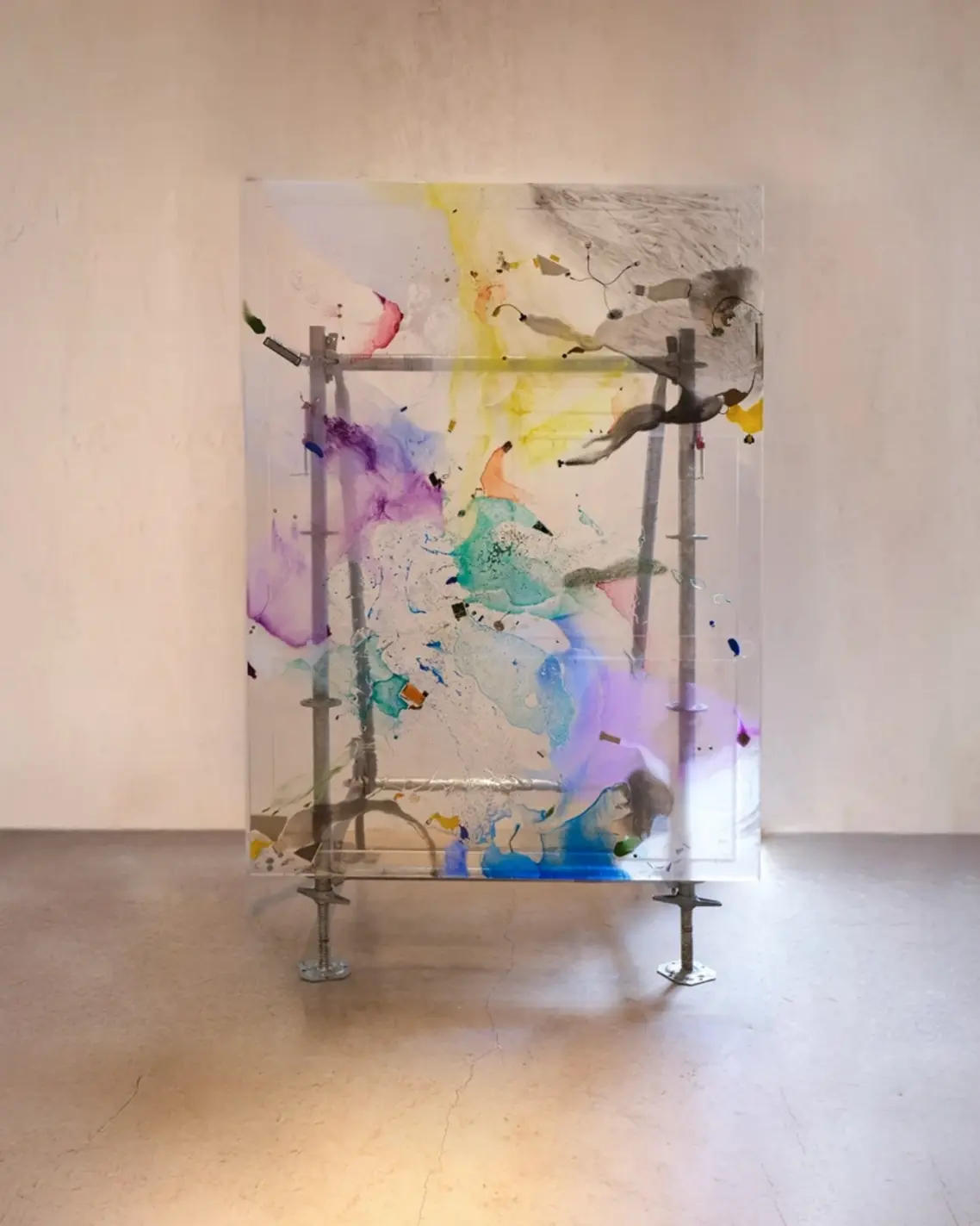
Among the contemporary works and presentations that drew the most sustained attention was Cristina Lucas’s D.A.N.C.E. (Dynamic Algorithm, Neural Creative Evolution) 3, which won the Pilar Forcada ART Situacions Prize. Built from electronic components and minerals tied to surveillance technology, extraction, and geopolitical conflict, the work made the language of innovation feel materially heavy rather than abstract, giving the fair’s future-facing rhetoric a harder political edge. In the ARCO2045 section, Candice Lin’s Family Dinner, presented by François Ghebaly, stood out for its grotesque intimacy and dark speculative force, turning food, violence, and commercial display into a disquieting meditation on the future.
Several booths also rose above the art fair’s general noise through unusually tight curatorial logic. At Galerie Anne-Sarah Bénichou, the pairing of Laura Garcia Karras and Elga Heinzen brought together two distinct painterly sensibilities in a booth that felt notably composed and internally coherent.

Galerie Poggi balanced historical gravity and contemporary urgency through a room dedicated to Darío Villalba, alongside a work by Kapwani Kiwanga, fresh from winning the Joan Miró Prize 2025.
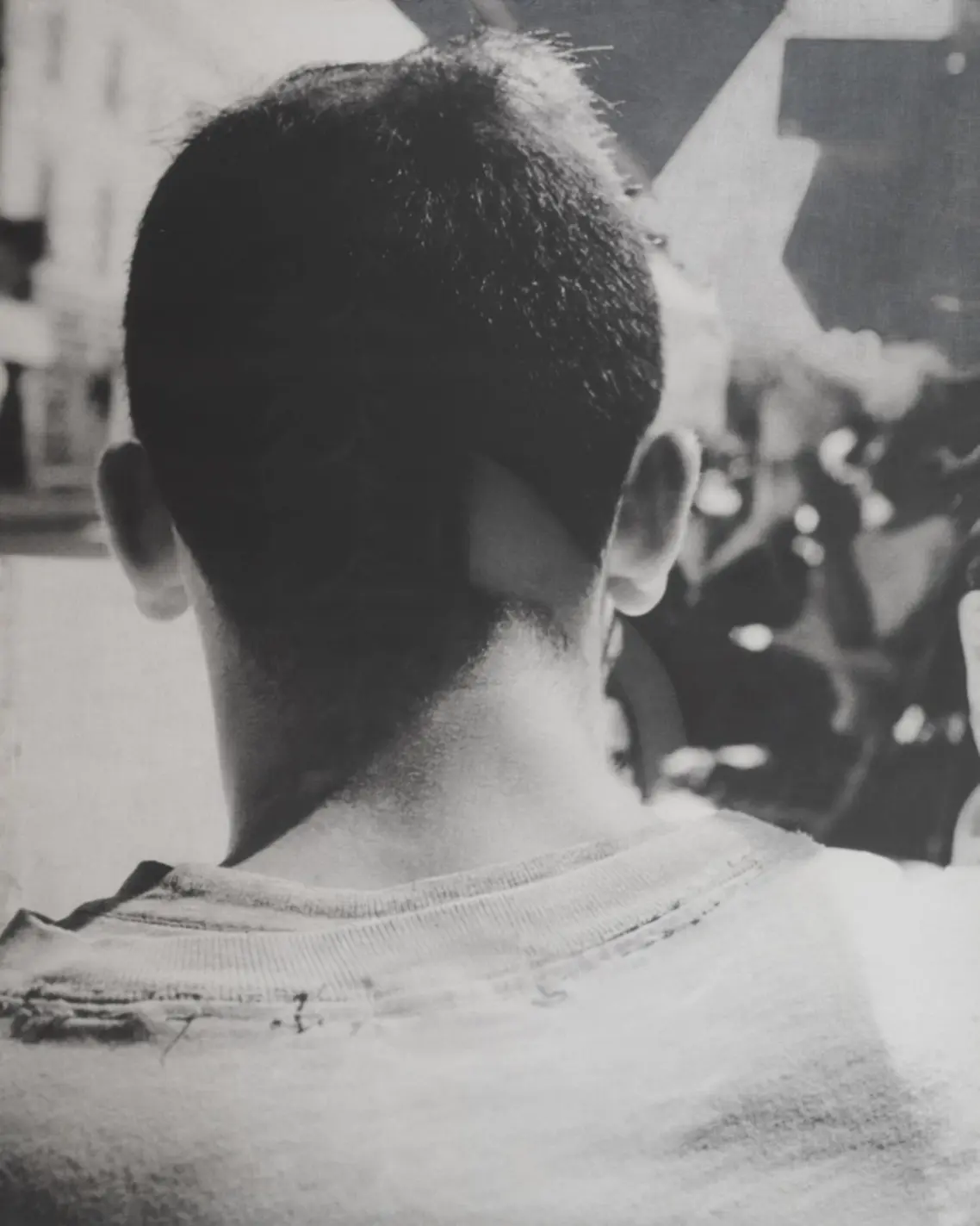
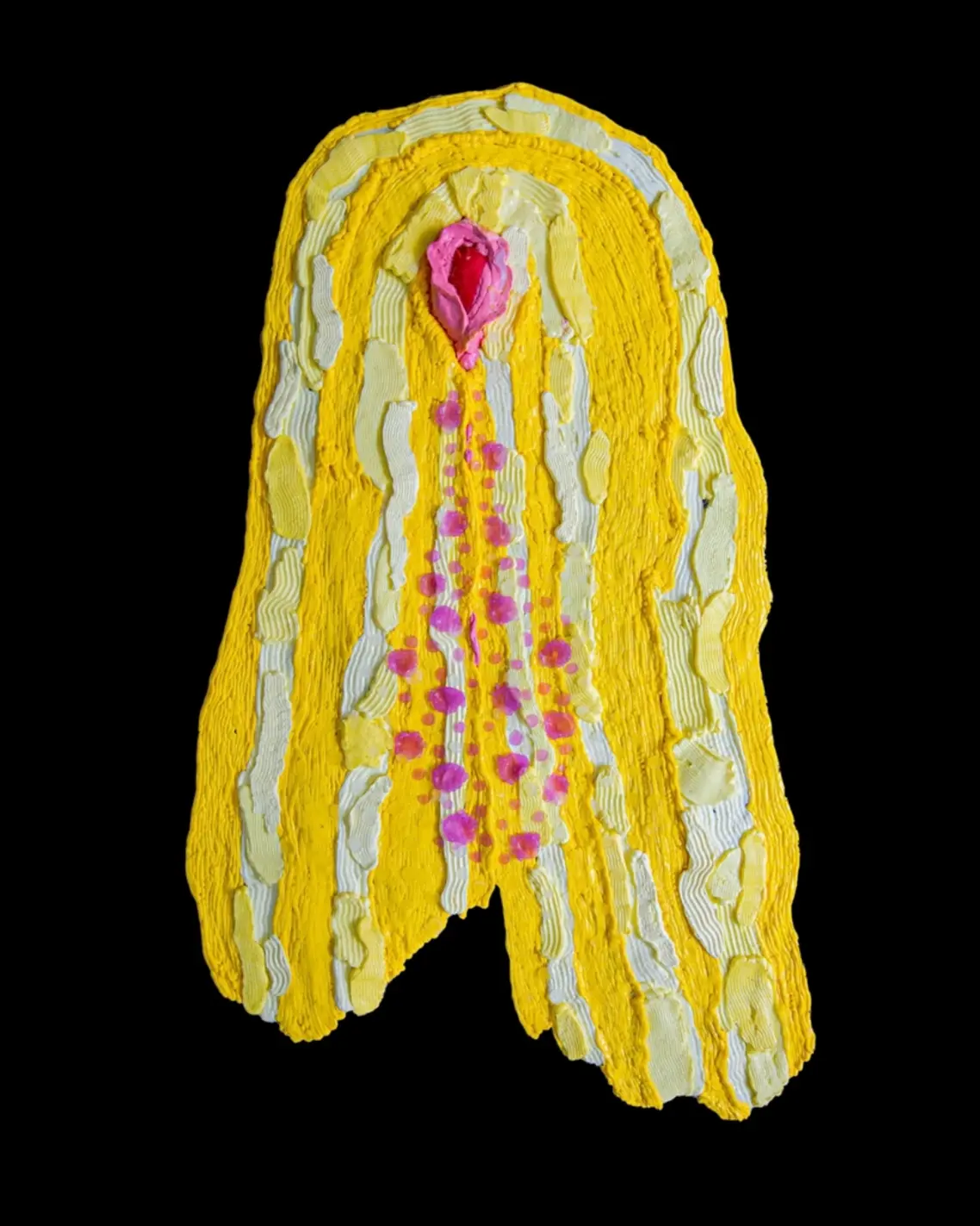
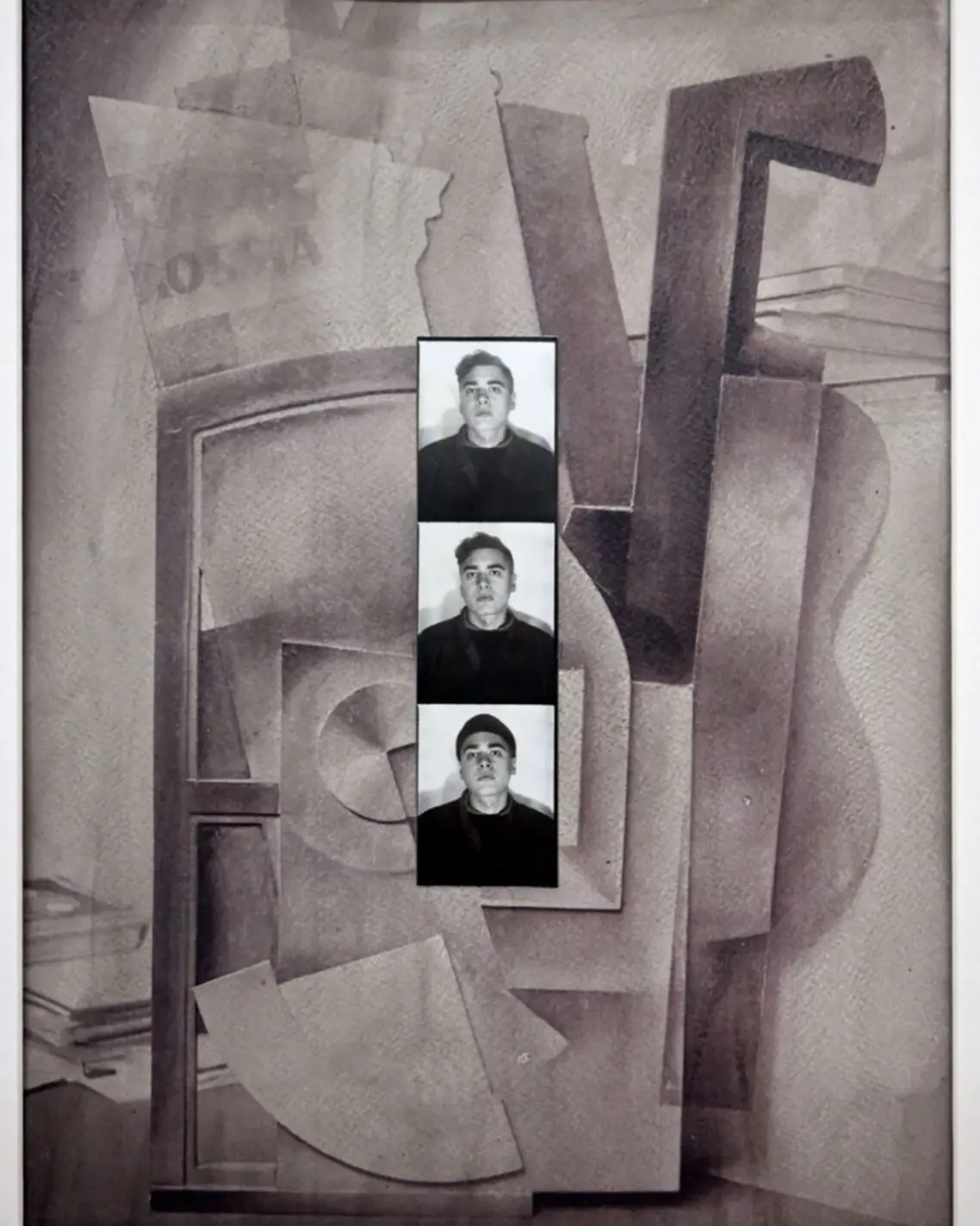
Proyectos Ultravioleta, which received the Lexus Award for Best Stand and Artistic Content, built one of the fair’s most convincing bridges between institutional validation and fair presentation, gathering five Latin American artists whose recent museum visibility across Europe gave the booth unusual density and confidence.

ARCOmadrid 2026 clarified a model. The art fair suggested that the next chapter of the European art market will belong to events capable of doing several things at once: Sustaining sales, anchoring institutional acquisitions, preserving regional identity, welcoming new geographies, and presenting a serious curatorial argument for why gathering in person still matters.