MENU
Close





Travelling to Tokyo means entering a city where temple bells, neon crossings, Michelin counters, and mossy hidden valleys all belong to the same pulse.
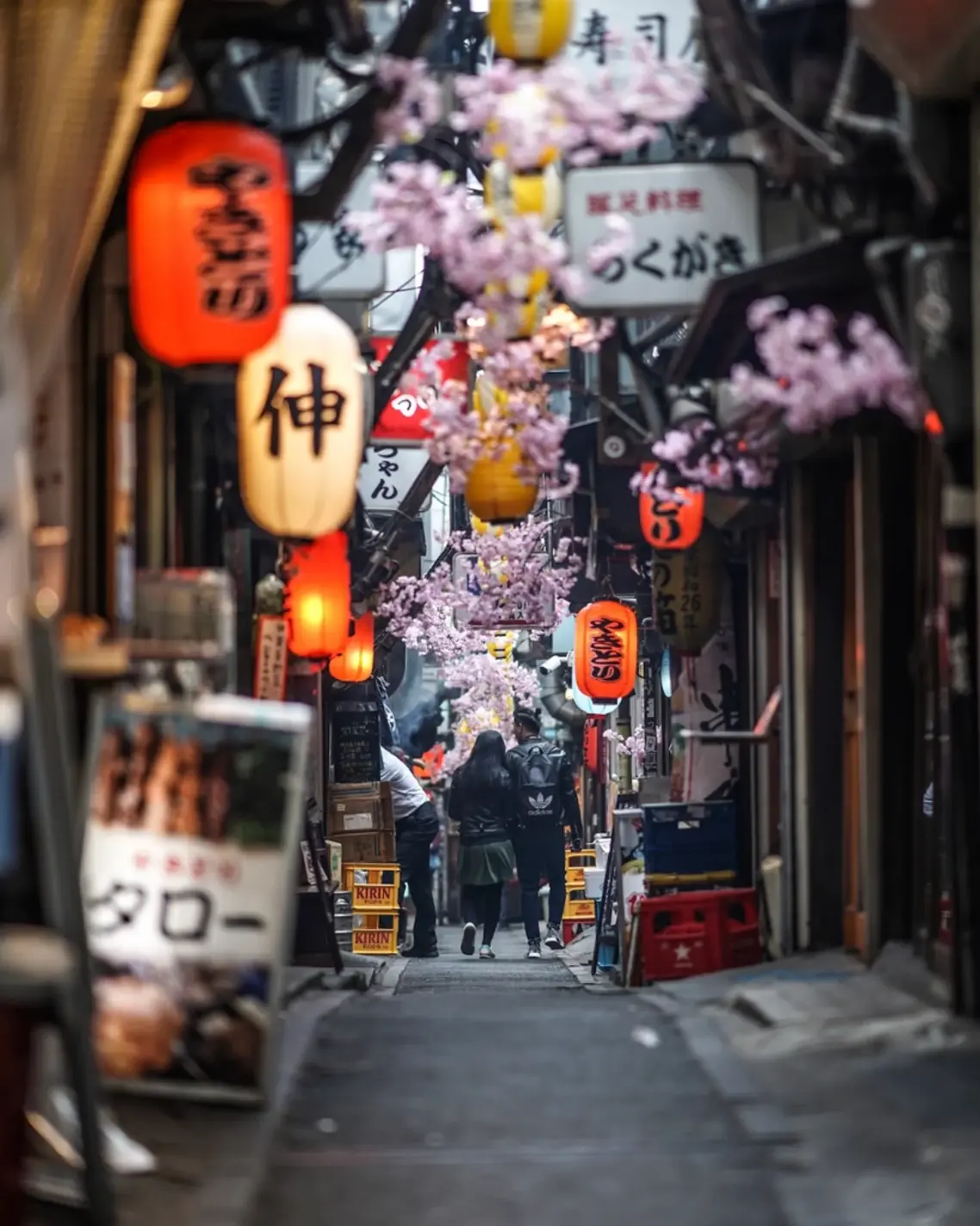
Travelling to Tokyo means entering a city where temple bells, neon crossings, Michelin counters, and mossy hidden valleys all belong to the same pulse.
May 2, 2026


Beyond the neon haze and the frantic pulse of Shibuya lies a city that exists as a series of perfectly framed vignettes, where the clinical precision of a glass tower yields to the soft, wooden silence of a hidden shrine. Tokyo sits between the nostalgic celluloid of Ozu’s traditionalism and the high-definition, cyberpunk futurism of tomorrow.
To understand Tokyo, it helps to begin with its temperament. This is a metropolis famous for order, yet it never feels cold. It is enormous, yet each district carries a distinct emotional texture. One neighborhood moves with the clipped efficiency of commuters and polished department stores, while another unfolds as a pocket of jazz bars, old bookshops, and alleyways scented with grilled skewers. Travelling to Tokyo becomes richer when you stop expecting a single city and begin to read it as a collection of atmospheres.
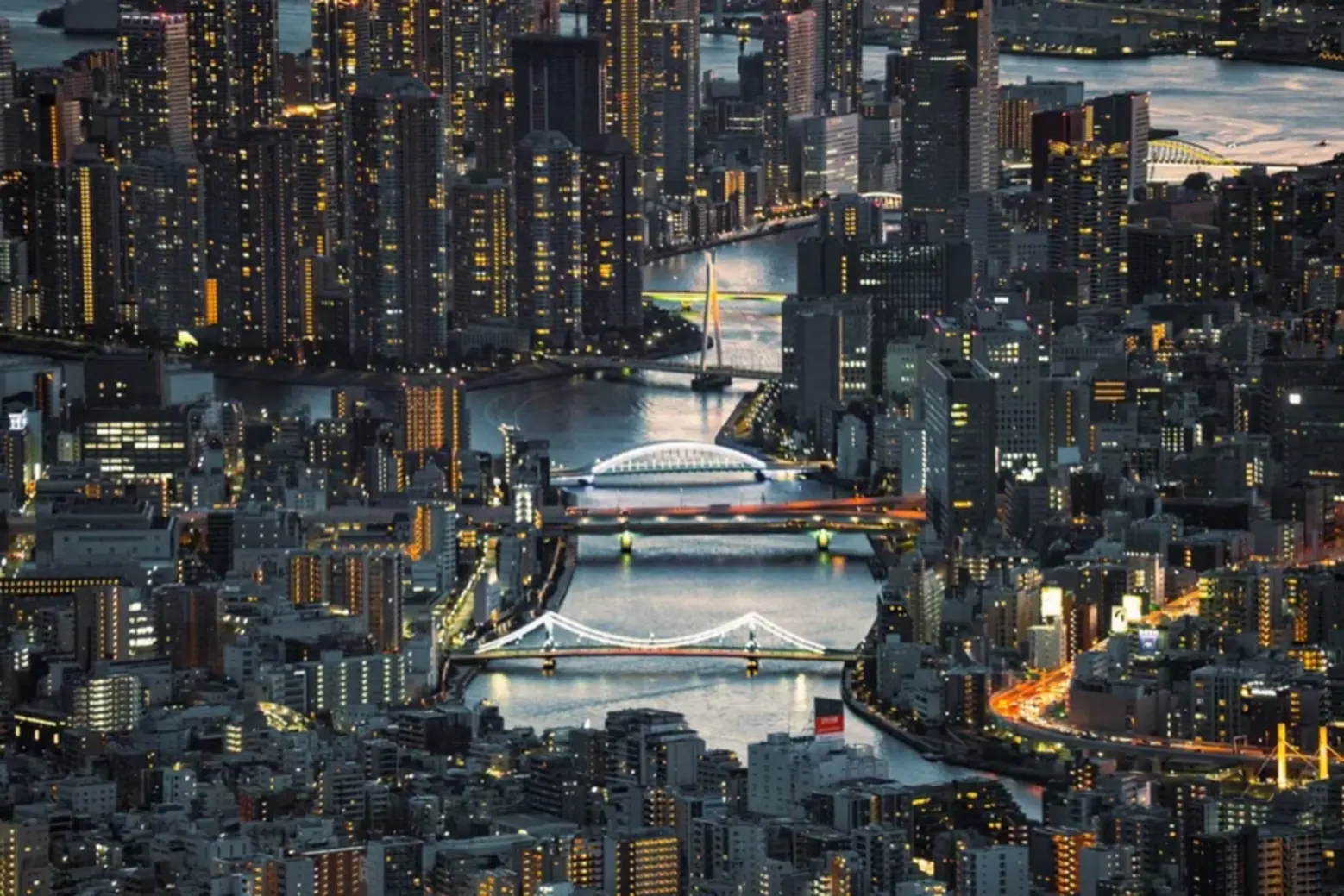
Its history alone explains much of its strange magnetism. Tokyo began as Edo, once a small fishing village, before becoming the imperial capital in 1868 during the Meiji Restoration. That transformation shifted the center of national power away from Kyoto and helped shape the modern Japan the world recognizes today. Yet traces of Edo still linger in the rhythm of older neighborhoods, in temple precincts, in seasonal festivals, and in the refined attention given to craft, ceremony, and public space.
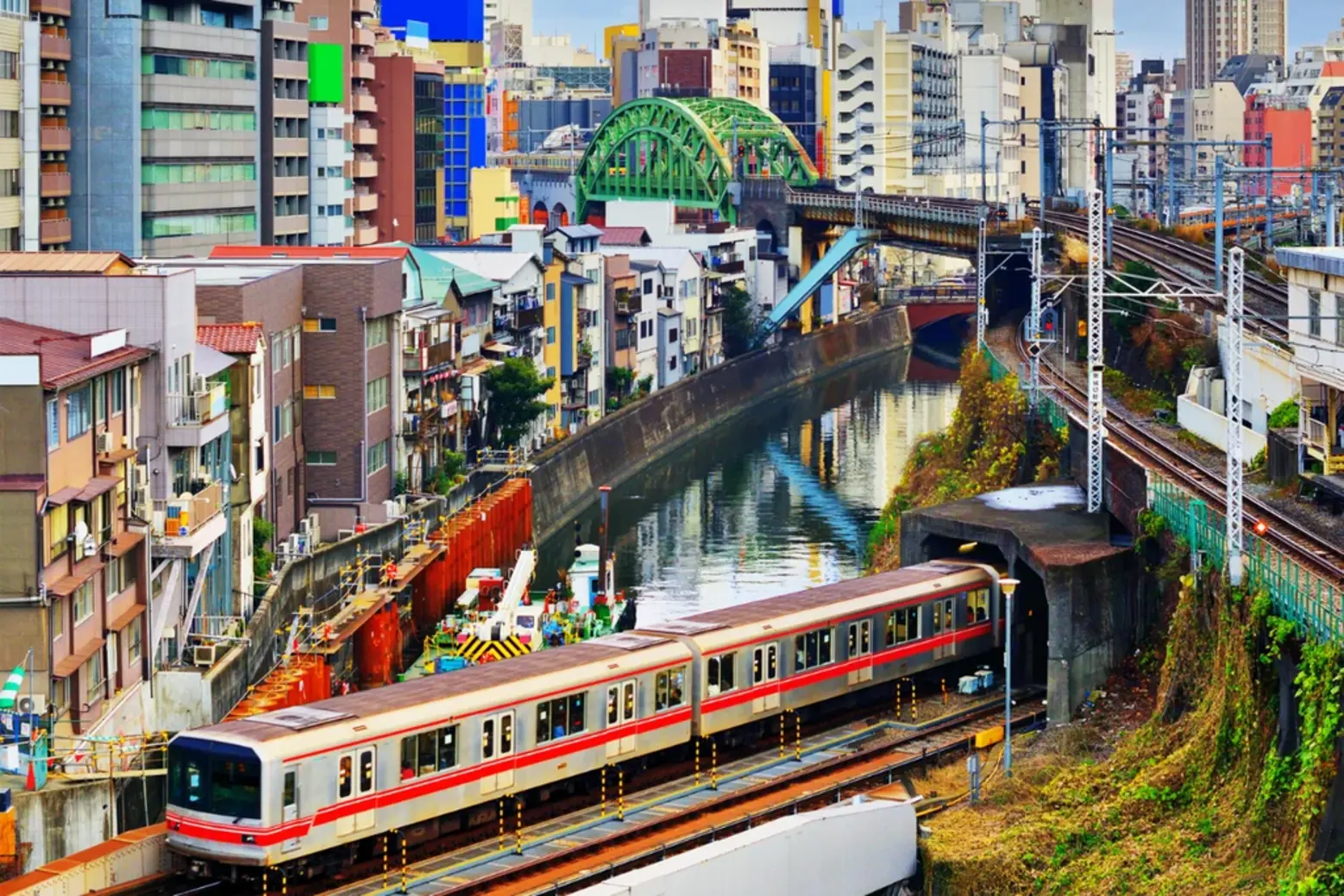
Even the city’s quirks reveal something essential about its character. Tokyo’s transport culture is legendary precisely because punctuality is treated almost as a shared moral language. On the Tokyo Metro and JR lines, delays are measured in seconds rather than minutes. A train arriving 30 seconds late can spark apologies and conversation. That level of precision is about more than efficiency. It reflects a broader civic ethic in which consideration for others shapes daily life.
Tokyo also thrives on excellence. The city consistently ranks among the world’s great culinary capitals, with more Michelin stars than almost any other urban center. Yet this prestige does not only live in rarefied dining rooms. One of Tokyo’s greatest joys is the democratic breadth of its food culture. A traveler can move from a humble Bib Gourmand ramen meal costing around ¥1,000 to an exquisite omakase experience that feels almost liturgical in its precision. High and low, humble and luxurious, Tokyo gives each form of mastery its own dignity.
Travelling To Tokyo becomes especially rewarding when your visit aligns with the city’s seasonal rituals. Flowers, festivals, sporting traditions, and neighborhood gatherings each alter the emotional weather of the city.
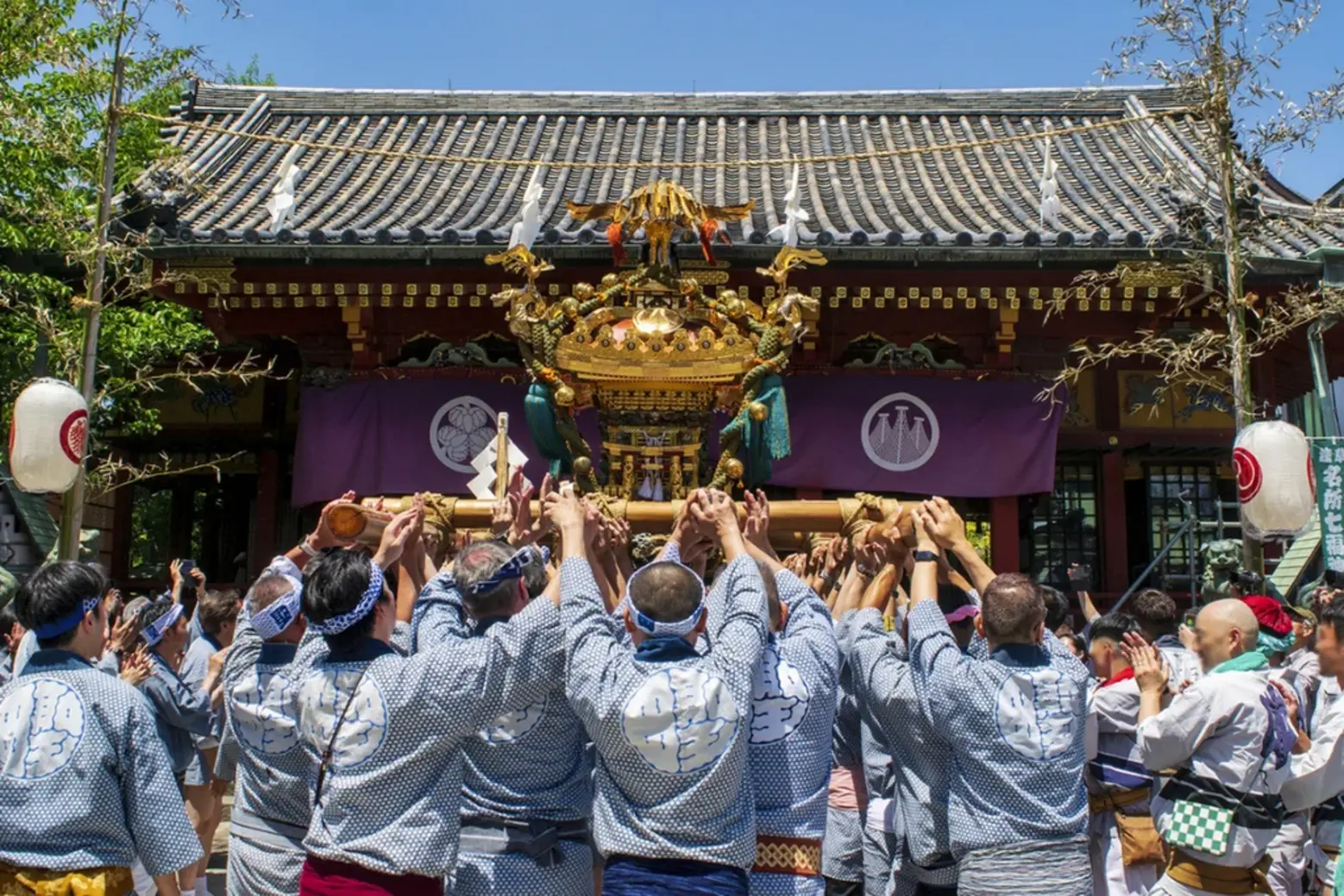
In May, Sanja Matsuri, running from May 15 to May 17, 2026, brings one of Tokyo’s most exuberant bursts of energy. Centered in Asakusa, this festival is famed for its portable shrines, or mikoshi, carried through the streets in a spectacle of movement, chanting, and communal fervor.
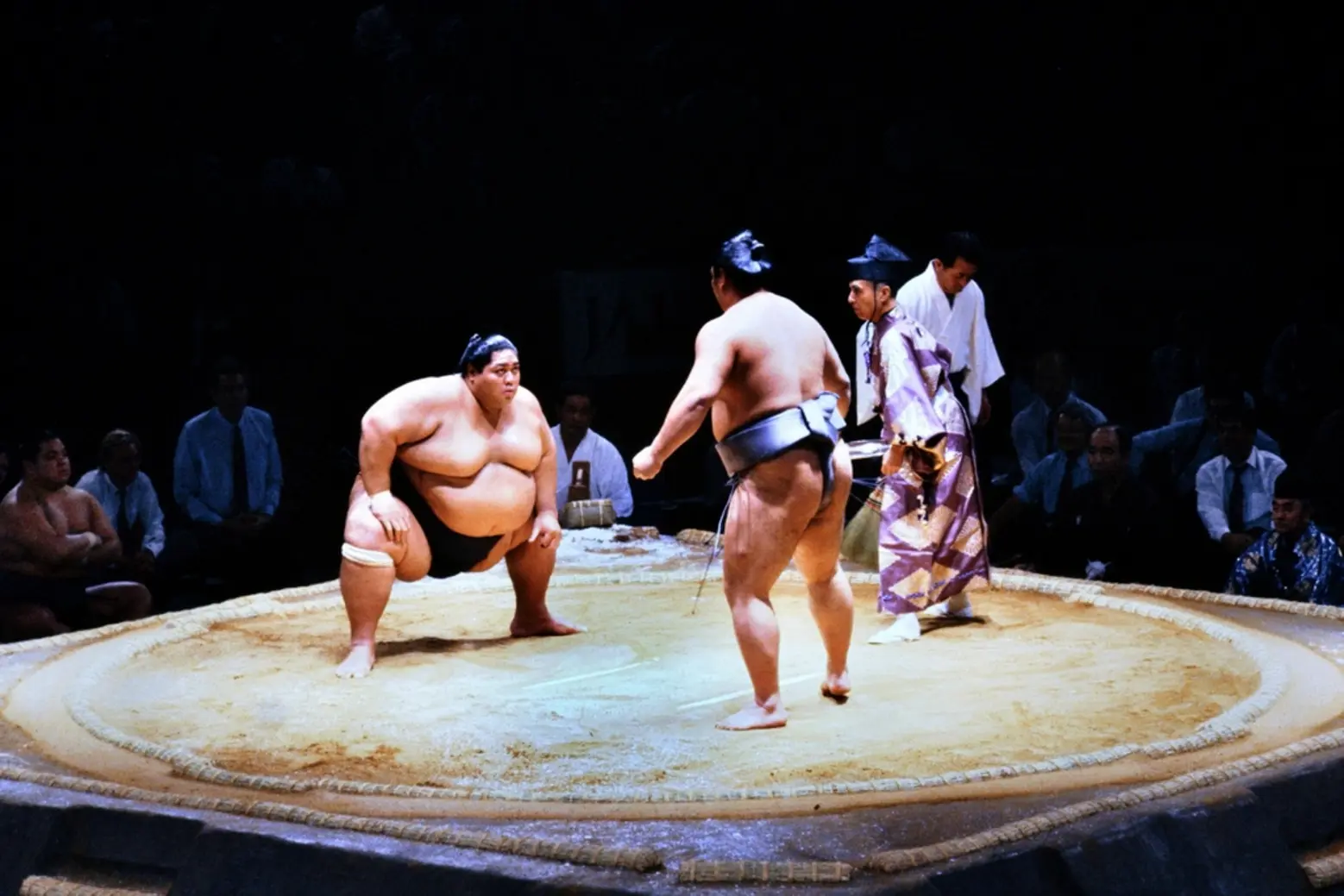
In May, from May 10 to May 24, 2026, the Sumo Grand Tournament takes place at the Ryogoku Kokugikan. Even for travelers who know little about its rules, the atmosphere inside the arena can be riveting.
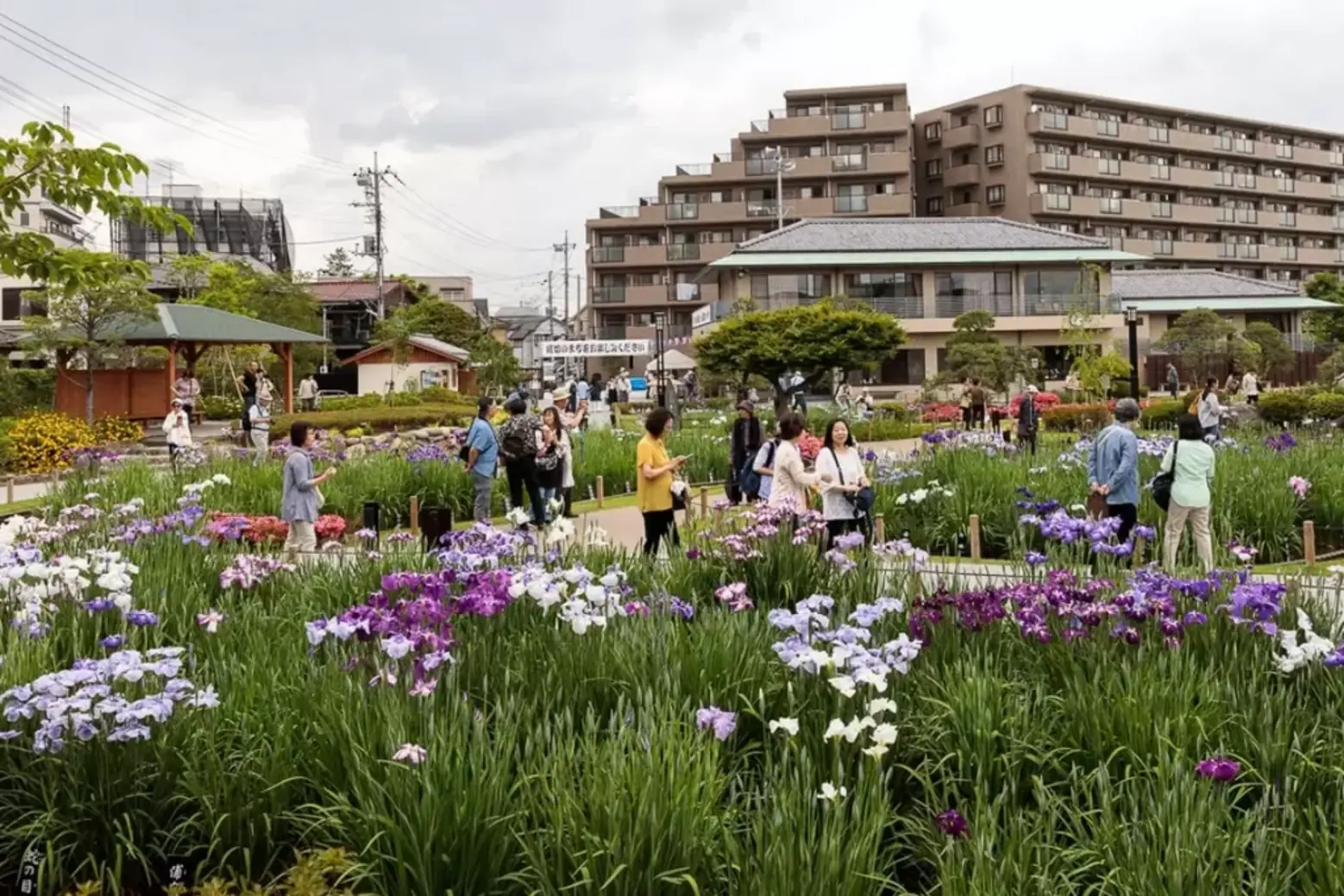
Early June offers a different mood entirely with Kyori-no-Hi, or Iris Week, at the Horikiri Iris Garden. This is Tokyo at its softer register. The iris displays invite a slower rhythm, one shaped by color, subtle fragrance, and the Japanese art of seasonal appreciation.
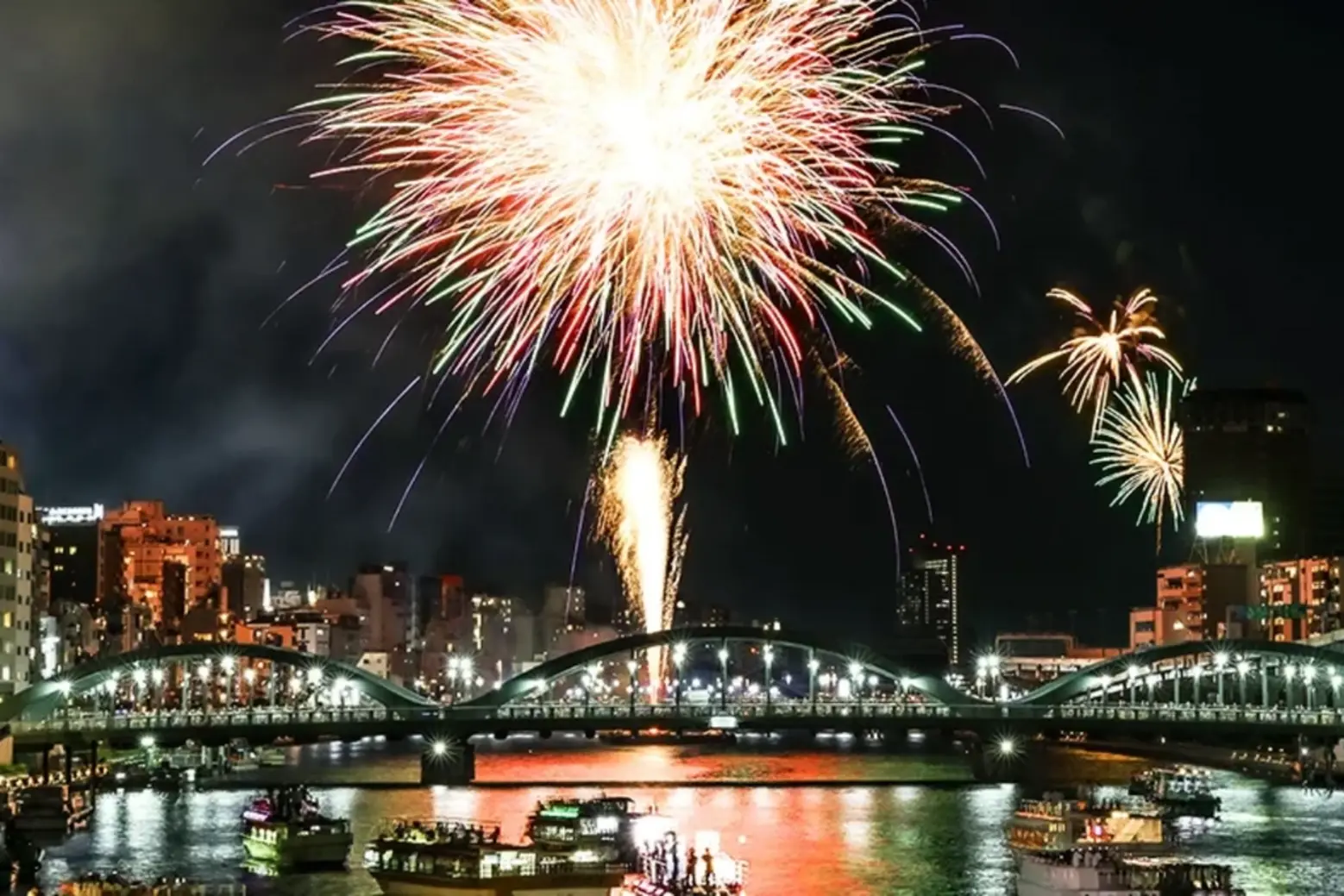
Then, in late July, the Sumida River Fireworks bring one of Tokyo’s most beloved summer traditions. Fireworks have illuminated this river since the eighteenth century, and the contemporary spectacle still carries the thrill of a deeply rooted civic ritual.
Every first visit to Tokyo deserves a few icons. They are famous for a reason, and the city’s great landmarks still deliver genuine wonder. TeamLab Borderless at Azabudai Hills offers one of the most immersive experiences in the city, a digital art museum where light, movement, and space seem to dissolve fixed boundaries. It is one of Tokyo’s clearest expressions of contemporary imagination.
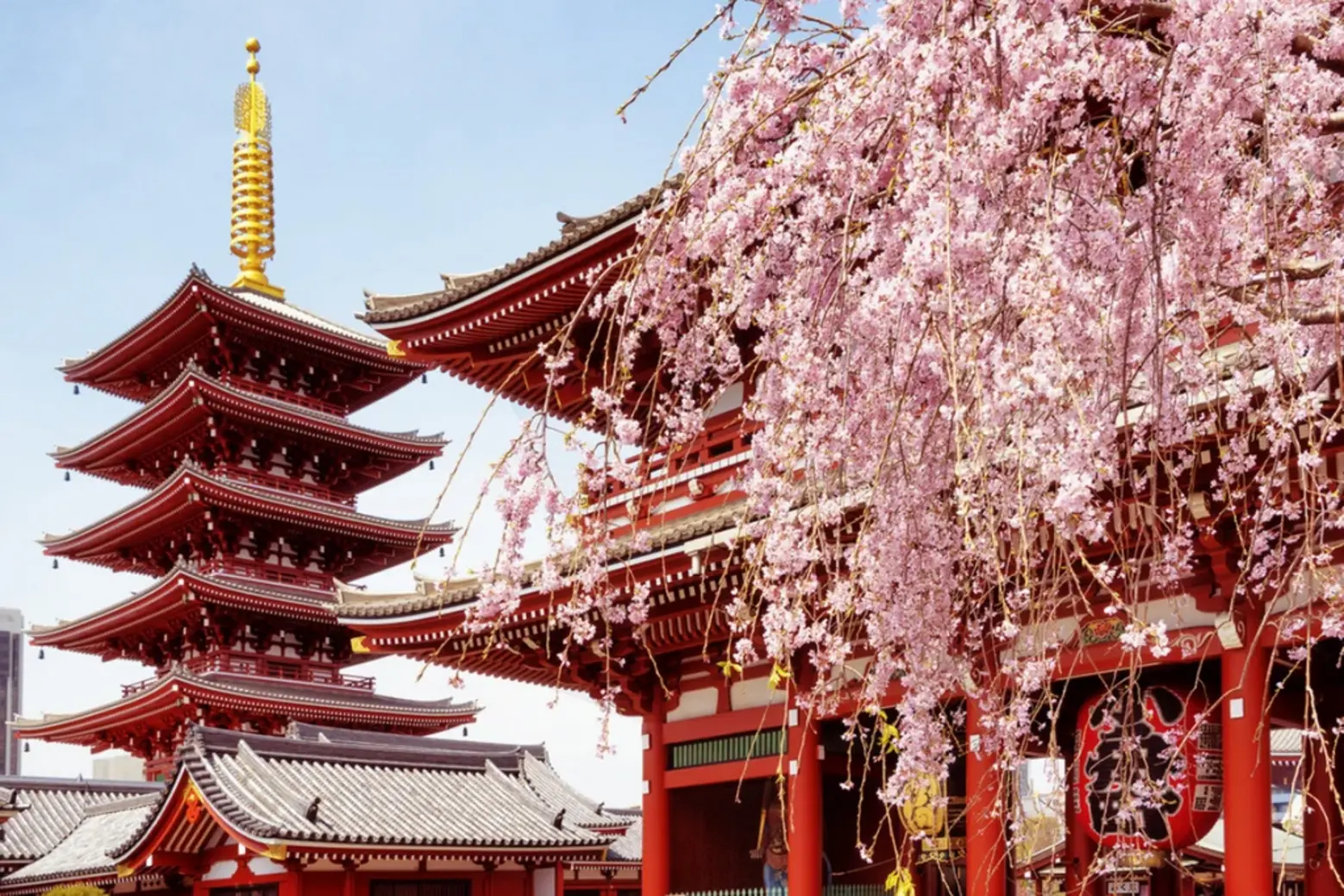
Senso-ji Temple, by contrast, connects travelers to the oldest spiritual layers of the city. Passing through the Kaminarimon Gate and walking along Nakamise-dori, with its lively market atmosphere, produces a vivid sense of Tokyo’s continuity. The crowds, the incense, the lanterns, and the ritual gestures all blend into a scene that feels both sacred and unmistakably urban.
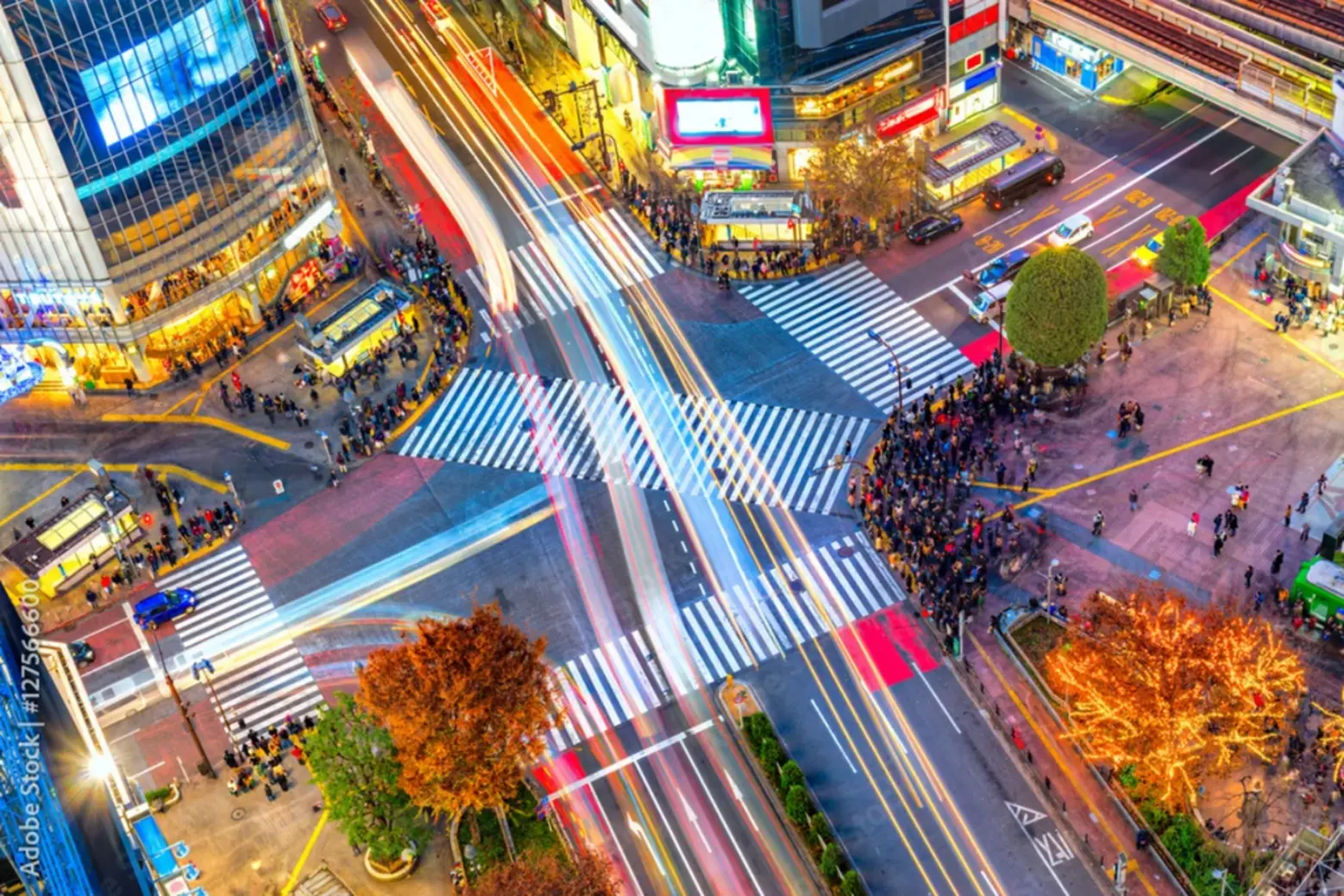
Then there is Shibuya Crossing, perhaps the most globally recognizable image of the city. It still offers the thrilling choreography of mass movement, that famous sea of humanity flowing in all directions at once. Yet for a more elevated perspective, Shibuya Sky gives a far better view, revealing the crossing as part of a much larger metropolitan drama.
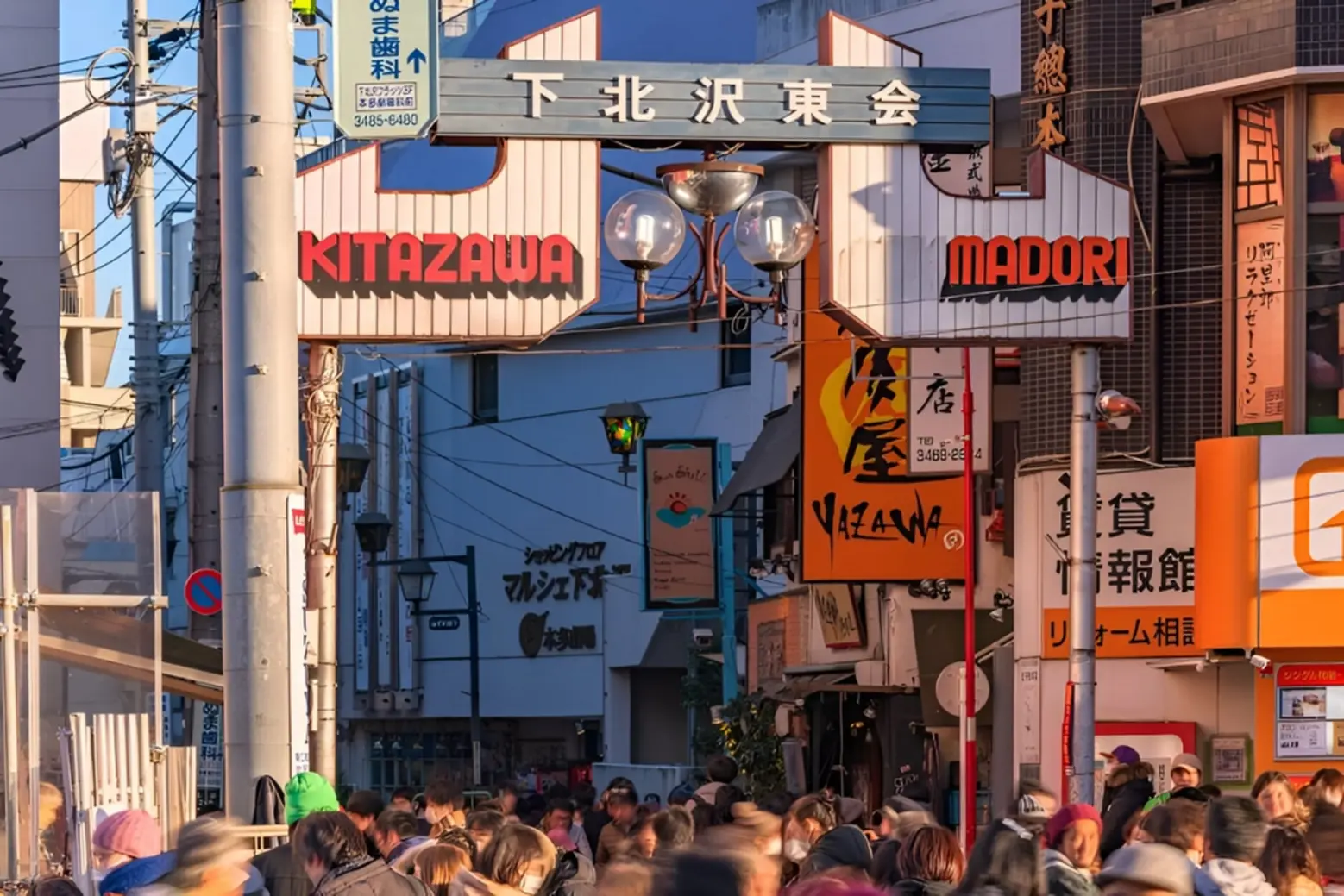
Still, the most memorable Tokyo moments often come from places slightly off the standard route. Shimokitazawa is one of the city’s great creative enclaves, a loose, charming labyrinth of vintage stores, record shops, coffee bars, and intimate music venues. It feels less like a polished district and more like an improvisation, full of texture and personality. Kagurazaka offers another kind of intimacy. Once a geisha district, it still retains winding cobblestone alleys and a discreet elegance, now paired with some of the city’s best French-Japanese fusion bistros. The neighborhood feels literary, atmospheric, and quietly seductive.
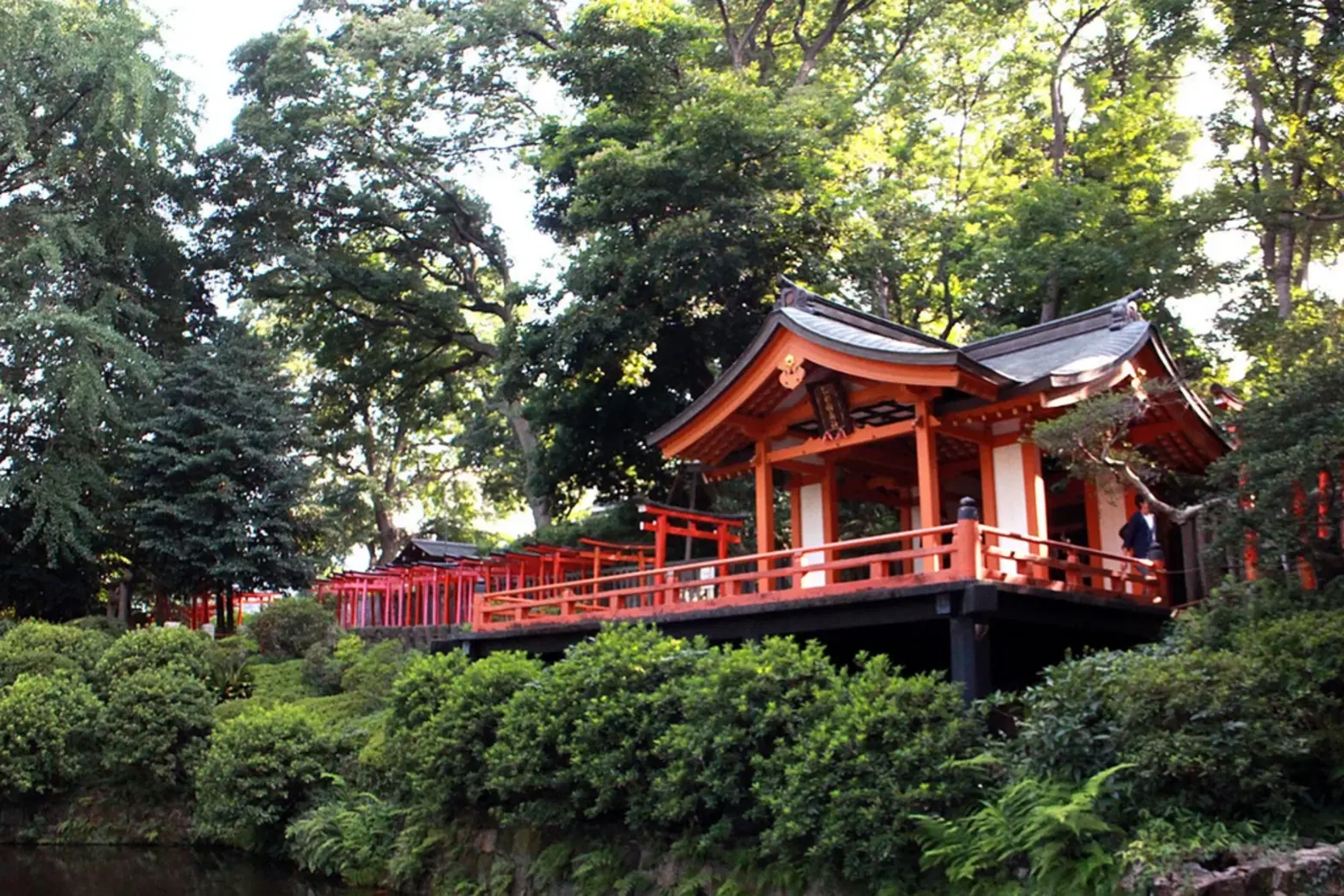
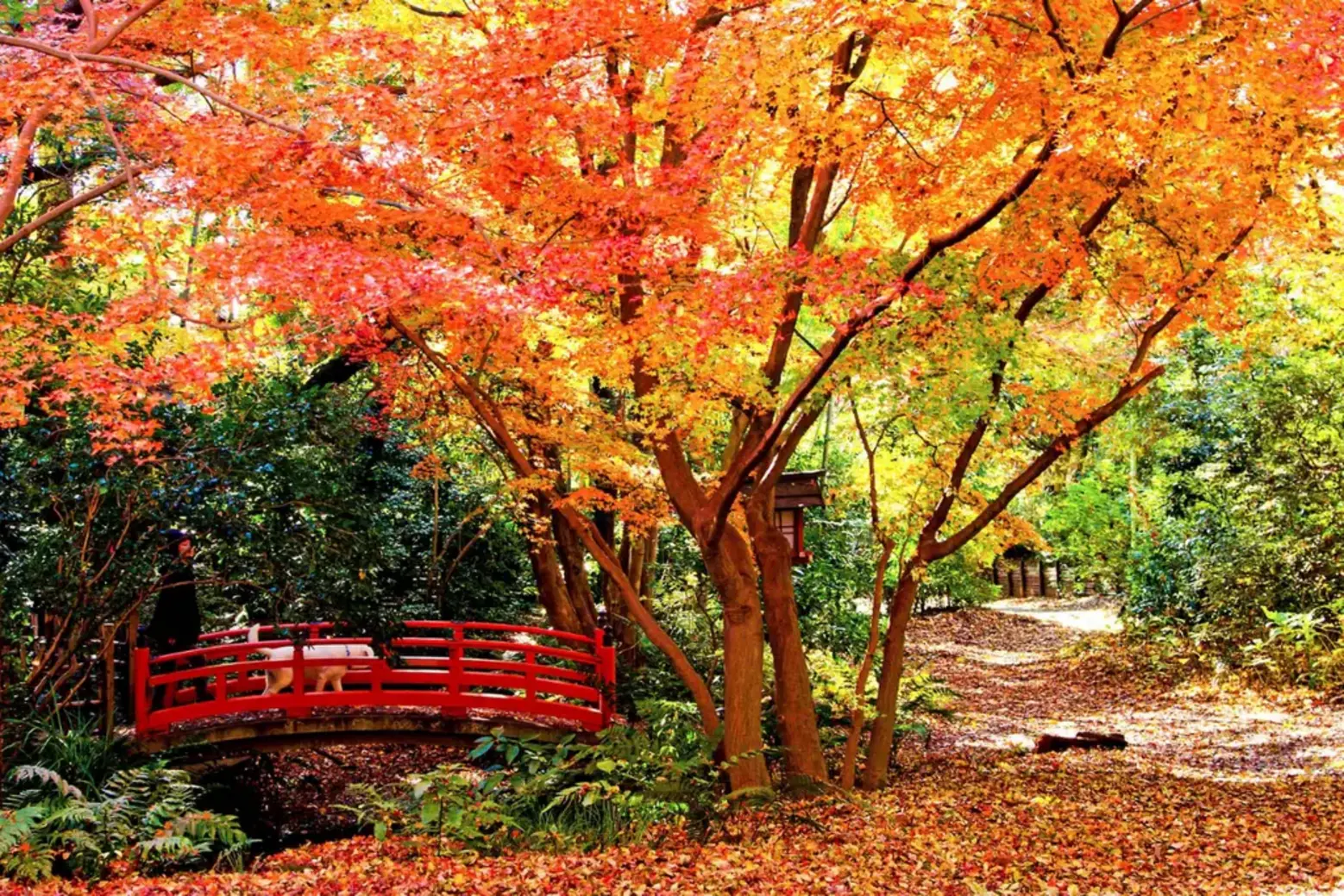
Perhaps most surprising of all is Todoroki Valley in Setagaya, a stretch of lush greenery that seems almost impossible in a city like Tokyo. A wooden walkway follows the stream through a cool, shaded corridor where the temperature drops noticeably from street level. It offers a reminder that Tokyo’s identity includes not only steel, glass, and asphalt, but also hidden pockets of serenity.
For travelers drawn to materiality, heritage, and design, Tokyo’s boutique and luxury hotels offer more than beautiful rooms. They provide distinct ways of entering the city’s cultural mood.
Trunk(Hotel) on Cat Street in Harajuku speaks to Tokyo’s contemporary creative class. Its use of recycled materials and its social concept create a hotel experience that feels connected to the neighborhood rather than isolated from it.
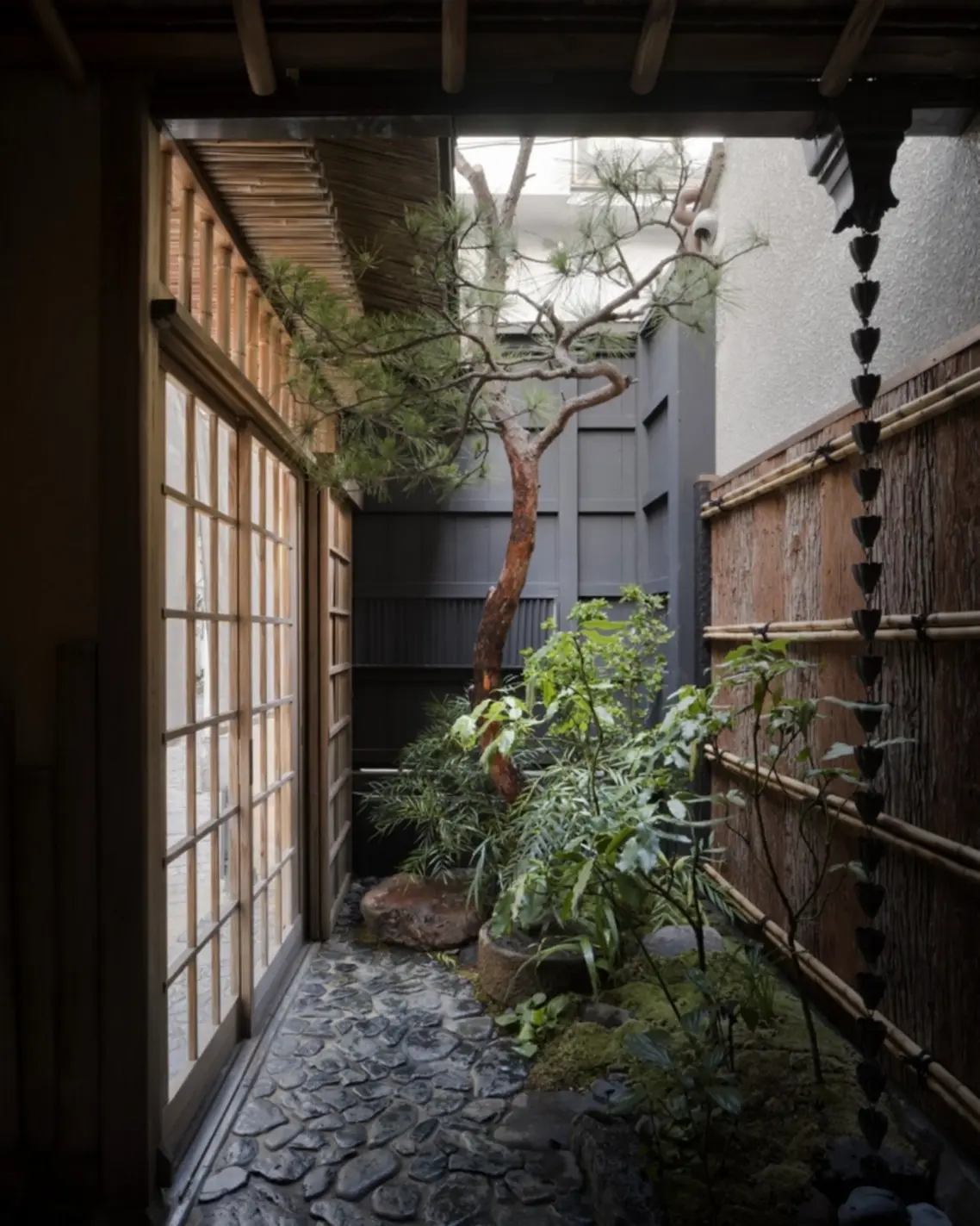
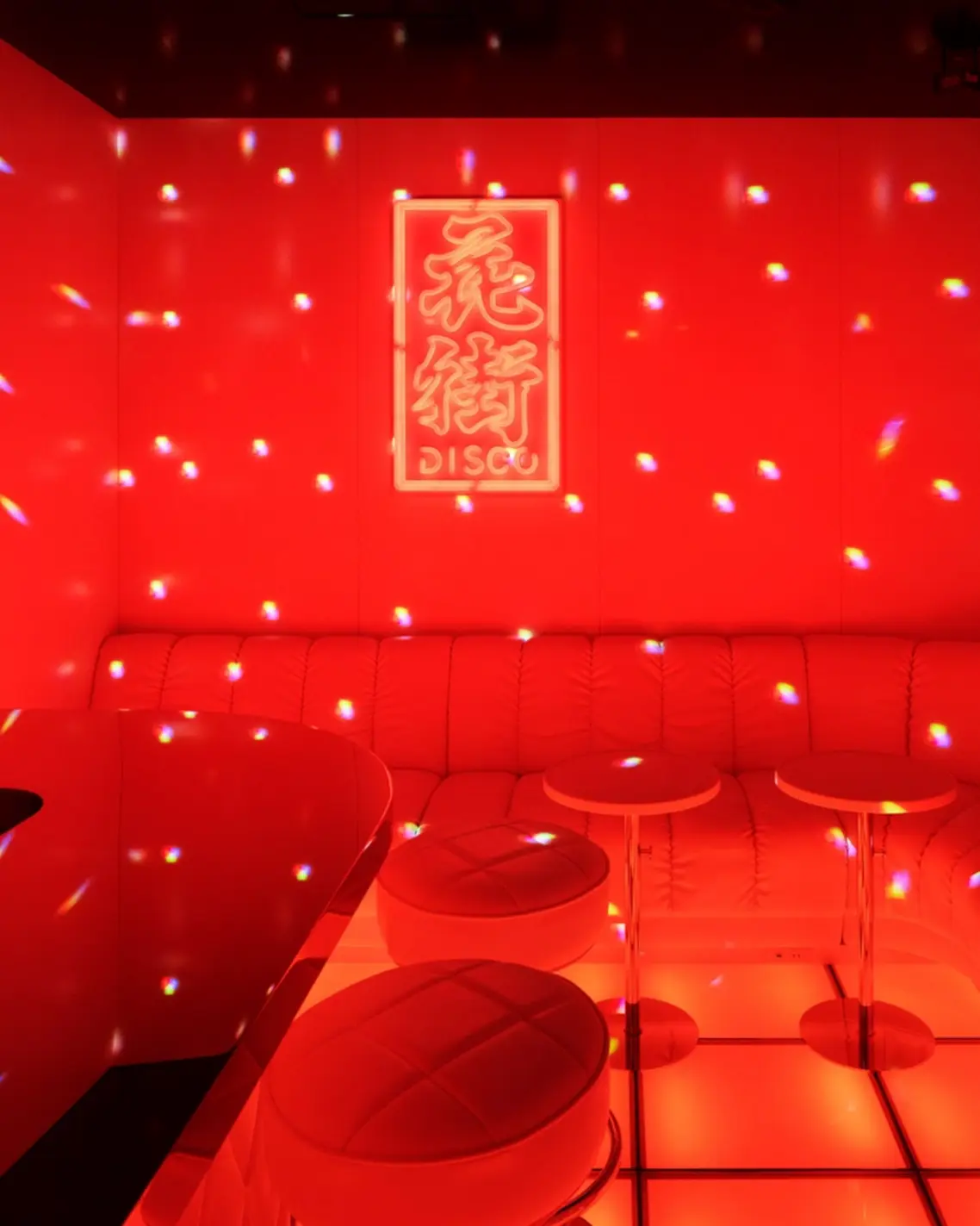
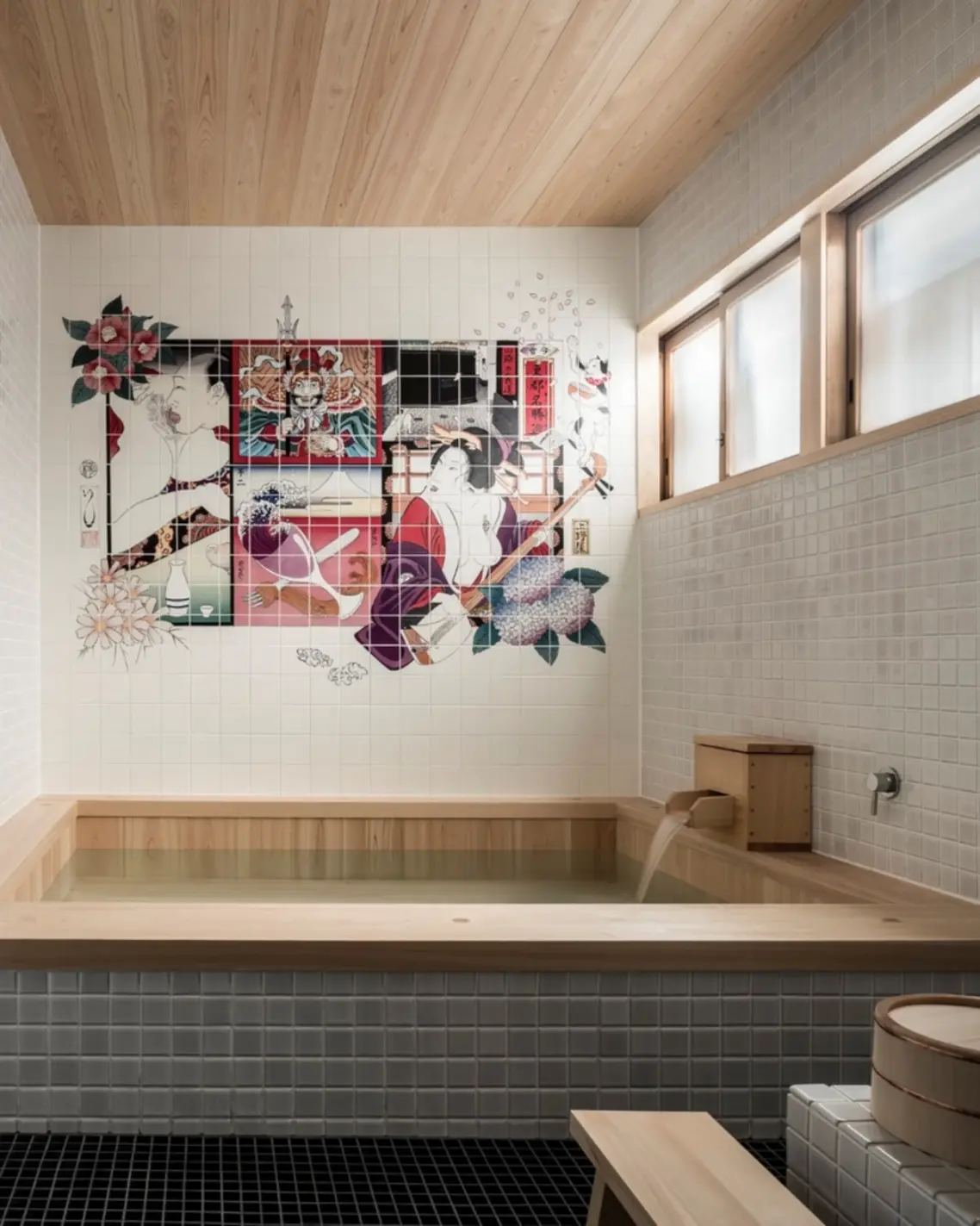
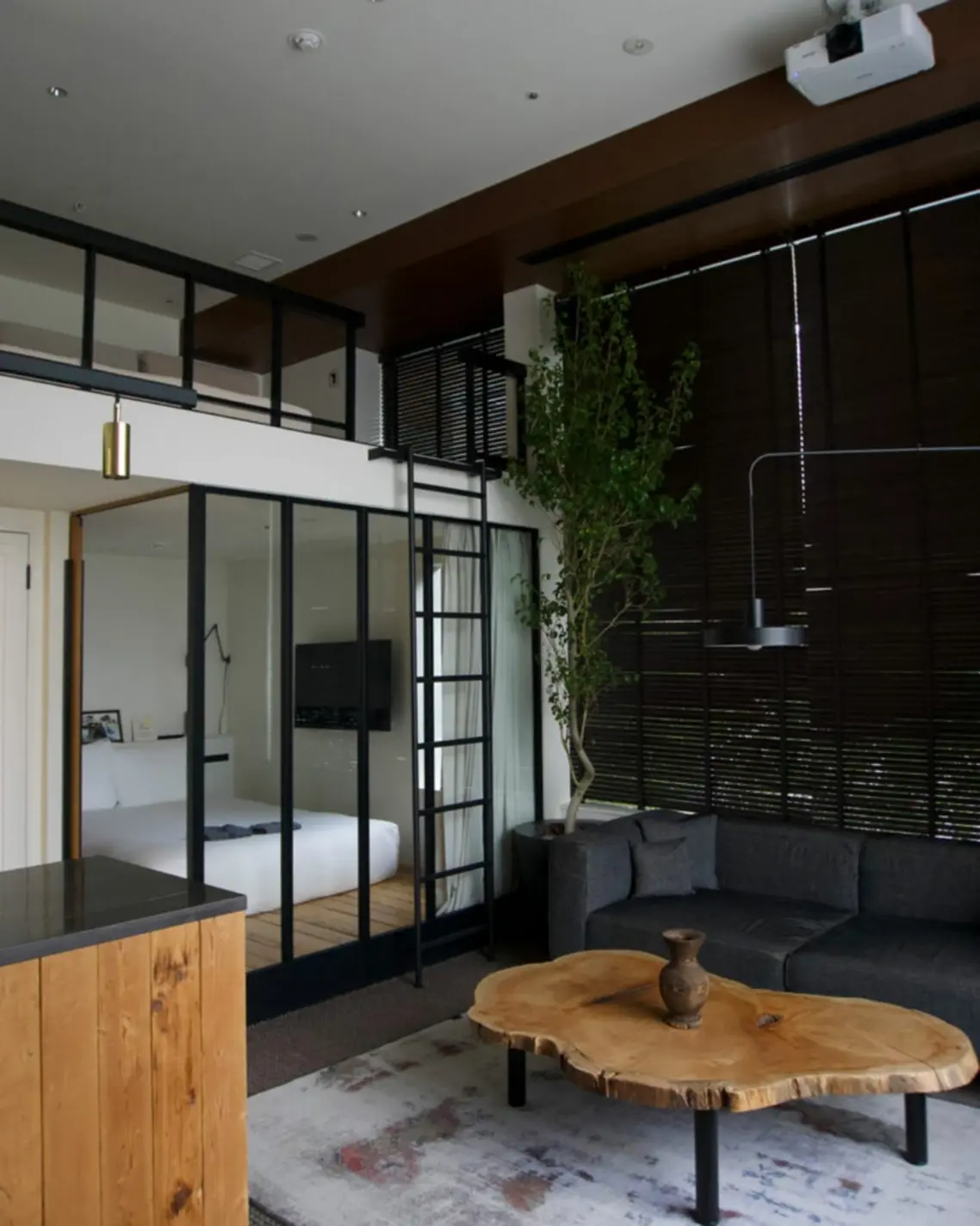
For something far more intimate, Trunk(House) in Kagurazaka stands apart. This single-suite property occupies a restored seventy-year-old geisha house and delivers a stay that feels personal, private, and deeply atmospheric. With a private chef, butler service, and a contemporary art sensibility, it offers one of the city’s most rarefied experiences while remaining rooted in local history.

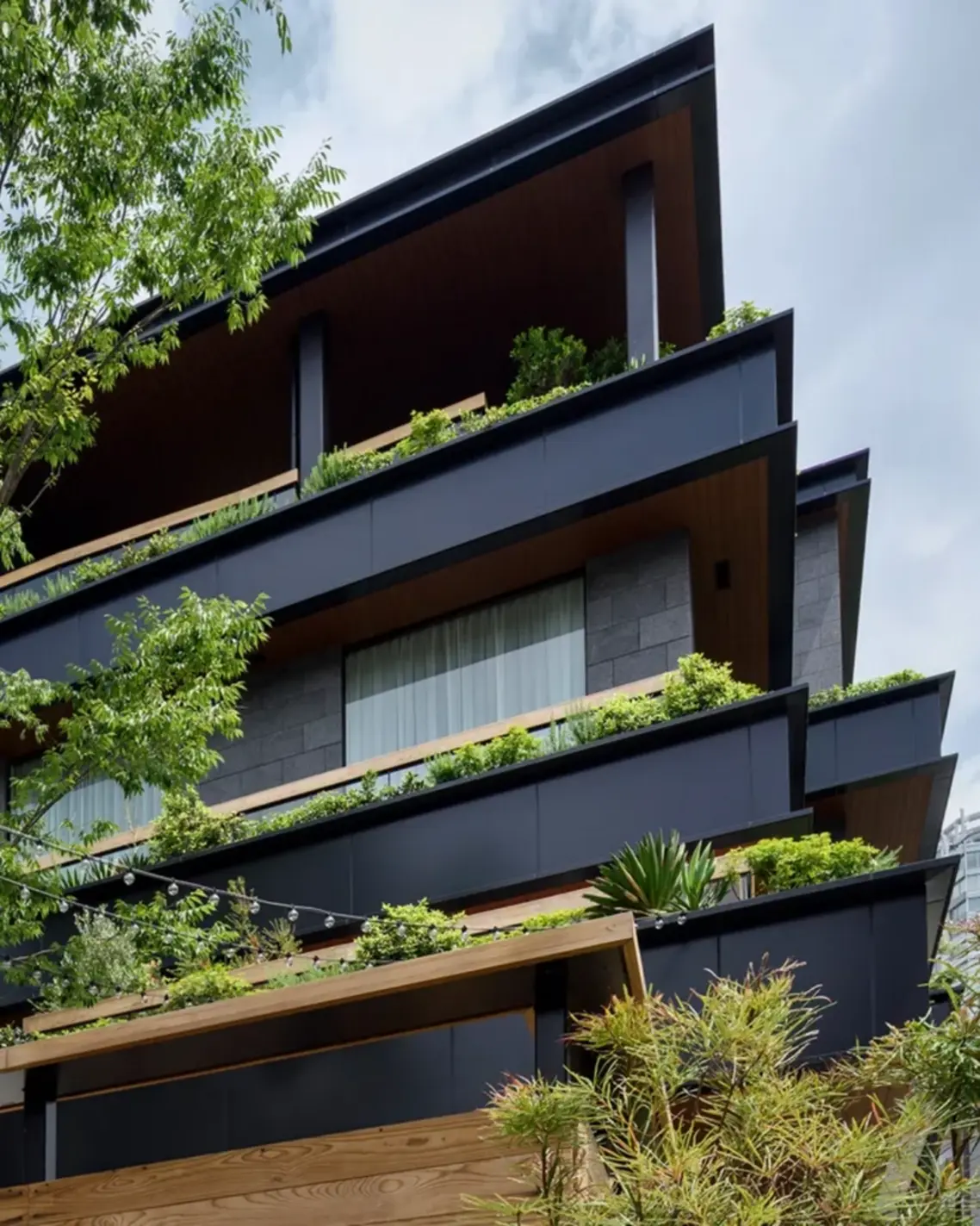
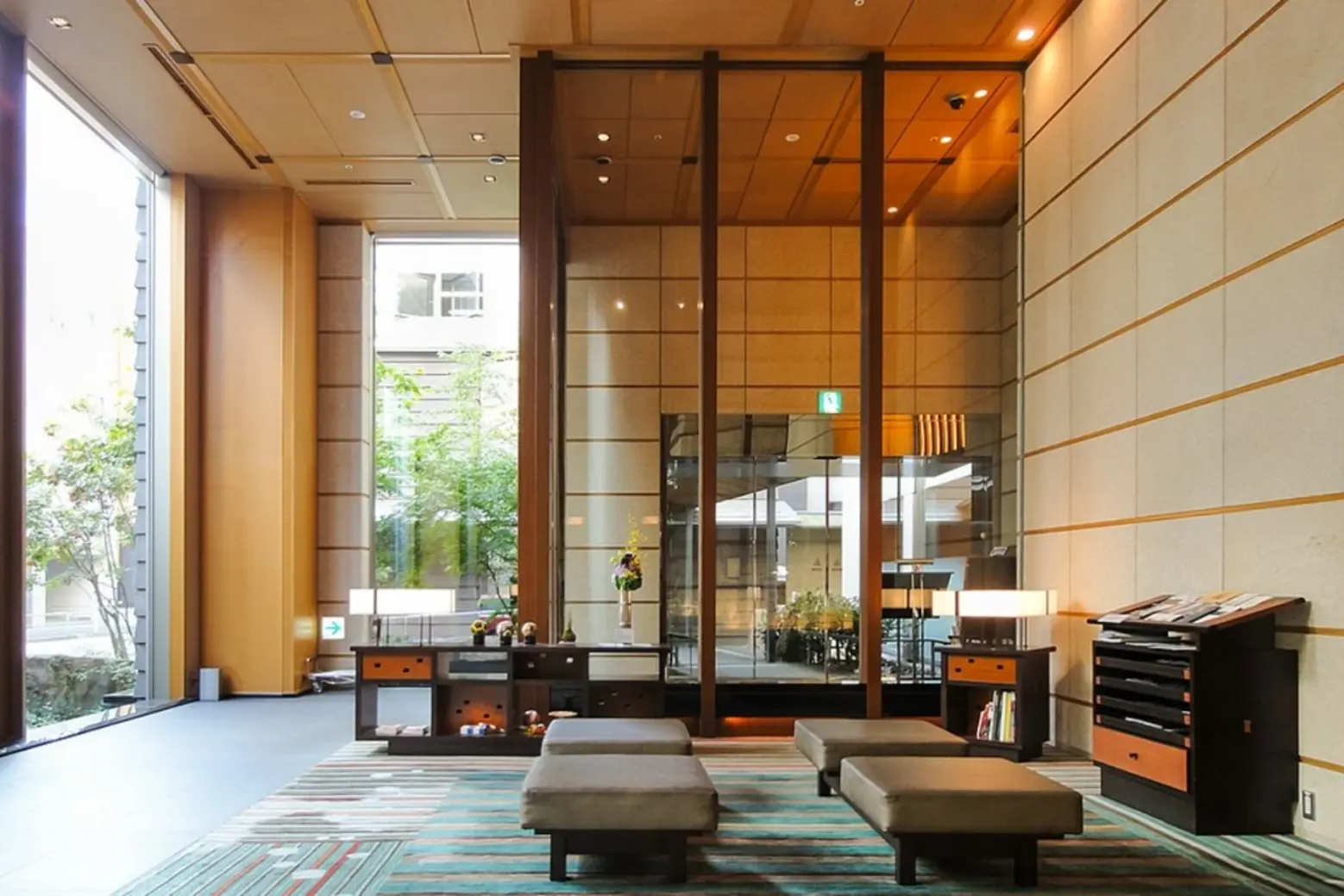
The Capitol Hotel Tokyu, designed by Kengo Kuma, presents another vision of Tokyo luxury. Near the Imperial Palace, it translates Japanese joinery and lattice work into a calm, highly refined sanctuary.
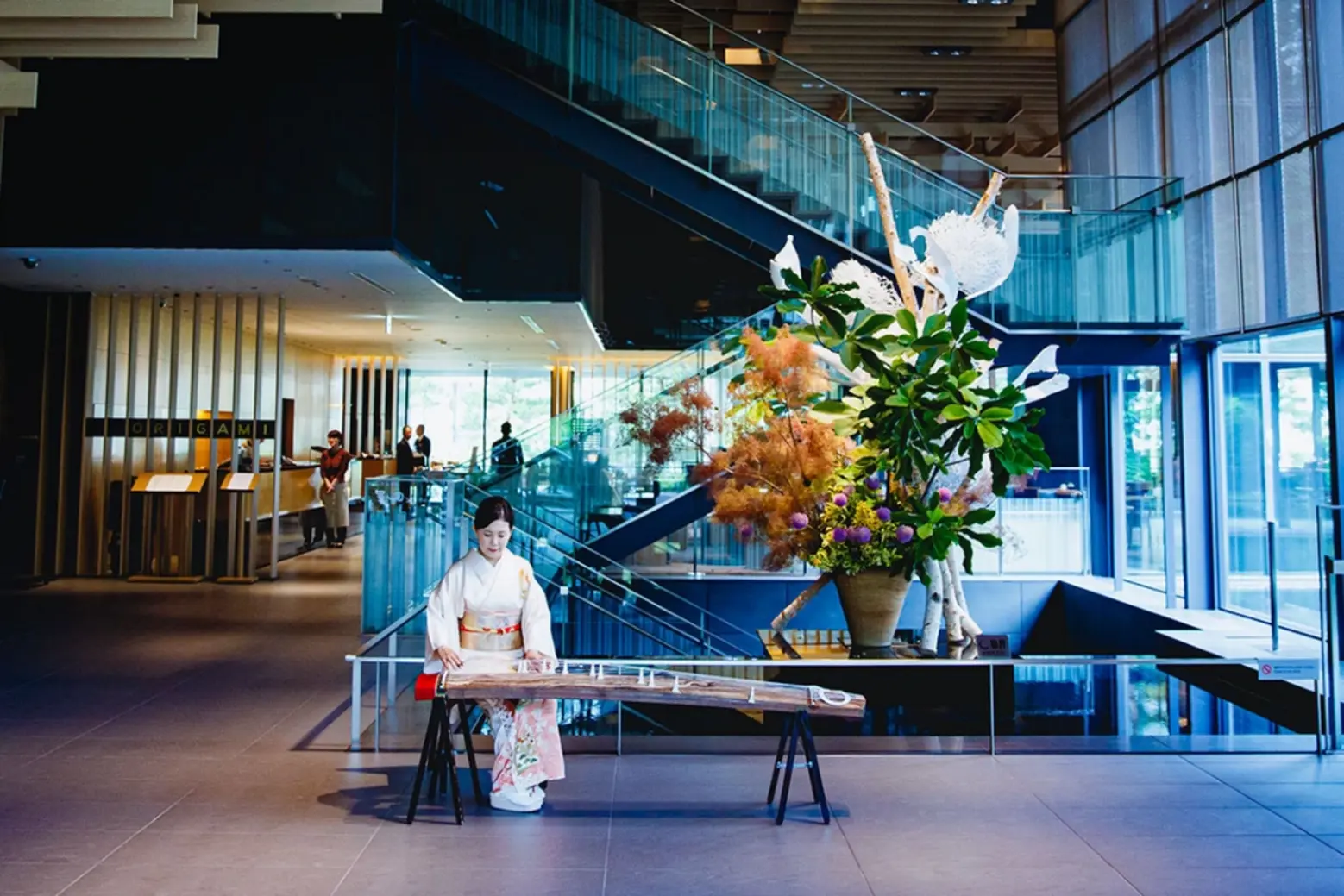
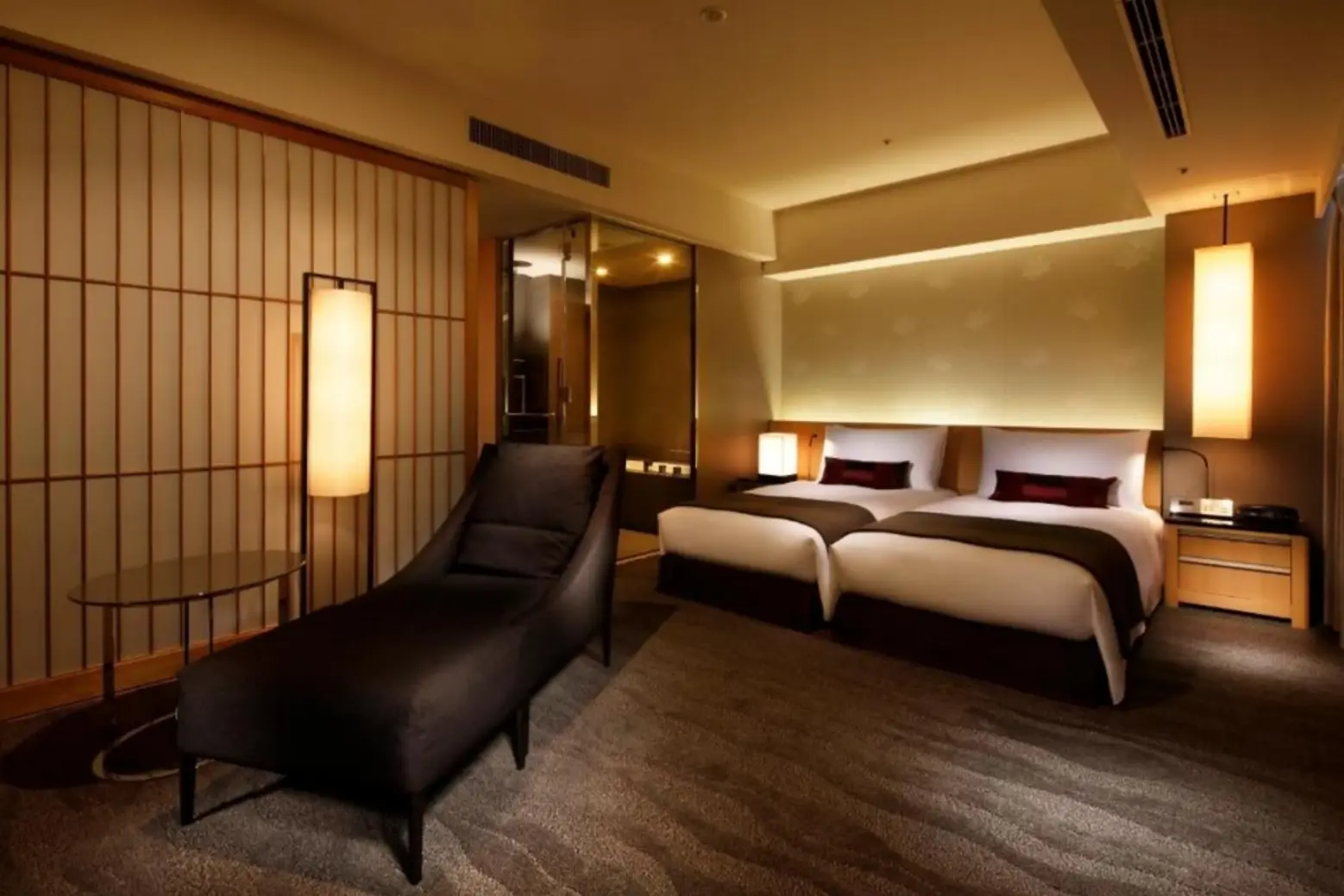
Hotel Niwa Tokyo offers perhaps the gentlest rhythm of all. Built on the site of a former traditional inn, it balances contemporary comfort with a Japanese garden sensibility focused on tranquility, light, and careful proportion. After a day in the city’s sensory intensity, that kind of stillness can feel like its own form of luxury.
Travelling To Tokyo is ultimately about learning how to move between intensities. One moment gives you a glowing digital universe, next to a temple courtyard, then a hidden jazz bar, a flawless train arrival, a summer festival, or a quiet garden path lined with irises. For travelers willing to pay attention, Tokyo reveals itself as more than a destination. It becomes a lesson in how a city can be disciplined, alive, and full of soul.