MENU
Close





Alexandria carries history the way some women carry perfume, close to the skin, impossible to separate from presence. Founded by Alexander the Great and shaped by centuries of Mediterranean exchange, the city still glows with submerged legend, Belle Époque grace, and a melancholy that feels almost luxurious.
Alexandria carries history the way some women carry perfume, close to the skin, impossible to separate from presence. Founded by Alexander the Great and shaped by centuries of Mediterranean exchange, the city still glows with submerged legend, Belle Époque grace, and a melancholy that feels almost luxurious.
April 2, 2026


Alexandria has always lived with two faces turned in opposite directions. One face looks inland toward Egypt, dynasties, faith, and continuity. The other looks out across the Mediterranean toward trade, exile, appetite, language, and reinvention. Founded in 332 BCE by Alexander the Great, the city grew into one of the great centers of Hellenic scholarship and science, then into a cosmopolitan port whose identity absorbed Greek, Egyptian, Roman, Levantine, and European currents across centuries. That layered inheritance still defines its allure. Alexandria never feels singular. It feels composed.
That is why the city keeps drawing writers who understand longing better than certainty. Cavafy’s Alexandria is intimate and fatal, a place that follows you. Durrell’s Alexandria is seductive, feverish, unstable, all perfume and political shadow. Forster’s Alexandria carries a finer ache, one shaped by vanished grandeur and elegant decline. Even now, the city’s Neoclassical and Art Nouveau remnants, its sea-facing facades and old commercial bones, preserve the sensation that glamour once arrived here by boat and simply refused to leave.
No landmark expresses Alexandria’s hauntology more vividly than the Citadel of Qaitbay. Built between 1477 and 1479 by Sultan al-Ashraf Qaitbay, the fortress rises over the ruins of the Lighthouse of Alexandria, that vanished wonder whose beam once made the city one of the world’s great maritime stages. The effect is almost cinematic: a medieval stronghold standing where one of antiquity’s most famous structures once ruled the horizon. In Alexandria, succession never feels clean. One age rests directly on the shoulders of another.
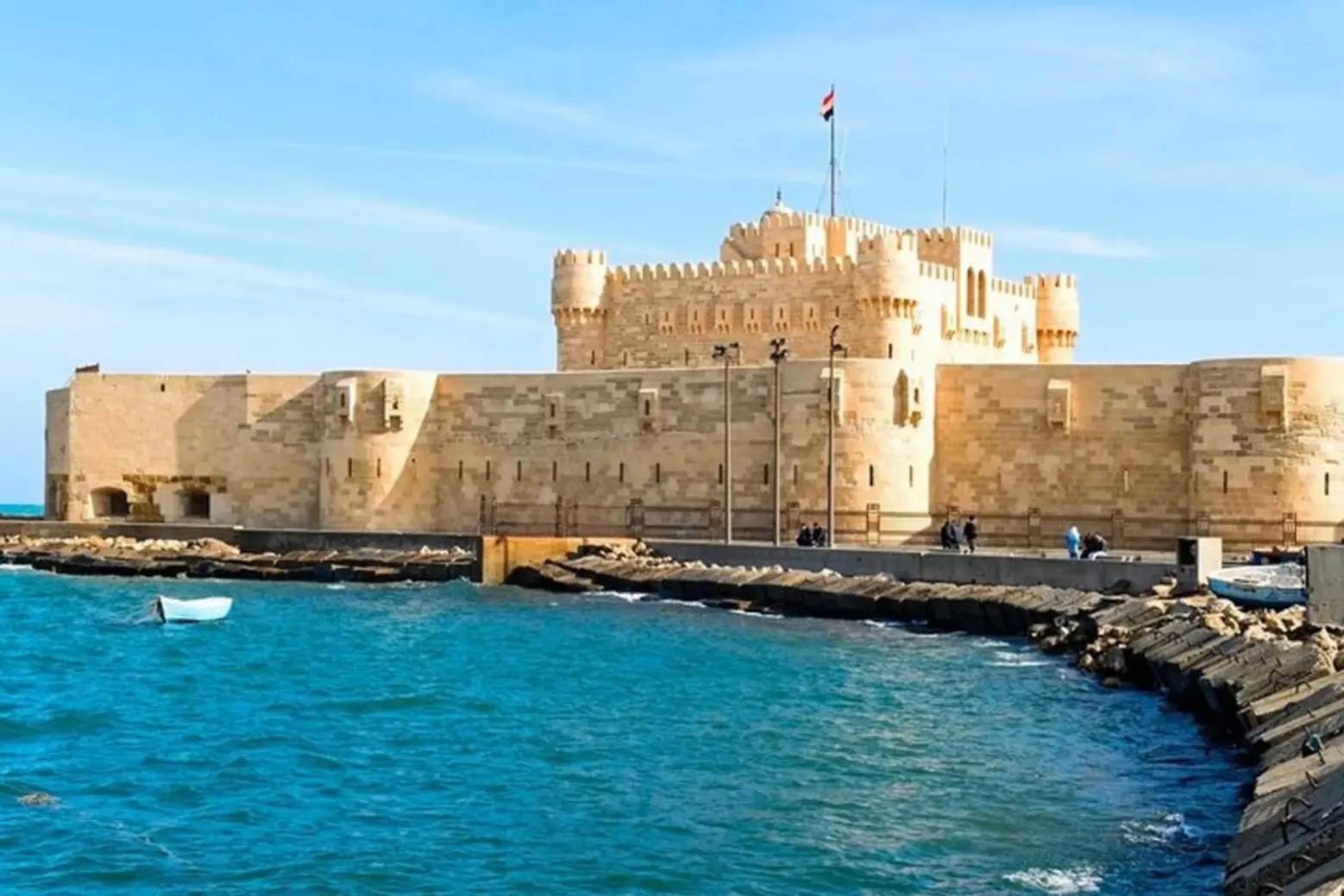
The Red Sea around Qaitbay deepens the drama. Alexandria’s Eastern Harbour, the ancient royal port, now lies partly submerged beneath the Mediterranean. Official archaeological records describe remains at depths of roughly 2 to 8 meters and identify discoveries linked to the old royal quarter, including piers, breakwaters, the contour of the ancient coastline, and sites associated with Antirhodos and Timonium. The city’s legend therefore lives in two registers at once: The visible skyline and the drowned one. Few places offer luxury travelling experience a mood this rich, where a harbor view can also feel like an encounter with absence itself.
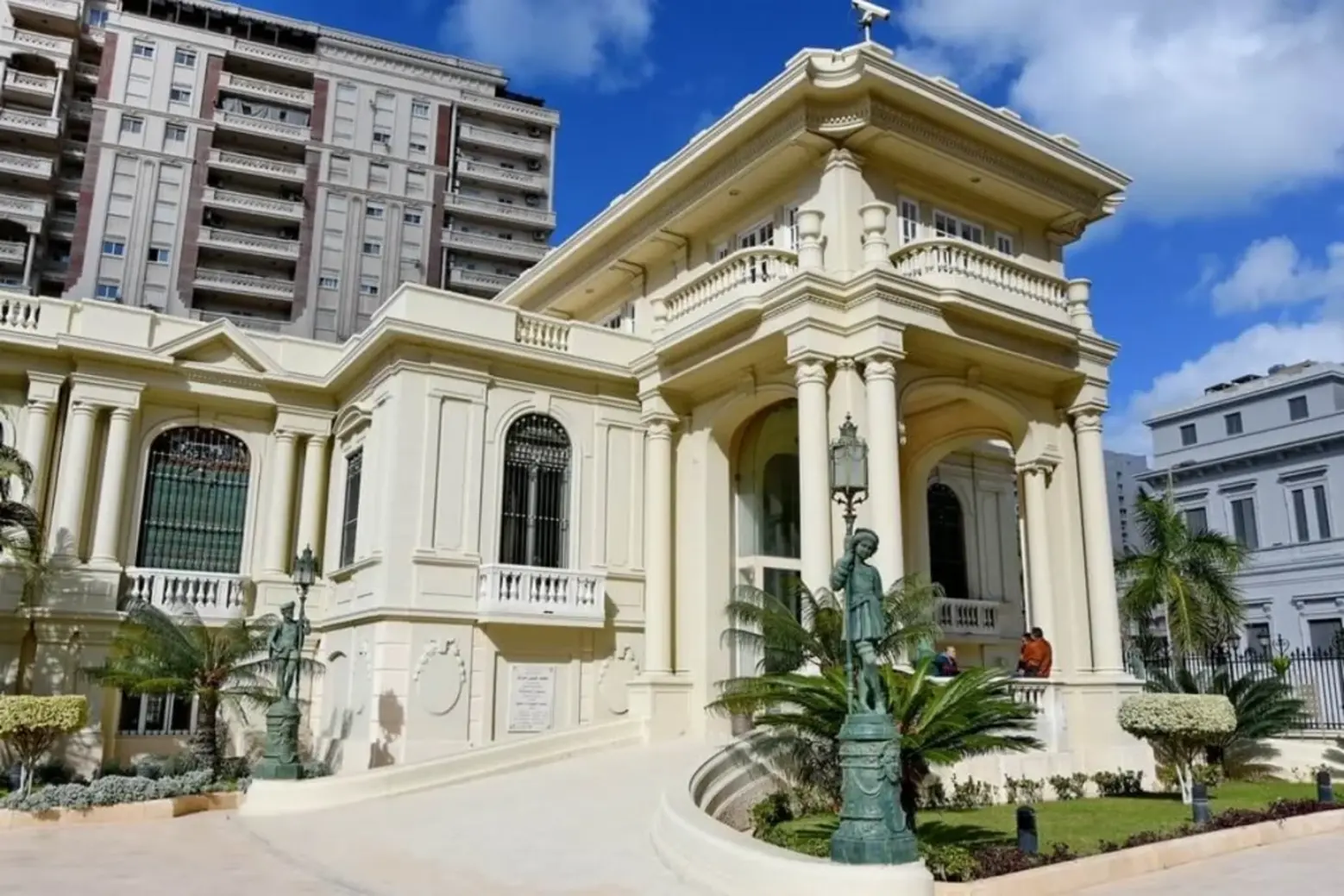
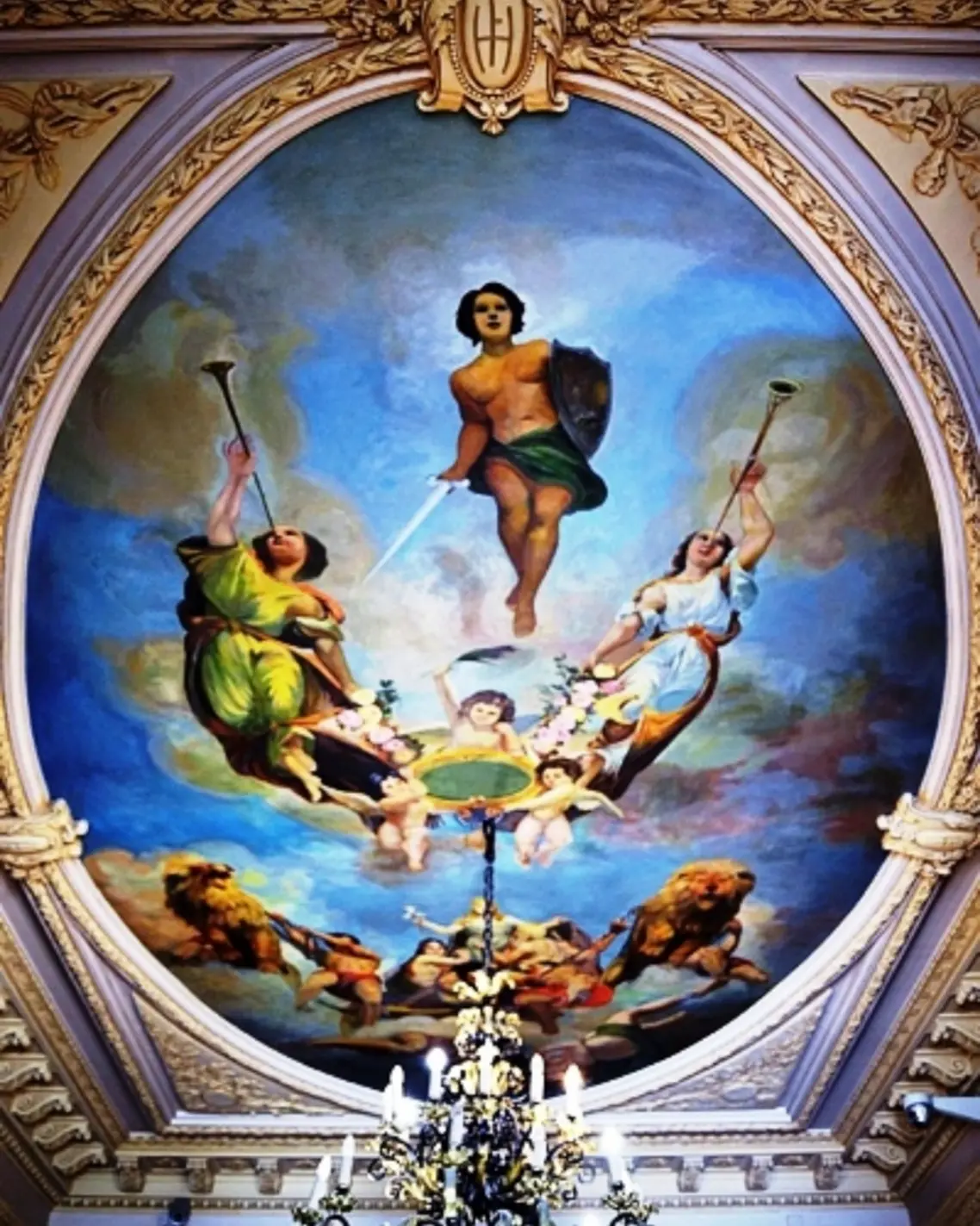
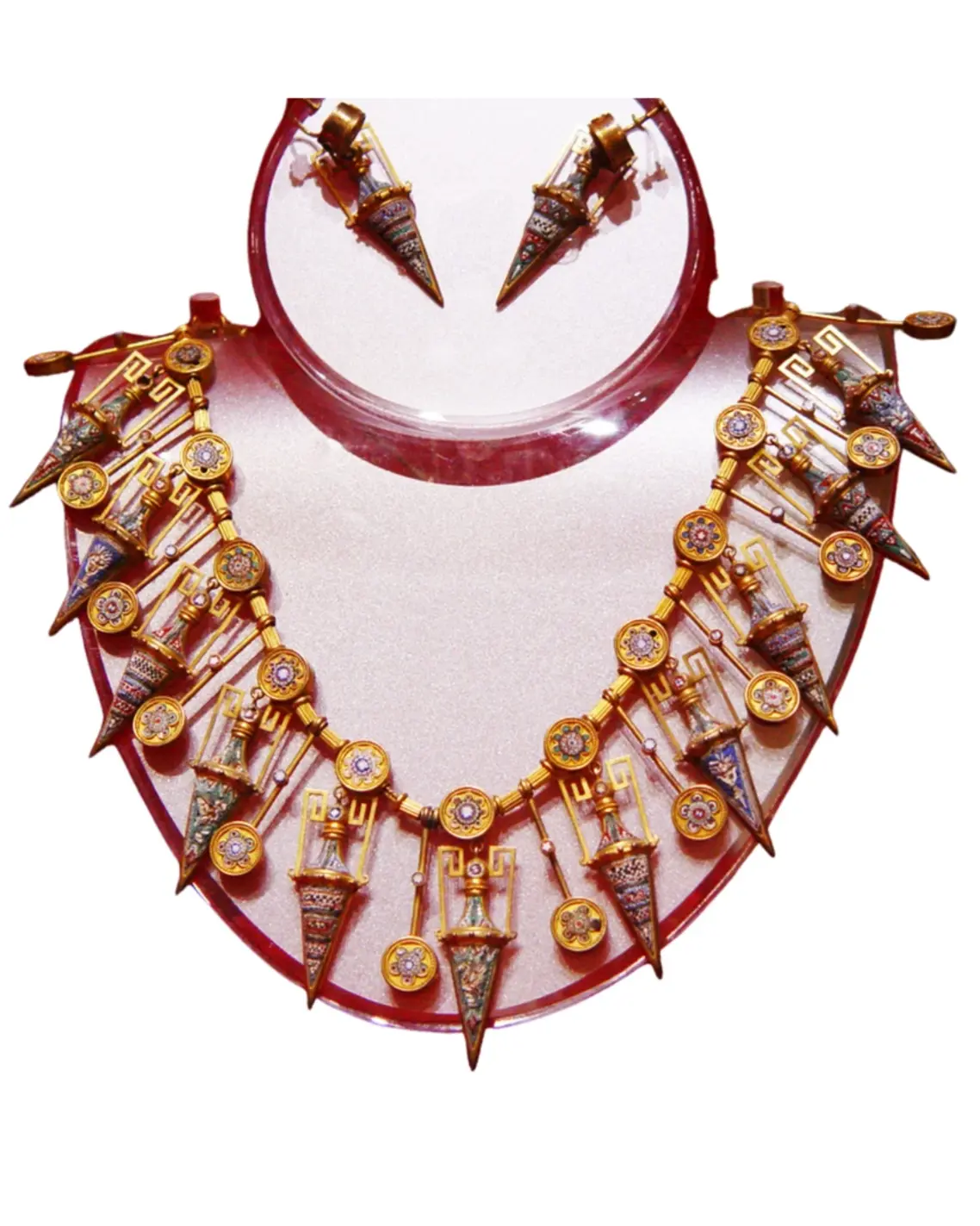
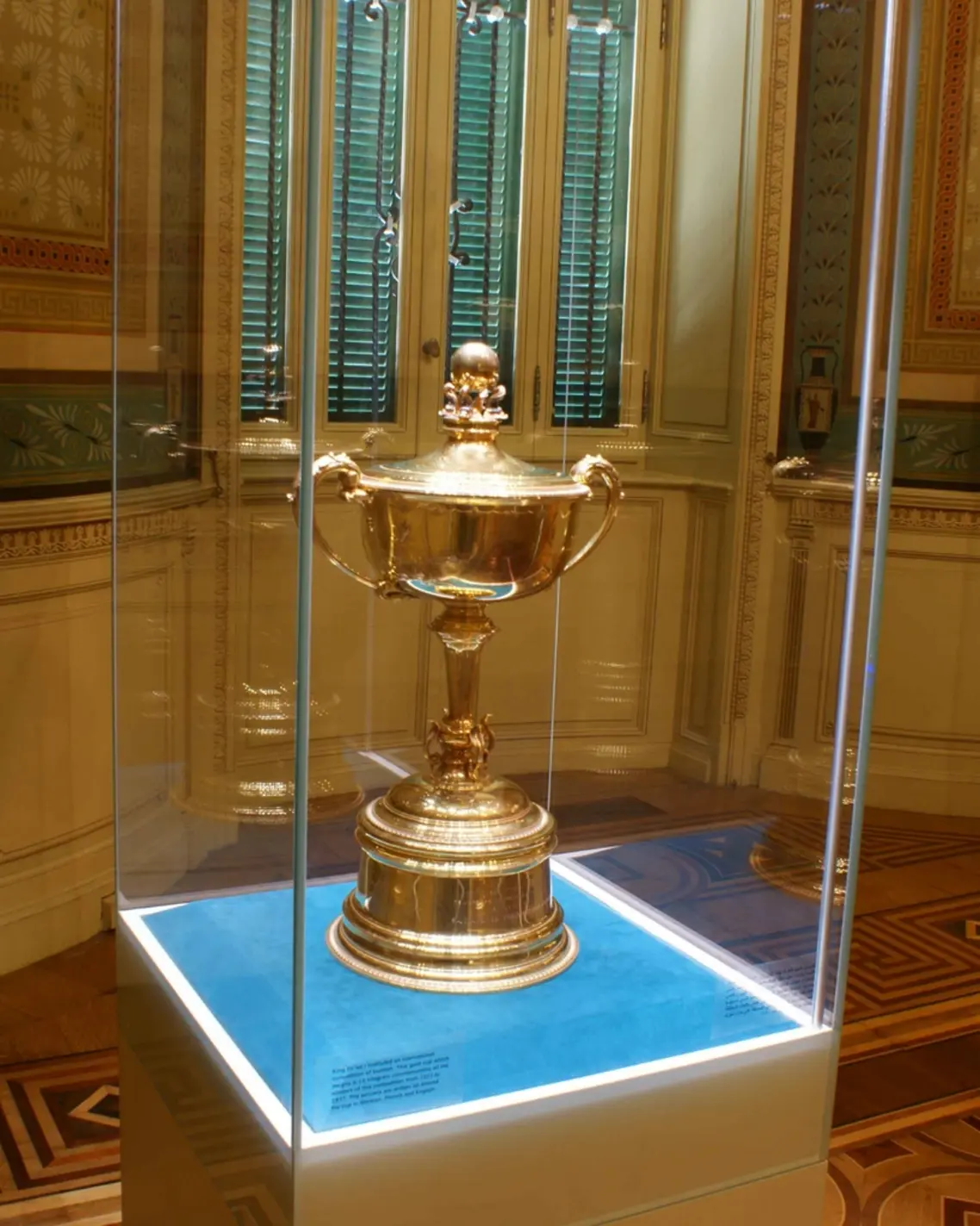
Alexandria understands that beauty survives best when it finds a room. The Royal Jewelry Museum offers one of the city’s most ravishing examples. Housed in a palace built in 1919 in Zizinya, it displays the possessions of the Muhammad Ali dynasty amid painted ceilings, mosaics, and an interior language shaped by both European and Islamic taste. The collection itself carries the expected dazzle, yet the deeper thrill comes from the setting. This is luxury as archive: jewels, gold objects, enameled surfaces, and dynastic vanity preserved inside a deserving palace.
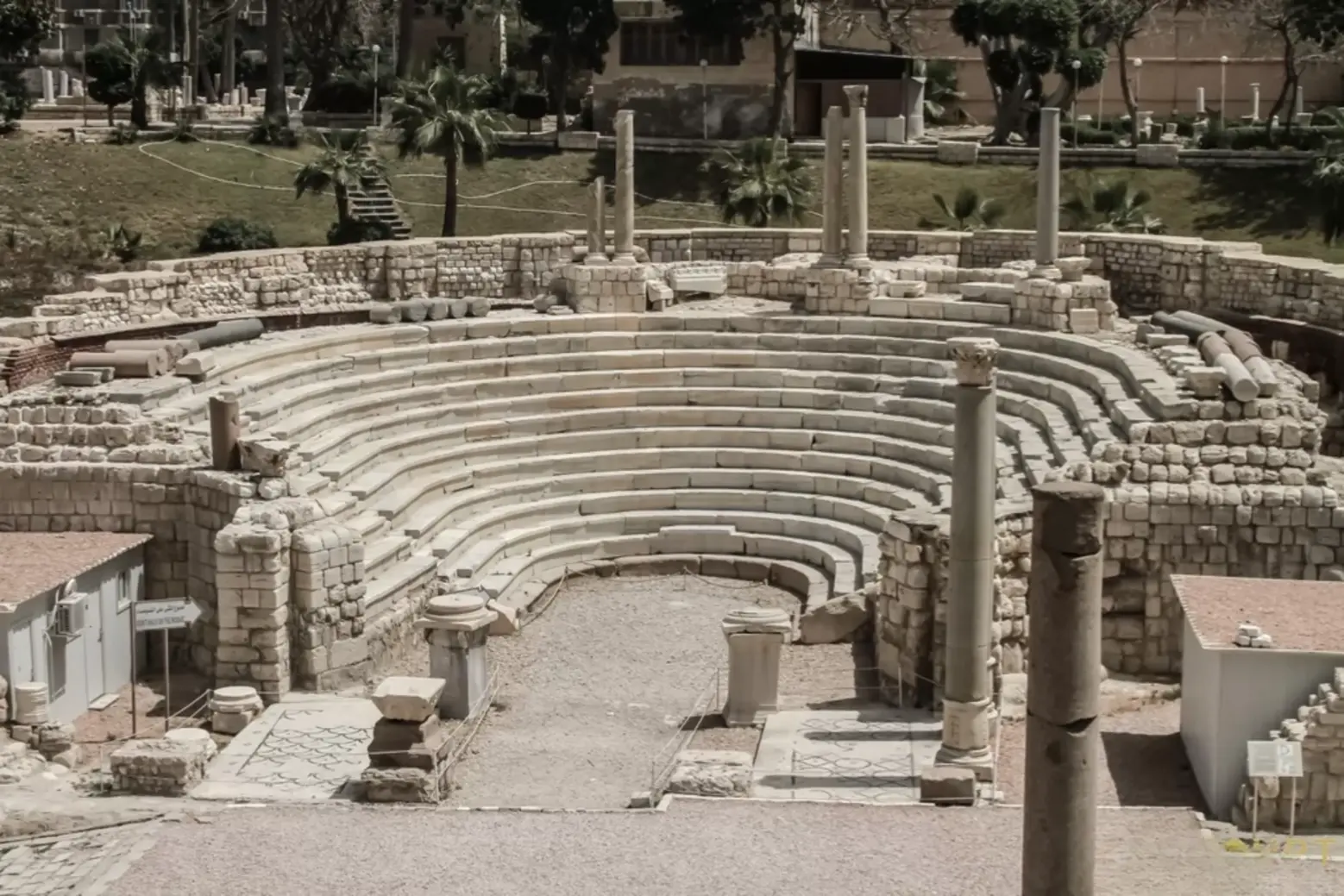
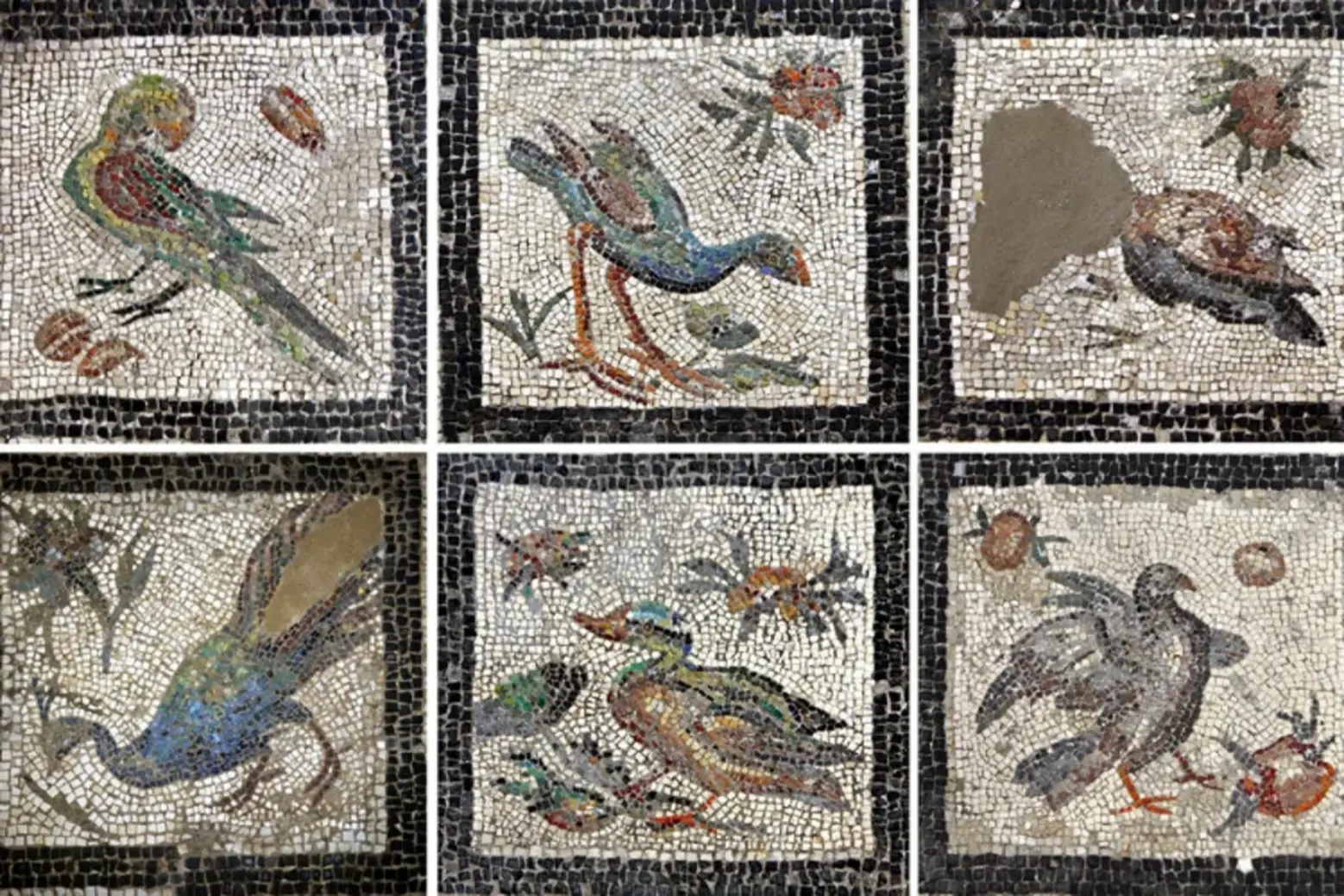
Elsewhere, Kom el-Dikka gives the city another texture entirely. UNESCO’s description of the site emphasizes its Roman theatre, baths, residential quarter, and mosaic-rich villas, with bird-and-flower motifs described as exceptional and unique within the Egyptian archaeological context. The so-called Villa of the Birds distills a different kind of refinement, one grounded in craftsmanship rather than opulence. Here, Alexandria’s elegance appears in stone tesserae, in patient geometry, in decoration made to endure centuries. The city’s soul shifts easily between crown jewels and floor mosaics because both belong to its long education in spectacle.
If ancient Alexandria gave the world the myth of the library, modern Alexandria answered with architecture. The Bibliotheca Alexandrina, completed in 2001, was designed as a massive cylinder emerging at a shallow angle near the Mediterranean; its disc-like roof suggests the sun rising over the sea. It is one of those rare buildings that looks symbolic without becoming heavy-handed. The form feels clear at first glance: knowledge, dawn, continuity, return. Alexandria has always understood that ideas deserve theatre.
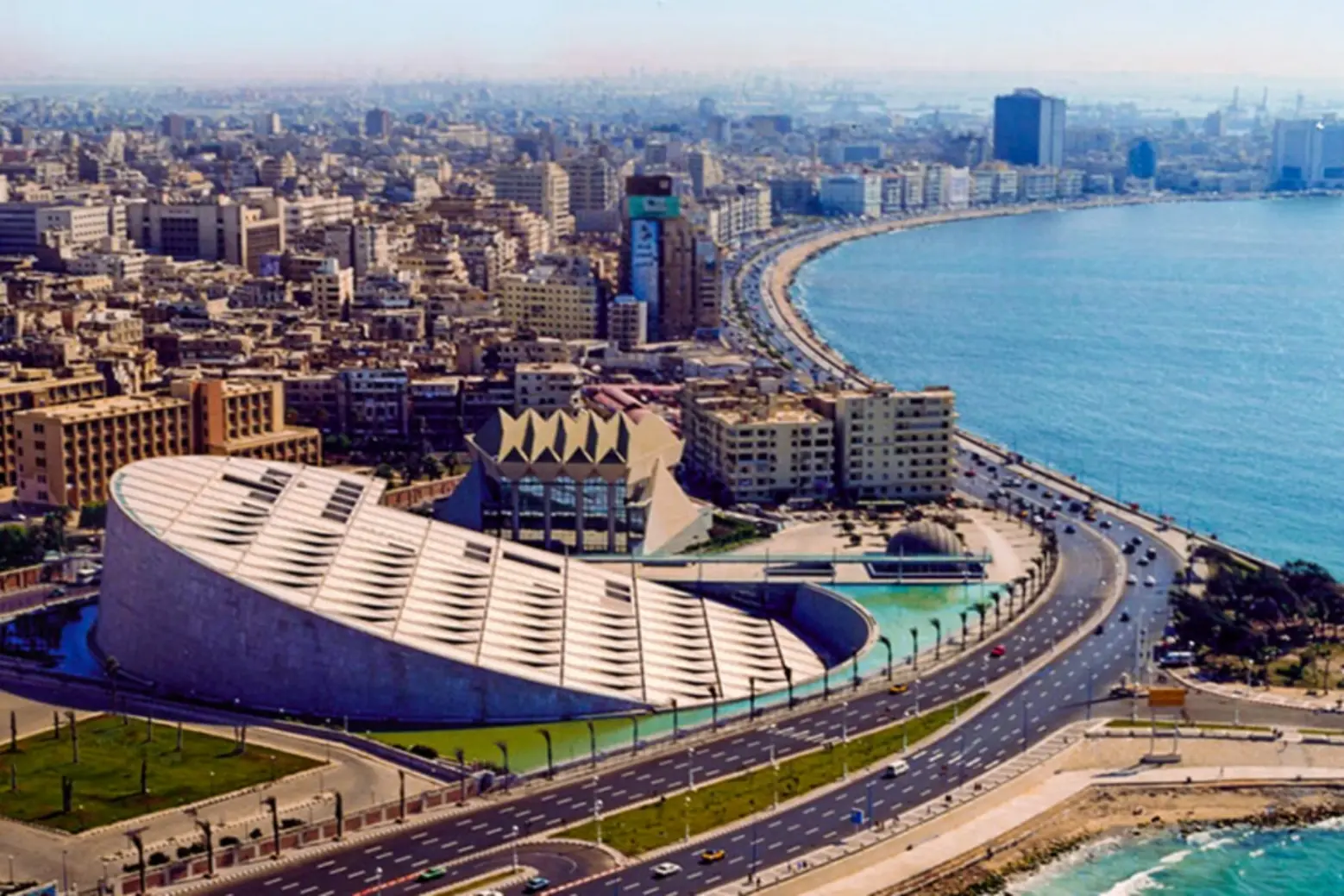
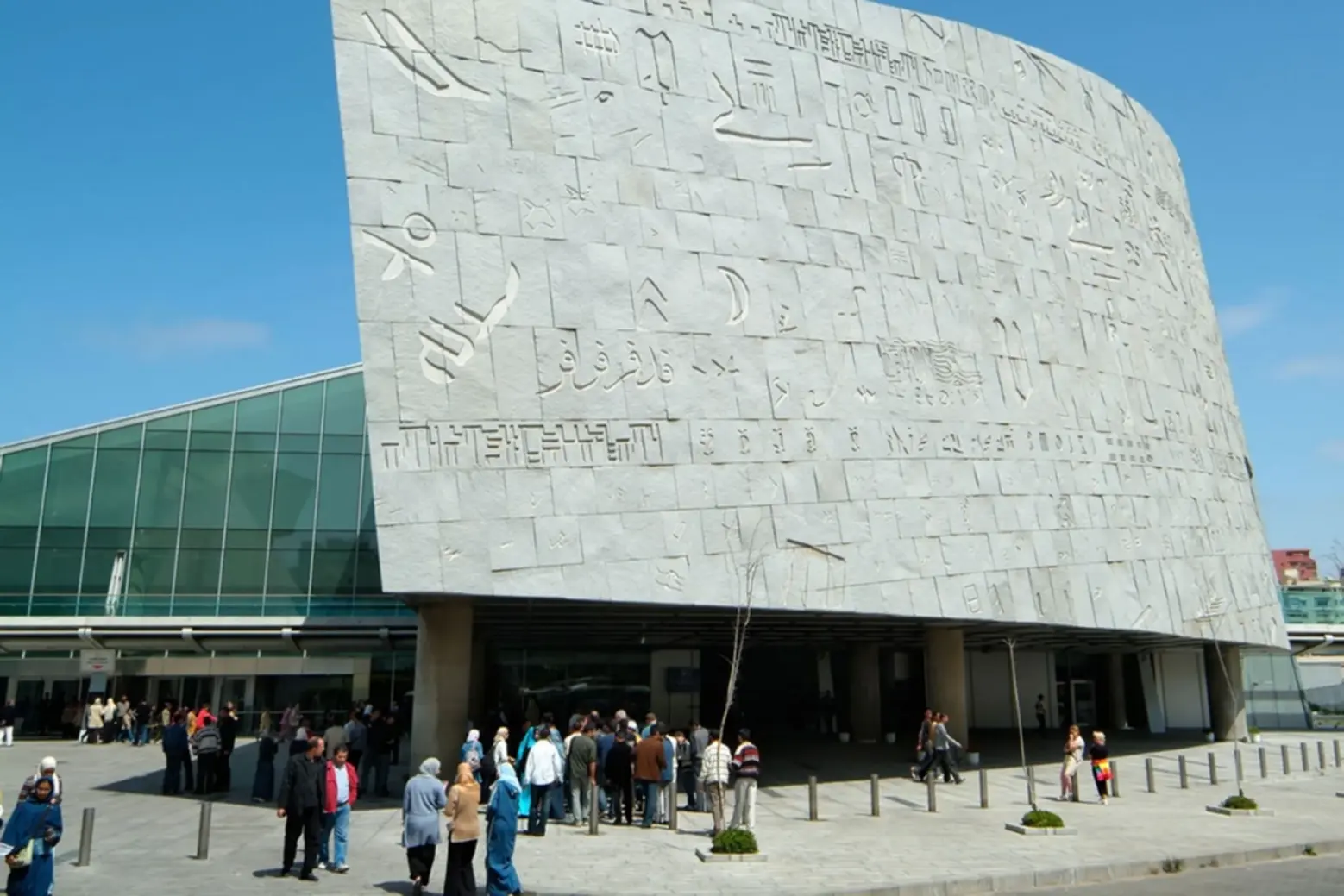
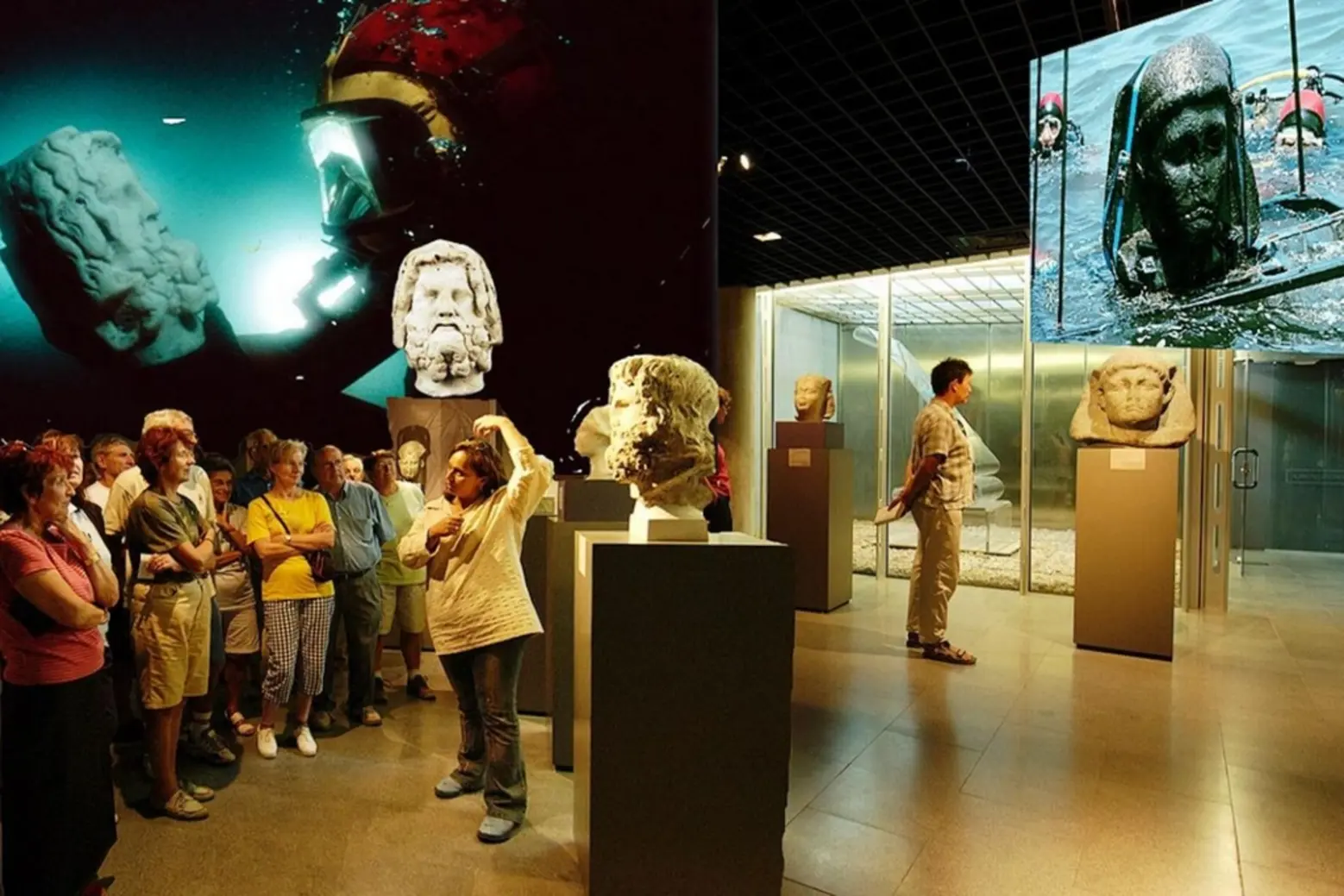
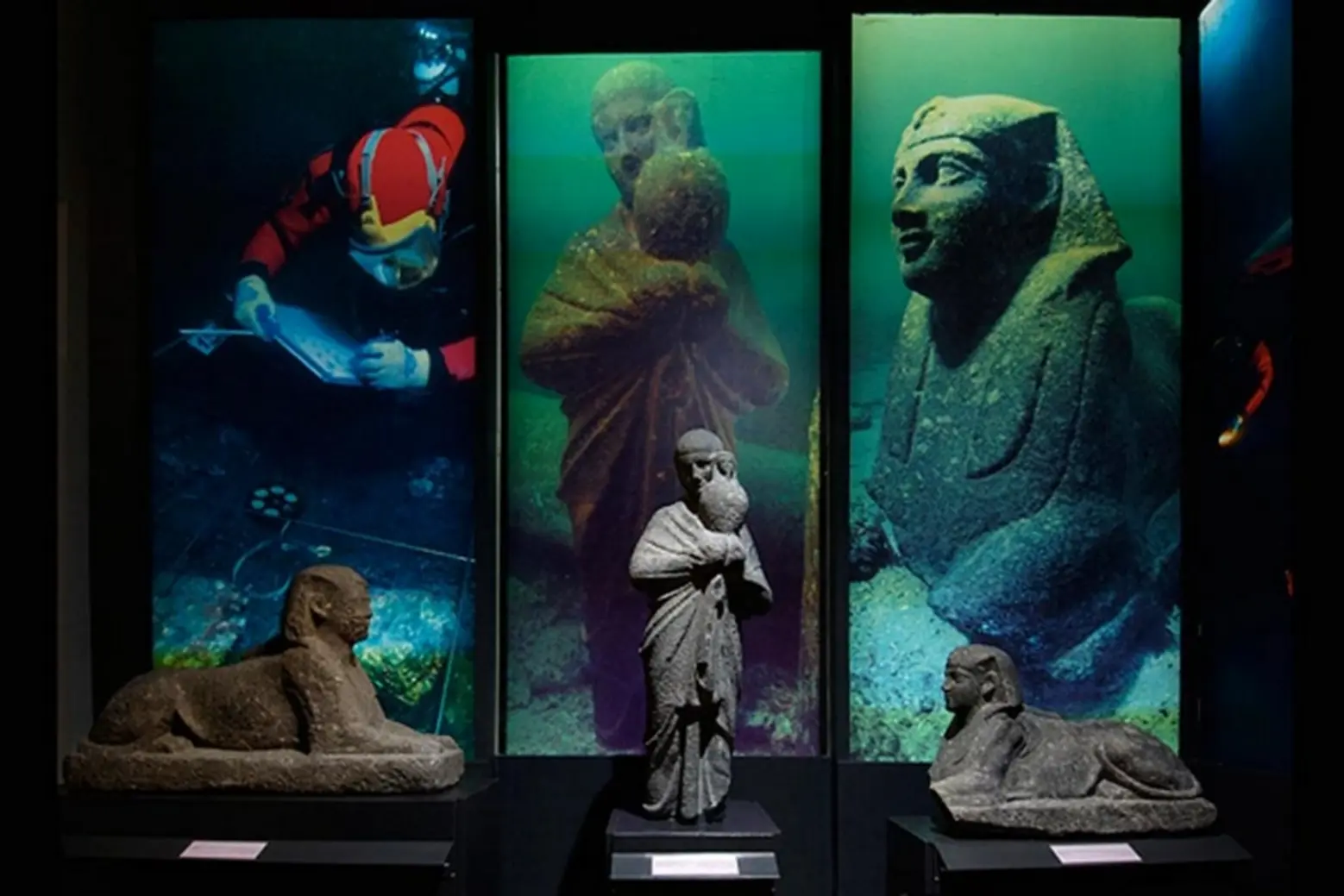
The institution rewards the symbolism. The Bibliotheca includes four museums, among them the Manuscripts Museum and the Antiquities Museum, and UNESCO has described the wider project as a revival of memory rather than a literal reconstruction of antiquity. That distinction matters. Alexandria’s greatness has never depended on simple restoration. Its gift lies in transformation. Ruins become fortresses. Lost libraries become sun-discs. Memory becomes contemporary architecture without losing its ache.
Luxury travelling in Alexandria stays close to patina. The Four Seasons at San Stefano delivers modern resort polish with private balconies, a private 500-metre sandy beach, and a full spa, giving the city its cleanest expression of contemporary Mediterranean glamour. Yet the heritage hotels carry the richer emotional charge. The Steigenberger Cecil, open since 1929, remains one of the city’s emblematic stays, a port-facing address whose appeal comes from history worn elegantly. Le Metropole, founded in 1902, still trades on Belle Époque atmosphere and European architectural memory. Windsor Palace, transformed into a hotel in 1906, offers the Corniche from a height that makes sunset feel ceremonial.
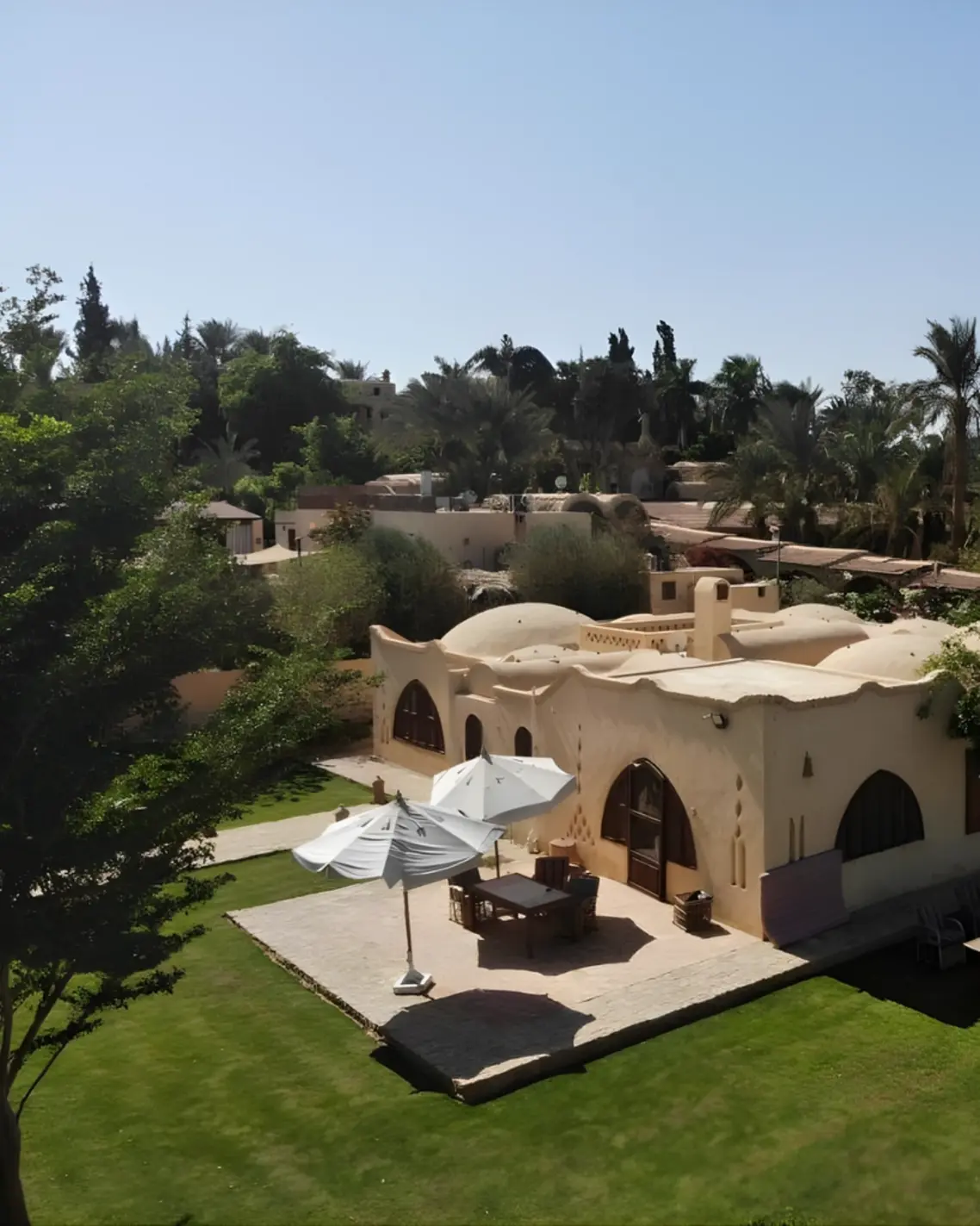
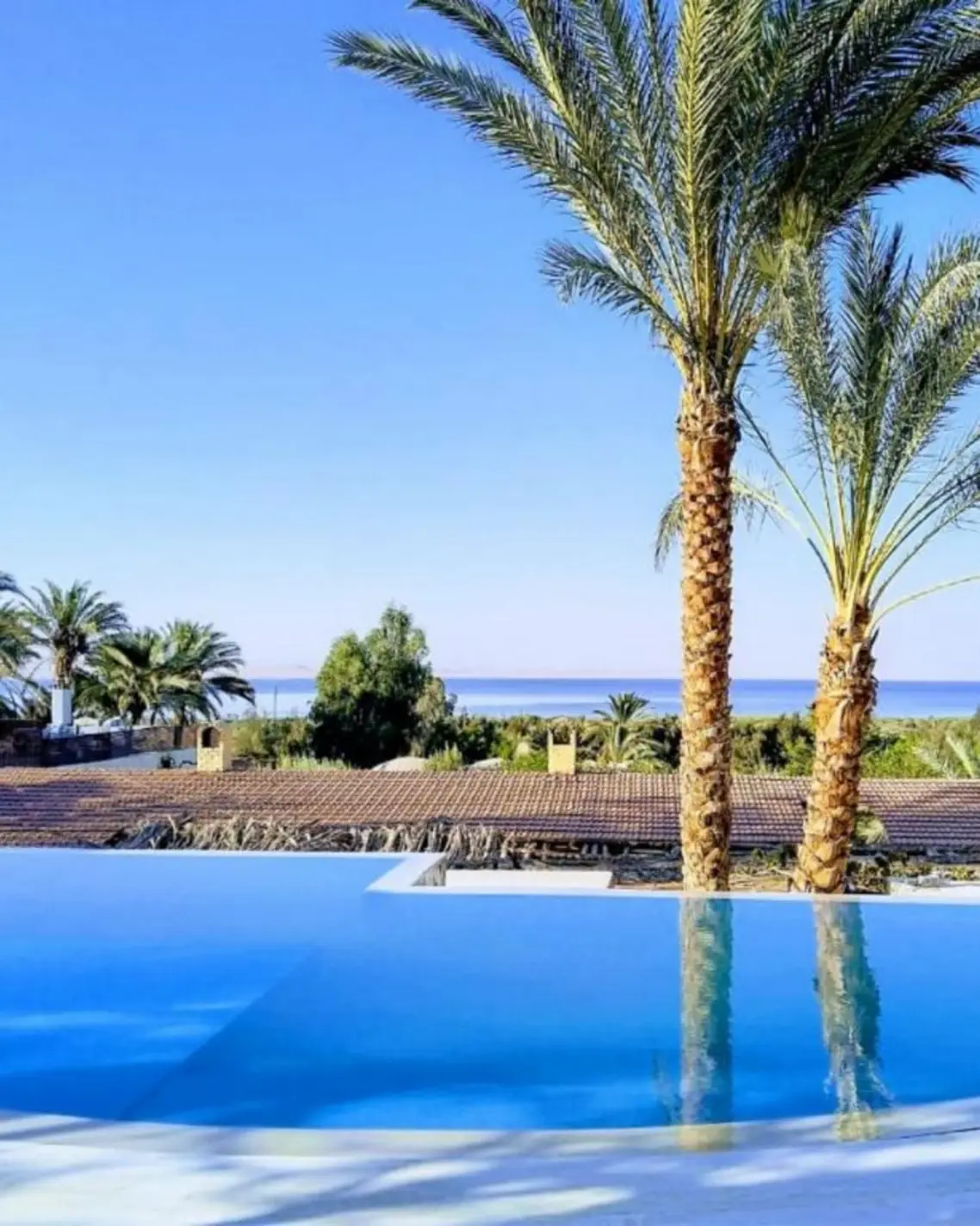
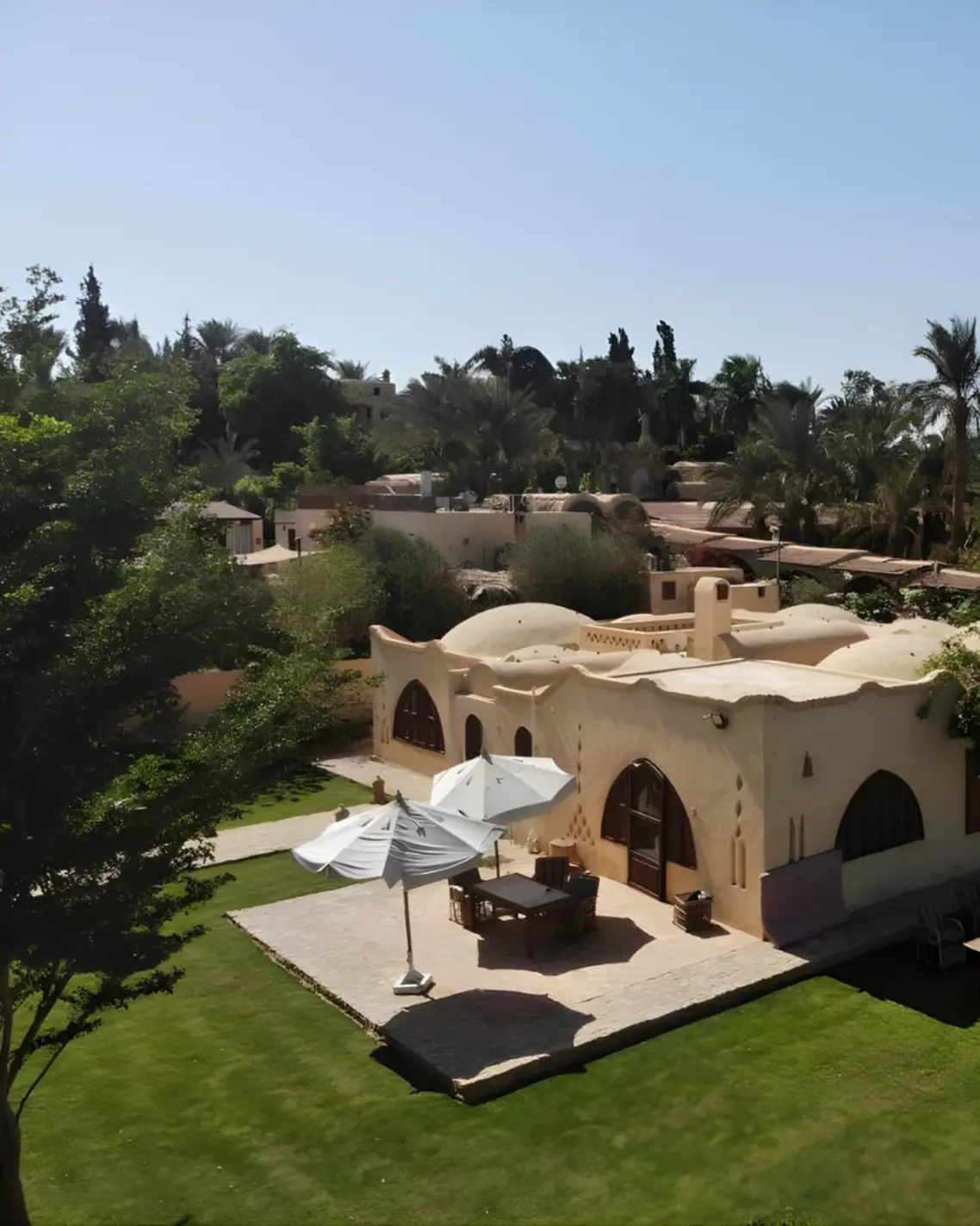
In Tunis Village, Kom El Dikka Agri Lodge offers a serene lakeside escape with a private beach area, beachfront setting, infinity pool, sun terrace, and lush garden that invites long, unhurried hours of rest. Guests can lounge by the water or dine at its family-friendly restaurant, where Italian, Mediterranean, Middle Eastern, international, and barbecue dishes shape a varied menu. Nearby in ‘Izbat an Nāmūs, Tunis Castle presents a more expansive stay through a four-bedroom, four-bathroom villa, complete with a spacious garden, terrace, and bar designed for both relaxation and easy entertaining.
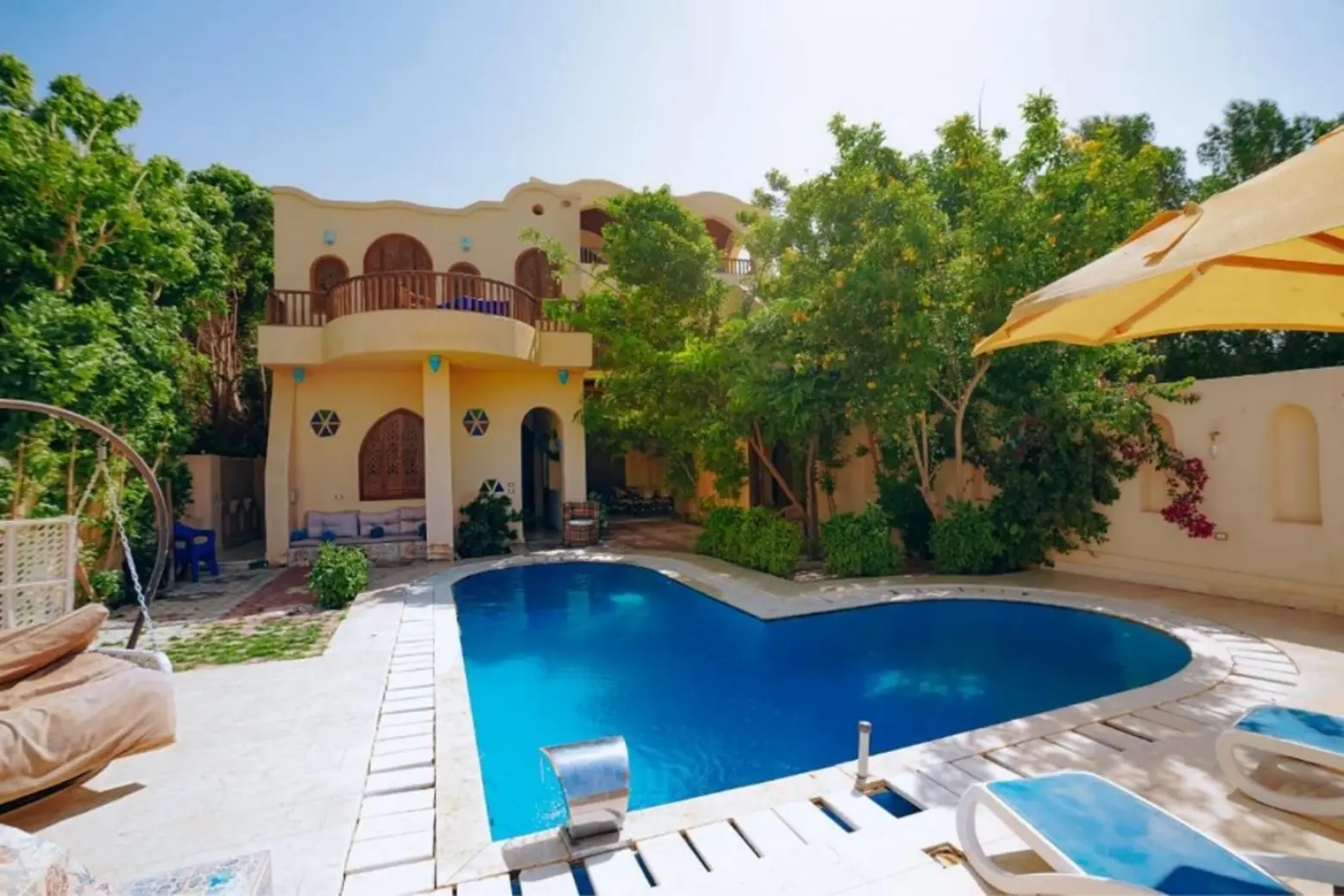
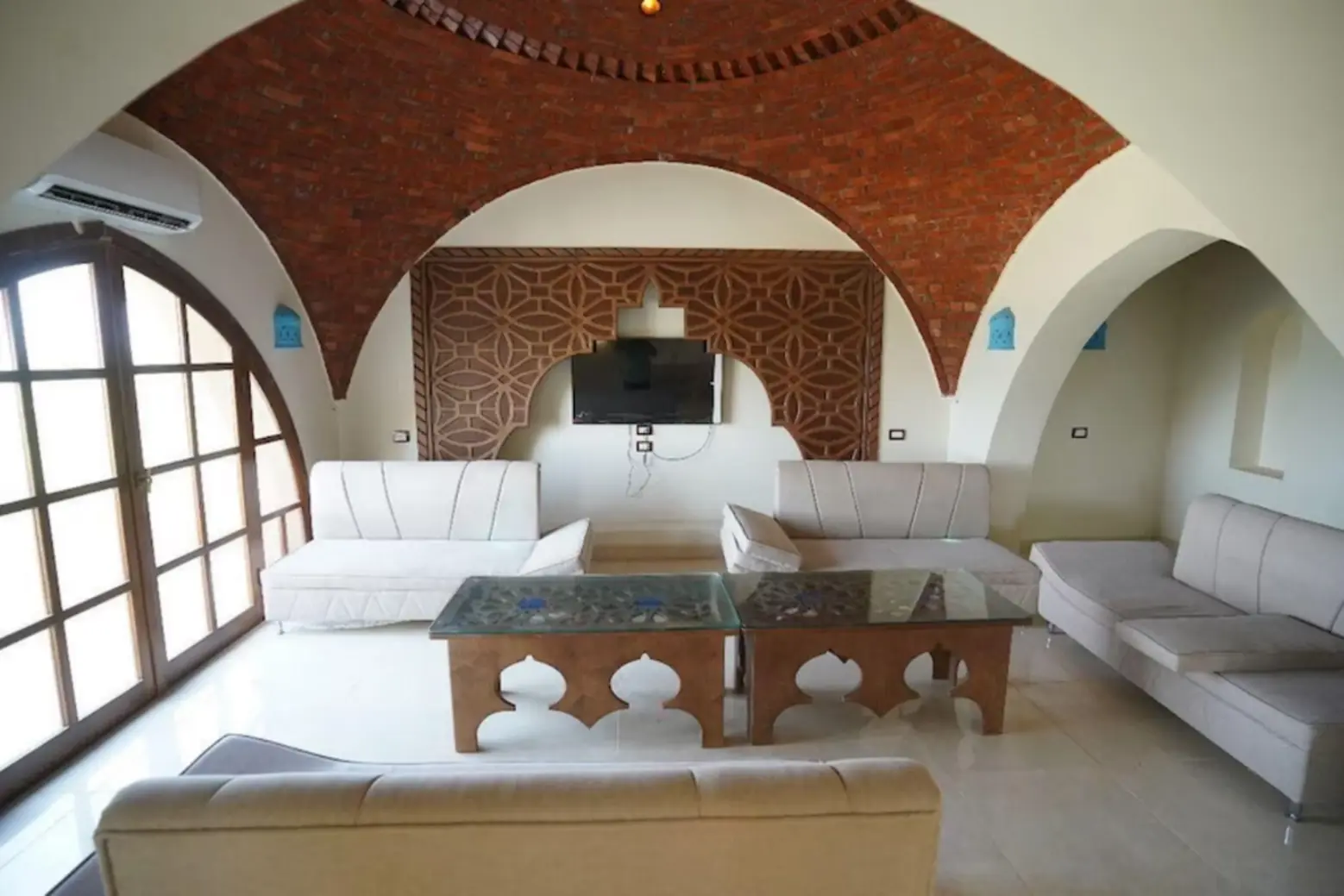
This is what makes Alexandrian luxury travelling feel different from the louder codes of beach destinations elsewhere. The city prefers character to spectacle. Its pleasures unfold through old elevators, sea-view breakfast rooms, rooftop lights, polished wood, handwritten menus, and the feeling that some vanished century still lingers in the corridor. Even when the surroundings are updated, Alexandria keeps a faint grain of nostalgia at the finish. That grain is the point.
If Cairo dazzles through scale, noise, monumentality, and the sheer drama of a civilization speaking in many voices at once. Alexandria seduces in a lower register. Its beauty comes softened by the mist of the Red Sea, worn limestone, old facades, and the intimate elegance of a city that carries memory like perfume on fabric.