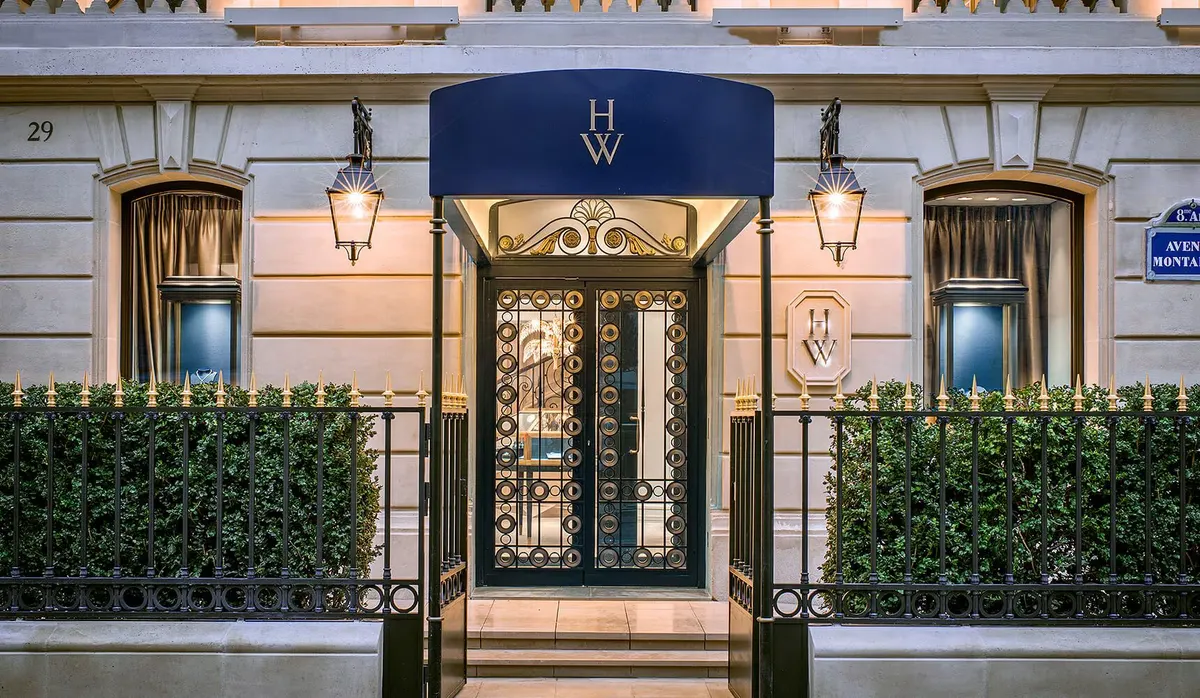





On December 4, 2008, four armed men, three of them dressed as women, walked into a Paris jeweller and left with jewels declared at €85 million. The Harry Winston heist set a record in France, and the boutique would be robbed again. What did it take to empty those vitrines in a quarter of an hour, and where did the jewels go?
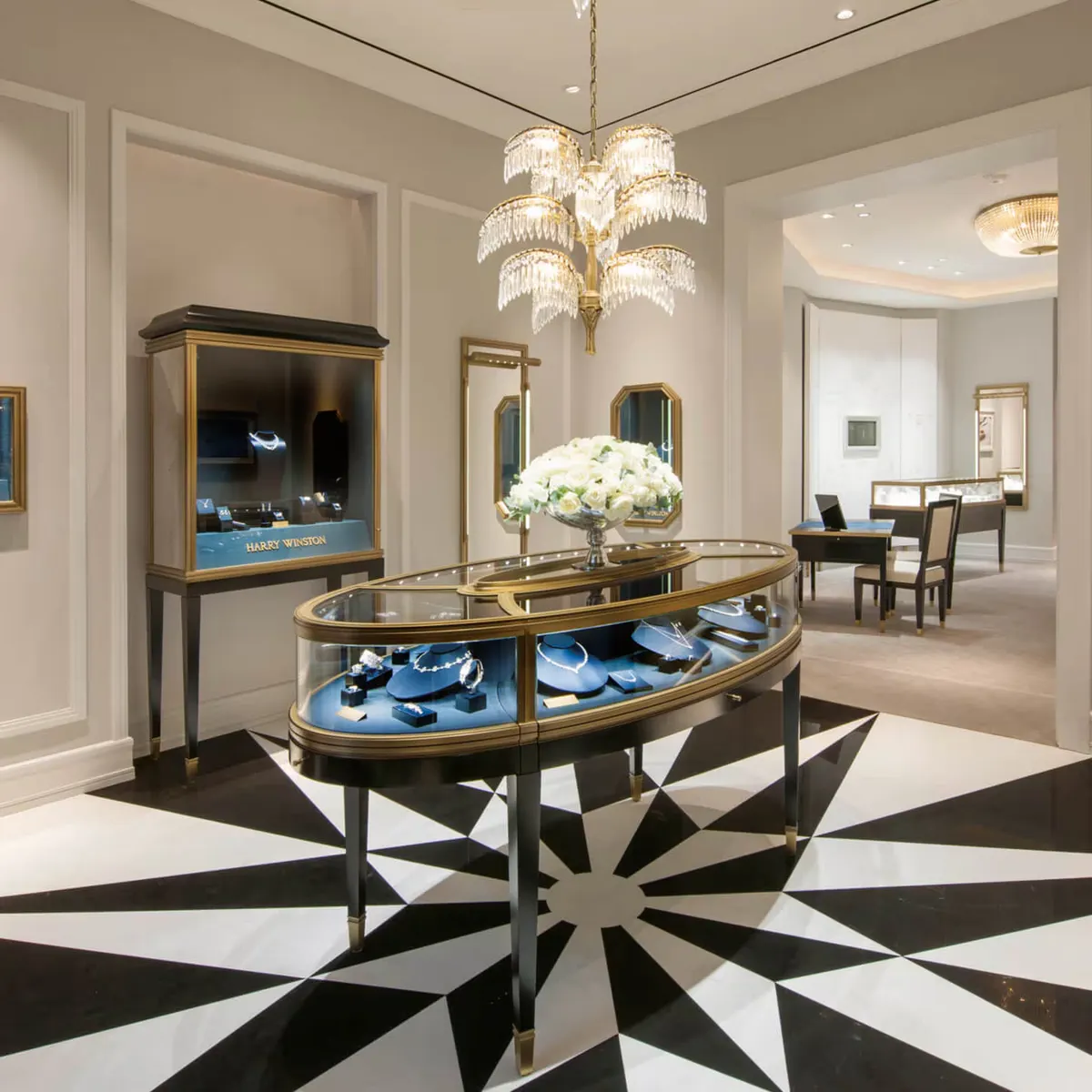
Harry Winston Heist: One Store, Three Robberies
On December 4, 2008, four armed men, three of them dressed as women, walked into a Paris jeweller and left with jewels declared at €85 million. The Harry Winston heist set a record in France, and the boutique would be robbed again. What did it take to empty those vitrines in a quarter of an hour, and where did the jewels go?
December 4, 2025


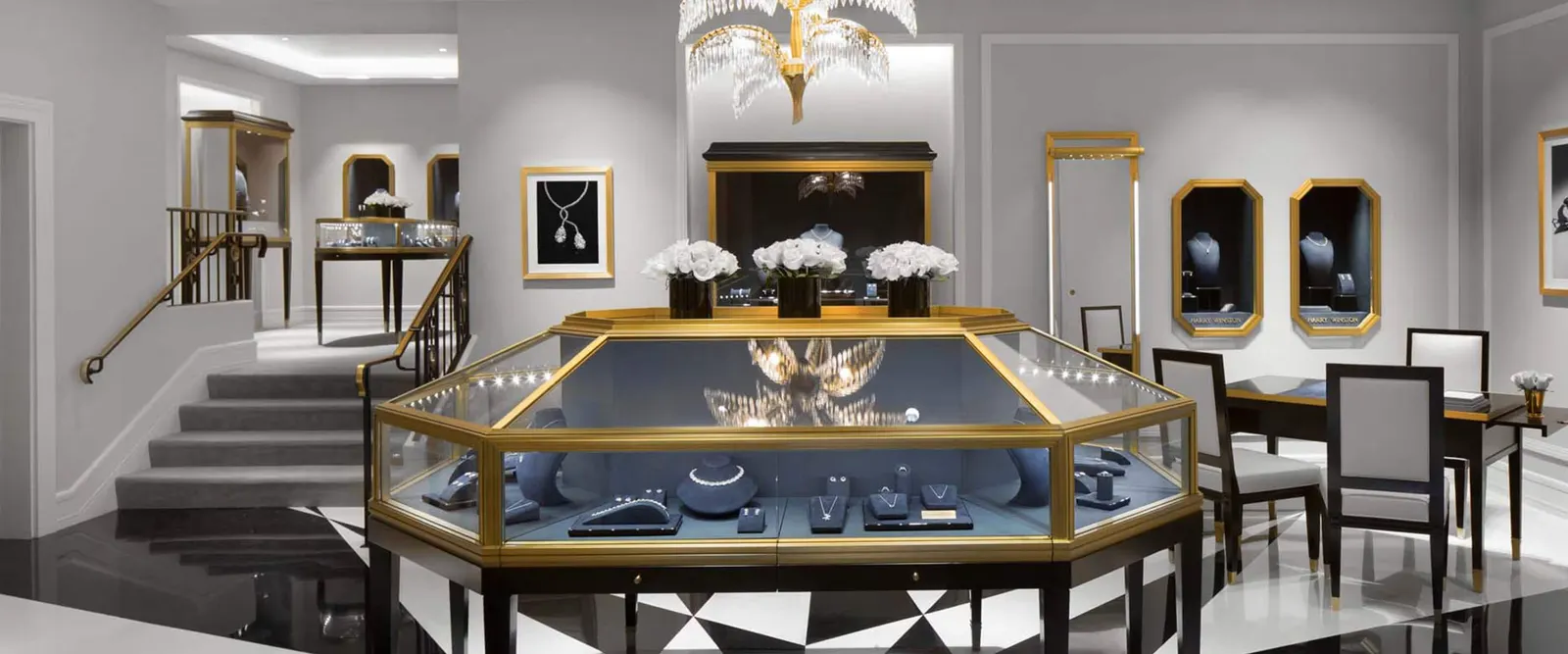
On the afternoon of December 4, 2008, deep in the Christmas shopping season, the Paris boutique of Harry Winston, the house founded by the King of Diamonds, was about to close early. Four armed men came in through the front door on Avenue Montaigne, three of them in wigs and women's clothes. About a quarter of an hour later they were gone, and the Harry Winston heist had become the largest jewel theft ever committed in France.
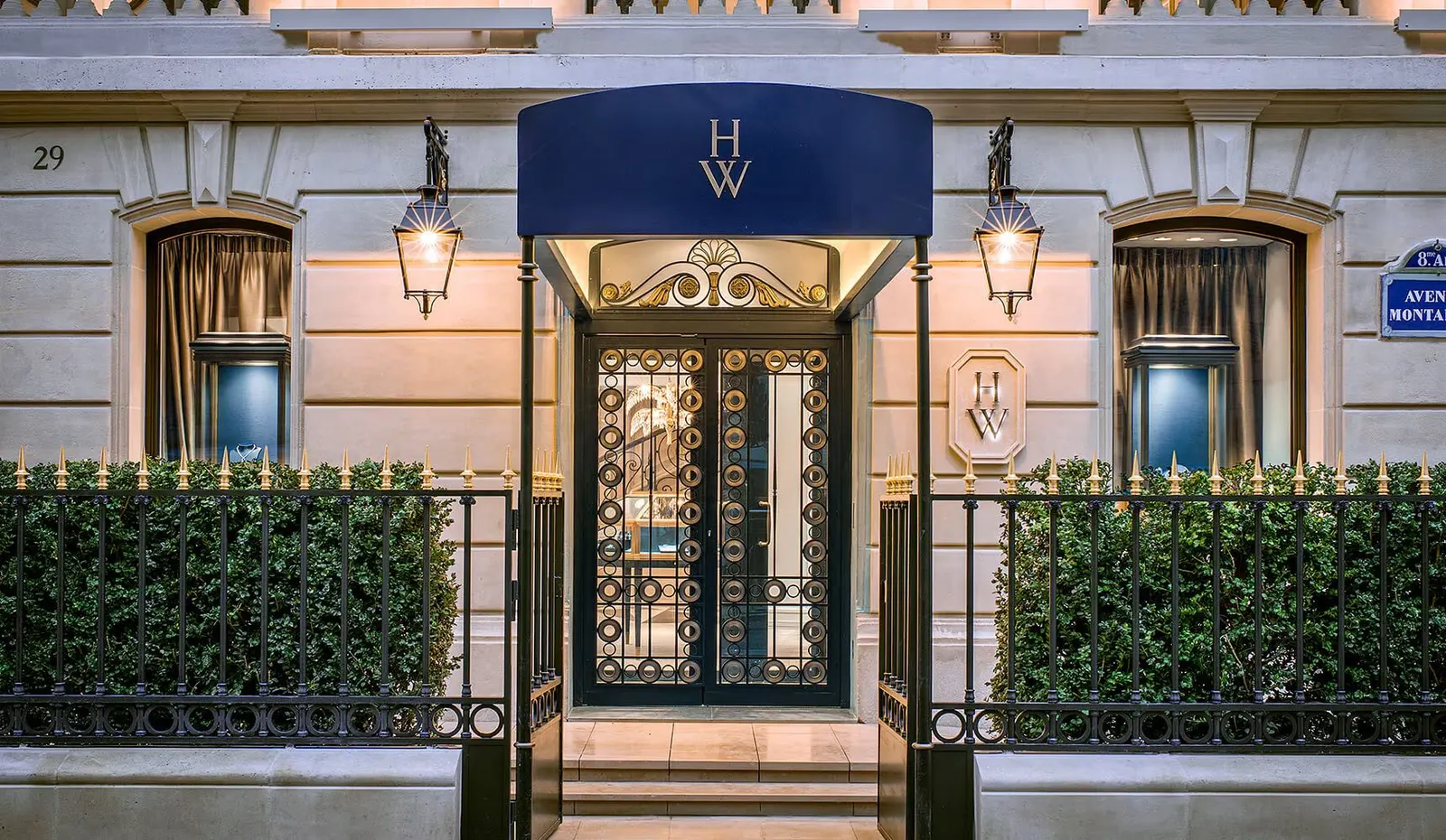
The gang knew what it had come for. Police said at least two of the robbers called staff by their names, and they went straight to the display cases, sweeping diamond rings, necklaces and luxury watches into their bags. Around fifteen employees were threatened, and some were struck on the head with pistols, a detail some retellings of a bloodless caper leave out. Harry Winston declared the loss to its insurers at €85 million, about $108 million at the time.
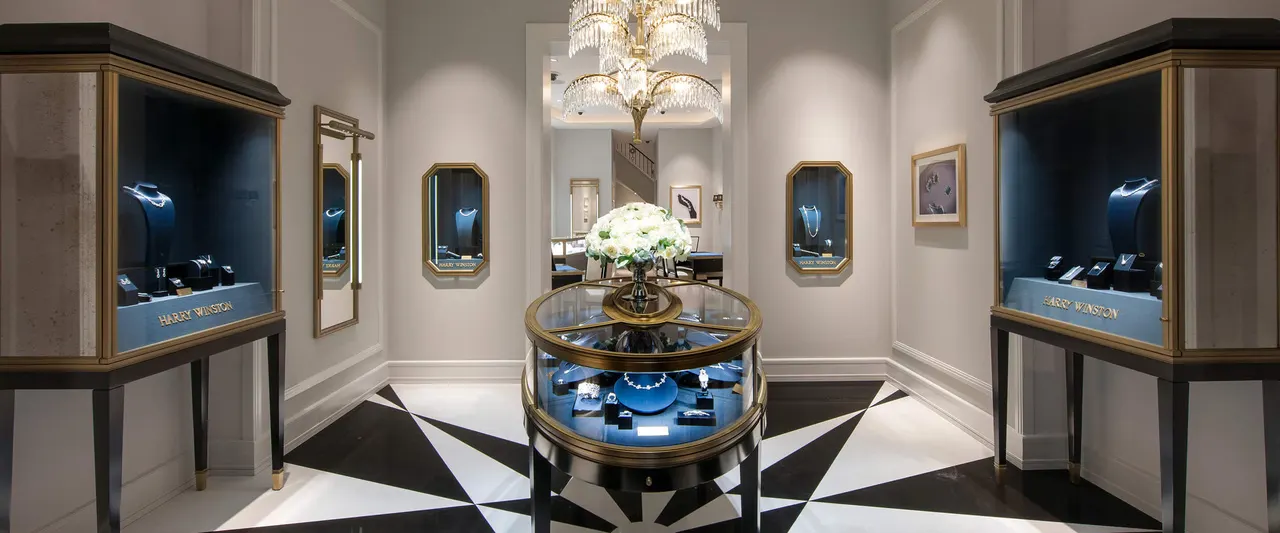
The question was where that knowledge came from. Investigators traced it to Mouloud Djennad, a security guard at the boutique, who was accused of telling the gang how much merchandise the store held. It was also the second raid on the same address. In October 2007, men dressed as building painters had come in through the service entrance and forced staff to open the safes. When the case finally reached court, the two robberies were tried together, and Djennad stood in the dock beside the men accused of carrying them out.
The jewels surfaced slowly. In June 2009, police detained 25 people around Paris and recovered some of the rings, necklaces and watches. In March 2011, investigators dug a plastic container set in cement out of a drain at a house in Seine-Saint-Denis. Inside were 19 rings and three pairs of earrings worth about €18 million. One pair of earrings alone was valued at €14 million, roughly a sixth of the entire declared haul. In 2015, a Paris court convicted eight men and gave the longest sentence, 15 years, to the alleged ringleader, Douadi Yahiaoui.
The boutique was hit again on May 18, 2024, when armed robbers forced their way in with a motorbike and left with jewels worth several million euros. Paris had already seen force of that kind in January 2018, when a gang swung axes at the display cases of a jewellery shop inside the Ritz Paris. December 2008 belongs to a different category of risk. The robbers used what a high jewellery salon exists to offer: a welcome at the door, names remembered, the finest stones brought within reach. That intimacy is what the client pays for, and it is also the opening. No vitrine protects a house from someone who already knows the room.
Much of what left Avenue Montaigne that December afternoon has never been found. The Harry Winston heist ended in verdicts, yet its most telling detail is still the way the gang arrived: as every client does, through the front door.