MENU
Close





On December 8, 1978, the world mourned Harry Winston, a man whose name became synonymous with diamonds not merely as gemstones, but as living expressions of history, romance, and power.
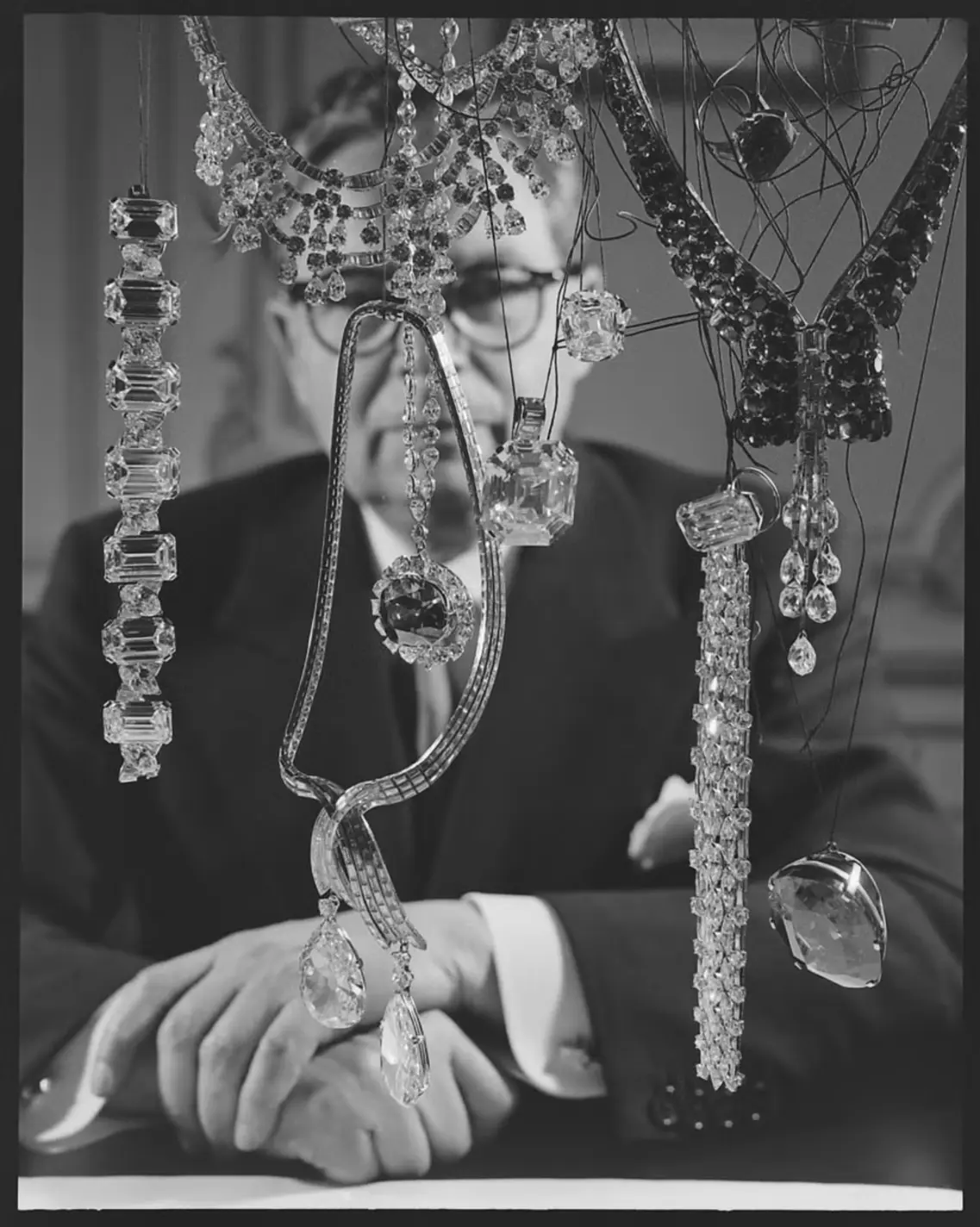
On December 8, 1978, the world mourned Harry Winston, a man whose name became synonymous with diamonds not merely as gemstones, but as living expressions of history, romance, and power.
December 8, 2025


More than a jeweler, Winston was a visionary who redefined what high jewelry could represent in the modern world. His death marked the end of a life that reshaped luxury forever, yet his influence continues to sparkle across generations.
Born in 1896 to immigrant parents in New York City, Harry Winston displayed an almost mythic instinct for gemstones from an early age. Legend has it that he recognized the value of a discarded emerald at just twelve years old, selling it two days later for a profit that hinted at the career to come. This intuitive understanding of stones, their character, their potential, and their destiny became the foundation of his empire.
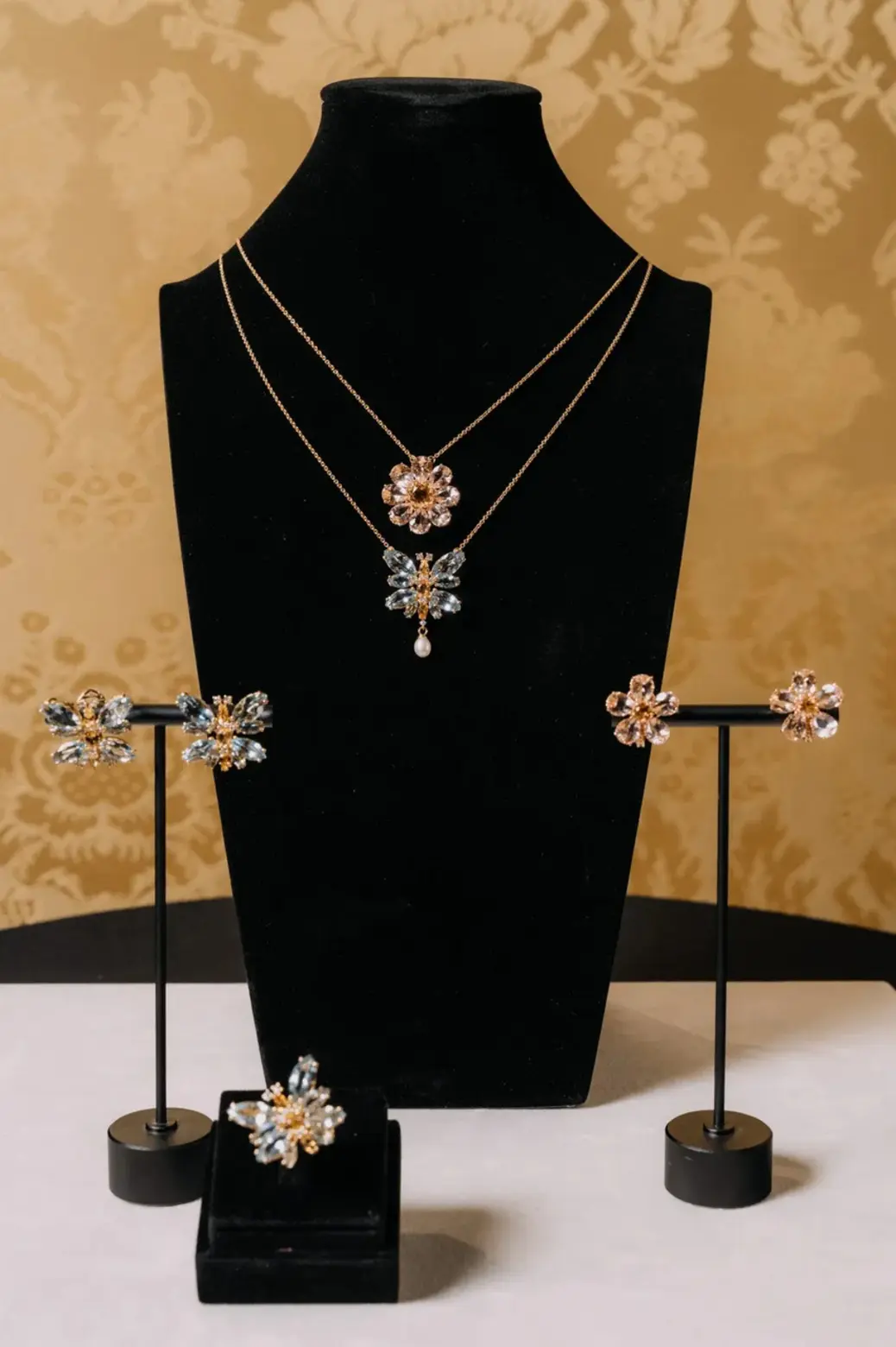
Winston’s genius lay not only in acquiring extraordinary gems, but in liberating them. At a time when diamonds were often imprisoned in heavy, ornate settings, he pioneered a lighter, more fluid approach that allowed stones to float, breathe, and command attention on their own terms. His designs shifted the focus from metal to gemstone, establishing a new visual language for modern high jewelry that remains influential today.
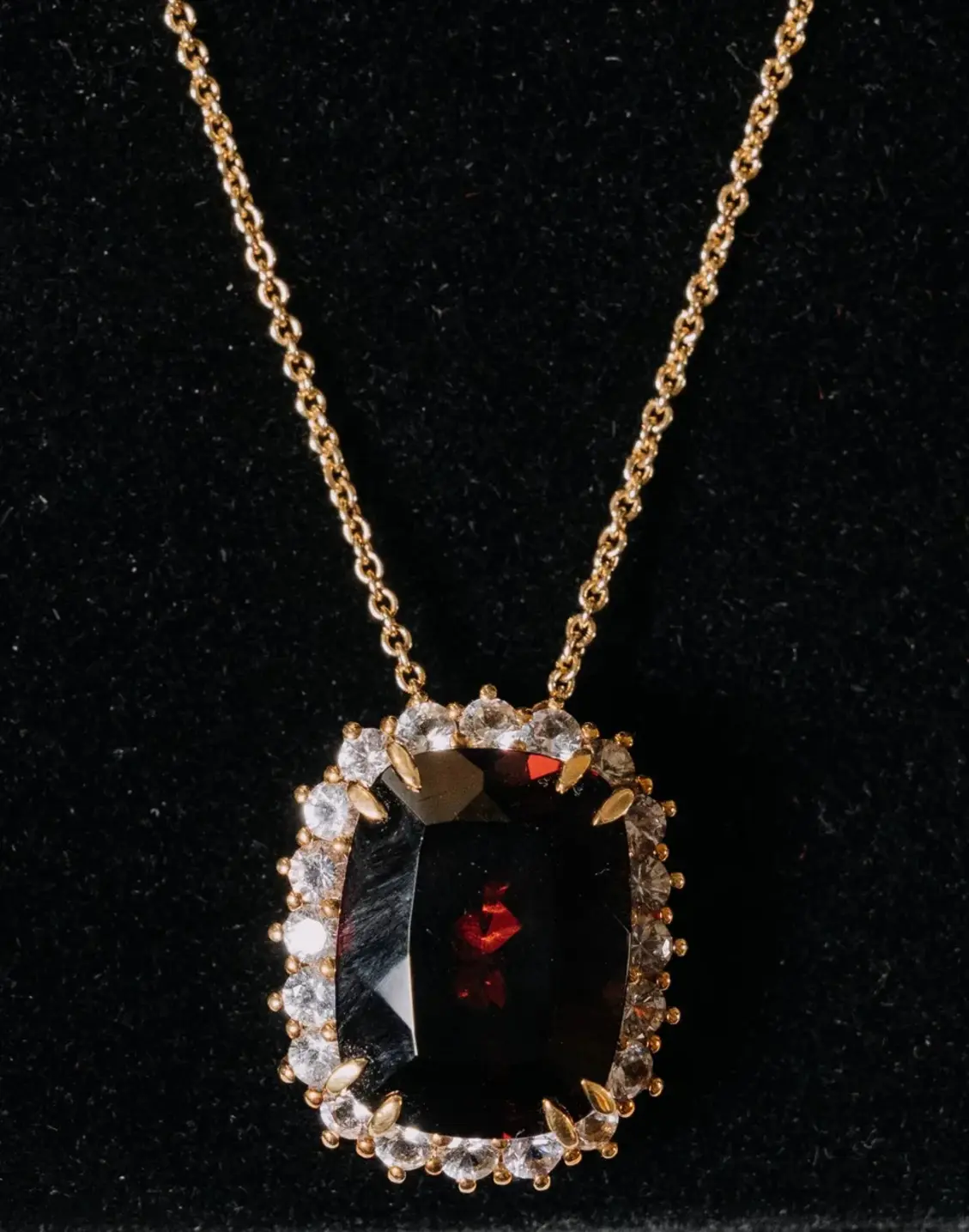
He was also a master storyteller. Winston famously owned, restored, and reintroduced some of the world’s most legendary diamonds, including the Hope Diamond, which he later donated to the Smithsonian Institution. This gesture alone transformed public access to rare gems, reframing them not as private trophies, but as shared cultural heritage. It was an act that revealed Winston’s belief that beauty should inspire wonder, not exclusivity.
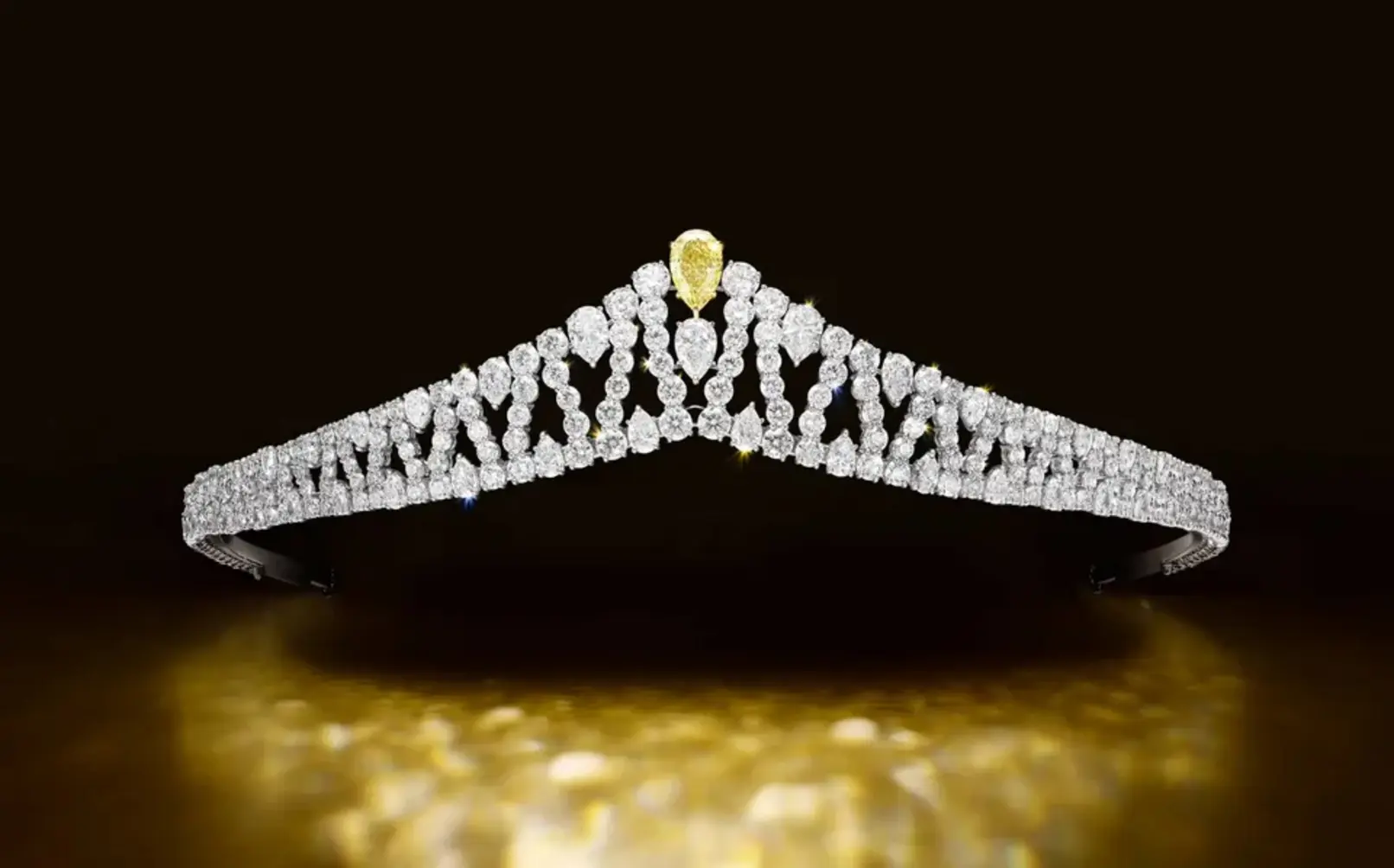
Hollywood quickly understood his power. From red carpets to royal courts, Harry Winston jewels became symbols of aspiration and elegance, worn by film stars, socialites, and heads of state alike. Yet behind the glamour was a disciplined connoisseur, deeply respectful of craftsmanship, provenance, and restraint.
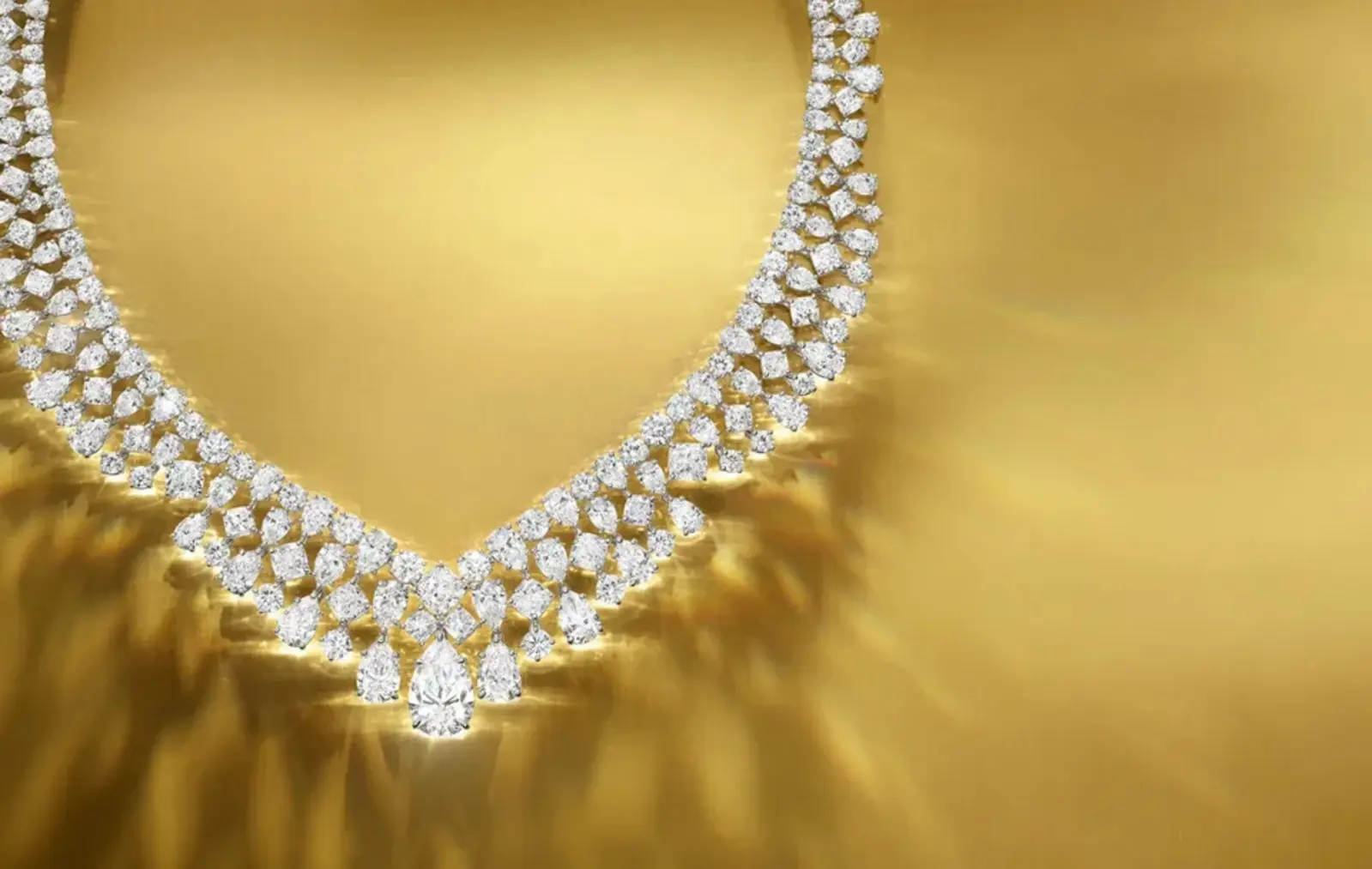
Harry Winston did not simply sell diamonds. He elevated them into icons, each stone treated as a singular voice rather than a commodity. On the anniversary of his death, his legacy endures in every perfectly balanced setting, every daringly pure silhouette, and every moment when a diamond speaks without saying a word.