MENU
Close





Glenn Spiro lets the stone decide. Inside his private world of high jewelry, rare gems meet titanium, antique objects and ingenious mechanics, creating jewels that can flutter, unfold and hide secrets.

Glenn Spiro lets the stone decide. Inside his private world of high jewelry, rare gems meet titanium, antique objects and ingenious mechanics, creating jewels that can flutter, unfold and hide secrets.
October 1, 2026


Glenn Spiro's career begins with a story that sounds almost too good to survive fact-checking.
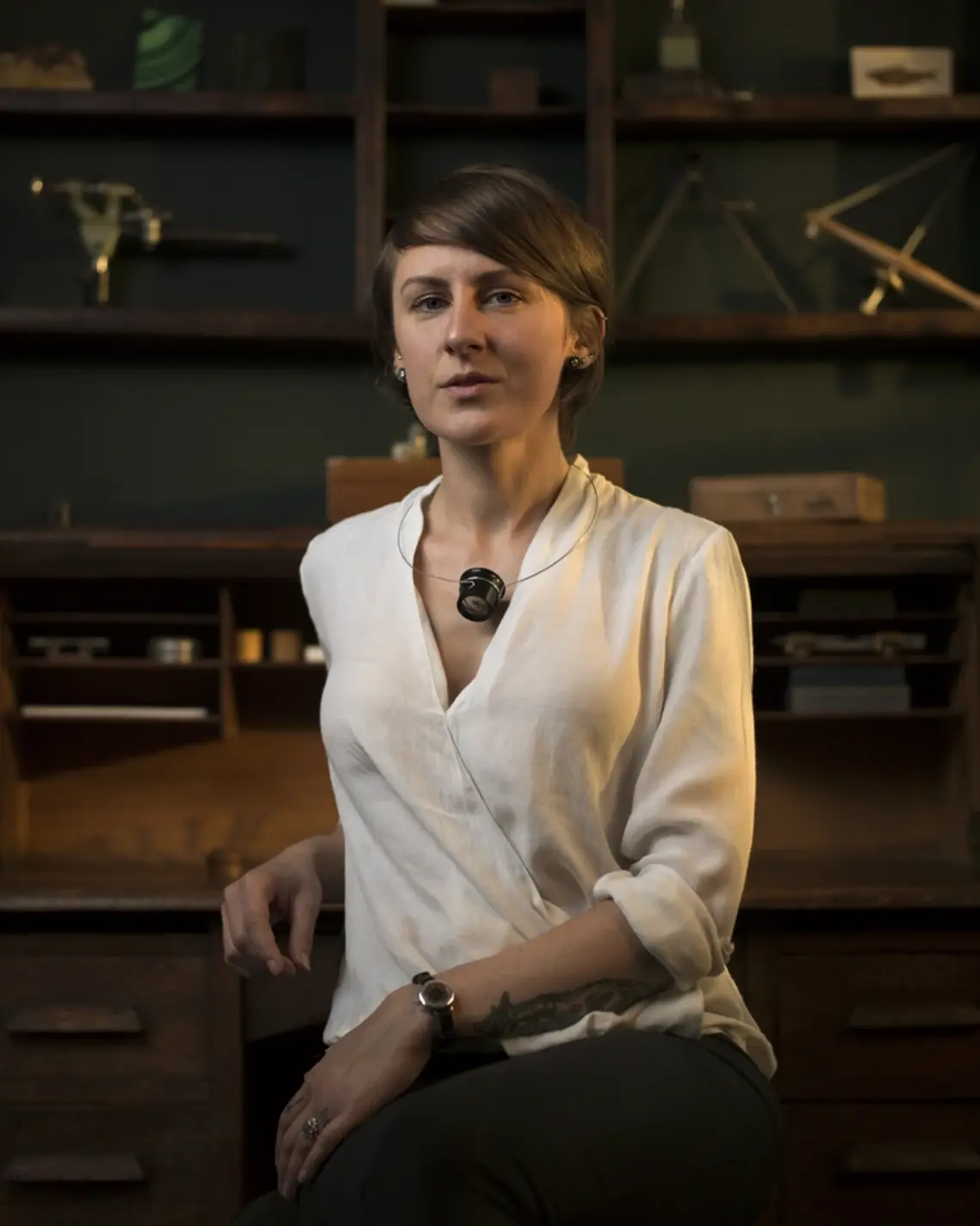
Growing up in East London, he left school young and served tea at a workshop owned by Cartier. Spiro has recalled that part of his training involved cutting the profile of the Queen from a coin with a single saw blade. He remained there for roughly eight or nine years and became a master jeweler before spending additional time in Hatton Garden and eventually establishing his own workshop.
It matters that Spiro started at the bench. Many contemporary jewelry designers understand objects primarily through sketches, creative direction and gemstone selection. Spiro's first education was in what metal will physically tolerate. That technical literacy later collided with another education: the market.
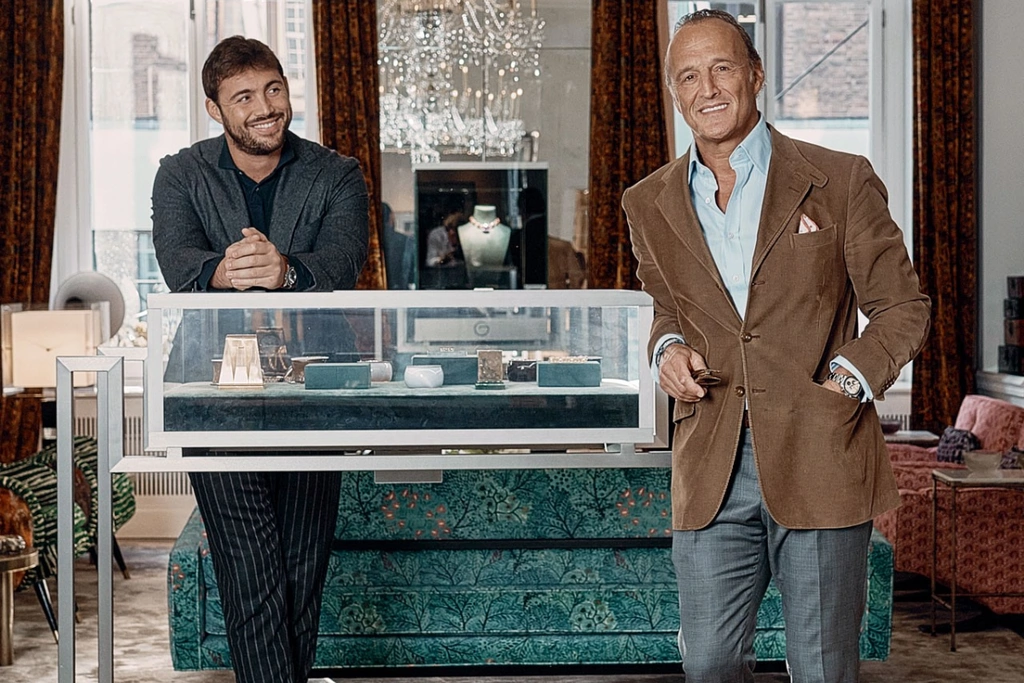
During the 1990s and early 2000s he worked at Christie's as a senior jewelry specialist, sharpening an eye for exceptional stones, provenance and the strange psychology that separates a merely expensive gemstone from one collectors will pursue obsessively.
That combination, maker and dealer, explains almost everything about G.
Spiro frequently describes the stone as the beginning of the design.
The house's own philosophy is refreshingly unsentimental: the gems are nature's achievement, and the setting exists to respond to them. Its current work includes Colombian emeralds mounted with carved wood, diamonds paired with cocobolo, ancient gold with contemporary settings, Paraíba tourmalines in titanium and a Janus head carved from smoky quartz.
The important word is not precious. It is interesting. That distinction frees Spiro from the hierarchy that traditionally governs high jewelry. Gold does not automatically outrank wood. Platinum does not automatically make an object more sophisticated than titanium. A 3,000-year-old ceramic fragment can become the conceptual center of a jewel even when diamonds surround it.

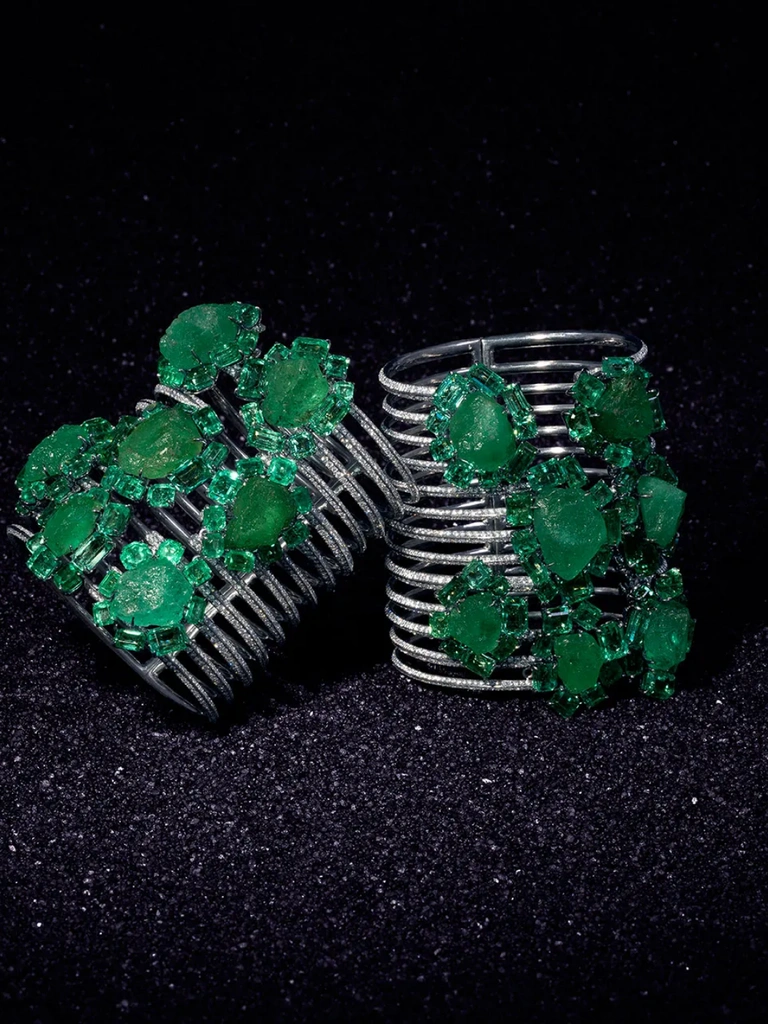
This is where his work becomes more provocative than the familiar description "bold jewelry" suggests. Spiro is effectively questioning what the value of a jewel is made from. Sometimes it is geology. Sometimes craftsmanship. Sometimes antiquity. Sometimes engineering. Sometimes the story of how an object was found.
The greatest luxury in a G jewel may simply be that another one cannot be ordered.
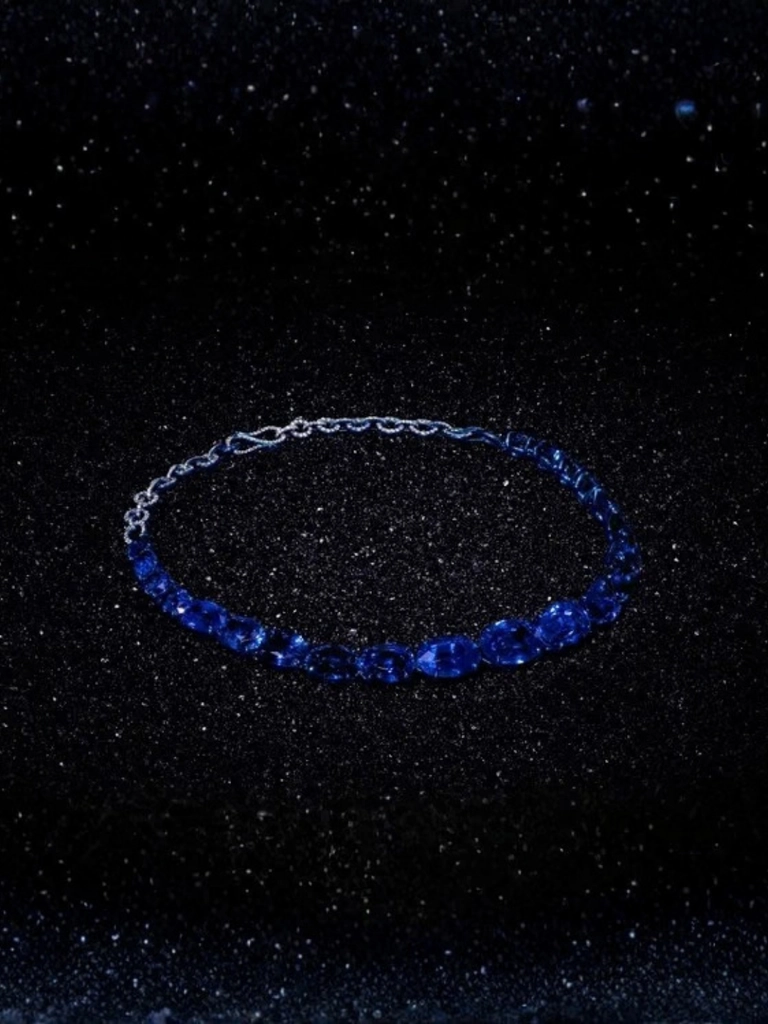

Titanium has become an important material in contemporary high jewelry partly because it solves a basic physical problem: scale usually creates weight.
Titanium is strong and unusually light compared with conventional precious metals, allowing jewelers to build larger structures without forcing the wearer to carry the equivalent volume in gold or platinum. It can also be anodized into intense metallic shades through controlled oxidation, producing blues, greens, browns and other colors without conventional surface paint. For Spiro, those properties are aesthetic tools.
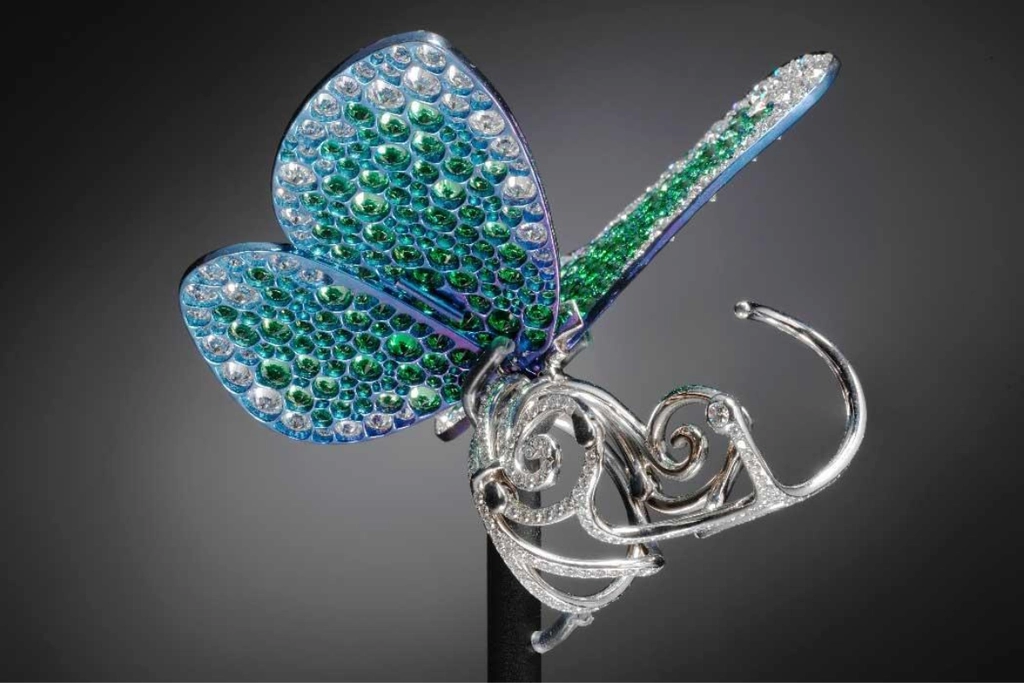
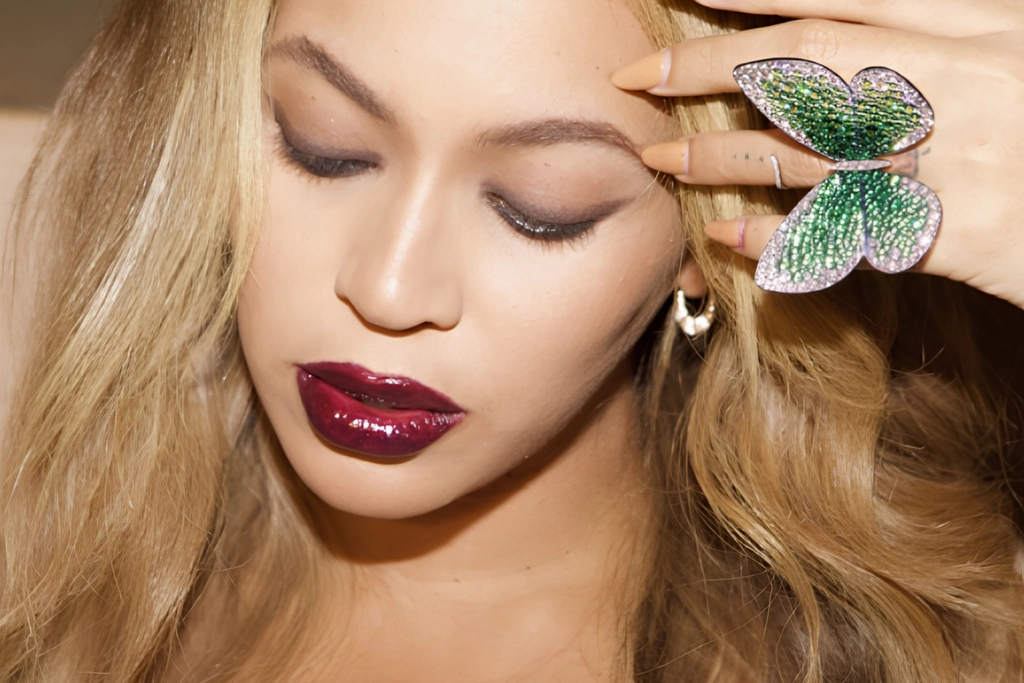
The most famous example is the Papillon ring, created in 2014 for Beyoncé. Four titanium butterfly wings are covered with tsavorites and diamonds, but the important part is hidden beneath the gemstones: a spring mechanism allows the wings to flutter when the hand moves. Beyoncé later gave the ring to London's Victoria and Albert Museum, where it entered the permanent jewelry collection.
The movement changes the object completely.
Butterfly jewelry has existed for centuries. Spiro's butterfly tries to imitate the thing that makes a butterfly difficult to turn into jewelry in the first place: instability.
When Spiro formally established G in 2014, he had already spent decades designing, making and supplying jewelry behind the scenes. Since 2016, the London house has operated from 26 Bruton Street, in rooms formerly occupied by royal couturier Sir Norman Hartnell, the designer of Queen Elizabeth II's coronation dress.
The location could hardly contain more British fashion history, yet G's commercial model is deliberately intimate.


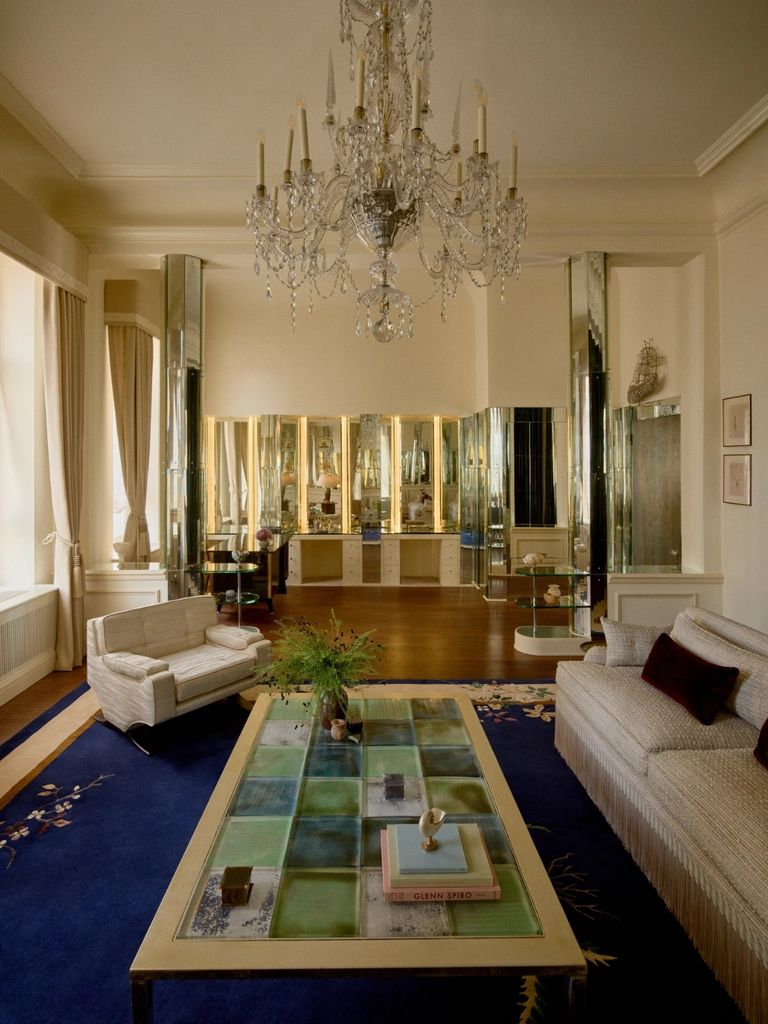
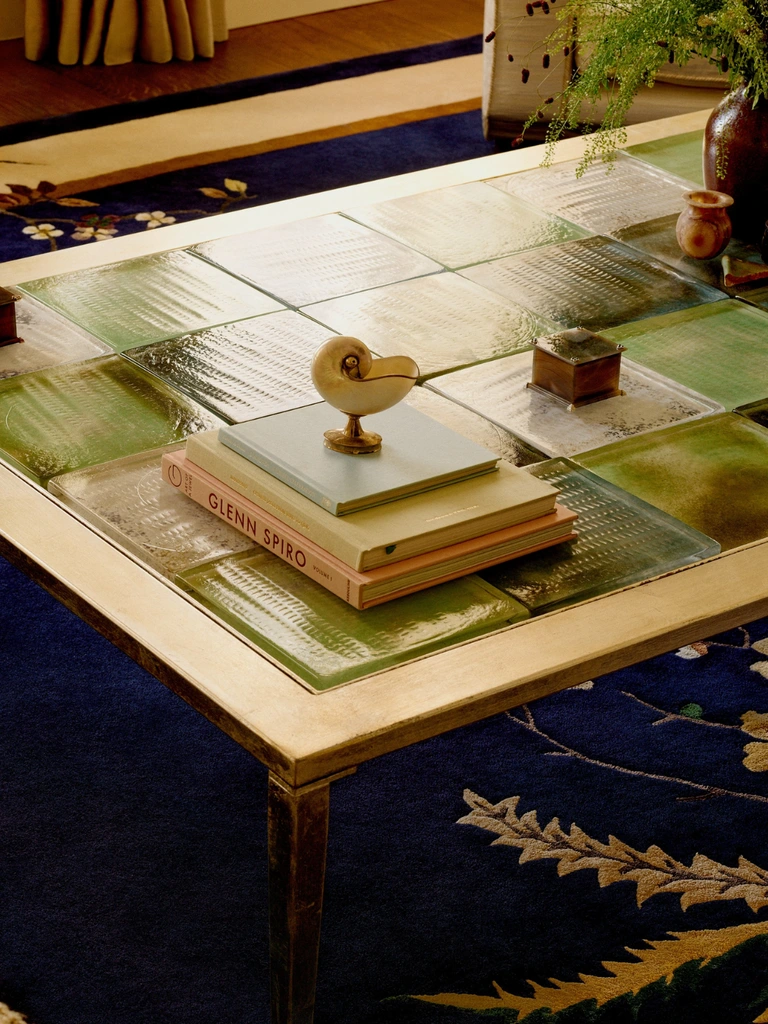
The London atelier operates by appointment. The house now has a broader international footprint, including Saint-Tropez, Saint Barthélemy and a New York presence at Bergdorf Goodman, alongside temporary private viewings in cities such as New York, Los Angeles and Palm Beach. Its 2026 calendar still revolves heavily around seasonal private encounters.
So the popular idea that Spiro has absolutely no retail presence is no longer accurate. What remains unusual is the relationship between access and production. G does not need a necklace in every important shopping capital. It needs the right collector to see one necklace.
Spiro summarized that philosophy on the house's site: if they make something they love and a client does not love it, they are prepared to keep it until the right person eventually appears.
That is almost economically perverse in modern luxury, where merchandise planning is designed to minimize precisely this kind of uncertainty. At G, uncertainty is part of the business.

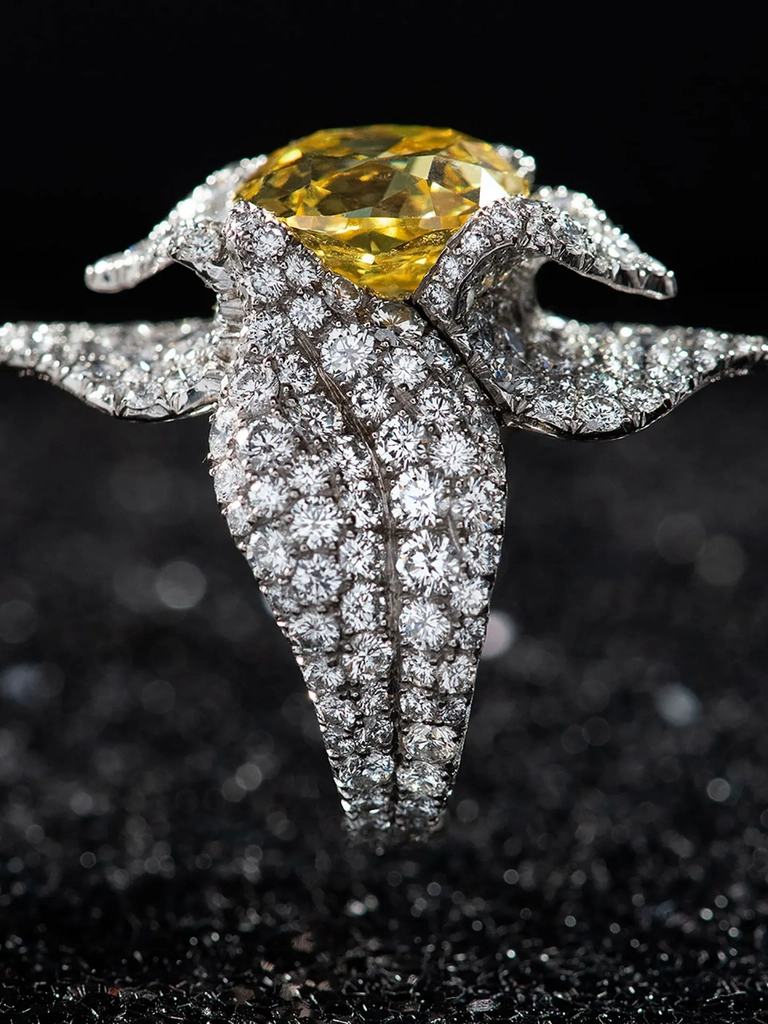
This distinction between collector and consumer may be Spiro's greatest commercial insight. A conventional luxury customer asks what is new. A collector asks what has never existed before.
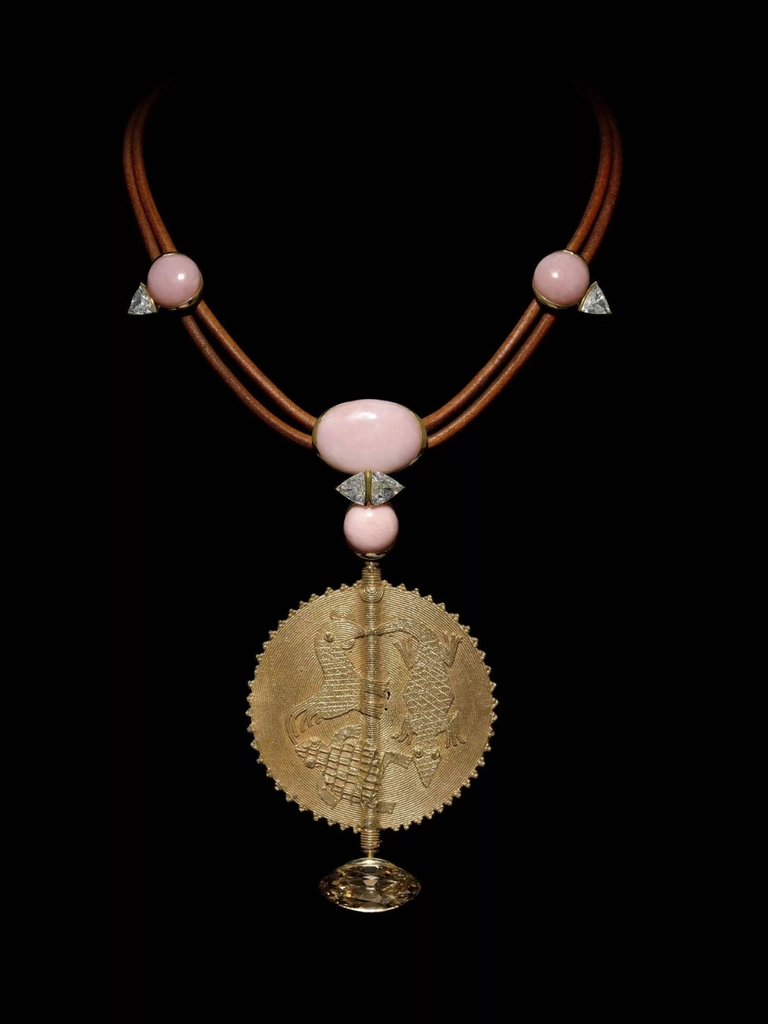
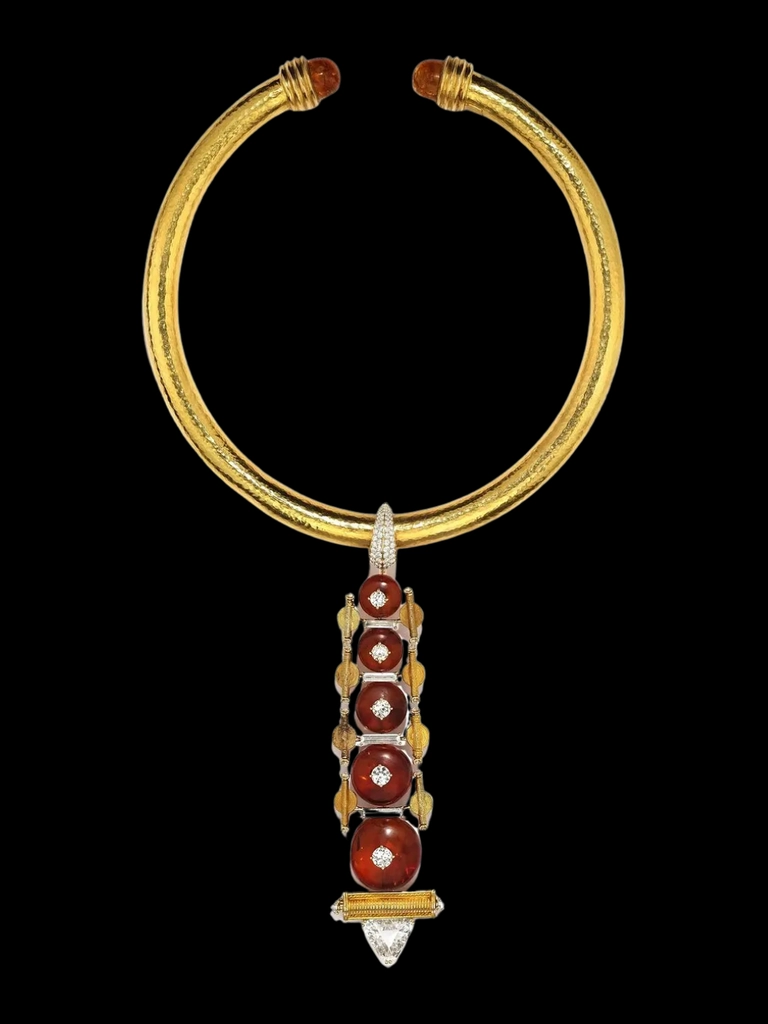
Spiro's Materials of the Old World project takes that instinct particularly far. The series has incorporated historic Baoulé gold, Egyptian faience, antique agates, old diamonds, carved materials and objects created centuries before the Spiro house existed. A 2023 presentation included 17th-to-19th-century Baoulé gold elements transformed into earrings and necklaces alongside turquoise and diamonds.

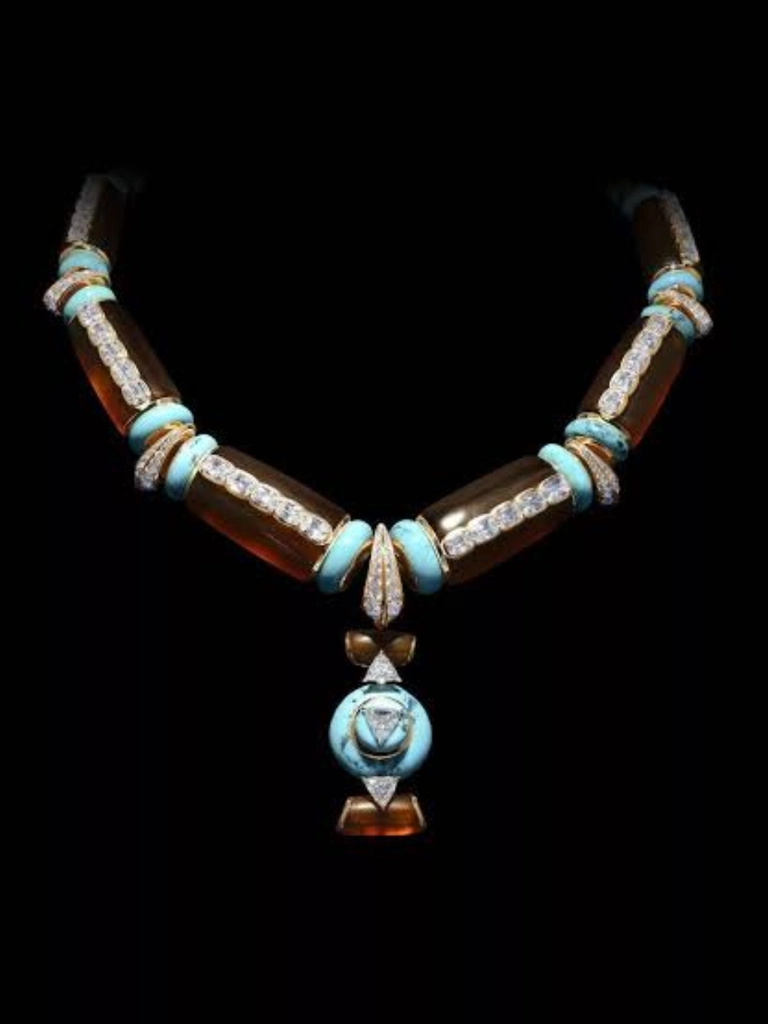
There is something intellectually seductive about the idea. Jewelry stops representing one moment in design history and instead collapses several periods together. An old object does not sit in a vitrine. It goes back onto the body. Yet this method also exposes one of the most complicated questions surrounding jewelry's fascination with antiquity.


In 2026, that tension became unusually visible. During Zendaya's The Odyssey presstour, she wore earrings incorporating ancient Iranian gold discs associated with the Ziwiye material. The gold elements, dated to the first millennium BCE, had been mounted into contemporary jewelry by Glenn Spiro and later acquired by another dealer. Their appearance on a celebrity triggered debate over provenance, cultural heritage and whether archaeological material should be privately owned and worn at all.


This is where the romantic language of "giving ancient material a new life" becomes insufficient. Spiro's fascination with old materials can produce extraordinary collisions between time periods, but objects carrying archaeological or culturally significant histories invite questions that an eighteenth-century diamond or vintage wood fragment may not.
Who originally owned the object? How did it leave its country of origin? Does converting an antiquity into wearable jewelry preserve history, transform it, commercialize it, or some mixture of all three?
The answers vary by object, documentation and jurisdiction. The important point is that G's approach has become ambitious enough to enter this debate.
That is also a sign of how far Spiro's jewelry has moved from decorative luxury. His materials can carry histories heavier than their physical weight.
Perhaps no story reveals Spiro's mentality better than the Skyler Rose.
He has recounted bidding remotely while on holiday in Mustique on an uncut diamond being sold at a police auction near Rome. He paid around $1.6 million without seeing the stone in person. After cutting and certification, the rough revealed a flawless Fancy Intense Pink diamond.
It reached him on the day his daughter Skyler was born. He named it after her. What is striking about the story is not simply the luck. It is the appetite for risk.
High jewelry often presents itself as a world of absolute control: certificates, provenance, flawless finishing, measured carats, controlled appointments. Spiro's career repeatedly reintroduces instinct into that system.
For years, Spiro's reputation circulated primarily among private clients and within the trade. The secondary market now provides harder evidence of his increasing recognition.
In 2021, Sotheby's sold the Sienna Star, a G ring centered on a 73.11-carat Fancy Vivid Yellow diamond, for $3.408 million. The stone naturally accounted for enormous value, yet Sotheby's catalogued the piece under Spiro's name alongside major signed jewelry.
More recently, Phillips' March 2026 Hong Kong jewelry auction featured a House of Glenn Spiro natural-pearl, seed-pearl, diamond and icy-jadeite necklace estimated at $300,000 to $770,000. It sold for approximately $411,833. In Geneva that May, a pair of Spiro gem-set titanium earrings estimated at CHF9,500 to CHF14,000 reached CHF49,020.
Those figures should not be used to claim that every G jewel automatically appreciates. Auction values depend heavily on gemstones, provenance, condition and timing.
What they do show is that the name itself now has sufficient recognition to sit beside established houses in major international sales.
The backstage supplier has become a collectible signature.

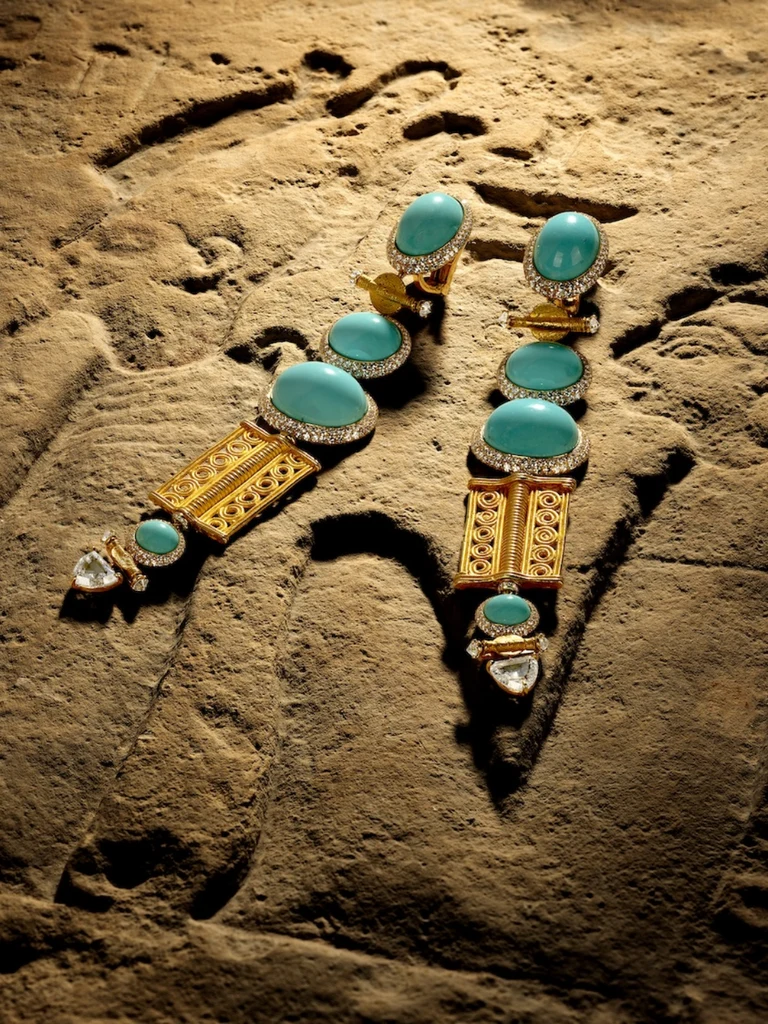

Glenn Spiro is sometimes described as a "jeweler's jeweler," and the phrase works because his appeal depends on knowledge.
You need to understand why titanium matters. Why an old-cut diamond behaves differently from a modern brilliant. Why a piece of ancient faience can be conceptually more important than the aquamarine beside it. Why a seemingly enormous pair of earrings can remain unexpectedly light.
Yet his relevance now reaches beyond technical insiders.
With his son Joe increasingly involved in the house, G has become a compelling example of what independent high jewelry can still do when it resists the pressure to become completely scalable. The house has expanded geographically while maintaining a business built around individual stones, one-off objects and personal encounters.