MENU
Close





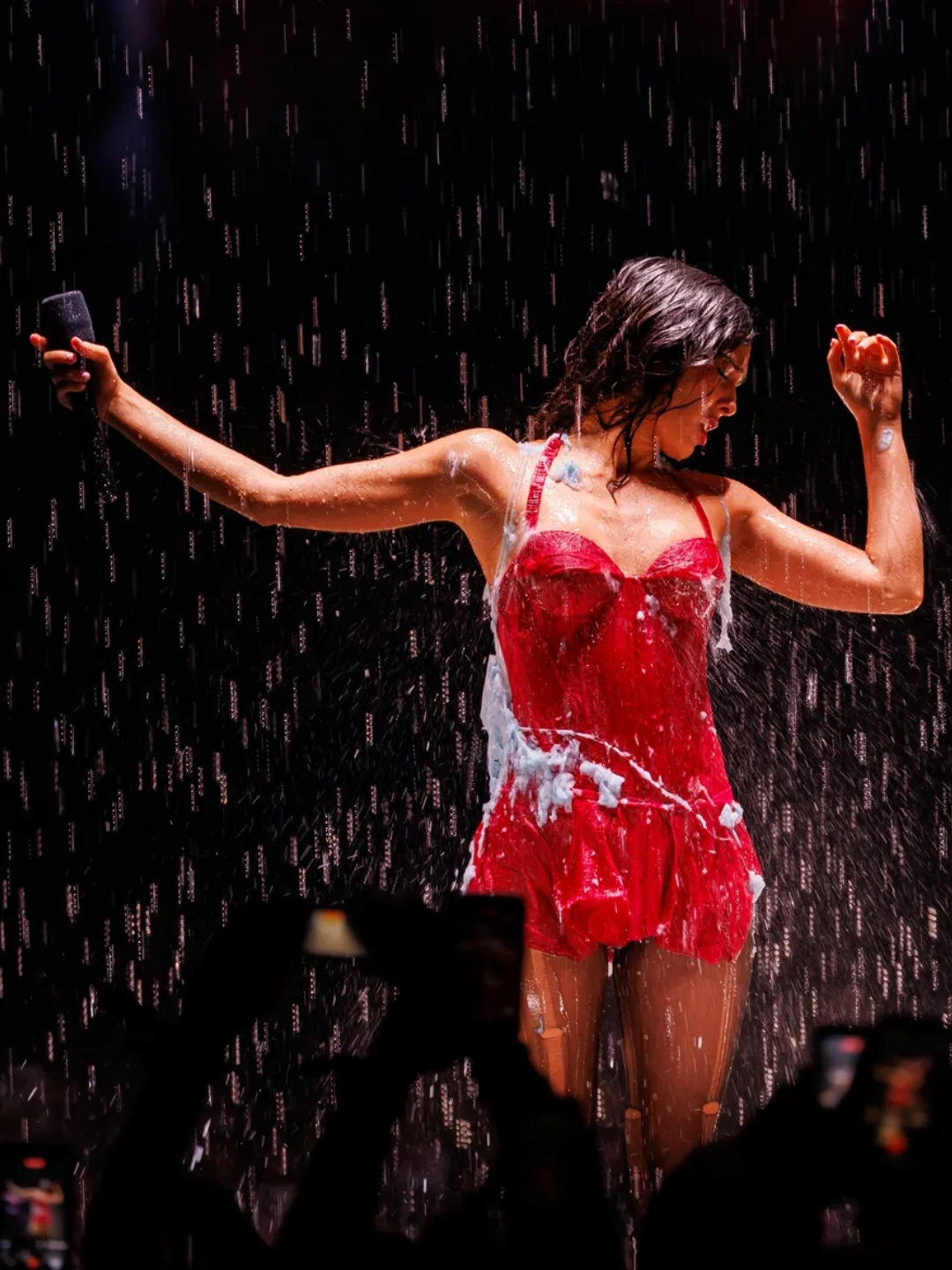
This season, fringe for spring skips the polite entrance and arrives ready to shimmy, flirt, and make every hemline feel a little more dramatic.
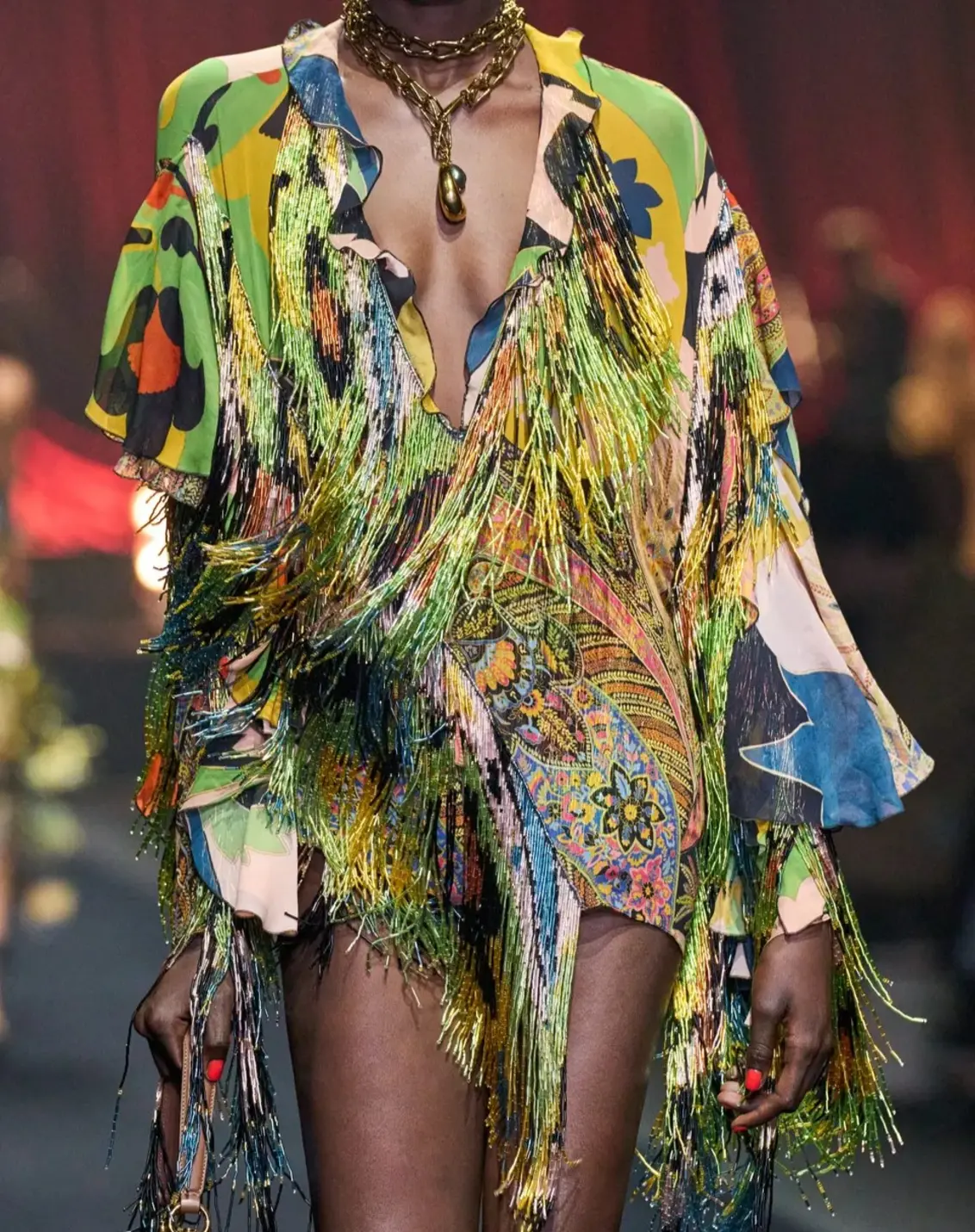
This season, fringe for spring skips the polite entrance and arrives ready to shimmy, flirt, and make every hemline feel a little more dramatic.
April 6, 2026
Advertisement
Advertisement



The sartorial world often treats fringe like a reliable but predictable guest at a garden party, expected, slightly bohemian, and perhaps a bit too tethered to the ghosts of Coachella past. However, the fringe for spring narrative has undergone a radical, high-IQ transformation that renders the groundbreaking florals of the season utterly sedentary.
The story of fringe is a centuries-long flirtation, a rhythmic dialogue between the nomadic spirit and the high-society salon. If we trace its heartbeat back to the ancient Mesopotamian plains, fringe began as a functional necessity, a way to prevent fabric from unraveling, but it quickly realized its own power to seduce the eye. By the time it reached the roaring 1920s, the silk tassel had abandoned its utilitarian roots to become the ultimate weapon of the flapper. Every hand-beaded strand was a rebellion, a shimmering middle finger to the Victorian corset, designed to swing with a spirit that mirrored the era’s frantic, jazz-fueled hedonism. It was the original kinetic art, a garment that only truly existed when it was in motion, catching the light and the predatory glances of the ballroom with a playful defiance that refused to be still.
As this decorative traveler moved through the decades, it shed its skin, adapting to the raw, earthy rebellions of the 1960s counterculture before being reclaimed by the architectural masters of the modern runway. The journey from the weighted, suede layers of the Western cowboy frontier to the recycled, high-tech glass shards of today is a testament to its enduring personality. Fringe has always been the extravaganza of the wardrobe, the detail that breathes life into a static silhouette.
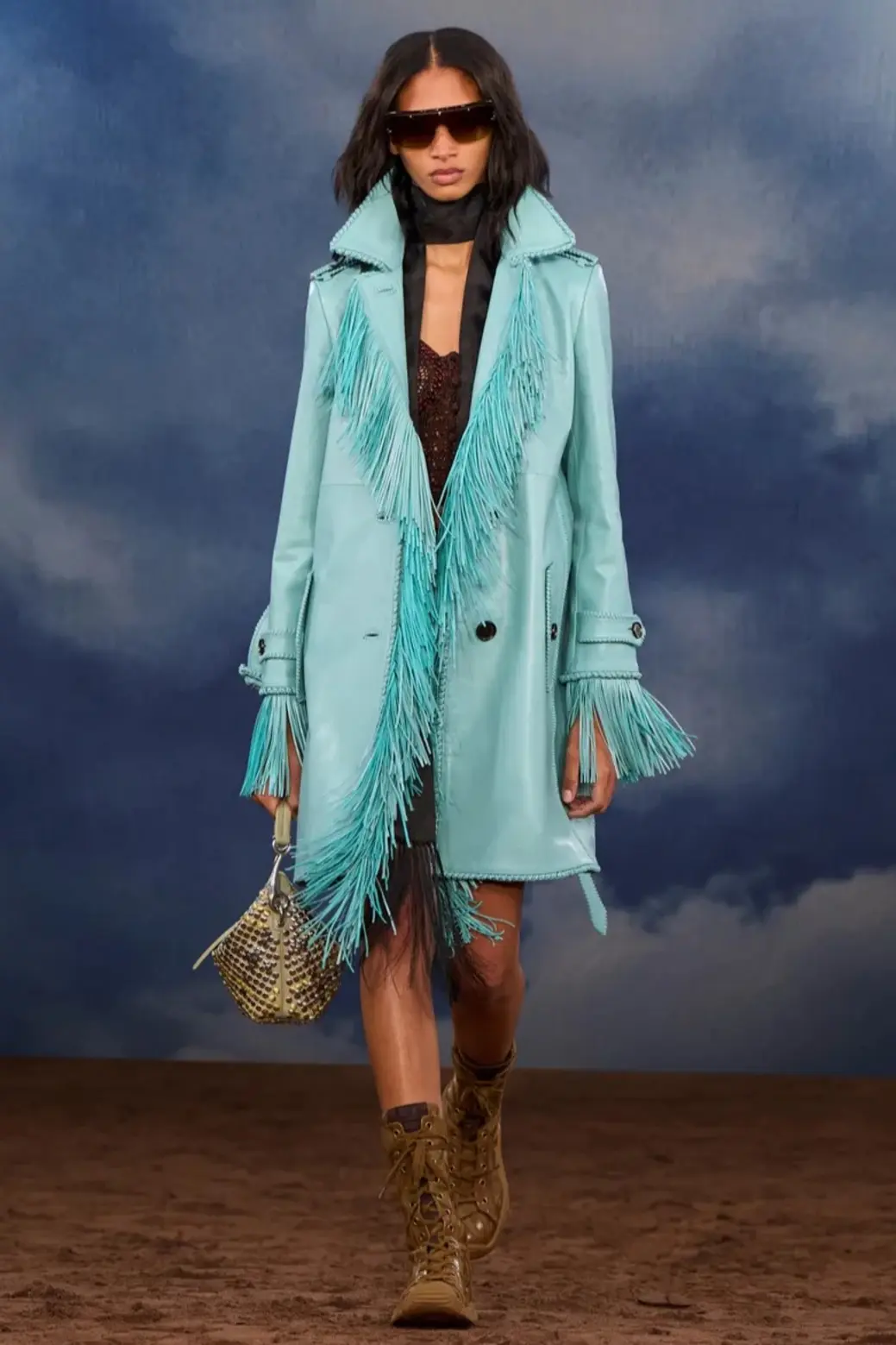
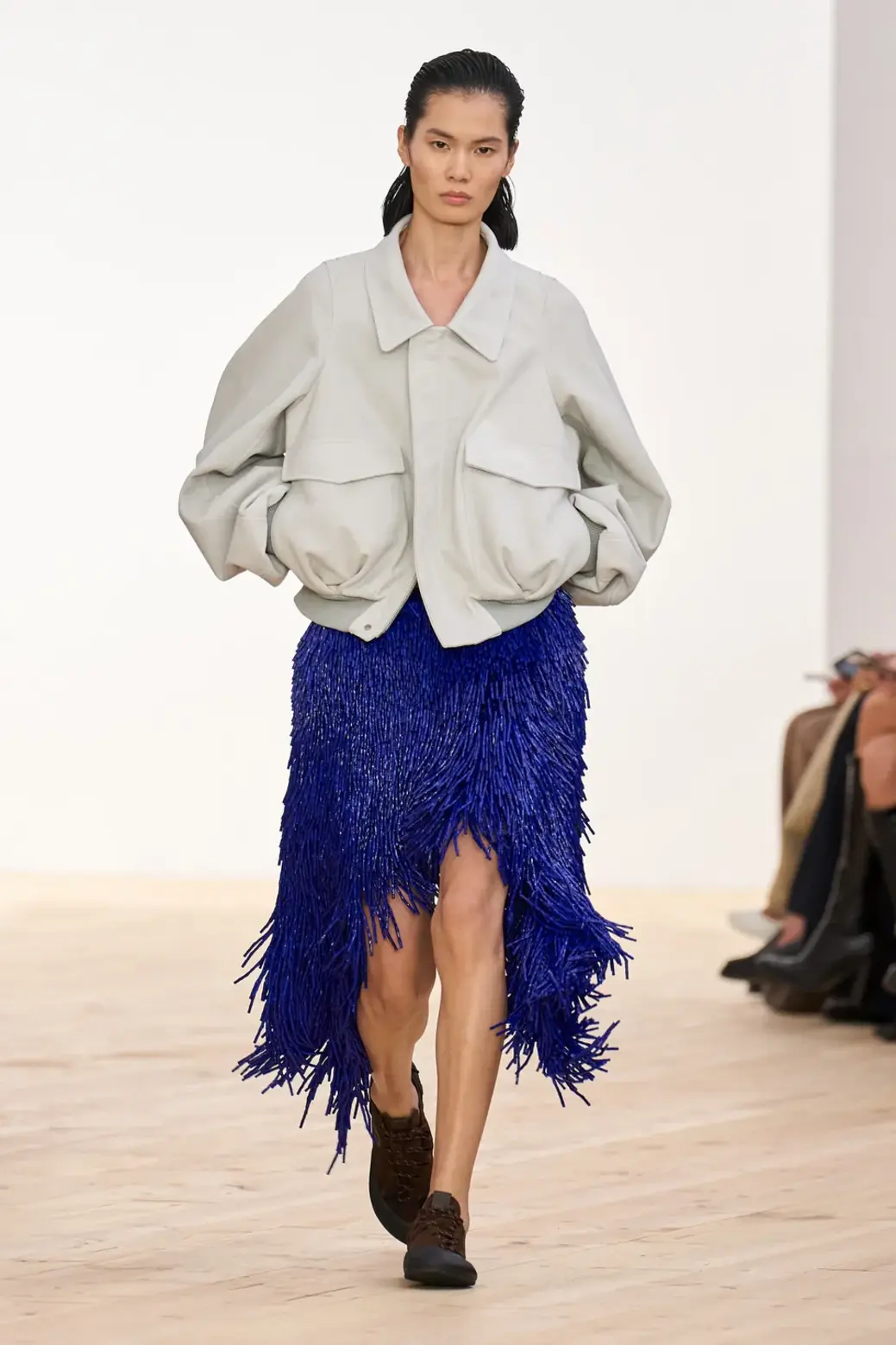
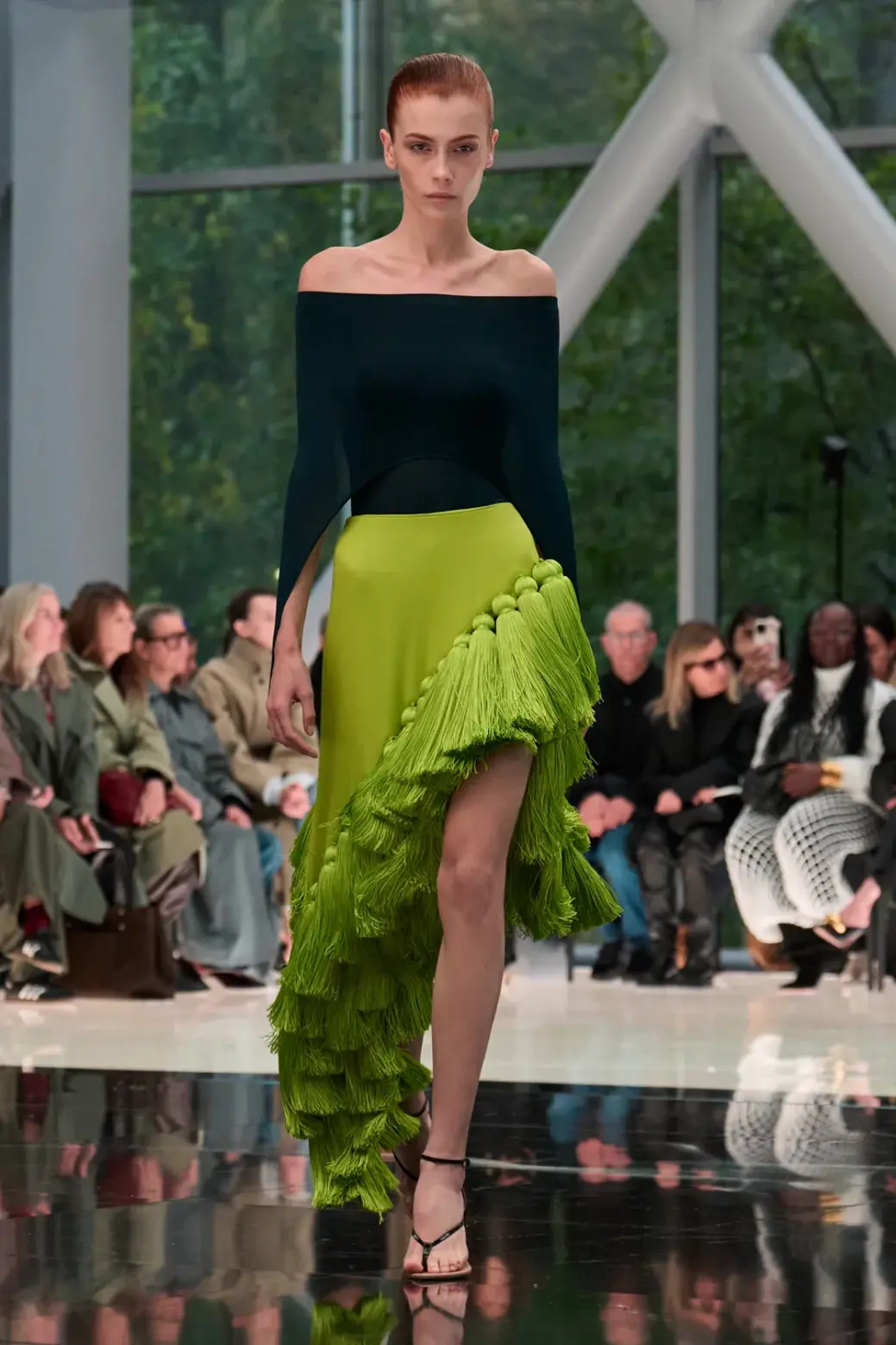
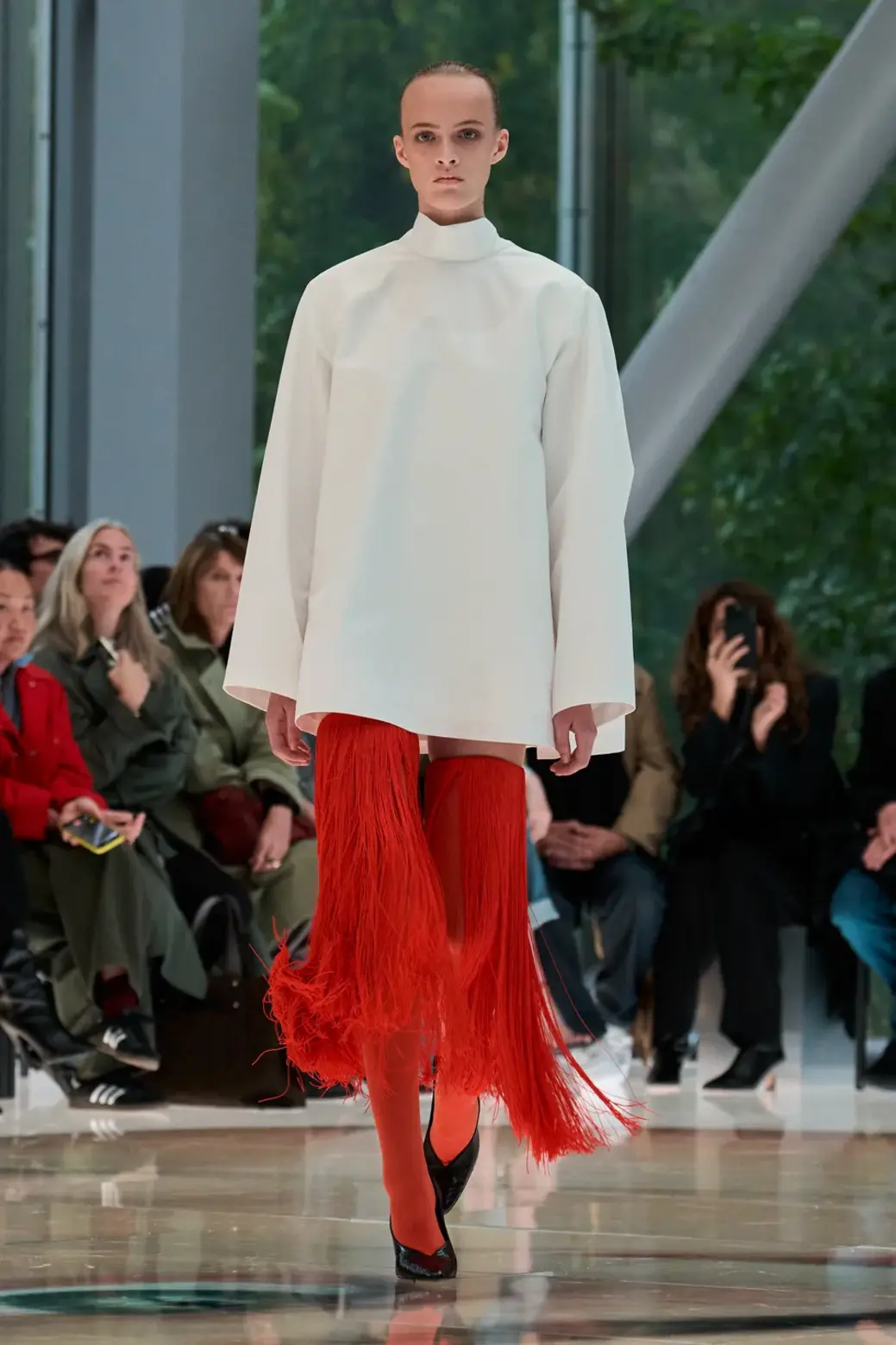
This isn't the tired suede of a thrifted waistcoat; it is a structural revolution. We are witnessing a collision between the nostalgic whimsy of the Art Deco era and a brutal, contemporary architecturalism. Designers are no longer just trimming garments; they are building them out of movement itself. The newness lies in a paradoxical fragile brutality, where the hemline doesn't just dangle, it performs. From the clinical precision of recycled glass shards to the poetic deconstruction of classic heritage fabrics, the trend has migrated from the festival grounds to the front rows of high-concept editorialism, demanding a viewer who appreciates the physics of a silhouette as much as its fabric.
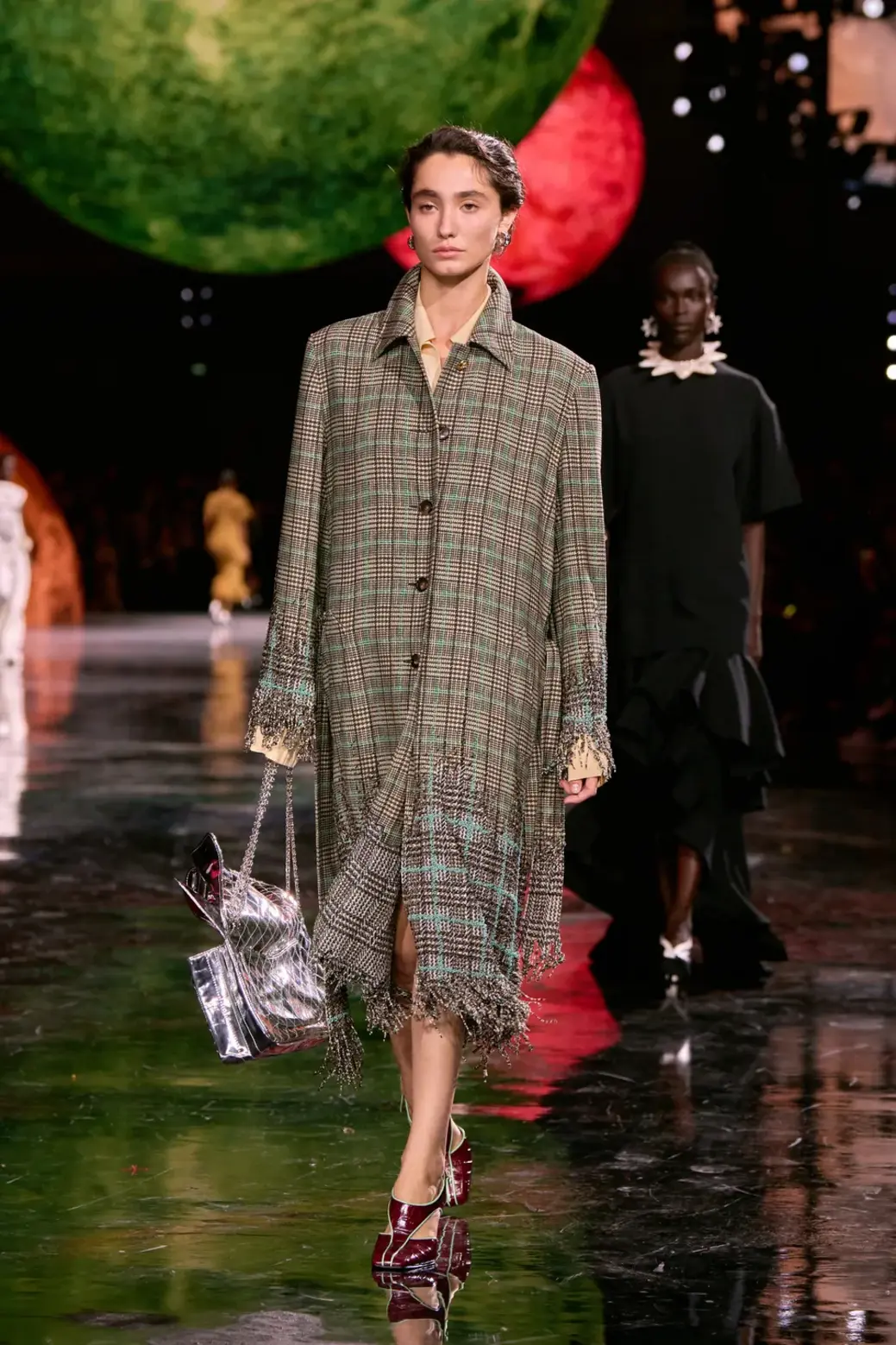
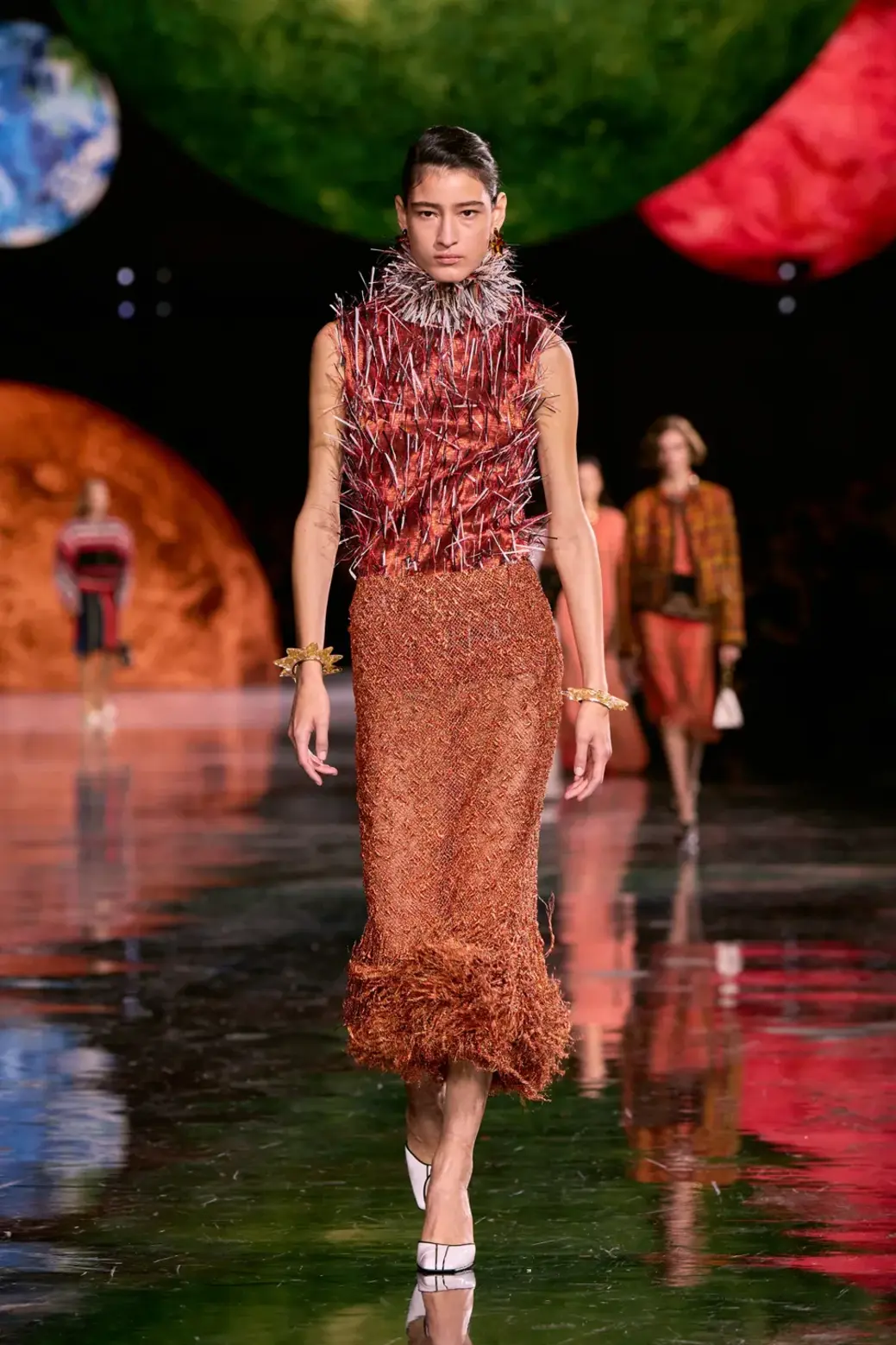
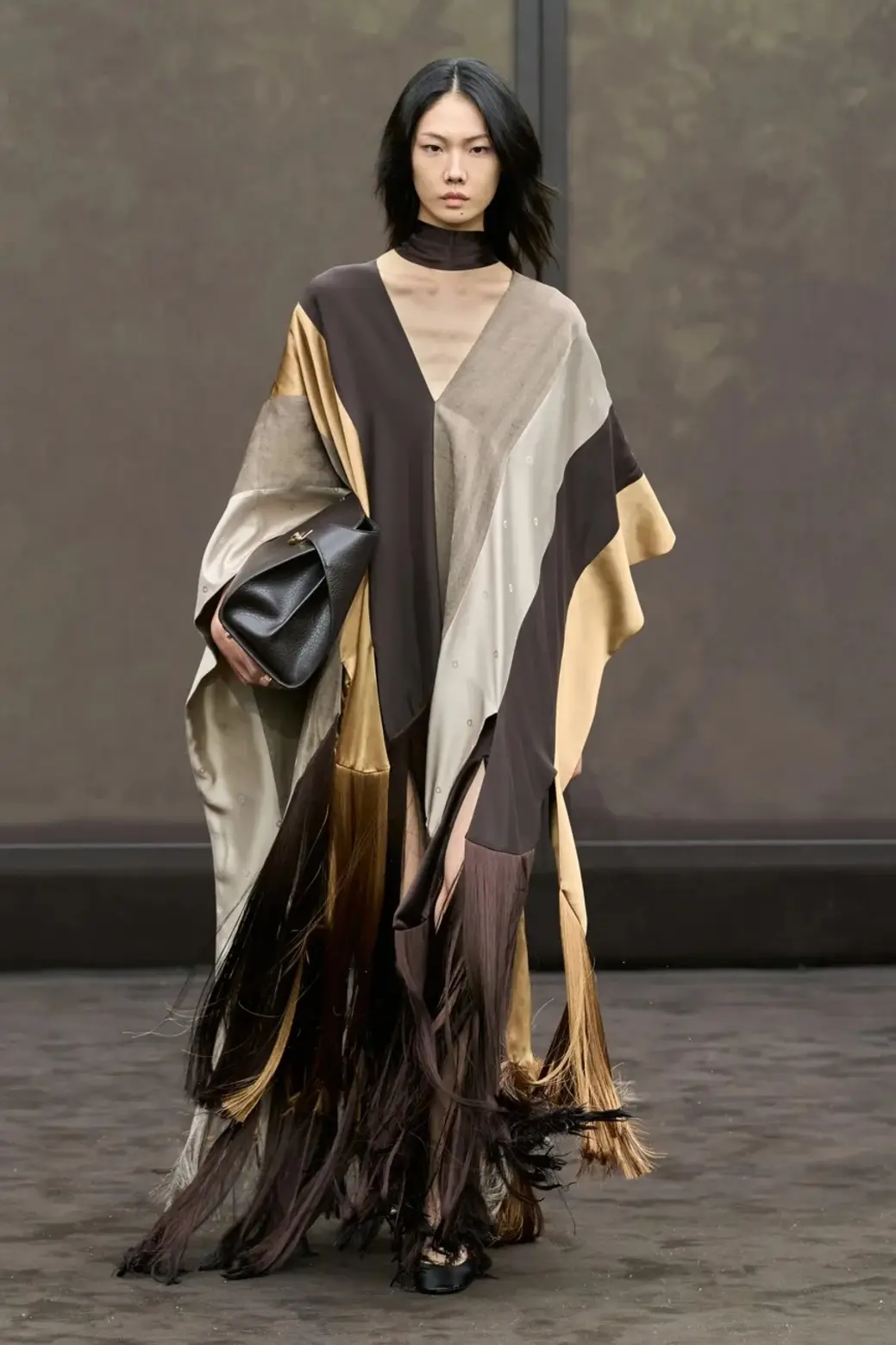
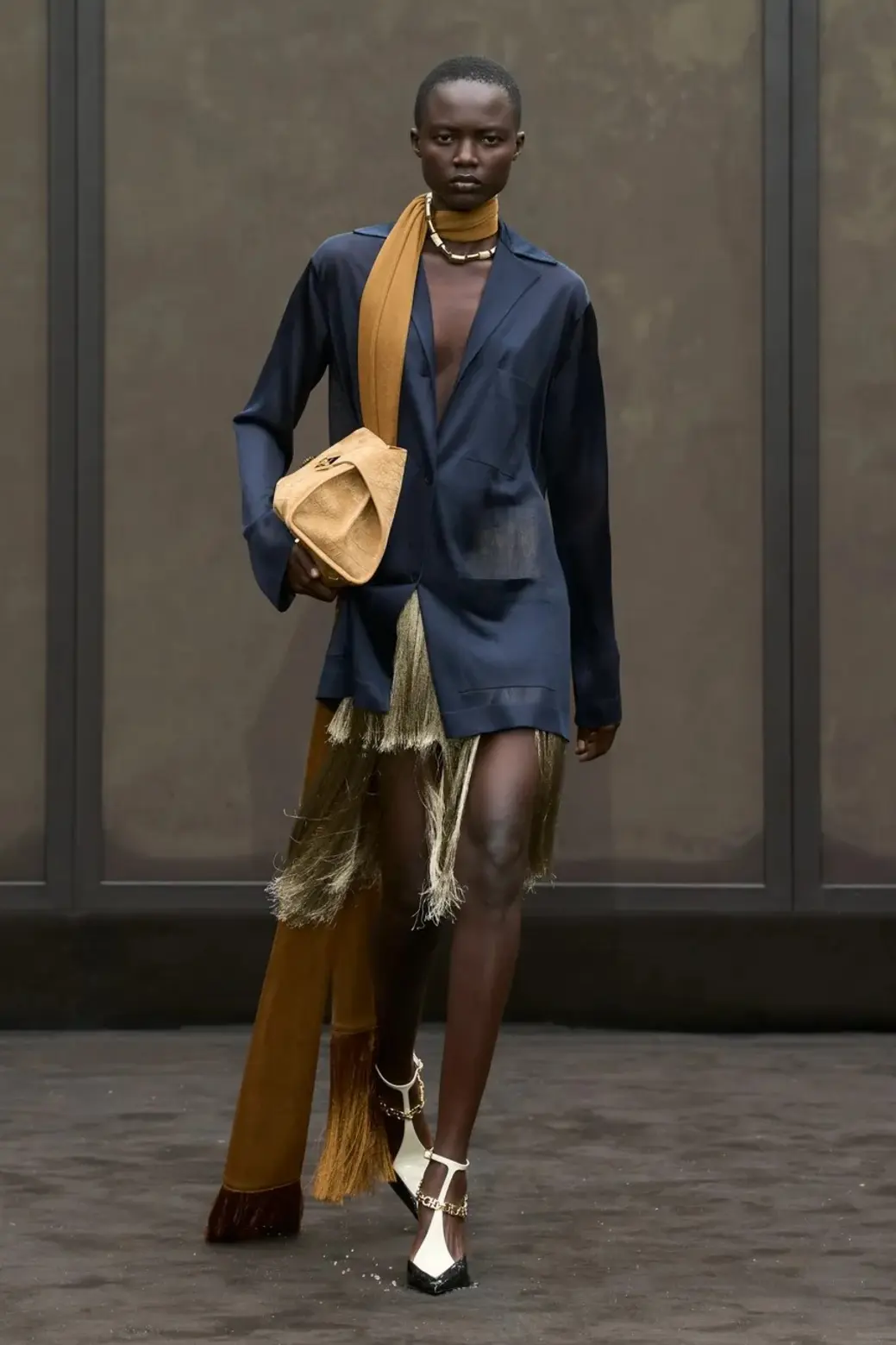
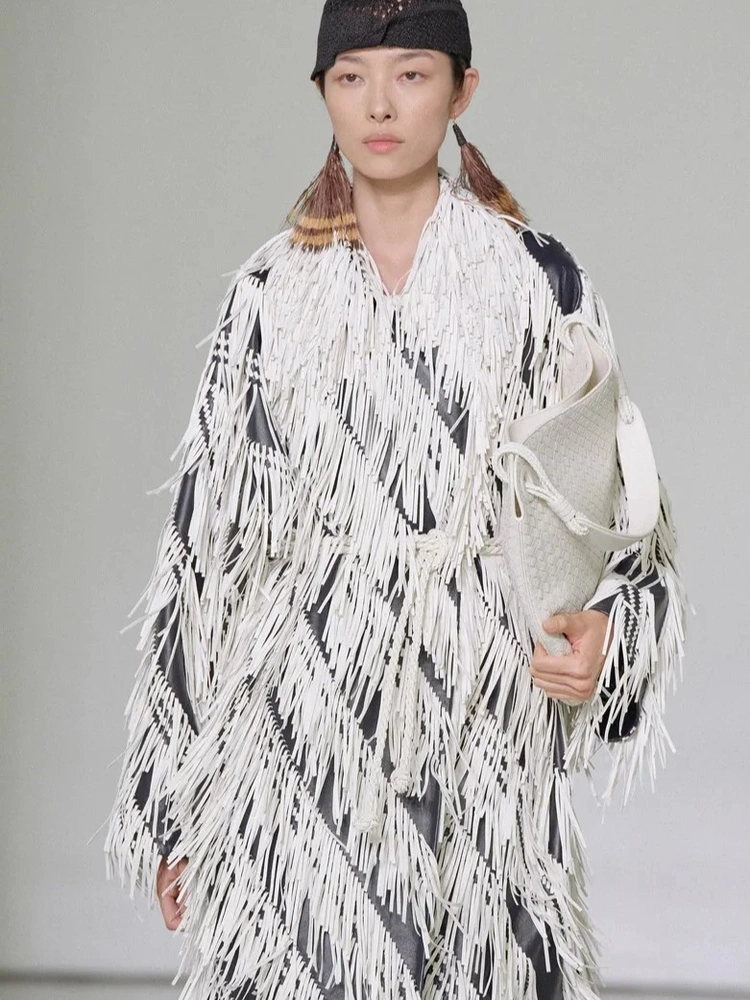
In a move that feels both defiant and deliciously naughty, the season’s most intellectual iterations of fringe for spring have hijacked the most untouchable silhouettes. Take, for instance, the subversion of the classic skirt set at Chanel by Mathieu Blazy. By applying frayed tweed hemlines to the hyper-polished suit, the house effectively stripped the garment of its rigid formality, replacing bourgeois stiffness with a tactile, unraveling energy. This is fringe as a critique of perfection. Similarly, the industry's collective breath was held at Bottega Veneta, where Louise Trotter just offer a kinetic event. The integration of recycled fiber-glass shards paired against sharp, masculine shirting created a friction that is both dangerous and seductive. It is this specific brand of directional fringing, decorative yet inherently structural, that allows a garment to transition from a static piece of clothing to a living, breathing sculpture. Fringe appeared on suede outerwear at Burberry, on fluid kaftans at Ferragamo, whether it is the beaded, weighted fringe at Alaïa by Pieter Mulier and Loewe that dictates a slow, rhythmic swing or the Lanvin bodice where tassels are woven through the very DNA of the fabric. The message is clear: the silhouette is no longer a fixed border, but a fluid, ever-changing aura.
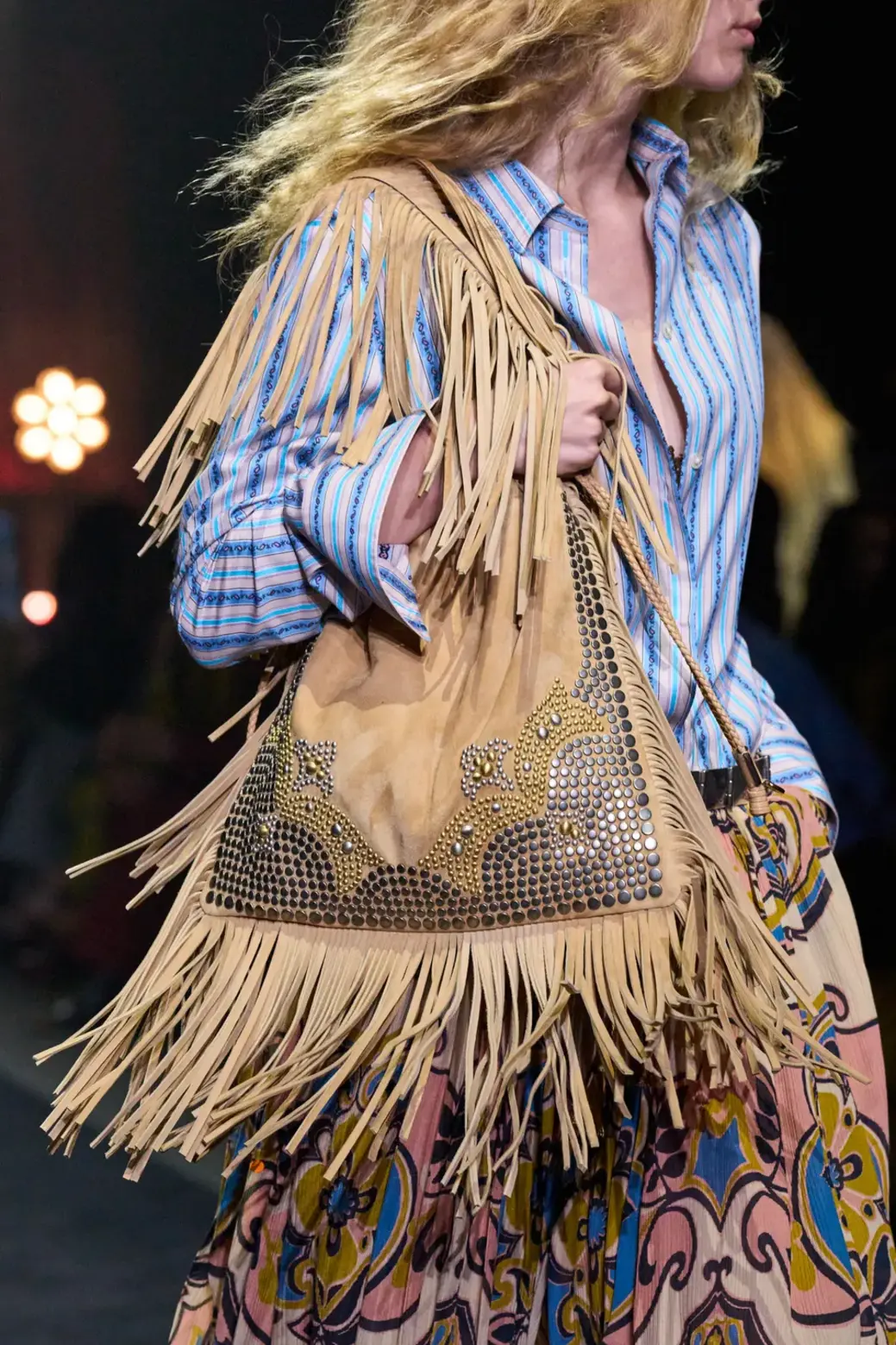
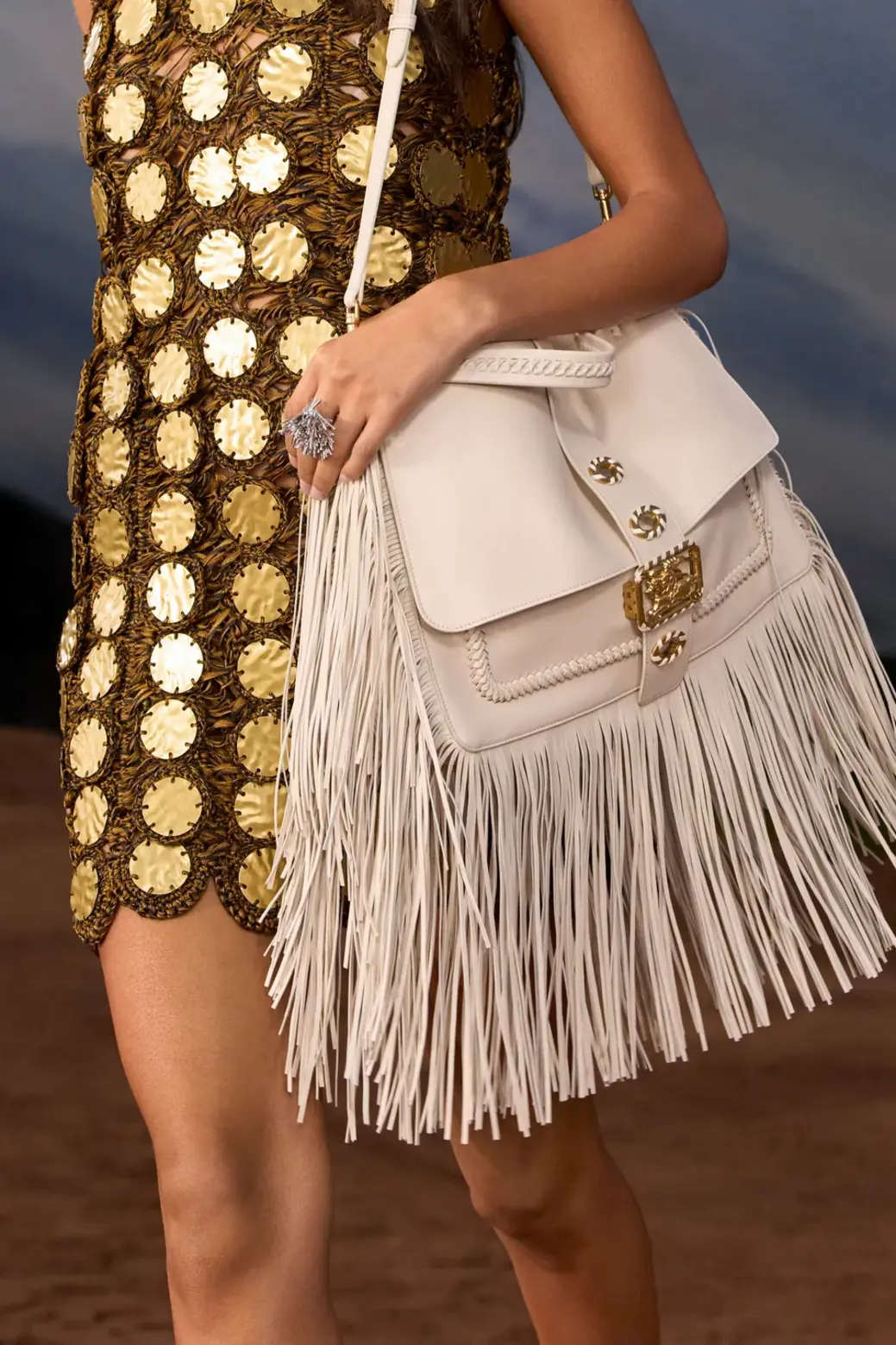
Ultimately, the brilliance of this tactile revival is its refusal to be pigeonholed into a single aesthetic identity. We are seeing a spectrum that ranges from the free-flowing bohemian to the obsessively engineered. The new technique is not only about length, but about the material intelligence of the trim, beads that provide a percussive soundtrack to a walk, or silk threads so fine they resemble smoke. For the fashion-forward editor or the discerning collector, the allure of fringe for spring lies in its ability to marry drama with deep technical craft. It bridges the gap between the refined traditions of old-world couture and the innovative, sustainable designs of the future.
As the sunlight of the new season hits these oscillating textures, it becomes evident that this is more than a trend; it is an invitation to embrace the chaotic beauty of motion. To ignore the swish and sway of this season's most evocative detail would be to miss the heartbeat of the Spring/Summer 2026 collections, a masterclass in how to wear the wind itself, defined by the intoxicating allure of fringe for spring.
Advertisement