MENU
Close





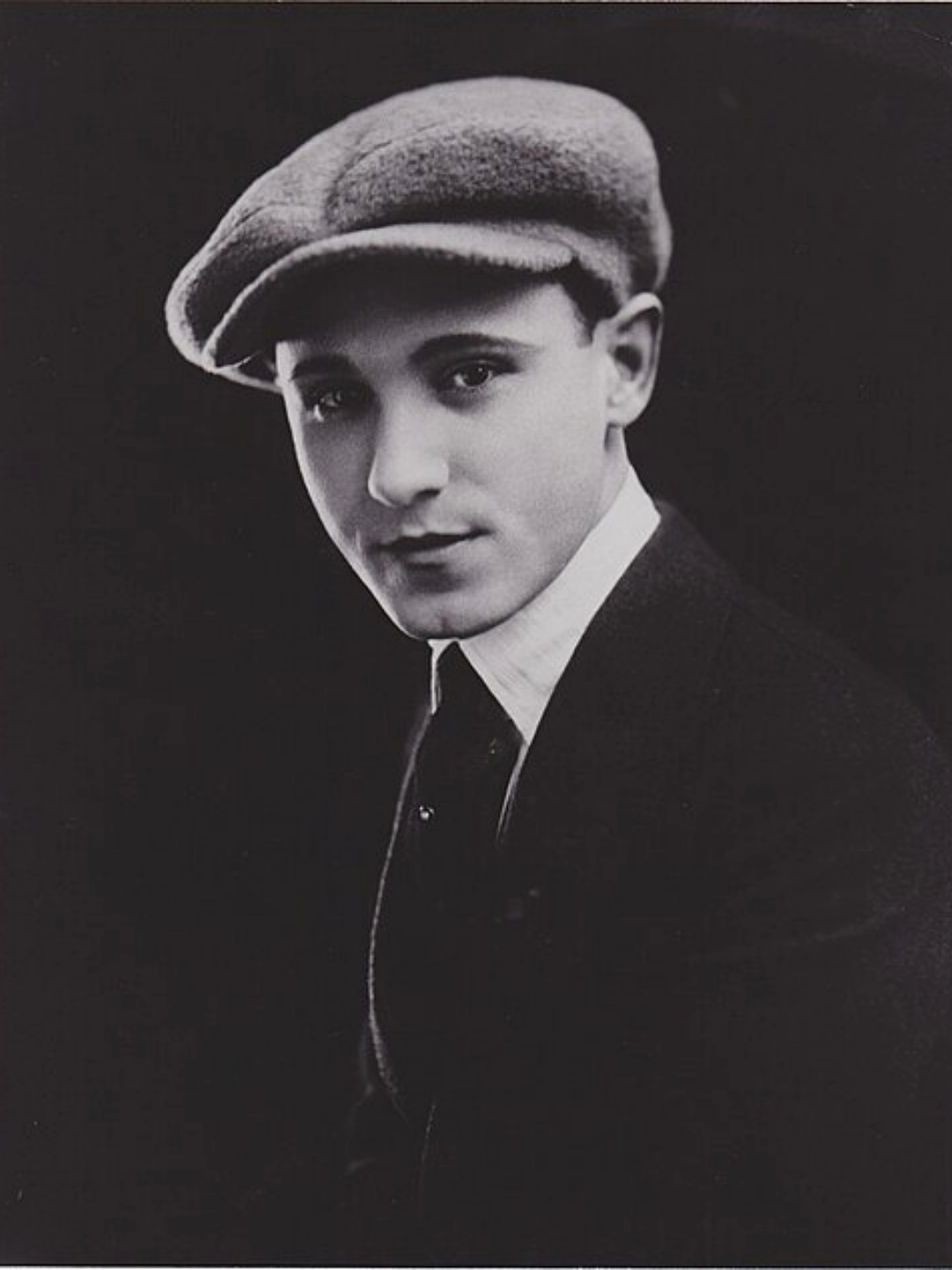
On August 24, 1975, Charles Revson died at 68, leaving behind Revlon, a cosmetics empire built from nail enamel, lipstick, advertising instinct, and a sharper vision of modern American beauty.
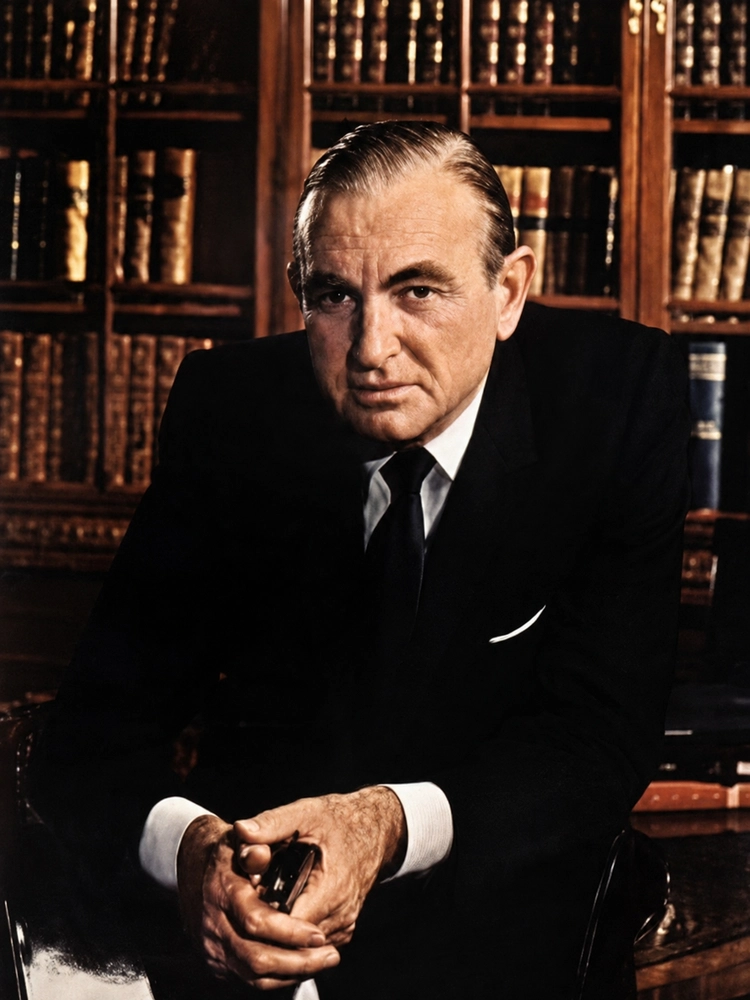
On August 24, 1975, Charles Revson died at 68, leaving behind Revlon, a cosmetics empire built from nail enamel, lipstick, advertising instinct, and a sharper vision of modern American beauty.
August 24, 2026


Revlon began in 1932, when Charles Revson, his brother Joseph Revson, and chemist Charles Lachman built a company around nail enamel. The product was important because it used pigments to create opaque fashion shades, giving nail color a stronger visual presence than many transparent dye-based products of the period. That technical difference became the foundation for a much larger beauty idea: nail enamel could follow fashion, create fashion, and make color feel like a modern accessory.
The genius of Charles Revson was his ability to connect product performance with emotional naming. Revlon shades did not sound like laboratory codes. They sounded like invitations, risks, characters, and stories. Names such as Fire and Ice, Cherries in the Snow, Moon Drops, and Plum Lightning gave cosmetics a language of fantasy that still felt close to the dressing table. This naming strategy helped turn lipstick and nail polish into objects with personality, making color easier to remember, desire, and repeat.
Matching lipstick and nail enamel turned separate beauty products into a complete look, creating a simple but powerful buying logic for consumers. This strategy changed how beauty could be merchandised and advertised. A woman was not only choosing a polish or a lipstick; she was choosing a finished color statement.
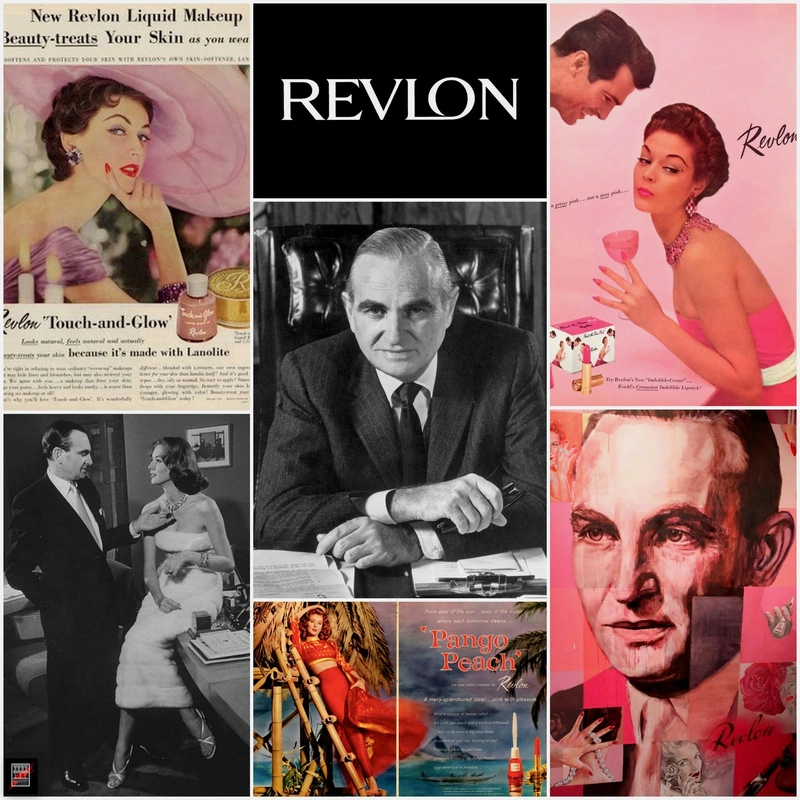
Advertising was another part of Revson’s authority. Campaigns such as Fire and Ice showed how cosmetics could be sold through attitude as much as shade. The image of beauty became sharper, more cinematic, and more psychologically charged. Under Charles Revson, Revlon understood that makeup could speak to confidence, seduction, independence, and aspiration while still sitting within mass-market reach.
His later business decisions also expanded Revlon beyond color cosmetics. The launch of Charlie in the 1970s gave the company a fragrance success tied to the image of the independent modern woman. The fragrance became part of a broader beauty culture in which women were presented as active, urban, confident, and commercially central.
The legacy of Charles Revson remains complicated, as many major founder stories are. He was known as a forceful, demanding businessman whose leadership style became part of Revlon’s corporate mythology. Yet his impact on the beauty industry is difficult to separate from that intensity. He built Revlon through control, instinct, competition, and a sharp reading of consumer emotion, creating a company that helped define twentieth-century American cosmetics.