MENU
Close





Smiljan Radić’s Pritzker win arrives as more than an architectural honor, it feels like a cultural turning point. In an era when luxury grows weary of spectacle, his fragile, atmospheric, and emotionally charged vision suggests a new future for hospitality architecture, one shaped less by monumentality than by mood, material tension, and the art of impermanence.
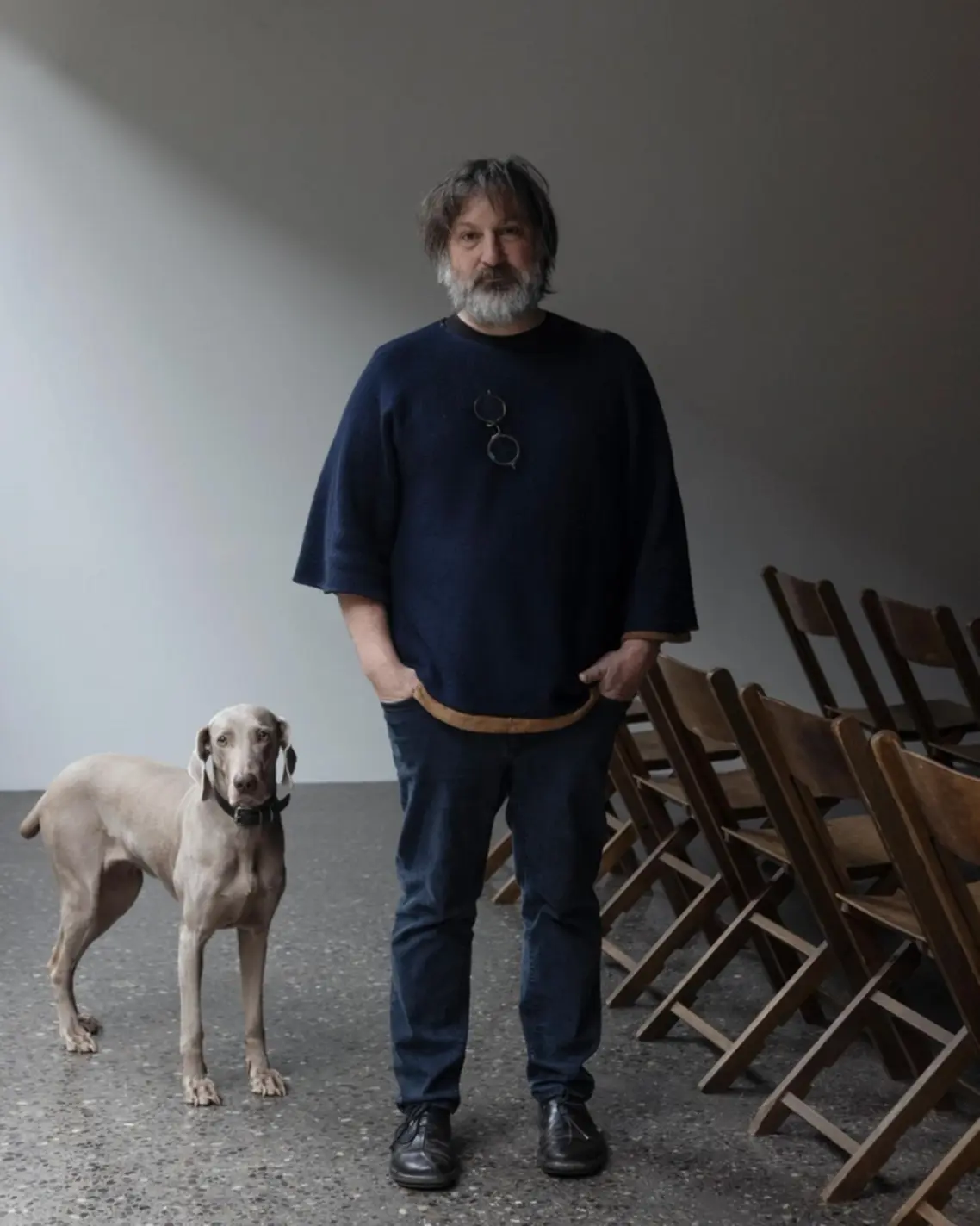
Smiljan Radić’s Pritzker win arrives as more than an architectural honor, it feels like a cultural turning point. In an era when luxury grows weary of spectacle, his fragile, atmospheric, and emotionally charged vision suggests a new future for hospitality architecture, one shaped less by monumentality than by mood, material tension, and the art of impermanence.
March 18, 2026


When the Hyatt Foundation finally named Smiljan Radić Clarke the 2026 Pritzker Architecture Prize laureate on March 12, after a delay that followed public scrutiny around Thomas Pritzker’s reported ties to Jeffrey Epstein, the aftershock registered far beyond architecture’s inner sanctum. For anyone writing at the intersection of luxury, culture, and lifestyle, Smiljan Radić’s selection feels less like a coronation than a correction. It suggests that the age of the merely monumental hotel — the kind that mistakes scale for meaning, weight for gravitas, and spectacle for memory, is beginning to give way to something subtler, stranger, and far more affecting.
Smiljan Radić’s architecture offers a different proposition. True luxury may now reside in emotional atmosphere rather than declarative grandeur.
“Architecture exists between large, massive, and enduring forms” and “smaller, fragile constructions,” he said in the Pritzker announcement, describing a practice committed to experiences with “emotional presence.”
The jury, chaired by Alejandro Aravena, honored precisely that quality, praising work that “favours fragility over any unwarranted claim to certainty.”
Over three decades, the Santiago-based architect has developed a vocabulary of shelter, provisionality, and charged restraint, where buildings seem to hover between ruin and refuge, permanence and disappearance. That sensibility now arrives at exactly the right cultural moment. As the luxury travel market keeps drifting away from brute opulence and toward intimacy, slowness, and atmosphere, Smiljan Radić’s worldview looks increasingly like a blueprint. Looking ahead to the openings of 2027, his win reads as a quiet but decisive forecast: The new gold standard will not be the hotel that dominates the landscape, but the one that listens to it, not the monument, but the fragile mandate.
Smiljan Radić’s architecture begins with refusal: a refusal of formulas, repetition, and the safety of a signature style. Formalized through his Fundación de Arquitectura Frágil in 2017, his work lives in tension, between weight and disappearance, shelter and apparition, certainty and hesitation.
Again and again, Radić brings the massive into dialogue with the fleeting. Boulders, rough stone, and dense timber meet translucent membranes, fiberglass, and lightweight skins that seem almost ready to drift away. The result is neither rustic nor technological in any simple sense, but something more emotionally charged: Buildings that feel like relics, follies, or near-ruins, suspended between permanence and vanishing.
For Radić, fragility is not just an aesthetic. It is an ethic, and a quietly radical way of thinking about sustainability. His architecture accepts weathering, erosion, and time as part of a building’s life, suggesting a future of luxury defined less by permanence than by lighter interventions, atmospheric retreats, and structures that age gracefully within their landscapes.
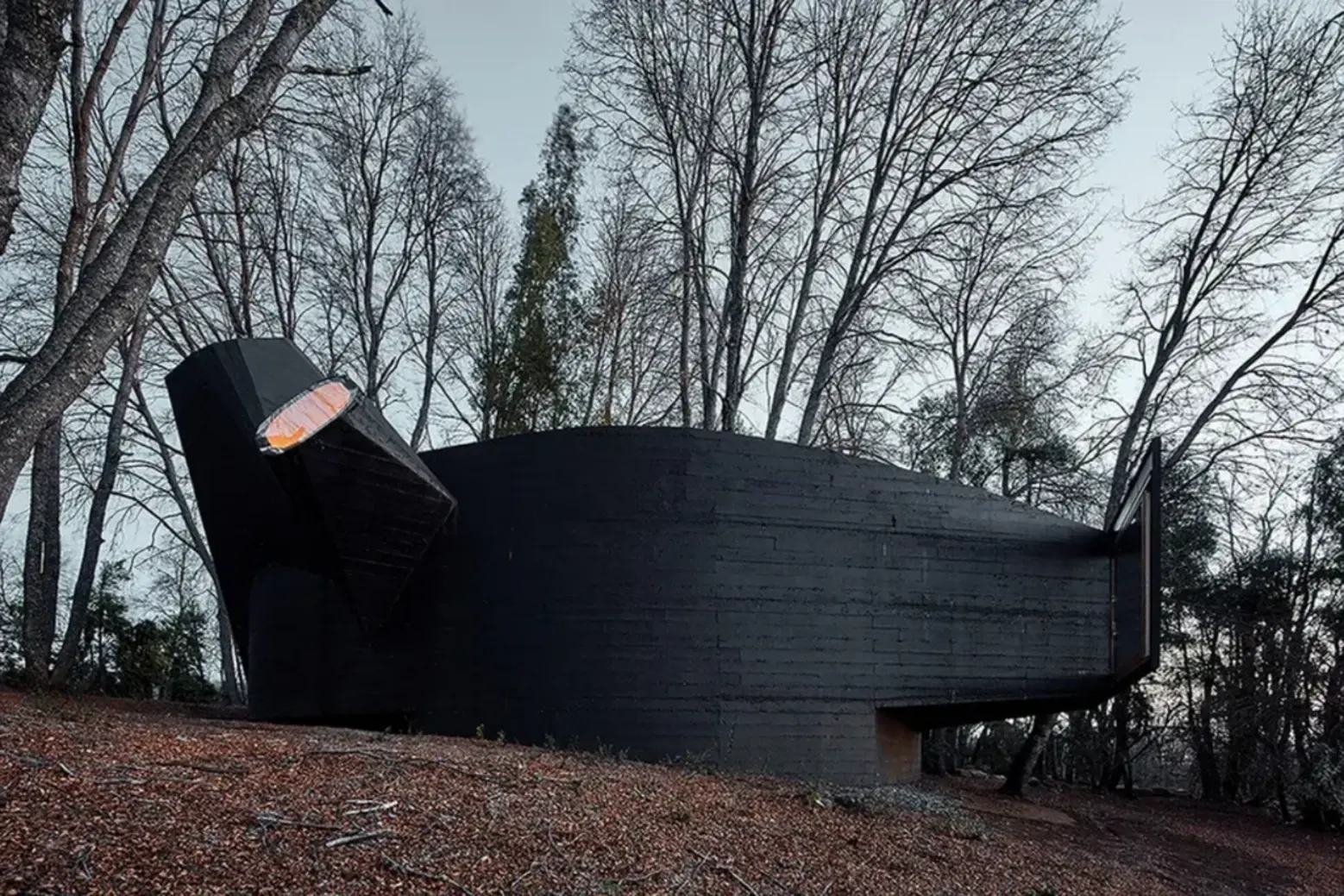
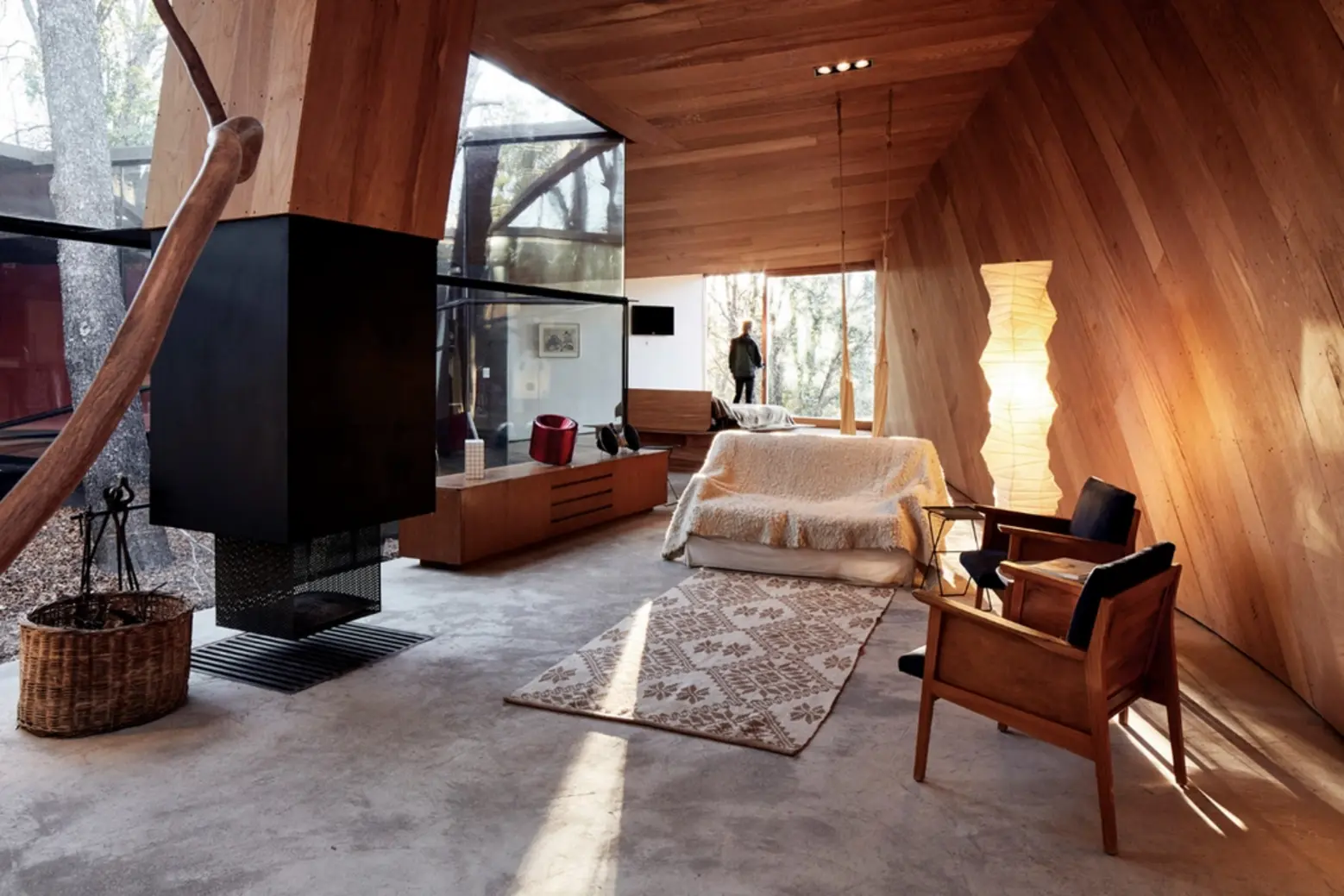
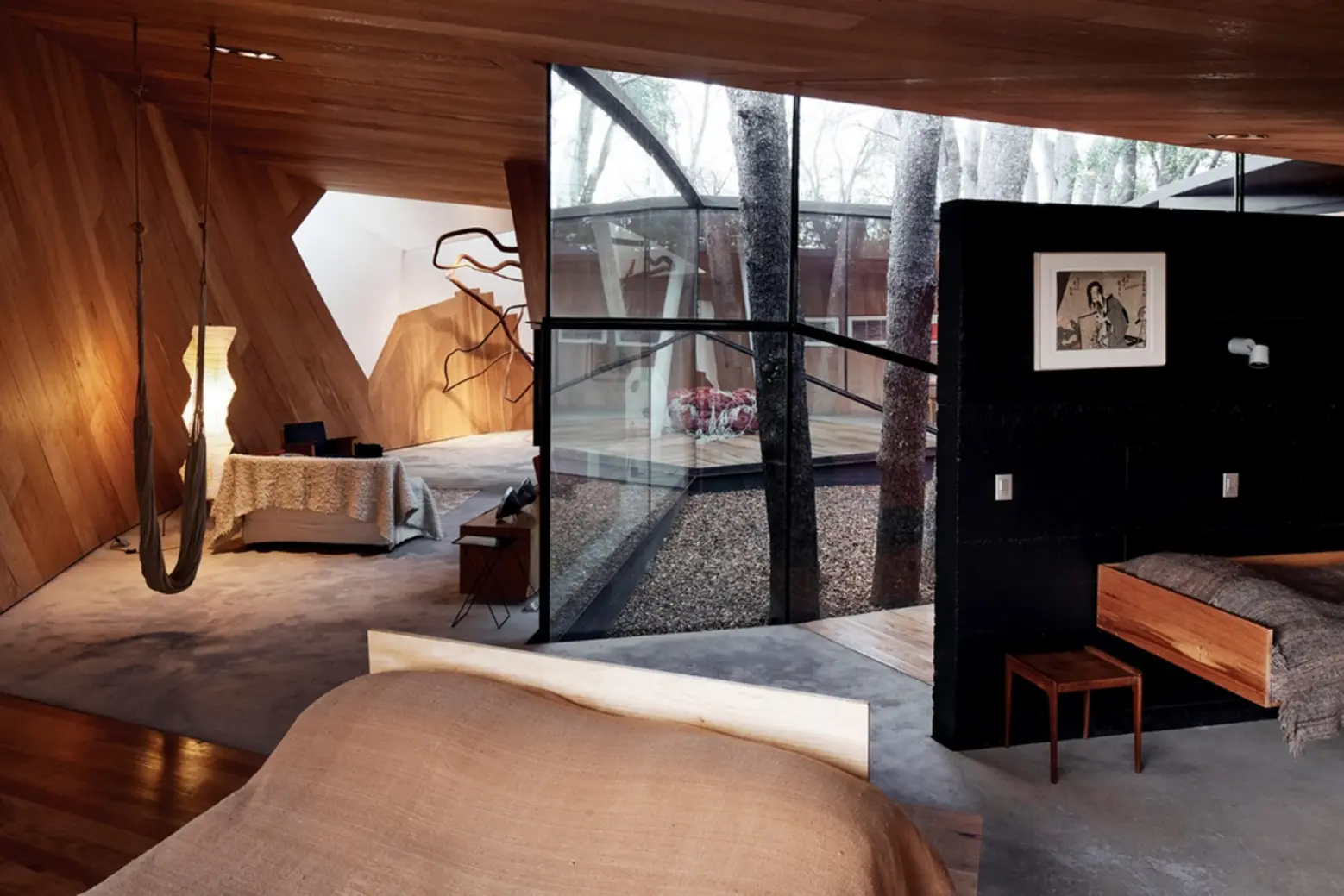
Certain motifs recur throughout his work, though never in a formulaic way. There is often an empty patio, a central void that redirects attention upward to the sky or inward toward a private fragment of nature. There is also the lasting influence of sculptor Marcela Correa, whose presence can be felt in Smiljan Radić’s use of boulders and raw matter as though structural support might also be sculpture, or found object, or geological memory. Yet for all these recurring gestures, he remains resistant to the cult of the recognizable image. Unlike so many Pritzker laureates whose work can be reduced to a visual trademark, Radić has no single “look.” What connects his buildings is not formal sameness but emotional charge.
A building, in his worldview, should not conquer a site but behave like a guest within it. It should heighten the atmosphere rather than flatten it. It should allow for strangeness, vulnerability, even a touch of disappearance.
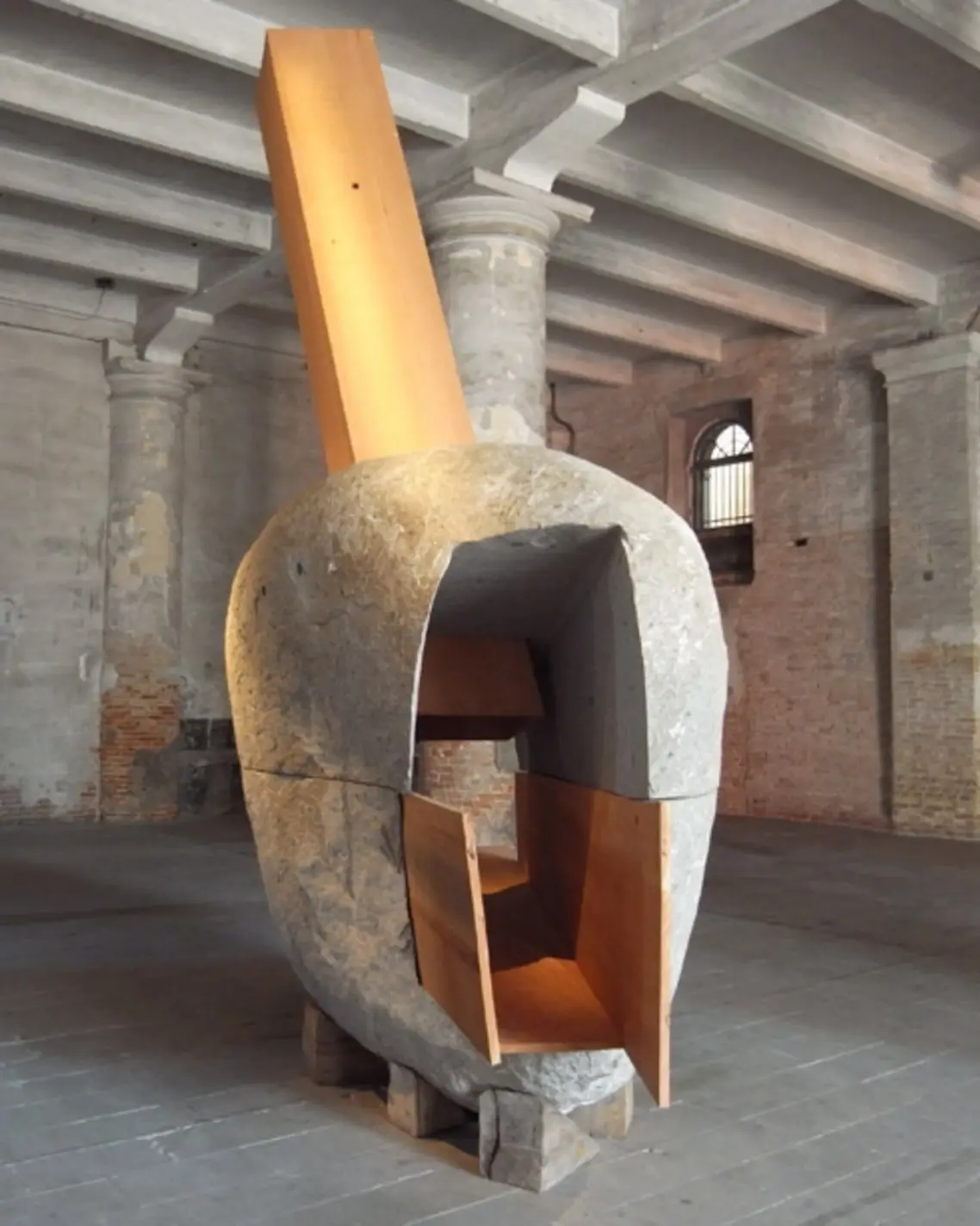
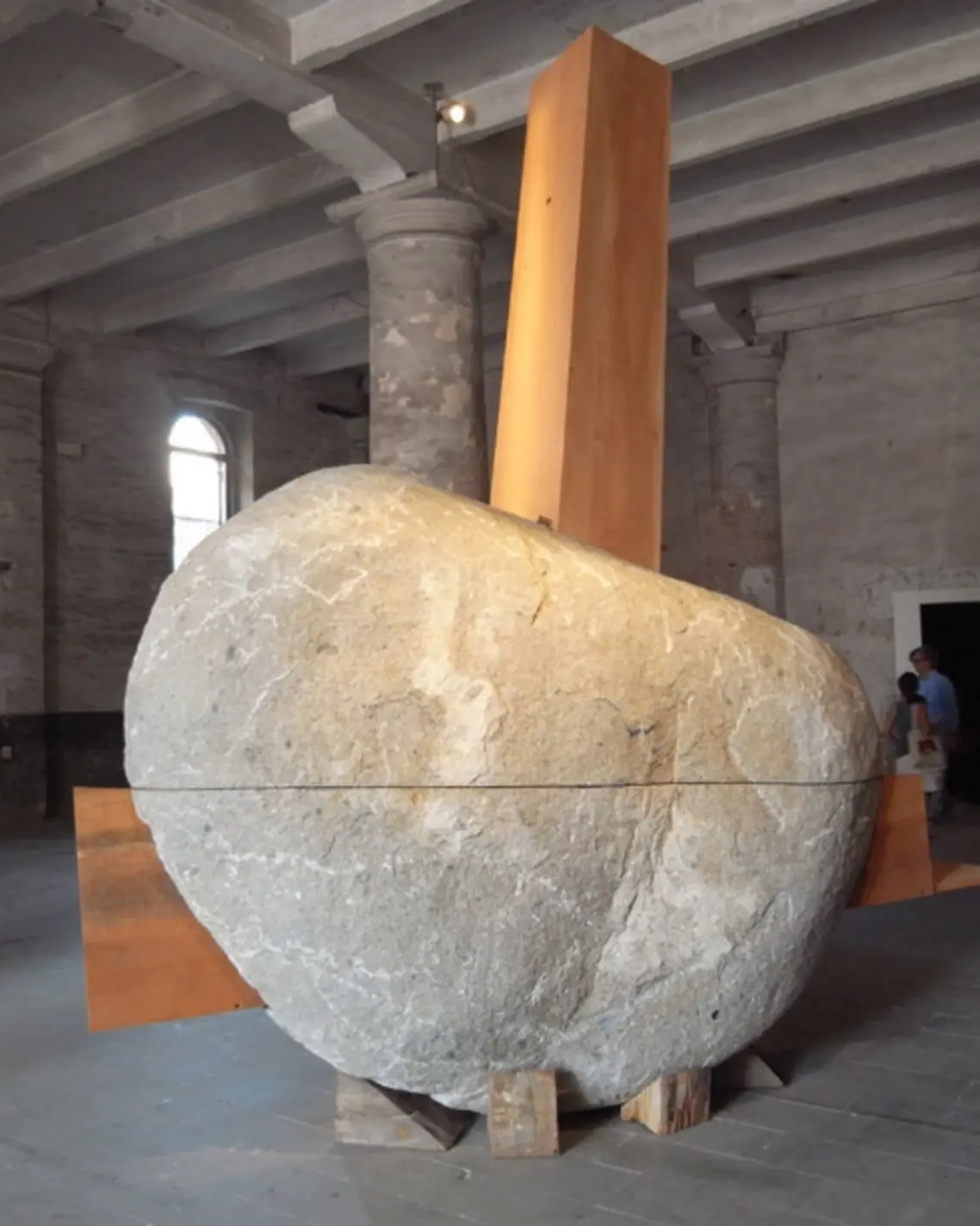
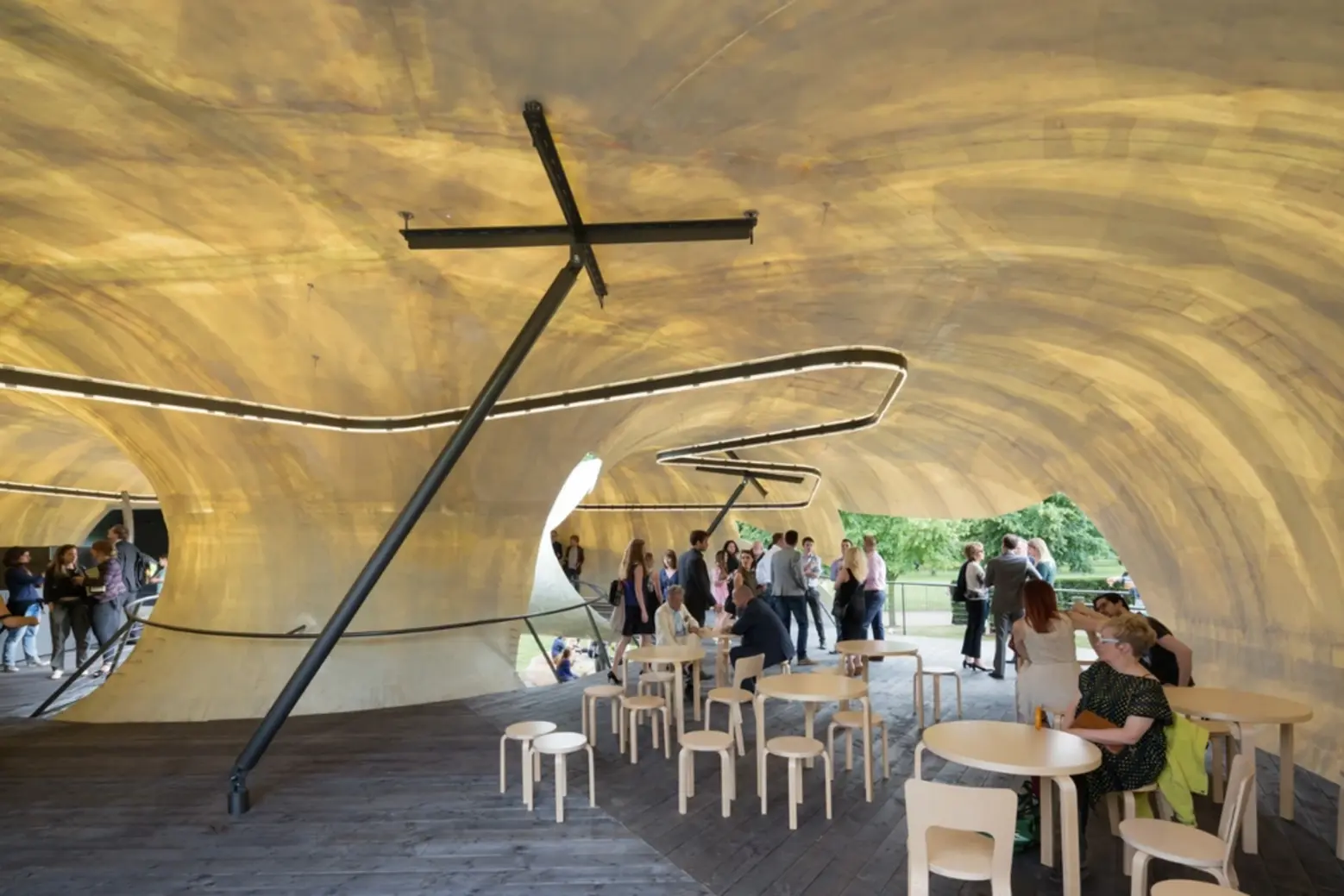
In that sense, the future belongs less to the monumental resort than to what Smiljan Radić might call a quietly joyful shelter. Like his 2014 Serpentine Pavilion, such spaces seem suspended between material fact and dream, glowing with a soft, cocooned intimacy by day and something almost lantern-like by night.
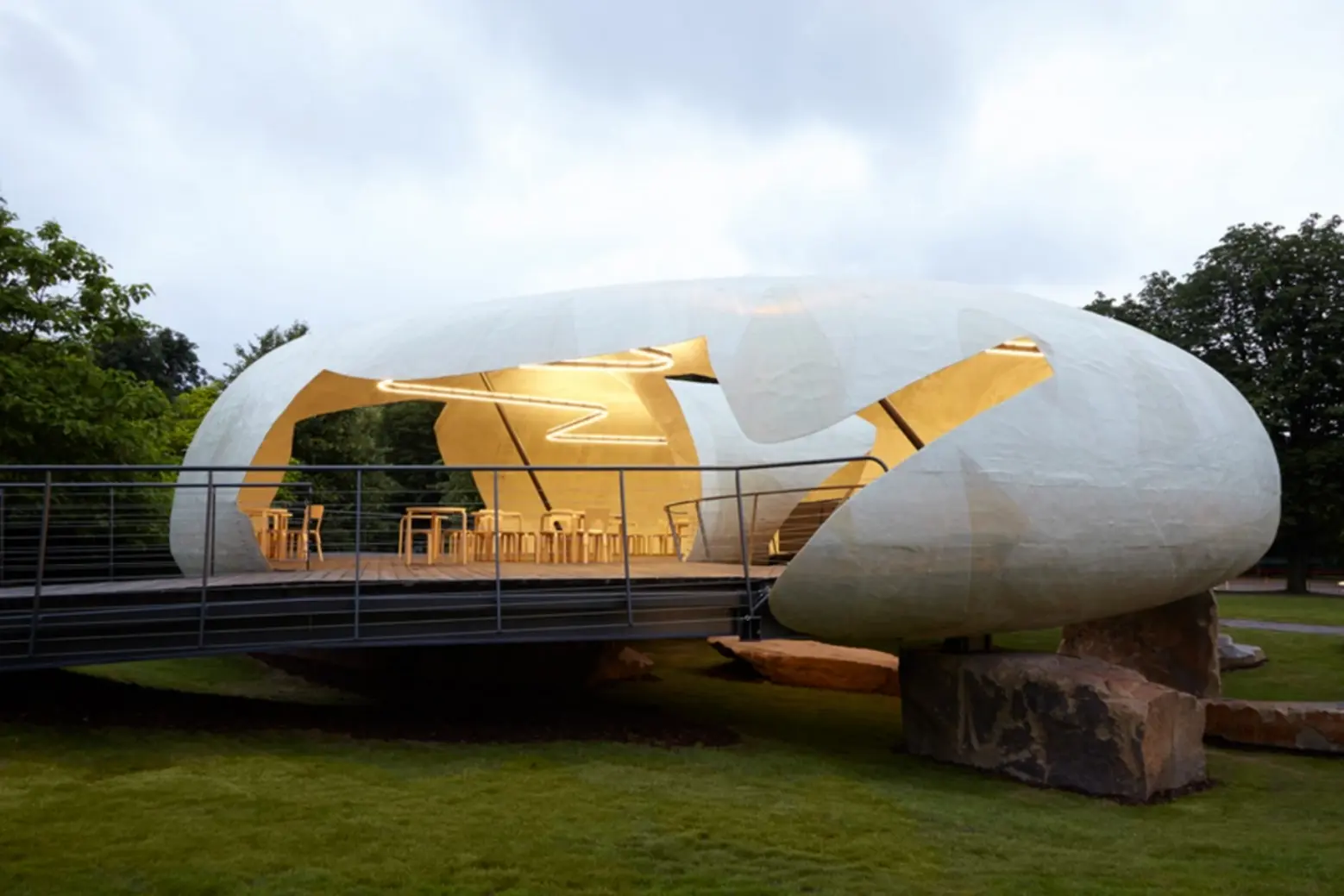
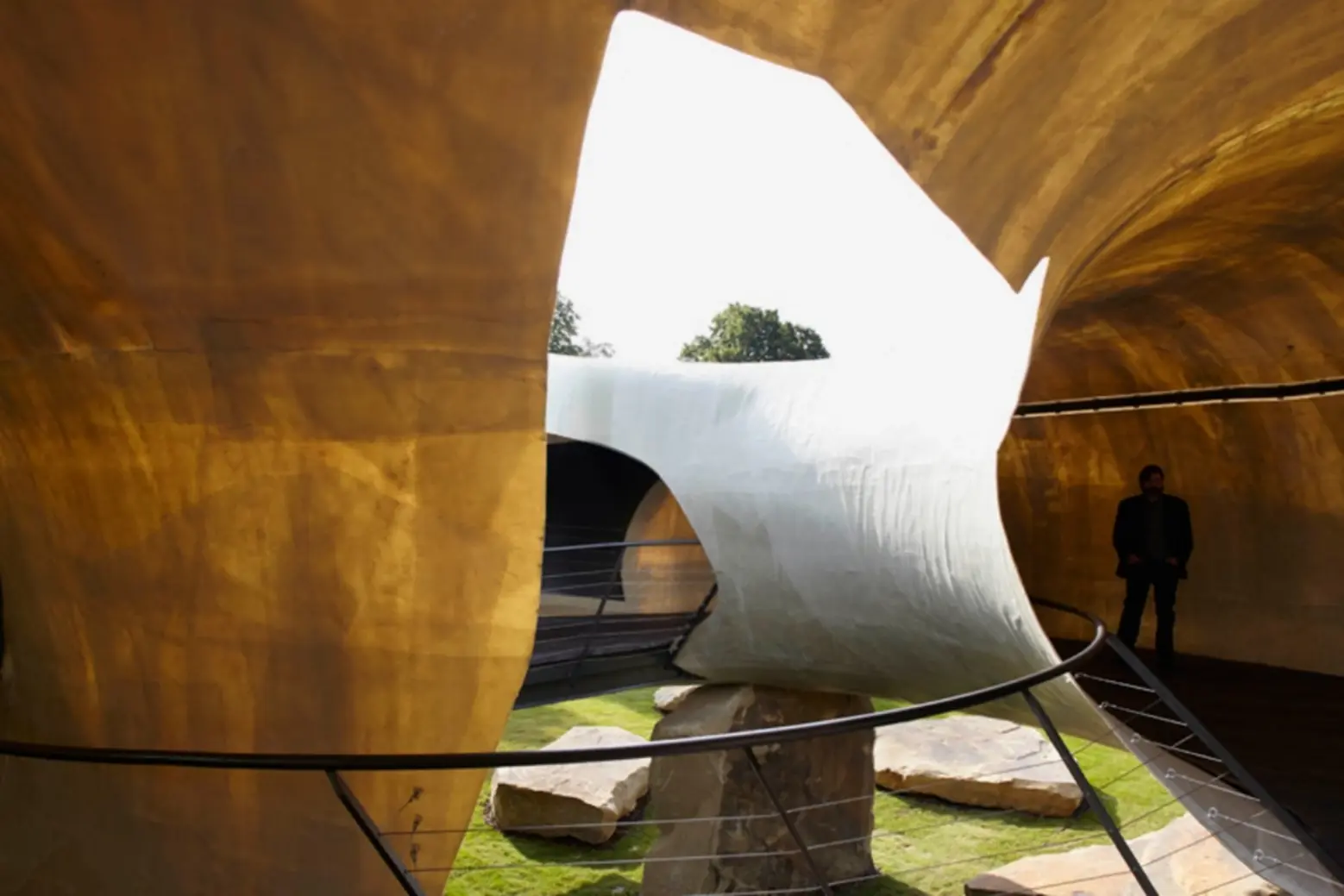
One of Smiljan Radić’s most radical contributions to contemporary architecture is a new idea of material luxury. In an era when polished marble and perfected surfaces risk feeling repetitive, he locates opulence in the raw: rough stone, weathered textures, oversized geological forms. In his work, grandeur arrives before refinement.
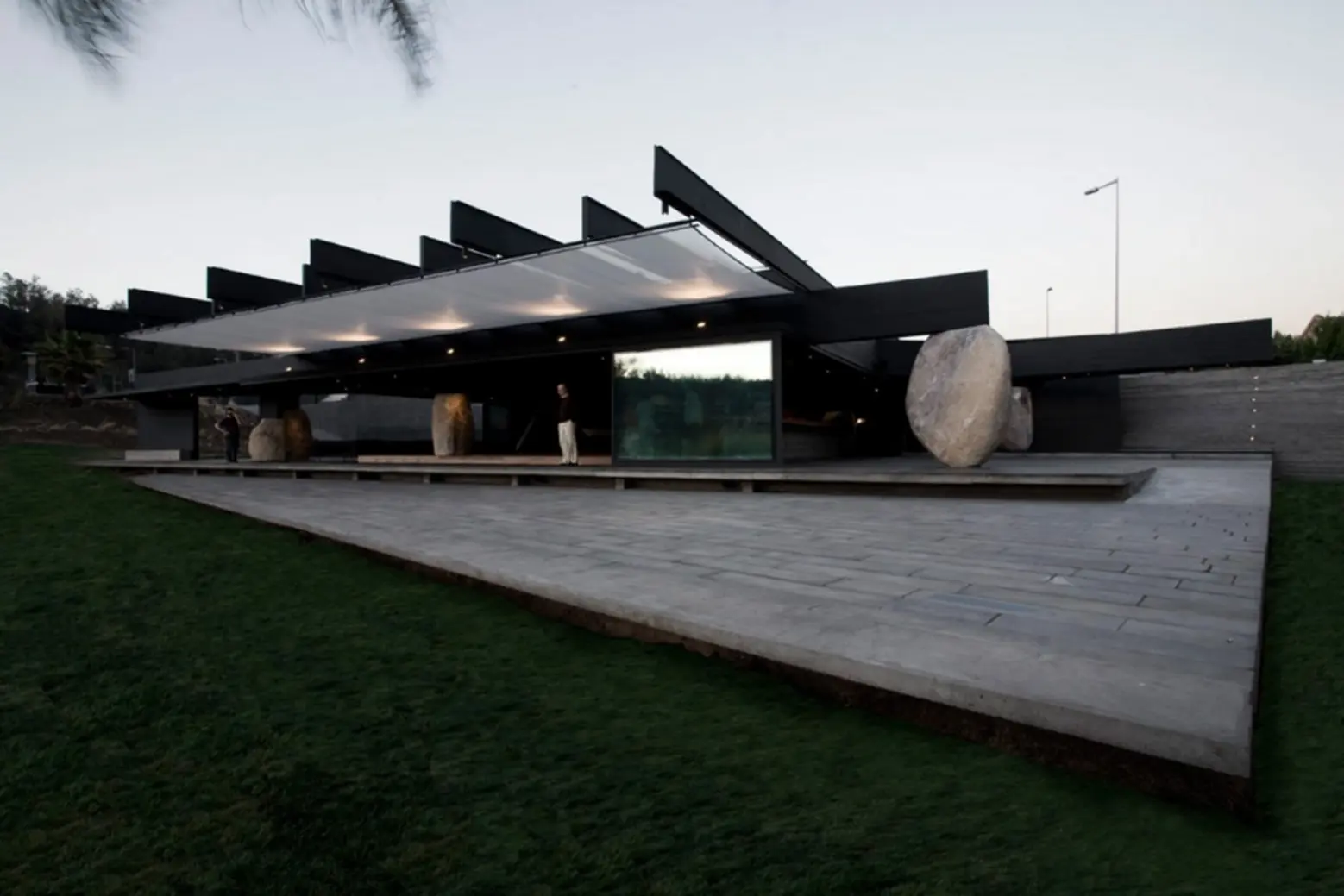
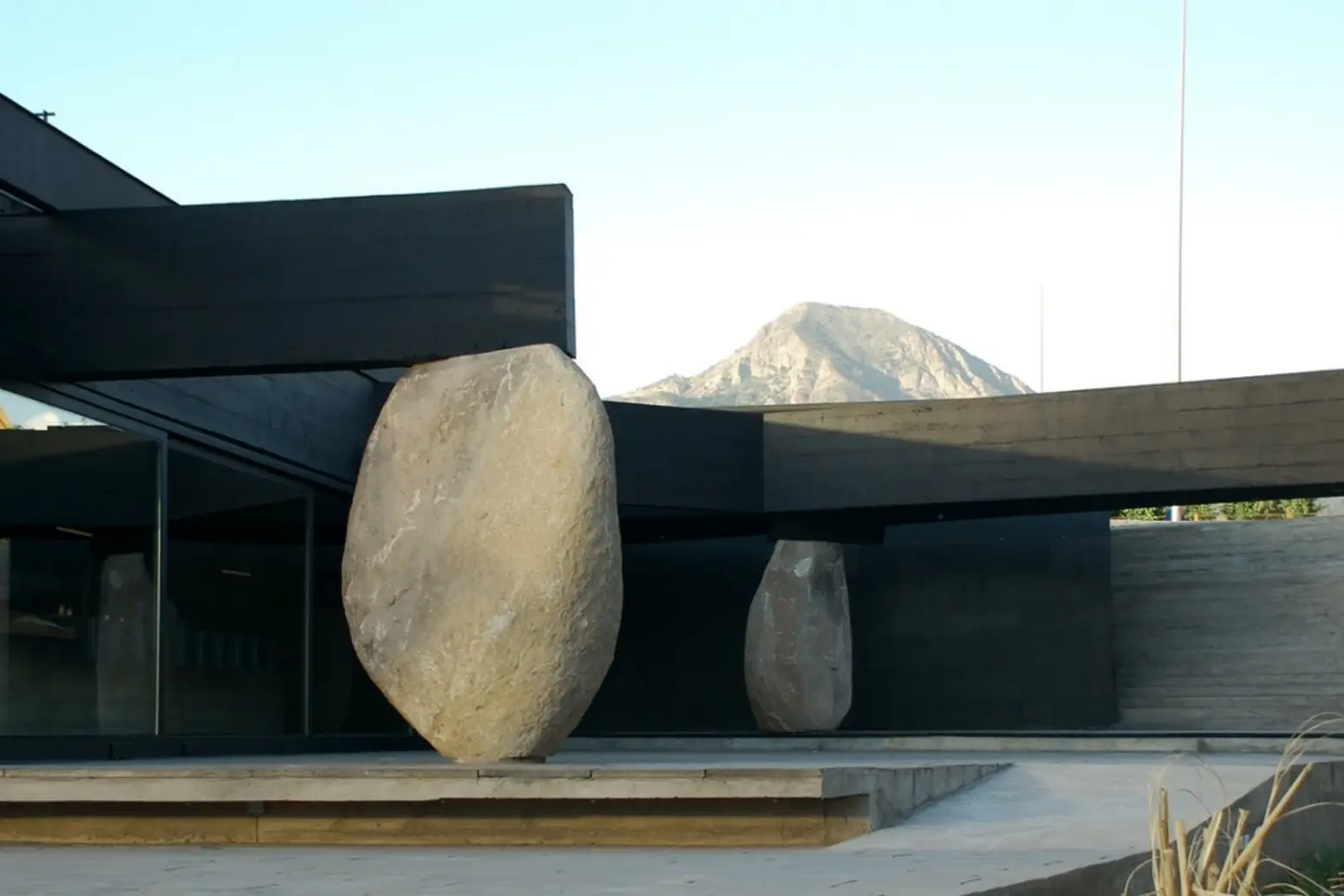
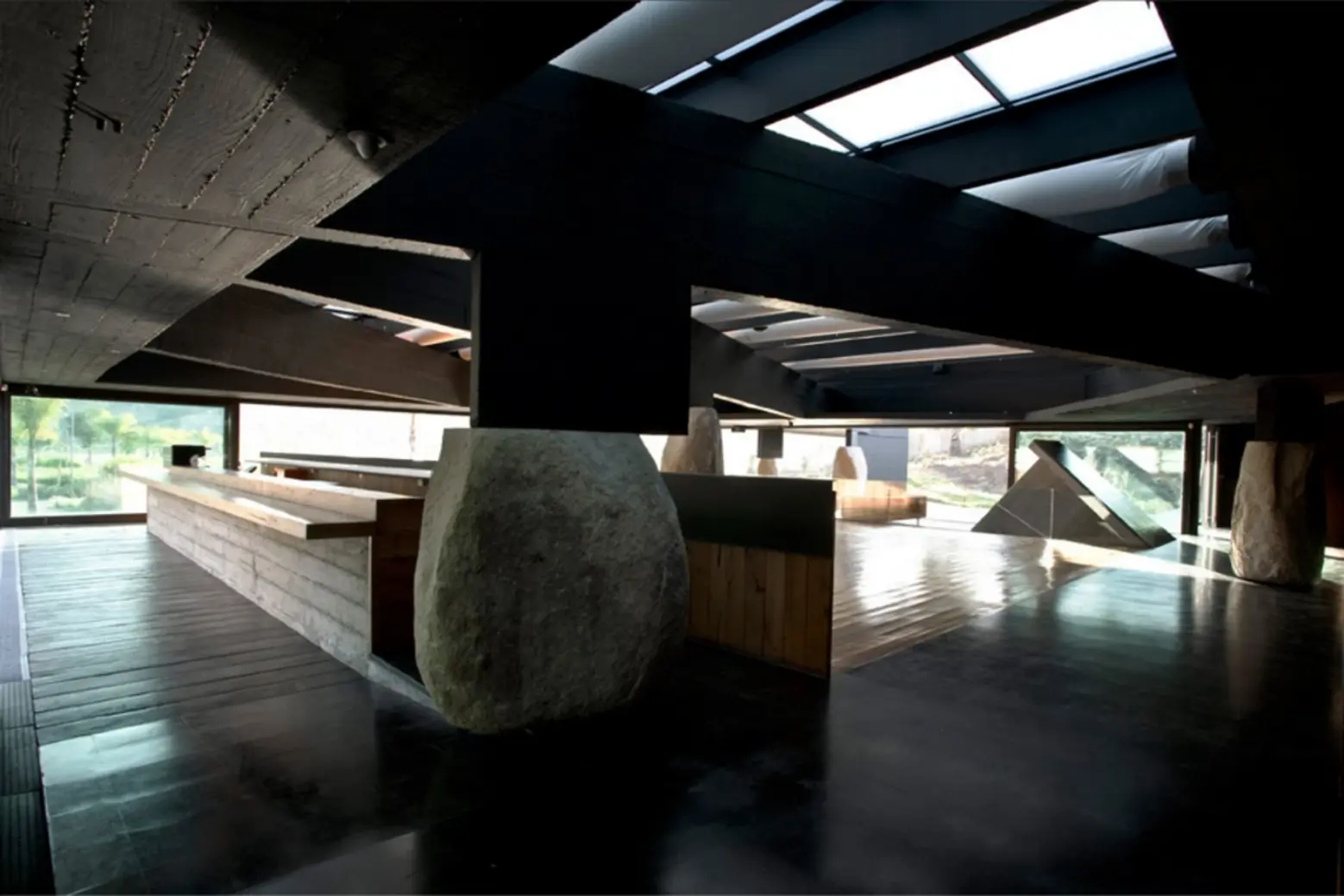
That sensibility is clear in Restaurant Mestizo in Santiago, where massive quarry stones serve as structural supports, turning boulders into columns. Rather than taming nature into ornament, Radić lets matter remain heavy, primitive, and stubborn in itself.
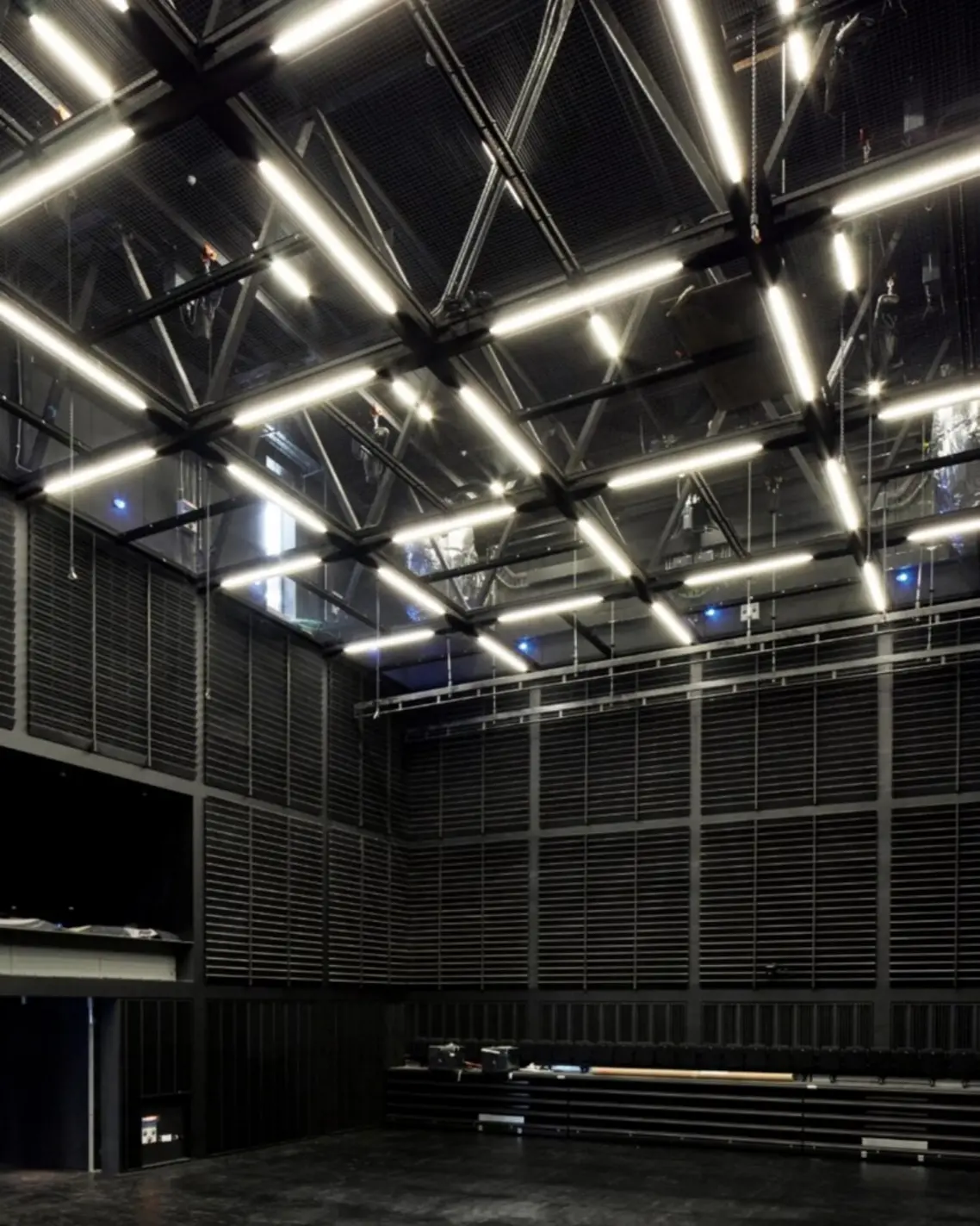
At the Teatro Regional del Biobío, after the 2010 earthquake, Concepción asked for a solid institutional building, something reassuring, durable, and visibly stable. Smiljan Radić answered the brief, but in his own subversive dialect. He created a rigorous concrete skeleton capable of withstanding seismic reality, then wrapped it in a translucent PTFE membrane so light it seems to deny the mass beneath it. The theatre becomes two buildings at once. Inside, a disciplined brutalist grid of columns, stairs, and halls; outside, a hovering veil, almost sail-like, that turns the entire structure into an urban lantern after dark.
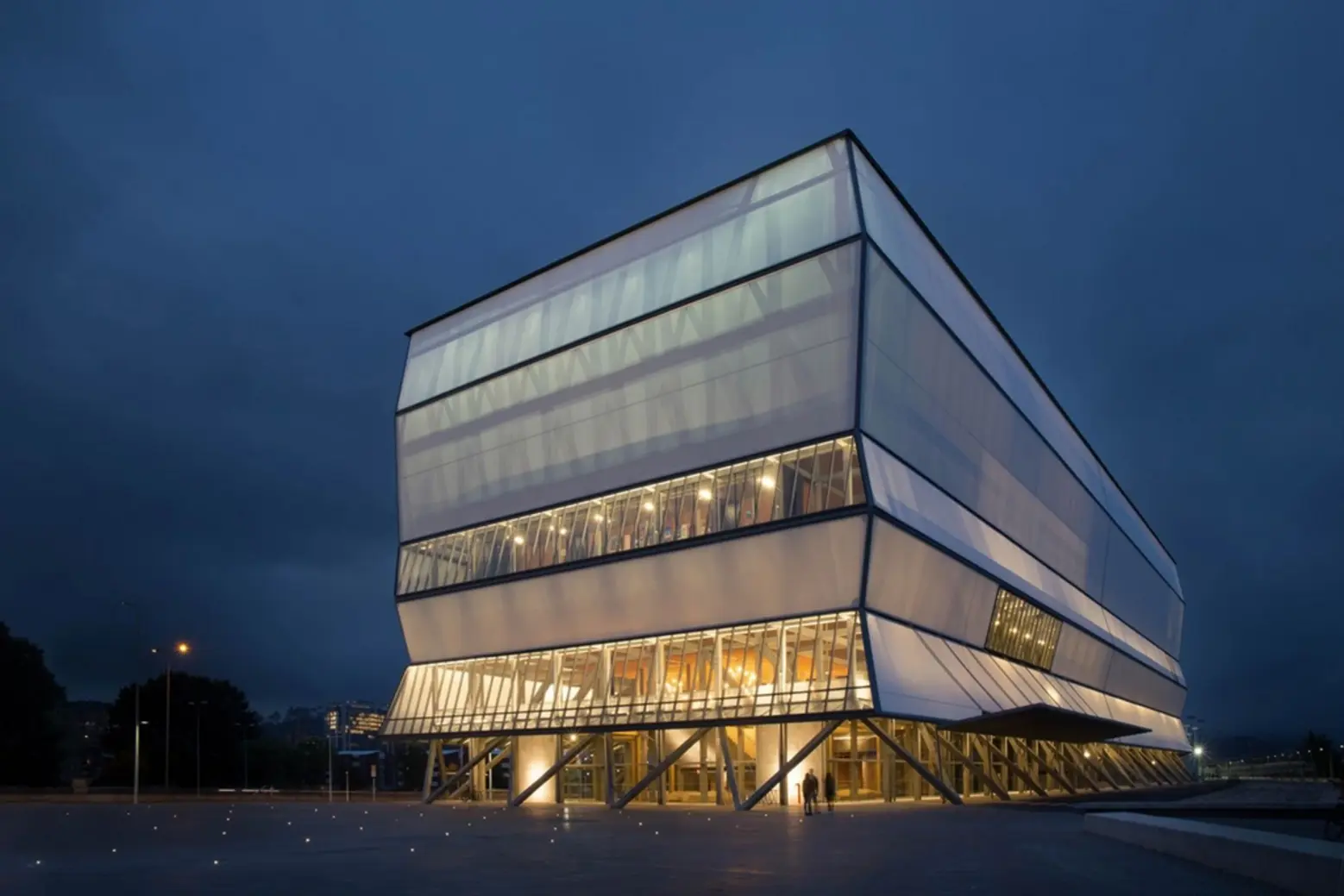
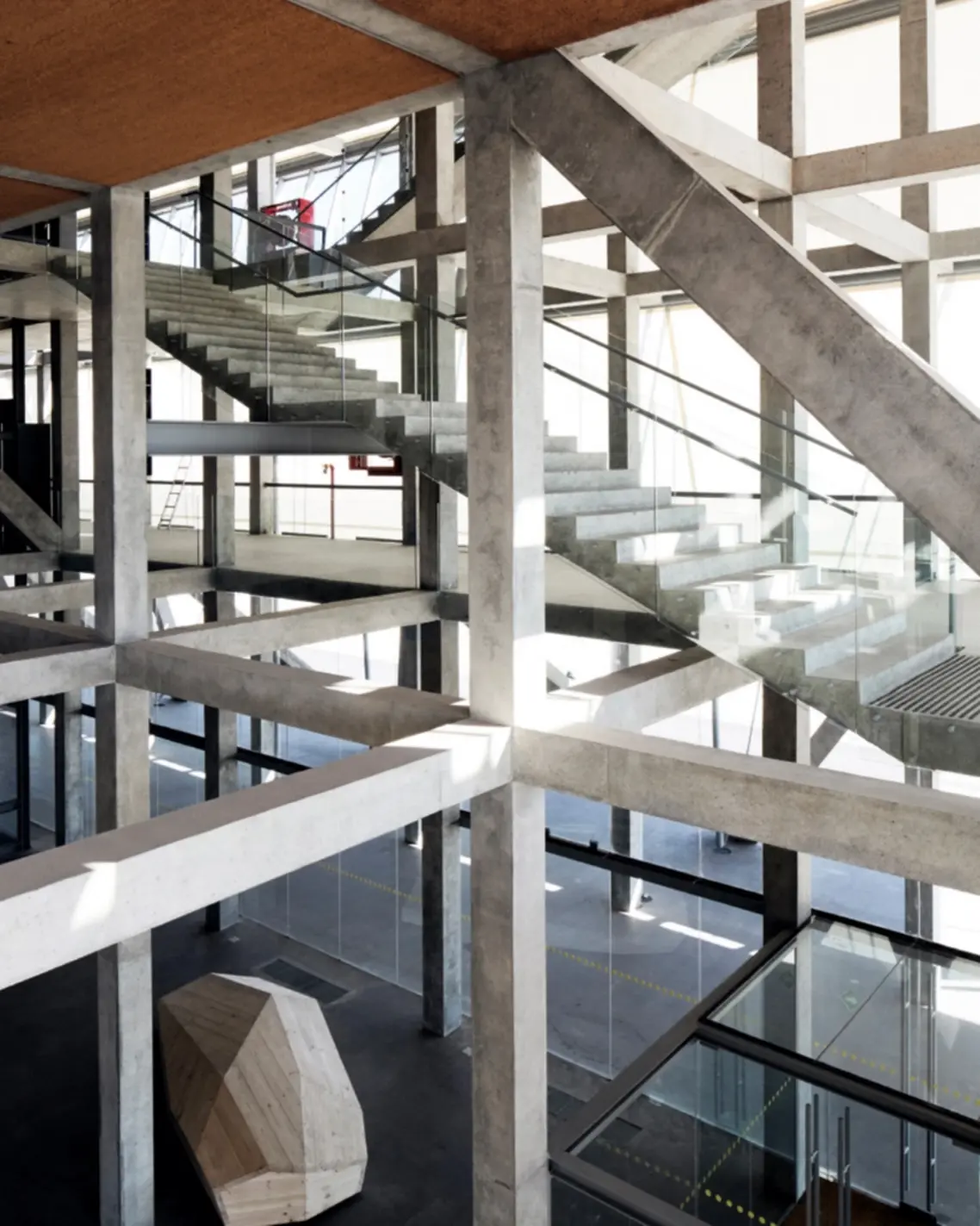
By 2027, this Radić effect is likely to reshape the language of luxury interiors and hospitality architecture more broadly. The next wave of high-end spaces will move further away from slick perfection and closer to hyper-tactile. Foundations will feel more primitive: Exposed stone, rammed earth, cave-like textures, geological forms left visible, so the guest remains tethered to the deep memory of the place. The future of luxury, through Smiljan Radić’s lens, lies in this exact contradiction: weight and glow, roughness and radiance, the boulder and the lantern.
Smiljan Radić has long worked at the edge of architecture, cinema, fashion, and stagecraft, creating spaces shaped by mood, suspense, and atmosphere rather than mere function. His collaborations, including the ethereal “soap bubble” sets for Alexander McQueen, reveal an architect less interested in containment than in intensifying perception.
That instinct feels perfectly aligned with the future of luxury hospitality architecture. Today’s traveler wants more than comfort or a beautiful room; they want a narrative, an arrival charged with mystery, and spaces that unfold like scenes. Radić’s Vik Millahue Winery in Chile captures this shift. Approached through a water mirror strewn with stones and embedded within the landscape, it feels less like a destination than like stepping into a film.
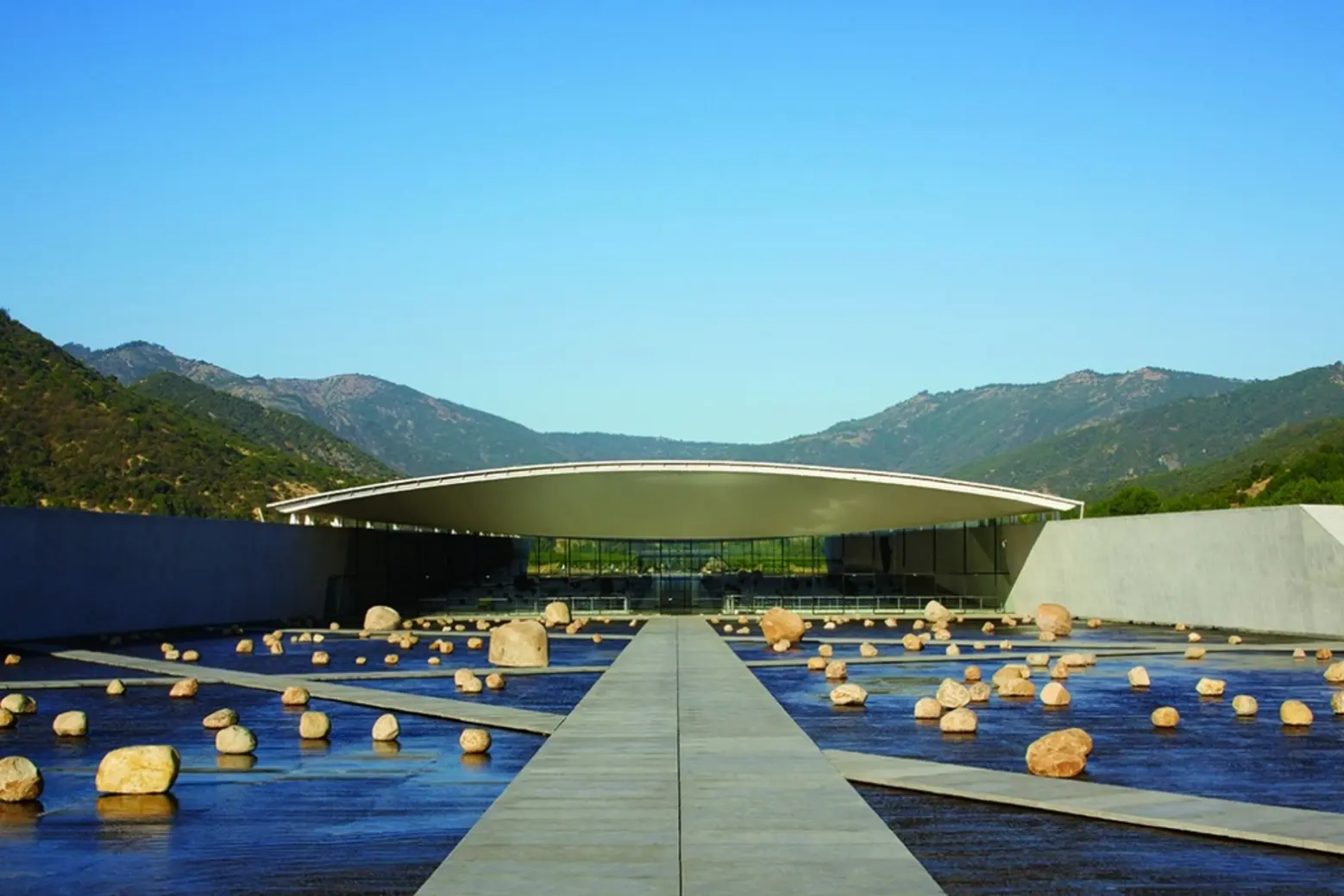
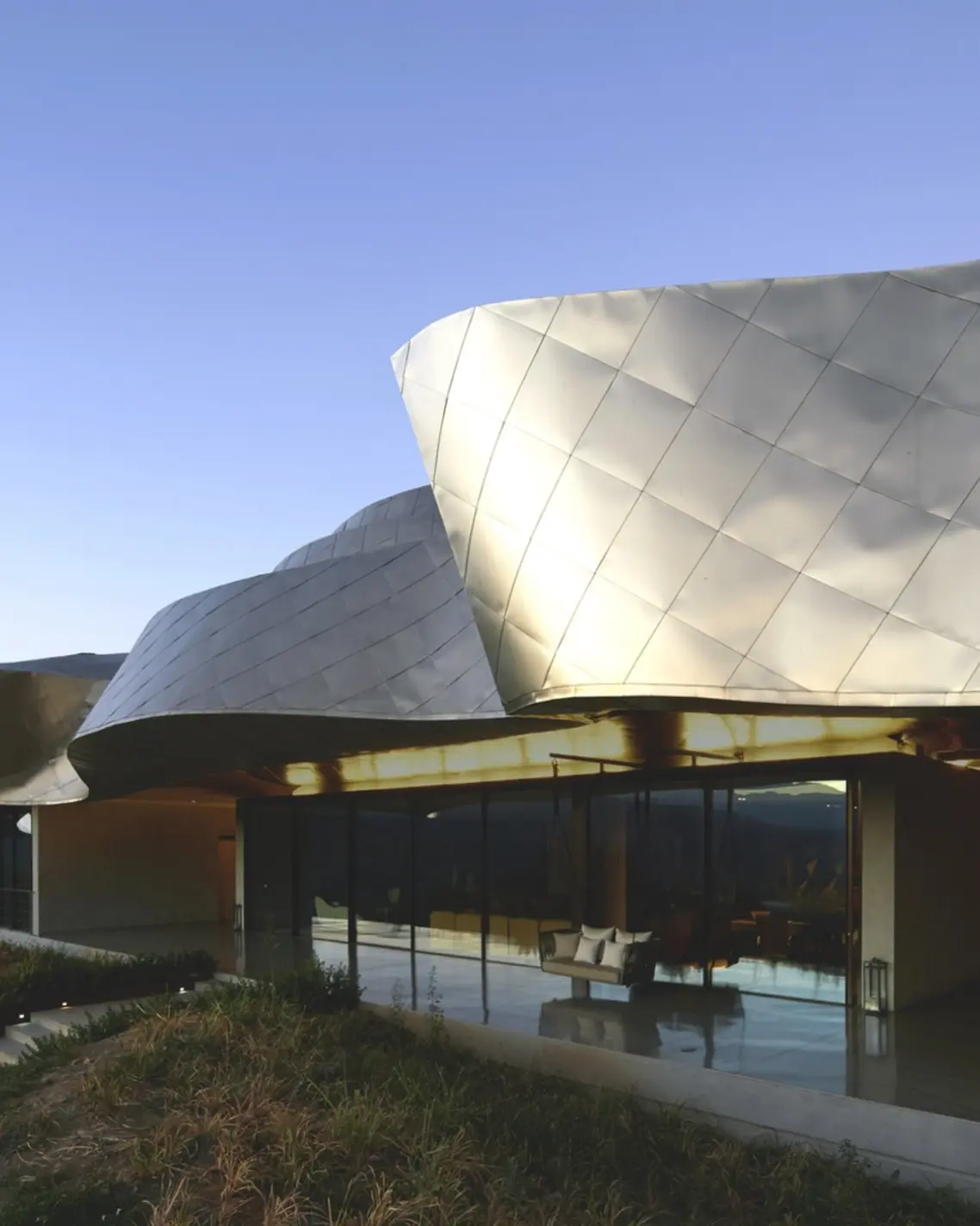
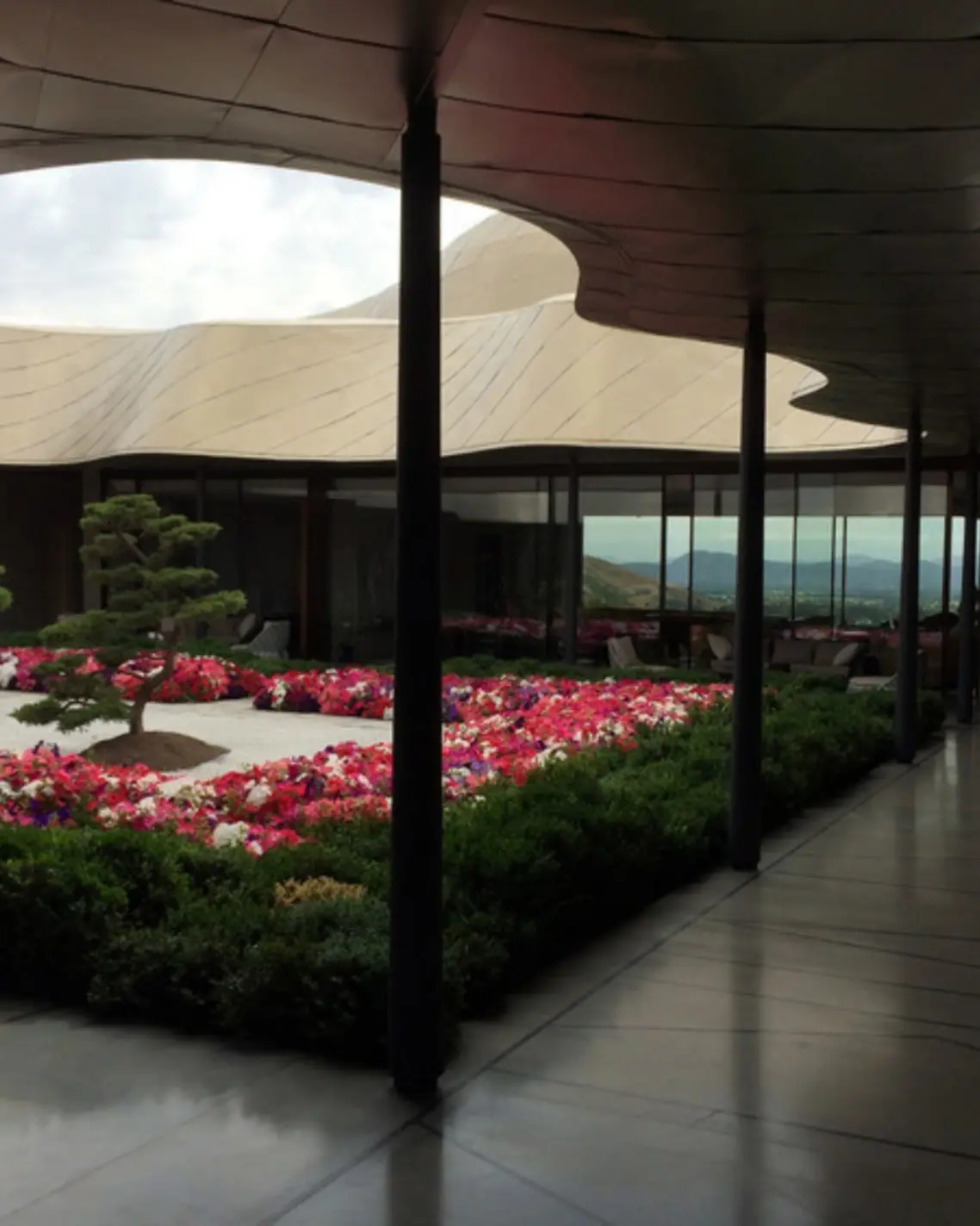
This is precisely where hospitality architecture seems to be heading. By 2027, the industry will likely move further from the familiar language of lifestyle branding, with its tidy identities and prepackaged signals, and closer to what might be called atmospheric curation.
Radić’s work provides a model for this shift because it understands that luxury can reside in what resists verbal capture. As the Pritzker jury observed, his spaces often seem to escape easy language. That quality may become increasingly desirable in an age oversaturated with explanation and image. The future luxury retreat will not simply present a design concept to be consumed at a glance.
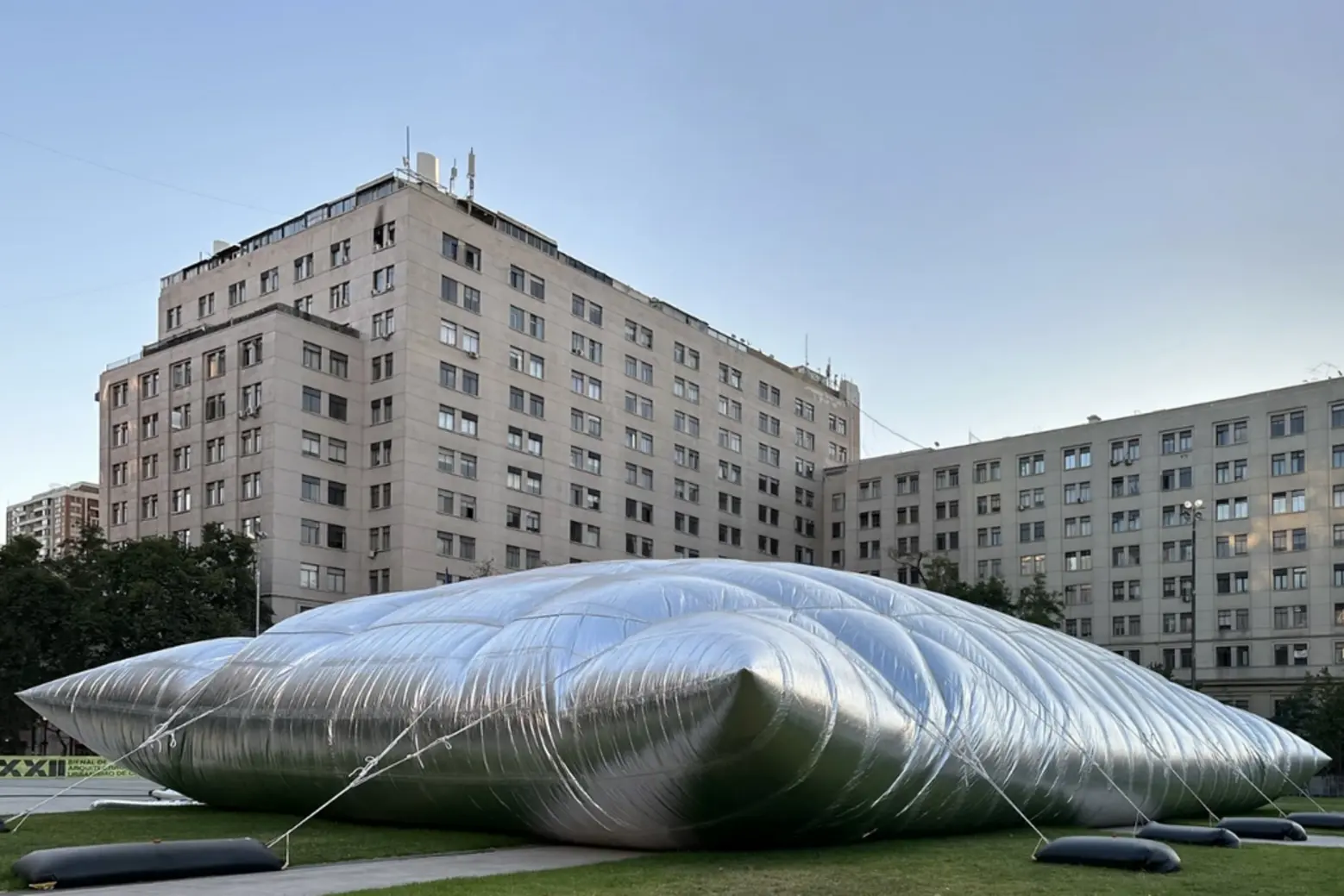
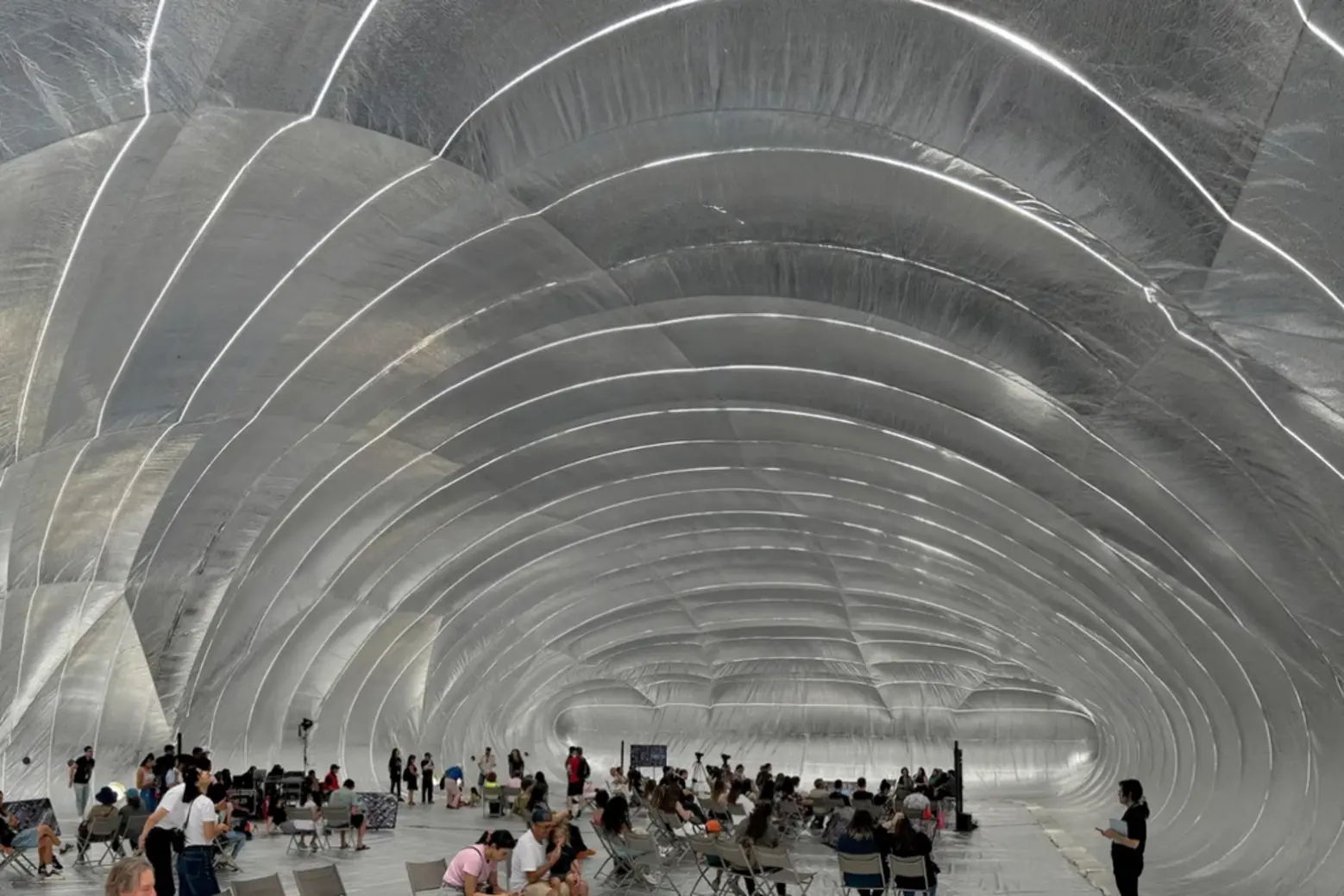
The selection of Smiljan Radić as the 2026 Pritzker Laureate is a victory for the poetic over the pragmatic. For the luxury hospitality architecture sector, it provides a roadmap for a future that is more empathetic, more textured, and infinitely more interesting.
The buildings of 2027 will not be judged by their height or their cost per square foot, but by their "emotional presence." They will be "smaller, fragile constructions," as Smiljan Radić puts it, that encourage us to pause and reconsider a world that too often passes us by with indifference. In the end, the most enduring luxury is the one that acknowledges it won't last forever.