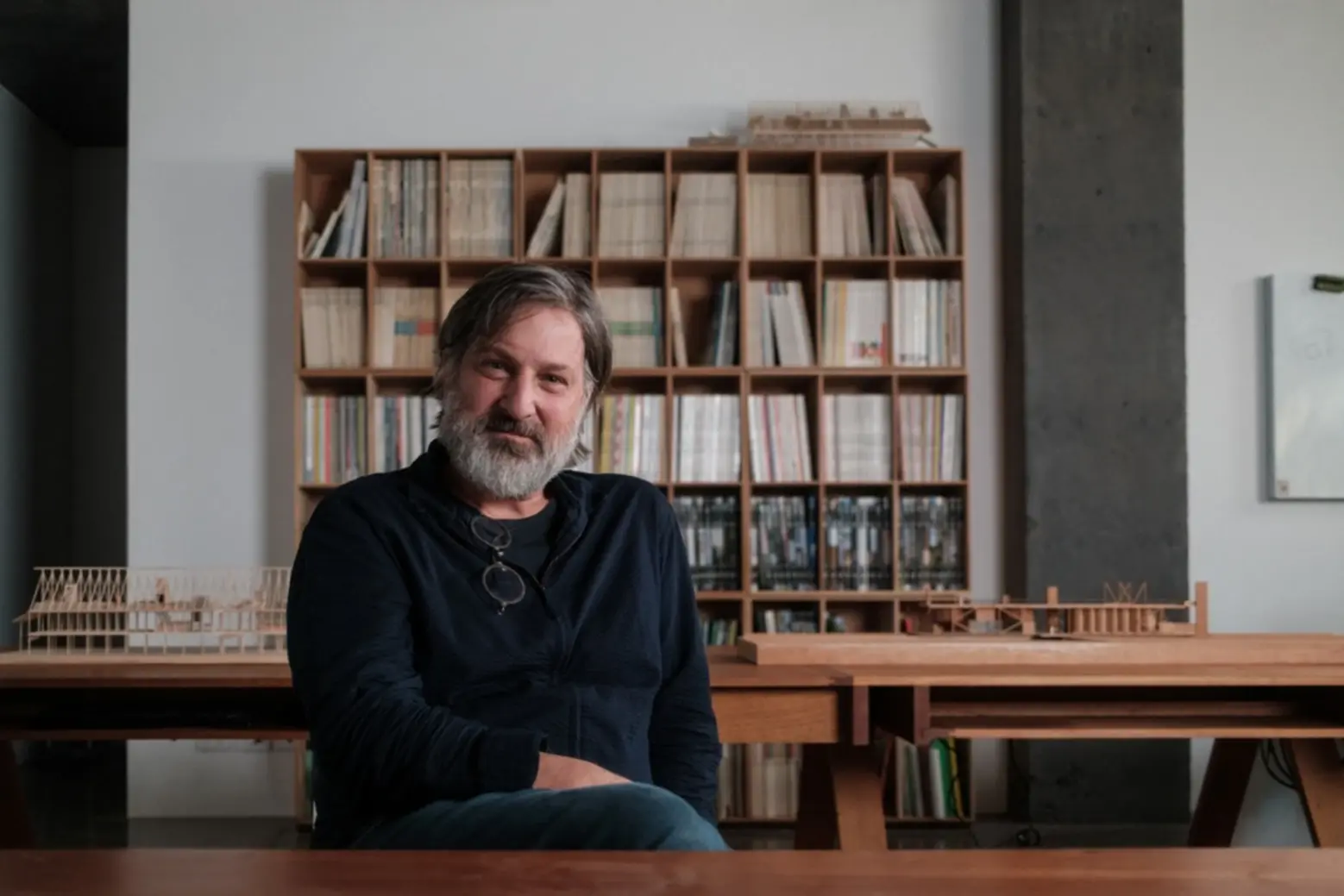
Smiljan Radić Clarke won the 2026 Pritzker Architecture Prize on March 12, bringing global attention to a Chilean architect whose work values fragility, atmosphere, and poetic restraint over monumental display. The announcement also arrives amid scrutiny surrounding the Pritzker family, giving this year’s award an added layer of institutional tension.

Smiljan Radić Clarke Wins the 2026 Pritzker Prize
Smiljan Radić Clarke won the 2026 Pritzker Architecture Prize on March 12, bringing global attention to a Chilean architect whose work values fragility, atmosphere, and poetic restraint over monumental display. The announcement also arrives amid scrutiny surrounding the Pritzker family, giving this year’s award an added layer of institutional tension.
March 12, 2026


Successing the 54th laureate Liu Jia Kun, Smiljan Radić Clarke, the Santiago-based architect whose work has long moved against the grain of architectural bravado, won the prestigious 2026 Pritzker Architecture Prize. Radić becomes the 55th laureate and only the second architect from Chile to receive the honor, following Alejandro Aravena in 2016. The choice feels both lucid and quietly radical: in a discipline that often rewards scale, certainty, and spectacle, the jury recognized an architect whose buildings hover closer to vulnerability, atmosphere, and emotional weight.
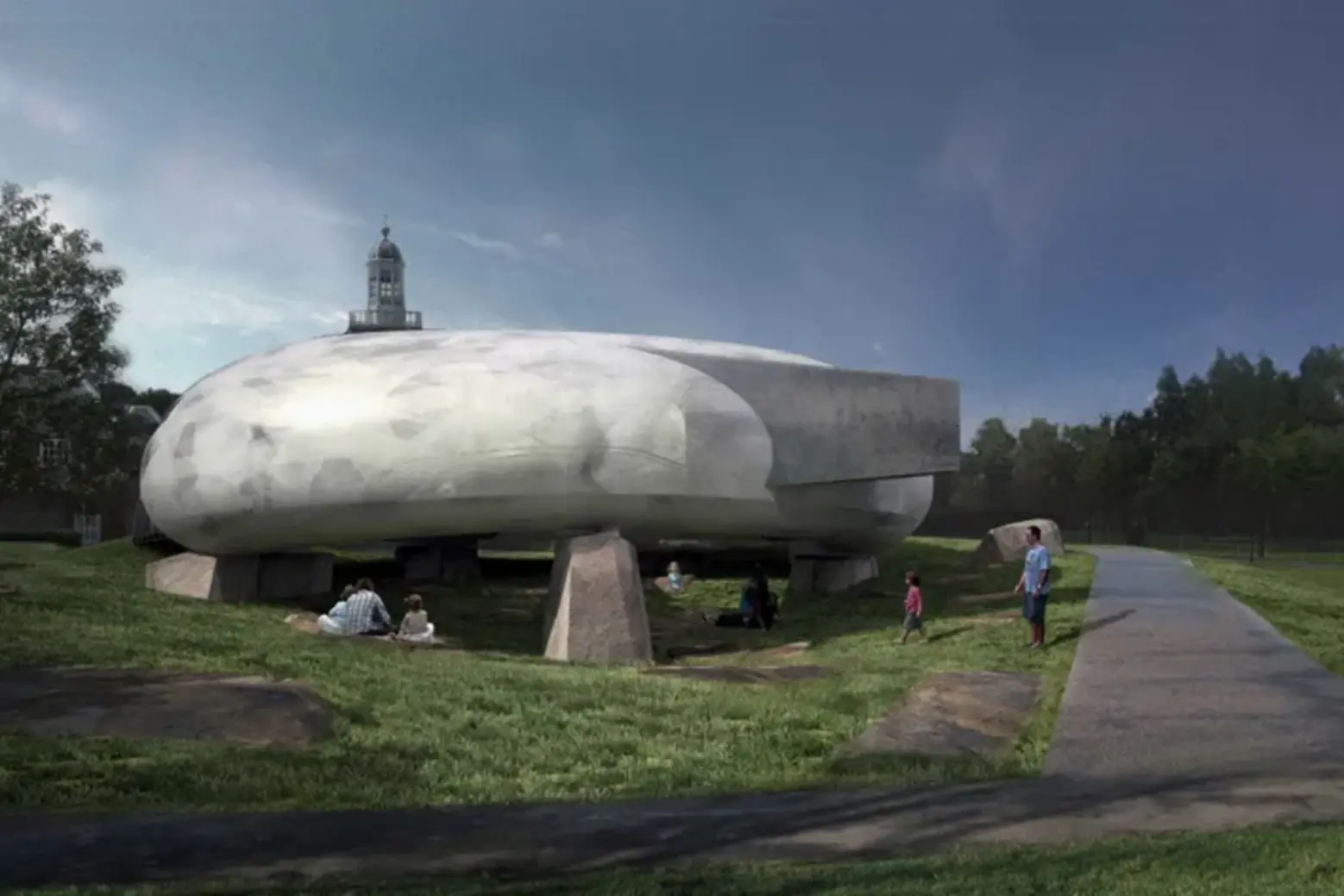
Radić’s architecture resists a fixed signature. The 2026 Pritzker Architecture Prize jury praised his work for favoring fragility over “any unwarranted claim to certainty,” describing buildings that can seem provisional, unfinished, even close to disappearance, yet still offer real shelter and dignity. That sensibility runs through his best known works. At the 2014 Serpentine Pavilion in London, a semi translucent shell rested on quarry stones like a relic from both the future and some ancient past.
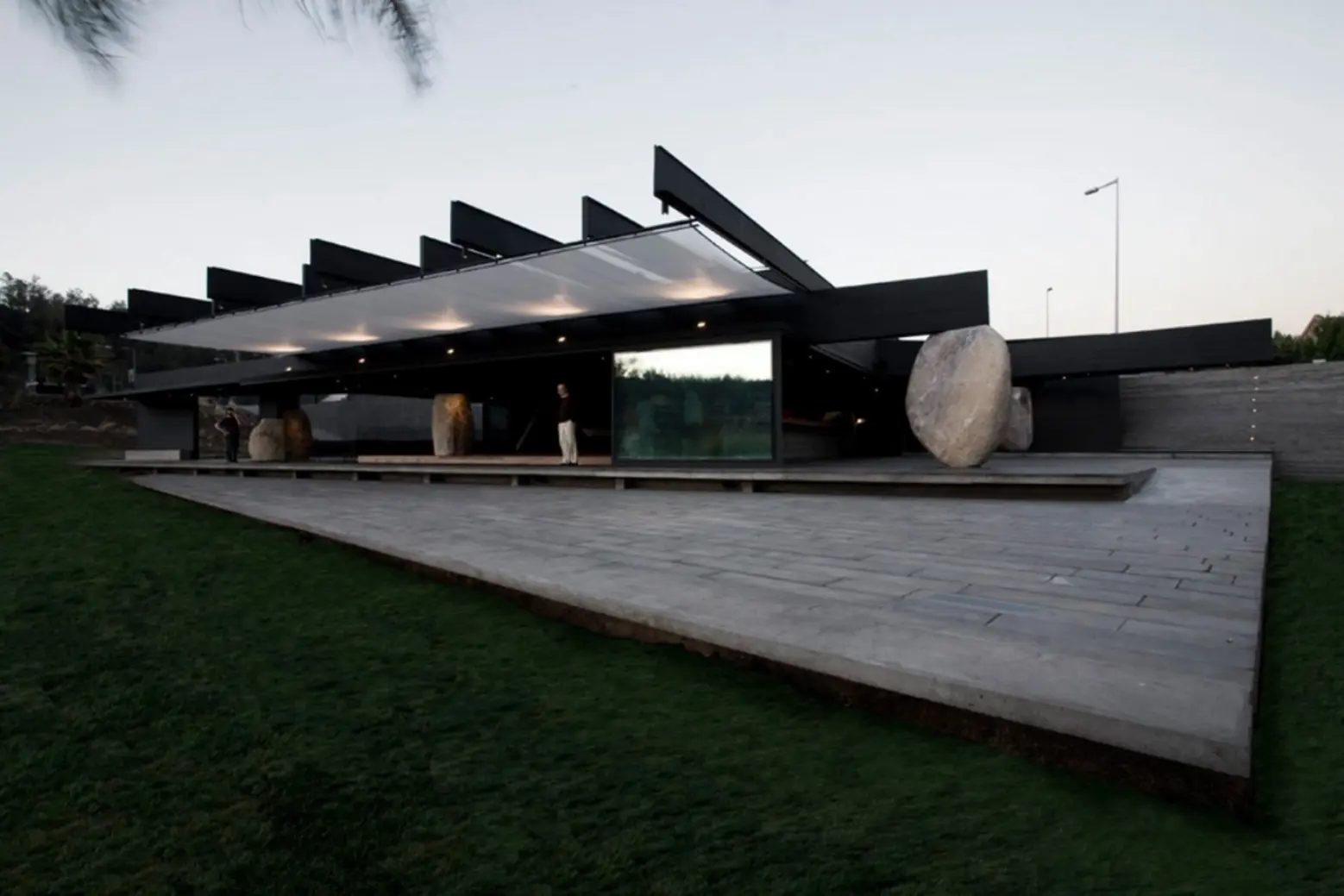
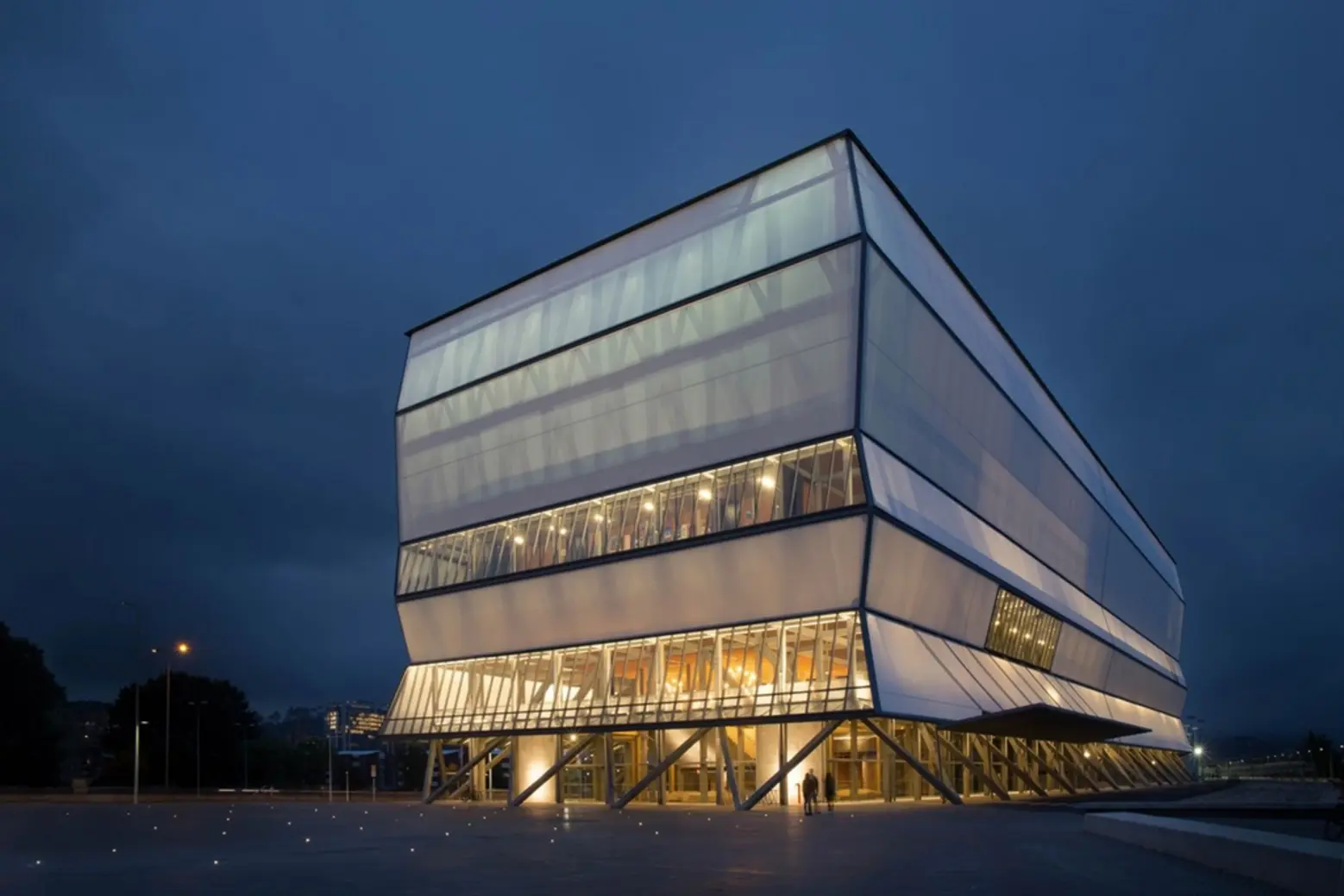
In Concepción, the Teatro Regional del Biobío wrapped civic architecture in a semi translucent membrane that glows warmly at dusk. At Restaurant Mestizo in Santiago, giant boulders and a structure partly embedded in the ground turned weight itself into something strangely refined.
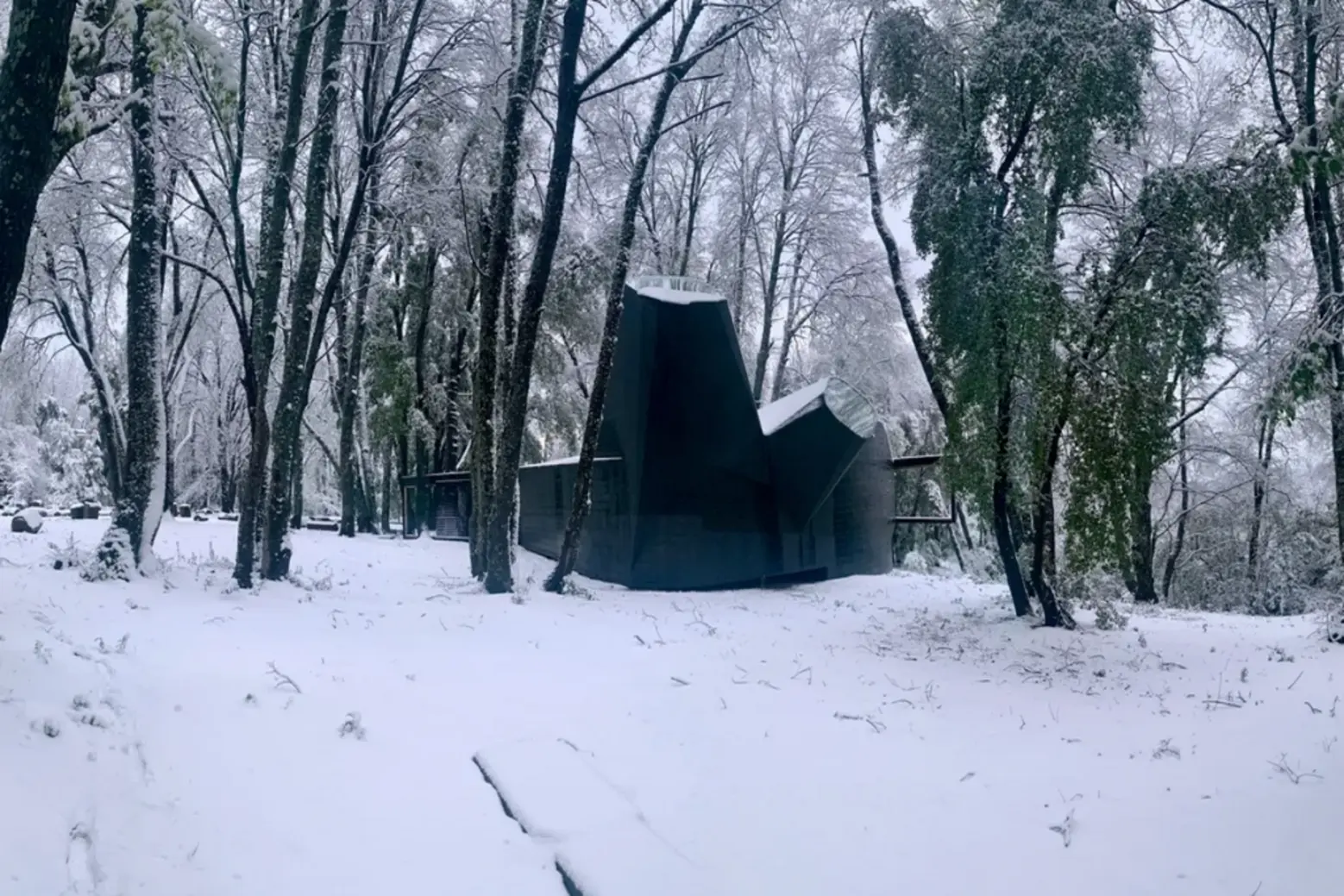
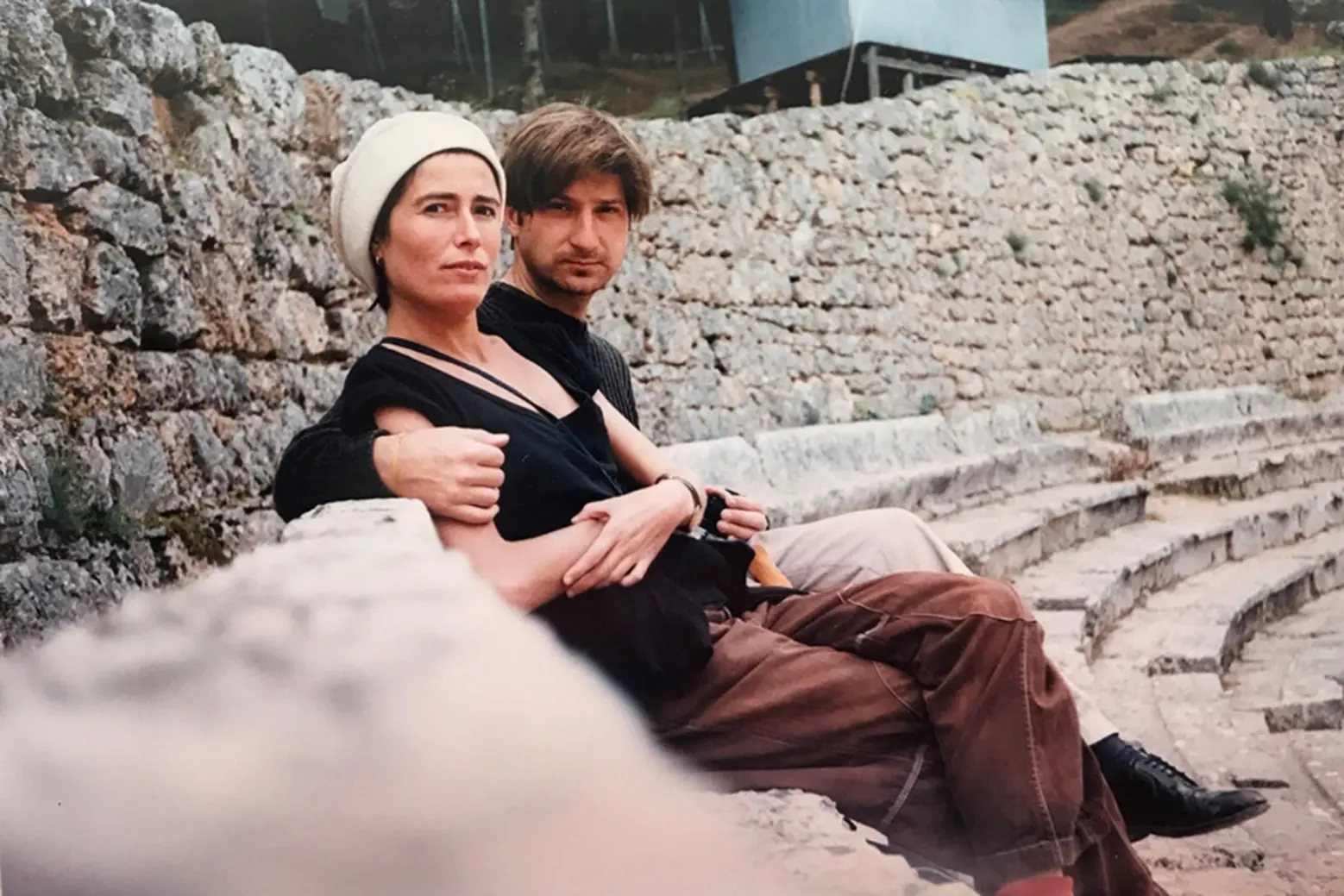
One of the clearest expressions of his worldview remains House for the Poem of the Right Angle in Vilches, completed in 2013. Inspired by Le Corbusier, the dark concrete retreat uses carefully placed openings and upward oriented light to create introspection rather than display. That tension between enclosure and exposure, mass and tenderness, also helps explain why Radić has never fit neatly into the starchitect machine. His practice remains intimate, shaped by close collaboration with sculptor Marcela Correa, his wife, and by a commitment to architecture as something tactile, literary, and deeply felt. Even Radić himself has framed building as a negotiation between enduring monuments and fragile structures fleeting “as the life of a fly.”
The 2026 Pritzker Architecture Prize, however, arrived under unusual pressure. In late February, the Pritzker announcement was delayed after renewed scrutiny of Thomas Pritzker’s ties to Jeffrey Epstein, and Thomas Pritzker also stepped down as executive chairman of Hyatt Hotels.
The 2026 Pritzker Architecture Prize jury operates independently and free from external influence, a point repeated by both official Pritzker materials and outside reporting. That context matters, but so does the winner. In honoring Smiljan Radić Clarke, the 2026 Pritzker Architecture Prize ultimately made a persuasive case for an architecture of restraint, uncertainty, and quiet force.