SANAA (Sejima and Nishizawa and Associates) is the Tokyo-based architecture firm led by Kazuyo Sejima and Ryue Nishizawa, celebrated for creating “lightness” in buildings through glass, thin columns, and non-hierarchical plans. Awarded the Pritzker Architecture Prize in 2010, the studio’s work proves that contemporary architecture can feel both precise and ethereal.
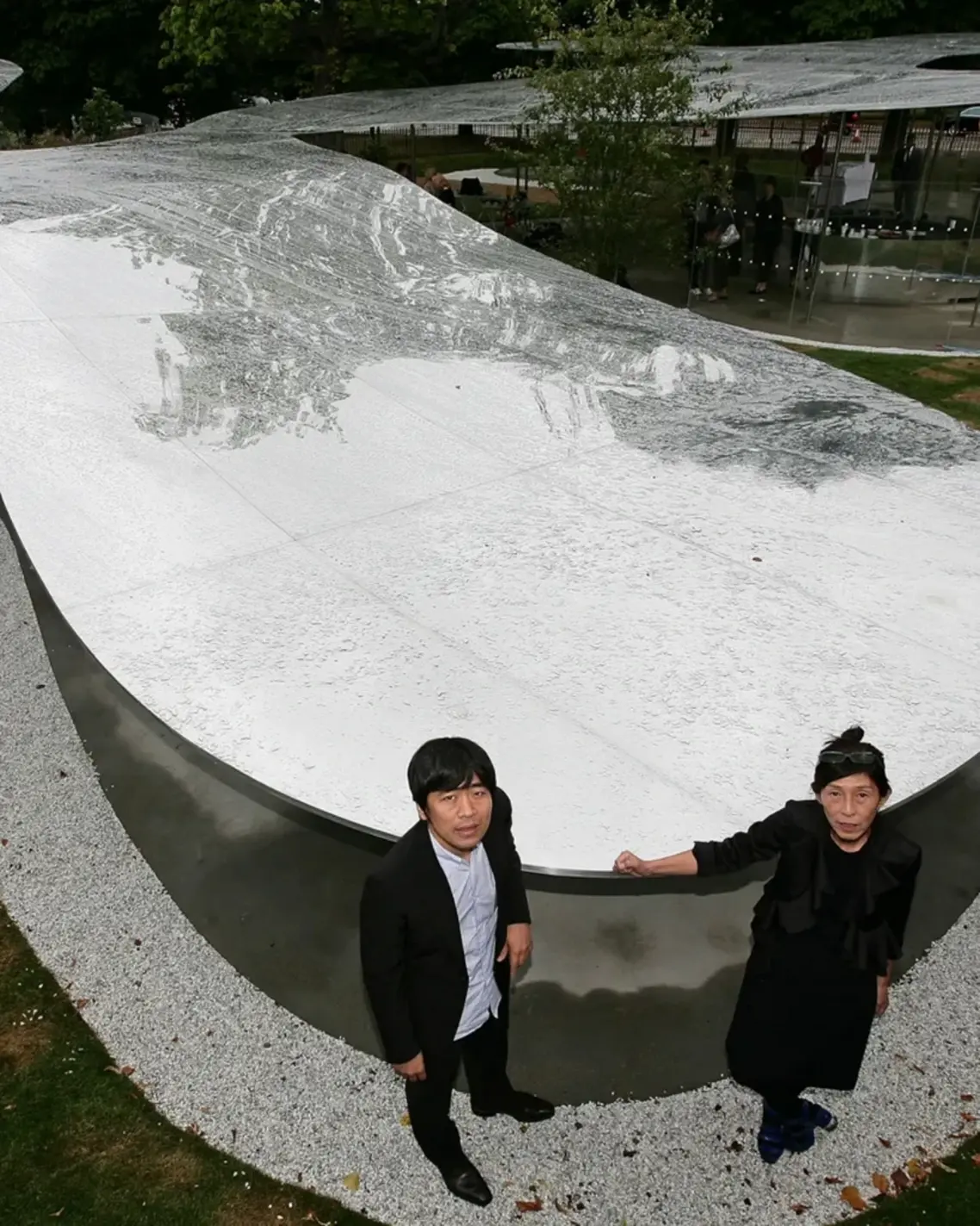
The Iconic Duo: SANAA’s Soft Radicalism
SANAA (Sejima and Nishizawa and Associates) is the Tokyo-based architecture firm led by Kazuyo Sejima and Ryue Nishizawa, celebrated for creating “lightness” in buildings through glass, thin columns, and non-hierarchical plans. Awarded the Pritzker Architecture Prize in 2010, the studio’s work proves that contemporary architecture can feel both precise and ethereal.
February 3, 2026


SANAA, the Tokyo studio founded in 1995 by Kazuyo Sejima and Ryue Nishizawa, has a rare superpower: Making major buildings feel as light as a passing thought. In 2010, the duo received the Pritzker Architecture Prize, with the jury praising work that feels “simultaneously delicate and powerful, precise and fluid.”
Their architecture carries an “ethereal” calm, yet it stays intensely practical: Museums that behave like public parks, campuses that read like indoor landscapes, and cultural buildings that invite people to choose their own path. The result looks simple, almost weightless, while the underlying decisions about structure, circulation, and atmosphere remain deeply exacting.
Two architects, one studio
SANAA grew out of Kazuyo Sejima and Ryue Nishizawa’s partnership and a studio culture built on repetition, refinement, and obsessive testing: the Pritzker materials describe a process driven by “countless physical and digital models,” with hundreds of study models shaping each design until the result reads as an atmosphere you can inhabit rather than a single headline gesture. That model-first mindset also keeps the practice elastic — plans that can glide from corridor to courtyard, box to circle, stack to field, while the mood stays bright, calm, and open-ended, a signature written in light across wildly different sites.
Off the page, their fame sits lightly on them: Kazuyo Sejima, the senior partner who once supervised Ryue Nishizawa, is known for a relentless work rhythm, a constant cigarette in older profiles, and an art-student-meets-avant-garde wardrobe often associated with Comme des Garçons. Lately, she has also spoken about a serious cooking fixation when her mind slips away from glass and daylight.
In the office, critique moves horizontally, with a sea of white foam models inviting everyone, from interns to partners, to speak up.
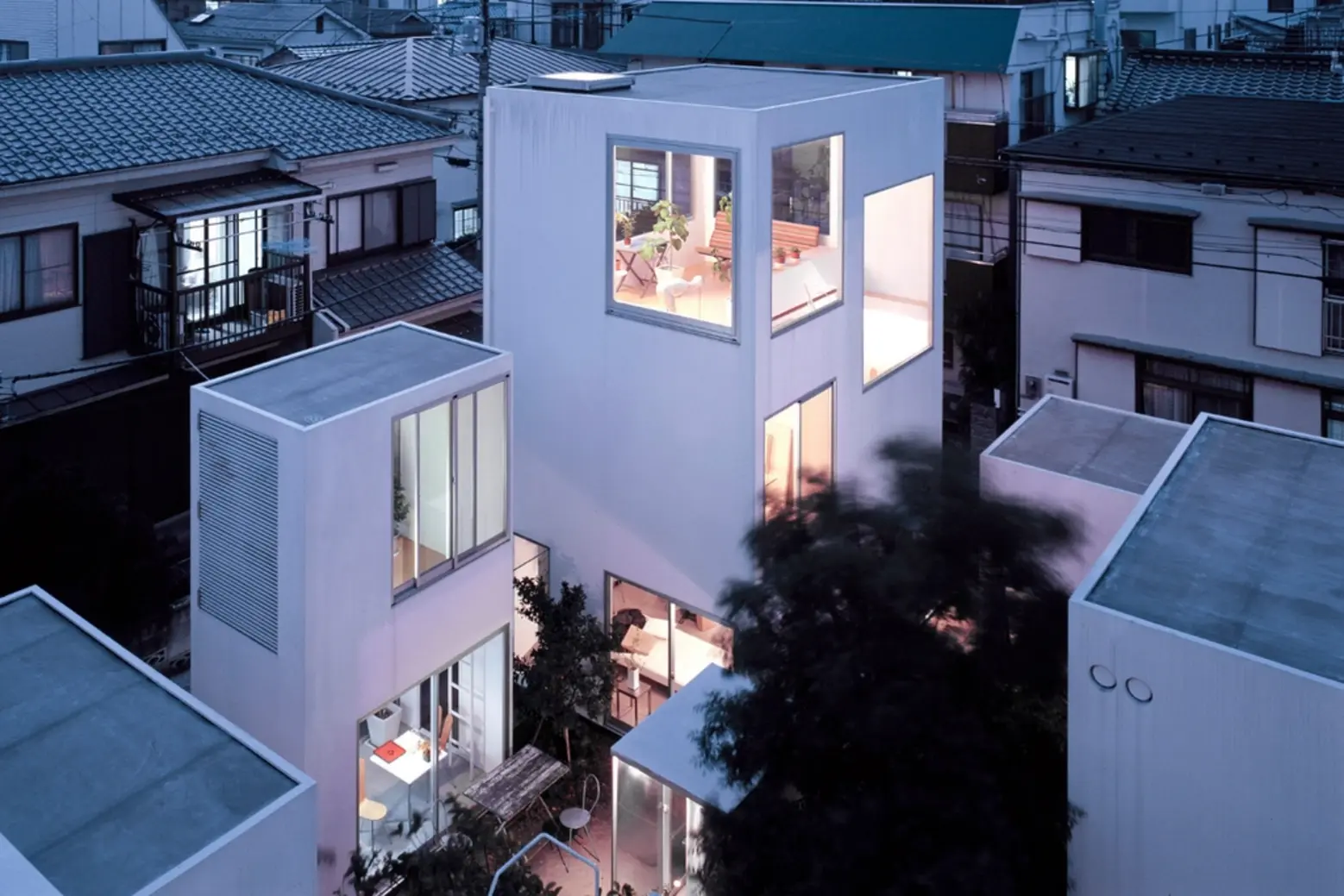
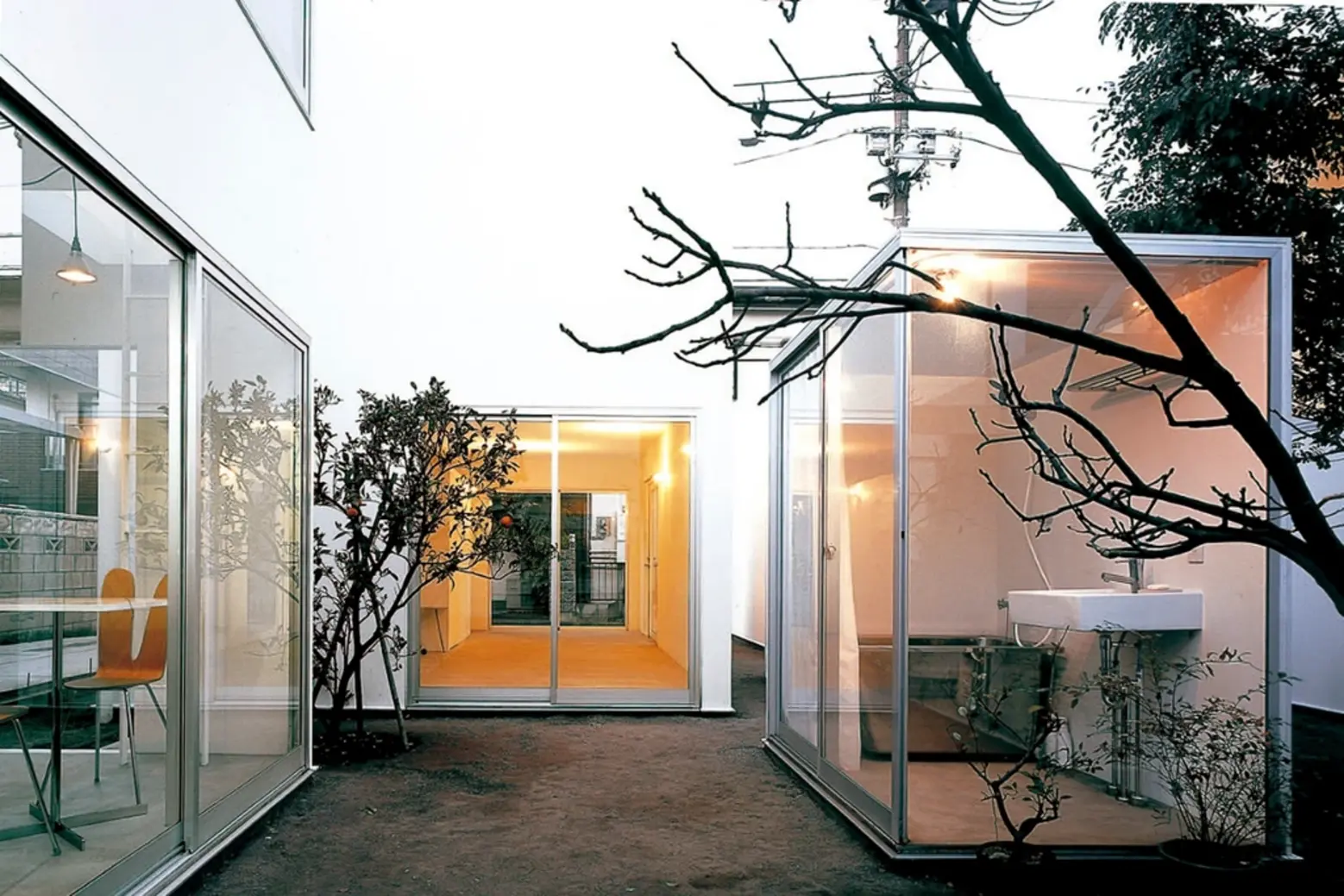
Ryue Nishizawa pushes the same philosophy into domestic life through projects like Moriyama House, a scattering of small white volumes in a garden that turns everyday routines into short walks outdoors, making “inside” and “outside” feel like parts of one continuous, lived landscape.
The “fourth dimension” philosophy
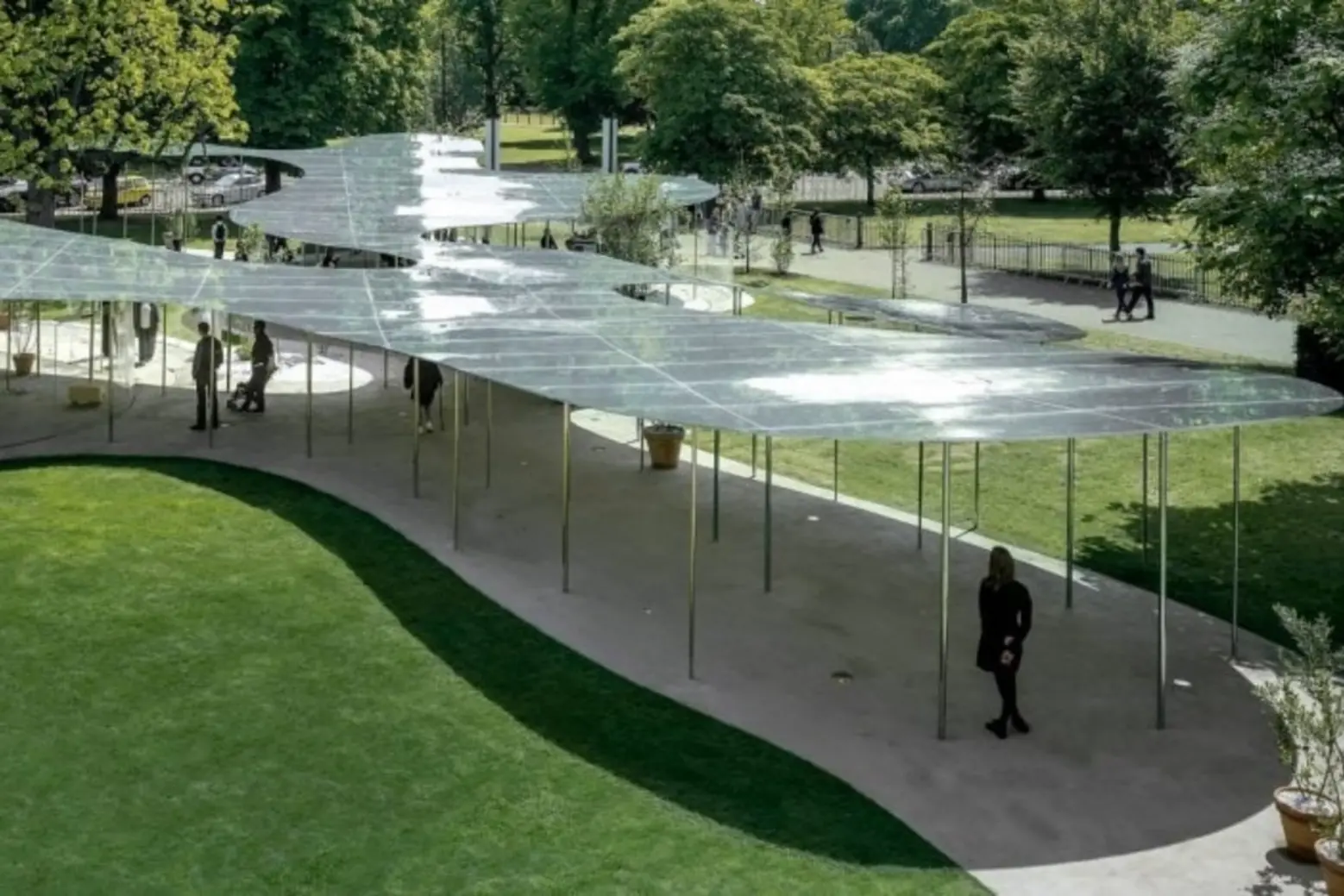
SANAA’s buildings feel like they have an extra dimension because they treat time and movement as design materials. A visitor’s path, the shifting angle of daylight, the reflections that appear and disappear on metal or glass: these effects turn space into something active, almost cinematic. Their celebrated “lightness” comes from a mix of structural discipline and visual strategy. Columns often read as pencil lines. Skins shimmer or dissolve. Boundaries soften, so a building seems to hover between object and atmosphere.
A key theme is non-hierarchical space: instead of a single “correct” entry or a dominant axis, SANAA designs environments that support multiple beginnings and multiple interpretations. Japan’s official tourism materials even summarize the 21st Century Museum in Kanazawa as circular, with a sense of having no “proper” front or back. That approach carries quiet politics: a museum behaves less like a fortress of authority and more like a shared civic room.
This attitude also connects to how Ryue Nishizawa frames architecture’s relationship with context. In a 2025 interview, he put it plainly: “Architecture isn’t sculpture… Architecture has to become one with the landscape.” In SANAA’s hands, “landscape” can mean a literal site, and it can also mean an interior terrain made of gentle slopes, courtyards, furniture islands, and social pockets that people discover at their own pace.
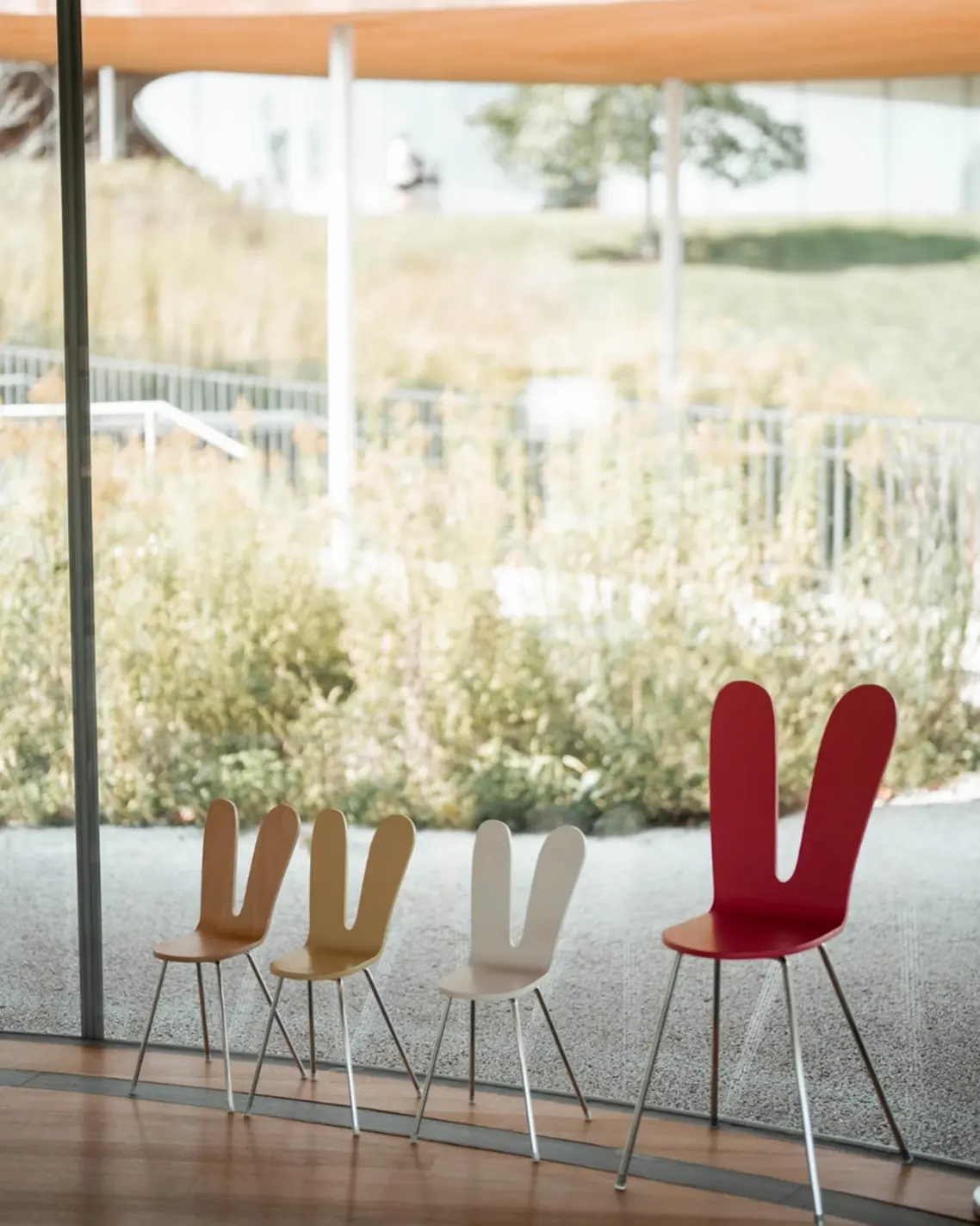
SANAA's philosophy is not only observed in big-scale public buildings, it can also be compacted into the simplest structure, namely a chair. Witty and whimsical, the nextmaruni Rabbit Chair embraced SANAA's style with ease. With two asymmetrical “ears” rising from the backrest, it reads almost like a small creature paused mid-listen, softening the studio’s cool, white spaces with a hint of personality. It often appears in museum cafés and public lounges because it fits SANAA’s ethos: minimal in line, friendly in presence, and designed to make even a stripped-back interior feel subtly alive.

SANAA's “democratic” public landscapes
If SANAA has a signature typology, it might be the museum-as-city-park: a cultural building designed around choice, permeability, and wandering.
21st Century Museum of Contemporary Art, Kanazawa (2004)
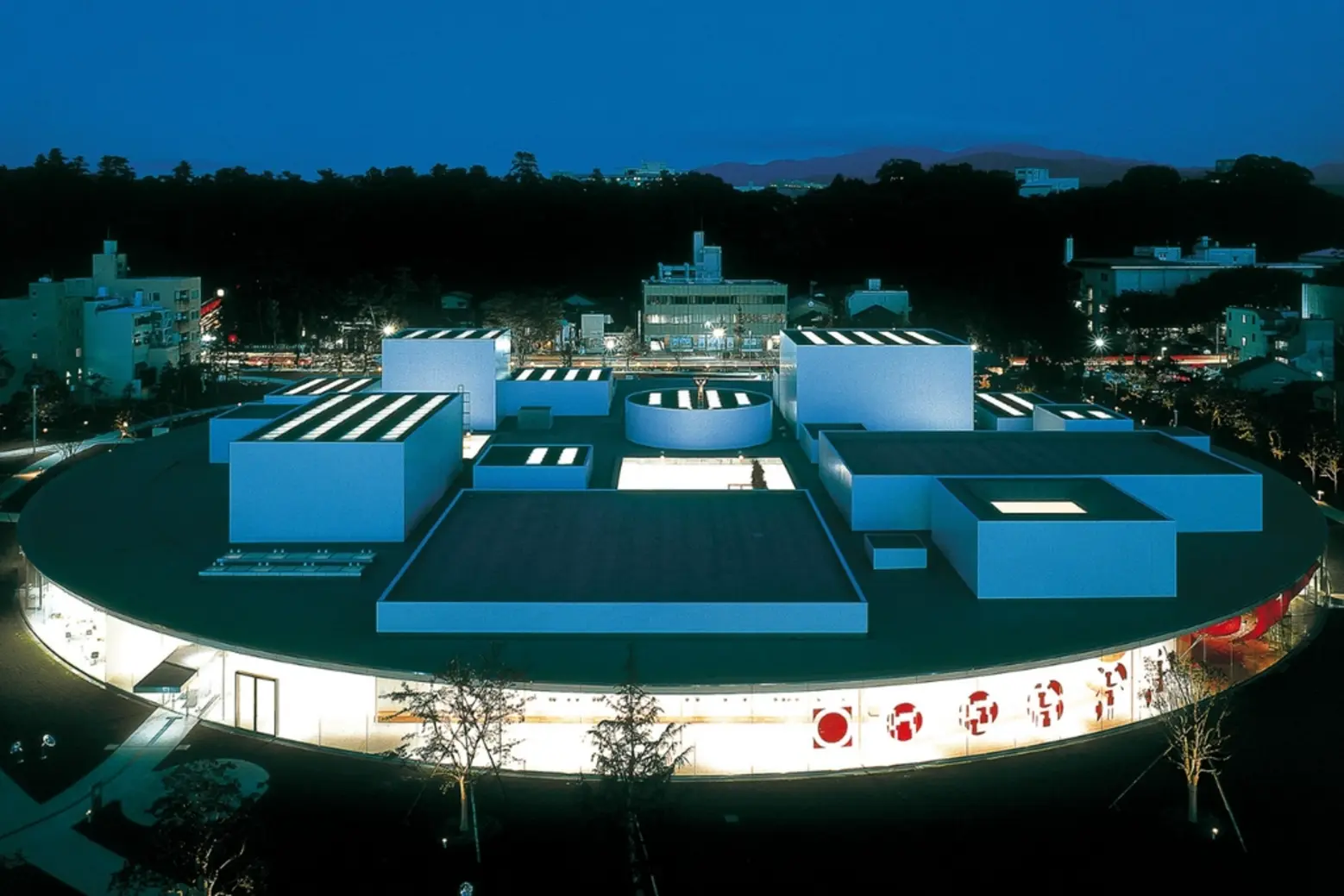
Often defined by its circular glass perimeter, the 21st Century Museum of Contemporary Art in Kanazawa lets you enter from multiple directions, encouraging casual drop-ins and making the institution feel stitched into everyday city life. Rather than forcing a single “correct” route, the plan supports personal wandering, with courtyards and light wells keeping the galleries bright, airy, and publicly legible; the circle becomes a social instrument that disperses crowds and multiplies choices, so the museum feels like a place you can use, not just visit.
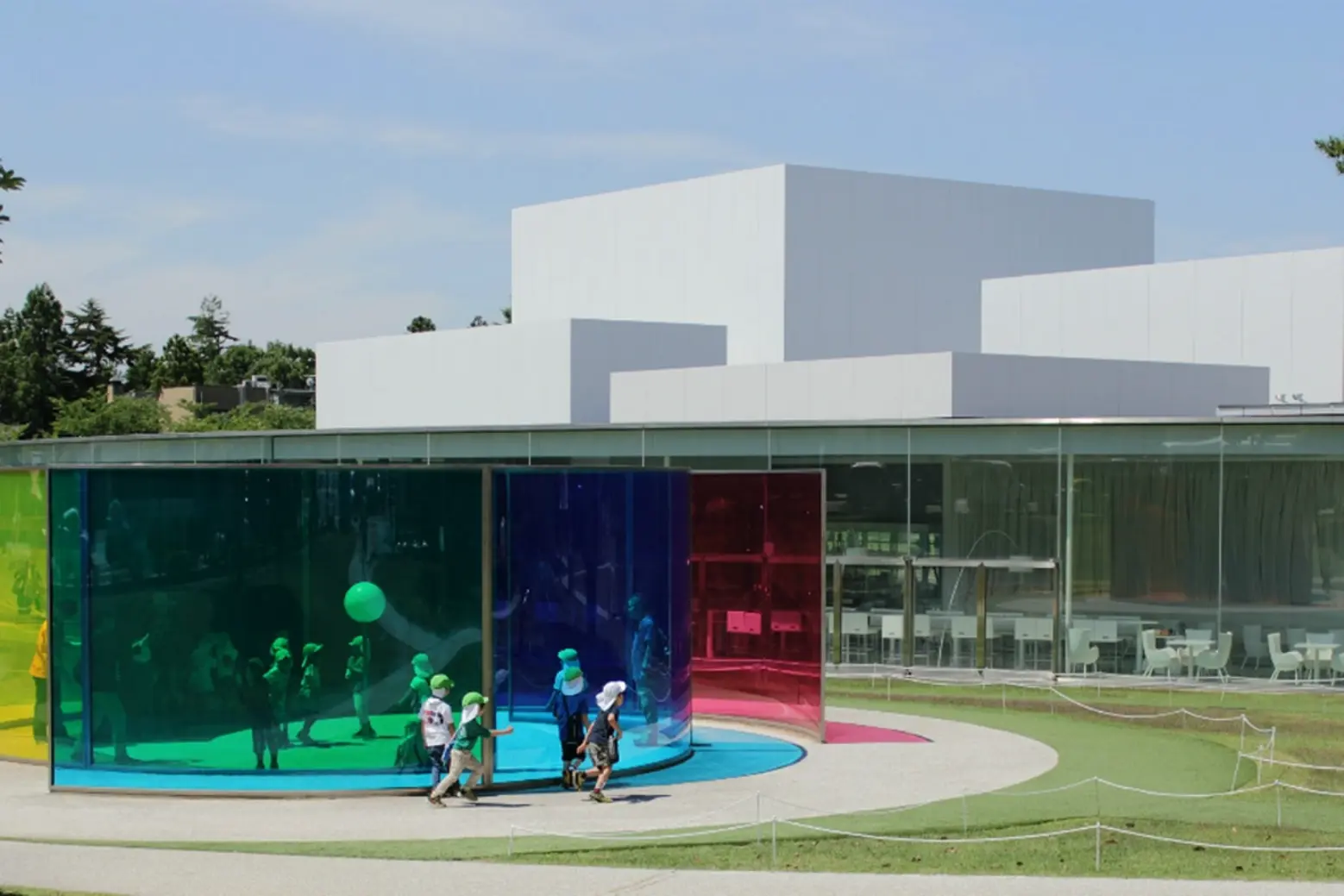
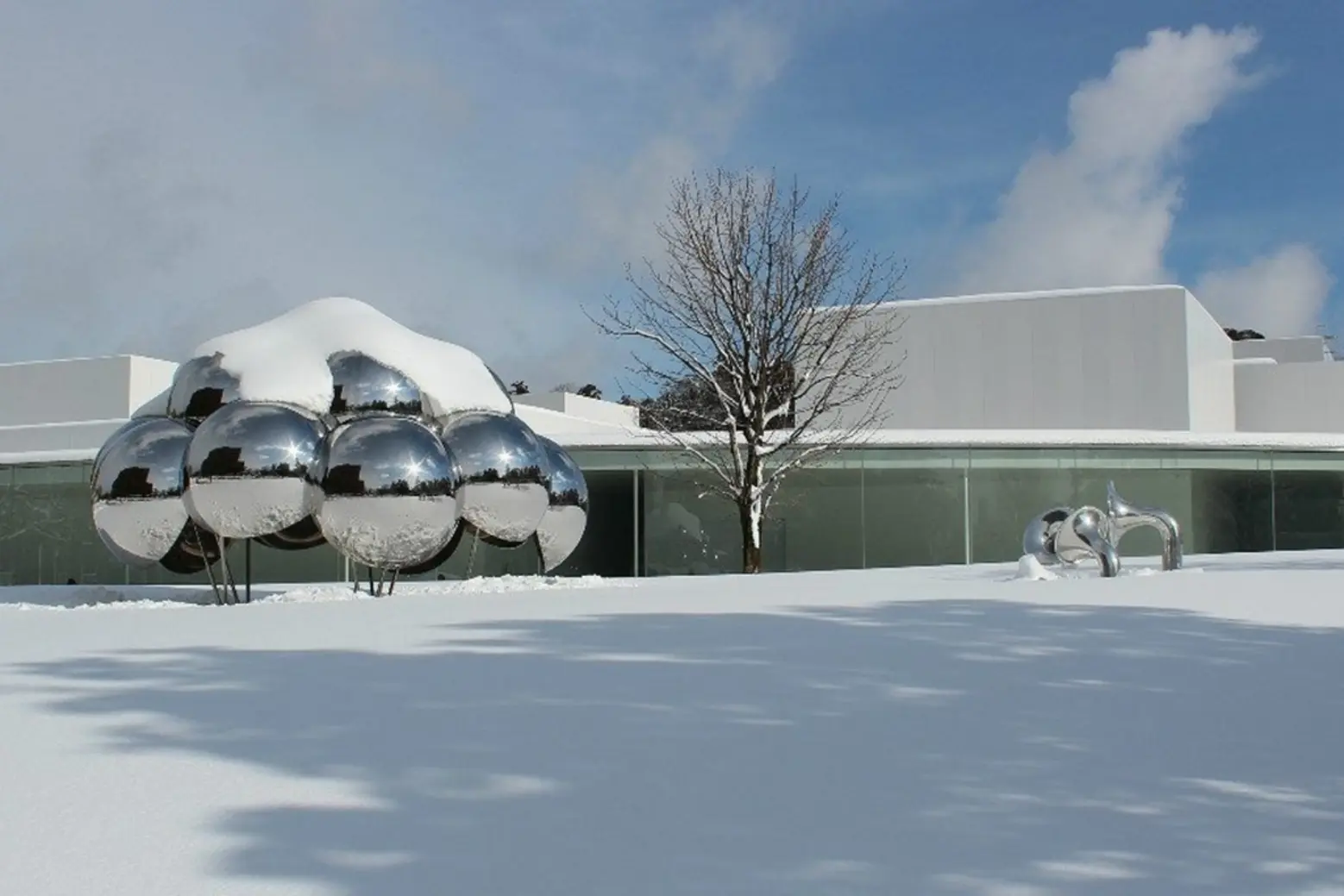
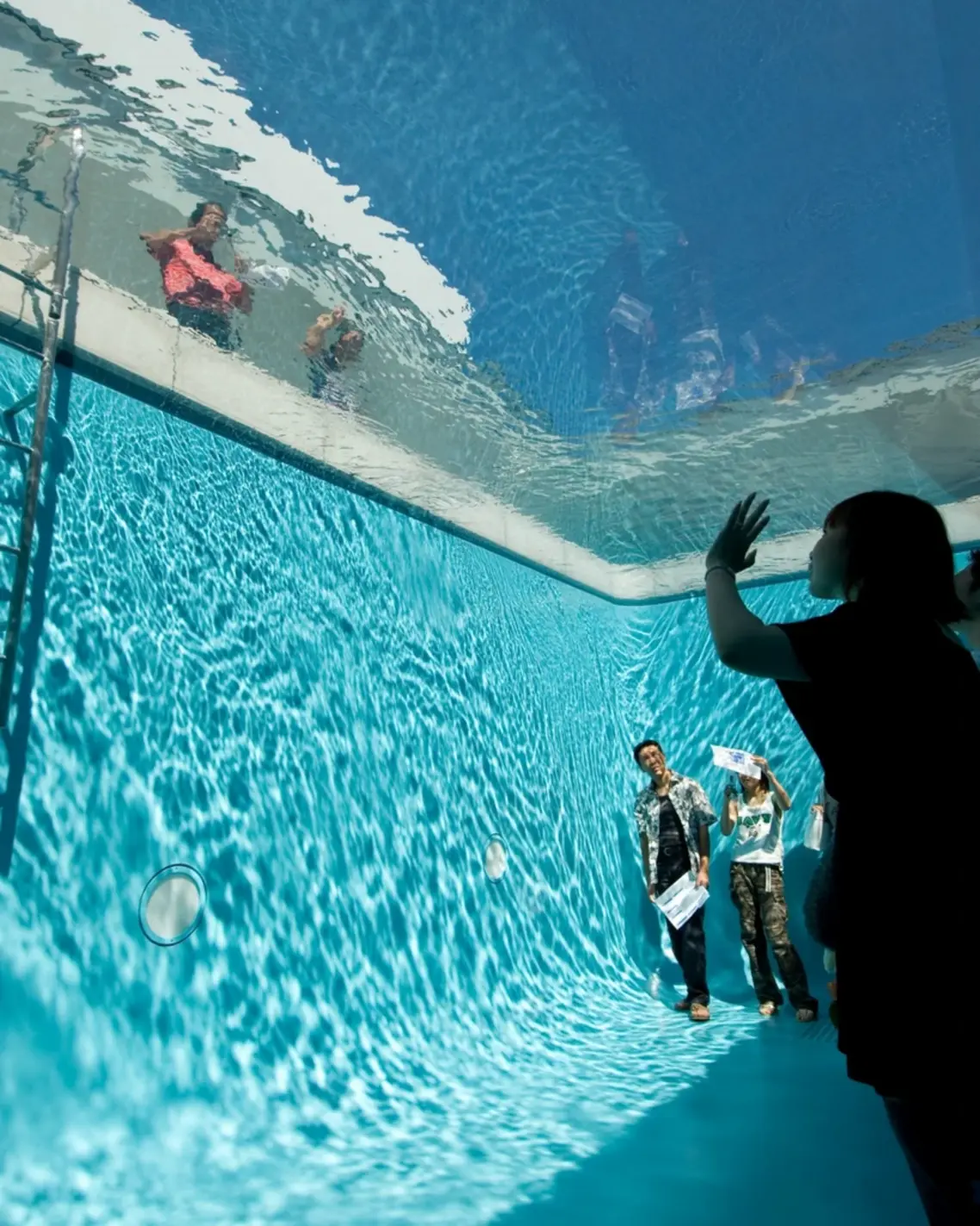
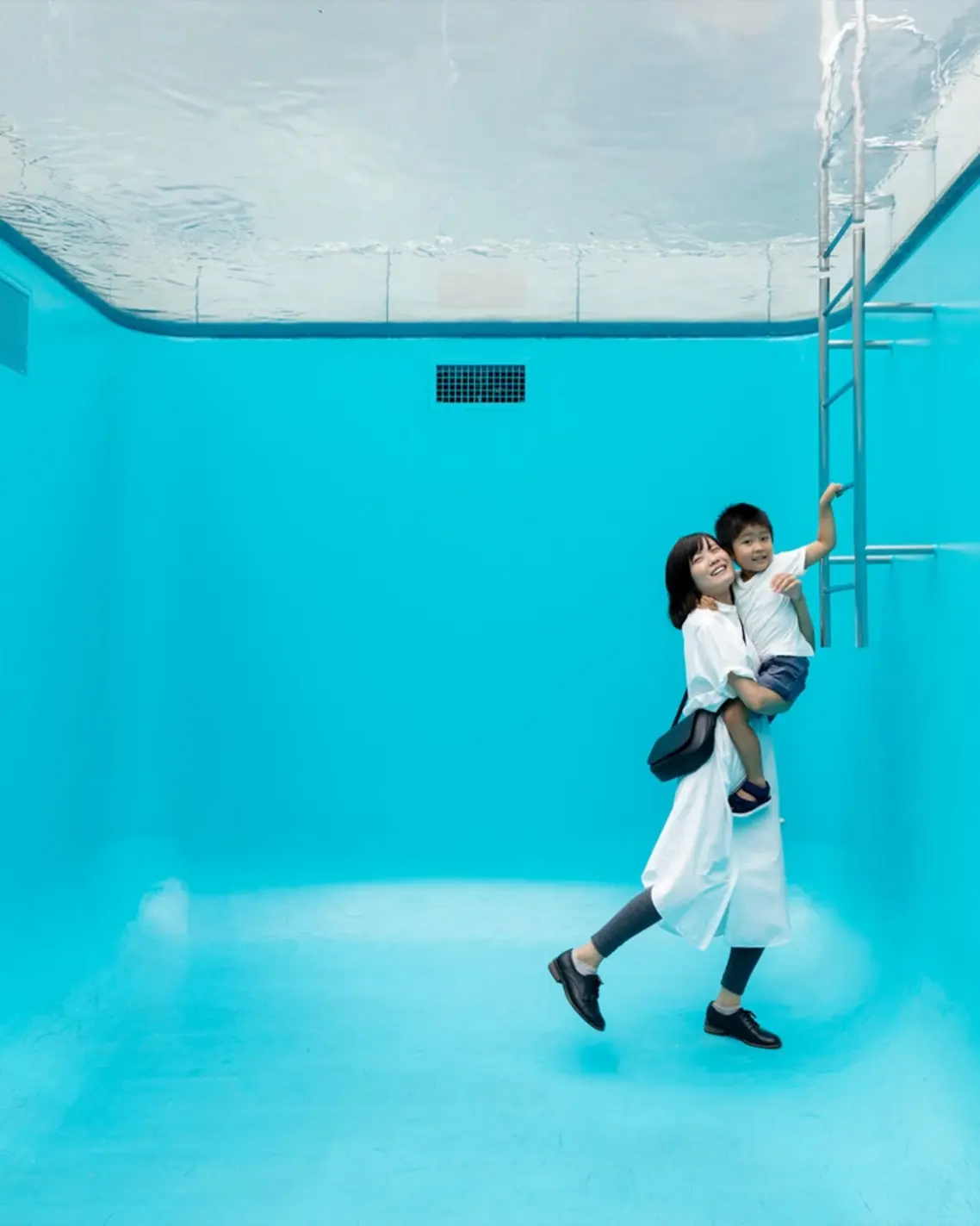
That openness also sets the stage for one of its most famous experiences, which technically isn’t SANAA’s artwork at all: Leandro Erlich’s permanent installation The Swimming Pool, where SANAA’s glass-forward architecture lets you look down into a “pool” and see people apparently underwater — walking on the bottom, completely dry, creating a surreal loop of watching and being watched.
New Museum, New York (2007)
On the Bowery, SANAA turned the idea of flexible public space into a vertical stack: Seven offset boxes wrapped in industrial aluminum mesh that catches daylight and makes the mass glow like a silver haze. The silhouette can read like a pile of crates left on the sidewalk, bold in outline, softened by that luminous skin as it shifts hour by hour. Inside, the same stacking logic keeps the galleries clear and legible while the building’s identity stays instantly readable from the street, a contemporary museum that feels both graphic and strangely gentle.
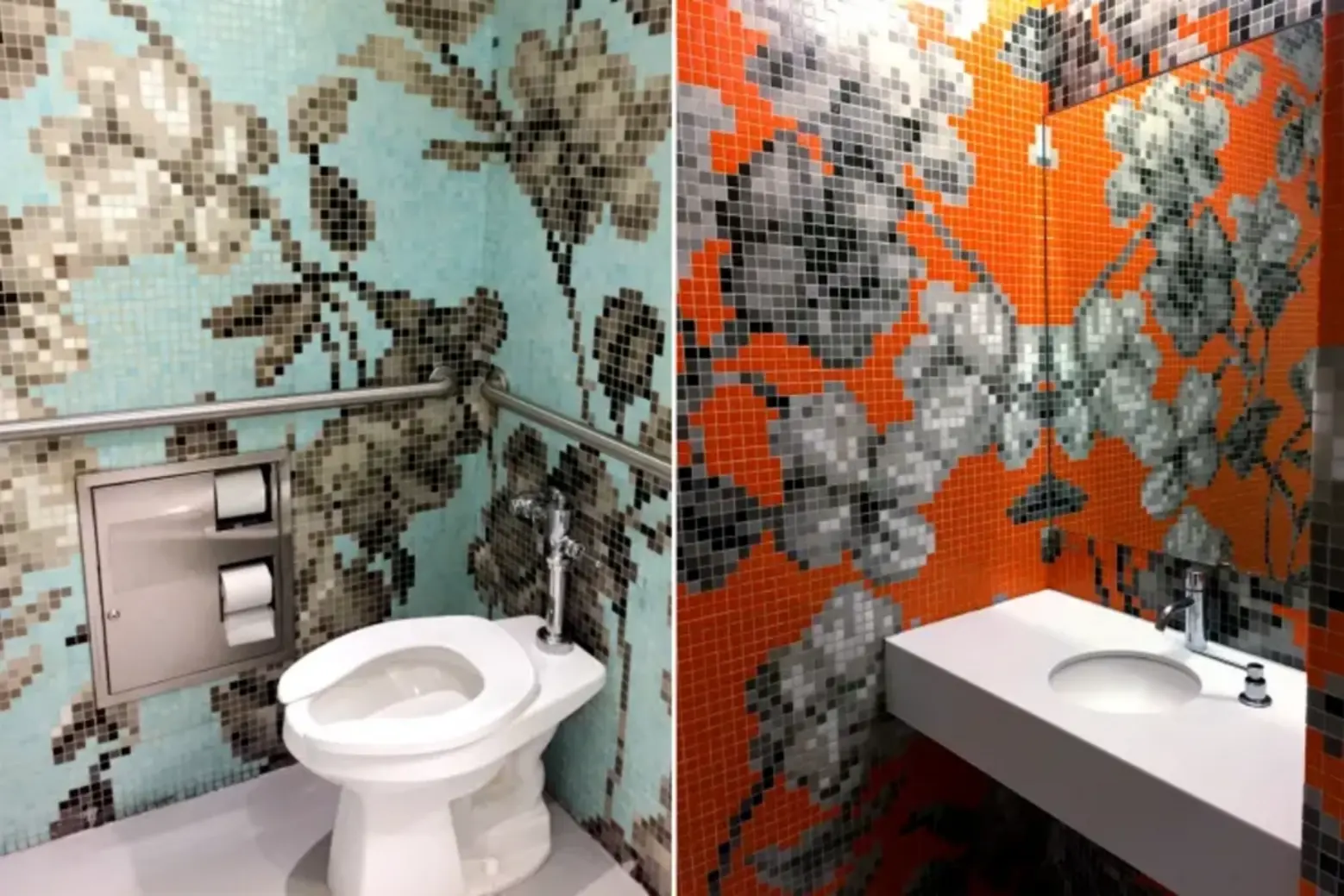
Then comes the wink: Outside, a colorful Yayoi Kusama sculpture adorned the white facade of the building. Inside, behind the disciplined white-and-silver shell, the elevators flash in shocking acid-lime green, and the toilets bloom with bright orange mosaic flowers — a rare burst of pop humor in SANAA’s usually hushed palette.
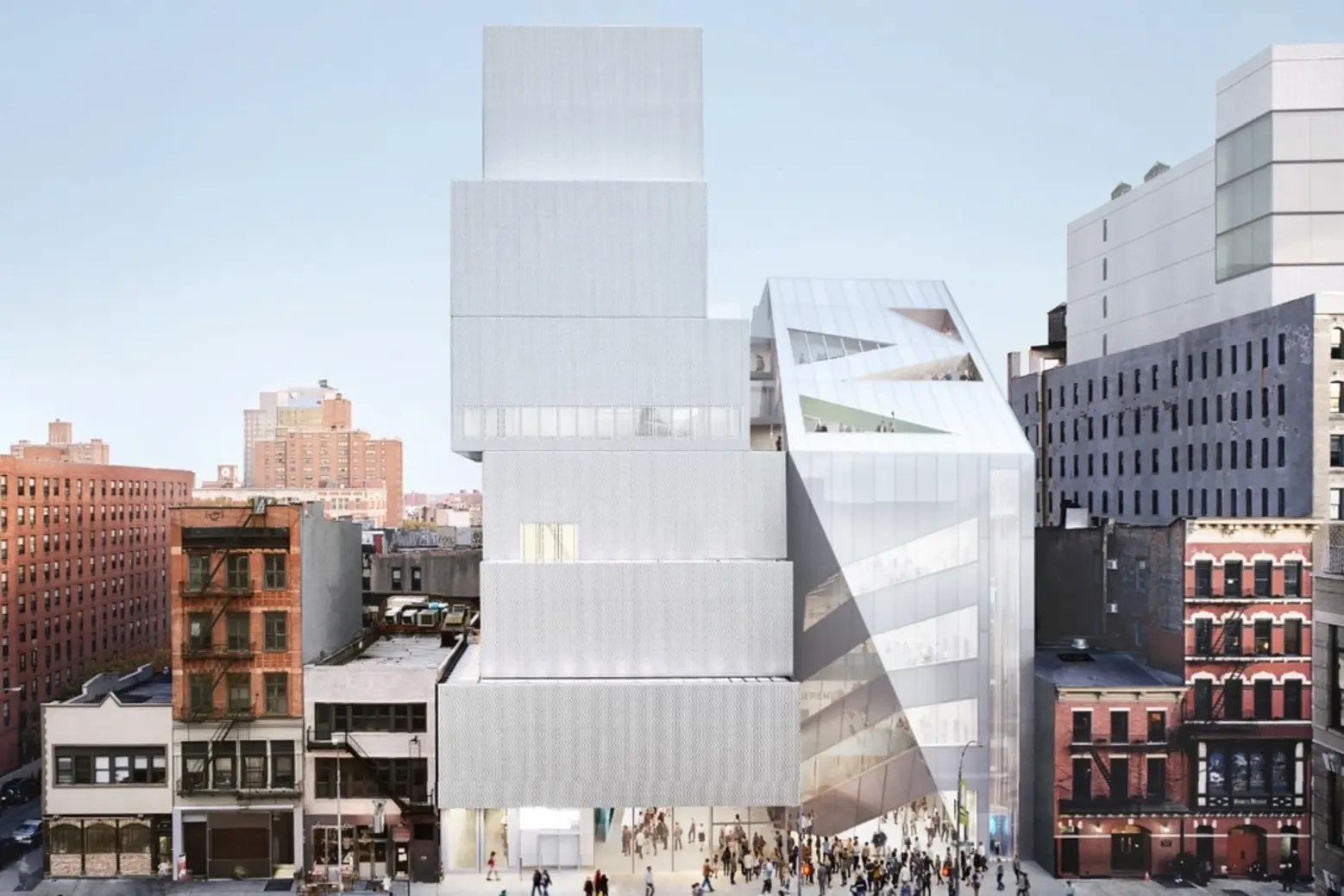
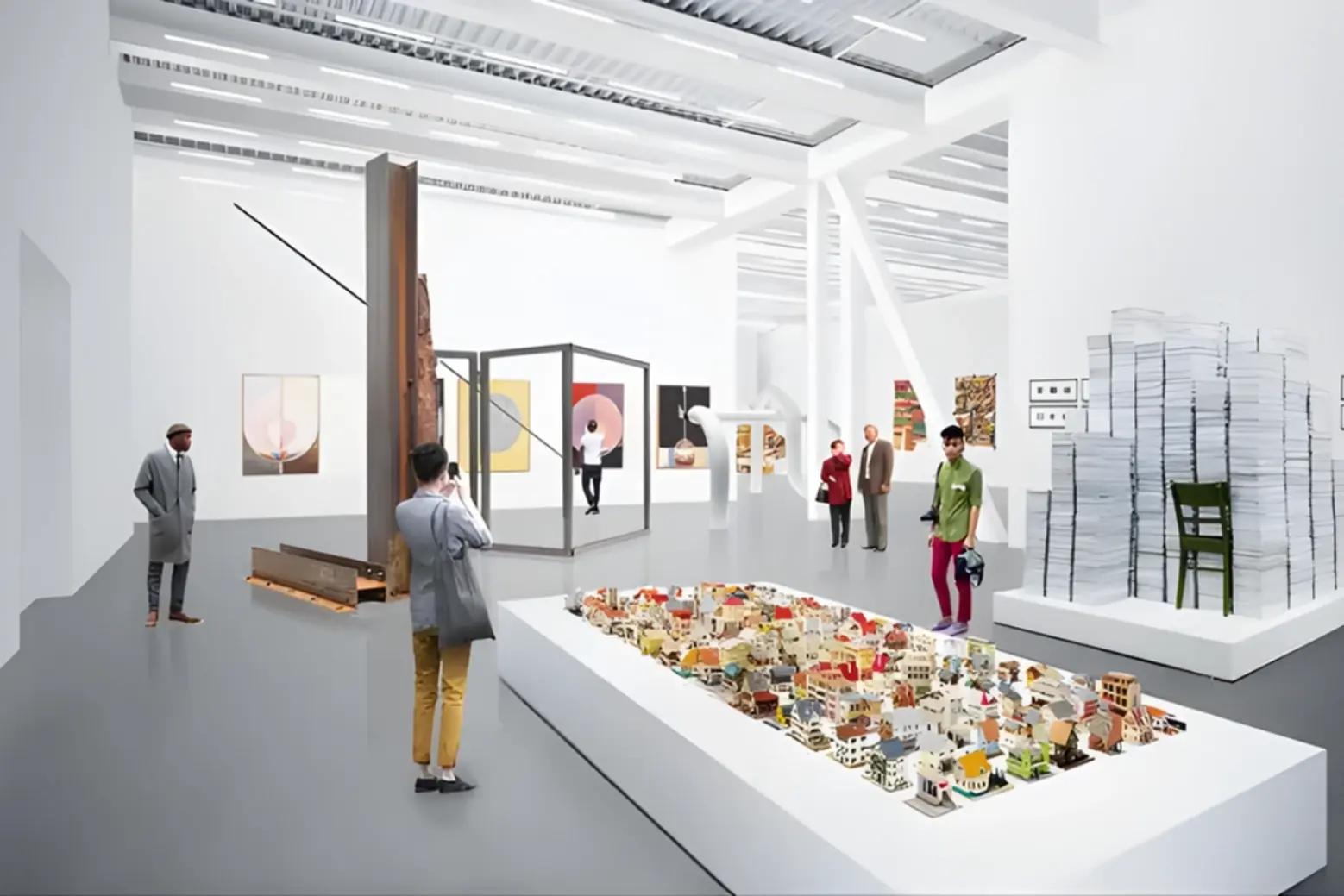
On March 21, 2026, the New Museum is gearing up for a rare face-to-face between two Pritzker Prize–winning forces: SANAA’s 2007 stacked-box icon and a 60,000-square-foot neighboring expansion by OMA, led by Shohei Shigematsu with Rem Koolhaas. The new building is designed to double exhibition space, streamline movement with new elevators and a dramatic atrium stair, and level up the museum’s street life with an expanded lobby, bookstore, and a full-service restaurant.
Sydney Modern, Australia (opened 2022)
For the Art Gallery of New South Wales’ expansion, SANAA developed a campus of pavilions stepping down toward the harbor, connected through landscape and garden space. The project extends SANAA’s “many paths” philosophy at civic scale: Rather than one monolithic museum block, the experience becomes a sequence of volumes, views, and thresholds, where the site’s topography shapes how art and public life meet. In the center of the building sits the colorful Yayoi Kusama flower sculpture, a pop of color to adorn the white facade of the building.


Across these projects, the throughline stays consistent: SANAA designs institutions that feel porous and user-directed, where architecture supports discovery rather than instruction.
Engineering weightlessness
SANAA’s lightness can look effortless, and the engineering often tells a more intense story — especially at the Rolex Learning Center at EPFL in Lausanne.
Rolex Learning Center (completed 2010)
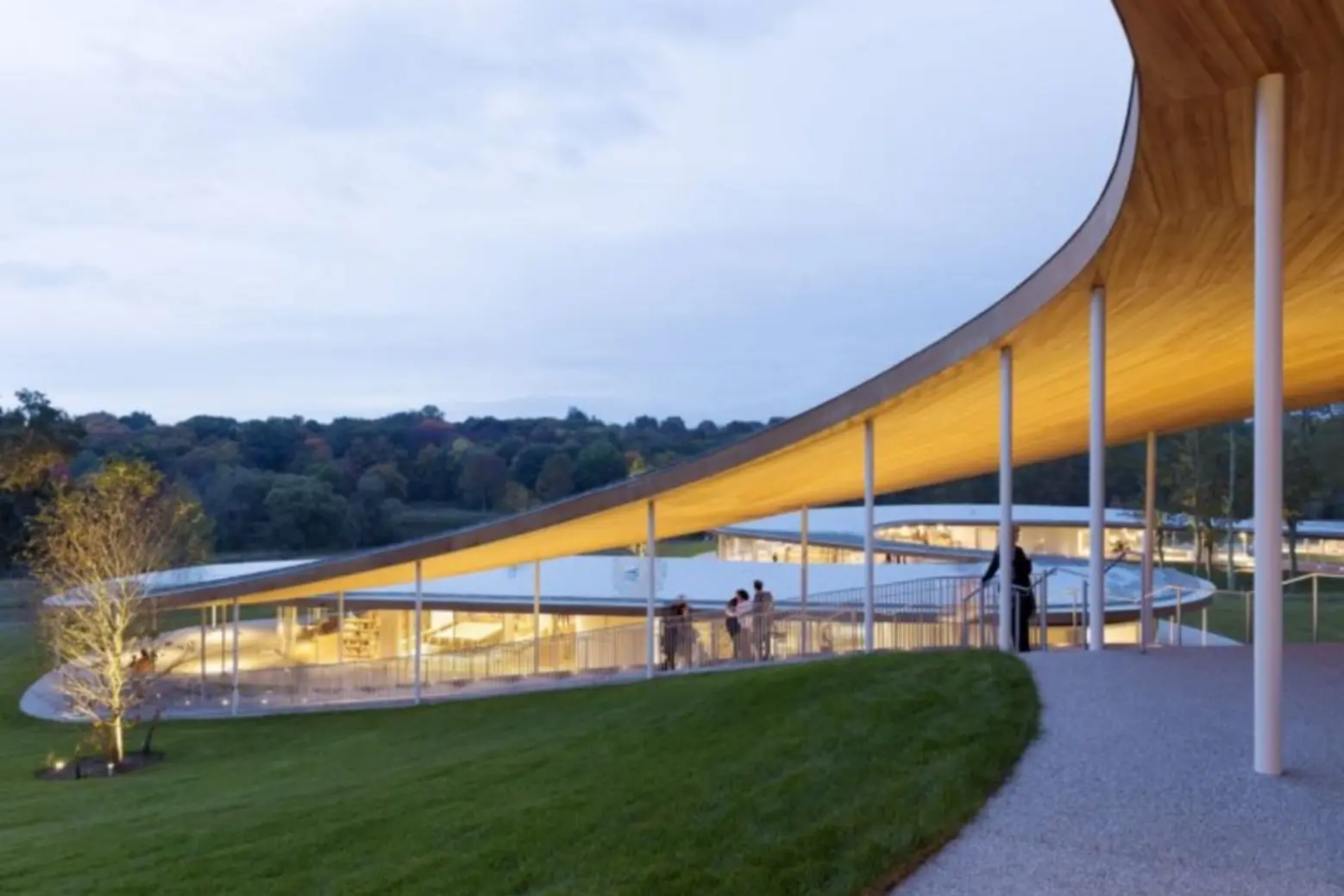
The Rolex Learning Center at EPFL works like an indoor terrain: one continuous “landscape” of rises and dips, edged by glass and punctuated by patios that pull daylight deep into the plan, supporting EPFL’s idea of a library and learning hub for students and the wider public.
Its soft, flowing feel rests on intensely precise making: Architectural Record describes a construction process that relies on around 1,400 individual formwork molds, with the biggest curves carried by reinforced arches spanning roughly 280 feet and strengthened through prestressing that holds the concrete in active tension. Engineering write-ups describe the system as a reinforced concrete foundation paired with a prestressed slab acting as a tie element, working together with integrated reinforced-concrete arches to stabilize the long, undulating geometry.

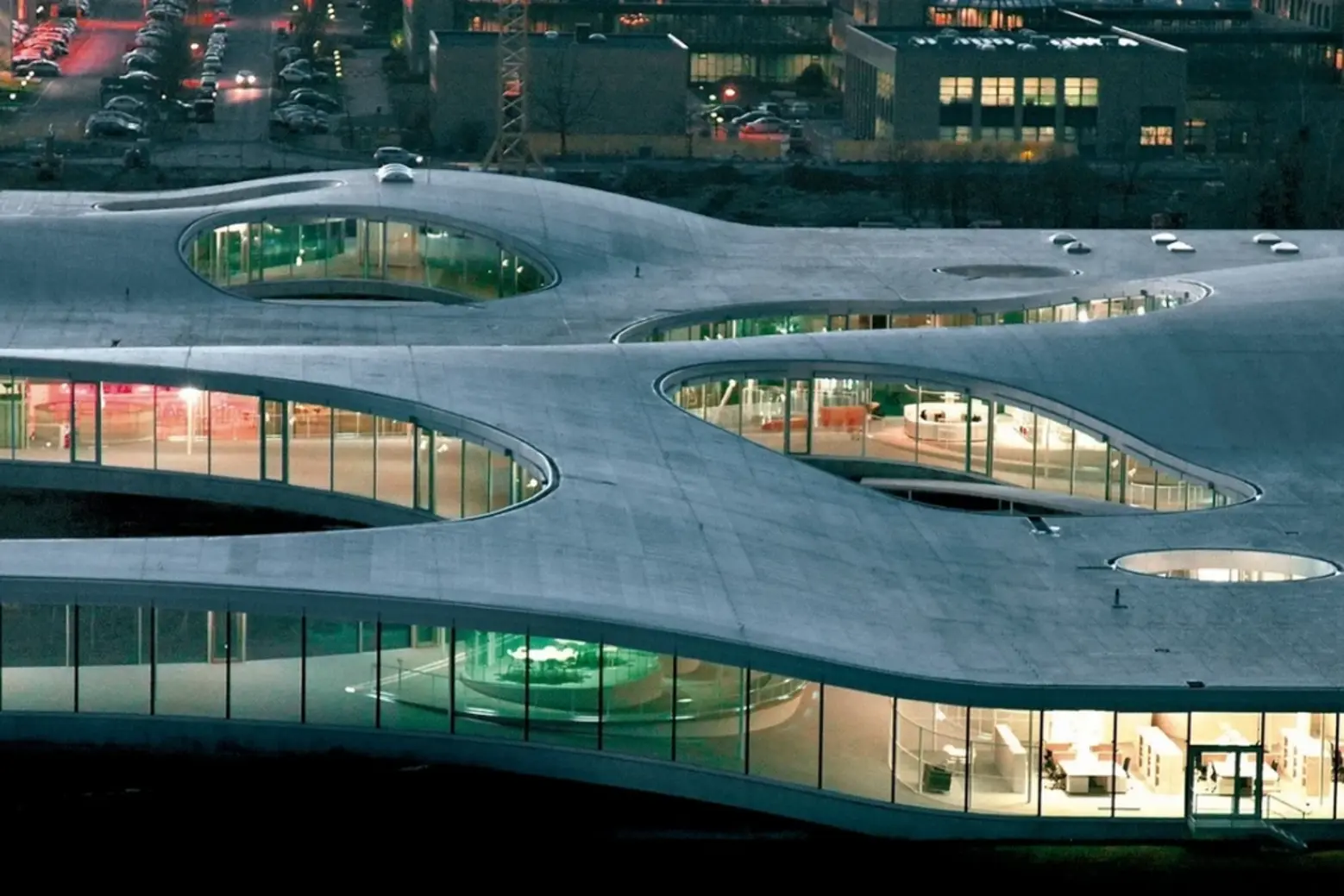
From above, the building earns its “Swiss Cheese” nickname thanks to 14 circular courtyards cut through the waves, and even the elevators join the choreography, traveling on a slope to match the hills rather than treating the building like a flat slab.
The result feels “four-dimensional” because structure dissolves into experience: hills create quieter study pockets, valleys gather social life, sightlines slide like horizons, and ramps turn circulation into a gentle, continuous drift that makes learning feel like wandering.
Taichung Green Museumbrary (opened December 2025)
SANAA’s recent work keeps pushing that same logic toward larger, more complex programs. In Taichung, Taiwan, the Taichung Art Museum opened as part of the Taichung Green Museumbrary, combining museum and library resources within a major public-park setting.
Reporting around the opening emphasizes light-filled, permeable volumes and a public realm designed for easy movement between art, reading, and landscape. The project also echoes the values highlighted by the RIBA Royal Gold Medal announcement: inclusivity and accessibility as long-term commitments, expressed through spatial openness rather than slogans.
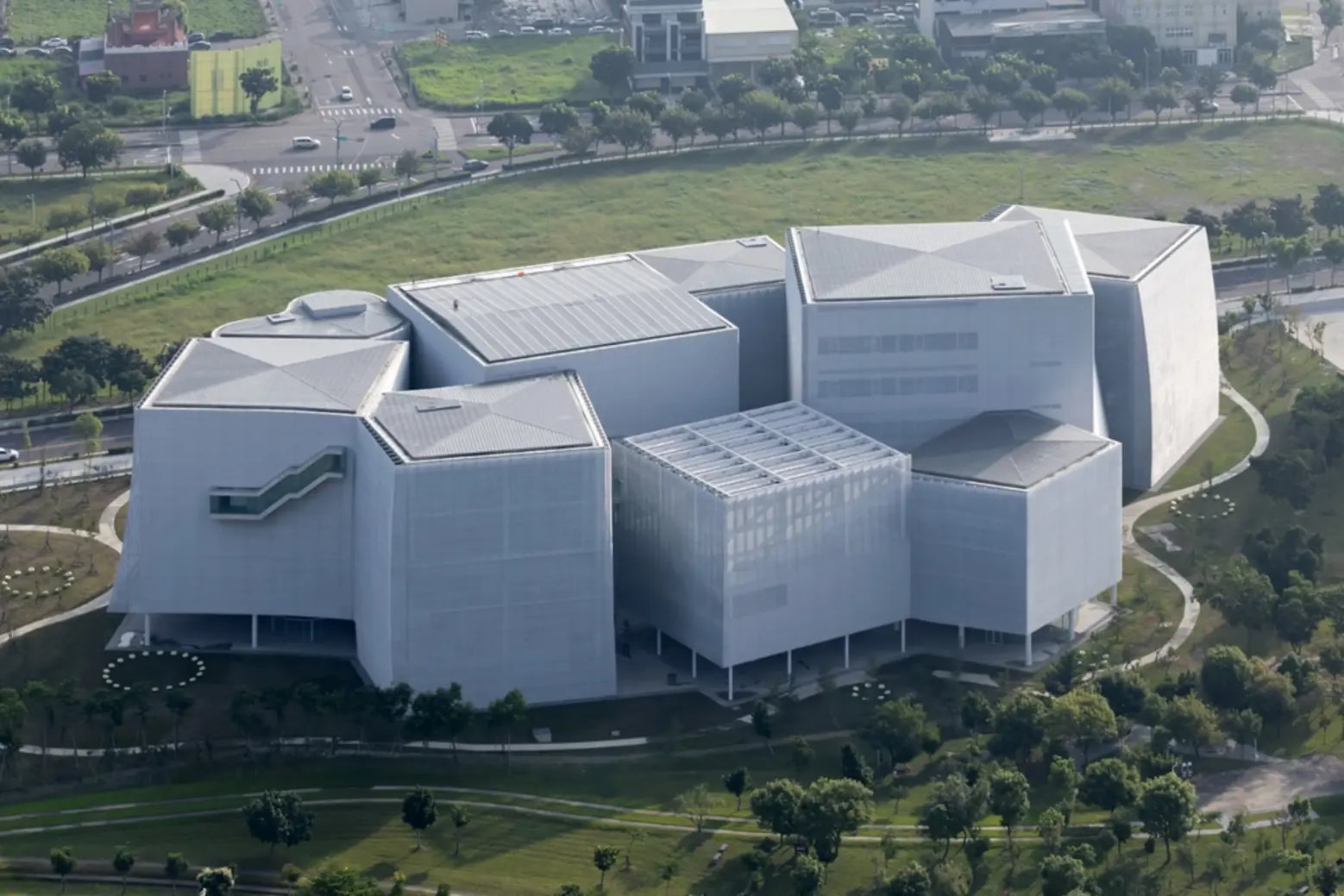
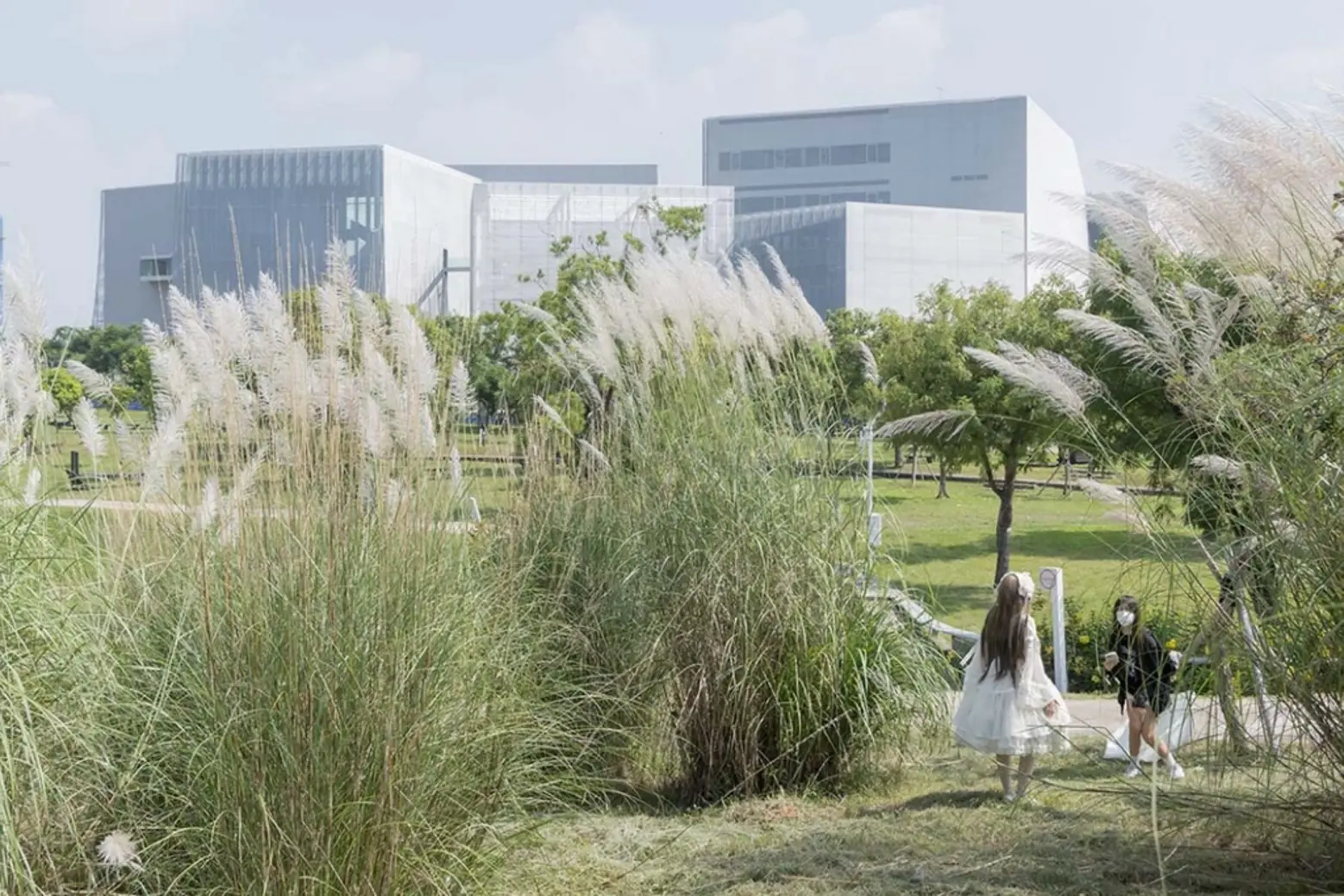
Seen together, Rolex and Taichung show SANAA’s true craft: engineering and planning used to produce emotional ease. The buildings feel airy and free, while the underlying systems — arches, prestressing, complex skins, and rigorous model-based iteration, keep the experience stable, welcoming, and precise.
SANAA’s influence keeps growing because the studio proposes a softer kind of ambition: architecture as an environment, where light, movement, reflection, and choice choreograph how people gather. The Pritzker jury caught the essence in one line, calling their work “simultaneously delicate and powerful, precise and fluid,” a paradox SANAA keeps refining into lived experience rather than spectacle.
In 2010, Ryue Nishizawa - SANAA's founder became the youngest Pritzker laureate at 44, a marker of how quickly this quiet language reshaped global expectations, and the 2025 RIBA Royal Gold Medal confirms the partnership’s long game of inclusive, user centred space. Their best advice to young architects, “Practice and Continue,” reads like the method behind the magic: keep testing, keep refining, keep returning to the human scale until the building feels effortless.