MENU
Close





Constantin Brancusi stands at the center of modern sculpture because he changed its ambition. His art made reduction feel expansive, turning stone, wood, and bronze into vessels of clarity, silence, and concentrated wonder.
Constantin Brancusi stands at the center of modern sculpture because he changed its ambition. His art made reduction feel expansive, turning stone, wood, and bronze into vessels of clarity, silence, and concentrated wonder.
March 12, 2026


Constantin Brancusi is often called the “Patriarch of Modern Sculpture,” a title that feels earned rather than ceremonial. Few artists altered the language of their medium so completely. Born in Hobiţa, Romania, in 1876, he carried with him a deep knowledge of wood carving, peasant craft traditions, and the expressive force of simple forms. When he reached Paris in 1904, after a legendary journey across Europe that became part of his artistic mythology, he entered the capital of modern art with the instincts of both a traditional maker and a future revolutionary.
The defining break in Brancusi’s early career came through Auguste Rodin. In 1907, he briefly entered Rodin’s studio, then left almost immediately, convinced that his own vision required distance from the overwhelming influence of the master. The famous line associated with that departure — that nothing grows under the shadow of big trees — has survived because it captures more than temperament. It announces an artistic destiny. Rodin had filled sculpture with muscular drama and emotional turbulence; Brancusi moved toward stillness, compression, and form distilled to its most lucid state.
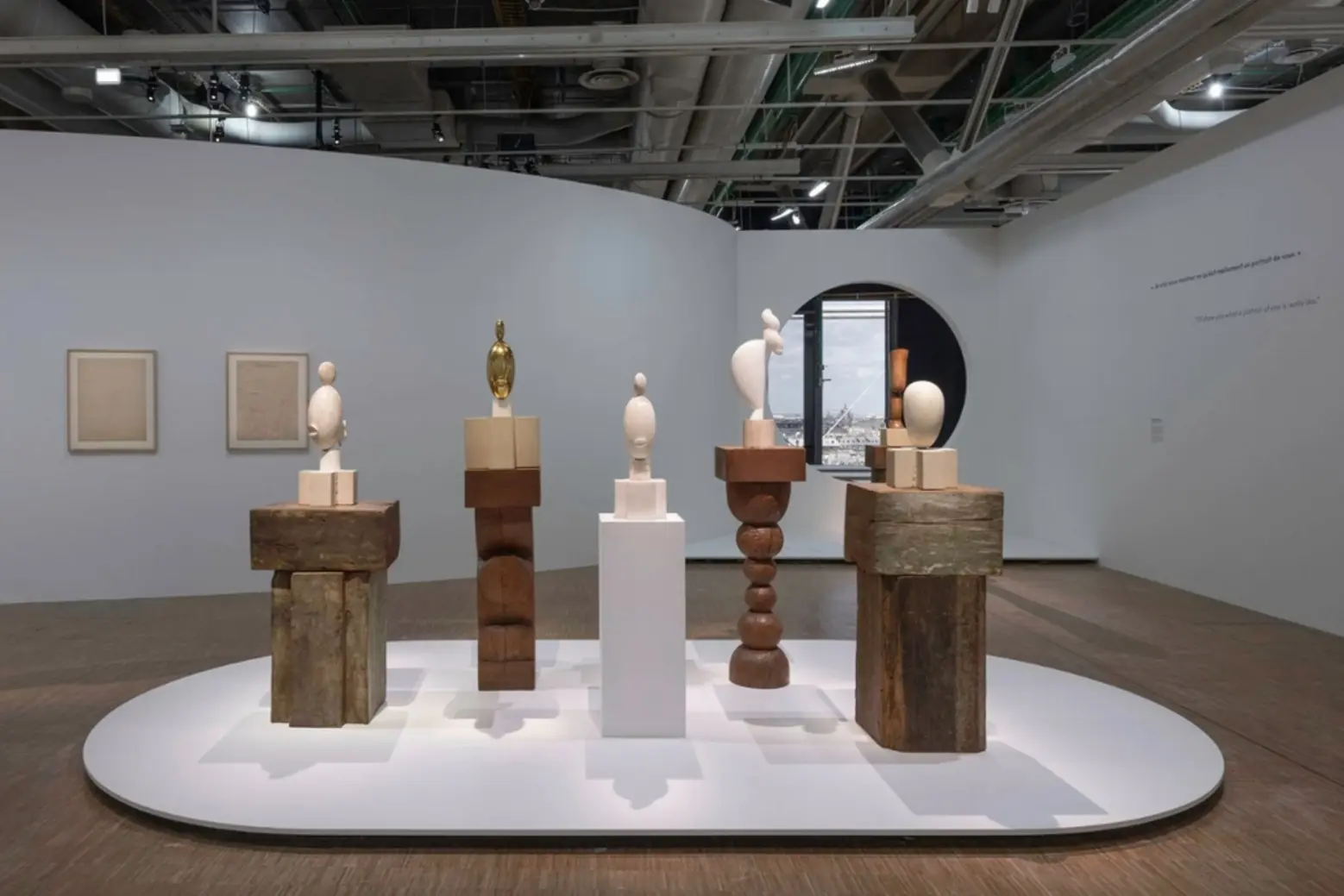
That departure also led Brancusi toward direct carving, a method that became central to his philosophy. Instead of treating stone or wood as passive matter waiting to imitate a model, he approached material as collaborator. Tate defines direct carving as a sculptural process in which the act of carving itself suggests the final form, and MoMA notes that Brancusi embraced it as “the true road to sculpture.” This attitude transformed the relationship between artist and object. Marble veins, wood grain, weight, balance, density, and polish all became part of meaning. Brancusi’s sculpture carries a rare sense of inevitability, as though the form had always lived inside the block and the artist simply released it.
His philosophy of form followed the same logic. Brancusi cared for essence, for what he described as the real sense of things. A bird, in his world, becomes the sensation of ascent. A sleeping head becomes the gravity of dream. A kiss becomes union itself, stripped of anecdote and decorative excess. This was abstraction through concentration rather than abstraction for its own sake. Romanian Cultural Institute materials preserve one of his key ideas: what is real is the essence of things, rather than exterior form. That sentence serves as the quiet manifesto beneath his entire career.
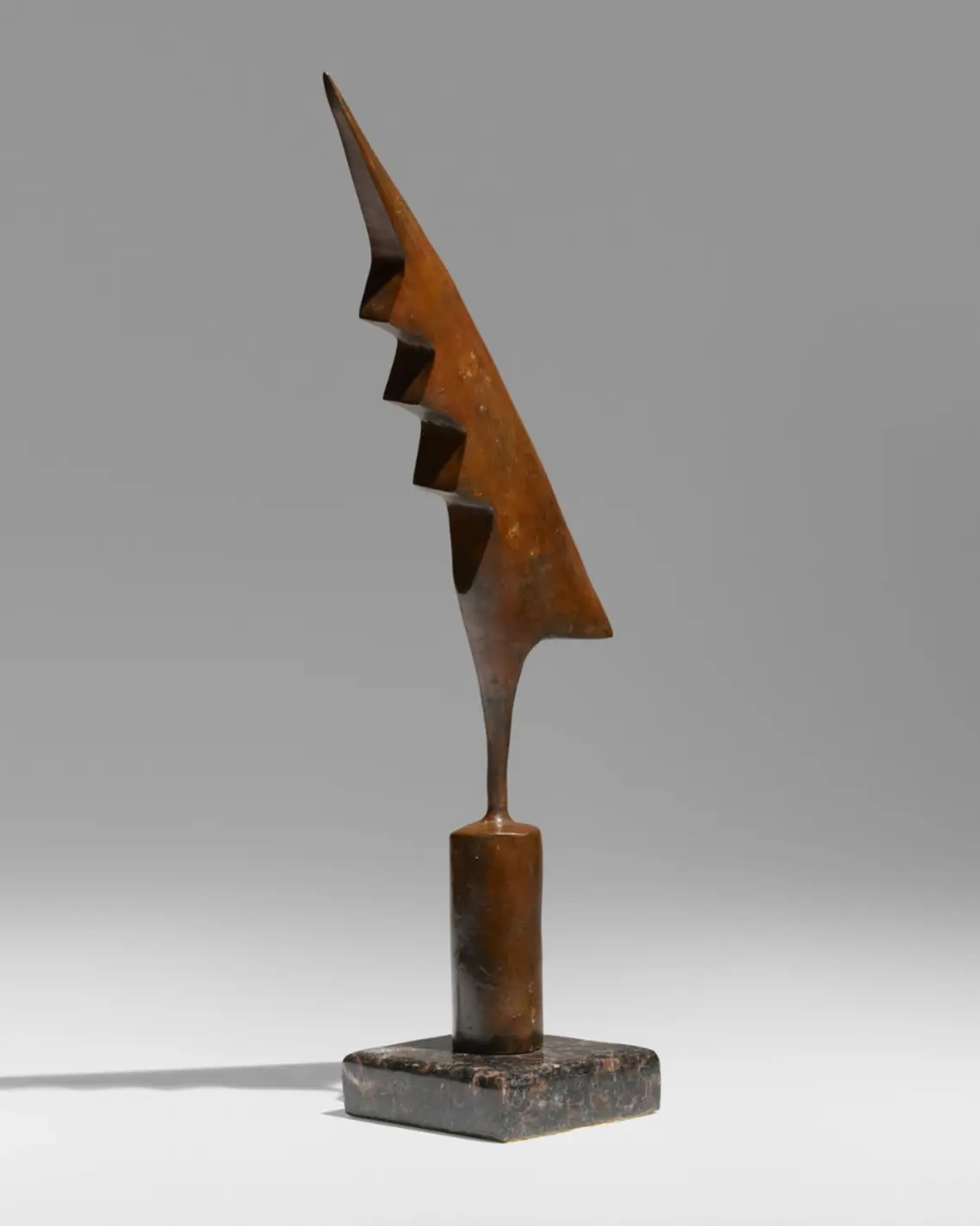
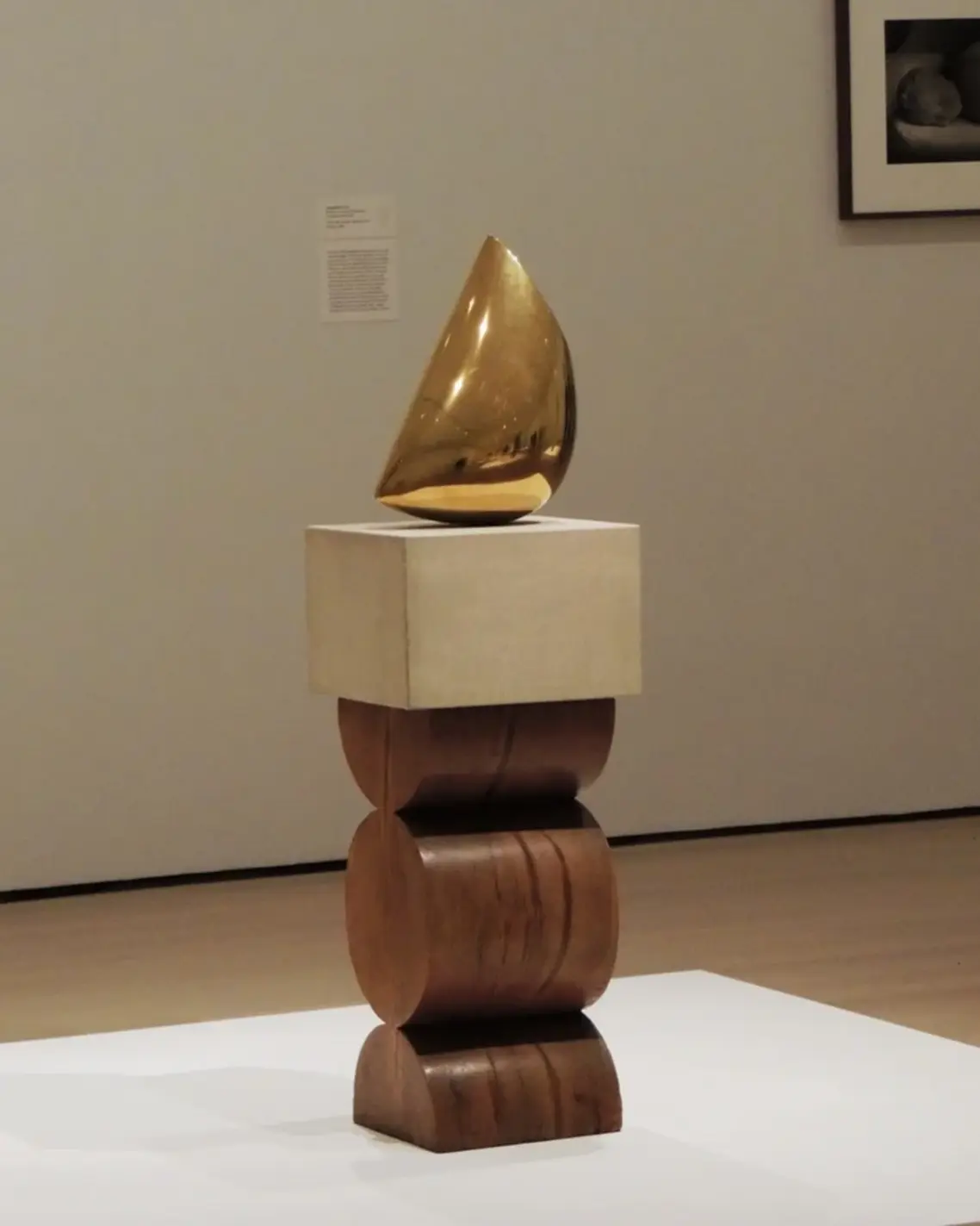
Just as radical was his treatment of display. Brancusi refused to see sculpture as an isolated object perched on a neutral support. For him, the pedestal formed part of the work’s language, and his studio became a total environment in which sculptures, bases, light, and spacing entered into dialogue. The reconstructed studio near the Centre Pompidou preserves this vision: 137 sculptures, 87 bases, drawings, photographs, and archival materials that together reveal how deeply he valued the choreography of objects in space. He moved works around constantly, building what he called living relationships among forms. In Brancusi’s hands, the studio itself became sculpture by other means.
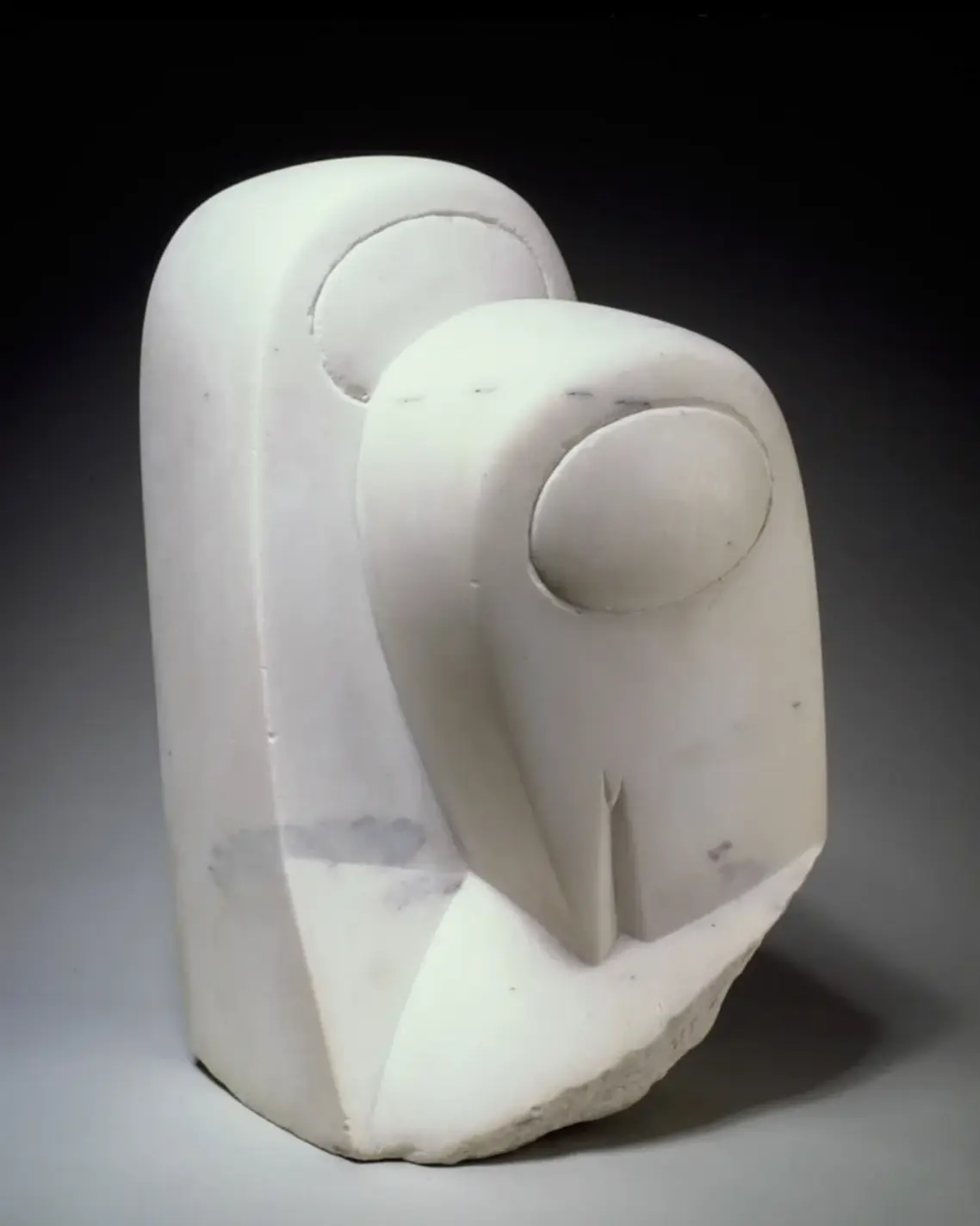
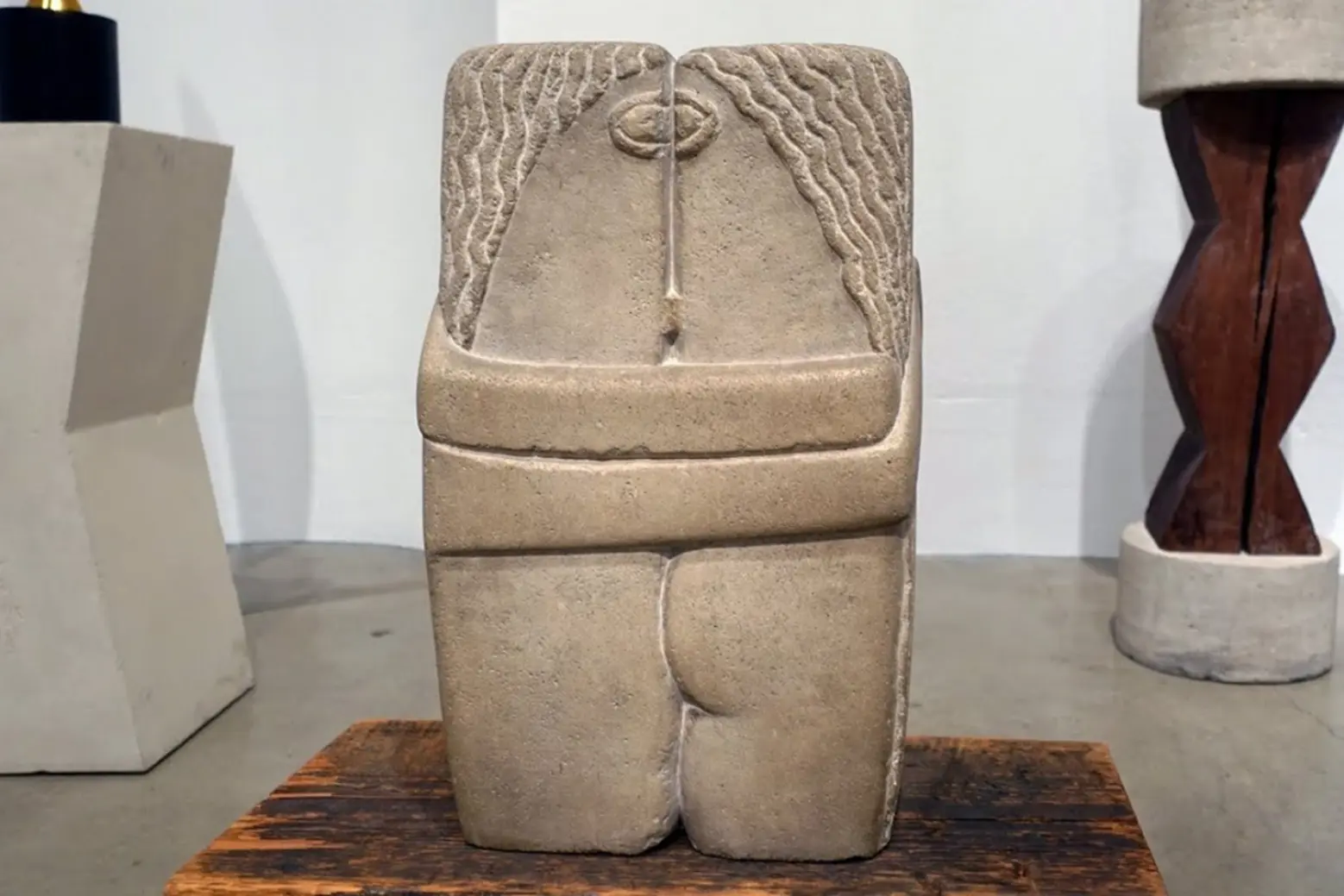
The Kiss from 1907–08 marks one of the most decisive turning points in modern sculpture. Rodin’s lovers dissolve into flesh, movement, and sensual flow; Brancusi’s lovers fuse into a compact block. In the Philadelphia Museum of Art’s version, the embracing figures merge into a single form, their two eyes becoming one oval, their arms circling the cubic mass with extraordinary economy. Everything here feels primordial and absolute. The sculpture keeps faith in the original stone, allowing the block to remain present rather than disguised. Love appears as structure, symmetry, and complete mutual enclosure. The result feels ancient and startlingly modern at once, as if Brancusi had rediscovered intimacy at the level of first principles.
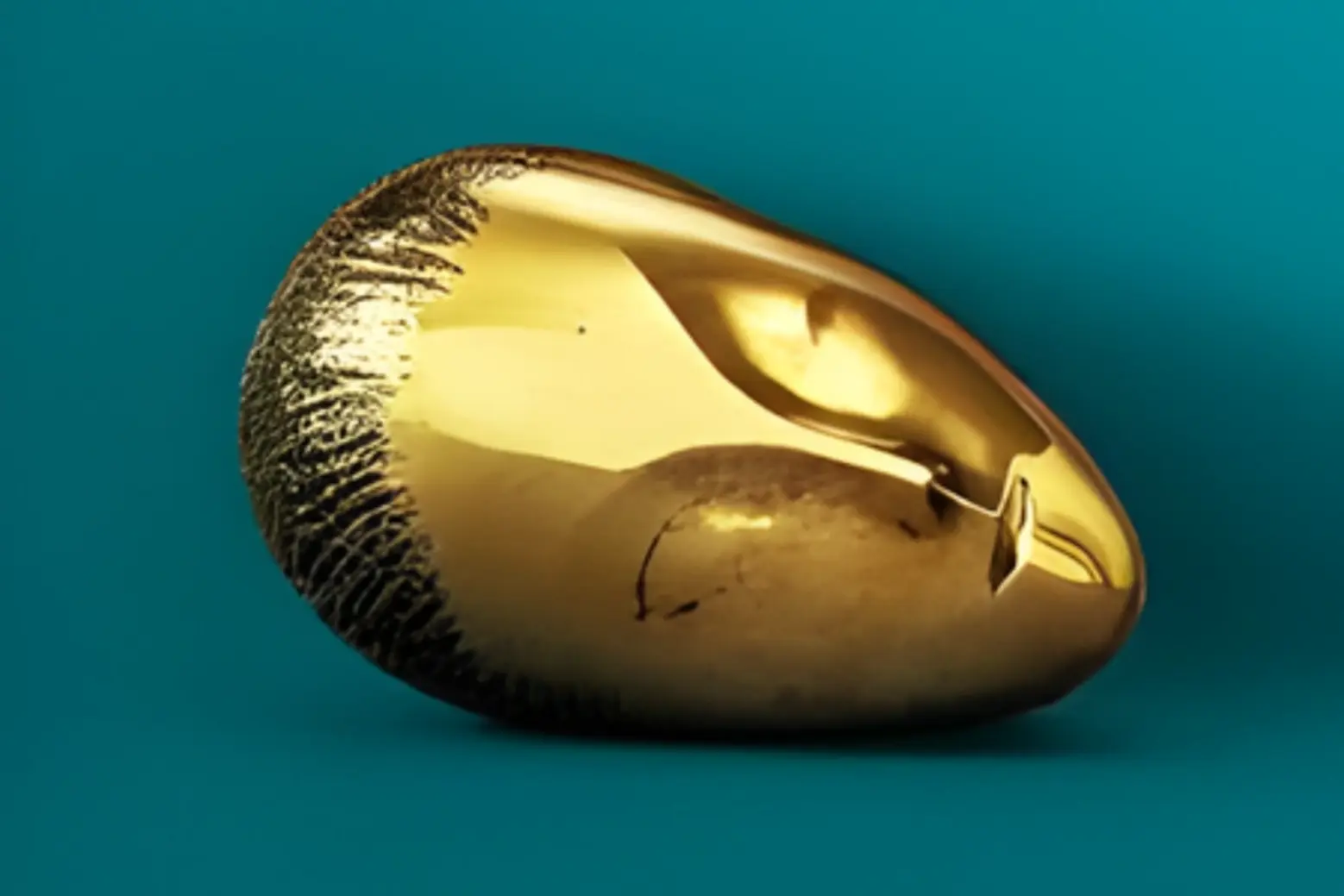
If The Kiss compresses two bodies into one, Sleeping Muse compresses psychological life into an oval head. The Met describes how the subject of a sleeping head occupied Brancusi for nearly twenty years and how he reduced drama and detail in favor of fundamental form. That reduction is exactly what gives the work its haunting serenity. Removed from the body, the head becomes both portrait and cosmic object. The closed eyes, lightly incised features, and smooth contours create an image suspended between intimacy and archetype. In polished bronze, the form gathers reflections from the world around it, turning sleep into something luminous and elusive. Dreaming here becomes less of a narrative state than a complete atmosphere.
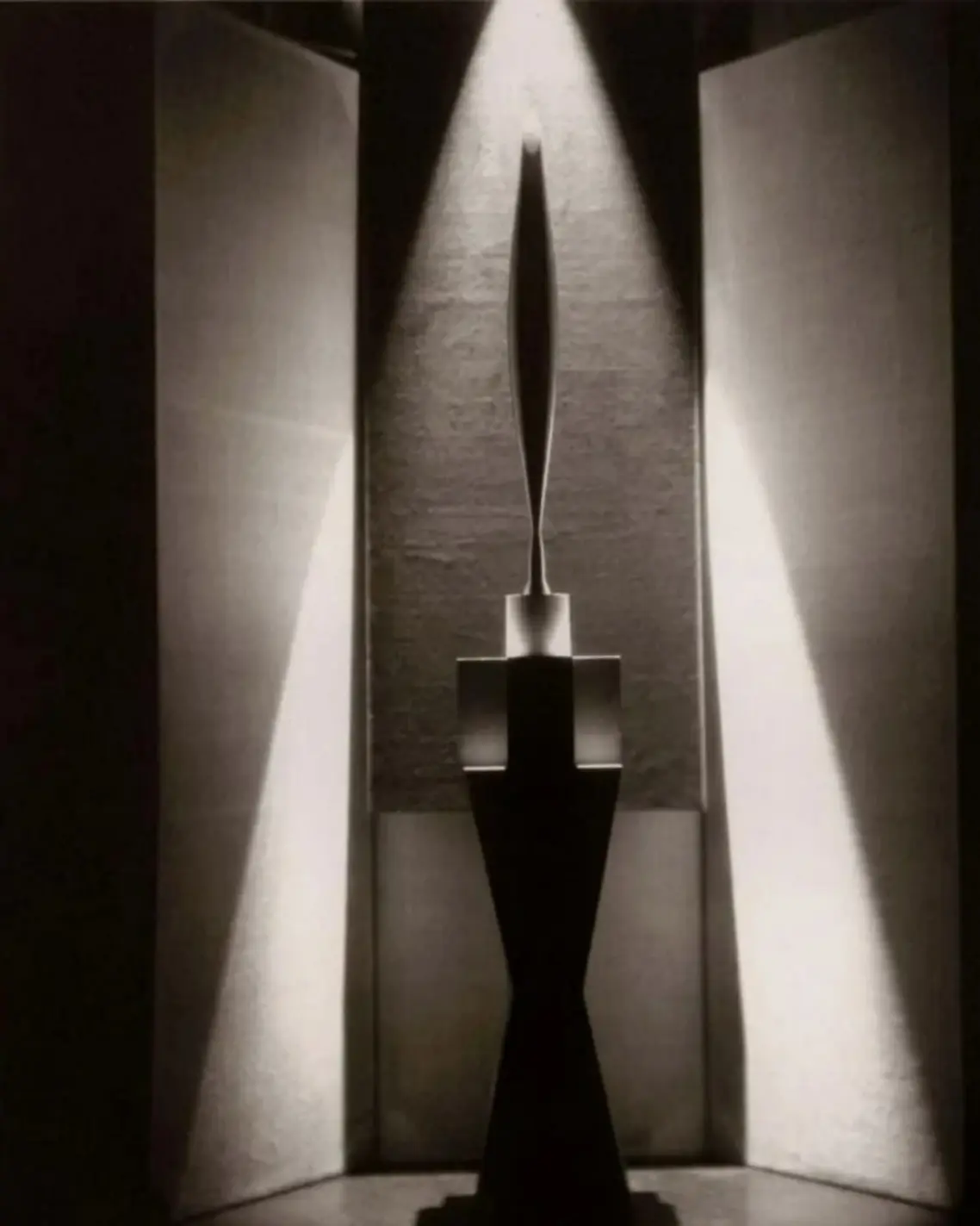
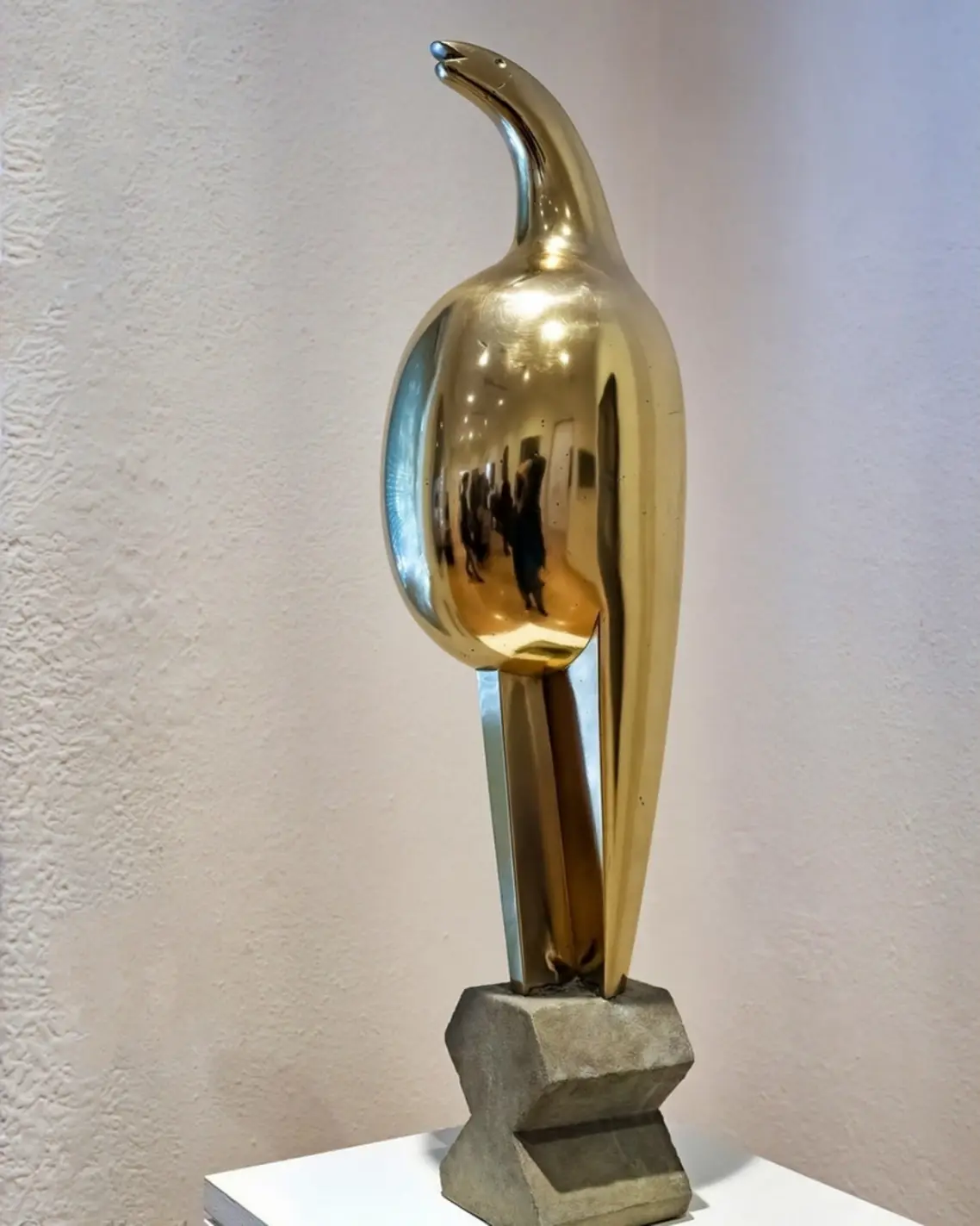
Then comes Bird in Space, the great emblem of Brancusi’s mature achievement. The Met notes that he eliminated wings and feathers, elongated the body, and reduced the head and beak to a slanted plane, concentrating on movement rather than physical description. That decision changed everything. The sculpture no longer represents a bird in the ordinary sense; it conveys ascent, thrust, velocity, and release. Its polished surface catches light so completely that mass seems to dissolve into radiance. MoMA’s holdings testify to how obsessively Brancusi returned to this theme across decades, refining the same aspiration again and again. Bird in Space remains one of the clearest examples of modern art’s ability to make an idea physically felt.
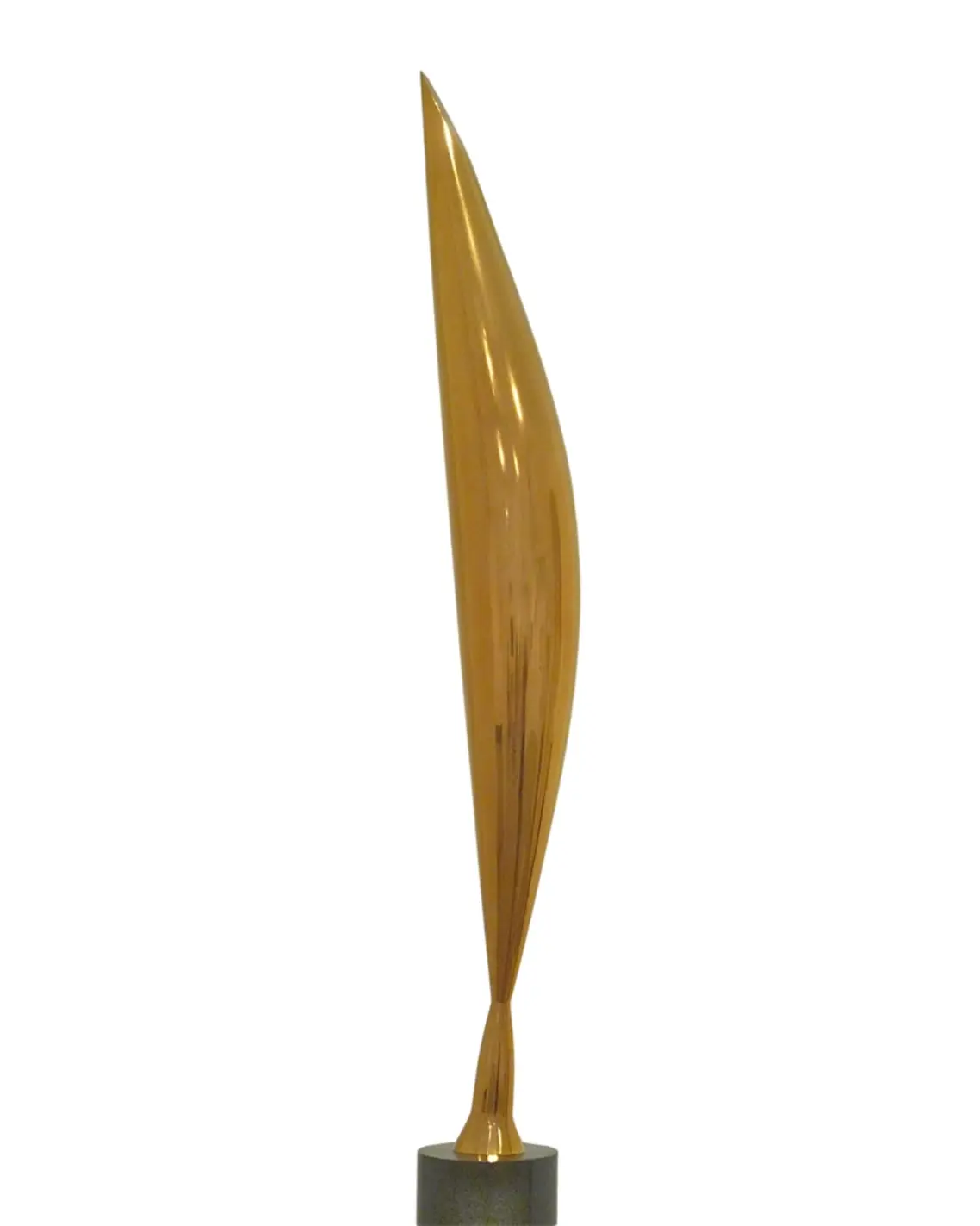
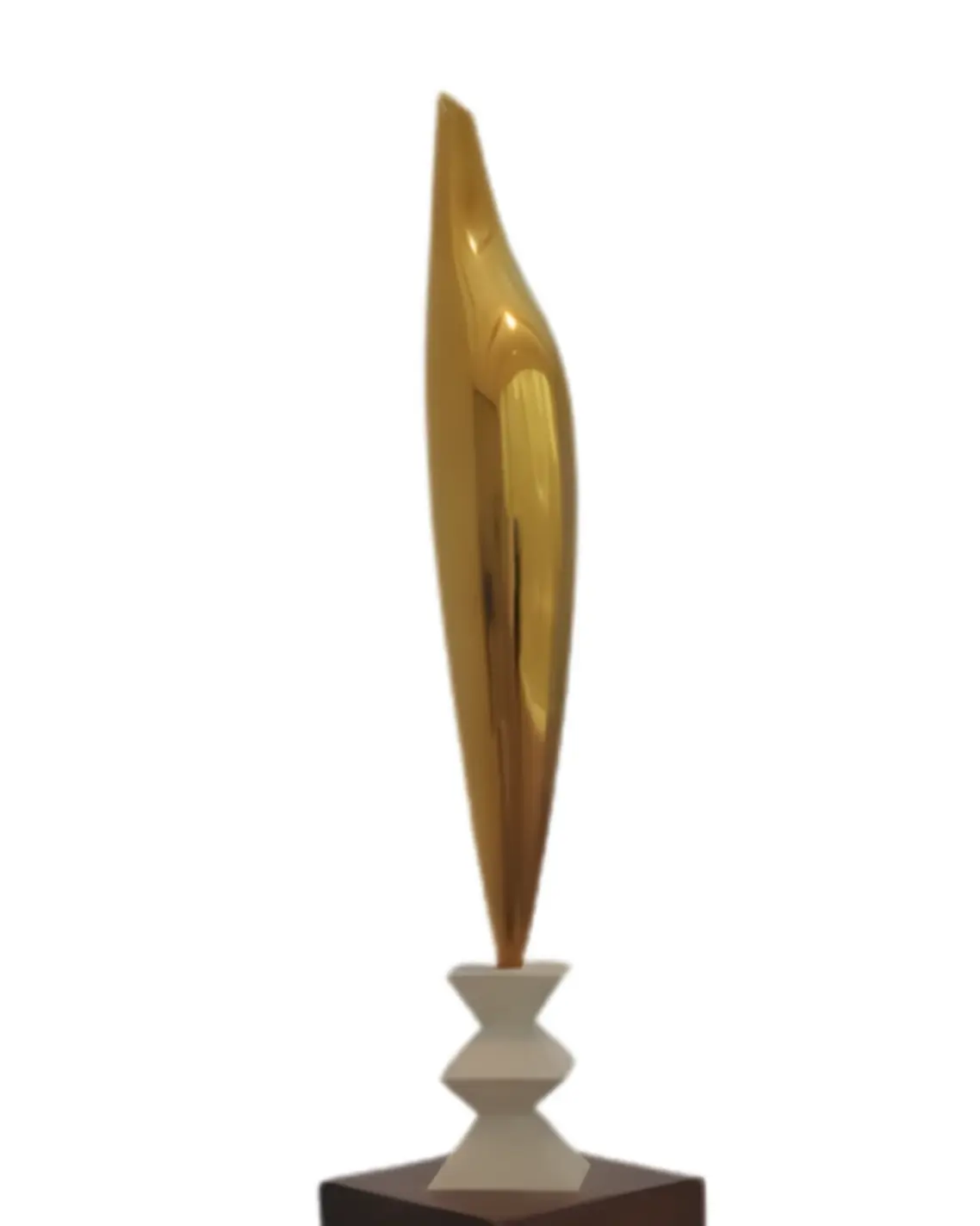
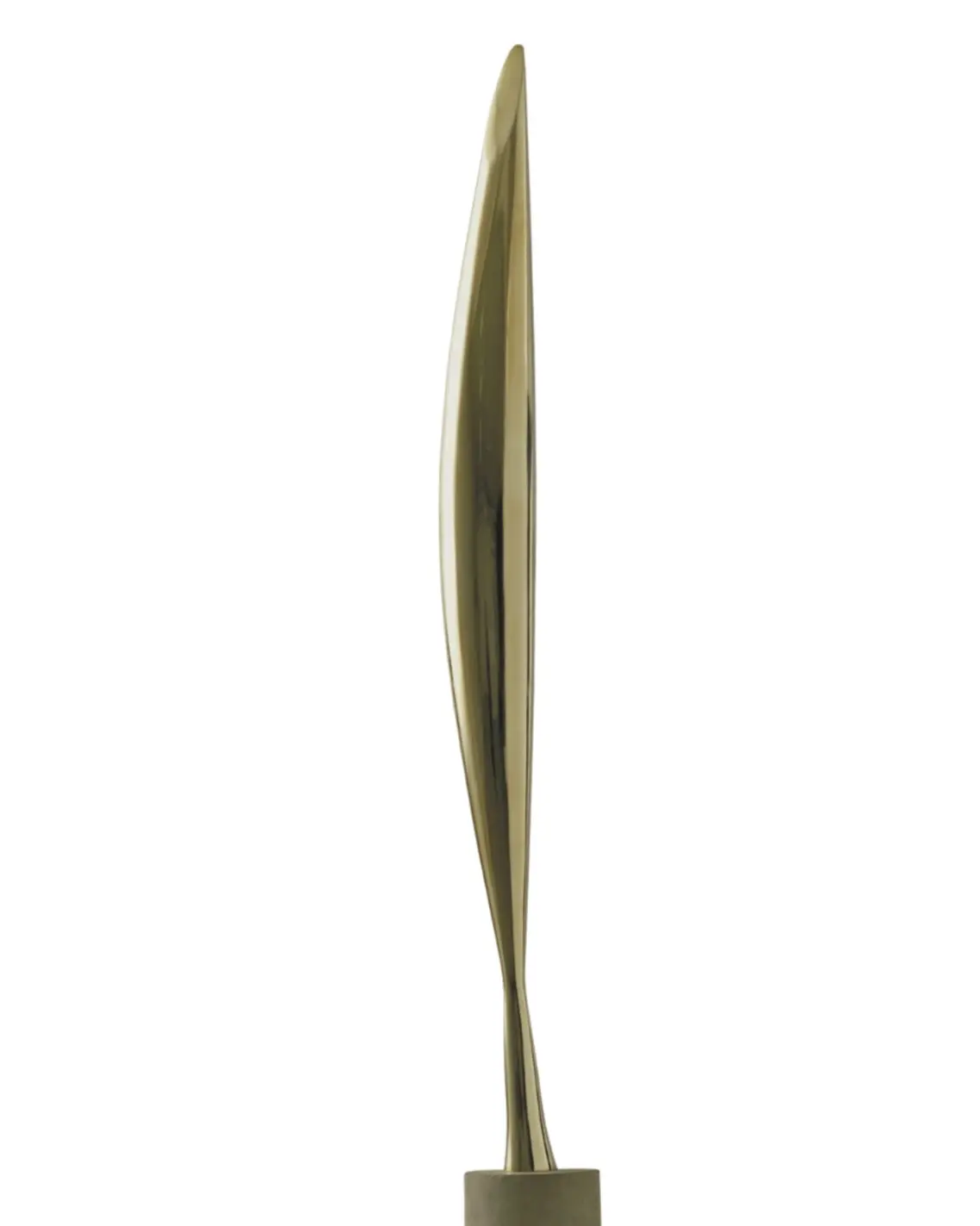
Its cultural impact reached beyond the studio and the museum. The legal battle around Bird in Space in the late 1920s became one of the defining episodes in the public acceptance of modern art. MoMA describes Brancusi v. United States as a significant clash between art and official description, sparked when customs authorities struggled to classify the sculpture as art. The case mattered because it forced institutions to confront a new reality: sculpture no longer needed literal resemblance to communicate artistic truth. Brancusi had already changed the language of form; the court case helped change the language around art itself.
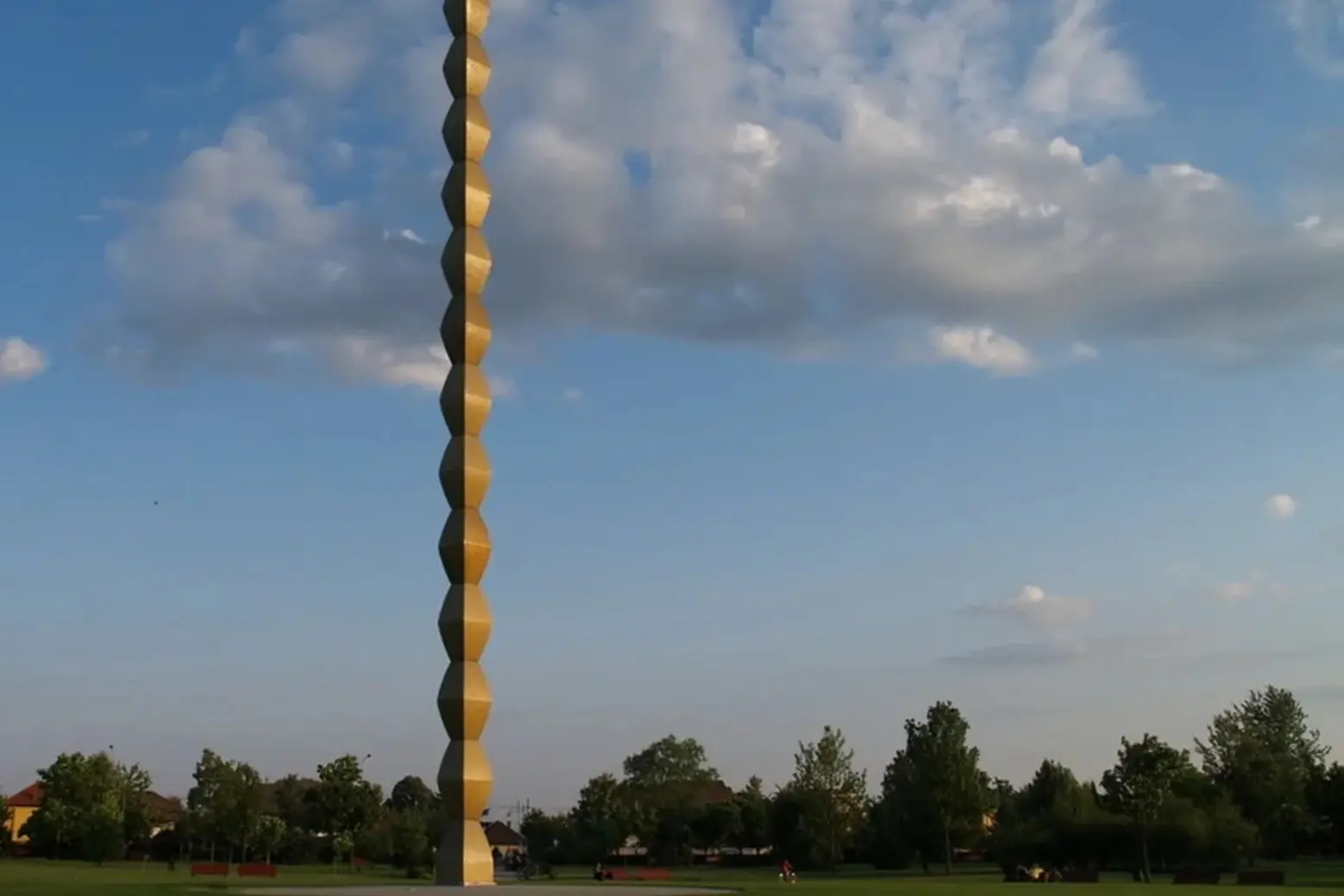
His influence across modernism proved immense. Minimalist artists later absorbed his love of repetition, clarity, and finish. Biomorphic sculptors inherited his understanding of organic archetypes. Architects found inspiration in the rhythmic structure of Endless Column, whose monumental form in Târgu Jiu now belongs to a UNESCO-listed ensemble recognized for its fusion of abstract sculpture, engineering, landscape, and urban space. Brancusi showed later generations that simplicity could hold spiritual force, and that purity of form could feel warm, breathing, and alive rather than cold or doctrinaire.
Brancusi’s greatness lies in the way he made sculpture feel both older than history and radically new. He stripped away ornament, anecdote, and descriptive excess until form began to radiate from within. Yet his work never feels dry. It feels tender, tactile, and strangely generous, shaped by a belief that art can offer pleasure, concentration, and revelation in a single gesture. One of the most beautiful lines associated with him urges viewers to keep looking until they truly see. That may be the ideal way to approach his work. Brancusi asks for patience, then rewards it with a kind of pure visual certainty: a reminder that essence, once found, can feel richer than detail.