MENU
Close





The best memoirs by women do far more than recount a life. They bend time, fracture form, turn memory into art, and prove that a personal story can carry the force of history, politics, beauty, grief, family, and reinvention all at once.
The best memoirs by women do far more than recount a life. They bend time, fracture form, turn memory into art, and prove that a personal story can carry the force of history, politics, beauty, grief, family, and reinvention all at once.
March 19, 2026


When readers search for the best memoirs by women, they are often searching for more than testimony. They want language with a pulse, structure with intention, and a voice capable of holding contradiction without smoothing it away. That is why the form feels so alive right now. Memoir by women has moved far beyond the polite architecture of chronological self-narration into something stranger, sharper, and more formally daring: Graphic memoir, diary collage, political confession, cultural reckoning, and hybrid works that let criticism, memory, and inheritance live on the same page.
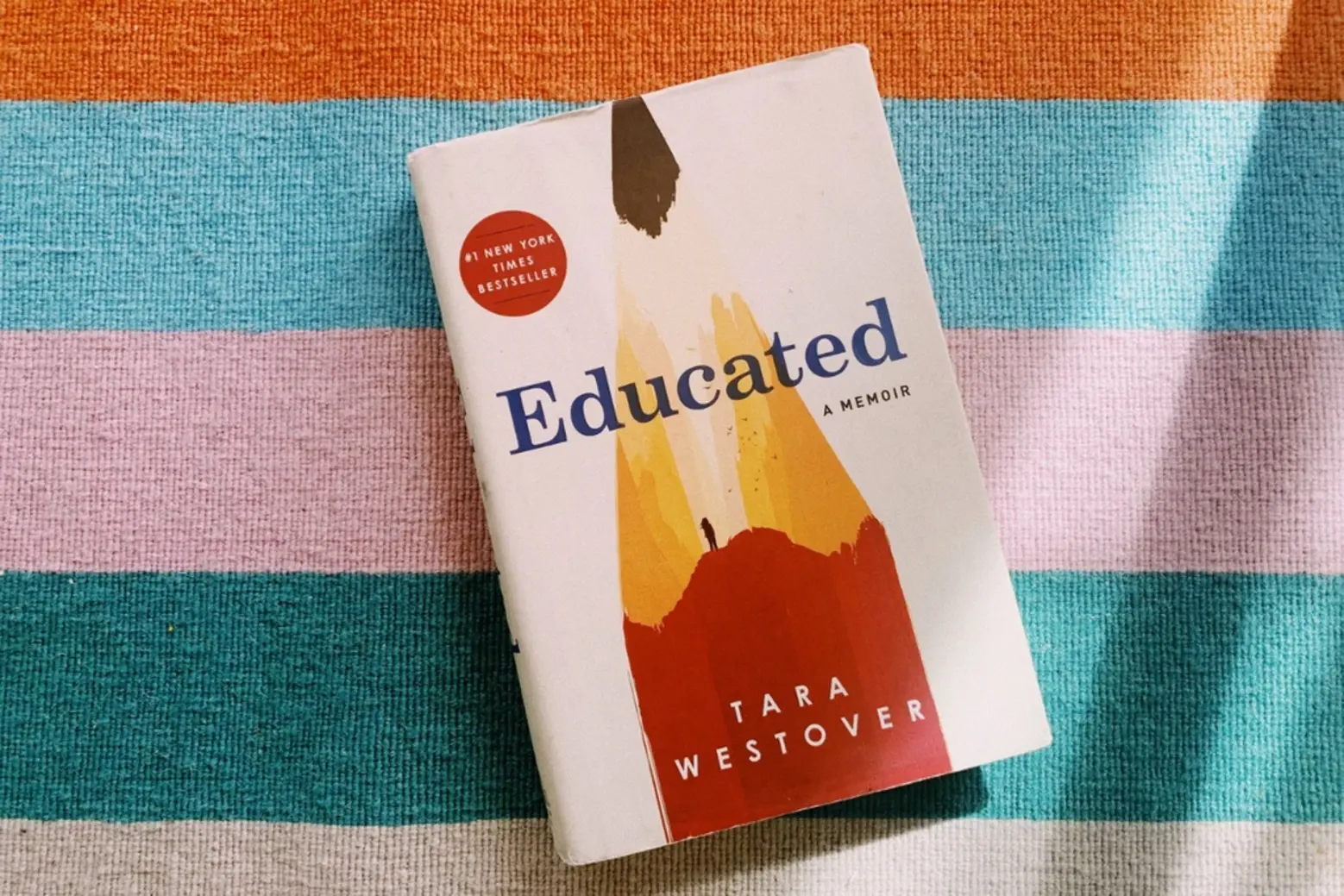
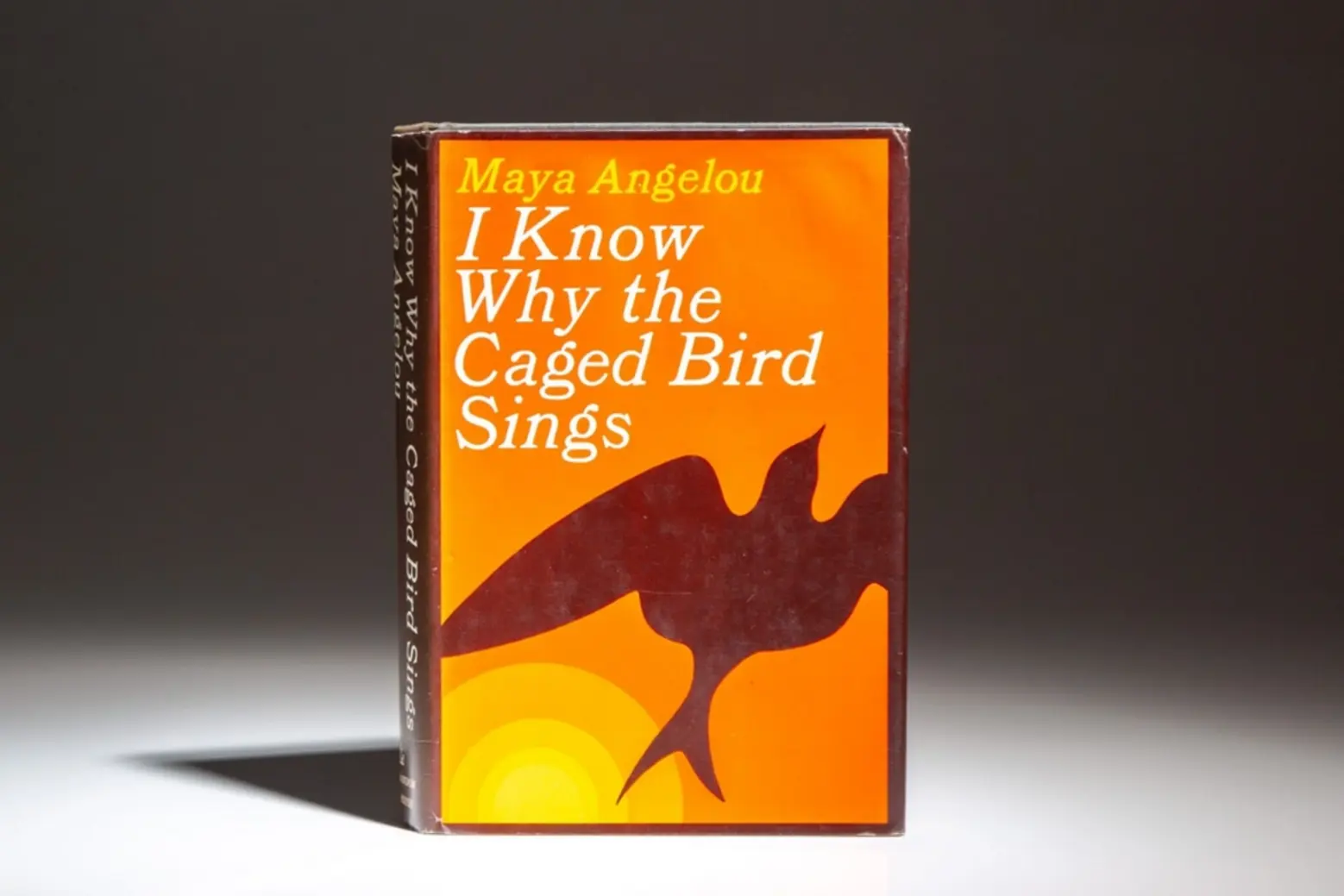
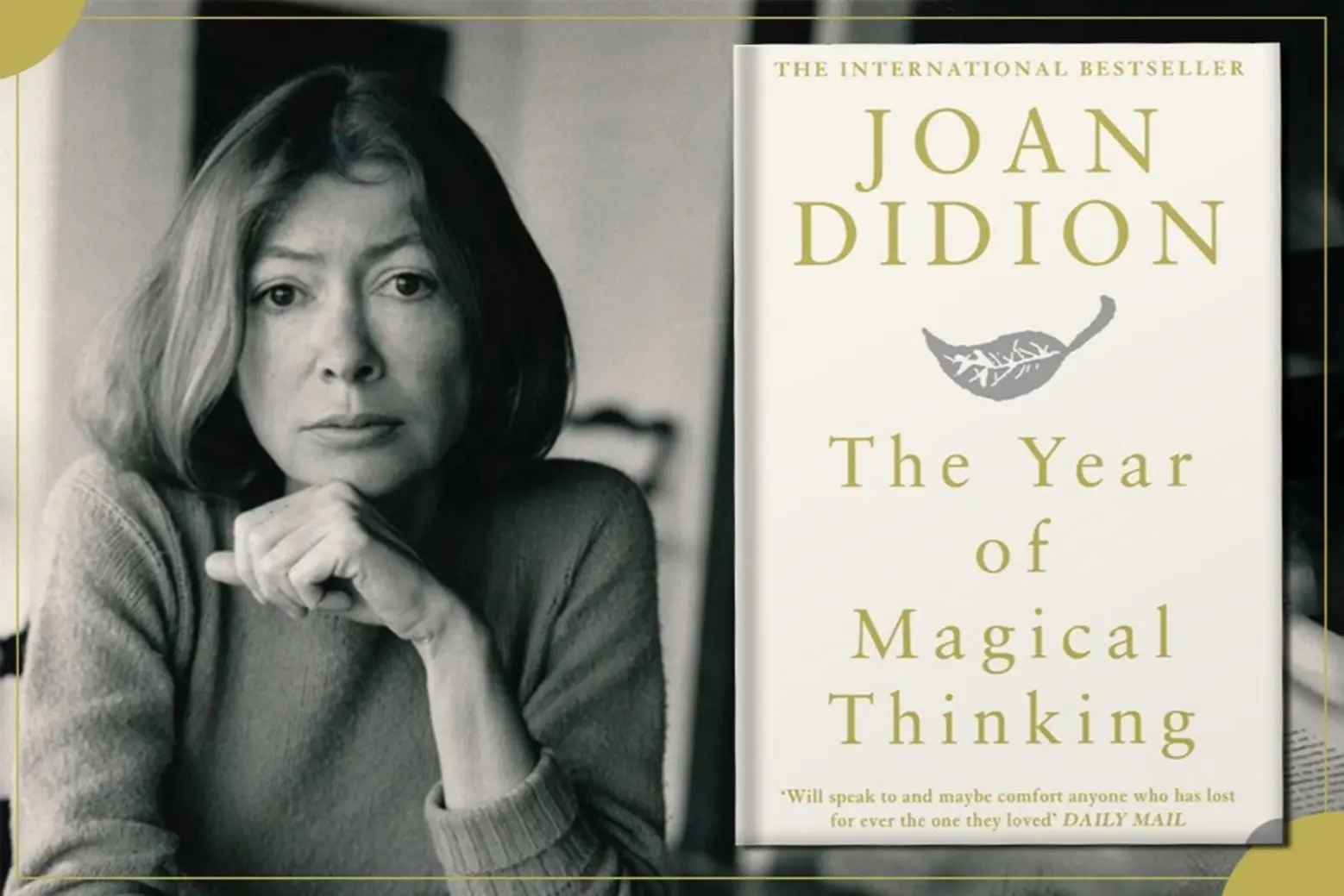
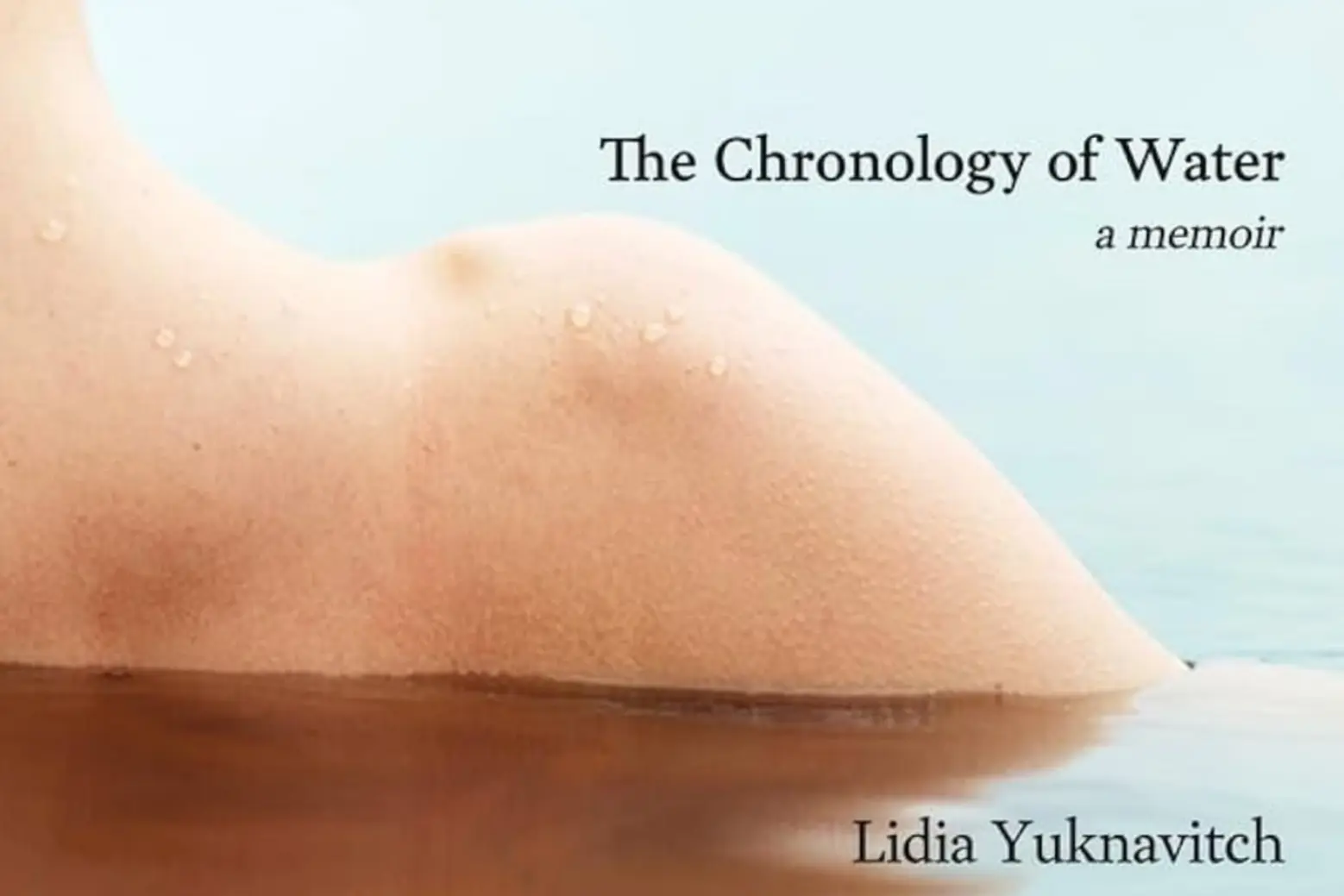
What makes the best memoirs by women so enduring is their ability to transform private experience into a larger method of seeing, feeling, and thinking. The genre’s great pillars remain essential because each one enlarged the shape memoir could take: Maya Angelou’s I Know Why the Caged Bird Sings gave life writing the cadence of lyric self-making, Joan Didion’s The Year of Magical Thinking brought a rare clarity and intellectual precision to grief, Lidia Yuknavitch’s The Chronology of Water treated the body as an archive and fracture as form, and Tara Westover’s Educated renewed the Bildungsroman through fierce questions of knowledge, family, and self-authorship.
Together, these books show that the best memoirs by women draw their power from far more than confession or recollection; they turn memory into structure, voice into revelation, and experience into inquiry. What stays with the reader is the sense that a life on the page has been shaped with such formal intelligence and emotional depth that it exceeds autobiography and becomes literature.
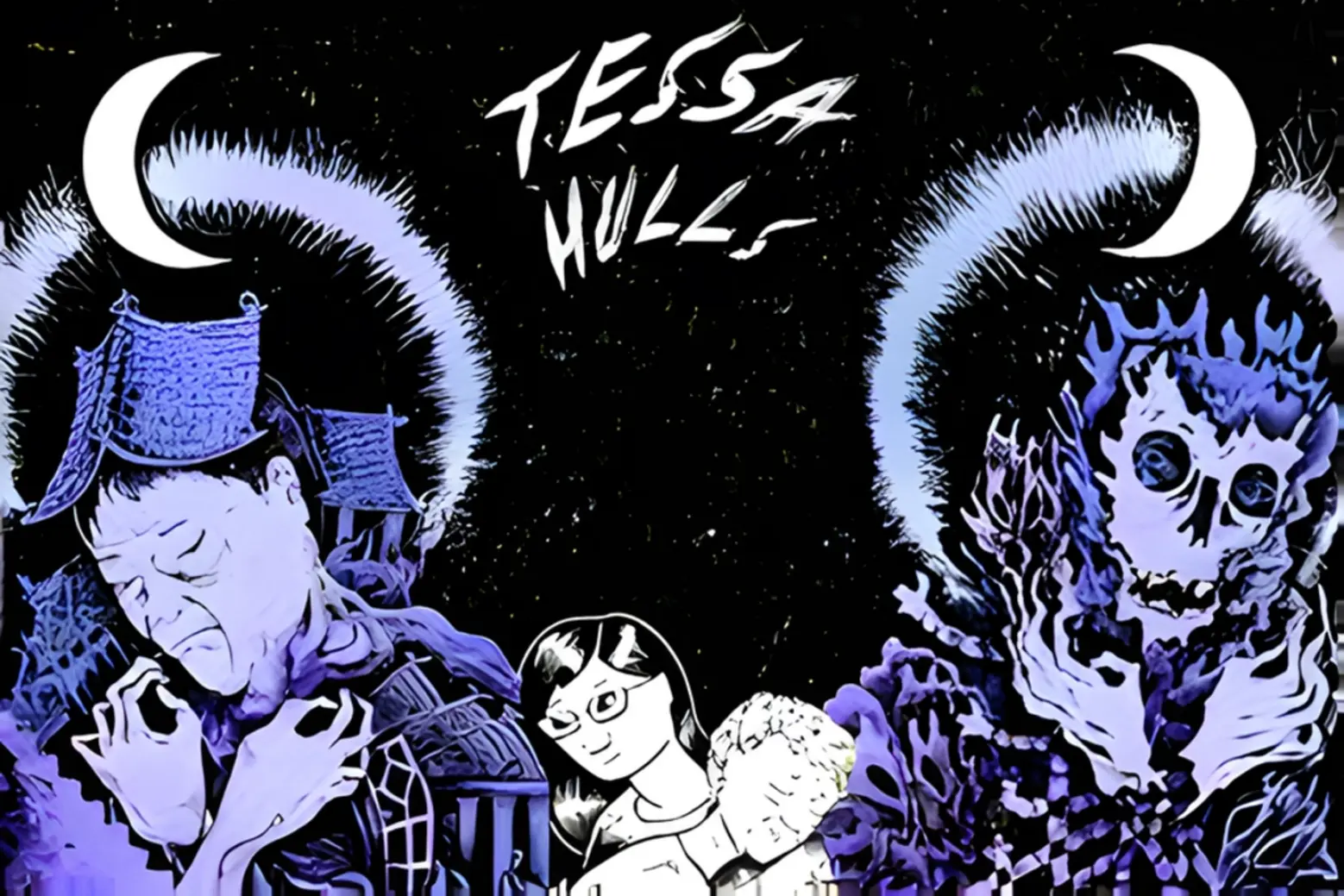
Then come the books that defined the conversation in 2025, when memoir again proved how porous and inventive the genre could be. Tessa Hulls’s Feeding Ghosts: A Graphic Memoir became one of the year’s most decisive titles, going on to win the 2025 Pulitzer Prize for Memoir or Autobiography. Its importance lies partly in subject, tracing three generations of Chinese women through exile, grief, and inherited rupture, and partly in form, because Hulls uses the visual language of comics to show how memory can splinter, recur, and haunt. It is one of the best memoirs by women for readers who want the personal made formally adventurous rather than merely confessional.
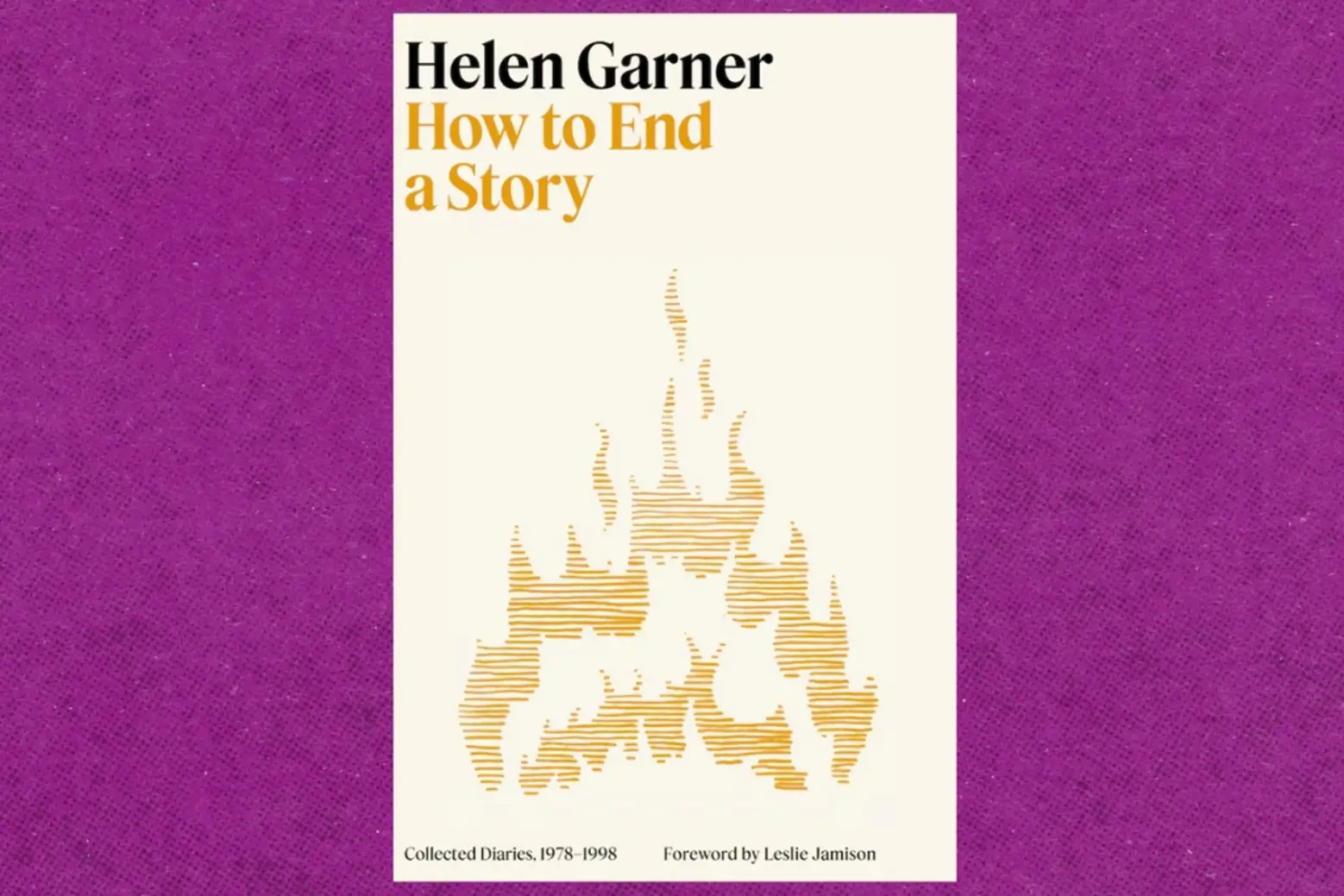
Helen Garner’s How to End a Story: Collected Diaries 1978–1998 belongs to that same conversation, though it arrives through another door. Garner’s diaries won the 2025 Baillie Gifford Prize for Non-Fiction, the first diary-based work to do so, which says something about how much readers and critics now value immediacy, incompletion, and the rough grain of a life being recorded in real time. Diaries once sat slightly outside prestige memoir; now they are central to its evolution. Garner’s sharpness, candor, and emotional volatility make the book feel less like an archival object than like a live wire. In any current discussion of the best memoirs by women, this title belongs near the center.
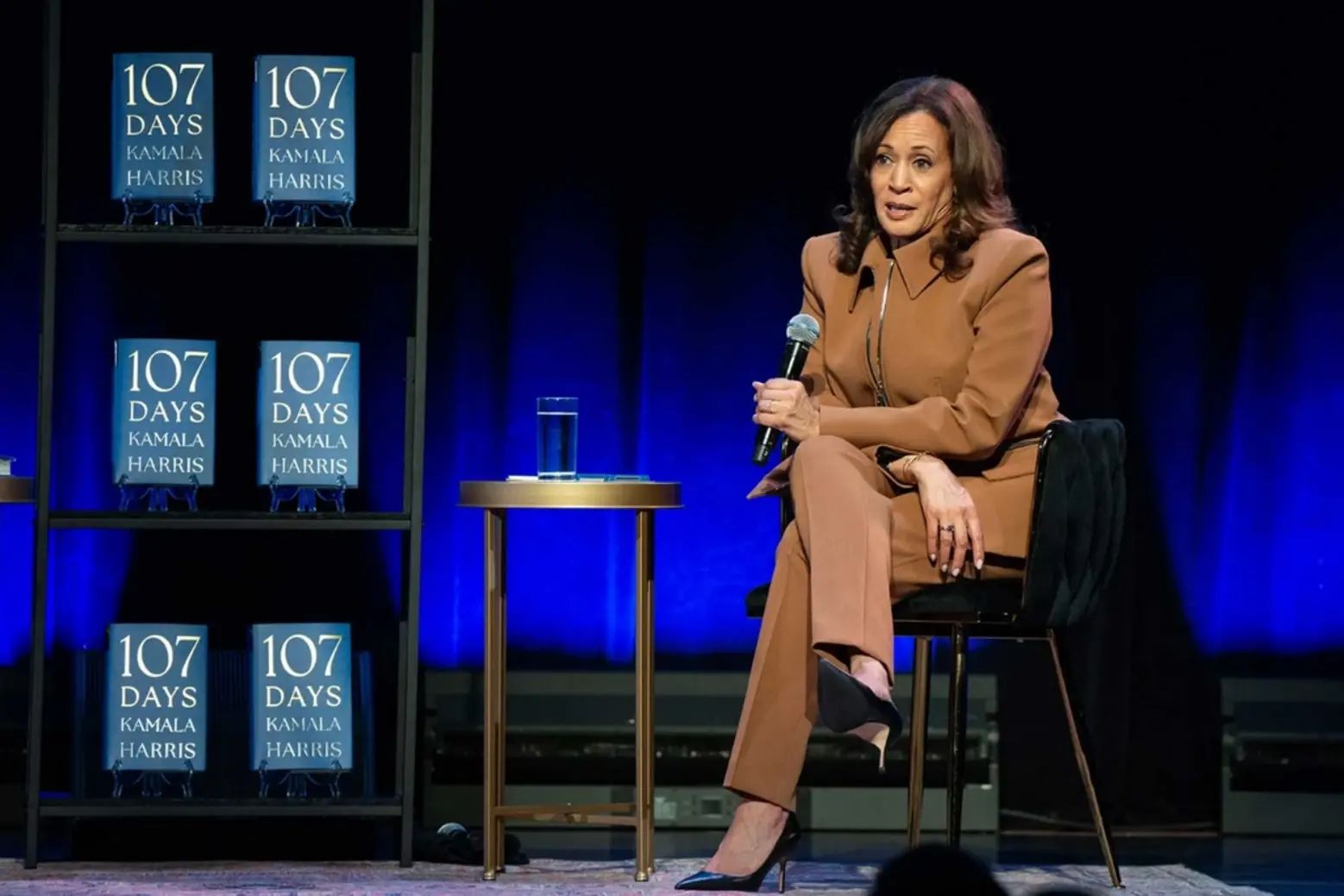
Kamala Harris’s 107 Days, published on September 23, 2025, adds a more overtly political strand to the list. Framed as an inside account of the 2024 presidential campaign, it extends the memoir tradition into campaign speed, public scrutiny, and institutional pressure. Whether readers come to it for politics or for the mechanics of ambition, the book helps explain how broad the field of the best memoirs by women has become. Memoir no longer belongs only to literary or domestic experience. It is equally at home in governance, media velocity, and the theater of public life.
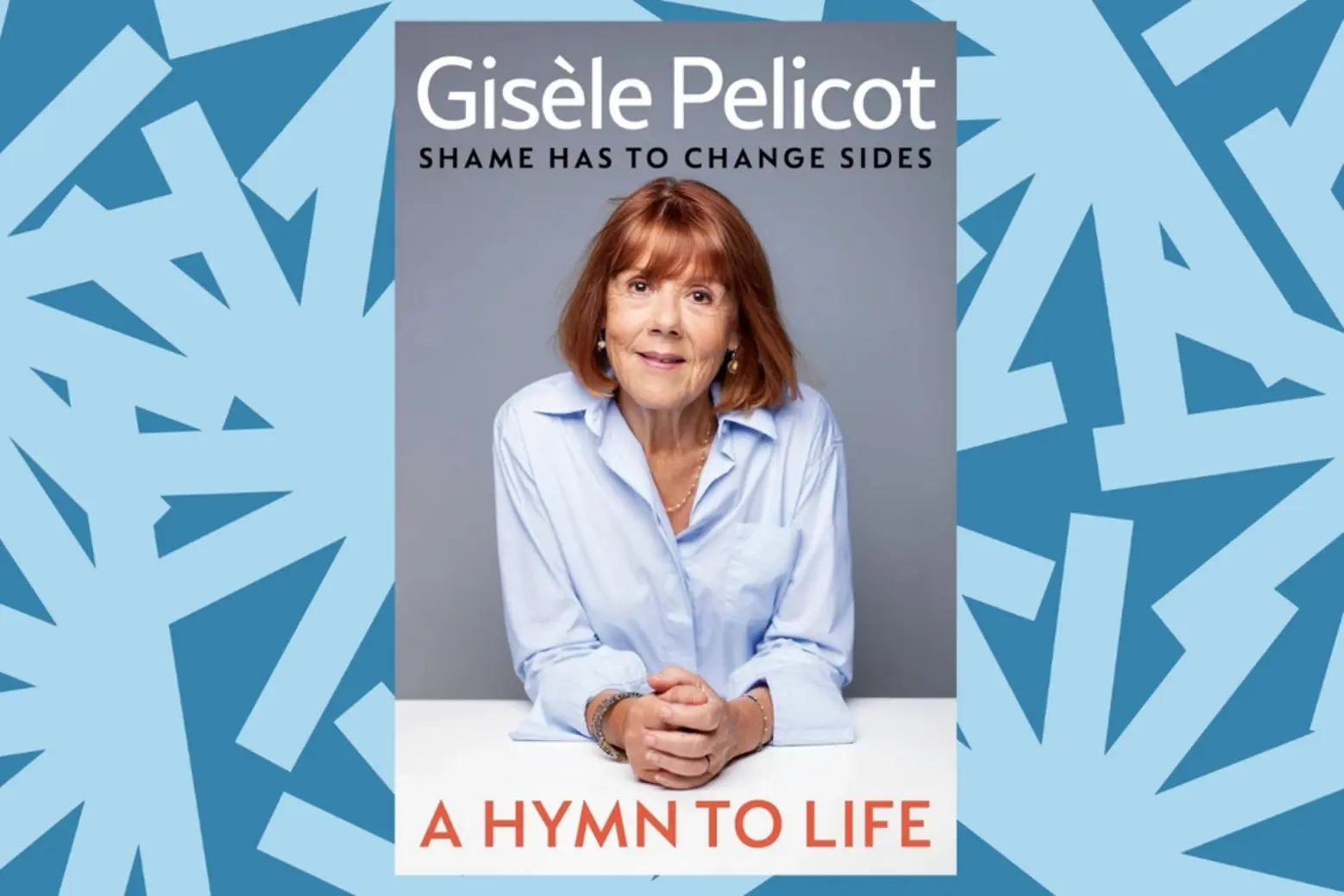
By early 2026, the shelf has already shifted again. Gisèle Pelicot’s A Hymn to Life, published in English on February 17, 2026, arrives with enormous moral gravity. Presented as both memoir and act of defiance, it turns personal testimony into public intervention, carrying forward the force with which Pelicot became a global symbol of courage during and after her trial. This is one of the most important new entries in the best memoirs by women because it asks what memoir can do when it is written not only to remember, but to alter the terms of shame, witness, and collective conscience.
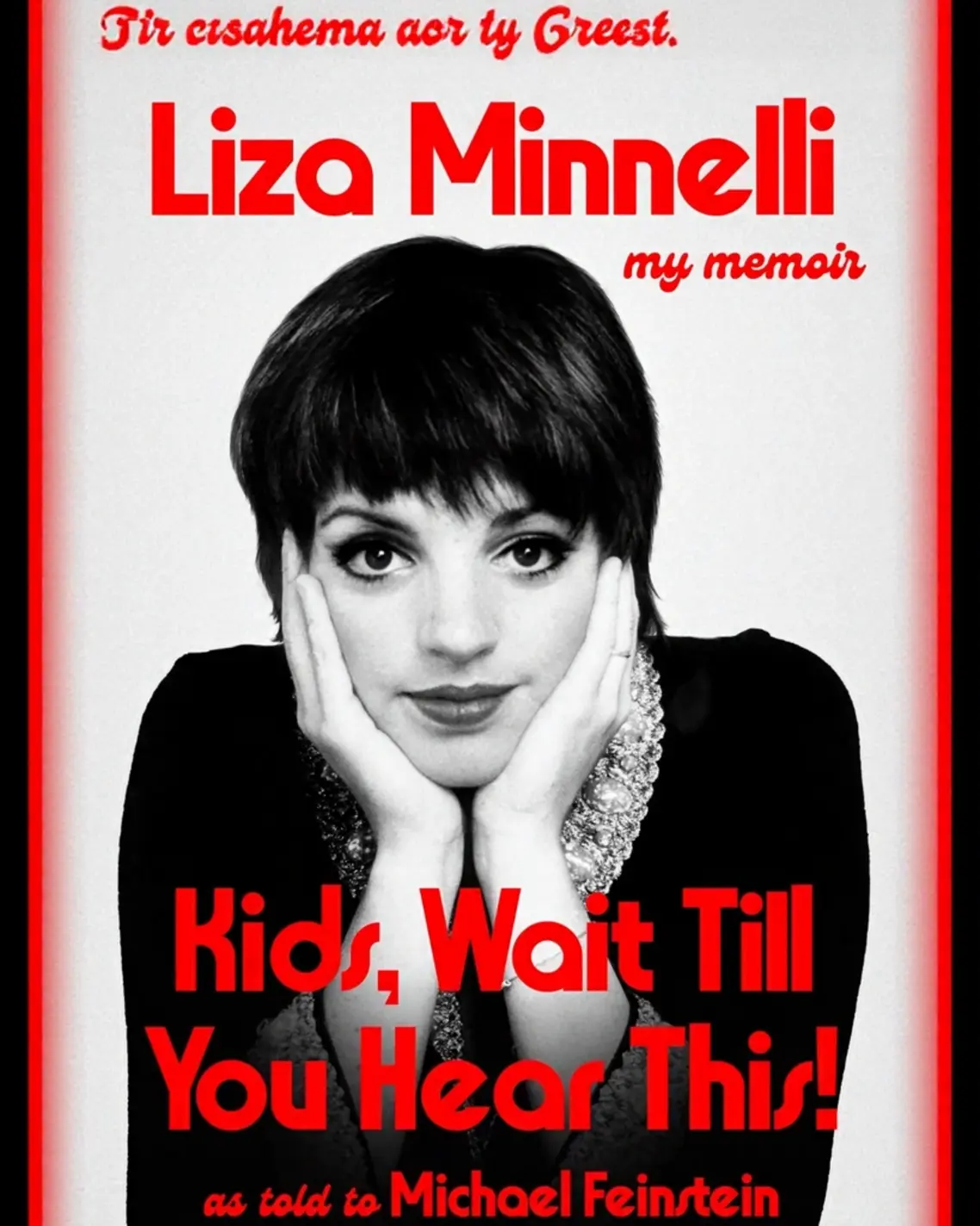
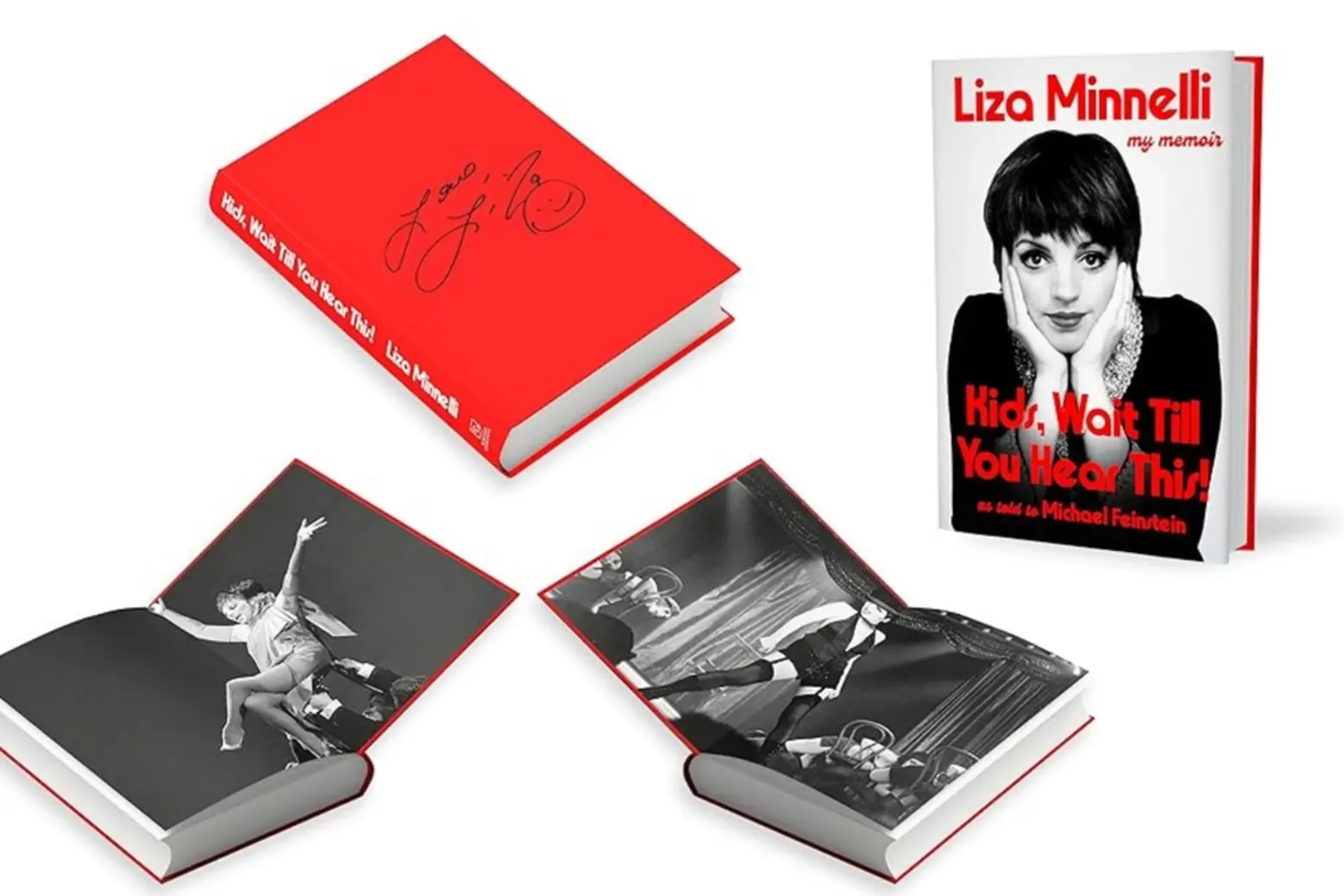
Liza Minnelli’s Kids, Wait Till You Hear This!, published on March 10, 2026, moves in the opposite tonal direction while remaining just as revealing. Show-business memoir can easily collapse into anecdote, but the strongest examples carry glamour and damage in the same hand. Minnelli’s book, shaped from years of recorded conversations and published by Grand Central, has been received as candid, sharp, and defiantly unsanitized, revisiting Hollywood inheritance, addiction, performance, and survival in a voice that sounds lived-in rather than lacquered. Among the best memoirs by women this year, it offers proof that celebrity memoir still matters when the persona finally loosens enough to let the person through.
What finally unites the best memoirs by women is a refusal of flat self-mythology. These books do not simply say, here is my life. They ask harder questions: what shape does memory take after grief, exile, abuse, addiction, fame, or estrangement; what form can hold a family without domesticating its violence; what voice can stay intelligent without becoming cold, intimate without becoming indulgent, political without becoming programmatic.