MENU
Close





As the independent watch market matures at the end of 2025, collecting is no longer purely an act of passion. Independent watch investment now demands pragmatism, market awareness, and a clear collector-investor strategy.

As the independent watch market matures at the end of 2025, collecting is no longer purely an act of passion. Independent watch investment now demands pragmatism, market awareness, and a clear collector-investor strategy.
December 15, 2025


If the first article was about philosophy, this one is about pragmatics. As the independent watch market matures at the end of 2025, collecting is no longer purely an act of passion. Here is a guide through the names that have become "blue-chip," the promising bets, and the strategy for acquiring a piece of contemporary mechanical legacy.
The celebration of independent makers over the past year is not a fleeting phenomenon, but the culmination of a decade-long process of re-evaluation. Now, entering 2026, we face a market that has clearly stratified. On one side lie pure artistic artefacts, difficult to access; on the other, a new asset class with surprising liquidity and appreciation that gives even seasoned observers pause. Investing here demands a different vision: it requires not just the eye of a collector, but the acumen of a market analyst.
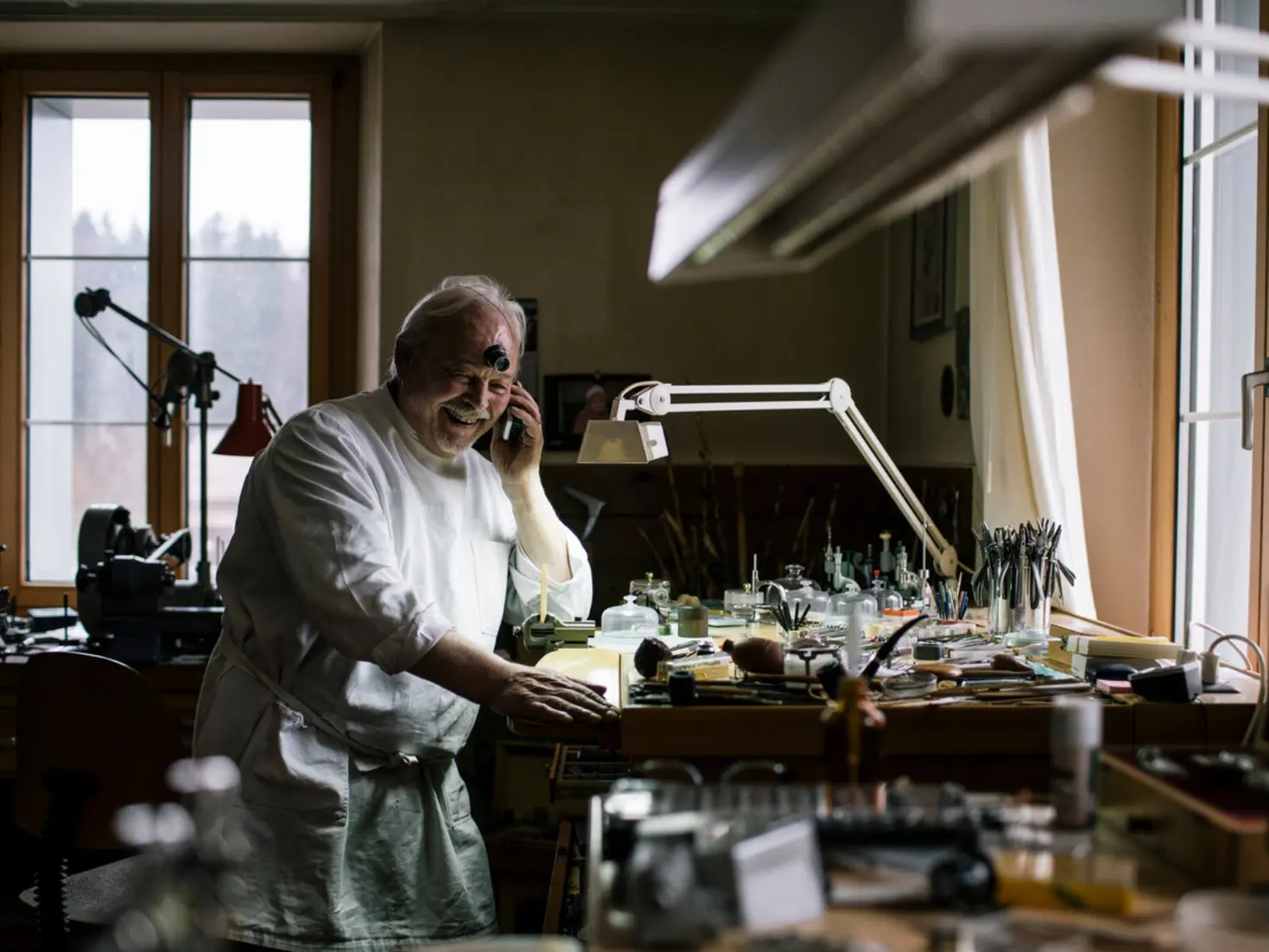
At the deepest and most stable layer of the independent watch market, we find names whose value has transcended the object to become sealed heritage. These are masters whose works barely trade on the open market; they are discreetly transferred between generations of the elite. Philippe Dufour and Roger Smith are the twin pillars here. You are not buying a watch; you are seeking admission to a very small club. Price is almost beyond discussion – it has become an astonishing constant. Investing in this tier is akin to owning a painting by an Old Master: it is the ultimate statement of taste, a store of value beyond time, and above all, a privilege exceedingly hard to obtain.
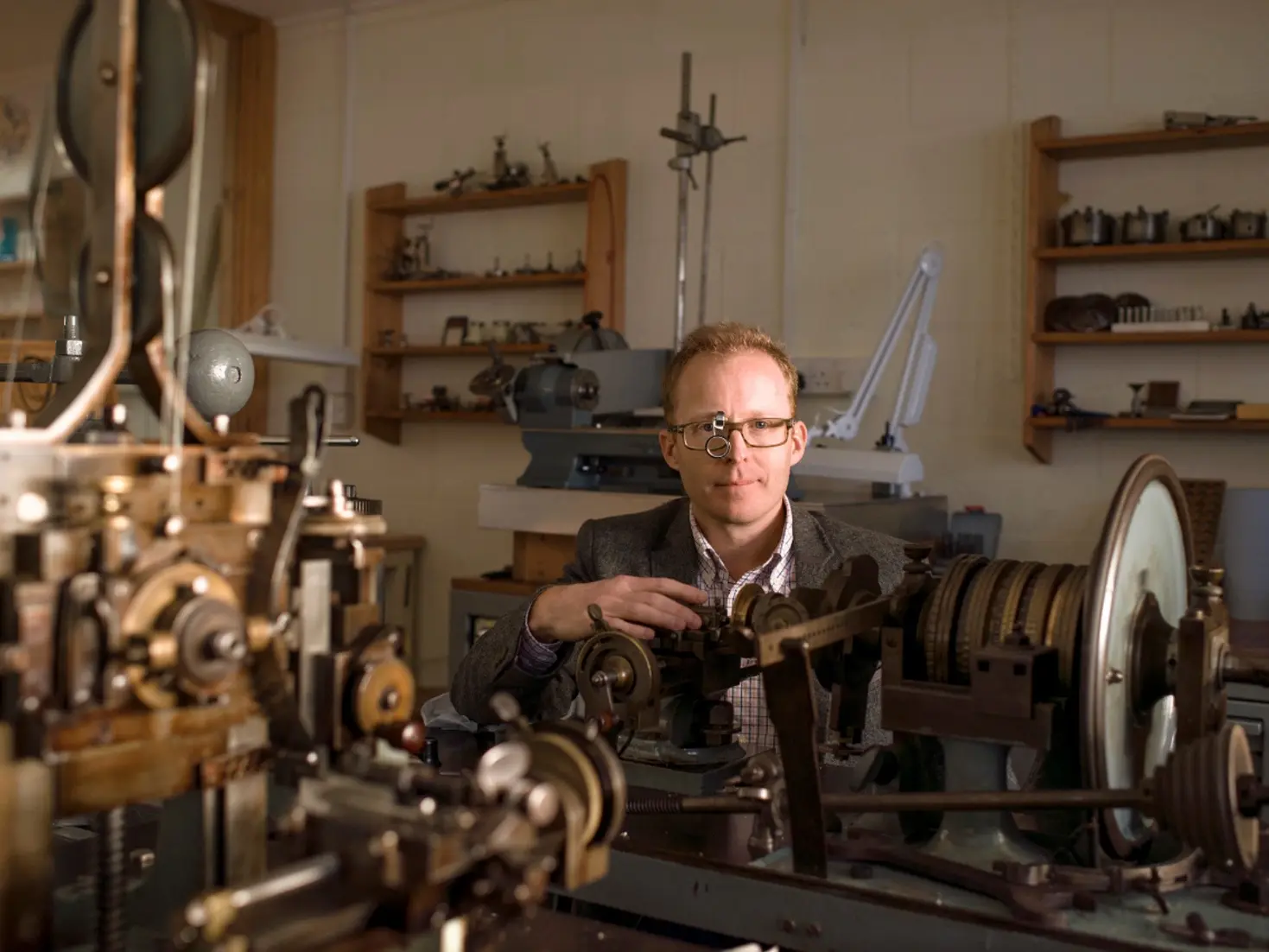
Moving up to the middle layer, we encounter the established phenomena. This is where the artisan narrative meets market momentum most powerfully. F.P. Journe is the archetype. His rose-gold movements have become a distinct design language, and owning one is a passport into a global community of the initiated. Their secondary market value, often multiples of retail, is not a bubble but a measure of community strength and institutional recognition.
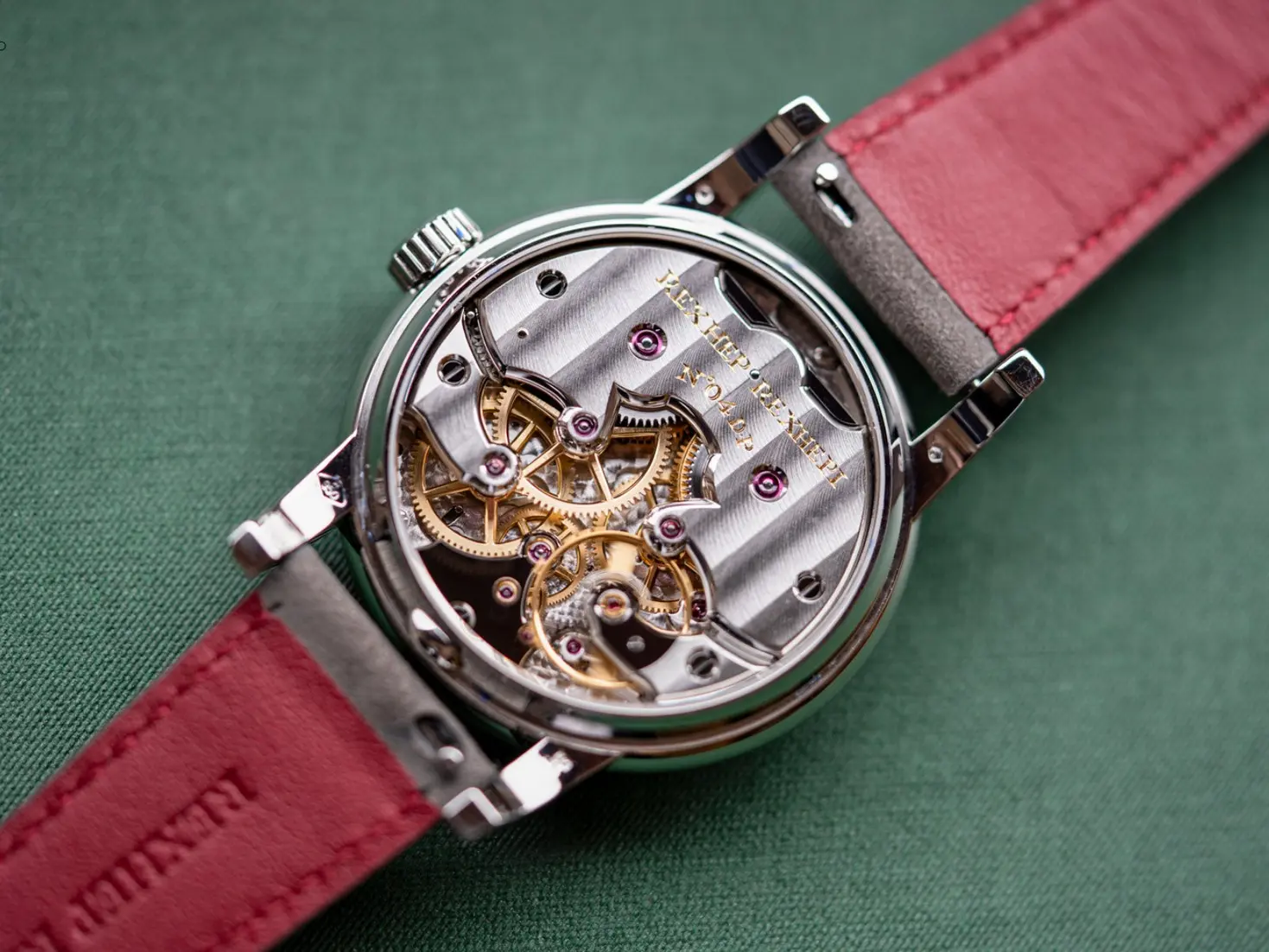

More recently, Rexhep Rexhepi has caused a seismic shift in this tier. Under 40, he is celebrated not only for his skill but embraced by the market with fervour. The meteoric rise of his Chronomètre Contemporain shows a market hungry for new narratives, young faces who inherit and elevate a legacy. Investing here is a balance: you still buy into an authentic artistic story, but with a clear awareness of its proven liquidity and growth potential.
At the most dynamic and potentially volatile layer are the laboratories of the future. Here, rules are broken, designs are bent, and the definition of a watch is challenged. Brands like MB&F, Urwerk, or De Bethune do not sell you the perfection of the past; they sell a vision of the future. Their value is intrinsically tied to the unwavering creativity of their founder.
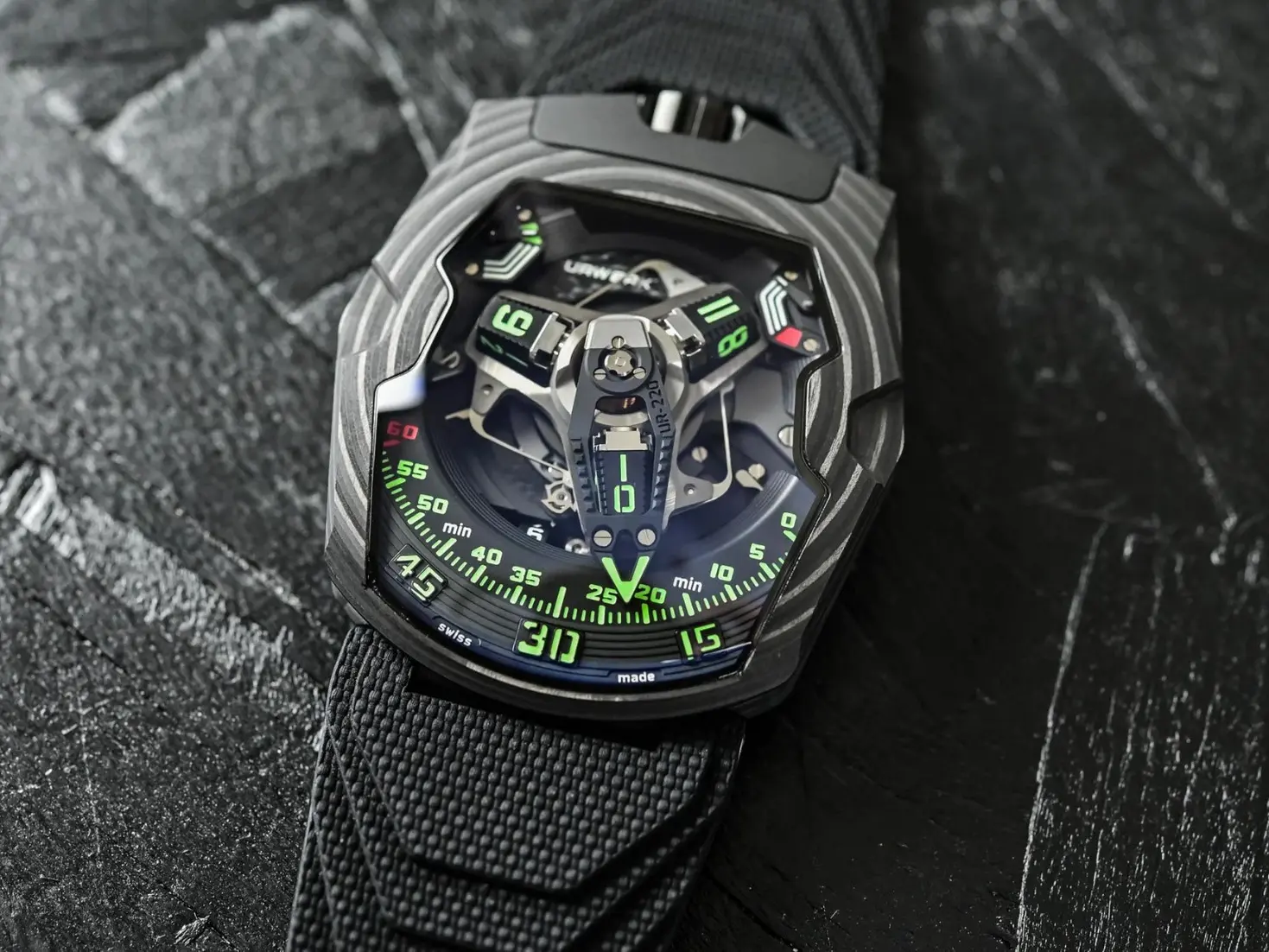
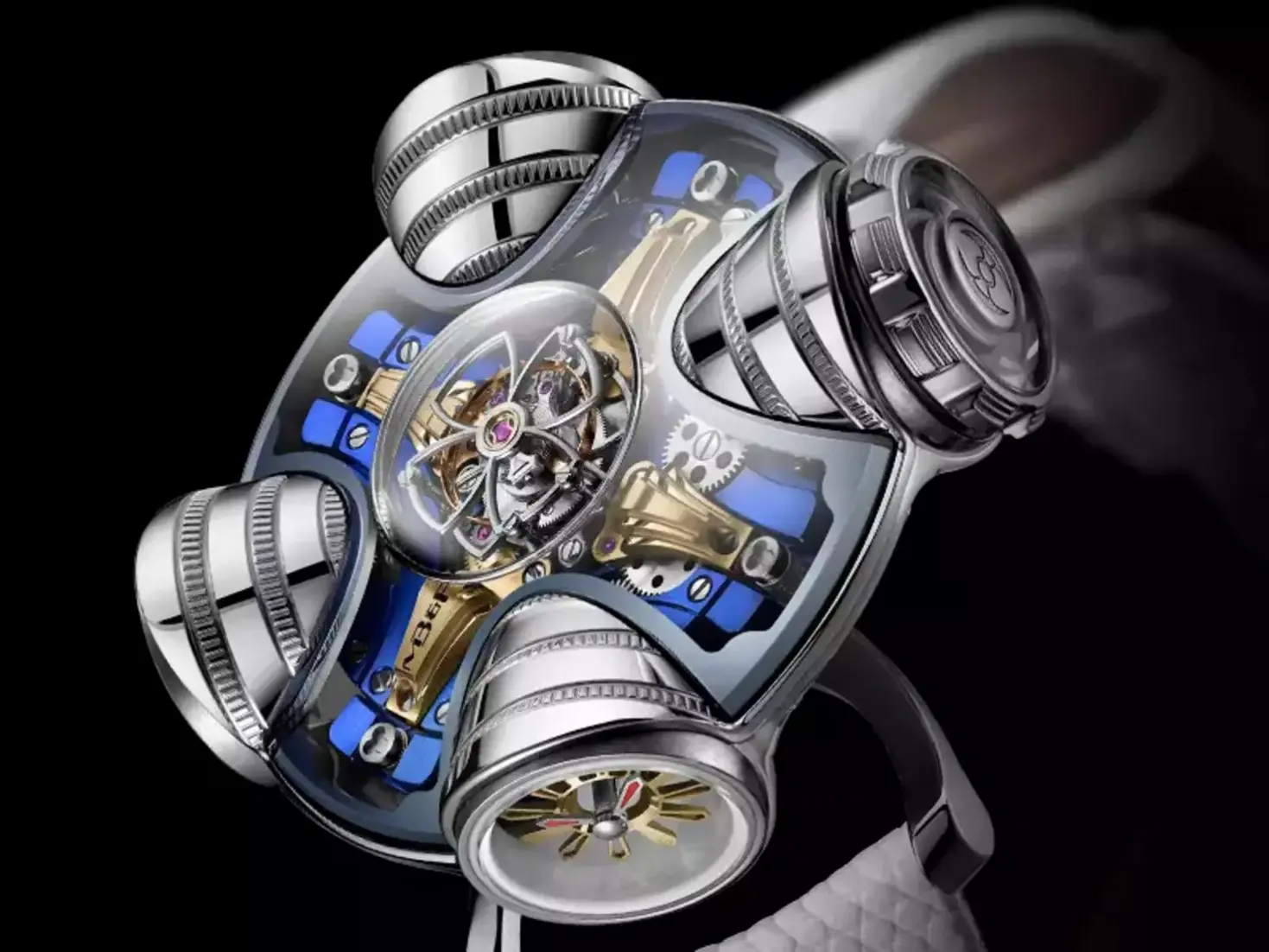
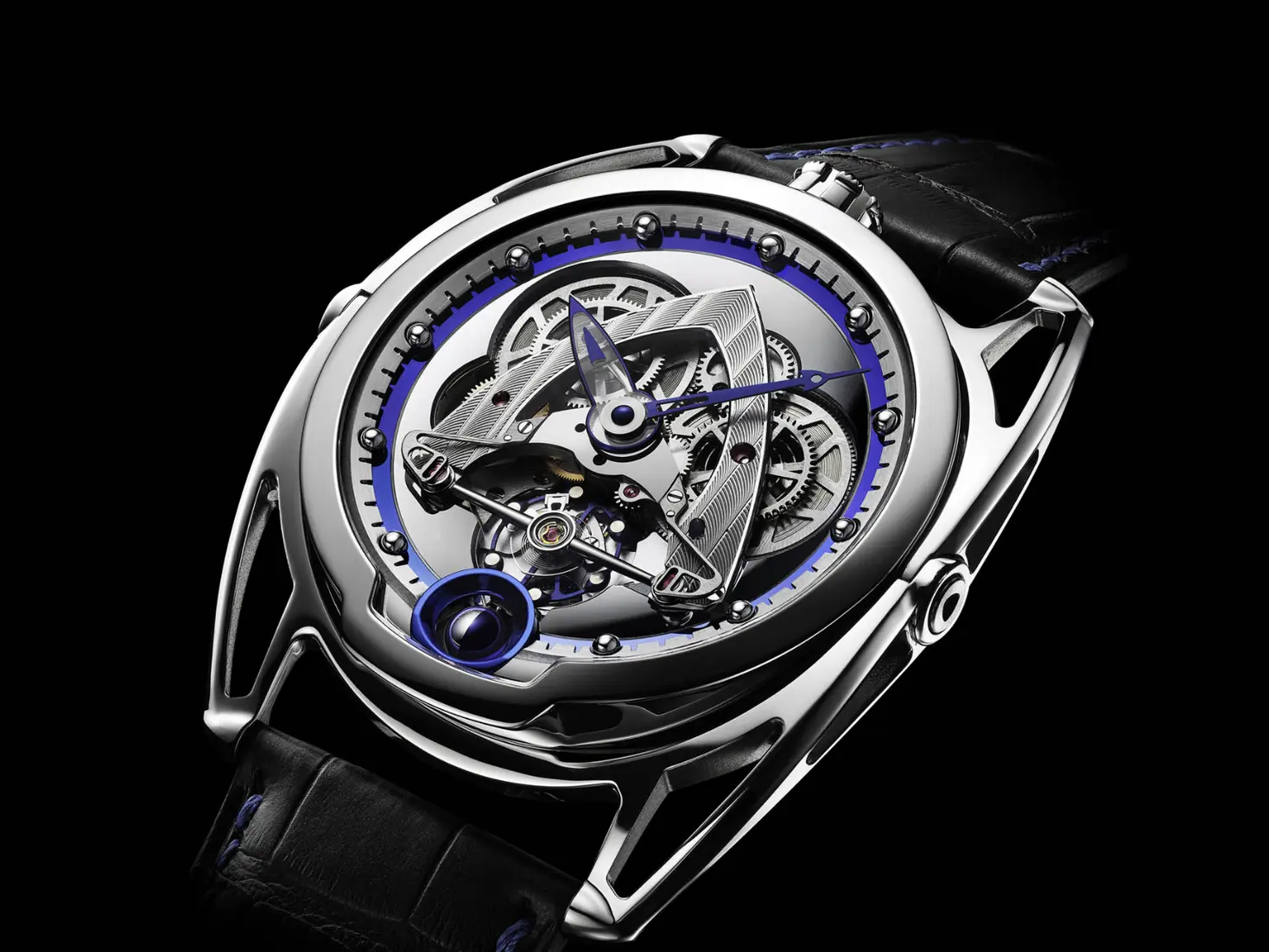
Investing in this tier is like backing a pioneering artist: you are betting on the endurance of that vision. You accept higher risk regarding liquidity and volatility, but the potential reward is owning a piece that defined a direction for a generation, should history validate that vision. This is the segment for the adventurous collector, one who seeks pure uniqueness and wants to be at the cutting edge of innovation.
With the map clear, strategy becomes transparent:
Entering 2026, independent watch investment is no longer about acquiring a beautiful object. It is about choosing which layer of contemporary horological history you wish to inhabit: sealed heritage, cultural consensus, or future vision. Do you want to own a piece of completed heritage, participate in a shaping cultural phenomenon, or champion a vision that may redefine the future? Each choice carries a different risk profile, a different type of return (both material and spiritual), and a different story. The wisdom lies in knowing which tier you are in, and why.