MENU
Close





Messy styling stormed the Fall/Winter 2026 runways with smudged makeup, crooked layers, stained shirts, and hair that looked like it had secrets. After years of sterile polish and clean girl obedience, fashion suddenly wants something dirtier, stranger, and more alive.
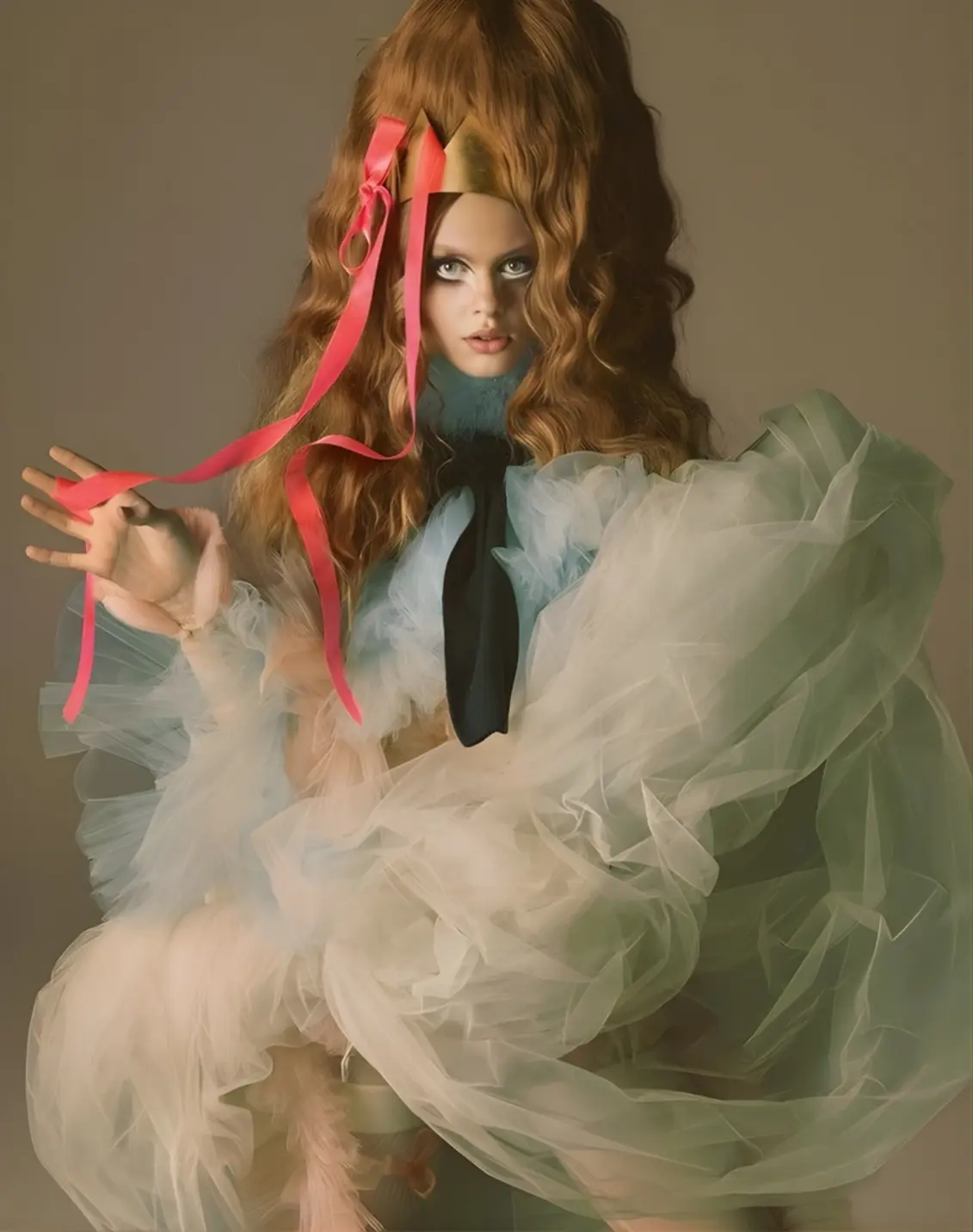
Messy styling stormed the Fall/Winter 2026 runways with smudged makeup, crooked layers, stained shirts, and hair that looked like it had secrets. After years of sterile polish and clean girl obedience, fashion suddenly wants something dirtier, stranger, and more alive.
March 23, 2026
Advertisement
Advertisement


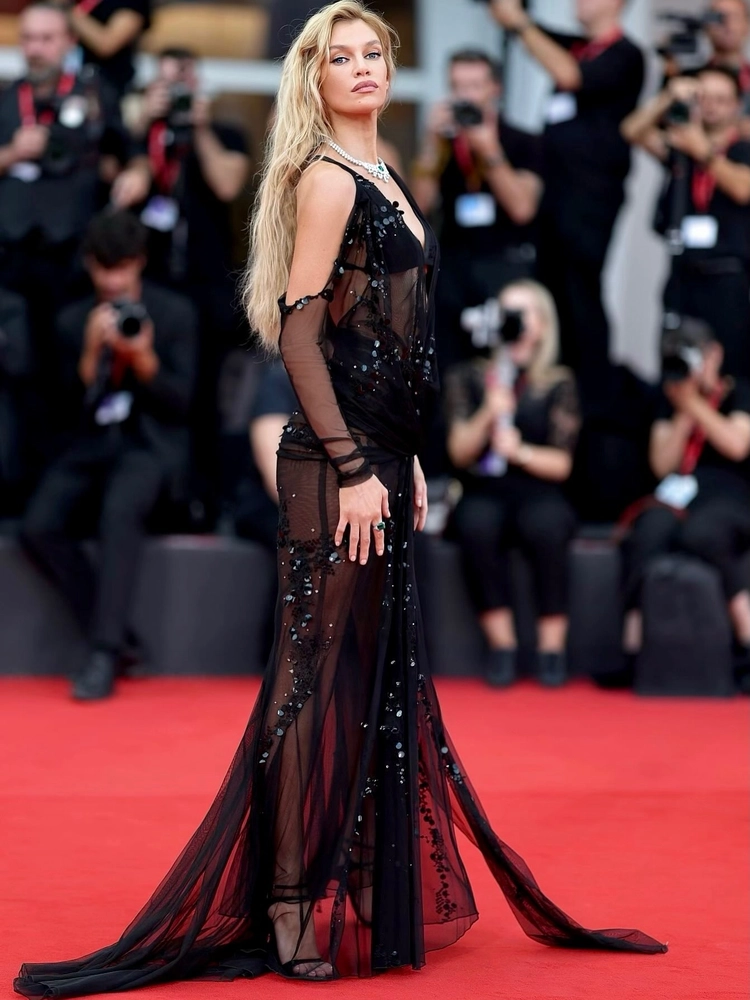
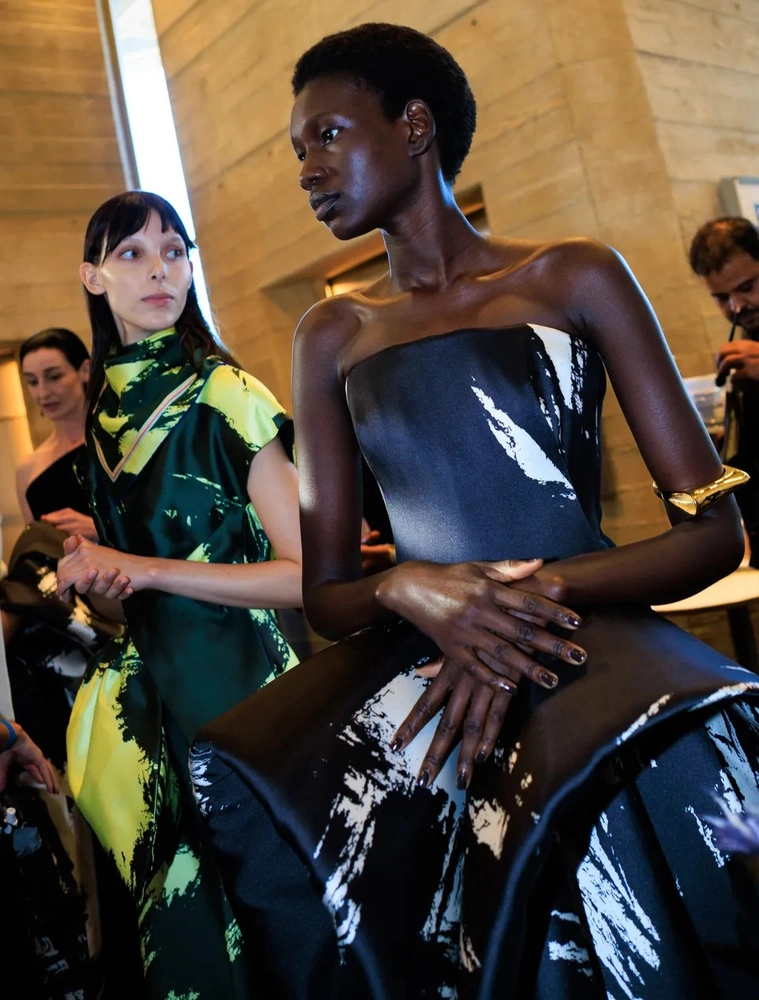
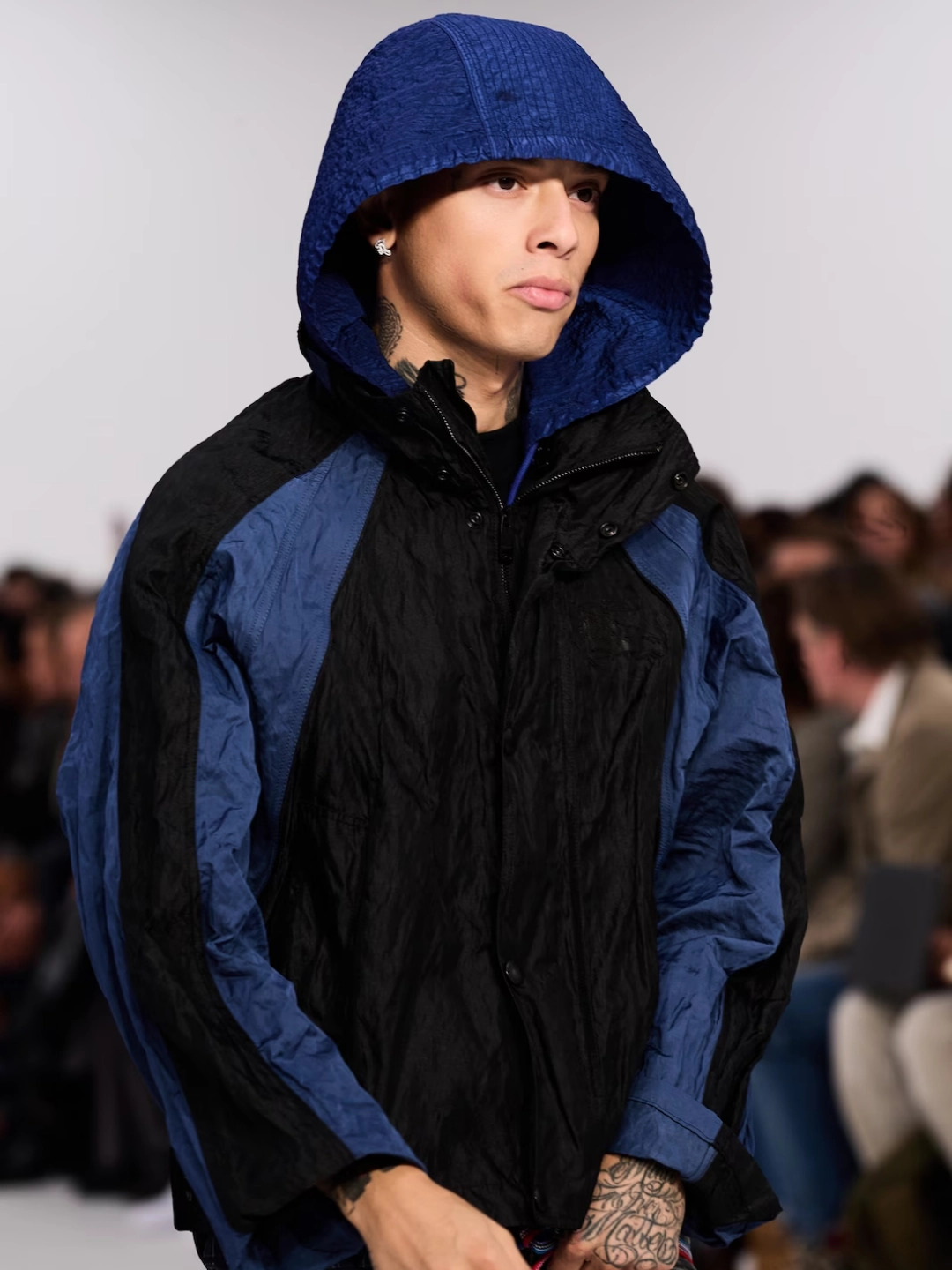
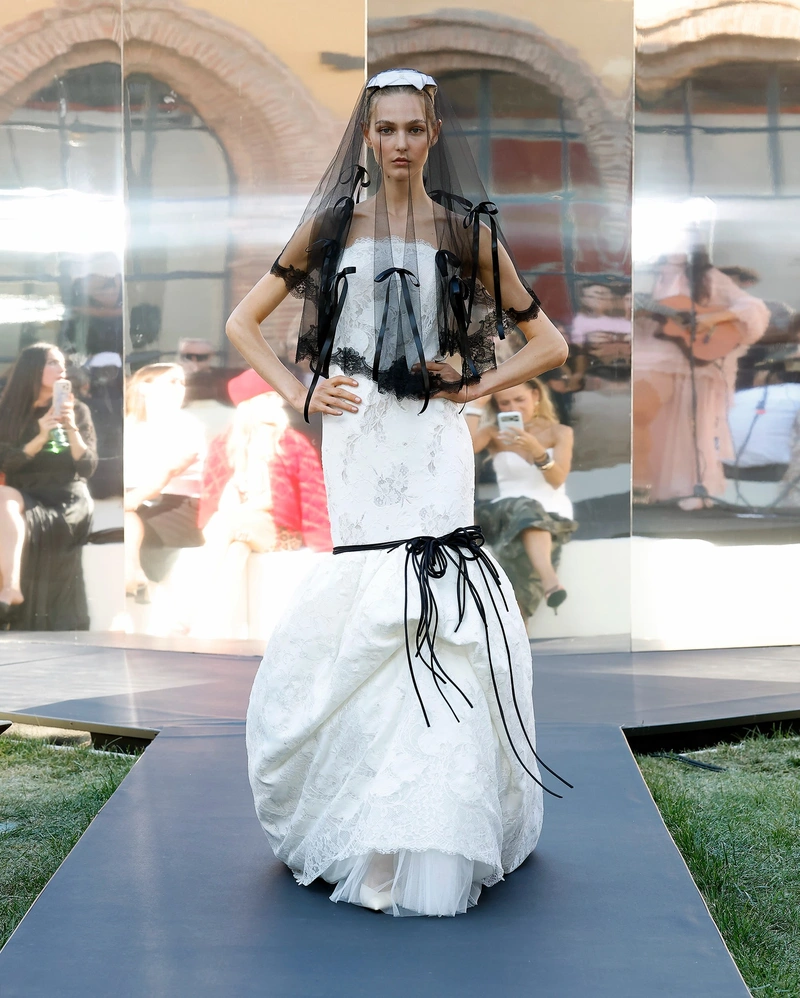
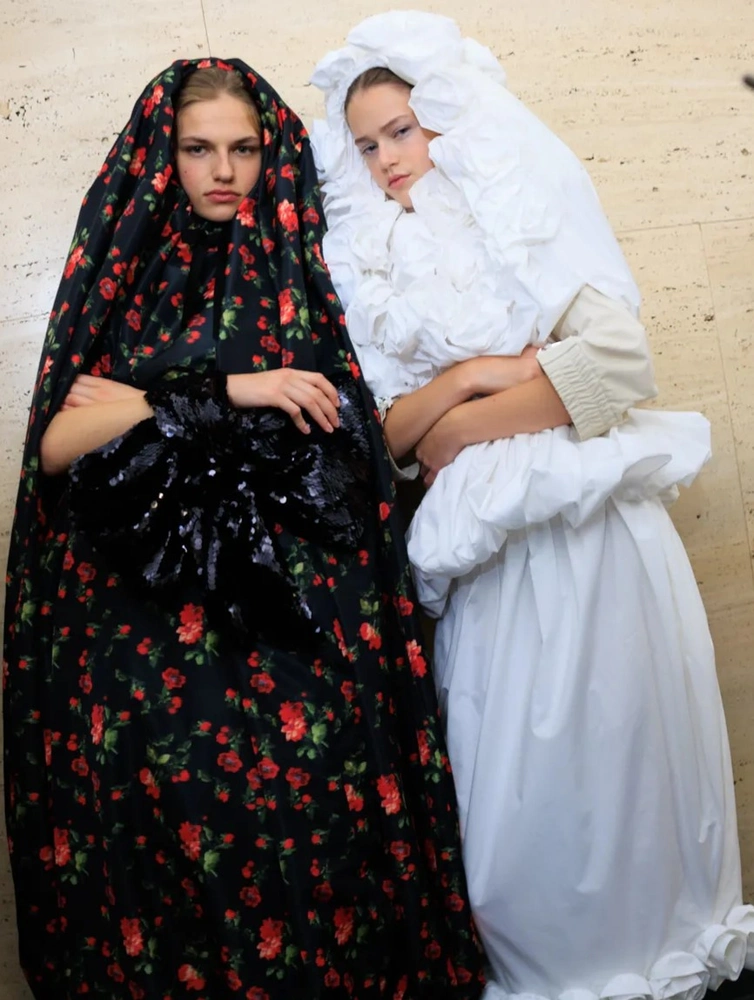
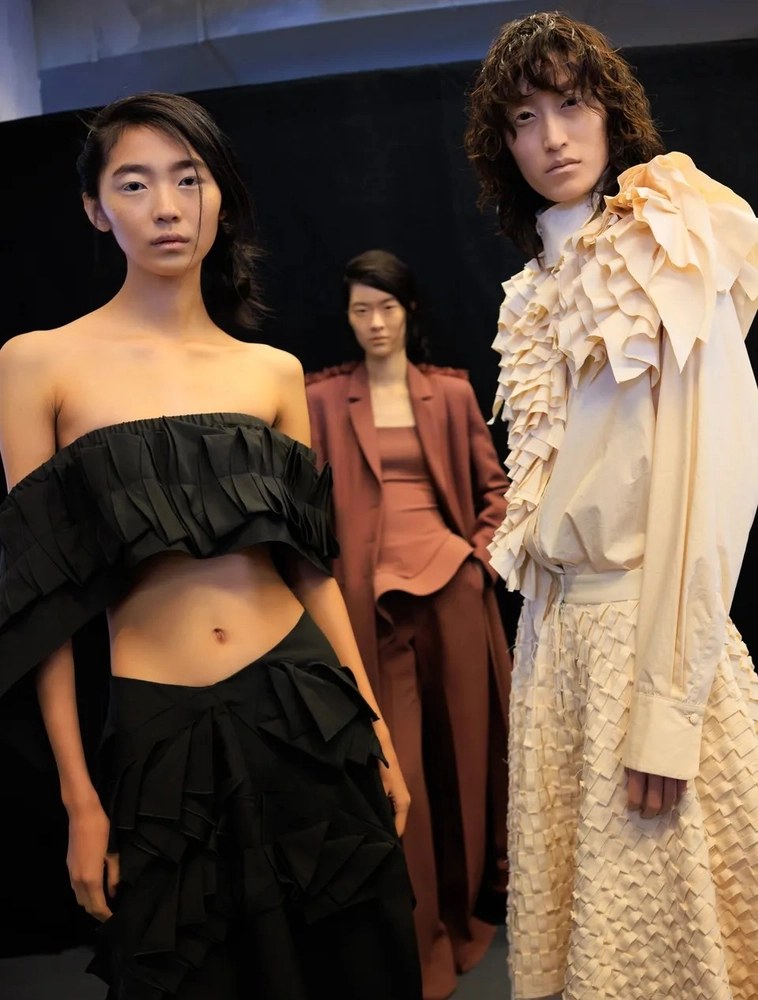
Across the Fall/Winter 2026 runways, glamour arrived looking deliciously undone. Messy styling took center stage through clashing layers, awkward proportions, slept-in hair, and that suspiciously strategic morning-after face. Everything looked a little wrong, which of course made it feel very right. The new high-fashion ideal no longer whispers perfection. It stumbles in late, smears the lipstick, and steals the scene anyway.
Maybe it is a reaction to AI gloss, political unease, collective burnout, or simply fashion’s usual addiction to swinging hard in the opposite direction. Whatever the trigger, designers seem deeply seduced by the hot-mess fantasy. Once luxury houses start flirting with chaos, though, the question gets sharper. Is this real rebellion, or just expensive disorder styled to look relatable?
After season upon season of quiet luxury, surgical minimalism, and clean girl control, messy styling feels like the bratty little revolt the runway had been craving. The fantasy of looking perfectly composed now reads a bit bloodless, a bit over-rehearsed, a bit too eager to behave. Fashion, always hungry for fresh tension, has turned toward flaws, friction, and the thrill of a look that seems to have survived something.
Of course, this fascination with imperfection carries a long and stylish lineage. Deconstruction has shaped fashion for decades through the work of Martin Margiela and Rei Kawakubo, while wabi-sabi gave beauty a more poetic relationship with irregularity, erosion, and asymmetry. Vivienne Westwood treated broken rules like an invitation rather than a warning. Even the early 2000s had their own version of seductive disorder, with the Olsen twins turning dishevelment into a luxury language all its own. What changes now is the mood. Messy styling no longer feels accidental, bohemian, or grunge-lite. It feels knowing, theatrical, and just provocative enough to make polished dressing look a little boring.
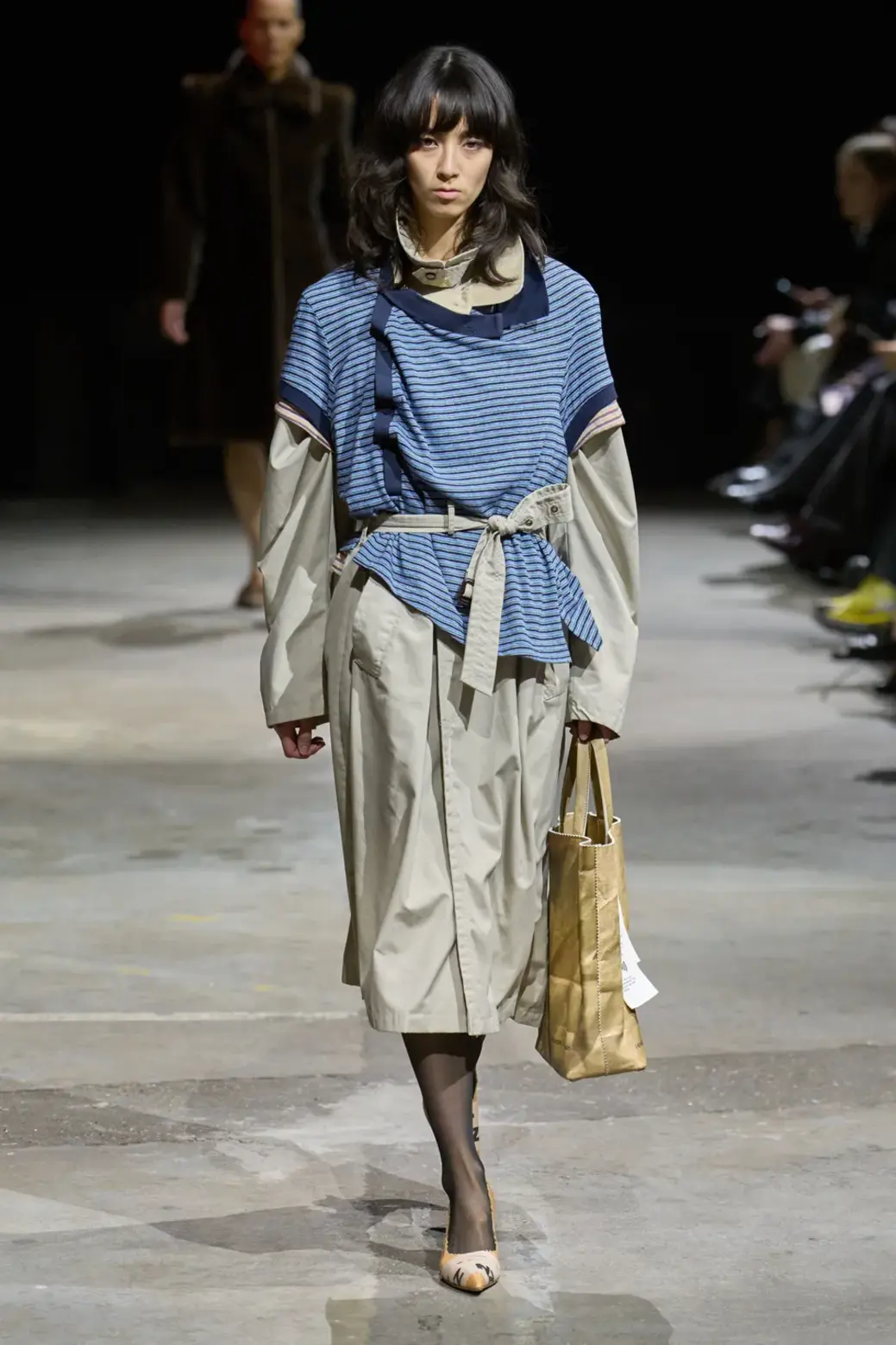
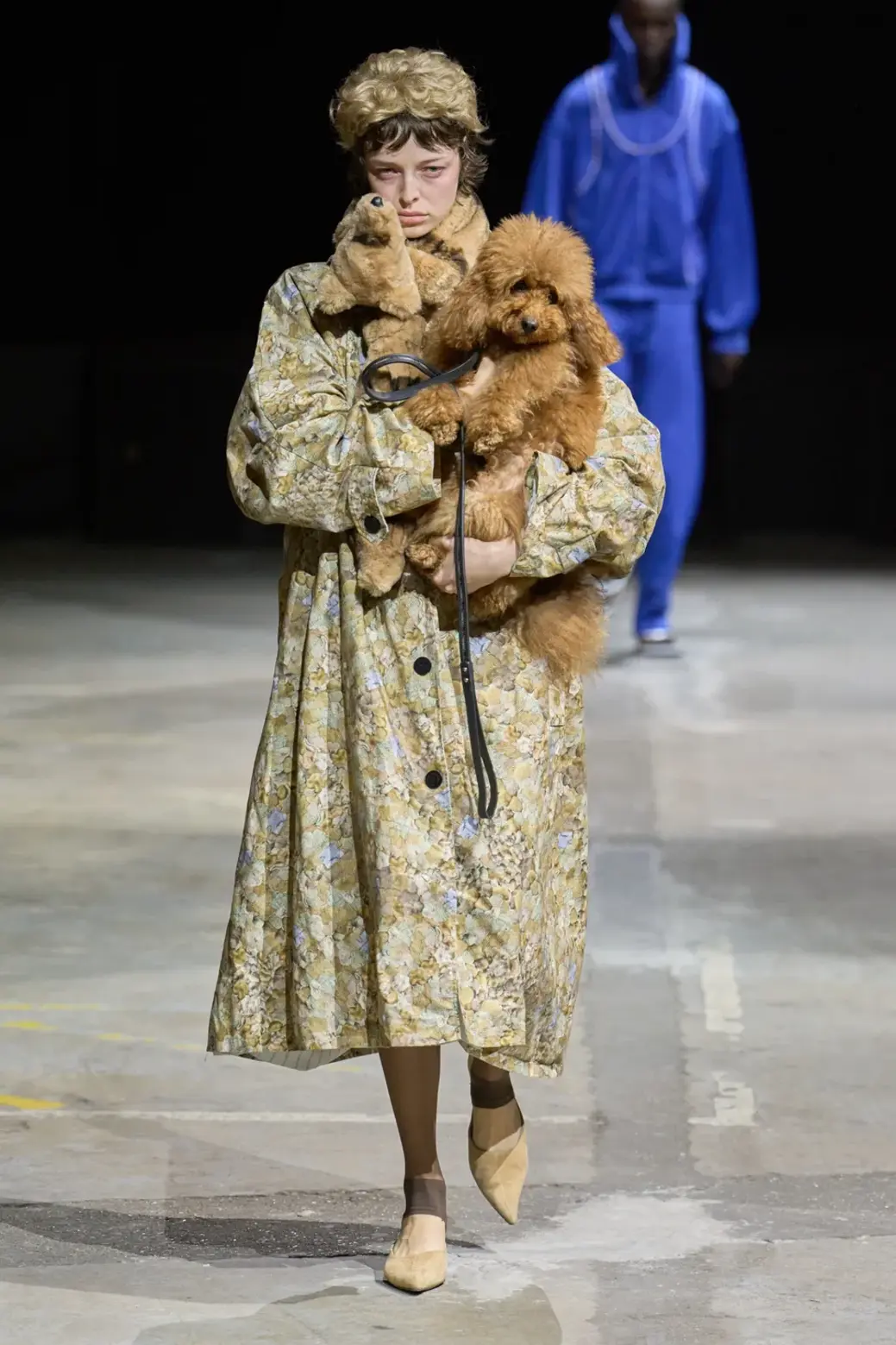
This Fall/Winter 2026, the runways looked like they had been caught in the act. Messy styling popped up everywhere, serving disruption with a wink and a cigarette-after-sex kind of swagger. In London, Natasha Zinko staged a deliciously unruly family portrait packed with imperfect characters in all their scuffed-up glory. A tired babysitter, delicate grandparents, takeaway bags, eBay boxes, all of it felt gloriously unfiltered, like real life dragged into fashion and dressed up just enough to misbehave. Sinead Gorey pushed that energy further, turning beers, bad habits, and slept-in makeup into a full fashion spectacle. Backcombed hair, smudged faces, a wild British-night-out pulse. It was dirty, cheeky, and very aware of its own charm.
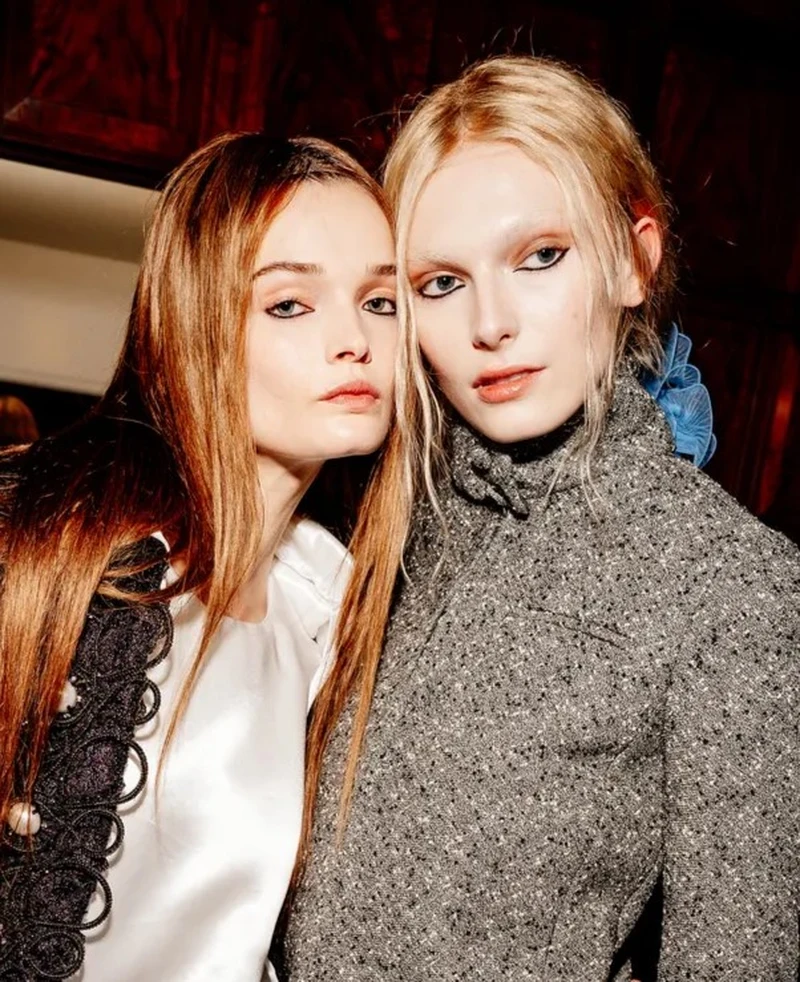
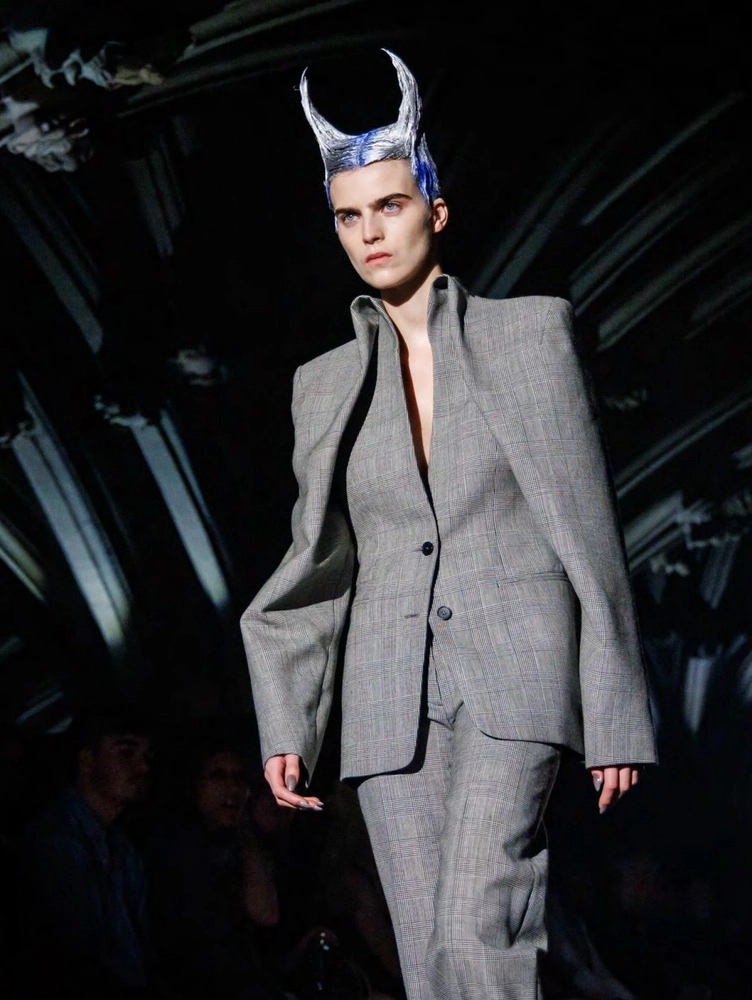
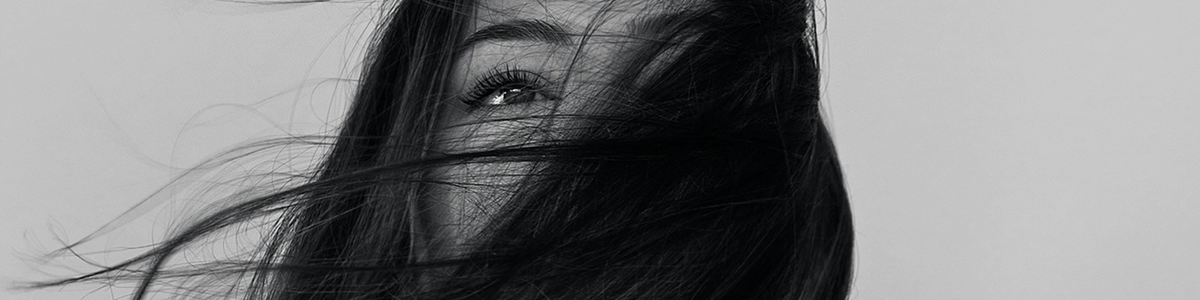
Hair, especially, kept returning as the ultimate troublemaker. Across all four fashion capitals, strands looked mussed, rumpled, and deliciously out of line, as though a brush would only ruin the fantasy. Messy styling made polish feel almost too obedient.
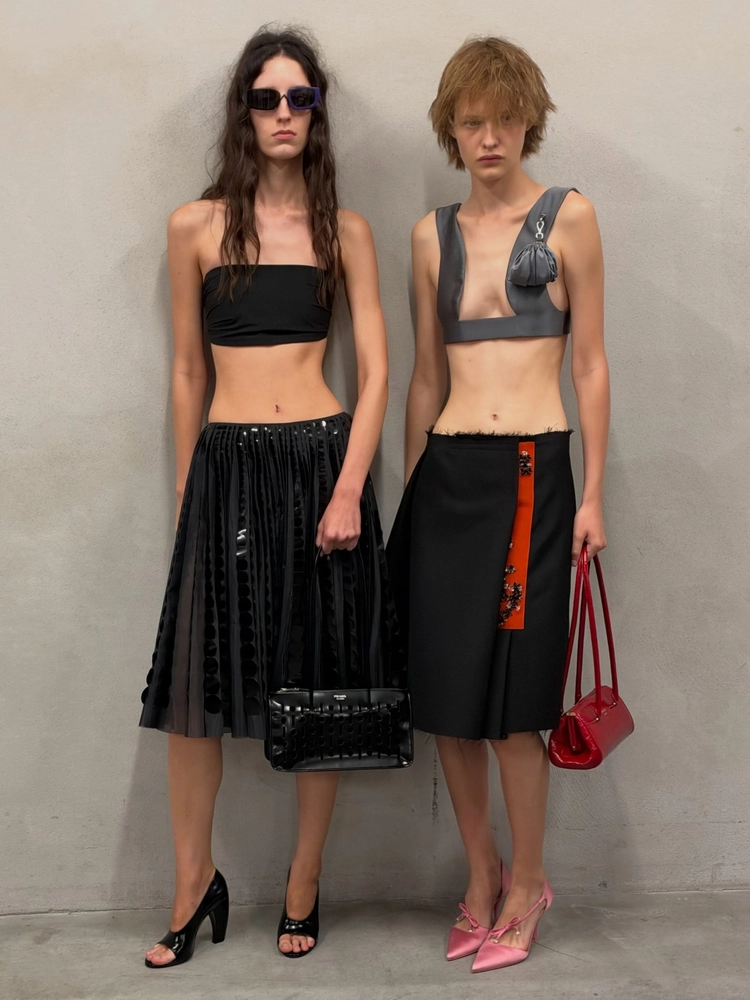
Some designers played the game with a quieter hand, though the effect still landed. At Courrèges, razor-sharp tailoring came with one collar flipped up, slicing right through the symmetry like a tiny act of rebellion. Marc Jacobs had models strut out in shoes with mismatched straps and skirts that sat awkwardly on the body, the sort of “wrong” detail that usually gets fixed in a panic before anyone leaves the house. This season, that tiny error became the point. Even the houses built on precision seemed to crave a little dirt under the manicure. Perfection, apparently, needed loosening up.
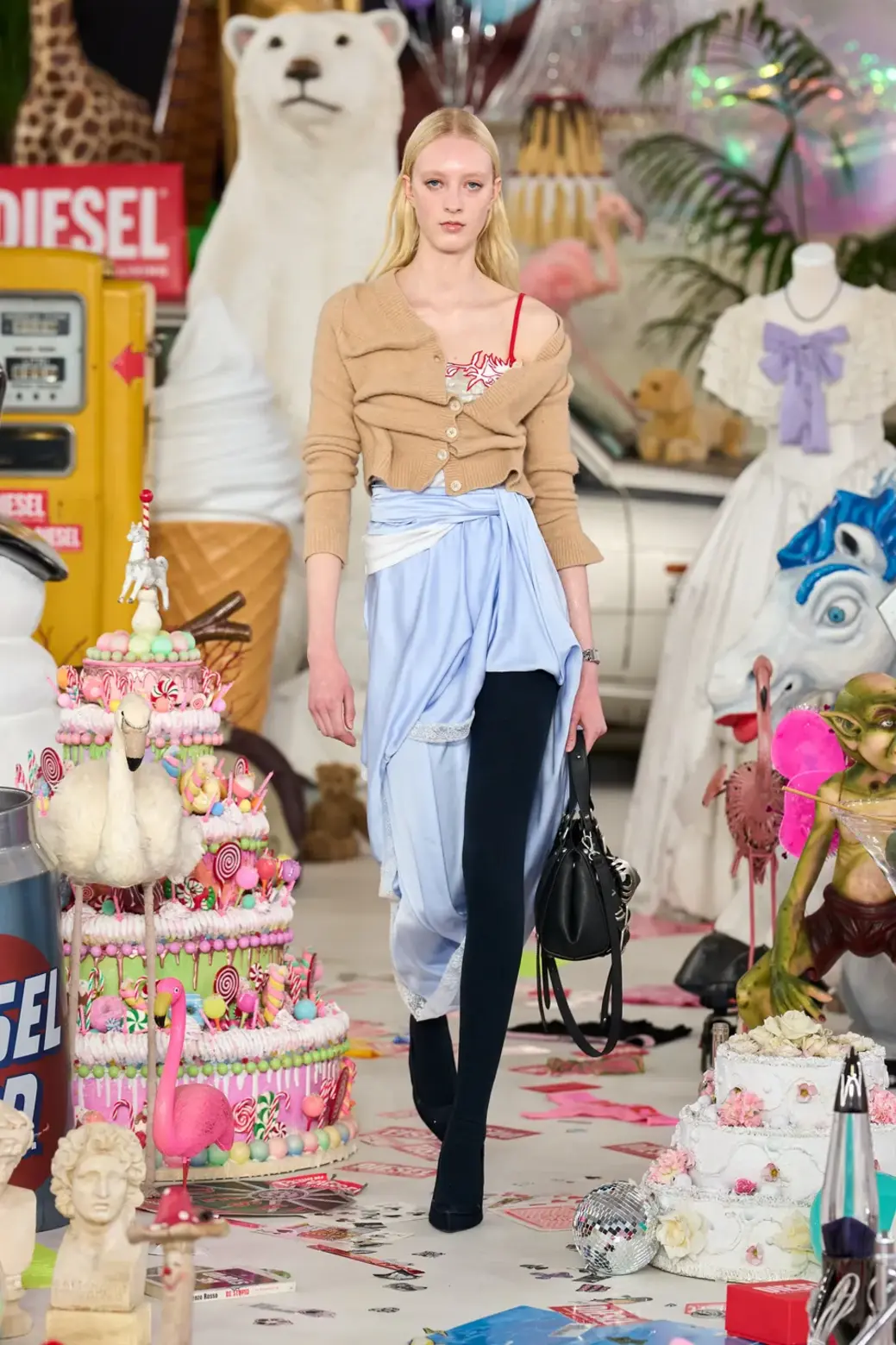
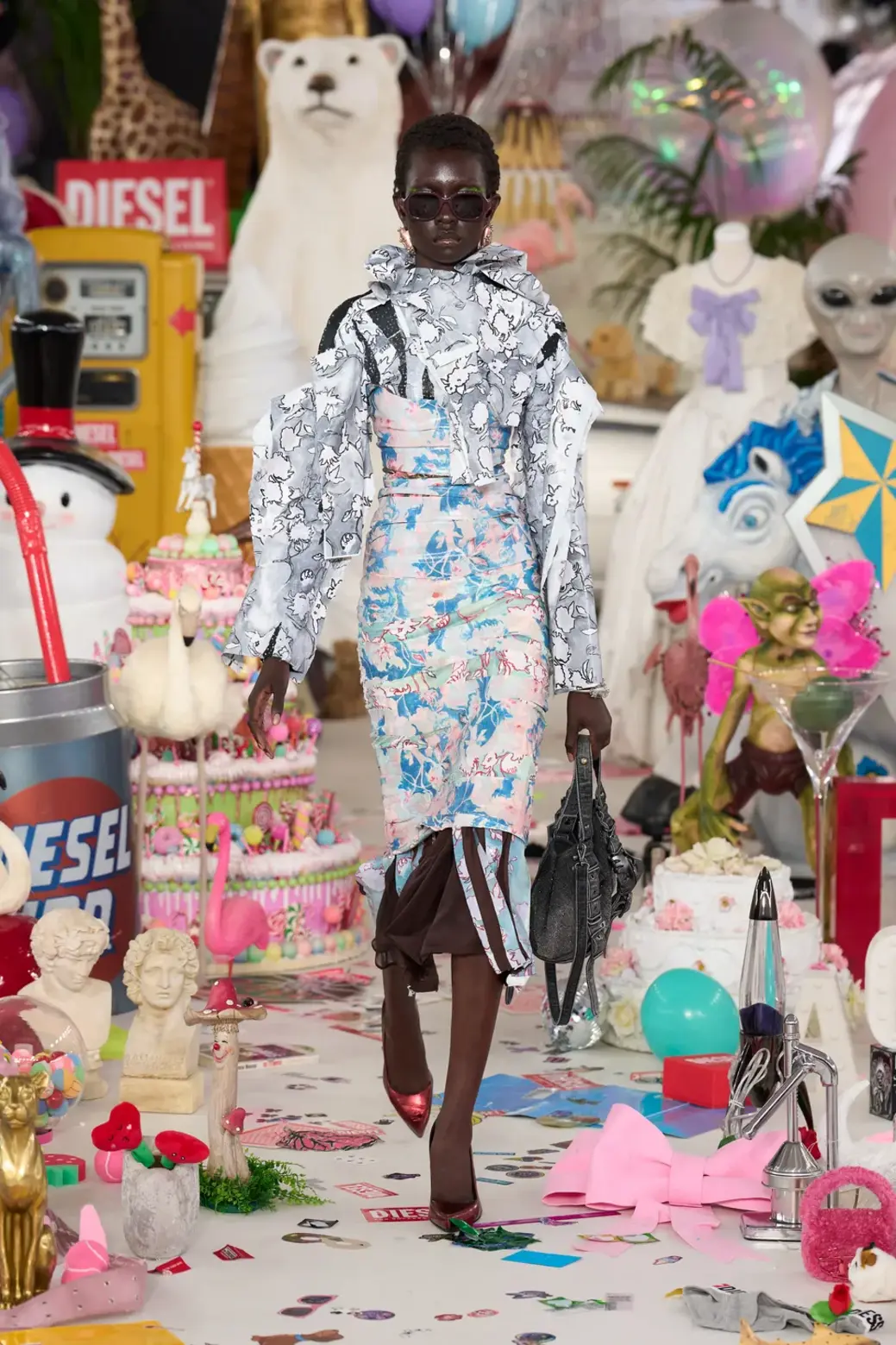
Diesel went at it with full morning-after commitment. The set was littered with leftovers from previous shows, turning the space into a glamorous aftermath. The clothes leaned into that same energy: resin-creased denim, tops sewn with folds that looked like they had been yanked on in a rush, silhouettes built for someone waking up in an unfamiliar hotel room with last night still clinging to the eyeliner. Messy styling here felt less accidental than seductively strategic, chaos tailored to the millimeter.
After years of internet beauty and fashion being polished into oblivion, the return of disorder makes perfect sense. People are hungry for something looser, stranger, more alive. The age of hyper-curated perfection had its icy little reign. Now the mood swings toward party girls, type-B charm, frizz, smears, slips, and the erotic ease of someone who truly cannot be bothered.
That is where messy styling gets interesting. In an era where algorithms can spit out flawless imagery in seconds, fashion suddenly finds power in mistakes. A crooked collar, a messy head of hair, a slightly off silhouette, these details carry proof of touch, instinct, and human mood. They feel intimate. They feel real. And in a landscape drowning in synthetic perfection, reality has started to look extremely sexy.
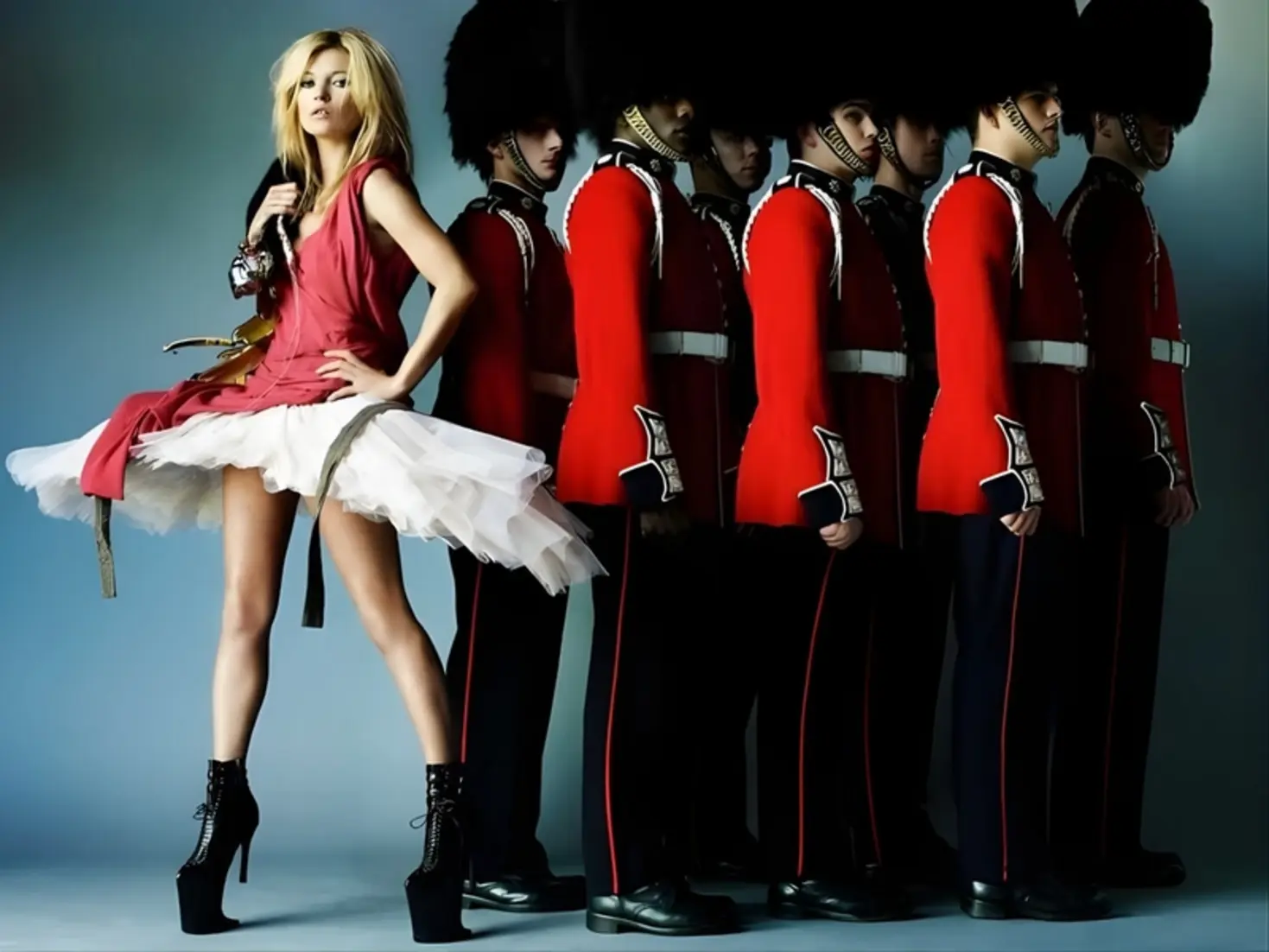
History has a filthy little habit of proving that chaos dresses well. When money gets tight, politics go sour, and the general mood starts wobbling in heels, style usually stops behaving. The 2008 financial crash gave us indie sleaze with its sweaty dance floors and gloriously trashed nightlife energy. The 1990s recession helped push grunge and heroin chic into the spotlight. The unrest of the 1970s made punk snarl its way into fashion history. When the future looks shaky, nobody really wants to waste time worshipping perfection. That is exactly where messy styling starts looking less careless and more deliciously correct.
The current mood carries that same nervous charge. Economic pressure, global instability, and the endless static of digital life have left everything feeling slightly scrambled, like the world forgot to button its shirt properly. Fashion, being fashion, picks up the vibe fast. Messy styling reads like a mirror held up to the moment, one that catches the smudge, the slouch, the crooked attitude, and turns it into a look. At the same time, there is a growing sense that the old fashion-week fantasy, with its velvet-rope glamour, celebrity front rows, and polished exclusivity, can feel a touch detached from actual life. By slipping humor, awkwardness, and imperfection into the picture, designers seem to be admitting that the fantasy has cracked a little, and perhaps that crack is where the fun begins.
Of course, let us not pretend this disorder is truly wild. The hair may look slept in, but a professional probably spent an hour making it misbehave. That crooked collar was placed with wicked precision. Those mismatched shoes did not happen by accident. Messy styling still comes with a plan, and that is part of its charm. It offers the thrill of rebellion with the safety net still tucked underneath. In a world obsessed with control yet haunted by uncertainty, even manufactured flaws can feel weirdly comforting. Fashion may never fully lose the plot, but right now it loves the fantasy of looking like it just might. And honestly, the messy girls are having far more fun.
Advertisement