MENU
Close





Jean Paul Gaultier Hermès bags were the ultimate architectural friction, where the archived perfection met the breathless, avant-garde audacity of a master who had already mastered the impossible and decided to play with the remains.
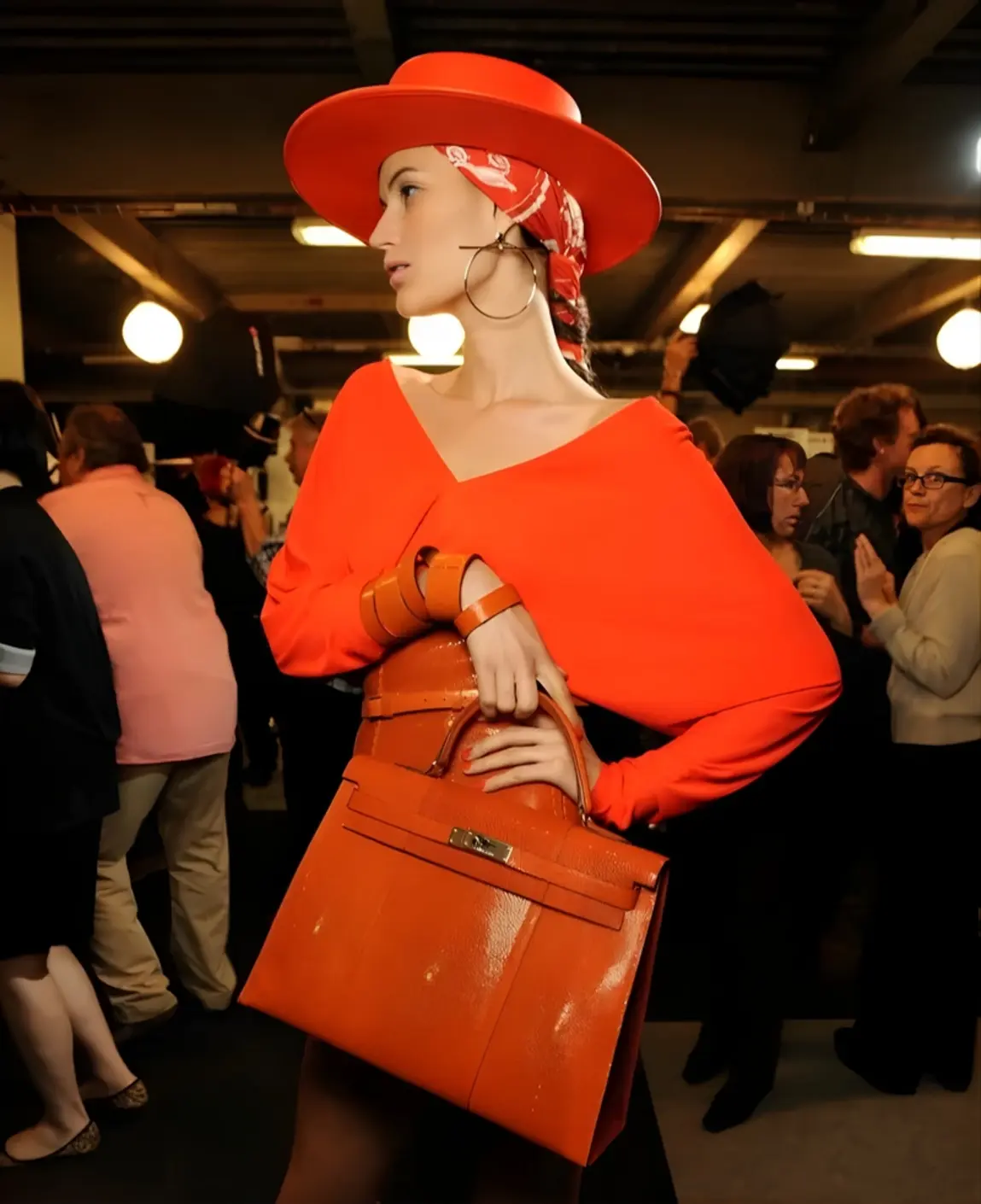
Jean Paul Gaultier Hermès bags were the ultimate architectural friction, where the archived perfection met the breathless, avant-garde audacity of a master who had already mastered the impossible and decided to play with the remains.
March 27, 2026
Advertisement
Advertisement



If the Jean Paul Gaultier Hermès era from 2003 to 2008 was about deconstructing the silhouette, giving us the elongated Shoulder Birkin and the foldable Kelly Flat, then 2009 to 2010 was the era where Jean Paul Gaultier turned the Hermès atelier into a laboratory of the impossible.
Between 2009 and 2010, this partnership reached a fever pitch of creativity, resulting in some of the most daring Jean Paul Gaultier Hermès bags ever to grace a runway. He didn't just design accessories; he performed surgery on icons, stretching, shrinking, and tattooing the house DNA until it sang a much more scandalous tune.
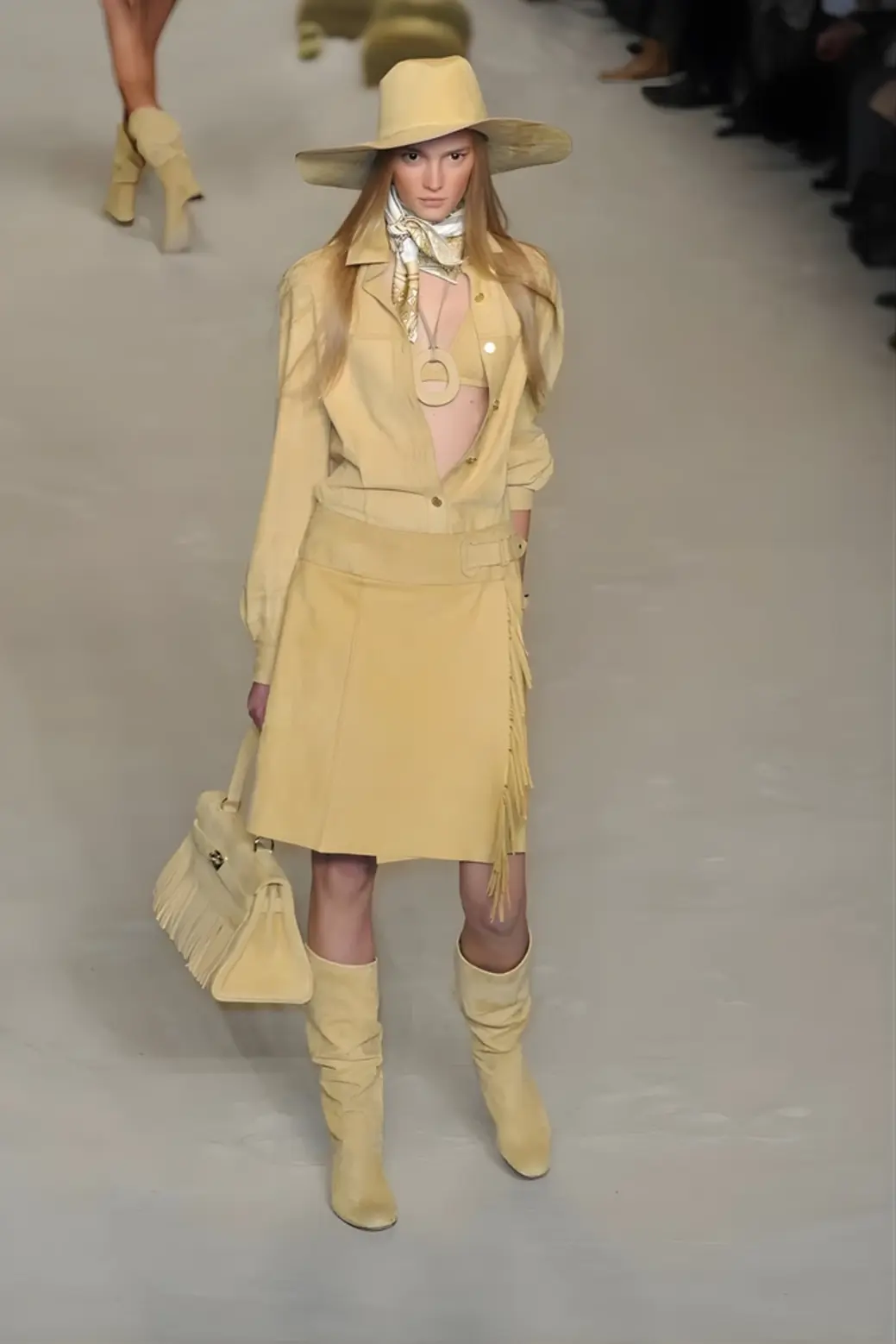
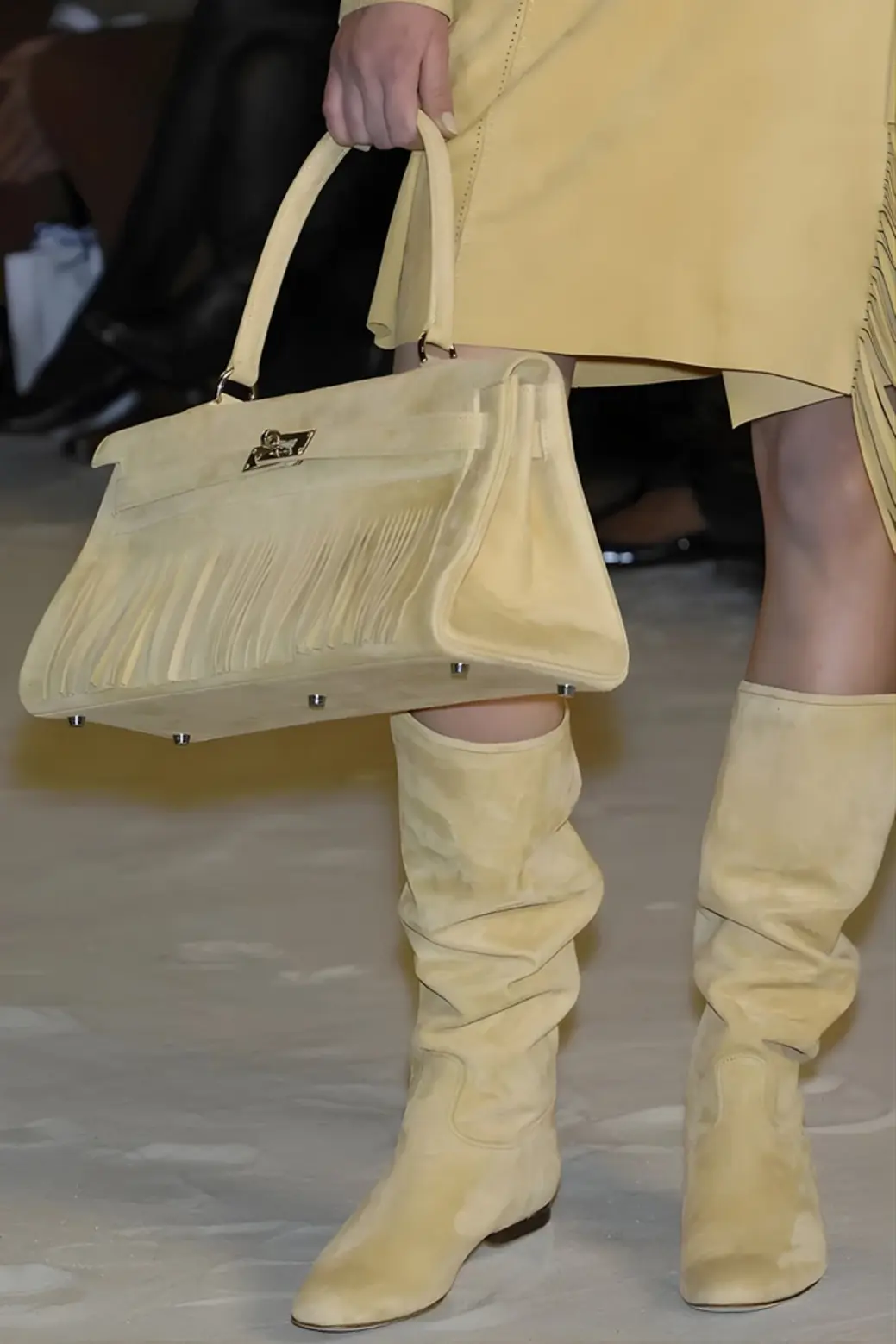
The Spring 2009 collection galloped onto the scene with a heavy dose of Western romanticism. We saw the Kelly undergo a fringe transformation, not merely as trim, but as a kinetic extension of the suede. This shoulder Kelly moved with a rock star energy, its silhouette anchored by the Medor clutch’s signature pyramid studs.
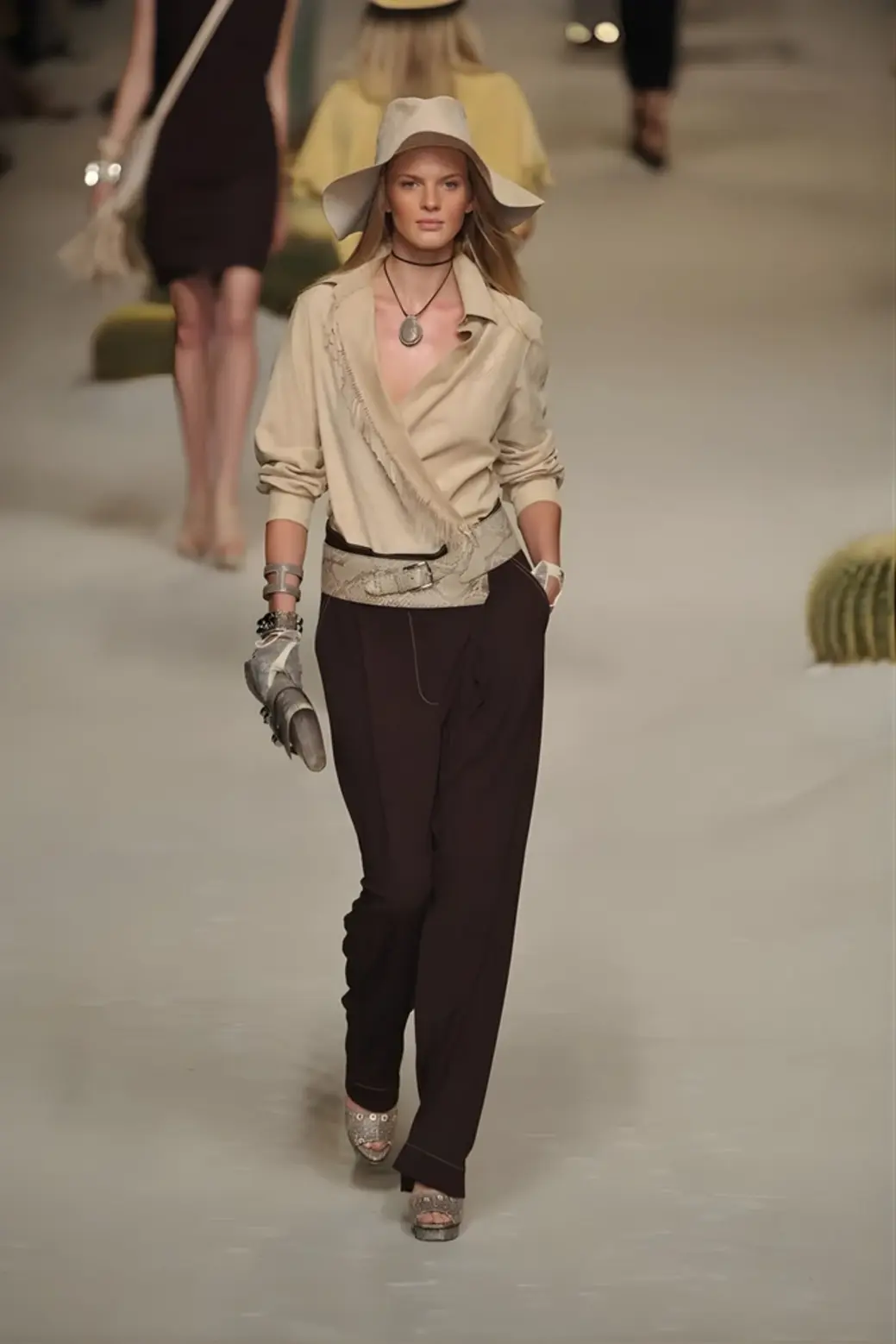
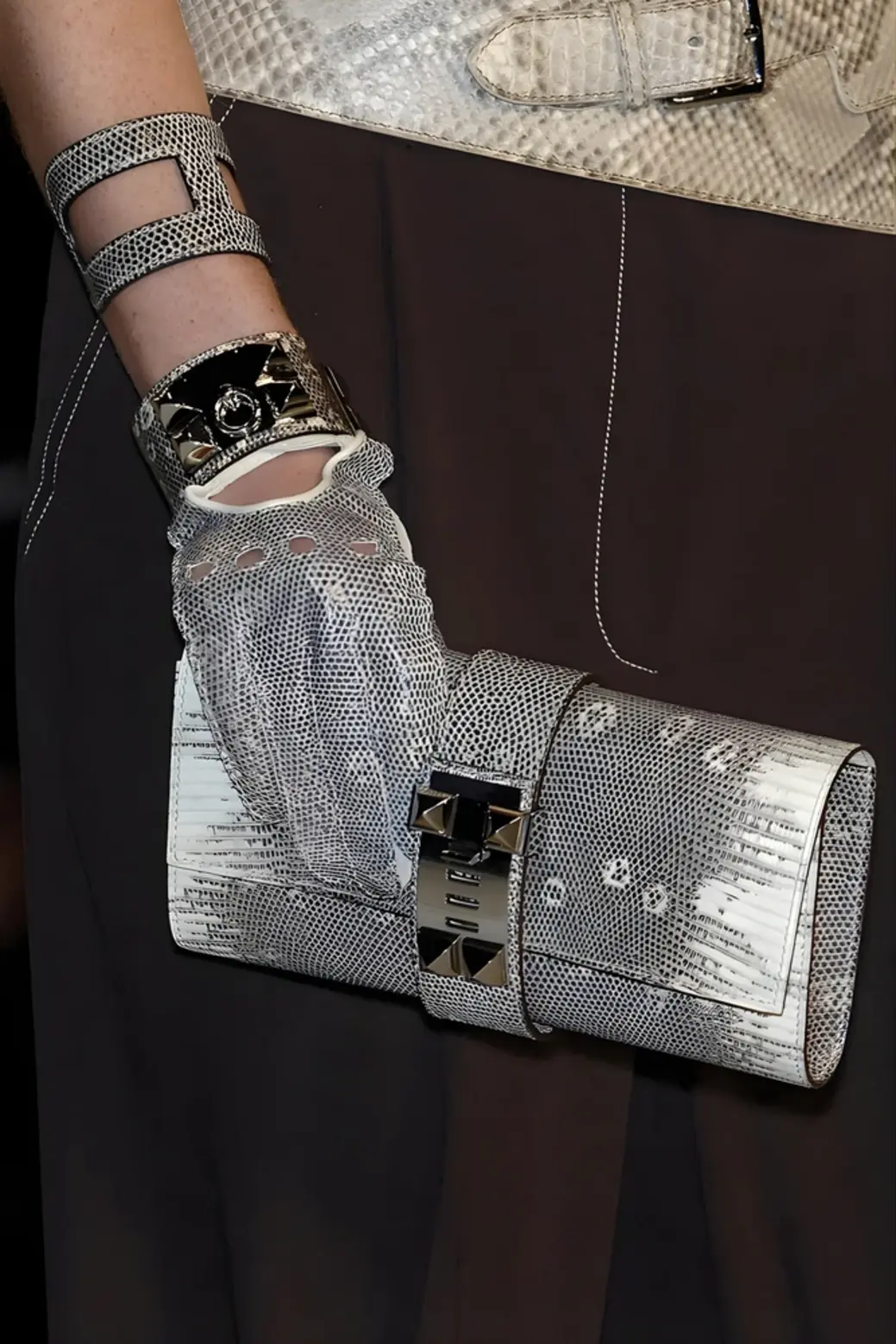
It was a technical feat of balancing heavy, structural hardware with the fluid drape of high-grade skins, proving Jean Paul Gaultier Hermès bags could be both rugged and refined.
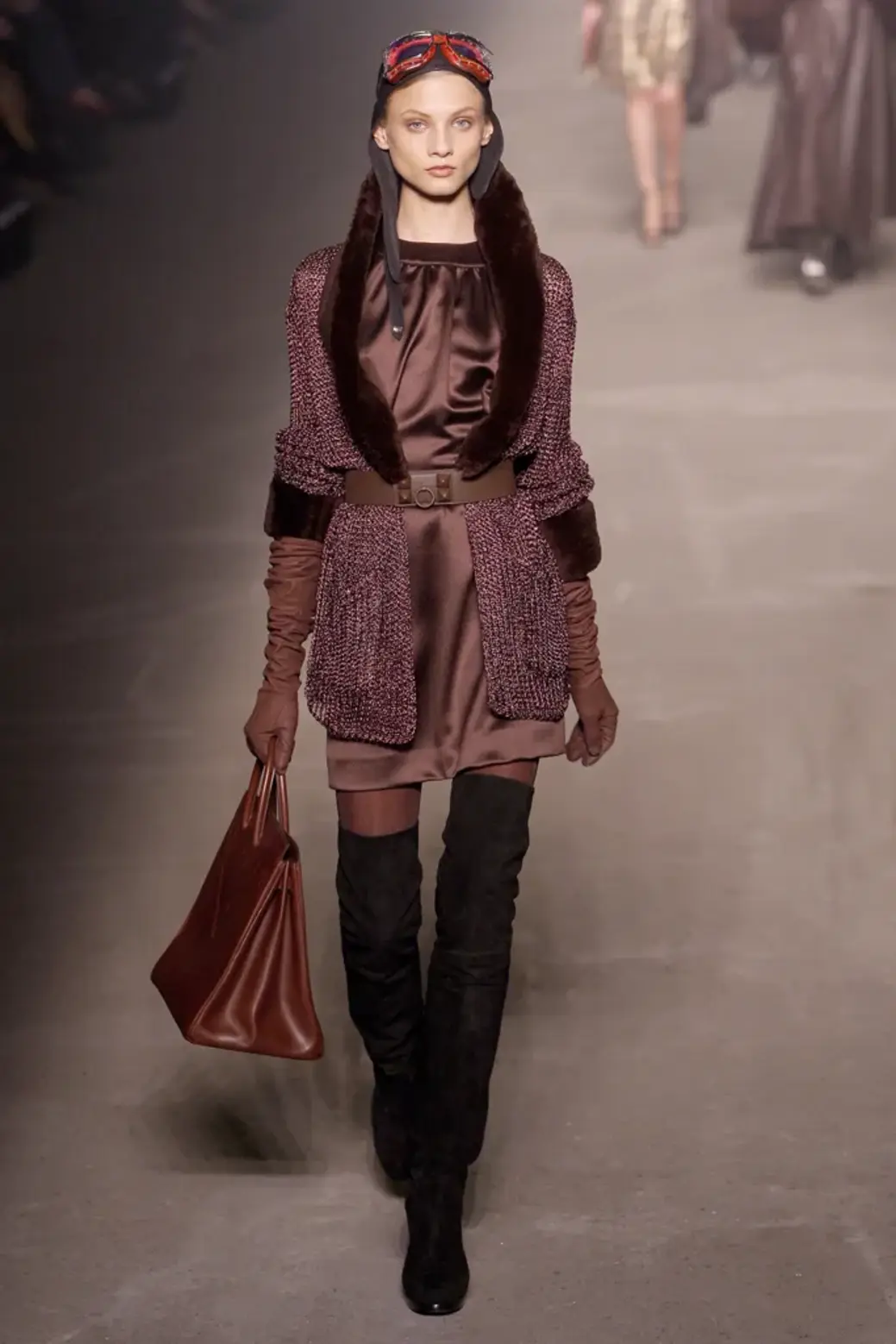
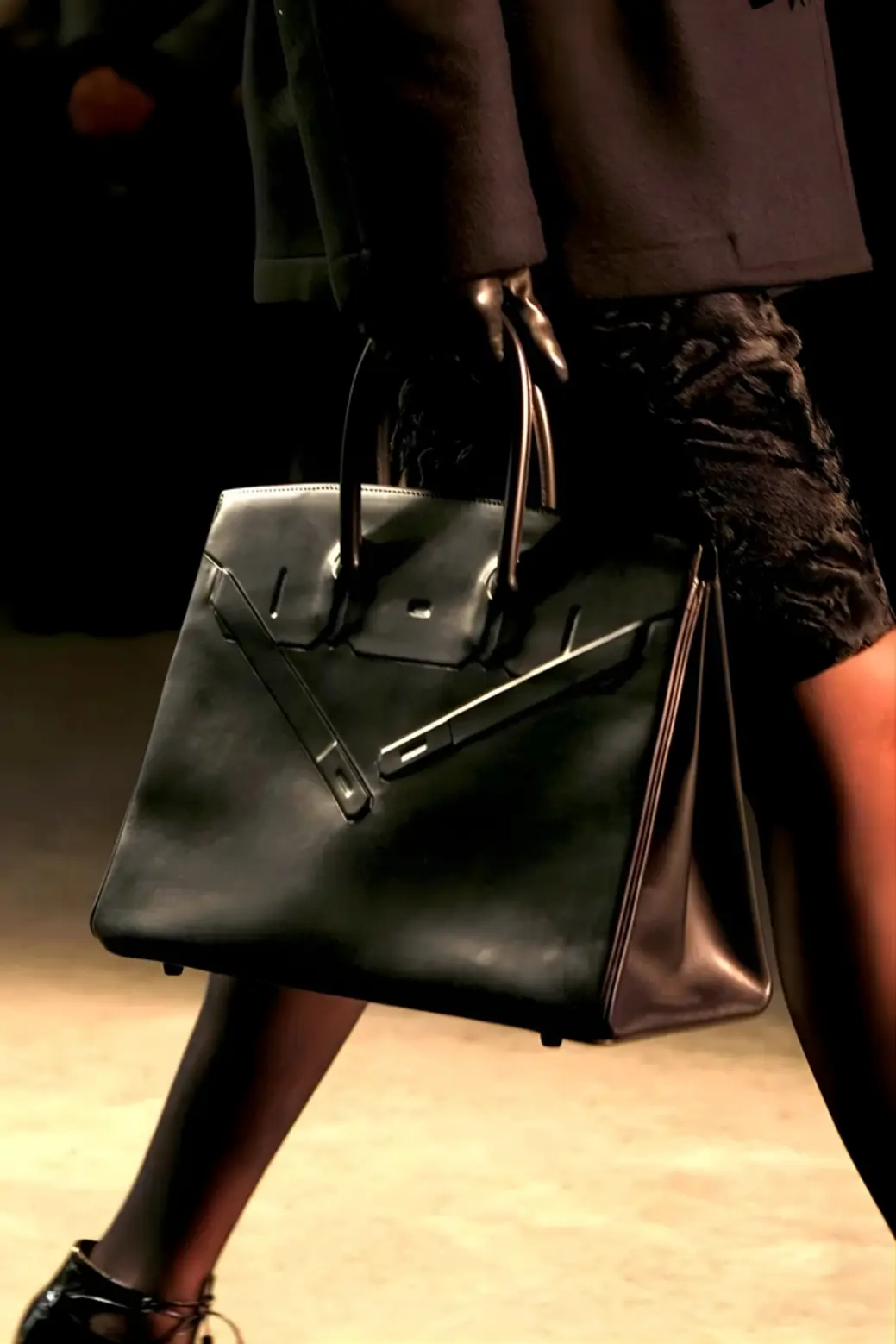
By Fall 2009, the designer played a game of optical illusions with the debut of the Shadow Birkin. This was leathercraft as sorcery. It was about the art of the trompe-l’œil. The signature straps and lock were not attached but rather embossed directly into the leather from the inside out, creating a camouflage effect of the bag’s own architecture. It was a cheeky nod to the idea of the "it bag" being so ingrained in our psyche that we no longer needed the physical hardware to see the soul of the Birkin.
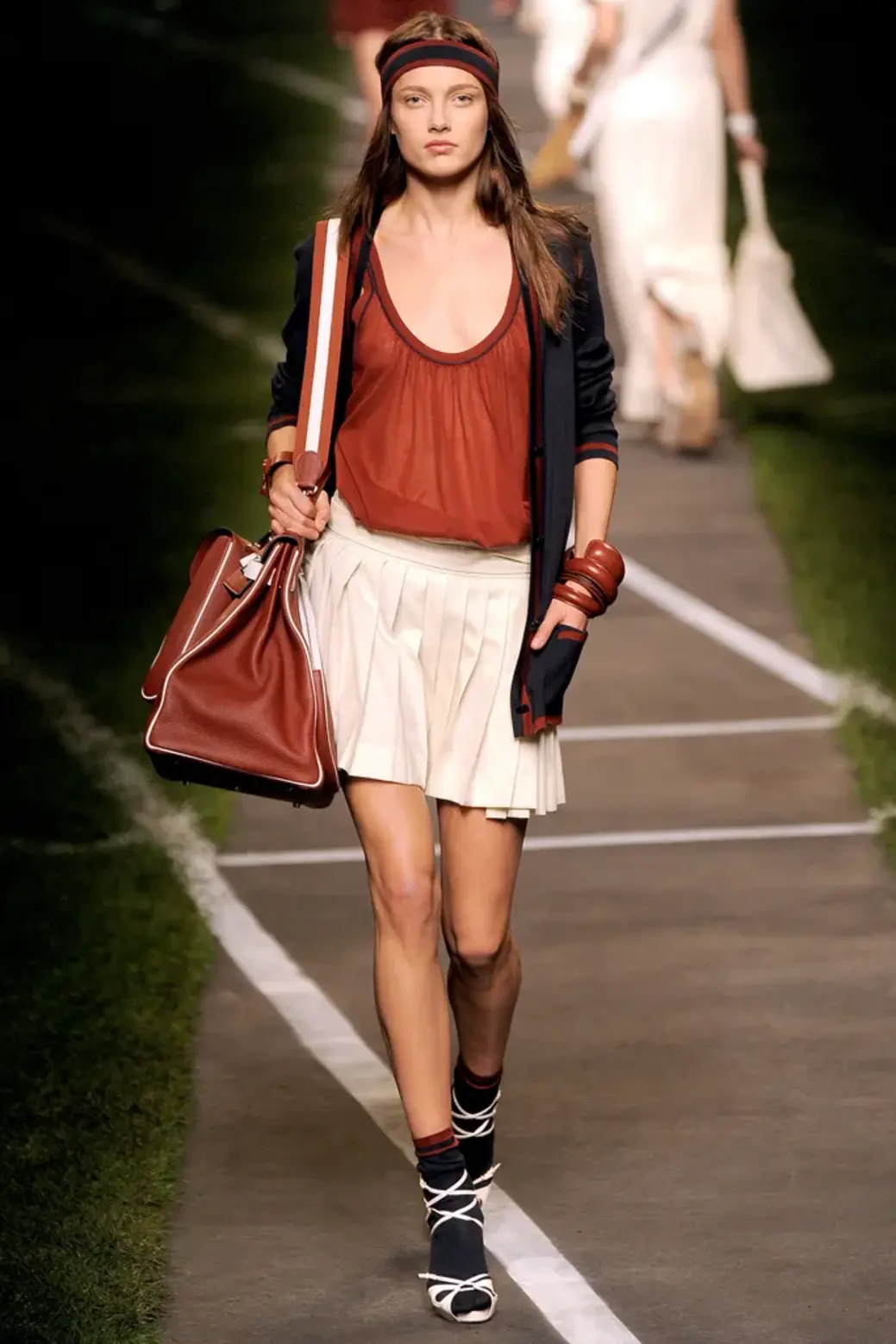
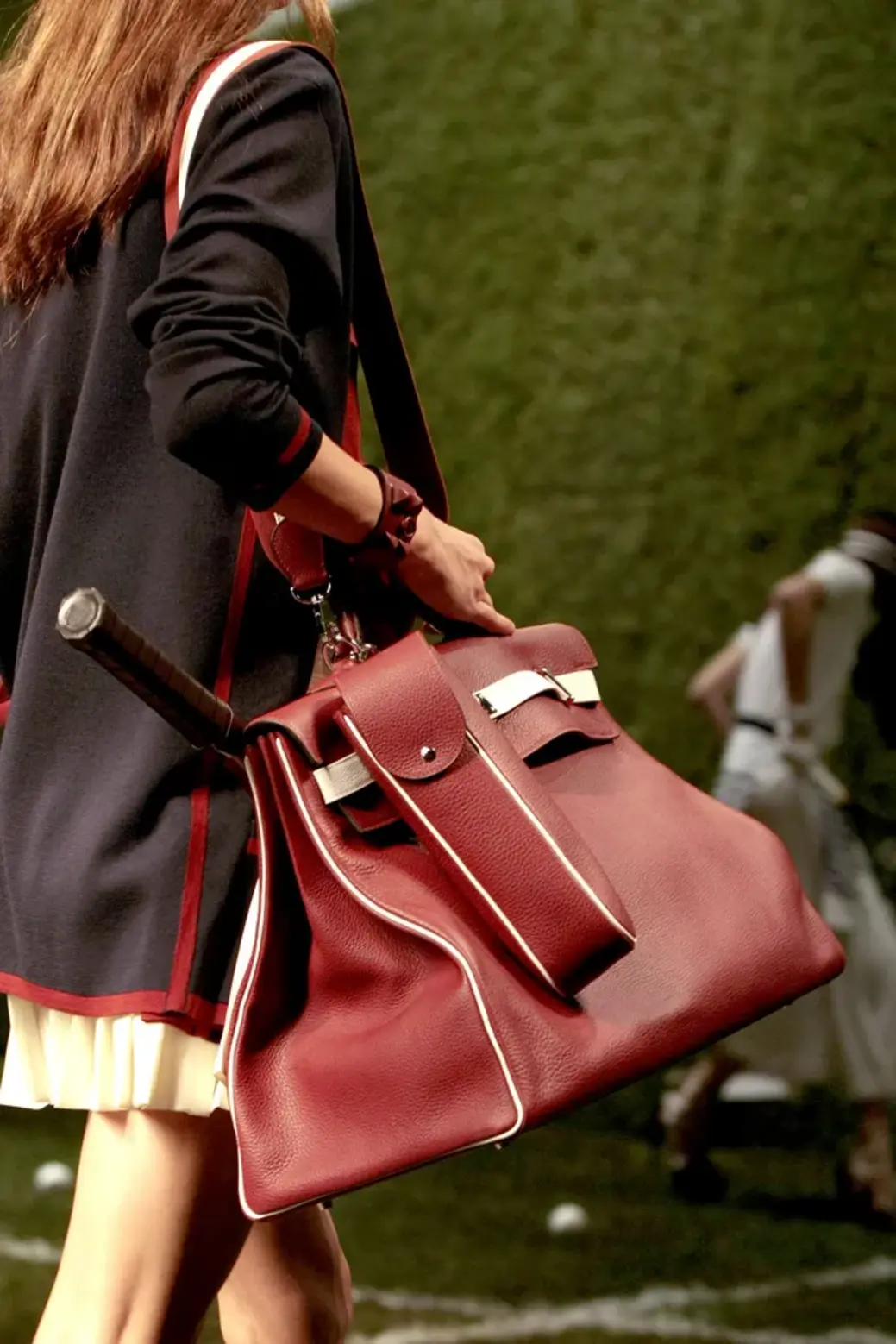
Hermès Spring 2010 shifted gears into a high-octane athletic fantasy. This era gave us the massive 50 cm Sporty Kelly 50 Retourne. It was a behemoth of a bag, dripping with tennis-inspired flair and accompanied by custom racket cases that made the country club look like a battlefield for the ultra-chic.

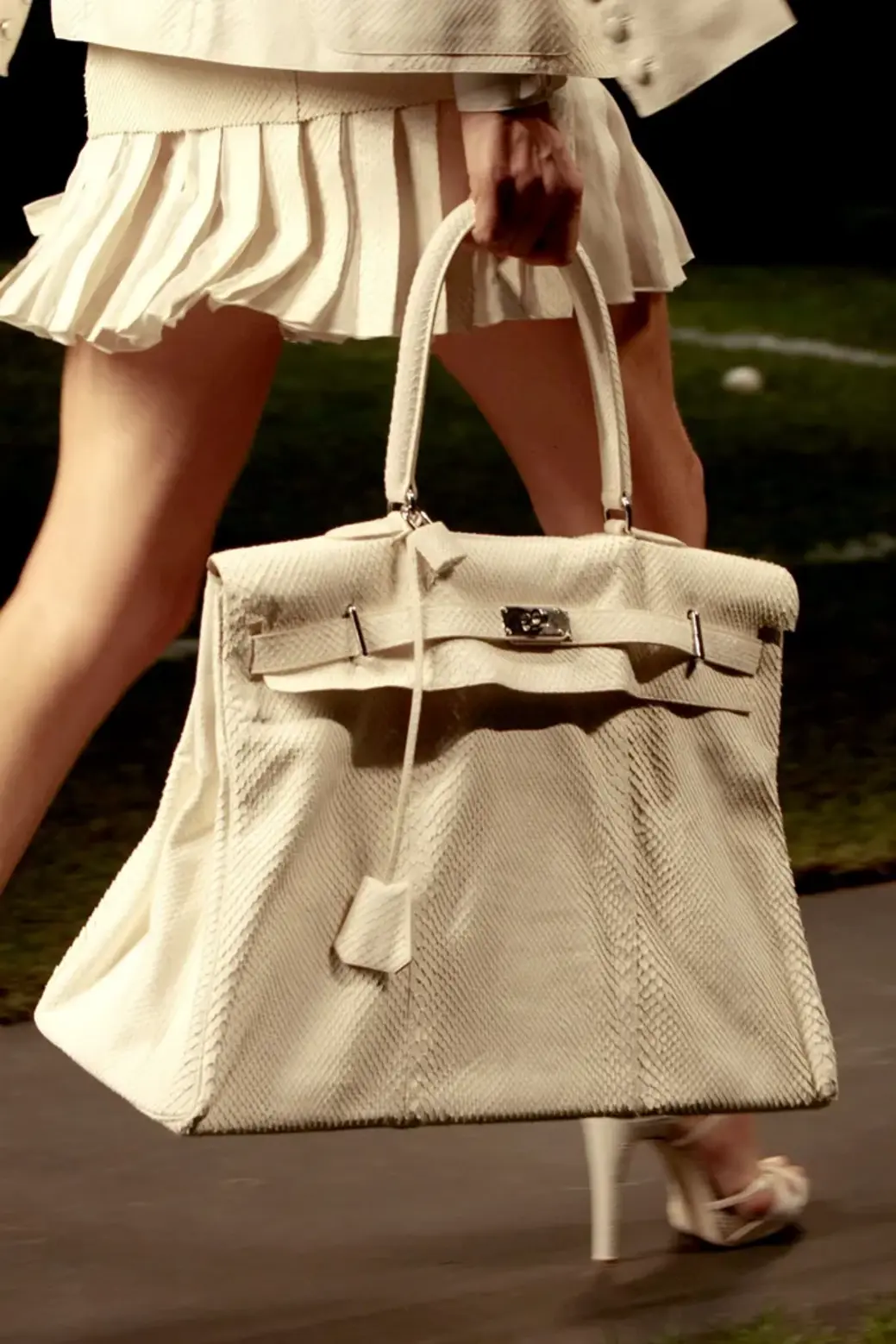
Within this same sporty storm, a 50 cm snakeskin Kelly emerged as a ghost of the runway. Oversized and predatory, this particular Jean Paul Gaultier Hermès bags specimen remains one of the most elusive designs to ever exist, having never seen a wide commercial release.
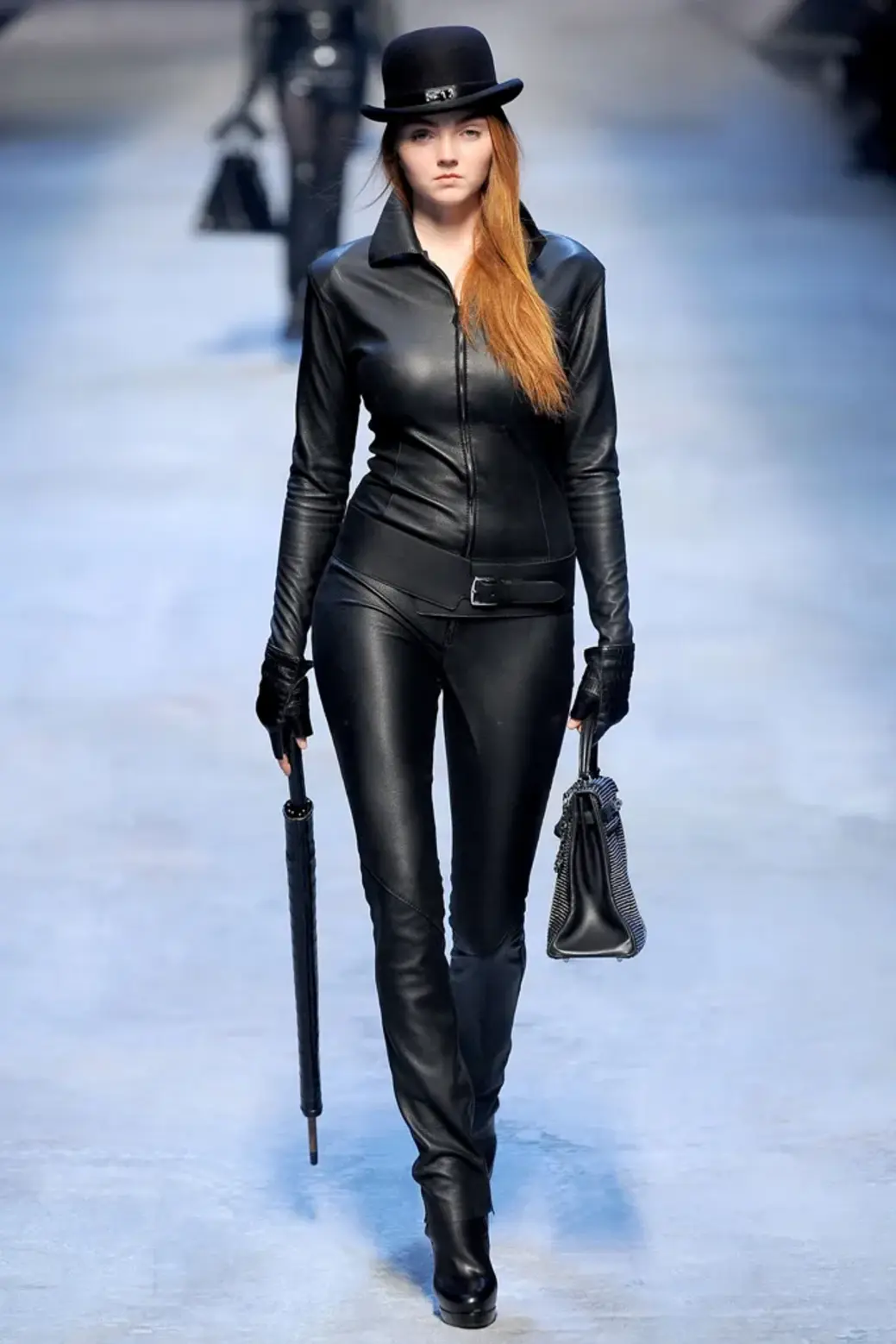
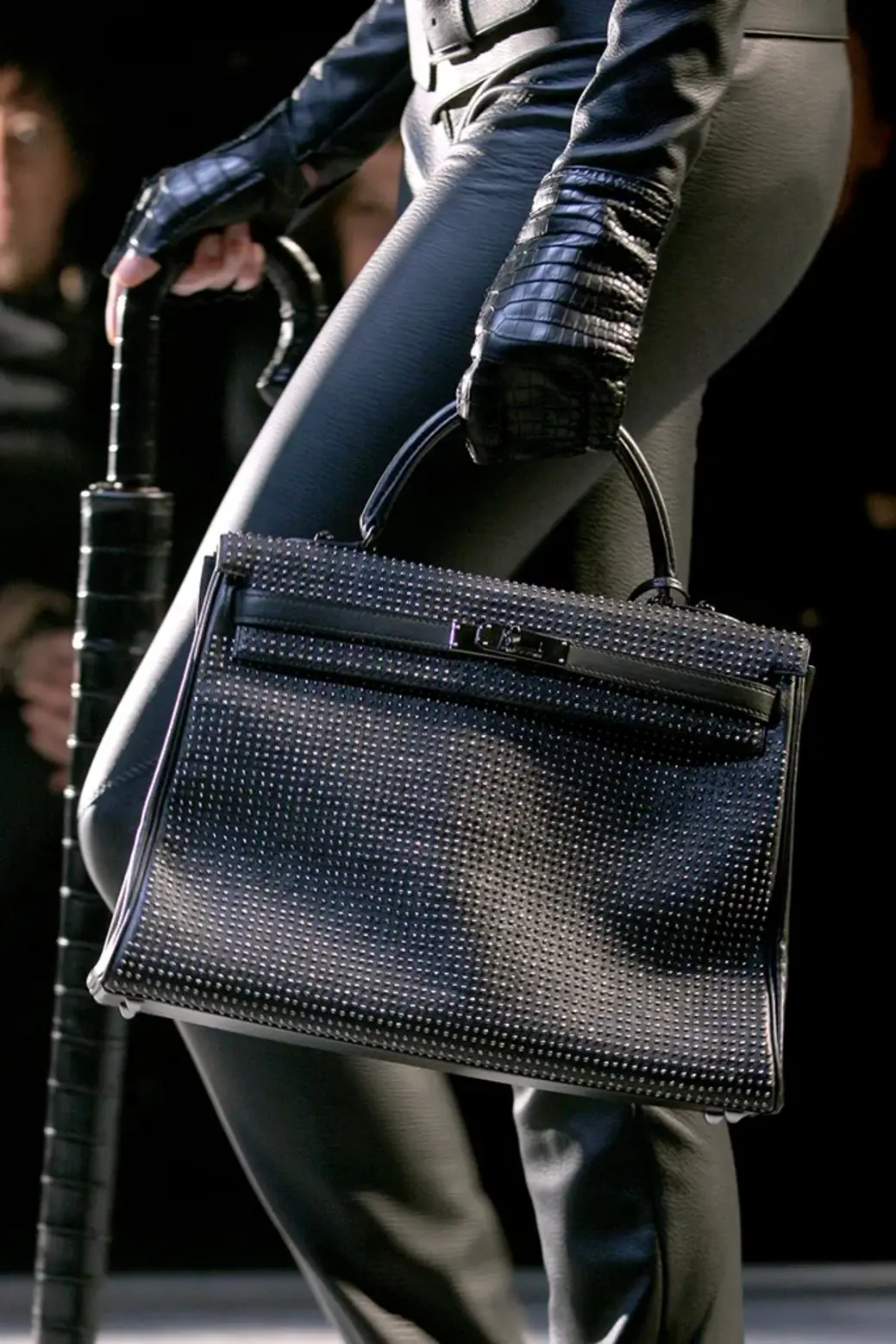
As the year cooled into Fall 2010, the rebellion turned toward the hardware. The runway showcased the ultra-rare Studded Kelly in sizes 25 and 35. These bags were fierce, punk-inflected masterpieces that essentially never entered formal production. Today, they are the stuff of urban legends among collectors who hunt for the scarcity that only this specific era could provide.
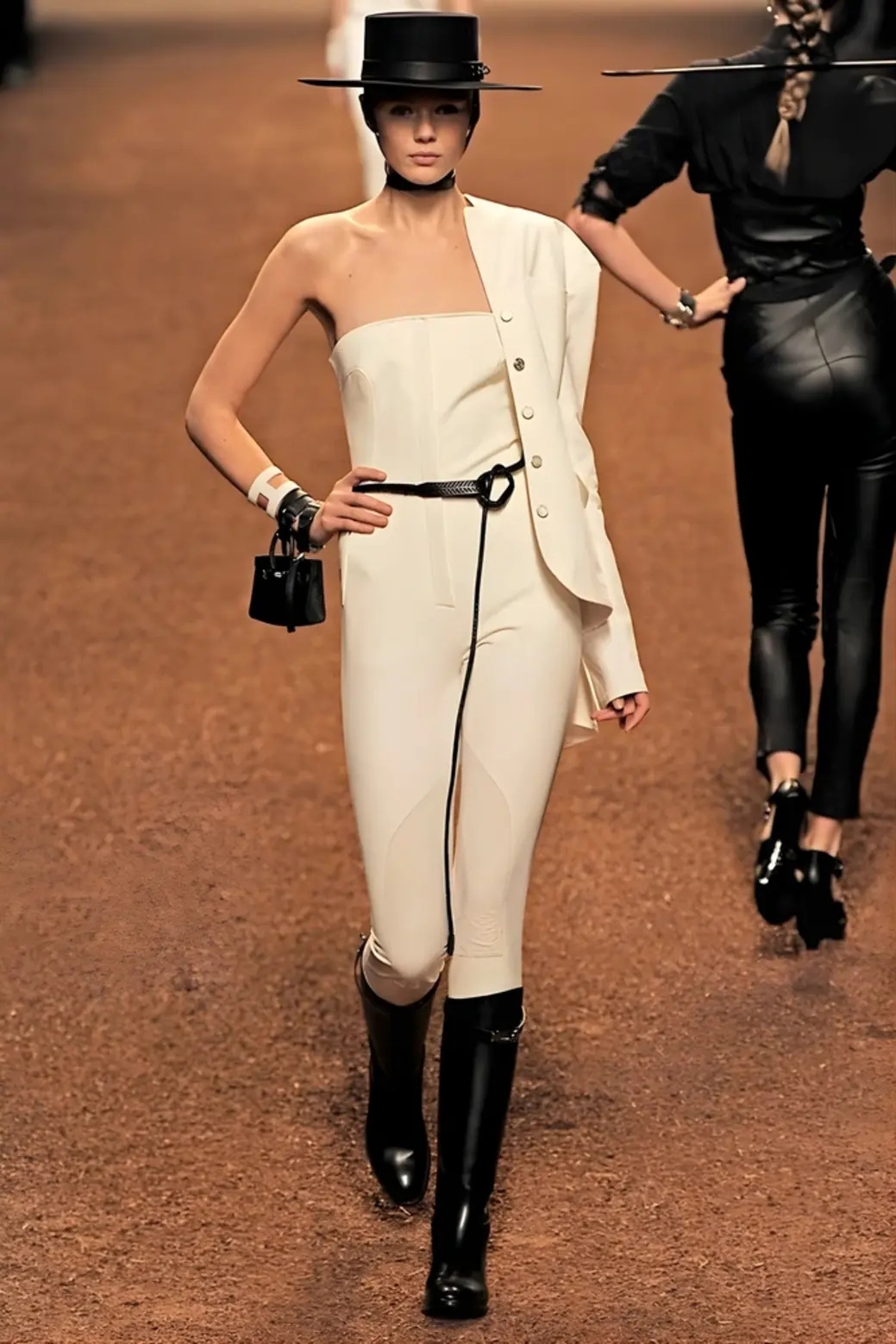
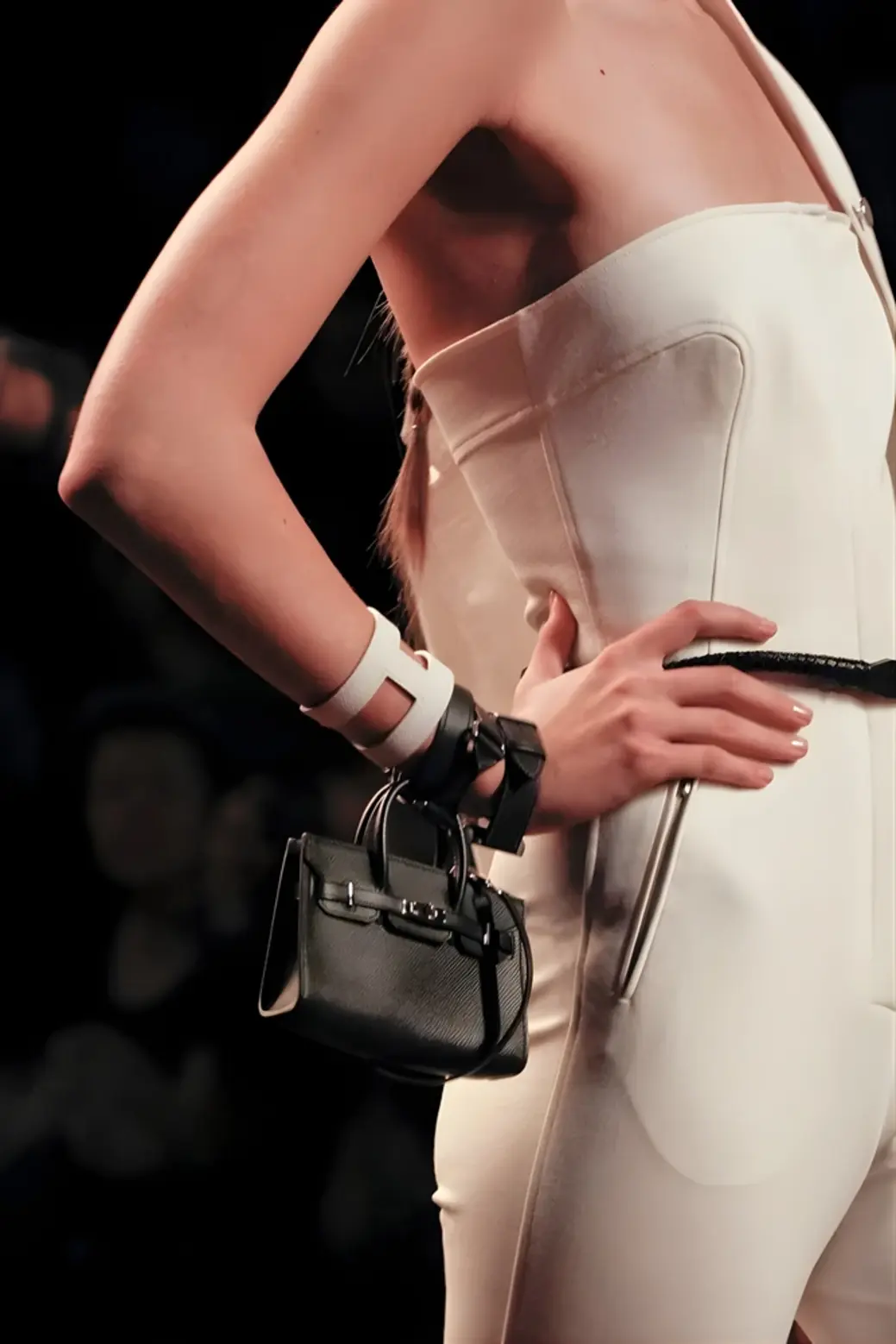
For his final bow in Hermès Spring 2011, the designer delivered a triple threat of technical mastery. He introduced the Micro Birkin 15, the smallest Birkin ever produced and a literal palm-sized miracle that often dangled from bracelet straps.
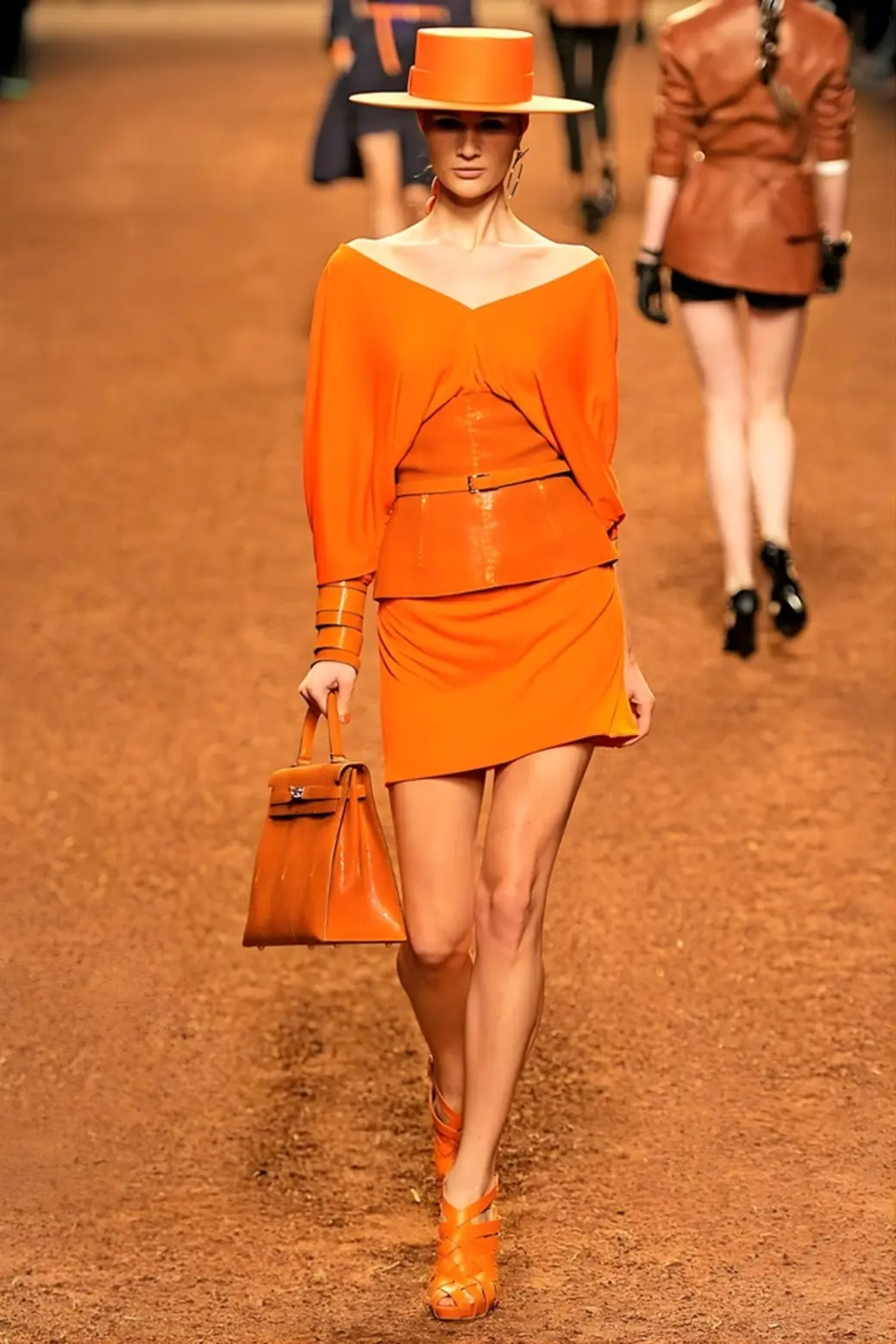
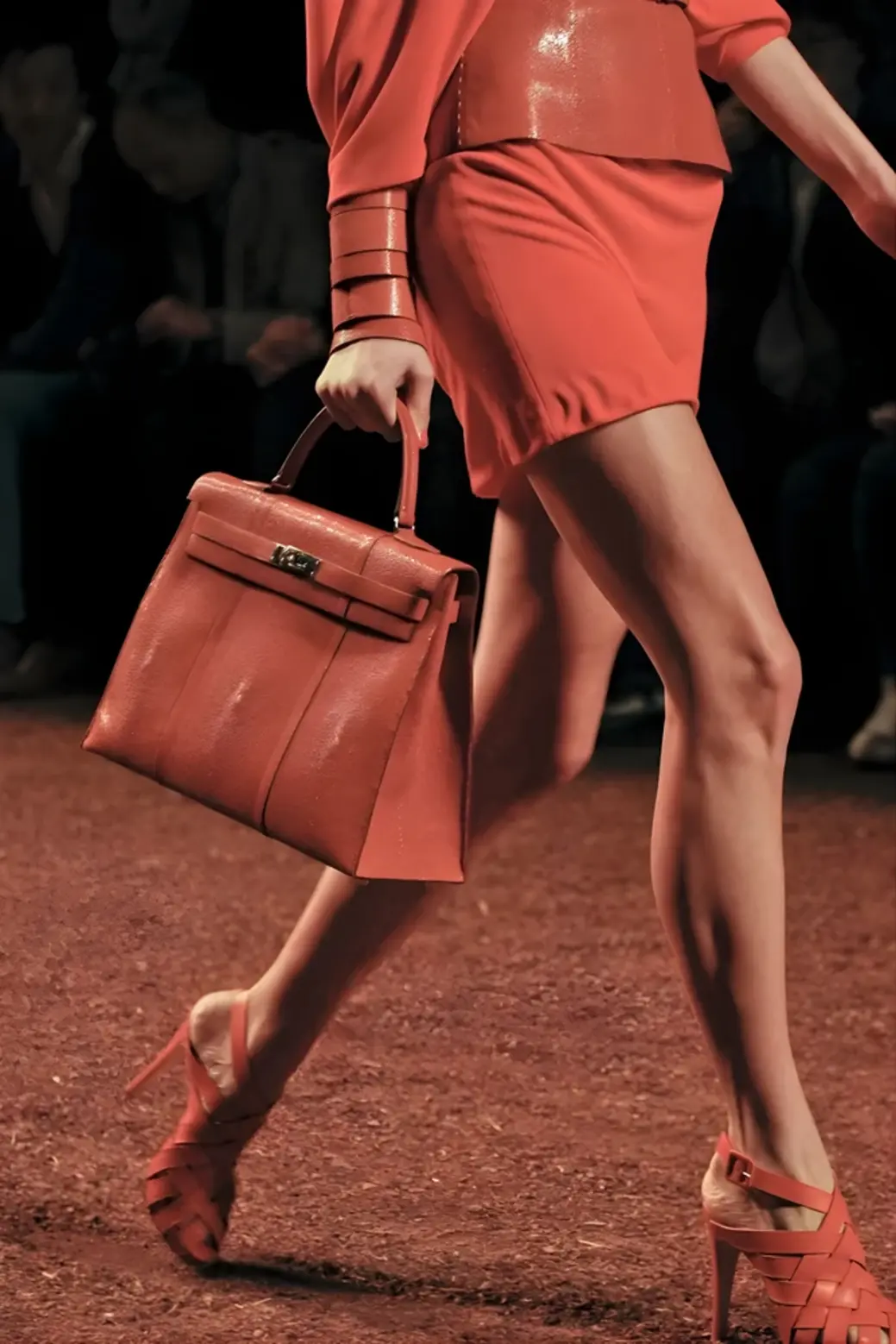
Beside this tiny titan sat a Kelly Pochette in burnt orange shagreen stingray, a material so notoriously difficult to work with that it felt like a boast of the Hermès atelier's skill.
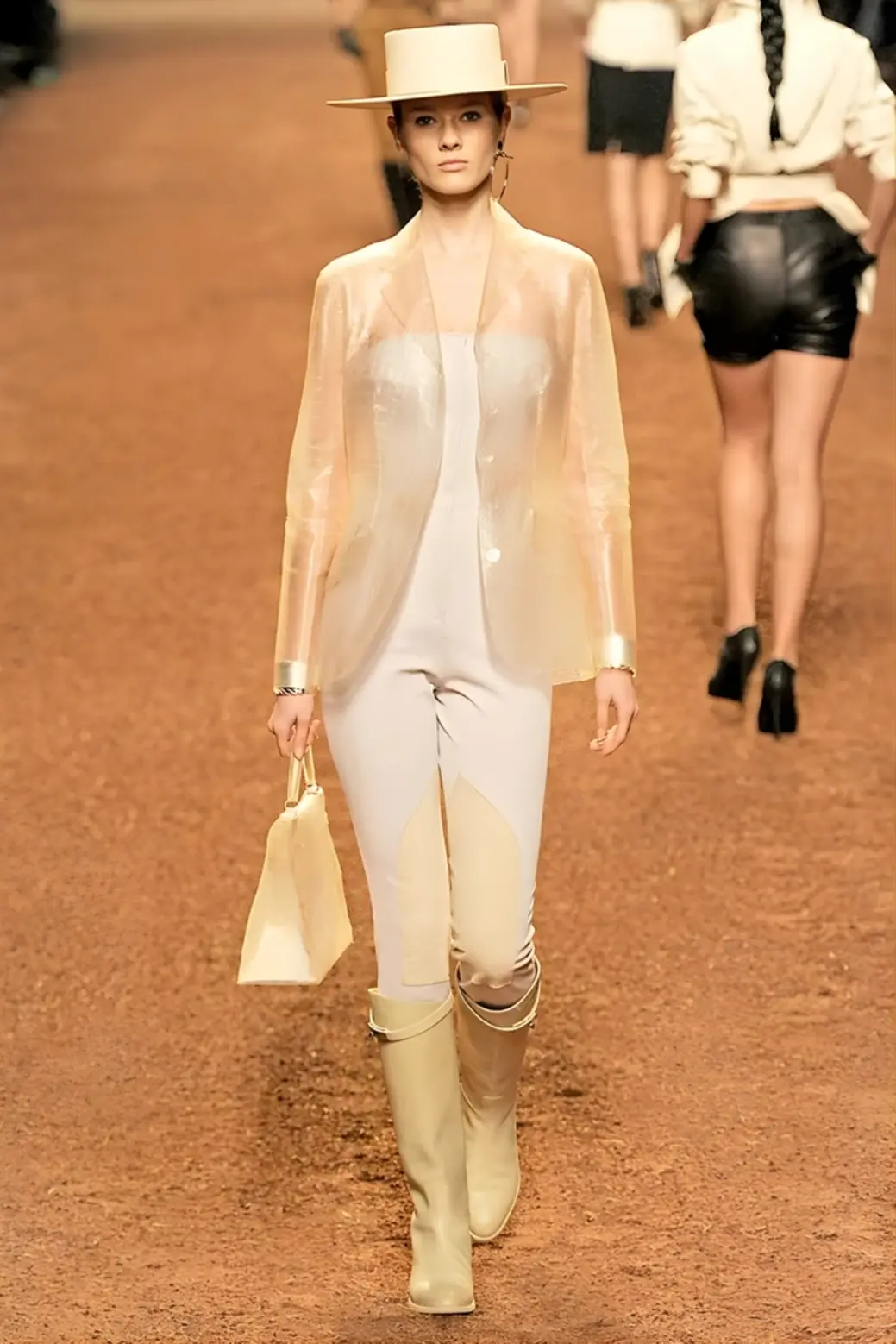
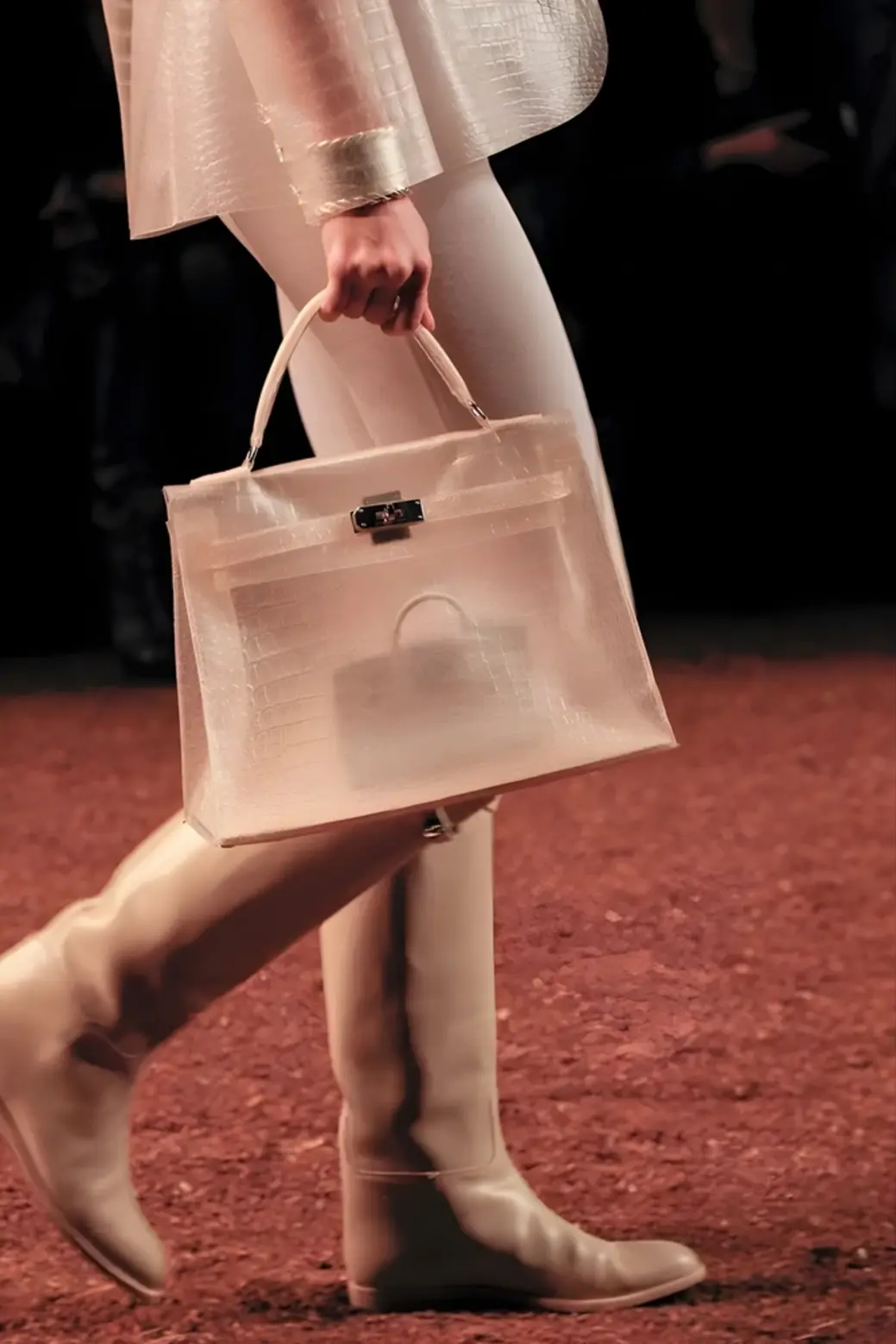
Then came the detail that still halts the fashion world mid-scroll: transparent crocodile bag. It was a provocateur’s dream executed with a master cutter’s precision, an X-ray of luxury that rendered the iconic top-handle silhouette ghostlike. By making the scales and structure visible, the bag’s status felt even louder because it seemed to float. This was a daring materials-flex, a see-through wonder that felt like equal parts craft and sorcery.
You can counterfeit a silhouette or mimic a polished gleam, but you can never replicate the ghost-like translucent crocodile or steal the raw intellect behind it, the kind of genius that makes heritage feel dangerous and alive again. In that final collection, Jean Paul Gaultier transformed a fortress of tradition into a haunting spell, stripping luxury to its very bones while keeping its soul fiercely intact.
These final Jean Paul Gaultier Hermès bags cemented a legacy of wit and luxury that remains the gold standard for those who prefer their status symbols with a side of subversion.
Advertisement