MENU
Close





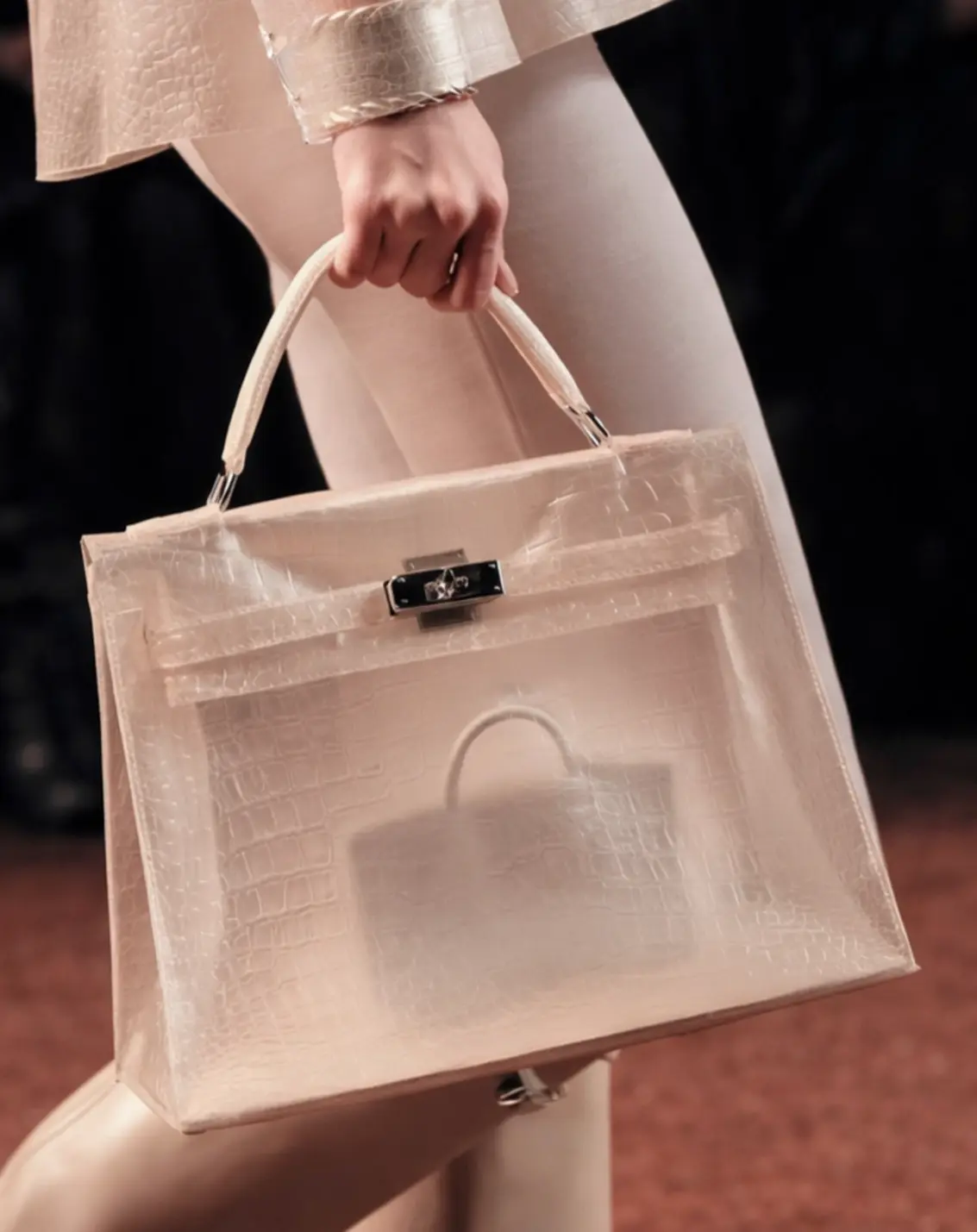
On October 4, 2010, Jean Paul Gaultier made Hermès crocodile bag go transparent, a ghostly top handle that revealed pure craft and sealed his farewell in legend for fashion forever.
On October 4, 2010, Jean Paul Gaultier made Hermès crocodile bag go transparent, a ghostly top handle that revealed pure craft and sealed his farewell in legend for fashion forever.
October 4, 2025


The show opened like a polished equestrian spectacle, chandeliers overhead, a dressage corps moving with ceremonial precision. Then came the tight, glossy leather looks, whip-smart tailoring, and a mood that felt like Hermès tradition put under a brighter, sharper light. This was Jean Paul Gaultier’s last hurrah for the house, with Christophe Lemaire set to take over next season.
Then the detail that still stops people mid scroll: transparent crocodile. The very idea sounded almost impossible, yet Hermès made it real, and Gaultier used it with the instincts of a provocateur who also happens to be a master cutter. The result looked like an X-ray version of luxury, a classic top-handle shape rendered ghostlike, its structure and scales visible, its status somehow louder because it seemed to float.
The bag read as see-through, yet it was described as genuine crocodile, a materials-flex that felt equal parts craft and dare. And here is where the naming confusion begins. Online, the piece often gets called a transparent alligator Birkin, yet many runway spotters clock it as closer to a Kelly silhouette. The debate became part of the legend, a reminder that in Hermès land, the material story can outrun the model name.
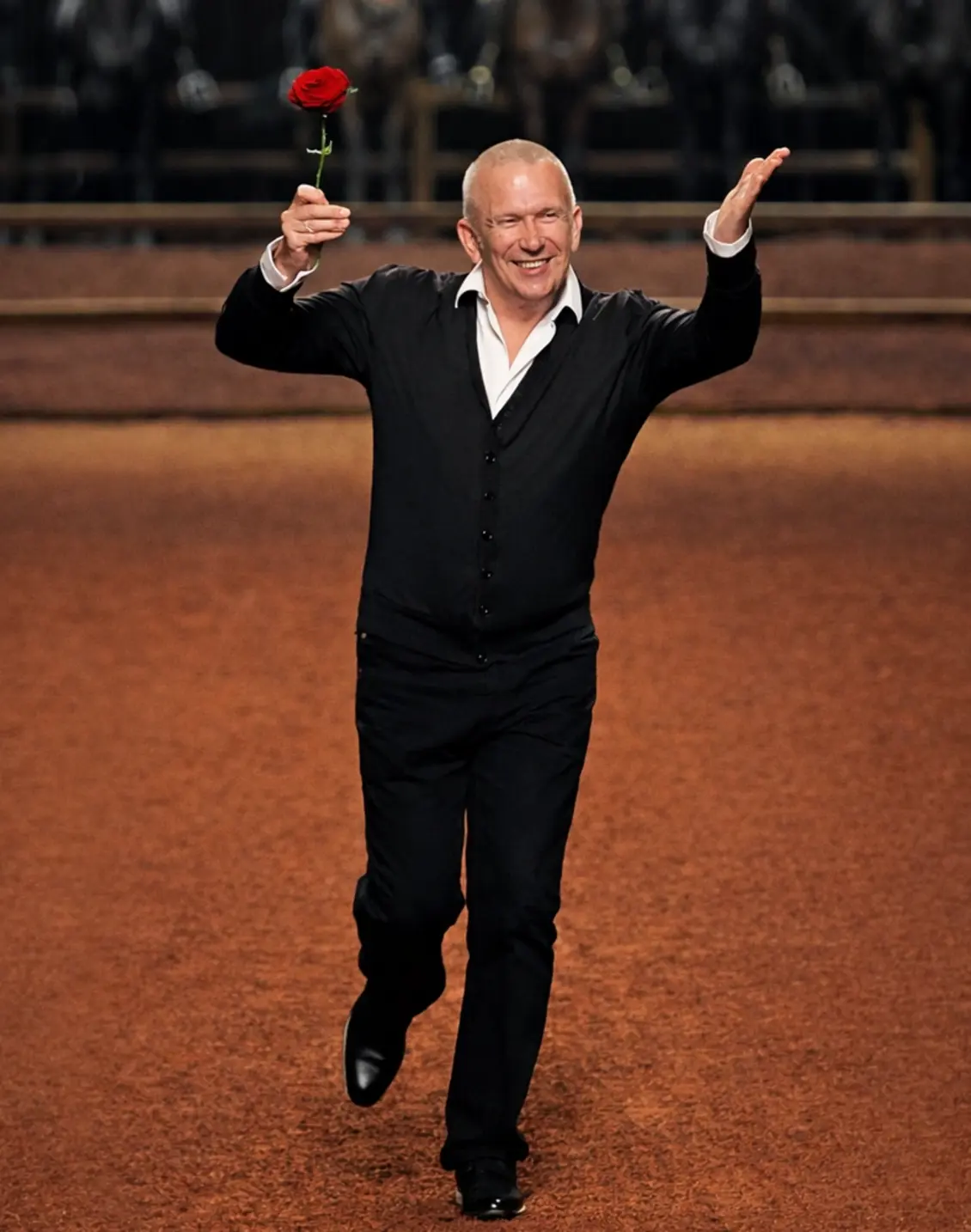
Context matters, too. This came at the end of Jean Paul Gaultier’s seven-year run designing womenswear for Hermès, a tenure that loved to riff on house codes while pushing them into stranger, more editorial territory. You can counterfeit a shape, you can mimic a shine, yet you will never copy the transparent crocodile, or steal the intelligence behind it: the kind of genius that makes heritage feel dangerous again. In that final Hermès collection, Jean Paul Gaultier turned a fortress of craft into a spell, revealing the bones of luxury and still keeping its soul intact. The runway carried a goodbye that felt like a cut to the heart, a last flash of audacity so precise it reads as destiny, and when it was over, what lingered was a rare emotion in fashion, awe, and the ache of knowing this kind of imagination has no limit.