MENU
Close





While Rome is a museum and Florence is a gallery, Milan is a living workshop — a place where history isn’t just preserved but is actively repurposed into the fabric of modern luxury.
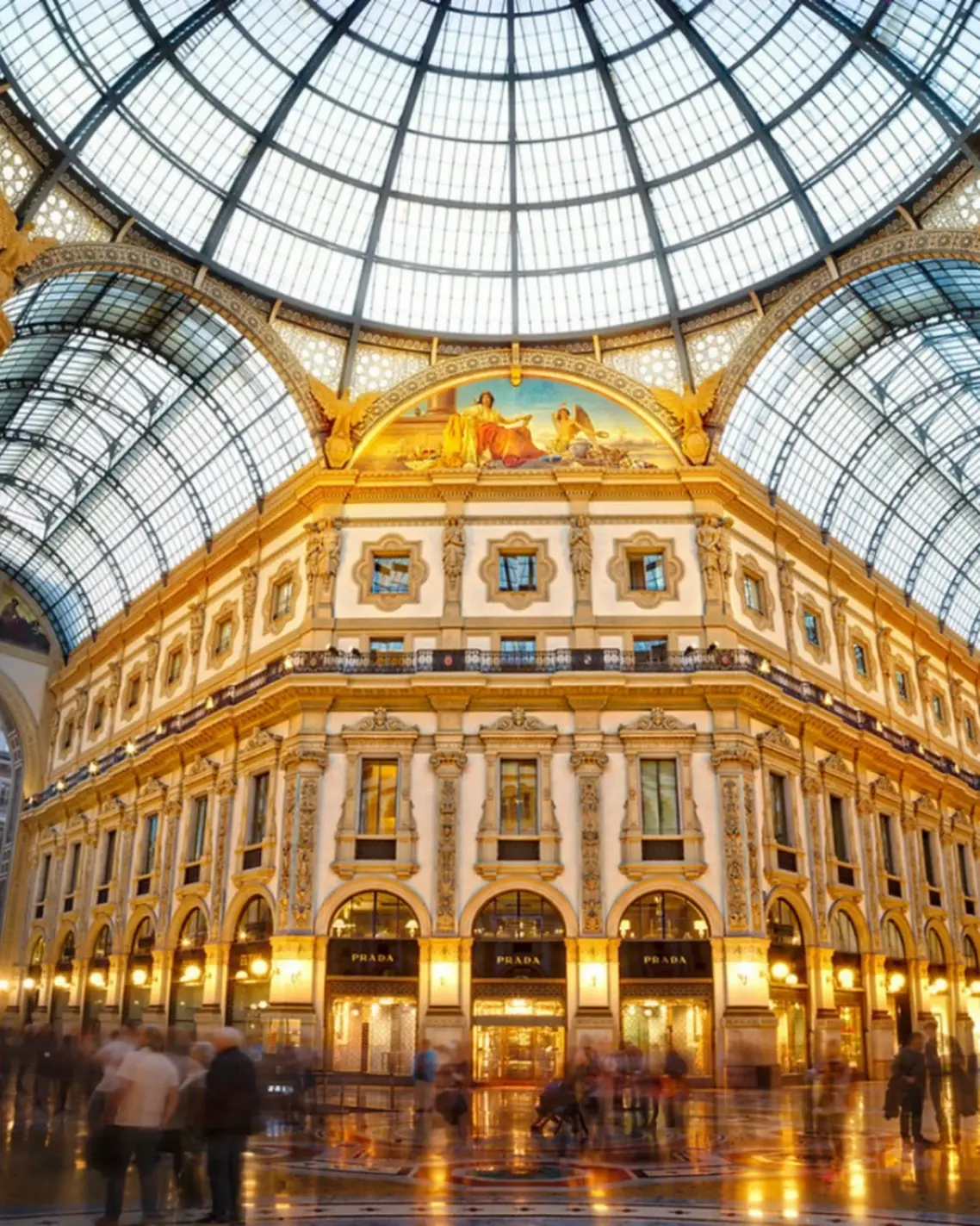
While Rome is a museum and Florence is a gallery, Milan is a living workshop — a place where history isn’t just preserved but is actively repurposed into the fabric of modern luxury.
April 2, 2026


Milan has long mastered the art of turning history into momentum. It carries Roman bones, Renaissance intelligence, industrial discipline, and modern glamour with equal fluency, then binds them together through a distinctly Milanese instinct: The urge to build, refine, and begin again. This is why Milan feels less like a museum than a workshop, a place where beauty is continuously engineered rather than merely preserved.
Milan’s cultural authority was never born from one single movement. It emerged through accumulation, over centuries, from its earliest life as a Celtic settlement to its stature as the capital of the Western Roman Empire, and later as one of Europe’s most fertile laboratories of artistic ambition. Under the Visconti and Sforza dynasties, the city developed a character that still defines it today: Practical, visionary, and deeply invested in the union of aesthetics and systems.
That spirit reached one of its purest expressions through Leonardo Da Vinci, who spent 17 years in Milan. Leonardo worked as painter, engineer, designer, and urban thinker, helping shape the Navigli canal system and revealing a truth that continues to animate the city. Here, art has always extended beyond the frame, it enters logistics, architecture, urban planning, and material culture.
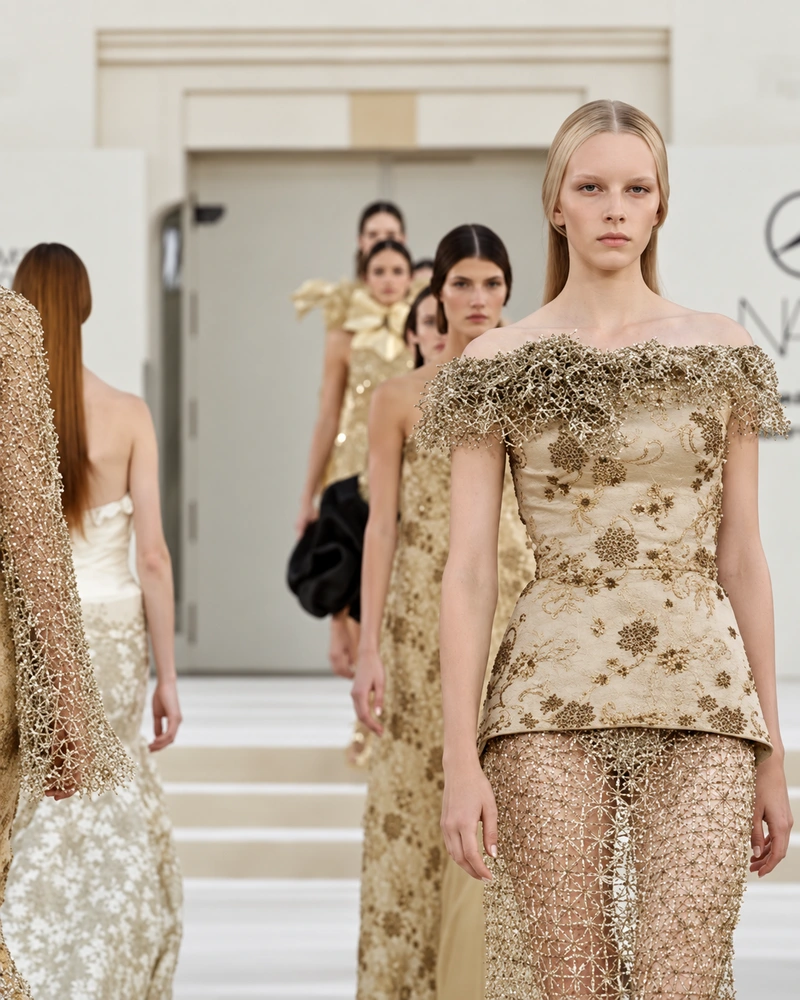
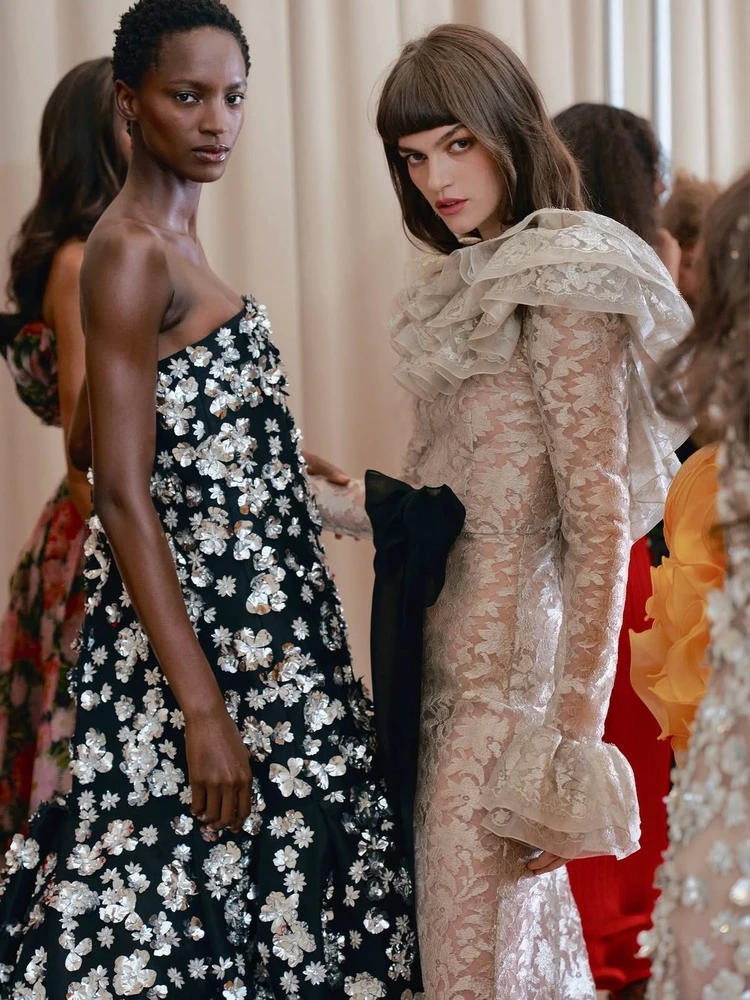
This interdisciplinary intelligence also explains Milan’s later transformation into a fashion capital. For much of the early 20th century, Florence held greater authority in Italian fashion. Milan’s supremacy arrived later, with tremendous force, in the late 1970s, when designers such as Giorgio Armani and Gianni Versace aligned luxury with ready-to-wear precision.
Even the city’s stranger details seem to support this layered mythology. The Duomo holds a statue often linked to the visual ancestry of the Statue of Liberty. In Porta Venezia, the bronze ear of Ca’ Dell’Orèggia turns a wall into an object of whispered wishes and early communication design. The legendary half-woolly boar, tied to the old name Medhelanon, lingers as a surreal symbol of Milan’s earliest textile imagination. In Milan, myth, utility, and style circulate together.

Milan’s architecture reads like a long argument between permanence and experimentation. Its Roman traces remain visible in the Columns of San Lorenzo, skeletal and serene, offering a reminder that the city’s current sophistication rests on an ancient civic stage. Yet Milan never allowed itself to become frozen by its own pedigree.
At the center stands the Duomo Di Milano, perhaps the grandest expression of Milanese patience. Begun in 1386 and completed across nearly six centuries, it embodies the city’s devotion to ambition on an epic timescale. With 135 spires and thousands of statues, the cathedral remains one of Milan’s defining monuments.

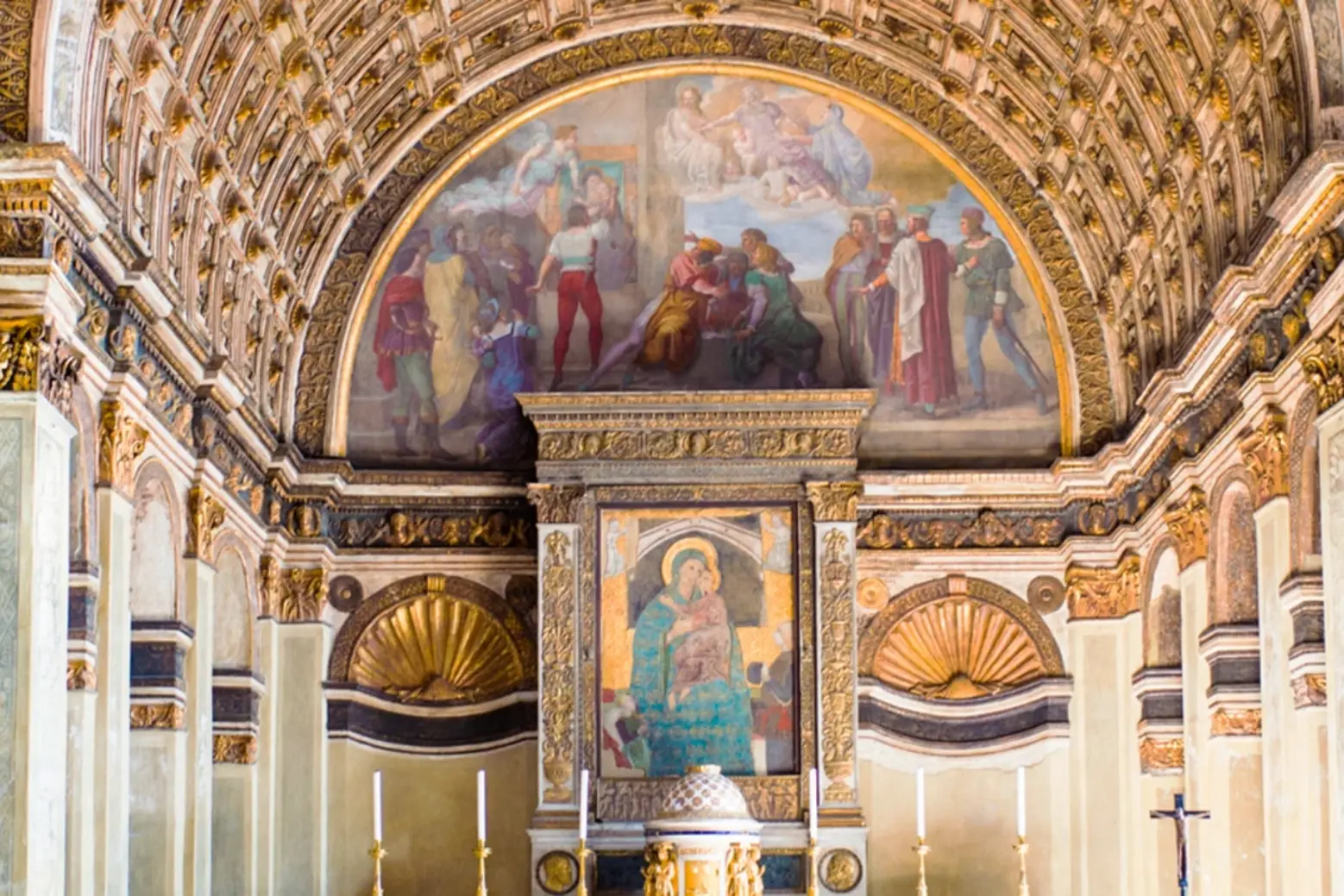
Nearby, another kind of wonder unfolds at Santa Maria Presso San Satiro, where Donato Bramante created one of architecture’s great illusions, a shallow apse that appears to open into majestic depth.
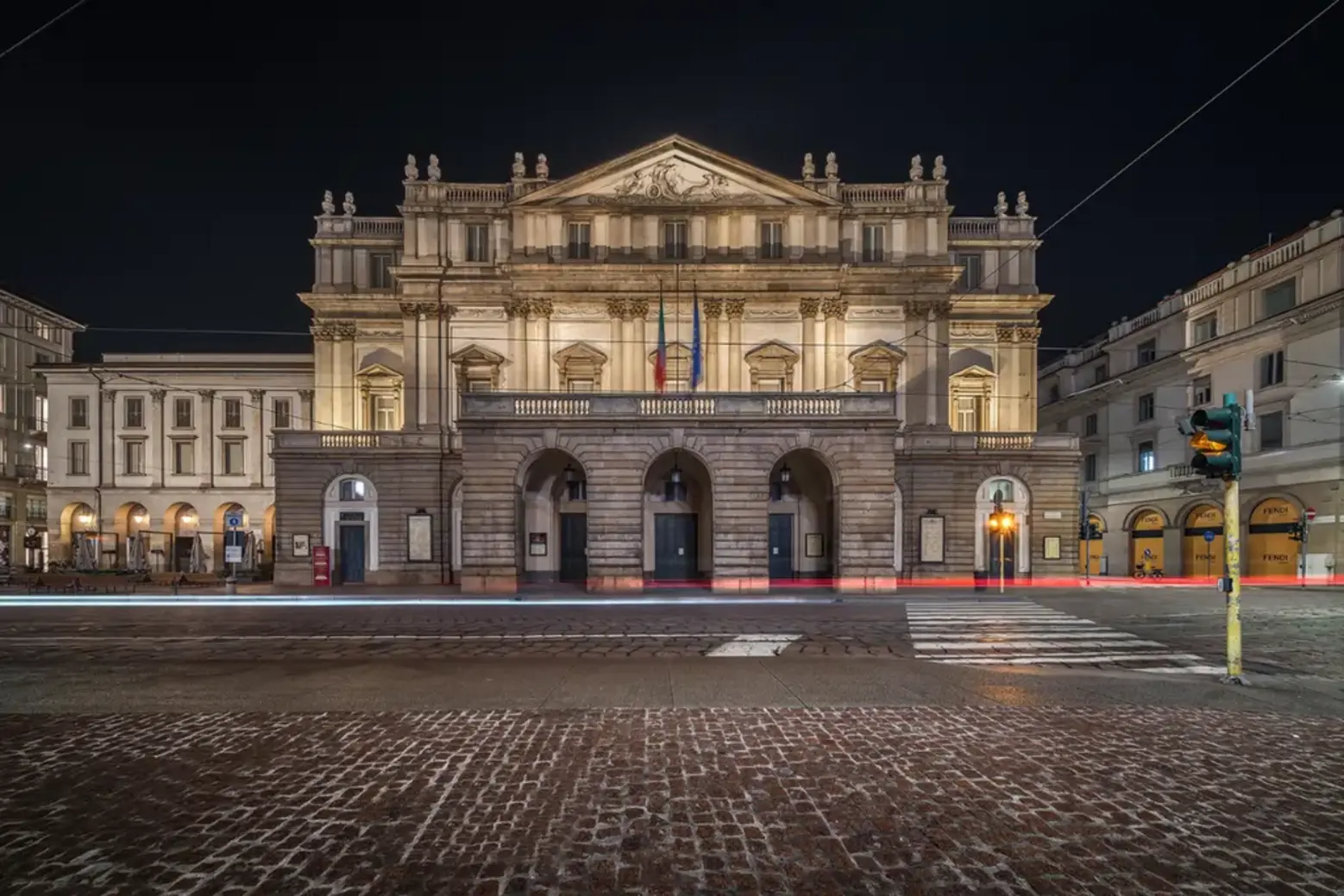
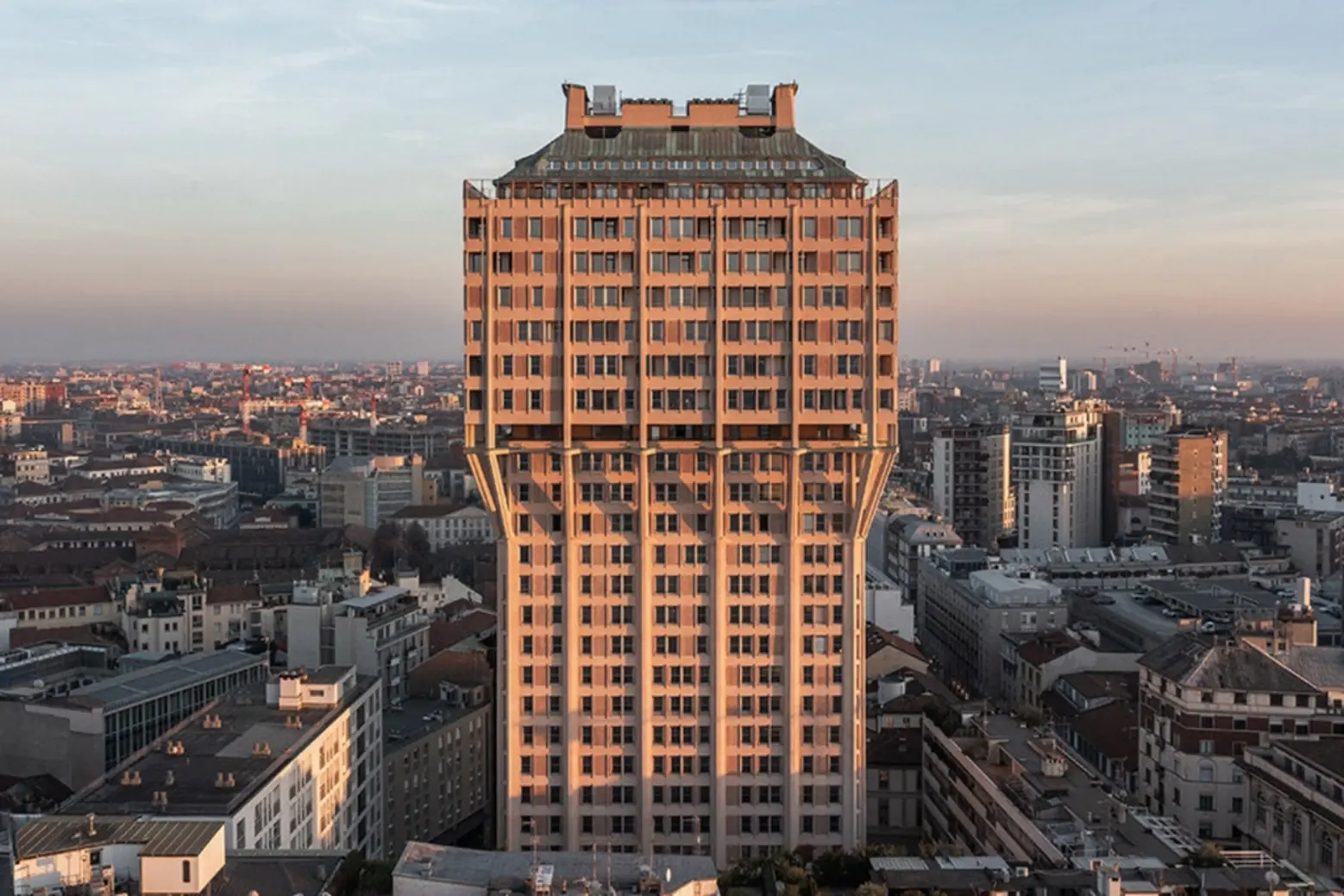
The city’s neoclassical phase under Austrian influence brought order, symmetry, and a calmer kind of grandeur. Giuseppe Piermarini’s Teatro Alla Scala gave Milan a temple of culture whose restraint only sharpened its prestige. Later, the 20th century introduced a more industrial confidence. Gio Ponti’s Pirelli Tower became a sleek emblem of postwar aspiration, disciplined and luminous, while Torre Velasca pushed in the opposite direction, reviving the silhouette of a medieval tower in a way that once divided critics and now feels startlingly prophetic.

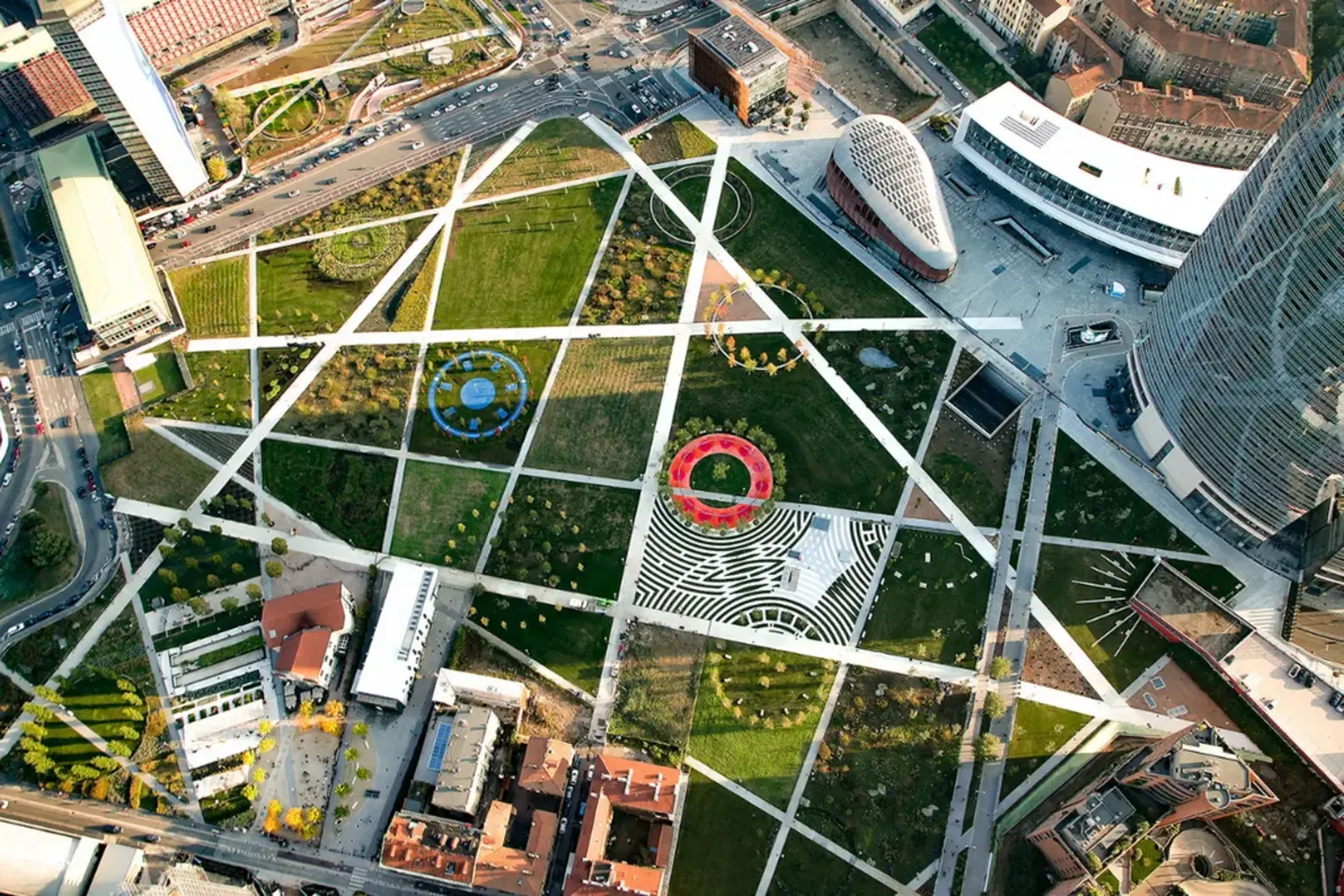
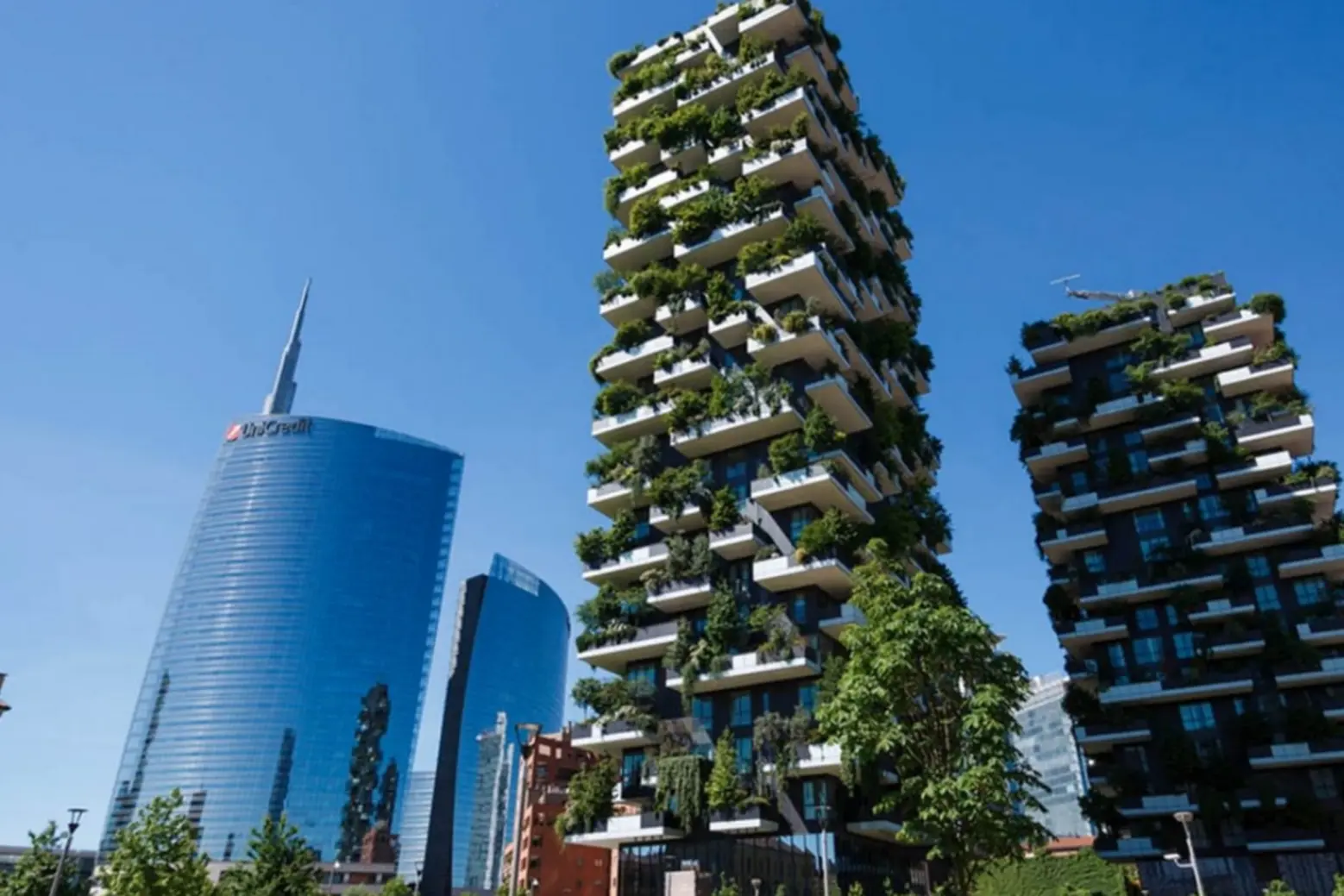
Today, Milan’s skyline continues this dialogue through sustainable urbanism. Porta Nuova and Stefano Boeri’s Bosco Verticale redefined what a contemporary city tower could be, turning the façade into living ecosystem and environmental statement. At CityLife, the Three Towers by Zaha Hadid, Arata Isozaki, and Daniel Libeskind assert a more global kind of monumentality. Together, these buildings show Milan at its most persuasive: A city that welcomes innovation with style, then teaches it discipline.
If one event reveals Milan’s contemporary power most clearly, it is Milan Design Week. Comprising the Salone Del Mobile and the sprawling public energy of the Fuorisalone, the week transforms the city into a living exhibition where commerce, culture, hospitality, and urban identity fuse into a single atmosphere.

The financial impact alone is enormous. Design Week generates hundreds of millions of euros in direct economic activity, with accommodation, food and beverage, and retail all surging under the pressure of international demand. Hotels reach peak occupancy, restaurants become stages of networking and aesthetic display, and luxury shopping absorbs a new wave of culturally motivated spending. Visitors arrive for furniture and leave having consumed an entire worldview.

Yet what makes Milan Design Week so singular is the way it escapes the convention hall. The Fuorisalone opens the city itself. Palazzos, courtyards, former factories, ateliers, and unexpected urban corners all become temporary containers for ideas. Design moves into daily circulation. Citizens, students, collectors, tourists, and industry insiders share the same installations and streets. Milan turns spectatorship into participation.

This public dimension reshapes the city materially and symbolically. Districts beyond the historic center gain visibility and commercial life as the geography of prestige expands toward areas such as Nolo, Dergano, and Barona. The cultural center of gravity shifts. Milan becomes more polyphonic, more distributed, more alive to its own edges.
Alongside Design Week, miart contributes a different rhythm, offering intellectual depth and market seriousness to the city’s cultural calendar. By bringing together modern masters and younger experimental voices, it strengthens Milan’s role as a place where historical continuity and emerging practice can coexist. In 2026, with its emphasis on new directions and cross-disciplinary exchange, that energy feels especially concentrated. Milan thrives precisely because it treats innovation as a collective urban habit.
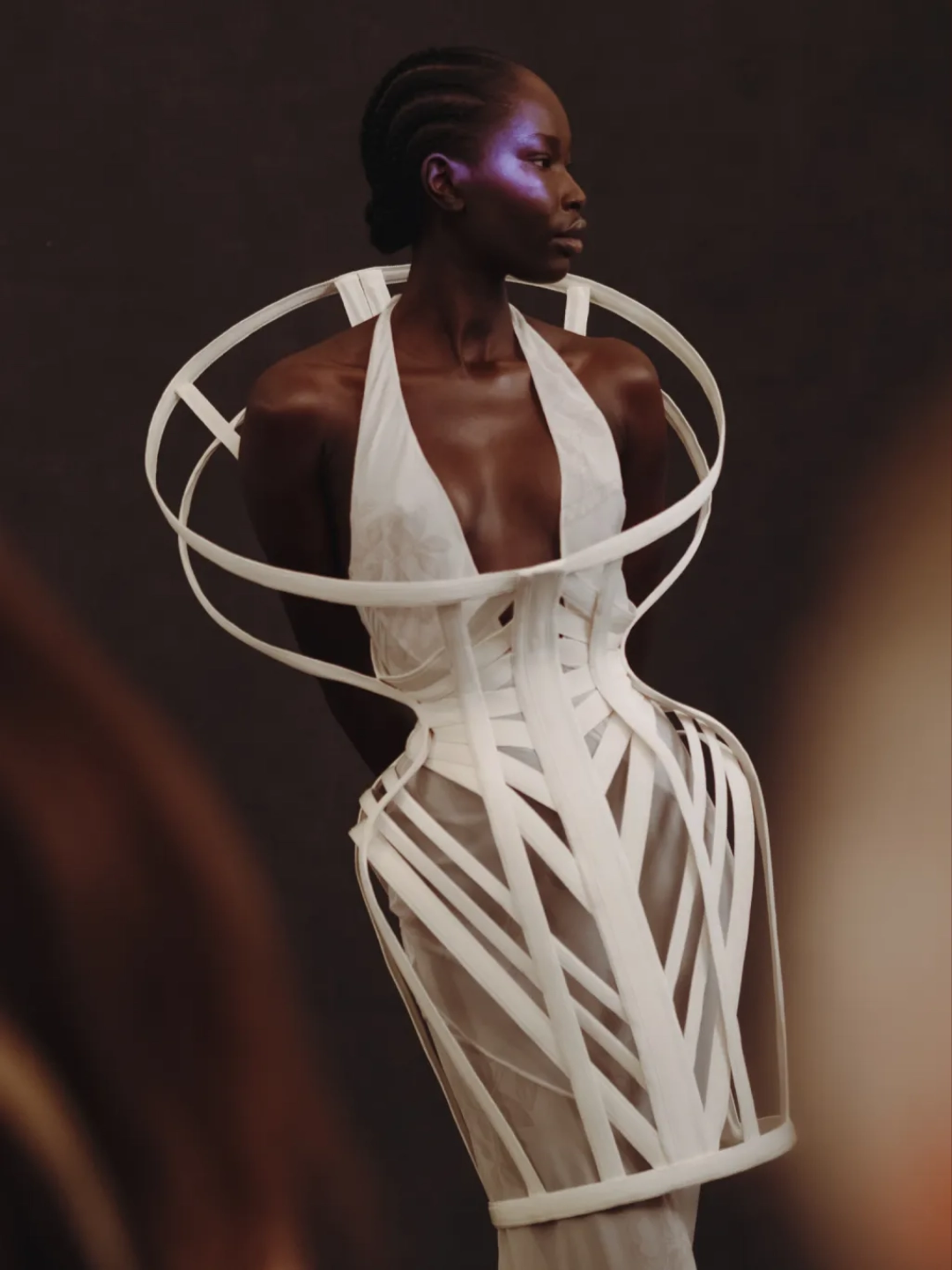
There is a louder version of luxury and a Milanese one. In Milan, prestige often lives in calibration, in light, proportion, texture, craftsmanship, silence, and setting. Nowhere is this more visible than in the Quadrilatero Della Moda, one of the luxury shopping centers of the whole world. The celebrated rectangle of streets where the city’s fashion identity finds its most distilled expression. Yet even here, the real lesson lies beyond spectacle.

Milanese luxury is deeply architectural. It resides in private palazzos, restored seminaries, former convents, and old residences transformed into hotels with a sense of continuity rather than disruption. These spaces communicate privilege through atmosphere.
The same ethos shapes Milan’s artisanal culture. Independent jewelry masters and specialist makers continue to define excellence through craft processes that reward patience and intimacy. Luxury here carries the intelligence of the hand.
Milan endures because it is never finished. This is what makes travelling to Milan feel so energizing. The city invites you to witness transformation in real time, to see how an old capital becomes perpetually contemporary through work, imagination, and exquisite discipline. As evening falls over the Navigli and the city glows with that unmistakable Milanese polish, one truth becomes clear: Milan is still the eternal workshop, and the world continues to come here to learn how beauty is made.