MENU
Close





Enamel jewelry has re-entered the luxury conversation with unusual force, carrying ancient fire techniques, Art Nouveau romance, and a new appetite for vivid surface, whether expressed through grand feu virtuosity or the crisp, graphic allure of Neon resins.
Enamel jewelry has re-entered the luxury conversation with unusual force, carrying ancient fire techniques, Art Nouveau romance, and a new appetite for vivid surface, whether expressed through grand feu virtuosity or the crisp, graphic allure of Neon resins.
March 30, 2026


Enamel has long held a secure place in the world of watches, where grand feu dials and métiers d’art craftsmanship have remained quietly revered. What feels different now is the renewed force of enamel jewelry. After years of bare gold, hard geometry, and stones left to speak almost entirely for themselves, color has returned with confidence. Enamel offers a different sort of richness: flatter than a gem, more painterly than pavé, and capable of carrying emotion in a single field of blue, oxblood, ivory, or acid green. The medium itself is ancient. In its classical form, enamel is powdered glass fused to metal at high heat, often between roughly 750°C and 850°C, before cooling into a lustrous surface that can be transparent, translucent, or opaque. Yet the appeal of enamel jewelry now feels thoroughly contemporary, especially as designers rediscover how powerfully it can animate a jewel.
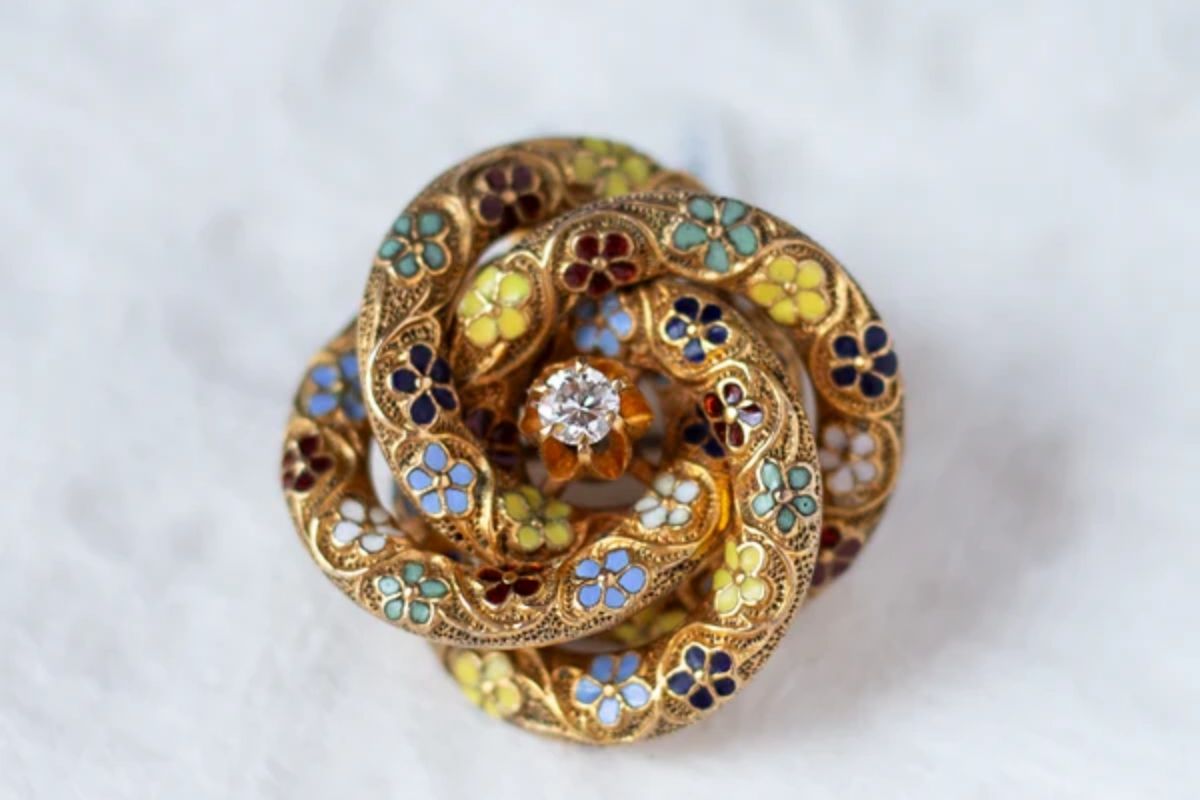
Part of the seduction lies in how deceptively refined the result appears. Enamel can read like porcelain, lacquer, silk, polished stone, or stained glass, depending on the technique and the hand behind it. GIA describes the practice as one of the oldest in jewelry, tracing it back to 1400 BCE and noting its flourishing in Mycenae, ancient Greece, Byzantium, and again in the 19th and 20th centuries. That long history matters because enamel has never been mere decoration. It arrived first as a technical marvel, a way of bringing color and radiance to metal before gem supply, cutting, and distribution operated at anything like modern scale. Its prestige comes from the fact that it sits between goldsmithing, painting, and chemistry.
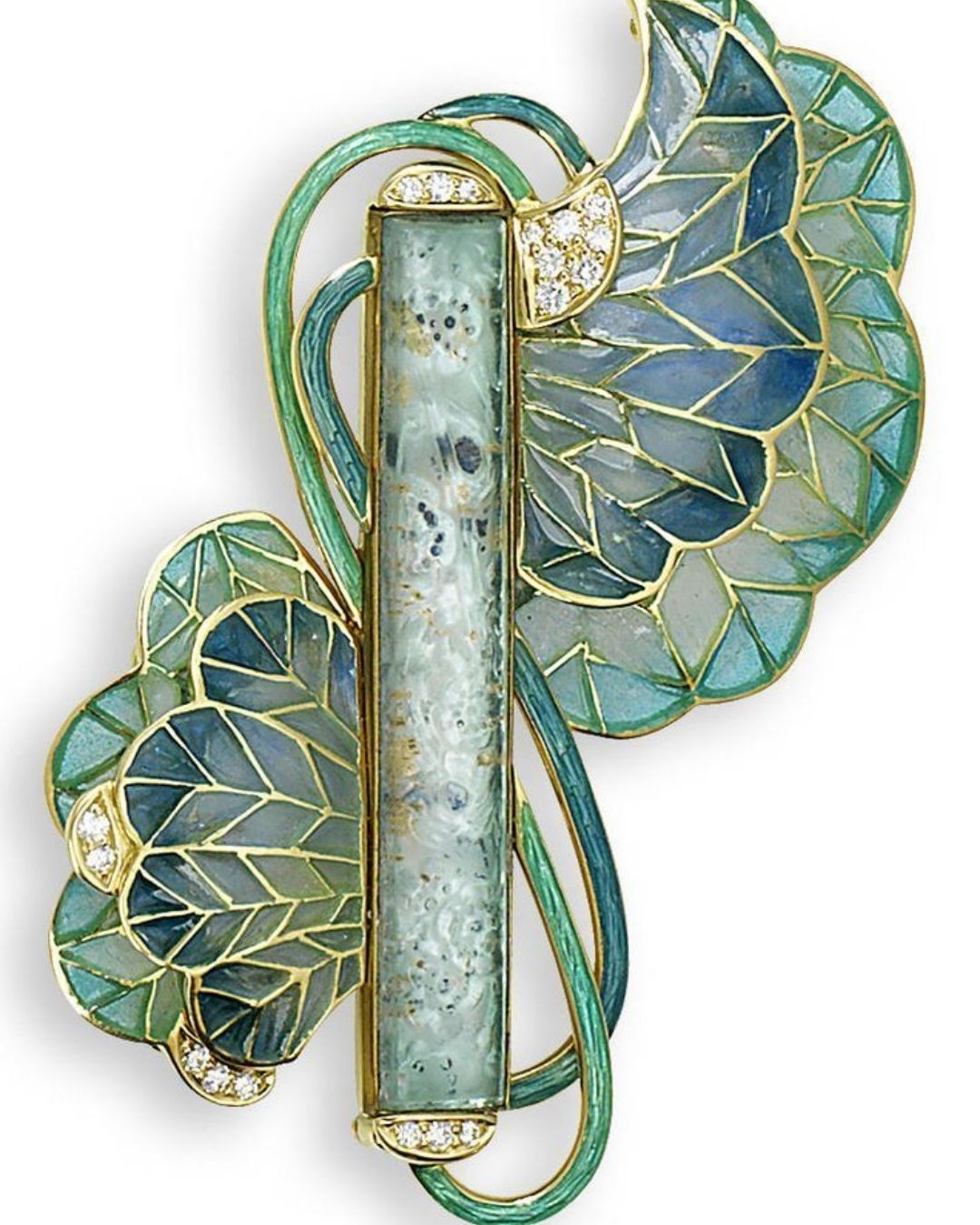
The hierarchy inside enamel jewelry remains clear, and it begins with technique. Cloisonné is among the oldest and most exacting methods, using fine metal wires to form cells that are then filled with powdered enamel and fired. Champlevé takes the opposite route: instead of building walls with wire, the maker carves or etches troughs into the metal and fills those recesses with color. Basse-taille, sometimes written bas-taille, depends on engraved low-relief metal beneath translucent enamel, allowing light to move across the textured pattern under the surface. Then there is plique-à-jour, the technique that still carries a near-mythic status because it leaves the enamel without a backing, so light passes through it like miniature stained glass. The V&A describes plique-à-jour as backless and translucent, literally “letting in daylight,” which explains why it remains one of the great feats of jewelled lightness.
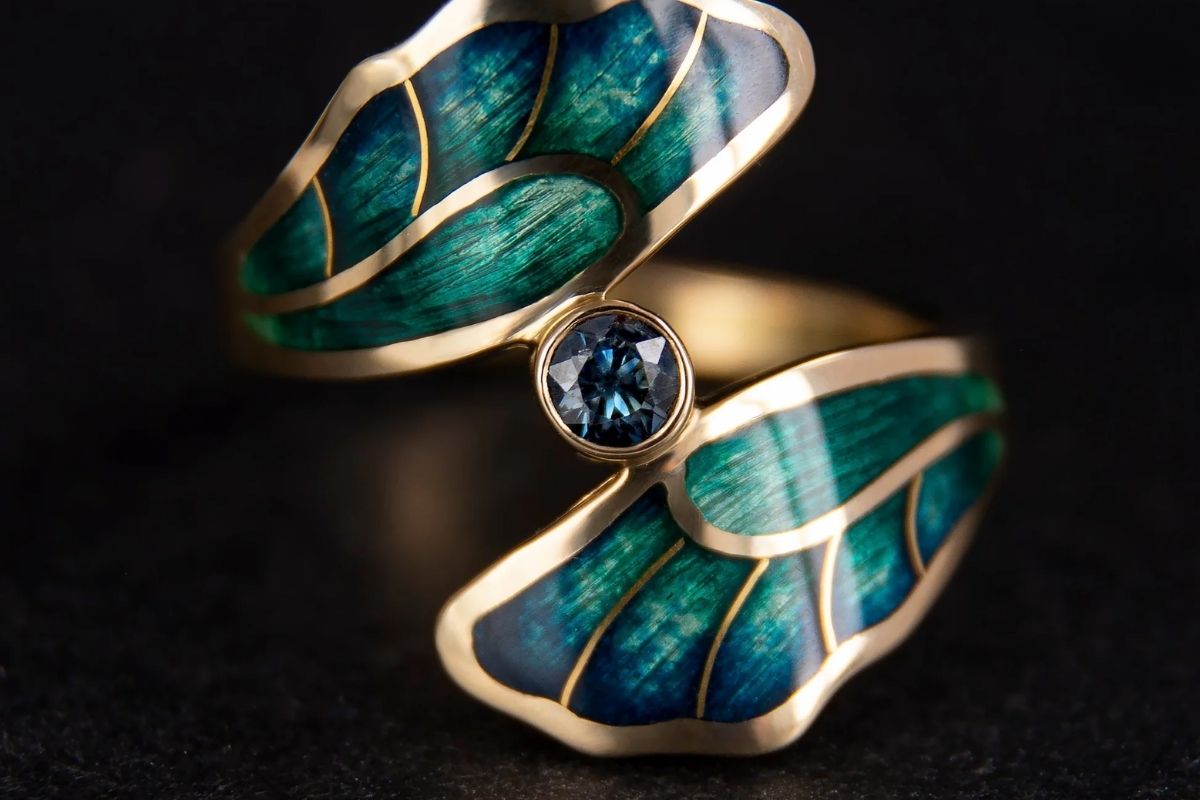
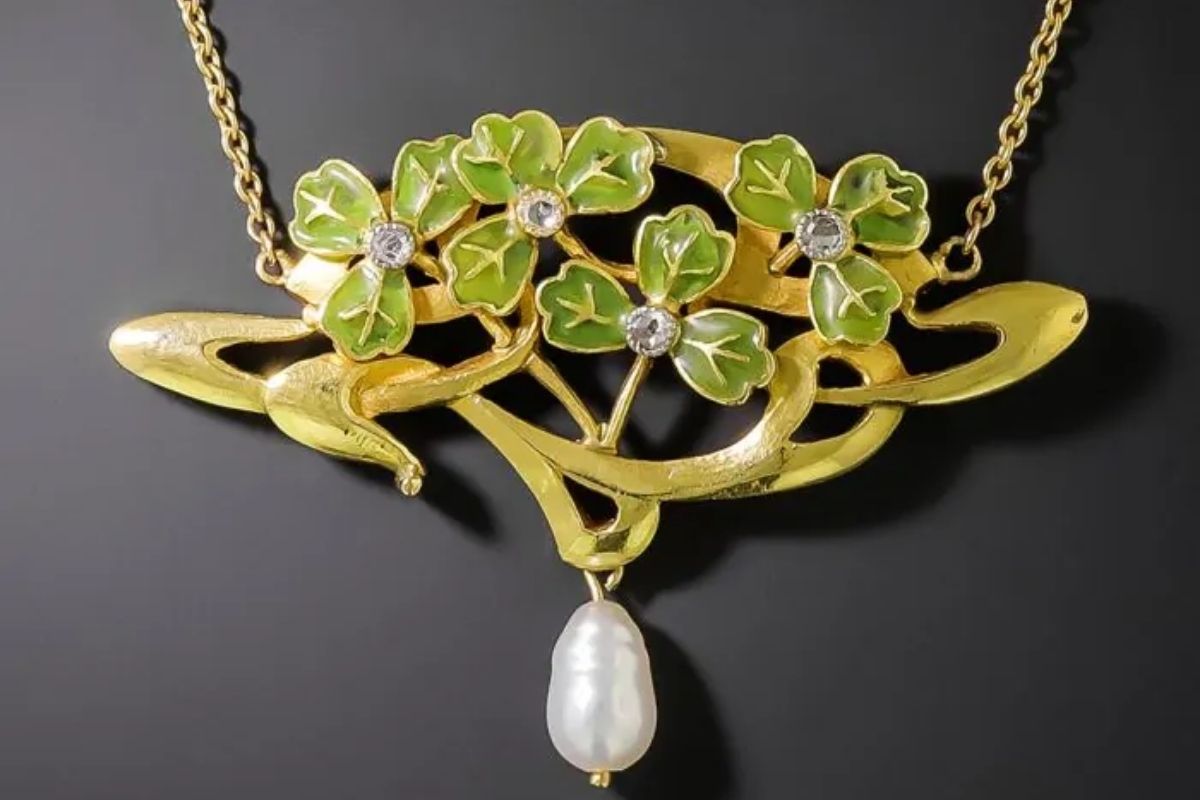
This is where value becomes more interesting than price. The finest enamel is expensive because it courts failure. Hot vitreous enamel, also known as grand feu, requires repeated firings, deep knowledge of melting points, and a tolerance for risk, since a jewel can crack, warp, or lose chromatic clarity in the kiln. The Jewellery Editor notes that hot enamel often demands multiple applications and multiple firings to achieve the depth and magical translucency collectors prize. Red is especially difficult because of its unpredictability. In practical terms, that means grand feu jewels often carry the aura of one-off objects even when they belong to a collection. They are expensive partly because the maker has to gamble with each pass through the heat.
The modern complication, and perhaps the modern freedom, comes with the rise of so-called cold enamel. In the luxury market this usually refers to lacquer or resin-based color applied without the same high-temperature firing process. The Jewellery Editor describes cold enamel as a pigmented resin layered onto metal or poured into cavities, then dried, filed, and polished to a gloss. It does not replicate the depth of vitreous enamel, nor the almost geological sense of color living inside glass. Yet it delivers something the old techniques often cannot: sharp graphic blocks, playful pattern, and repeatable brightness in hues that feel almost synthetic in their boldness. In that sense, Neon resins have become a meaningful part of the story, especially for designers interested in pop energy, psychedelic palettes, or a more graphic conversation with luxury fashion.
That shift from museum reverence to fashion charge is one reason enamel feels alive again. The Jewellery Editor notes that vivid enamel jewelry has been sweeping through social media and increasingly entering high jewelry, while National Jeweler has described enamel as enjoying renewed industry prominence because it allows for color experimentation gemstones cannot easily provide. The point is not that enamel has replaced stones. Rather, it gives designers a parallel chromatic language, one that can be denser, stranger, flatter, or more graphic than ruby, emerald, or sapphire. In a market that increasingly values expressive surface and individuality, that flexibility has turned enamel into one of the most useful materials in the jeweller’s vocabulary.
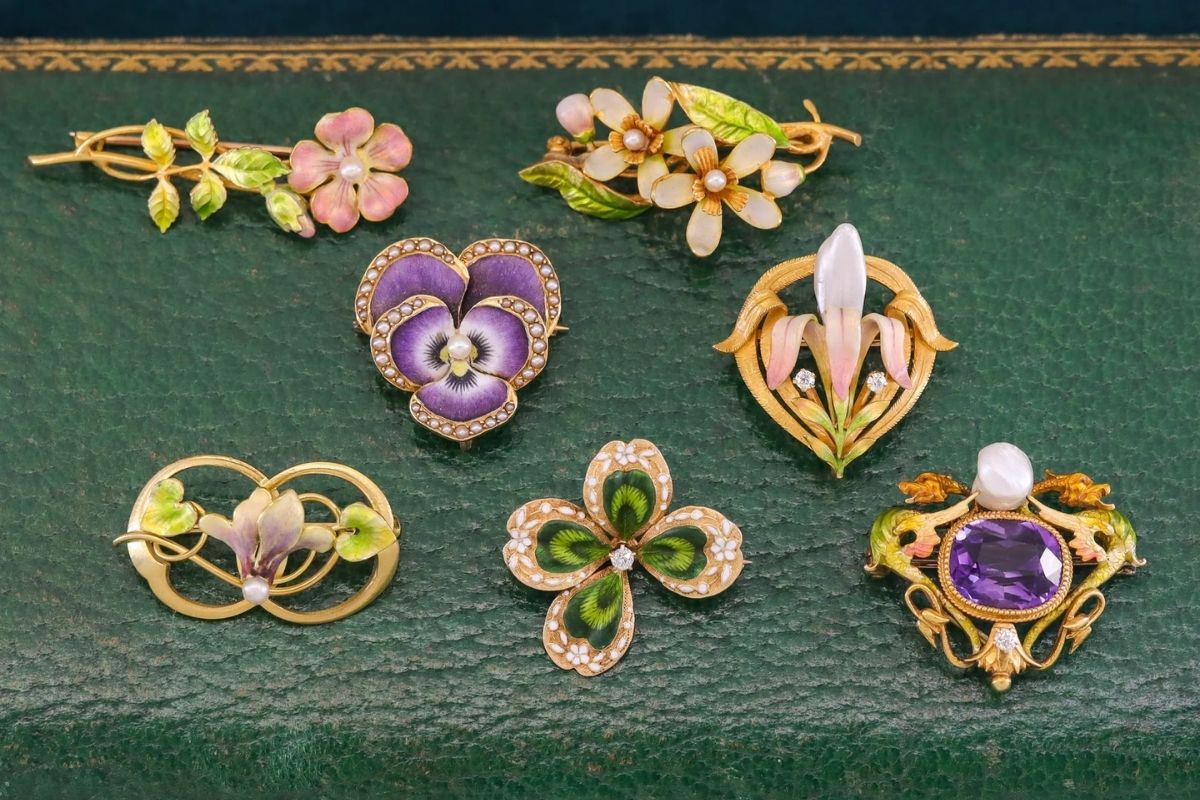
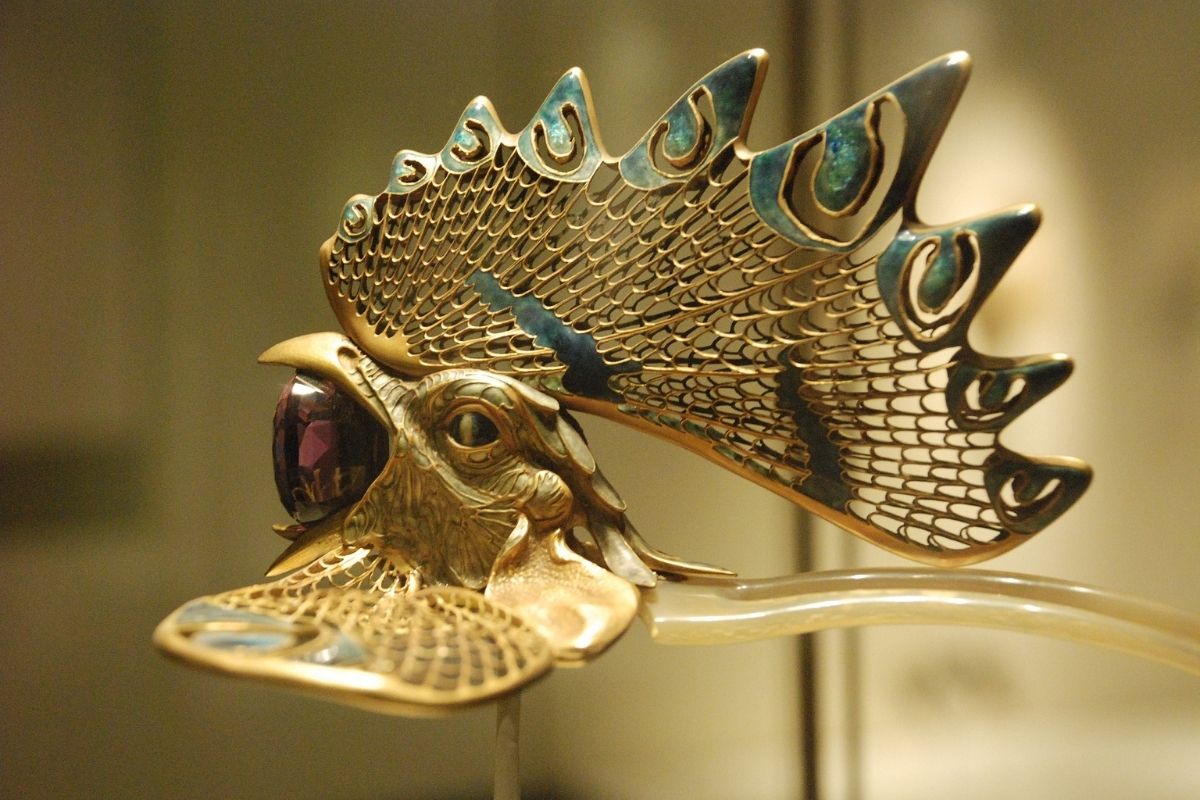
Historically, a few names changed the way collectors see enamel altogether. René Lalique remains essential because he helped shift jewellery’s center of gravity away from pure gemstone hierarchy and toward atmosphere, line, and symbolic form. The V&A notes that Lalique, like Philippe Wolfers, drew heavily on the natural world and used enamel, especially plique-à-jour, in work that relied less on gemstones than on mood and translucency. Christie’s, looking back at Lalique’s legacy, places him among the defining artist-makers of the late 19th and early 20th centuries. What mattered in his hands was that enamel could behave like wing membrane, petal skin, mist, or twilight. It stopped being simply color on metal and became a medium for fragility itself.
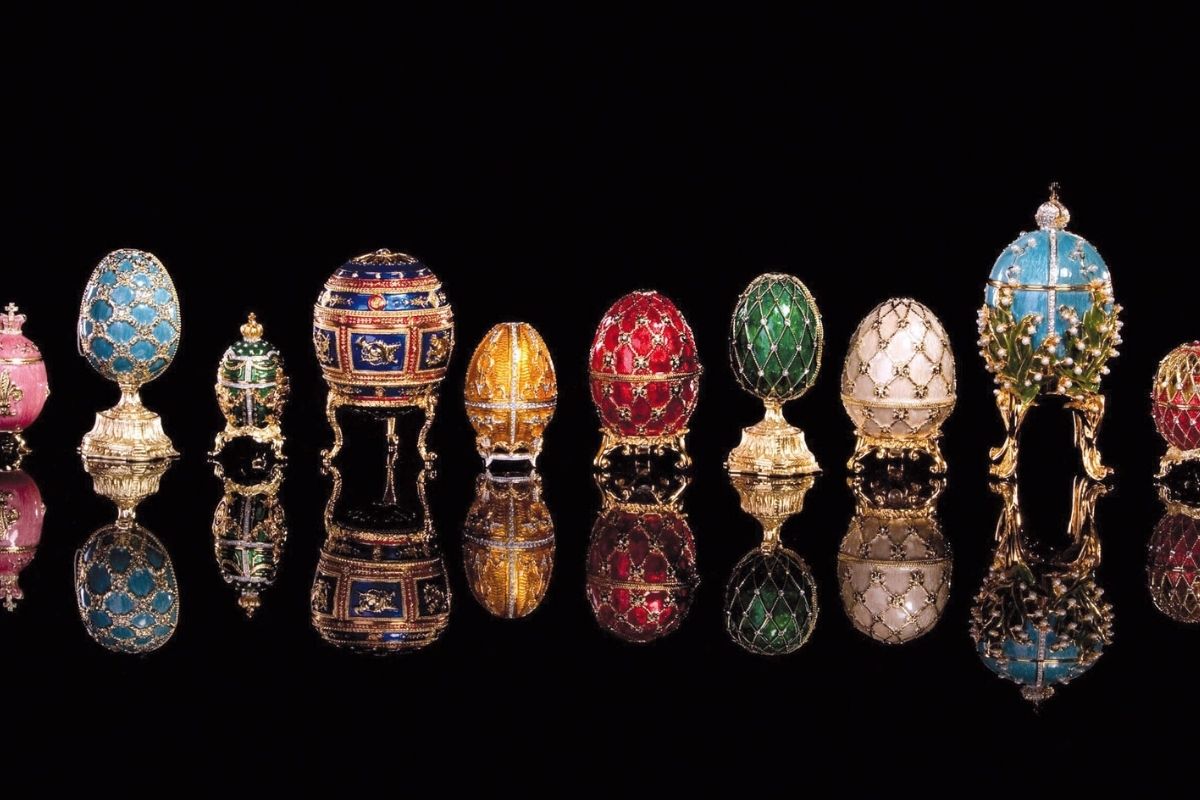
Fabergé, by contrast, turned enamel into imperial polish. The house’s name remains inseparable from guilloché enamel, the technique in which a machine-engraved pattern lies beneath translucent enamel so that the surface seems to shimmer with movement. Sotheby’s continues to identify antique Fabergé objects by their guilloché enamel surfaces, while the contemporary house still foregrounds guilloché enamel in its Heritage pieces. Fabergé’s contribution was to make enamel look aristocratic, precise, and almost architectural in its control of light. Where Lalique let the material breathe and flutter, Fabergé taught it to gleam with ceremony.
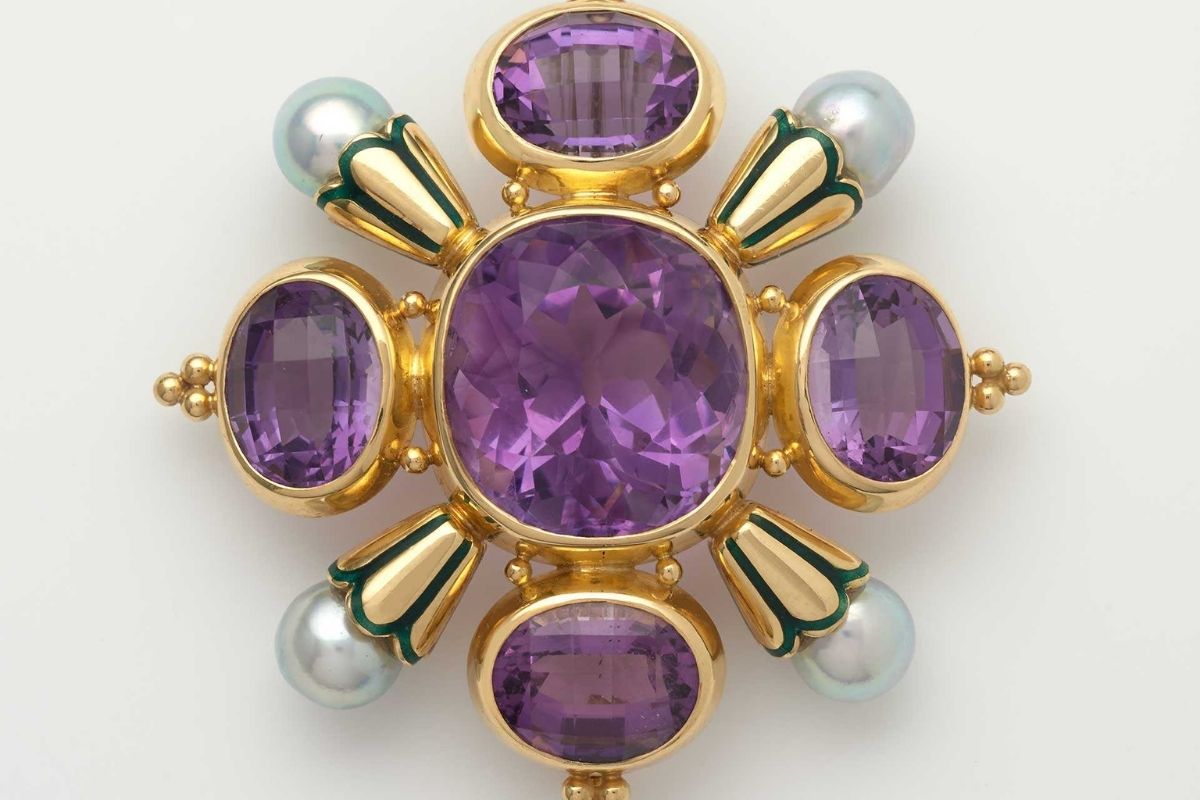
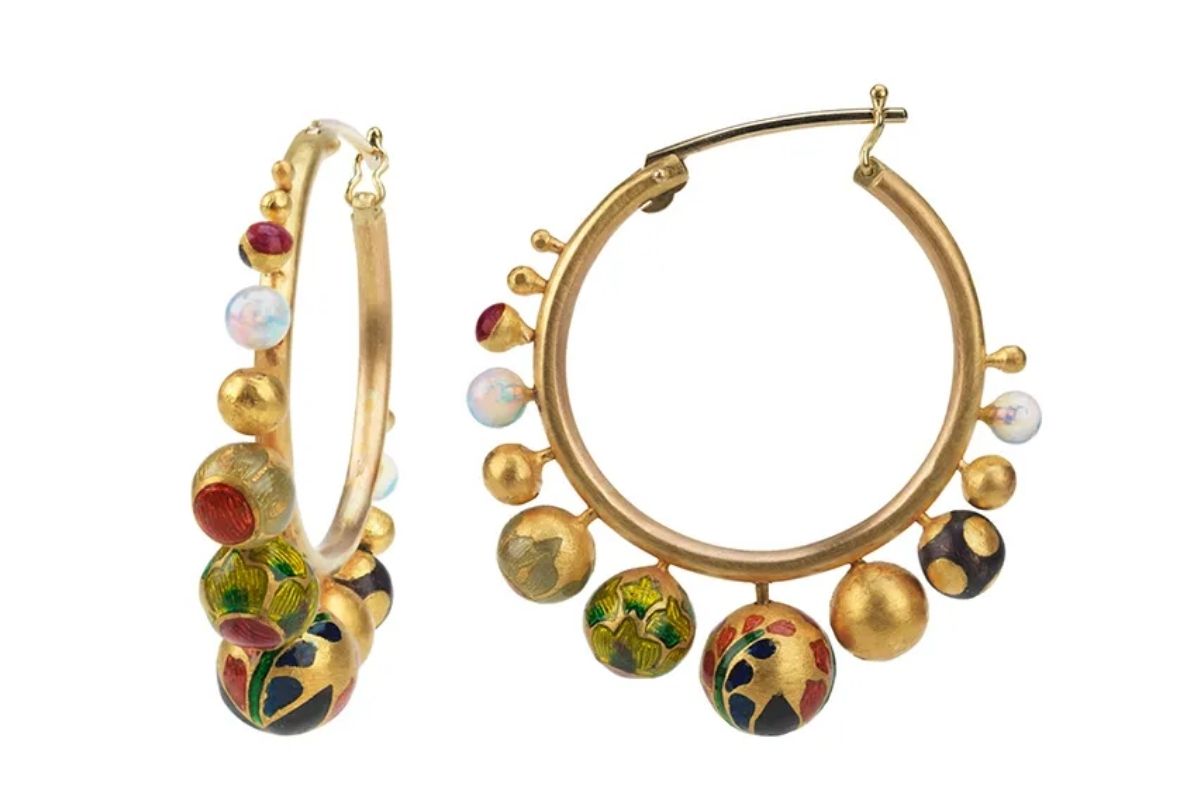
The contemporary revival is equally dependent on designers who treat enamel as a language rather than a decorative afterthought. Elizabeth Gage, whose house dates to 1964, remains one of the clearest examples of enamel used with weight, archaeology, and authority. Her official history describes jewels rooted in mythology, antiquity, and architecture, made with custom-cut gemstones, vibrant enamel, intaglios, and antique coins. Gage’s pieces never treat color as sweetness. They use it structurally, almost like illuminated stonework inside gold. Alice Cicolini moves in another direction, working between London and Jaipur with meenakari masters whose enamel tradition stretches back generations. On her official site, she describes the continued work of Kamal Kumar Meenakar’s family and notes that enamel is seeing a huge revival across the industry. Her work shows how an old Persian-Indian enamel lineage can be sharpened into modern silhouettes without losing any of its intricacy.
Then there is Dior, where Victoire de Castellane has spent decades proving that fantasy and seriousness can occupy the same jewel. Dior states that she became artistic director of its jewellery department in 1998, ushering in a lexicon built on color and creativity. In collections such as Milly Carnivora, Dior describes lacquered flowers in fantastic hues, while The Jewellery Editor points to artisans applying lacquer enamel to Color Dior jewels in neon tones. This is where enamel connects most directly to contemporary luxury fashion: in the freedom to look surreal, acid-bright, flirtatious, and unabashedly modern without surrendering preciousness. A fine jewelry brand today no longer has to choose between technical heritage and visual play. Enamel allows both.
That duality explains why enamel jewelry feels so persuasive now. It can satisfy the collector who wants grand feu mastery and the fashion client drawn to lacquer stripes, hard-edged color, or the polished audacity of Neon resins. It can look Byzantine, Renaissance, Art Nouveau, or sharply 2026. It can behave like stained glass, illuminated manuscript, pop graphic, or miniature fresco. More importantly, it restores a sense of surface pleasure to jewellery at a moment when the market is once again in the mood for personality. Gold and diamonds still carry the argument of value. Enamel carries something trickier and, in the end, often more seductive: style.