MENU
Close





A salon appointment should not depend on mood, guilt, or a sudden mirror meltdown. Every haircut has its own rhythm, and learning that rhythm is how hair stays expensive-looking for longer.
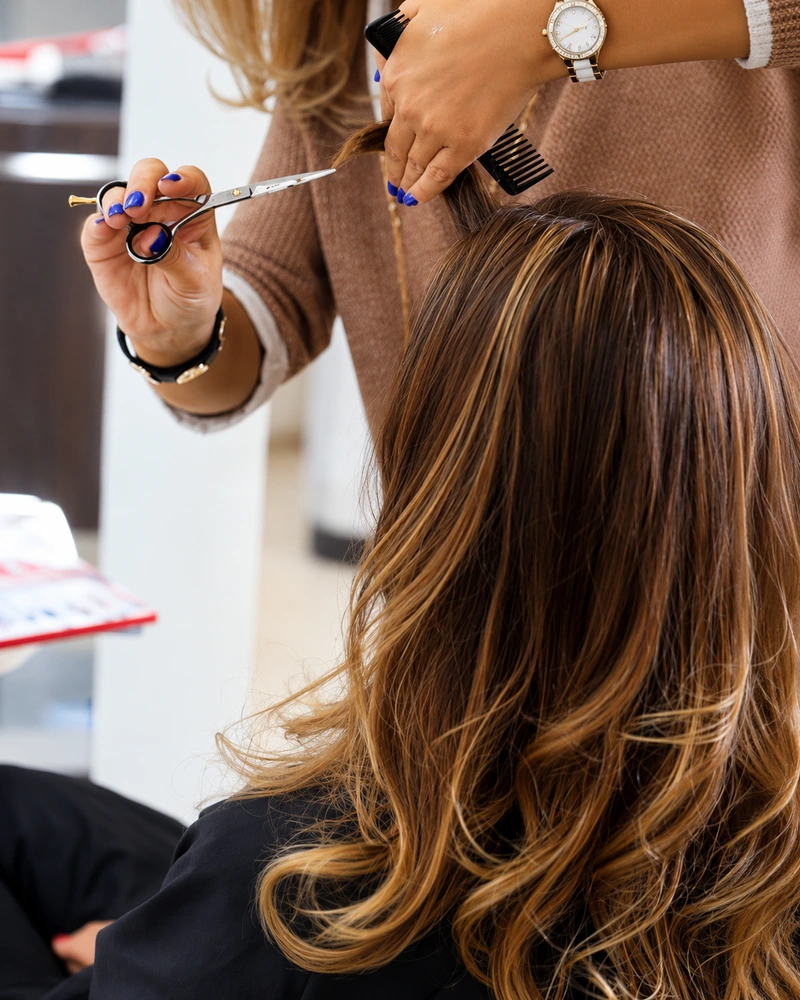
A salon appointment should not depend on mood, guilt, or a sudden mirror meltdown. Every haircut has its own rhythm, and learning that rhythm is how hair stays expensive-looking for longer.
July 7, 2026
Advertisement

Advertisement


The frequency of your salon appointment functions as a foundational pillar of your personal aesthetic. While the common narrative often frames haircuts as a chore of maintenance, a more sophisticated perspective views them as essential structural investments. Your hair acts as a living fabric; it reacts to your lifestyle, styling habits, and environmental exposures. Determining the optimal cadence for a trim requires an analytical approach that prioritizes the health and intentionality of your specific hair type. By understanding the mechanical reality of your strands, you transition from reactive grooming to proactive style stewardship.
Short hair styles possess an inherent demand for precision. Because these cuts rely on intentional geometry and clean lines, even minor growth creates noticeable shifts in the silhouette. When you choose a style like a blunt bob, you are committing to a specific shape that requires regular reinforcement. Maintaining the crisp, architectural integrity of such a style necessitates a salon appointment every six to eight weeks.
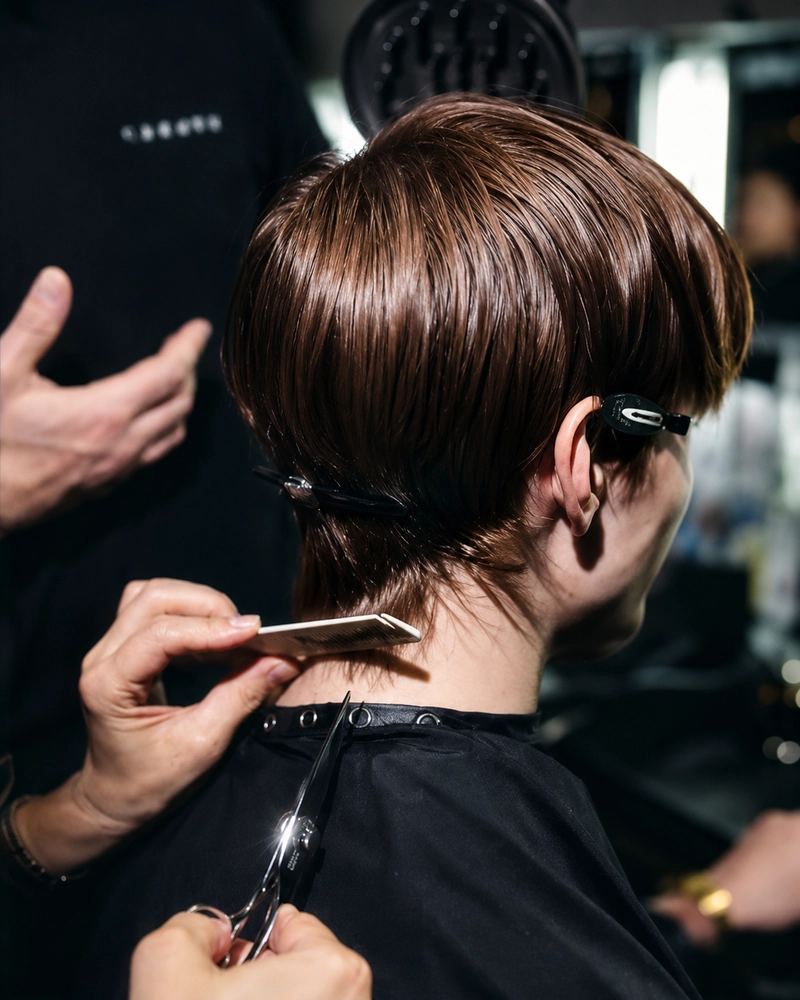
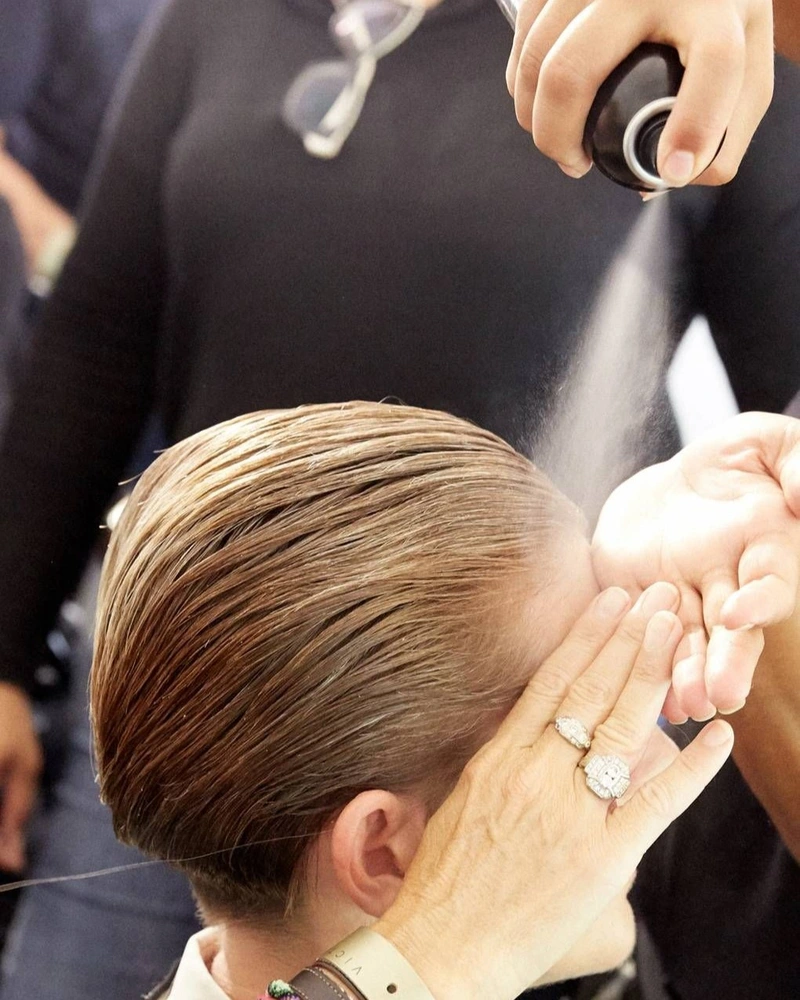
Pixie cuts represent an even higher level of dedication. These styles often feature complex, choppy layers that dictate the overall form of the cut. To keep these layers sitting correctly and to ensure the cut retains its intended edgy aesthetic, a salon appointment every four to six weeks remains the gold standard. When you choose to transition away from a short cut, these frequent visits become even more vital. Regular, minor adjustments allow your stylist to shape the growing process, preventing the awkward, uneven stages that often frustrate those attempting to transition to a longer length.
Medium-length cuts offer a harmonious middle ground. These styles, such as the lob or the textured wolf cut, provide enough length to allow for versatility while minimizing the structural fragility associated with both extreme short and long lengths. The wolf cut, in particular, leverages strategic layering to create natural movement and volume, often allowing for a more effortless, air-dried finish.
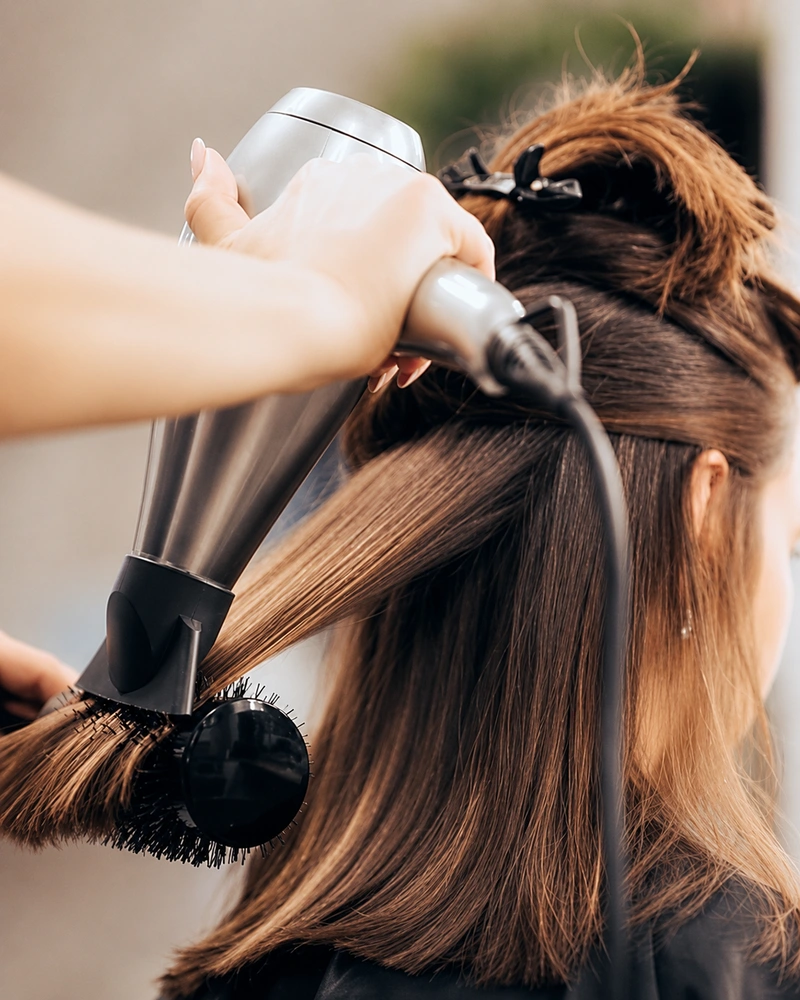
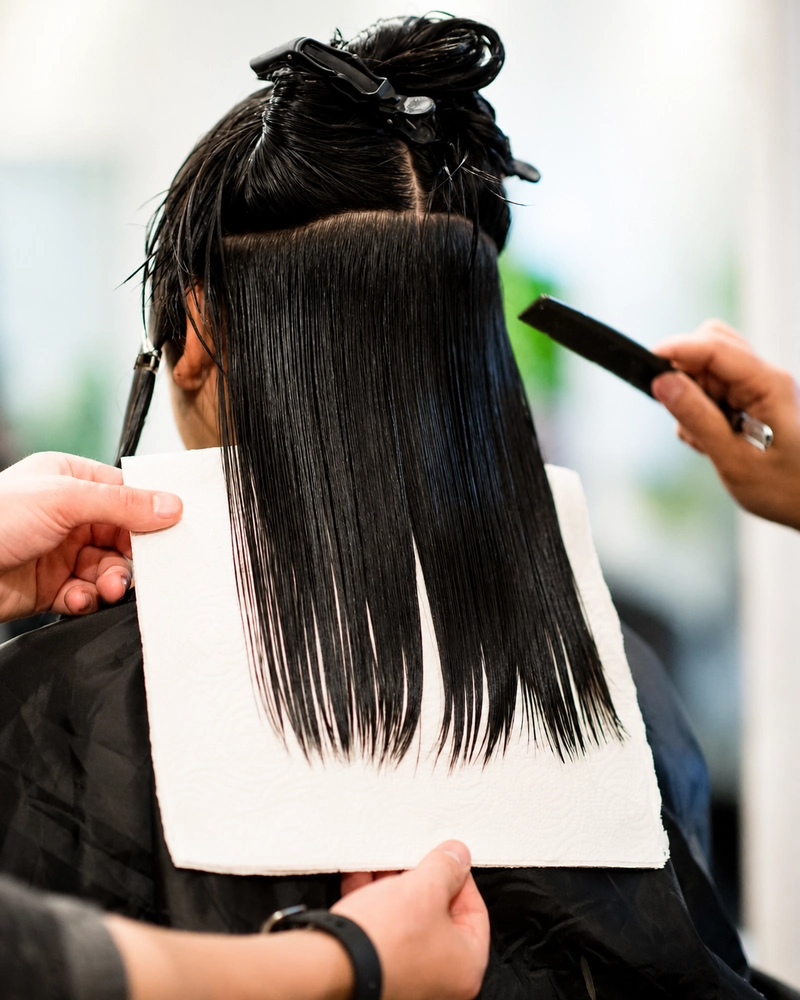
Because these styles rely on movement rather than precise, rigid lines, they offer greater flexibility in your salon appointment schedule. You can comfortably space your professional trims to every four months. This duration allows the hair to settle into its natural state without losing its core shape. During this period, your primary focus shifts from maintaining a sharp perimeter to ensuring the health of the ends, which remain the most vulnerable part of the strand.
Long hair brings its own set of distinct requirements. While the visible growth rate remains consistent with shorter hair, the perceived urgency for maintenance decreases. For those with long, layered styles, a salon appointment every three months creates a sustainable cycle that keeps the layers fresh and the ends healthy.
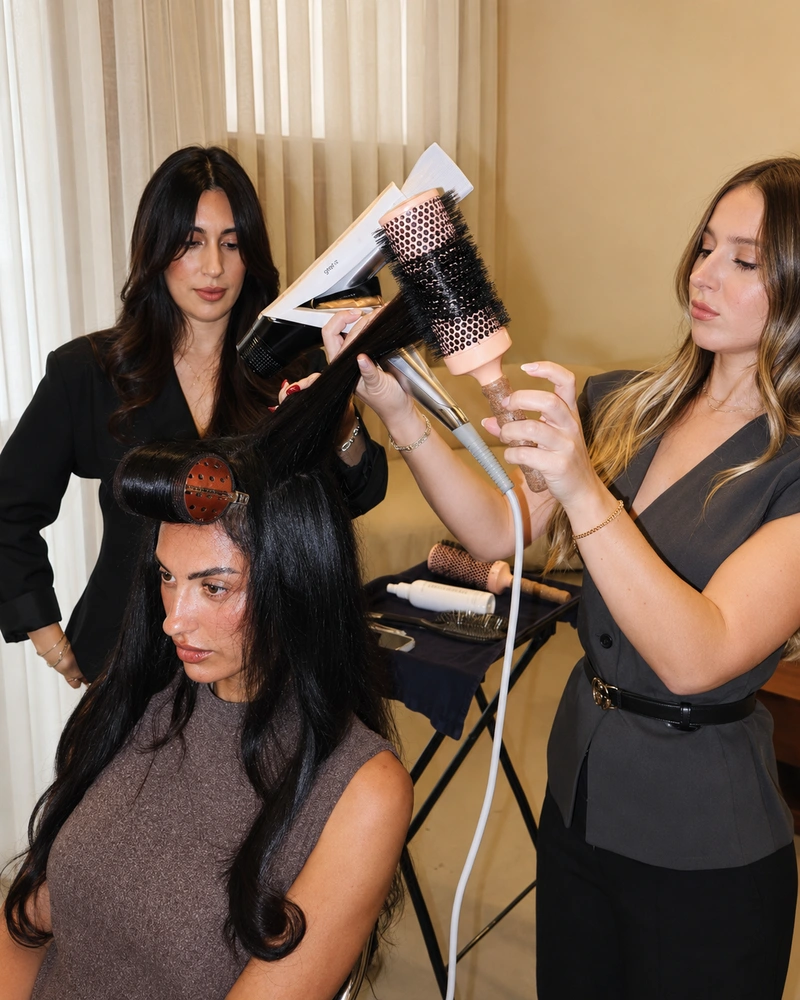
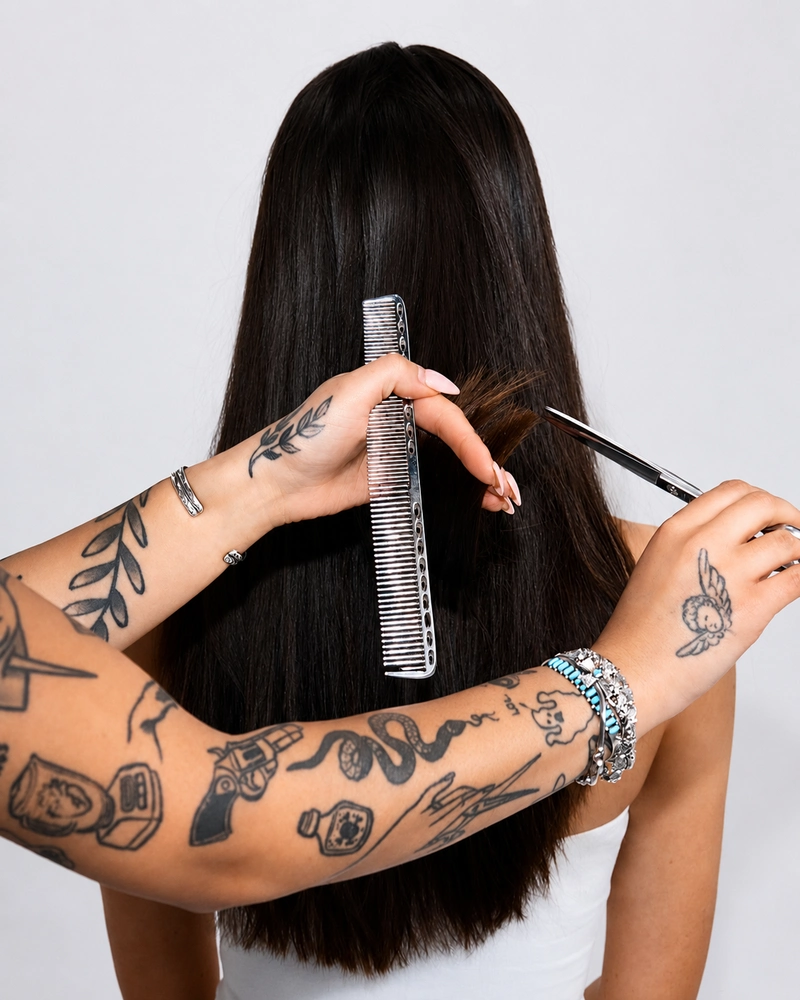
If you prefer a singular, long length without significant layering, you possess the luxury of extending the interval between each salon appointment to five months. This long-term strategy demands consistent, attentive care at home. Because the ends of long hair are the oldest part of the strand, they bear the cumulative impact of months of styling and environmental exposure. Investing in high-quality hydration and protective treatments at home becomes the true secret to maintaining long hair between these extended professional visits.
Curly and coily hair textures operate under a different set of physical laws due to their inherent structure. The natural, springy pattern of these strands often obscures the true length of the hair, a phenomenon known as shrinkage. This characteristic allows for a more relaxed approach to scheduling, as the visual impact of growth happens much more slowly than with straight hair.
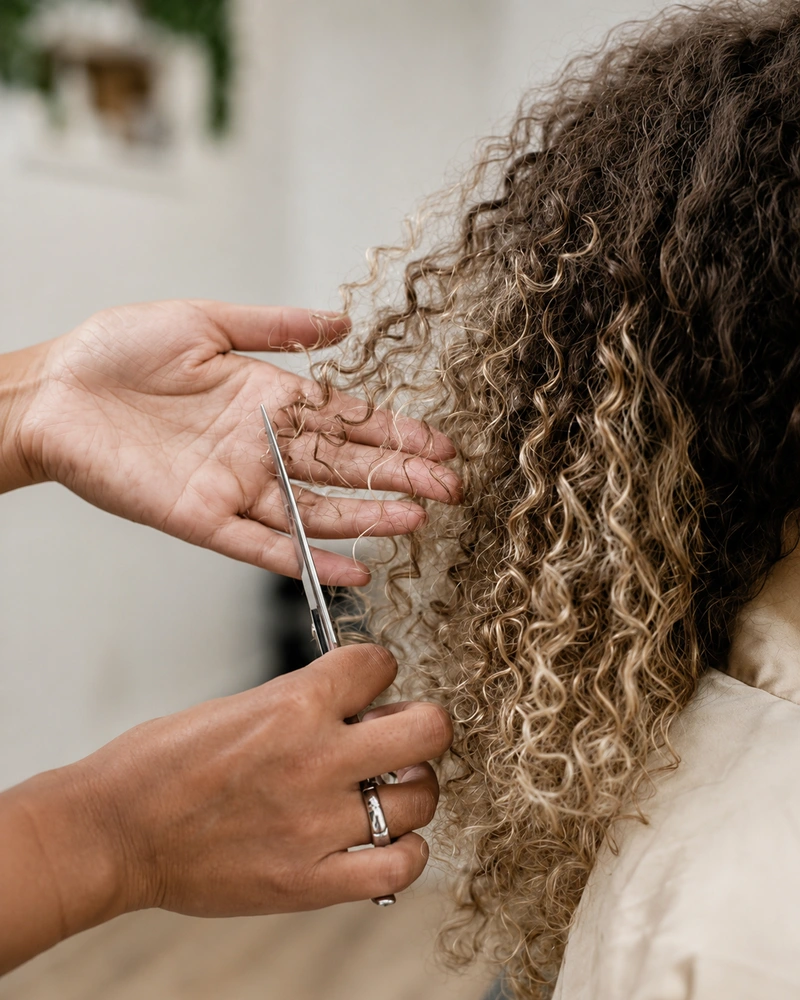
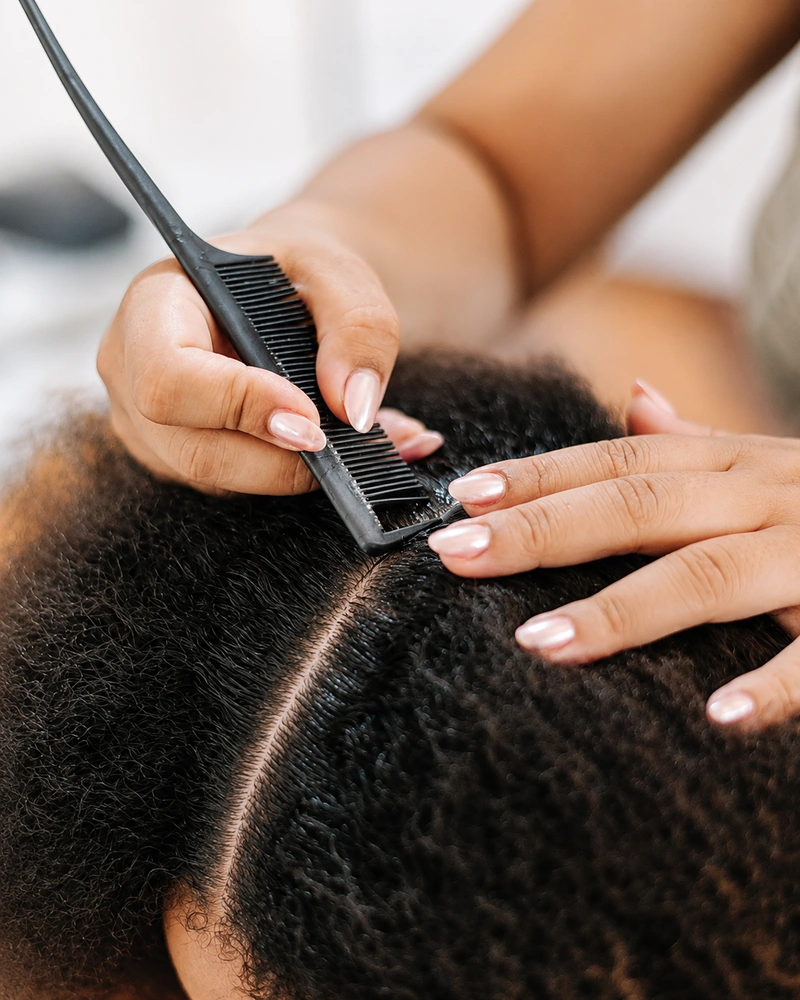
However, you should remain vigilant regarding the integrity of your curls. These textures frequently experience dryness, making them susceptible to split ends and breakage. An analytical evaluation of your ends every six to eight weeks will reveal whether your hair requires a dusting to remove damaged tips. Similarly, fine or chemically treated hair demands a more rigorous salon appointment schedule. Regular heat styling or fragile hair structures benefit from an eight-week trim cycle. Removing microscopic splits before they travel up the hair shaft preserves the overall length and vitality of your hair, allowing you to reach your growth goals with greater efficiency.
Your daily habits dictate the longevity of your cut just as much as the skill of your stylist. Developing a robust routine begins with selecting products specifically formulated for your hair’s unique composition. If your hair lacks moisture, prioritizing hydrating shampoos and conditioners provides the essential foundation for resilience. If your goal involves adding body, selecting products that enhance bounce and texture will support your desired look.
The health of your scalp represents the genesis of all hair growth. A clean, balanced scalp provides the optimal environment for strong, healthy strands to emerge. If you encounter persistent scalp concerns, seeking guidance from a professional helps resolve underlying issues before they affect the quality of your hair.
Furthermore, your approach to heat styling determines the lifespan of your cut. Implementing the use of high-quality thermal protectants creates a necessary barrier against the dehydrating effects of hot tools. Selecting modern tools that offer precise temperature control also helps minimize unnecessary stress on the cuticle. When you integrate these smart, protective habits into your daily ritual, you elevate the quality of your hair, ensuring that every salon appointment remains a beautiful, intentional expression of your personal style for months on end.
Advertisement