Why the labia puff procedure is becoming one of the fastest-growing procedures in cosmetic gynecology, and what it reveals about changing beauty standards for the vulva.

Why Labia Puff Procedure Is Beauty’s Most Private Procedure
Why the labia puff procedure is becoming one of the fastest-growing procedures in cosmetic gynecology, and what it reveals about changing beauty standards for the vulva.
March 13, 2026
Advertisement

Advertisement



In the film Sleeping Beauty (2011), during a recruitment interview for an unusual service catering to wealthy clients, the young protagonist - played by Emily Browning - is told something both solemn and strangely poetic: “Your vagina is a temple.”
Later, she receives another piece of advice that has since taken on an almost mythic status in beauty folklore: choose a lipstick shade that matches the natural color of your body. The suggestion is provocative, even unsettling, yet it echoes a long-standing paradox in Western culture. The most intimate part of the female body has historically been treated as both taboo and spectacle. It is hidden from view, yet endlessly referenced through symbols, metaphors, and aesthetics.

Art history offers its own famous example. In 1866, painter Gustave Courbet shocked the art world with L'Origine du monde: a painting that presented the female body with startling directness, positioning the vulva as the literal “origin of the world.” For decades, the work was concealed from public display, yet it remains one of the most powerful cultural reminders of how fascination and discomfort around female anatomy has long coexisted.
In other words, the vulva rarely existed outside the tension between reverence and secrecy. It has been framed as a sanctuary, a source of life, a forbidden subject, and increasingly, a site of aesthetic attention.
For decades, that attention expressed itself mostly through grooming rituals. Waxing, trimming, and the styling of pubic hair became commonplace in the late 20th century, sometimes even crossing into pop culture spectacle. In the early 2000s, introduced by designer Tom Ford, a controversial campaign for Gucci Envy famously referenced stylized pubic hair as part of its provocative imagery.

Today, however, the conversation is moving beyond grooming. In the expanding world of aesthetic medicine, the most private part of the body is increasingly being approached not just as something to maintain, but something to enhance.
Among the newest procedures drawing attention is the labia puff, a treatment designed to restore volume to the labia majora, the outer folds of the vulva. The name may sound playful, but the cultural shift behind it reflects something much larger: an expanding beauty industry that increasingly includes even the most intimate parts of the body.

“You never really know what other women’s bodies look like,” urologist Fenwa Milhouse, MD, previously told Allure magazine. “One day it’s going to be a household type of thing, where we talk about it the way we talk about breast implants.”
Whether that prediction comes true remains to be seen. Yet the numbers suggest that intimate aesthetics is no longer a niche corner of cosmetic medicine.
Industry analysts estimate that the global cosmetic gynecology market will grow from roughly $1 billion in the mid-2020s to more than $2.4 billion by the early 2030s, making it one of the fastest-expanding sectors within aesthetic medicine.
What Is a Labia Puff Procedure?
Despite the dramatic name, the labia puff procedure is typically quick and minimally invasive.
Most treatments involve injecting hyaluronic acid filler into the labia majora, the same category of injectable used to restore volume in the face. The goal is subtle: to create a smoother, fuller appearance that some patients associate with youthfulness.

“It’s to look a little more plump and youthful,” Dr. Milhouse explained in her interview with Allure magazine. “I’ve had women in their 20s get this procedure because they feel their labia majora are very underwhelming, and certainly peri- and postmenopausal women get it as well.”
Results usually last around a year when fillers are used, though some practitioners offer fat grafting, which transfers purified fat from another part of the body and can last longer.
While the labia puff itself is still relatively uncommon, it belongs to a broader category of intimate procedures that have surged in popularity over the past decade.
In 2023 alone, surgeons performed an estimated 168,000 labiaplasty procedures worldwide, making it the most common cosmetic surgery involving the vulva.
Why More Women Are Thinking About Their Vulvas
The reasons behind this trend are complex: part biological, part cultural.
Aging and Hormonal Changes
Like facial skin, the tissue of the vulva changes with age. Hormonal shifts, declining estrogen levels, and collagen loss can cause the labia majora to lose volume.

“Just like every part of our skin, the labia can sag and they can become less full,” dermatologist Mona Gohara, MD, told Allure magazine. “Our estrogen levels dip and so does collagen, so does elastin.”
For some women, procedures like the labia puff mirror the logic of facial fillers: restoring volume that time has gradually taken away.
Visibility in the Grooming Era
Another reason may be simple visibility.
According to survey data cited by Allure magazine, 84 percent of American women groom their pubic hair regularly, while 62 percent say they have removed it entirely at some point. With less hair covering the vulva, anatomy becomes easier to see, and inevitably, easier to scrutinize.
“If we were all hairier, this would not be a thing,” Dr. Milhouse noted.

A New Kind of Beauty Standard
The internet has also quietly shaped expectations about what vulvas should look like.
In many pornographic images and adult films, the outer labia appear smooth, full, and often conceal the inner folds. Whether intentional or not, those images can influence how people perceive their own anatomy.


It’s a cultural shift reflected in the broader rise of genital cosmetic procedures. In the United States alone, labiaplasty procedures increased by more than 200 percent between 2012 and 2017, making it one of the fastest-growing aesthetic surgeries in the country.
Interestingly, younger women appear to be driving much of that demand. Patients between 19 and 34 years old now account for more than half of labiaplasty procedures globally, suggesting that conversations about intimate aesthetics are reaching new generations.
Where the Trend Is Growing Fastest
Like many aesthetic trends, the rise of intimate procedures is uneven across the globe.
North America currently dominates the market for cosmetic gynecology, accounting for roughly 40-46 percent of global demand, followed by Asia-Pacific at around 30 percent and Europe at approximately 20 percent. Latin America and the Middle East remain smaller but steadily expanding markets.
Within those regions, several countries stand out as major centers for intimate aesthetic procedures.
The United States remains the single largest market, performing nearly a quarter of all labiaplasty surgeries worldwide. Brazil follows closely behind with roughly 12 percent of global procedures, while Germany, Mexico, and Turkey have emerged as major hubs for both domestic patients and international medical tourism.
Meanwhile, countries such as South Korea and Thailand, already famous for cosmetic surgery, have also seen a growing interest in intimate aesthetic treatments.
Where Intimate Aesthetics Remains Controversial
Yet the global story of the labia puff is not simply one of growth.
In some parts of the world, procedures involving female genital anatomy exist in a far more complicated legal and cultural landscape.
Many countries enforce strict laws against Female Genital Mutilation (FGM)—legislation designed to prevent harmful or coercive alterations to female genitalia. These laws exist in places such as the United Kingdom and New Zealand, among others.
Cosmetic surgeries like labiaplasty or labia augmentation are generally legal when performed by qualified physicians for medical or aesthetic reasons. Still, the ethical debate surrounding genital procedures means that regulation, and public opinion, can be far more cautious.

In other regions, including parts of the Middle East and South Asia, the procedures are less common, not necessarily because they are illegal, but because cultural attitudes toward female anatomy remain deeply private. In those cases, patients sometimes travel abroad to seek treatment.
In other words, while the labia puff may be gaining visibility in Western beauty culture, the global conversation around intimate aesthetics remains far more complex.
The Risks of the Labia Puff Procedure
Despite growing interest, experts emphasize that the labia puff is still a medical procedure, not simply a beauty treatment.
Common side effects can include swelling, bruising, tenderness, or temporary asymmetry. In rare cases, more serious complications, such as vascular occlusion, may cause blockage of a blood vessel, can occur.
For that reason, some physicians remain cautious.
Dr. Gohara ultimately decided not to offer the treatment in her own practice. As she explained to Allure magazine, “This is an area involved with intimacy, whether with yourself or a partner, so complications could have far more impact on your quality of life than they would when placing filler in other parts of the body.”
Patients considering the treatment are typically advised to seek specialists with expertise in gynecology, urology, or plastic surgery, who are familiar with the complex anatomy of the vulva.
The Future of Intimate Aesthetics
The rise of the labia puff reflects a broader transformation in cosmetic medicine.
Procedures that were once considered taboo are increasingly discussed openly as part of a wider movement toward intimate wellness and body confidence. And while debates around beauty standards and medicalization continue, the demand shows little sign of slowing.
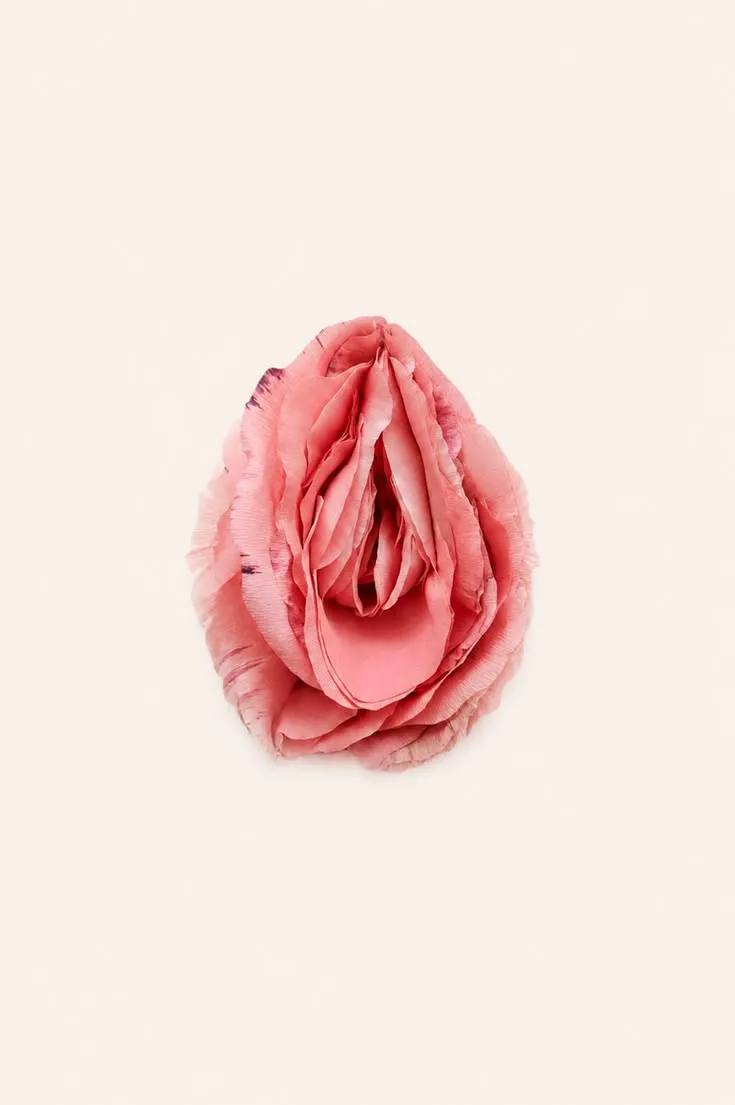
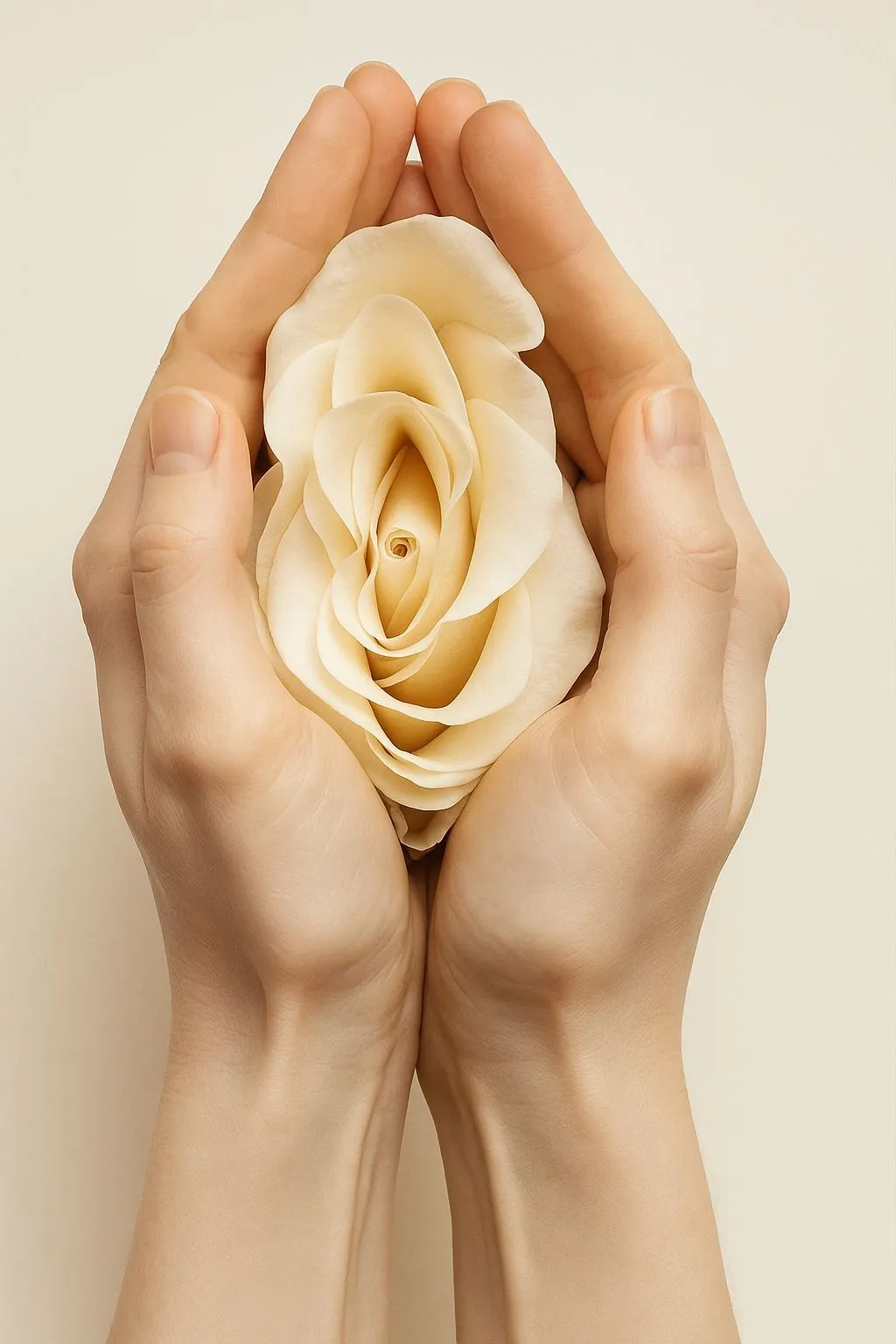
Some studies suggest that more than 95 percent of patients report satisfaction after genital cosmetic procedures, often citing improved body confidence as the primary benefit.
“People say, ‘Why do you even care what you look like down there?’” Dr. Milhouse told Allure magazine. “But when someone knows they look a certain way, they feel a certain way.”
In a beauty culture that increasingly emphasizes personal choice, even the most private corners of the body are no longer outside conversation.
Advertisement