MENU
Close





Crashed into 1916 Zurich like a fire alarm, Dada, or Dadaism mocked the “sensible” world that had engineered trench warfare and called it progress. Dada’s mission felt simple: Sabotage the rules, scramble the language, and expose how fragile “culture” looks when history turns brutal.
Crashed into 1916 Zurich like a fire alarm, Dada, or Dadaism mocked the “sensible” world that had engineered trench warfare and called it progress. Dada’s mission felt simple: Sabotage the rules, scramble the language, and expose how fragile “culture” looks when history turns brutal.
January 28, 2026


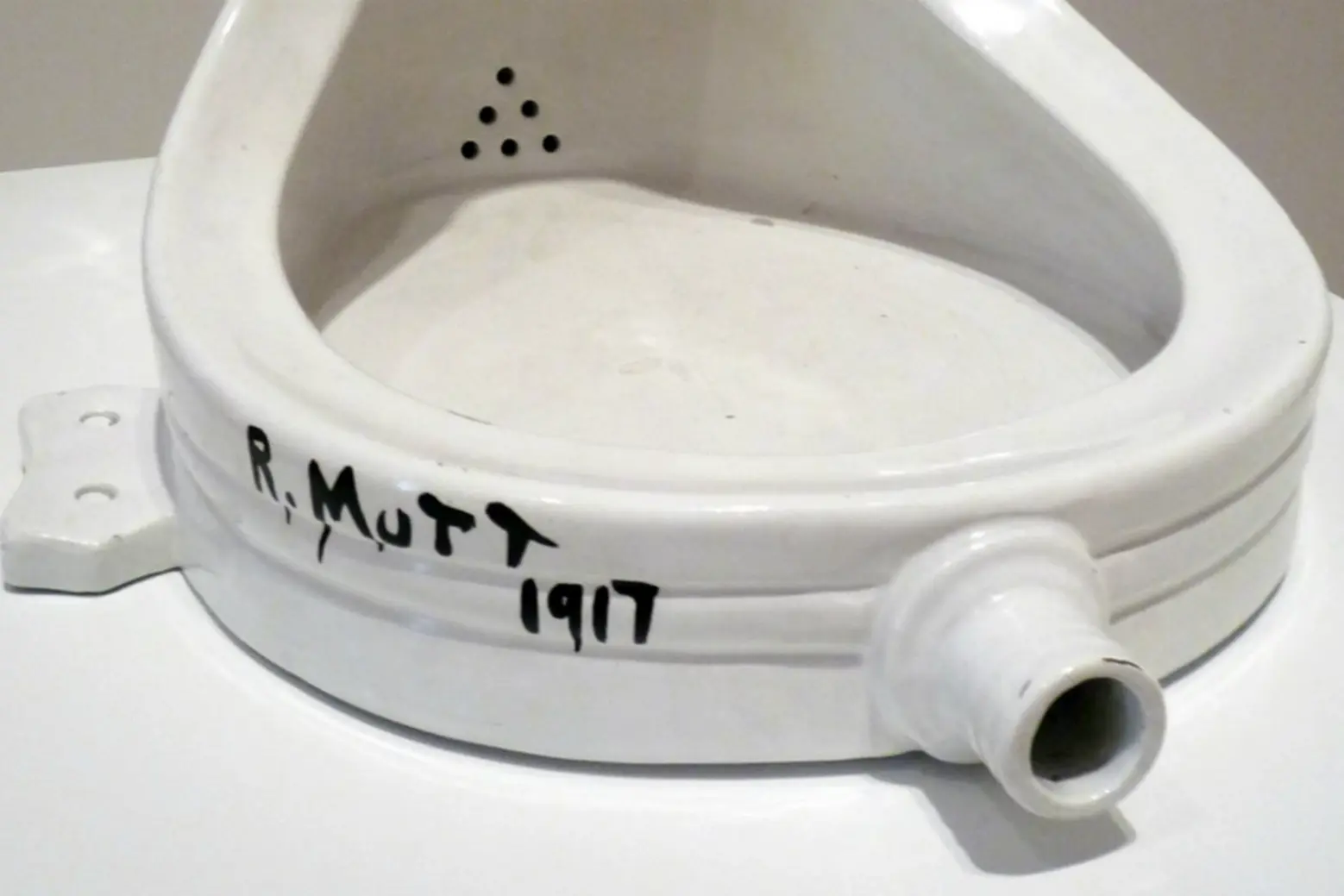
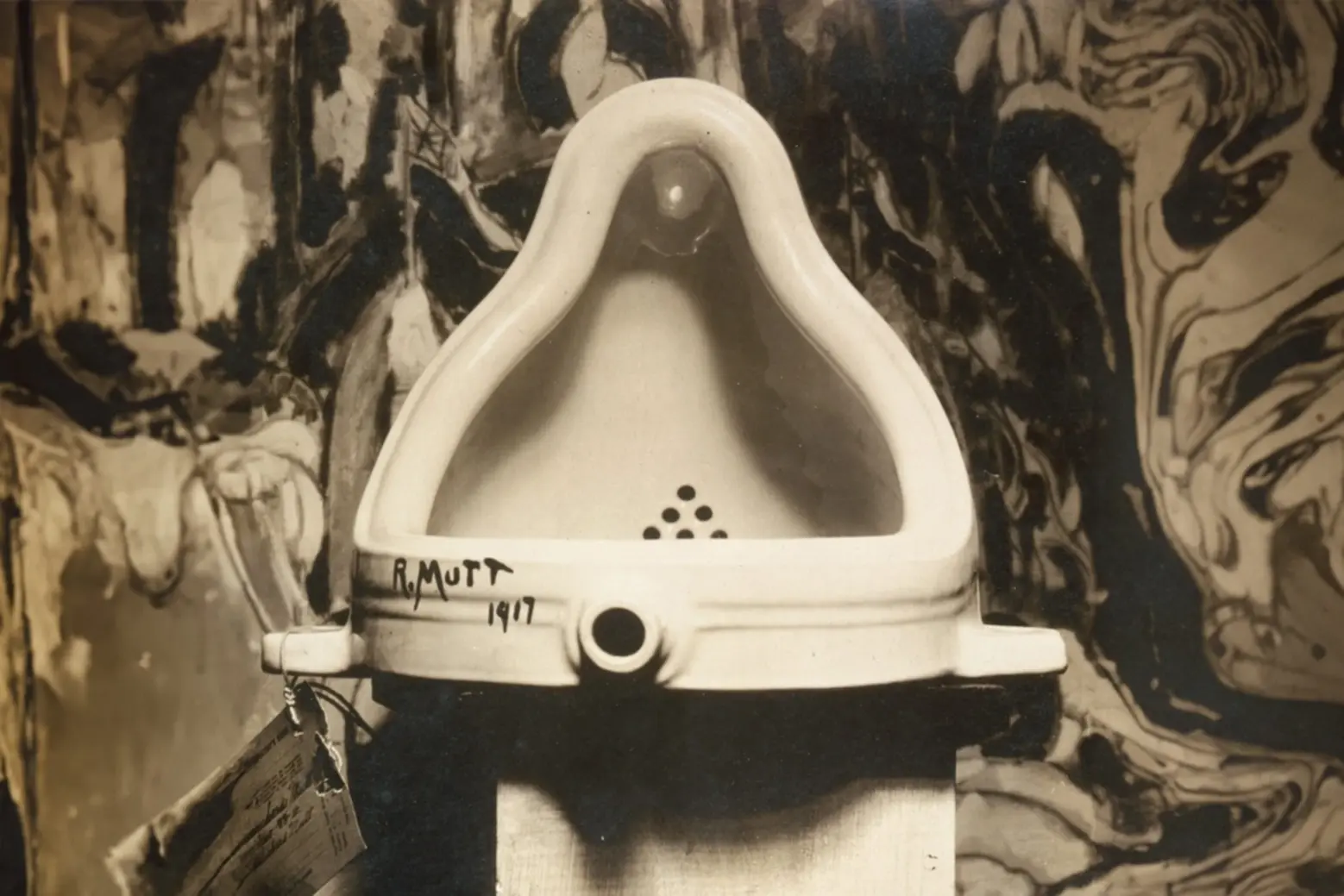
“Dada means nothing,” declared Tristan Tzara, as if daring the world to argue back, while Hugo Ball performed sound poems in a costume so stiff and strange he looked like a human exclamation point. Fun fact: the name “Dada” is often said to come from a dictionary stabbed at random, landing on a word that can mean a children’s hobbyhorse in French, the kind of baby-talk syllable that refuses to grow up, which suited a movement that wanted to unlearn everything. And then there’s the ultimate Dada mic-drop: Marcel Duchamp signing a urinal “R. Mutt” and submitting it as art, detonating a question that still rattles galleries today: who decides what art is, the object, the idea, or the audacity?
Dada begins with a strange comfort: Switzerland, neutral ground, a waiting room for exiles, deserters, poets, radicals, and people allergic to uniforms. In Zurich, Hugo Ball and Emmy Hennings opened the Cabaret Voltaire in 1916, a cramped stage where art stopped trying to be “beautiful” and started trying to be honest in the loudest way possible.
Picture the scene as an intentional sensory accident. Performers recited poems in overlapping languages, music collided with shouting, masks turned faces into symbols, and costumes made bodies look like machines. The audience did not receive an “experience.” The audience received a provocation. Dada treated confusion as a mirror: if the world felt irrational, art could echo that irrationality until everyone heard the punchline.
Even the name carried the movement’s attitude. One legend says a knife landed on “dada” in a dictionary, a word that sounded like a toy, a yes-yes, a baby syllable, a prank. Perfect. Dada wanted a label that refused to behave.
Dada’s philosophy sounded like a tantrum, yet it carried a grim logic: the polished language of reason had marched Europe into catastrophe. So Dada chose absurdity as a tool, almost like emergency medicine. If culture could justify violence with elegant speeches, then culture deserved to be interrupted.
Three Dada moves became legendary:
Dada also understood publicity before “branding” became a corporate religion. Manifestos appeared like grenades. Events dared critics to feel offended. The movement performed its own refusal, turning art into an argument happening in real time.
And yes, Dada could be hilarious. That humor mattered. Laughter, in Dada hands, became a weapon: it punctured authority, it embarrassed grand narratives, it exposed taste as something people worship to feel safe.
Dada spread fast because the mood was contagious. Each city remixed the core impulse, like a punk cover band with different instruments.
Zurich: Performance, sound poetry, a cabaret-as-laboratory energy. Zurich Dada felt like a live wire.
New York: Cooler, sharper, more conceptual. Marcel Duchamp and Man Ray turned Dada into intellectual sabotage, using humor and the gallery system against itself. New York Dada laughed with a raised eyebrow.
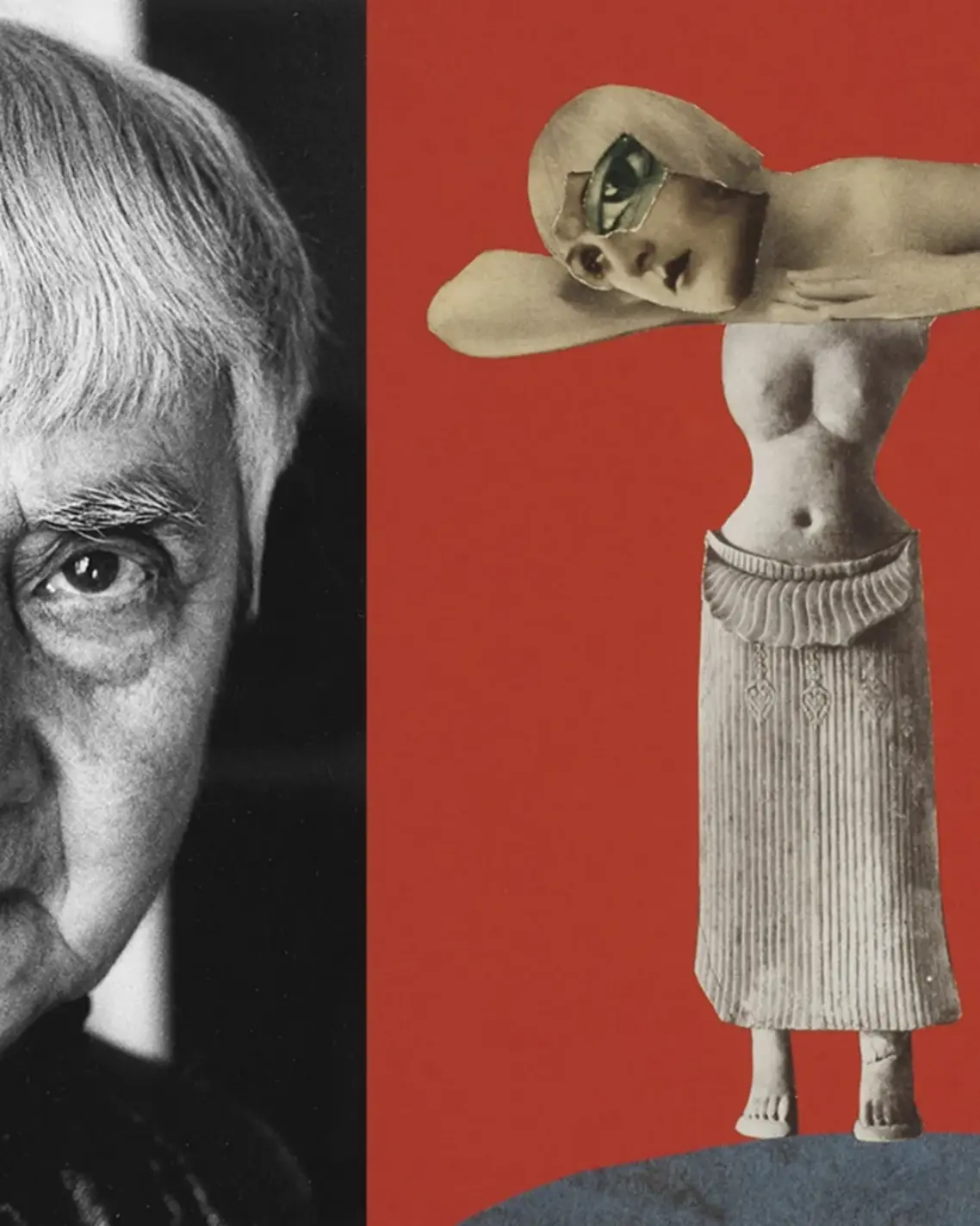
Berlin: Furious and political. In the chaos of postwar Germany, artists like Hannah Höch and John Heartfield attacked propaganda and power structures head-on. Berlin Dada felt like street protest translated into images.
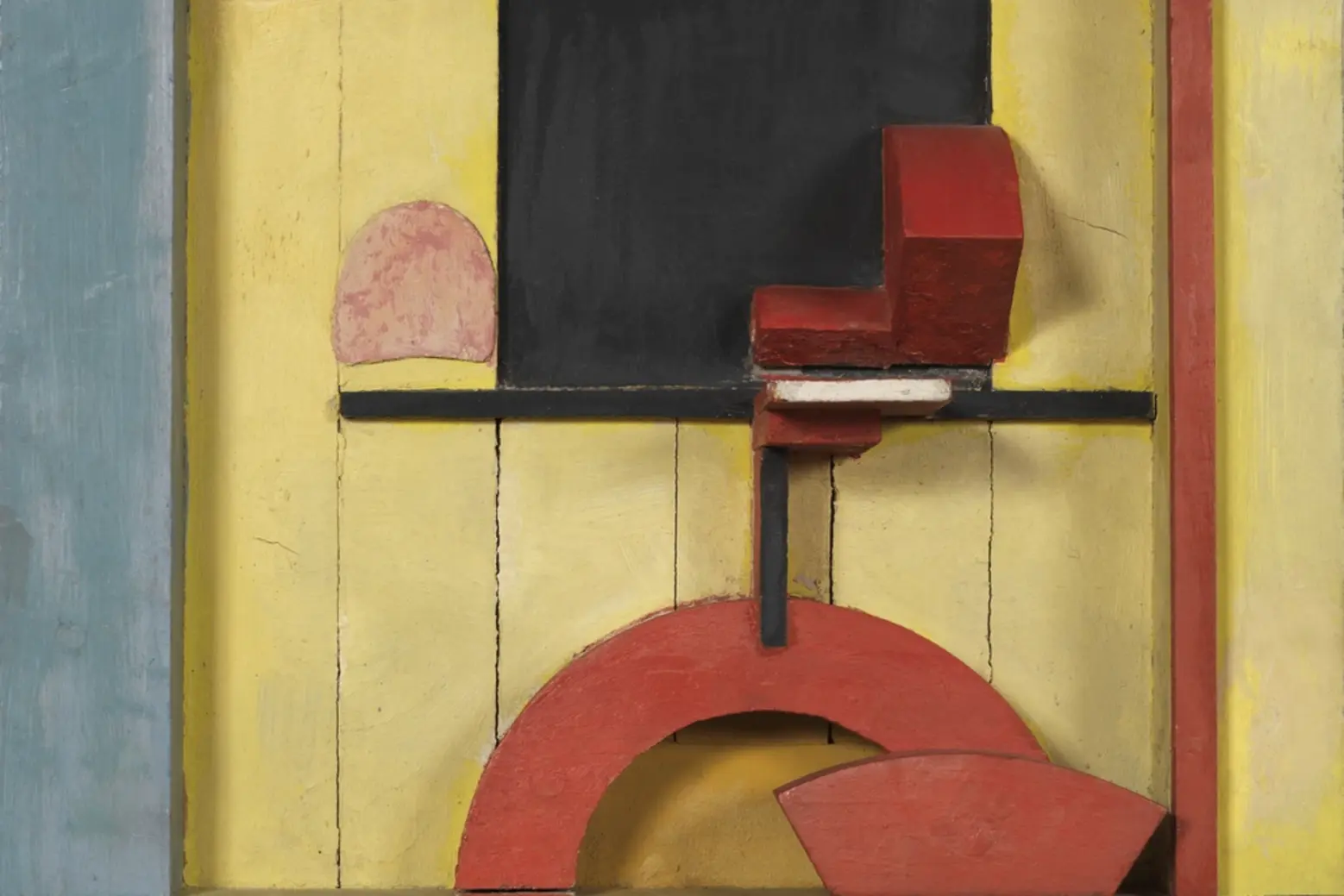
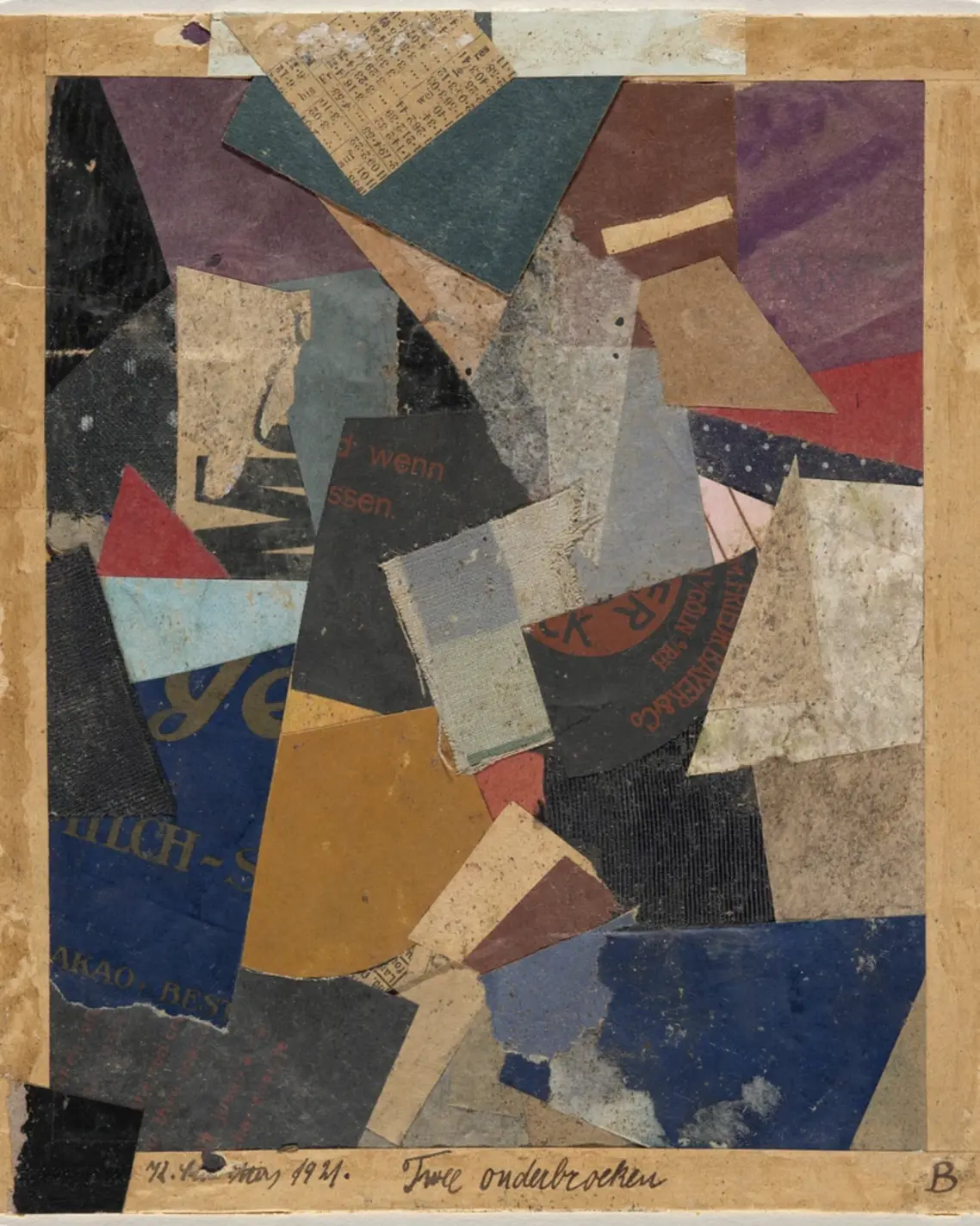
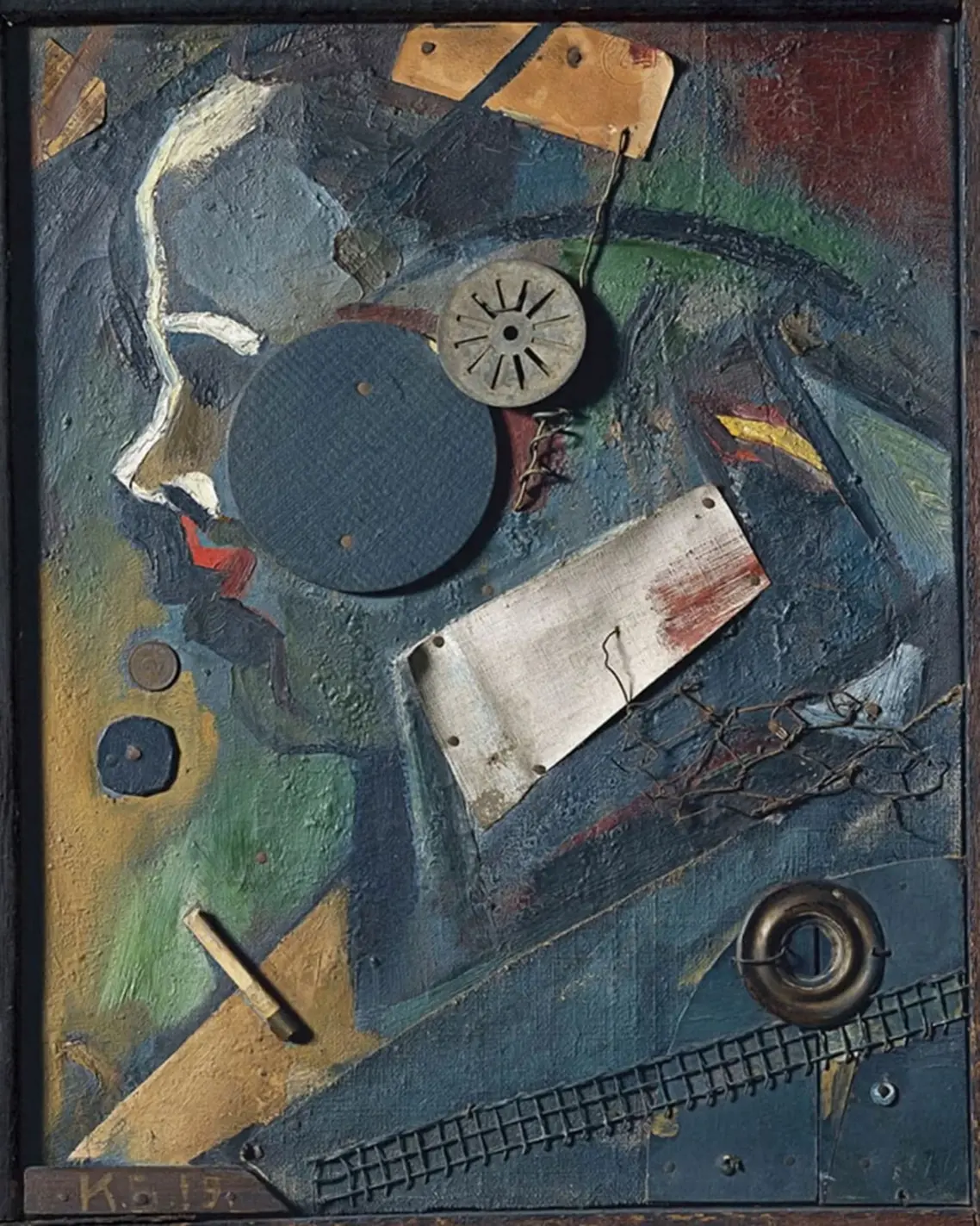
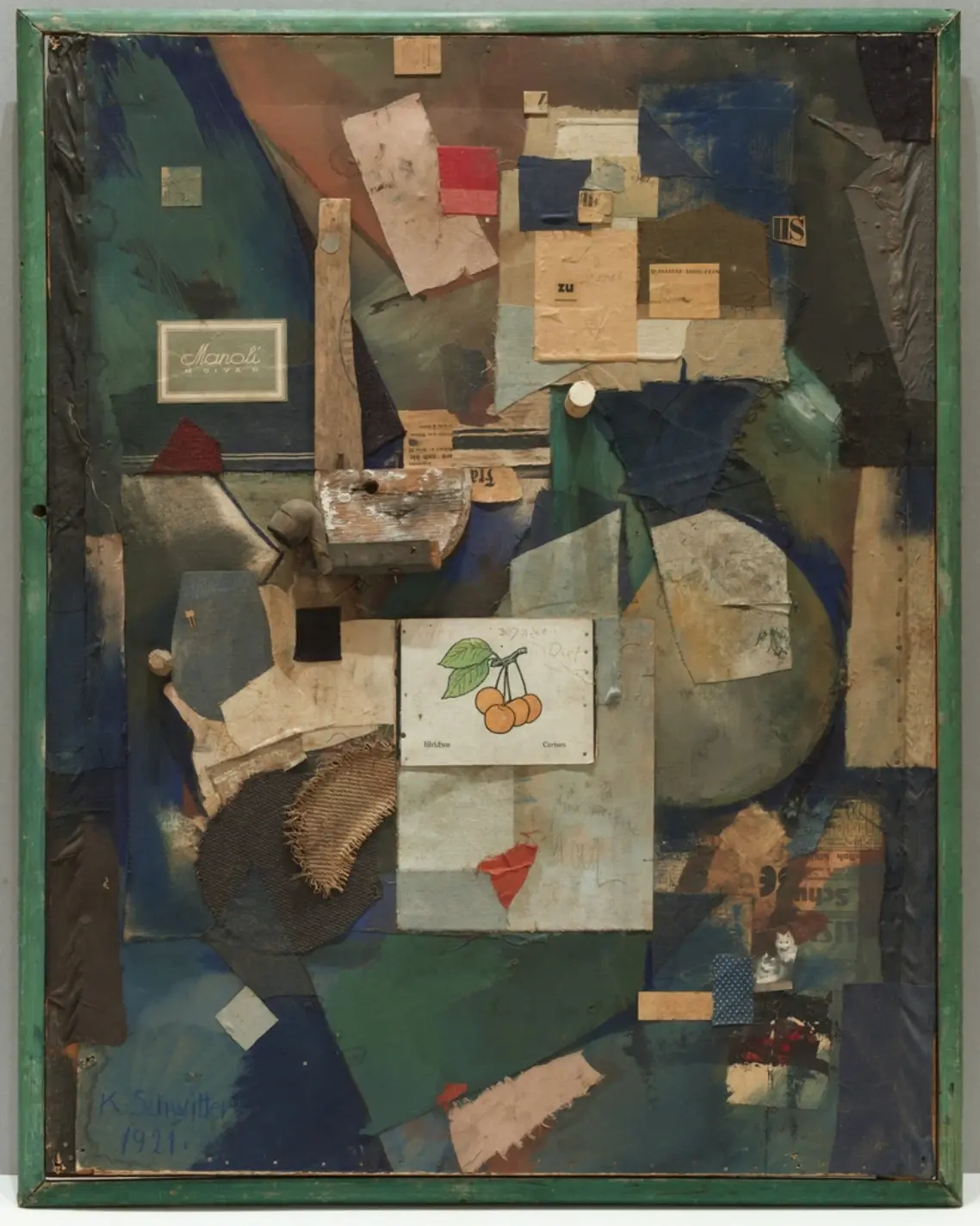
Hanover: Personal, obsessive, made from scraps. Kurt Schwitters built his “Merz” world from tickets, paper, packaging, and the overlooked debris of daily life. Hanover Dada proved that trash holds a biography.
Paris: Literary combustion that eventually fed Surrealism. Paris attracted figures like Francis Picabia and later André Breton, where Dada’s scorched-earth attitude began mutating into dream logic and psychic excavation.
Dada’s travel route tells a story: the movement adapted to local pressures. Where politics sharpened, Dada sharpened. Where the art market glimmered, Dada learned to heckle it with elegance.
Dada changed the rules by treating the “rules” as a material to sculpt, tear, and recycle.
Marcel Duchamp’s most explosive invention was the readymade, an ordinary object elevated into art by context and choice. The most infamous example remains Fountain (1917), a signed urinal presented as a sculpture. The scandal was the point. Dada asked: if a museum frame can turn anything into art, then art has always been a social agreement, not a sacred substance.
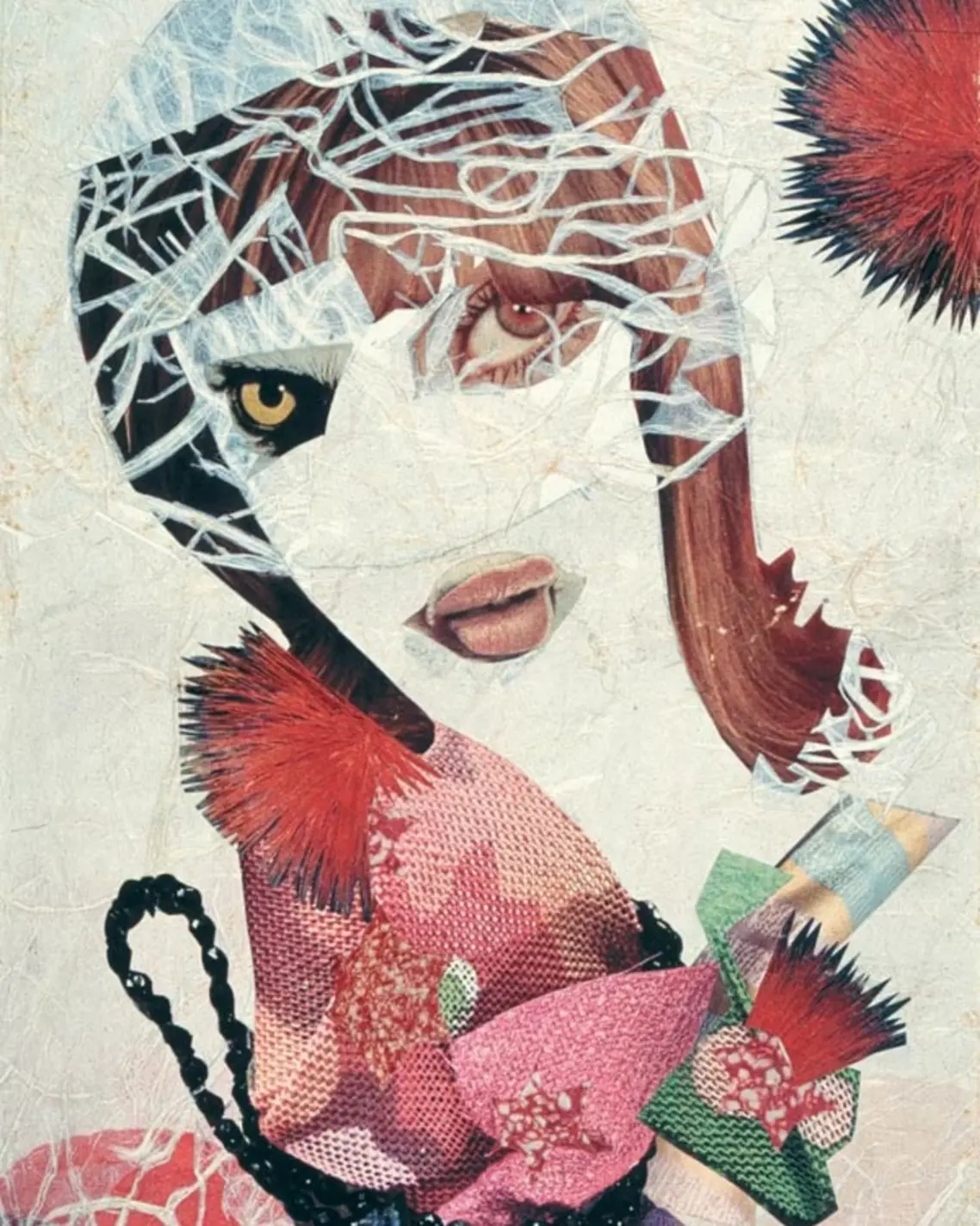
Hannah Höch’s cut-and-paste collages sliced mass media into satire. She treated magazines like a dissection table, rearranging bodies, headlines, machines, and fashion into images that exposed the era’s anxieties about gender, power, and modern life. If memes feel like cultural collage with attitude, that family tree runs straight through Höch.
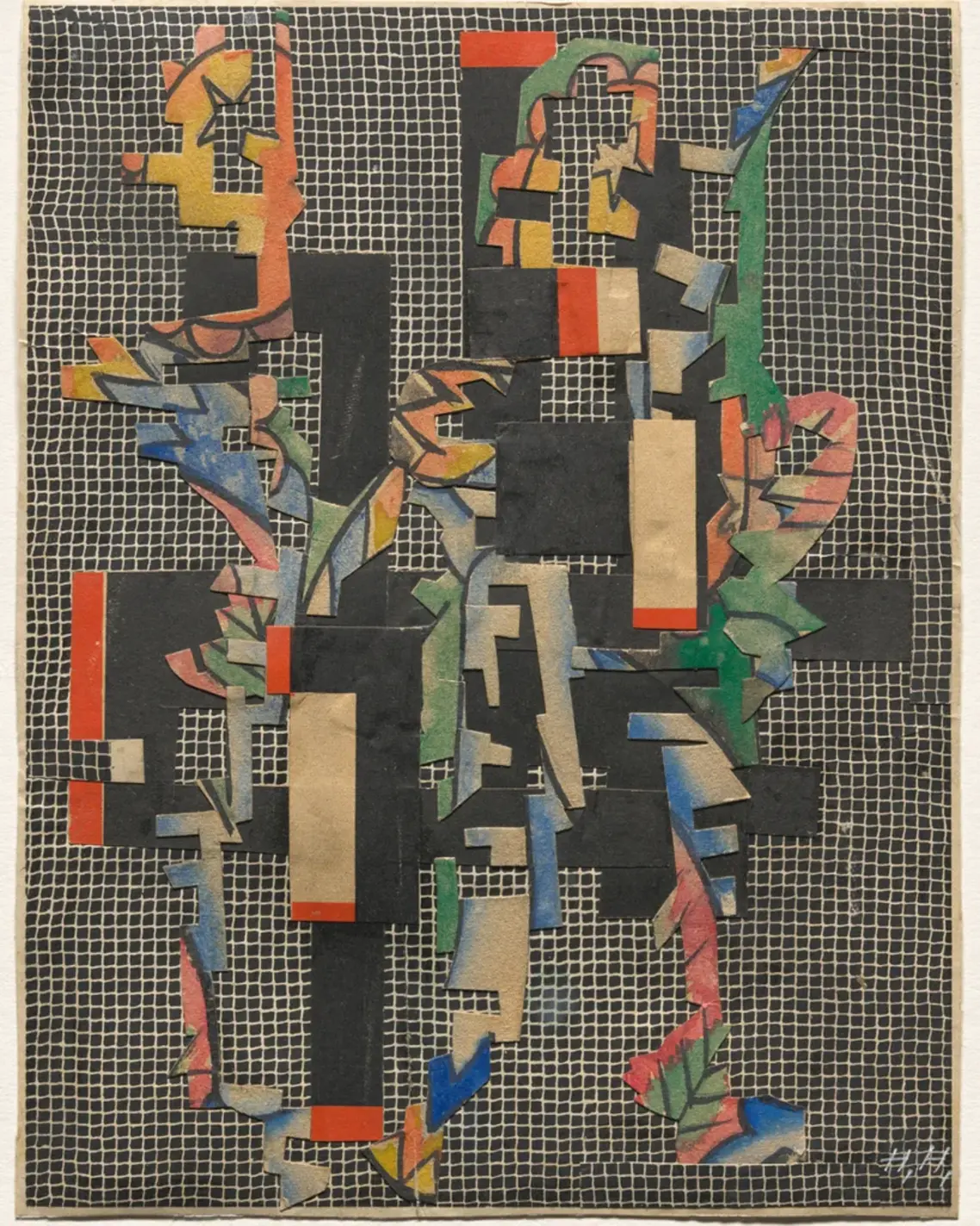
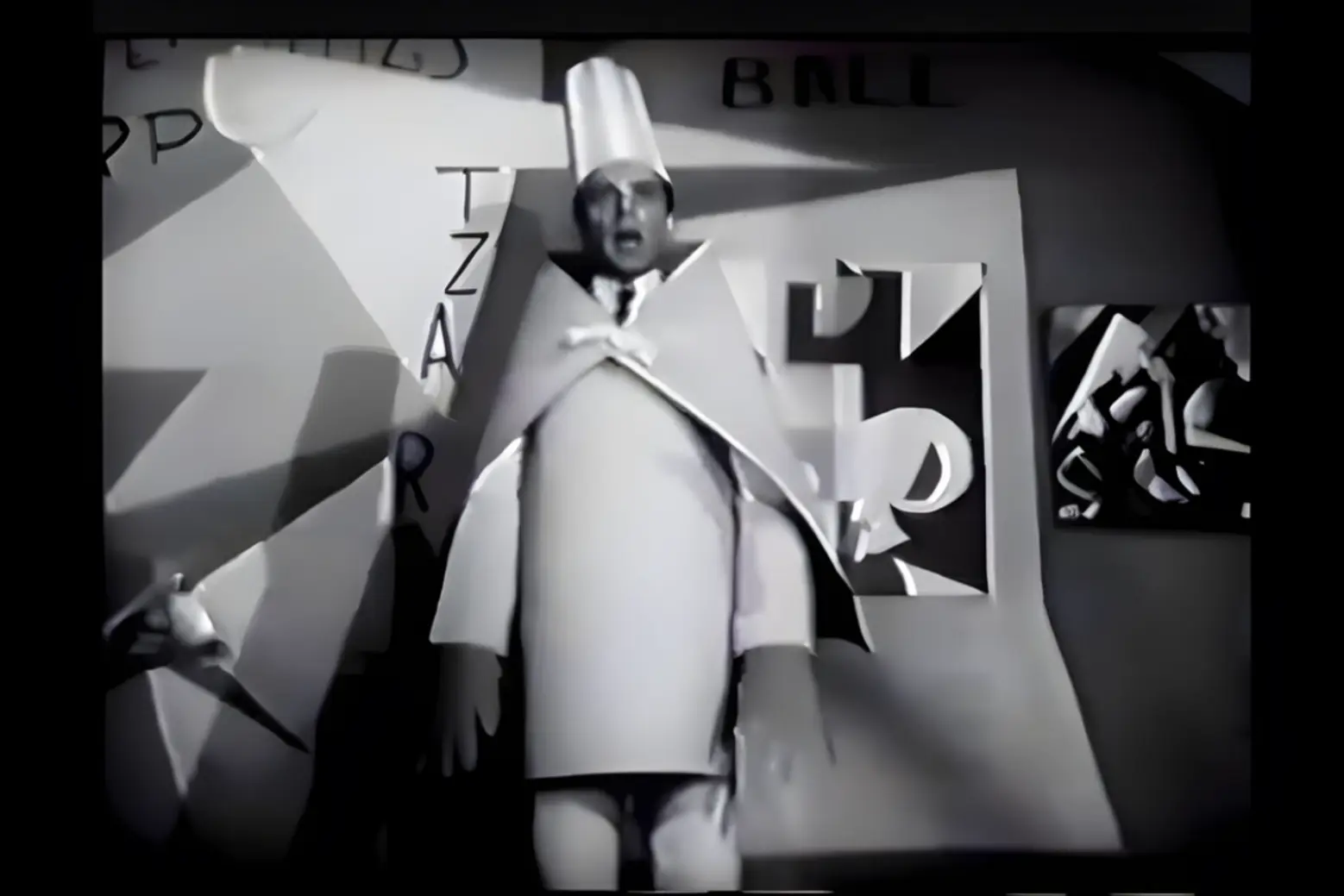
Hugo Ball’s sound poem “Karawane” ditched normal language for pure vocal rhythm. It sounded like a spell, a mechanical lullaby, a protest in syllables. Ball performed in a costume that turned him into a rigid, shimmering shape, part priest, part robot, part warning sign.
Schwitters made a cathedral out of leftovers. His Merz works transformed the thrown-away into the unforgettable. Dada loved that reversal: The world discards, the artist rescues, and meaning appears where “value” once refused to look.
Across these innovations, one message repeats: Art stops being a precious object and becomes a question you keep asking until the room gets uncomfortable.
Dada “ended” on paper sometime in the mid-1920s, yet it never really left the room, it just learned how to possess new bodies. Its afterlife shows up wherever creators treat culture like a system begging to be remixed, hacked, and heckled: in conceptual art, where the idea becomes the engine and the object turns optional; in punk and DIY scenes, where messy, loud, gatekeeper-proof creation feels like a moral stance; and in internet brains, where collage aesthetics, absurdity as commentary, and humor move faster than institutions can blink. Tristan Tzara nailed that swagger in a line that still lands like a grin with sharp teeth: “Dada means nothing. We want to change the world with nothing.”
And if you zoom out, you can see how that “nothing” didn’t vanish so much as mutate, because Dada has opened up the door the dreamy landscape of Surrealism. Dada was the furious blast that kicked the gallery doors off their hinges, a riot of negation that mocked sense, trashed tradition, and treated taste and ego like bad jokes, often leaning on chance and noise to prove the world’s logic had failed. By around 1924, though, the anti-everything stance began to burn itself out, because you can only live on pure refusal for so long before you need a new kind of revolt. Surrealism, led by André Breton with one foot still in Dada’s wreckage, walked into the smoke and decided the rubble could be rebuilt into a different reality, not by calming down, but by changing direction: from screaming “no” at the world to asking “what else?”
Dadaism mattered because it treated art as a form of resistance, a way to break the hypnosis of “normal.” When the world dresses violence in rational clothes, Dada shows up in a paper hat, banging a pot, and asking the only honest question: Who decided this made sense?