MENU
Close





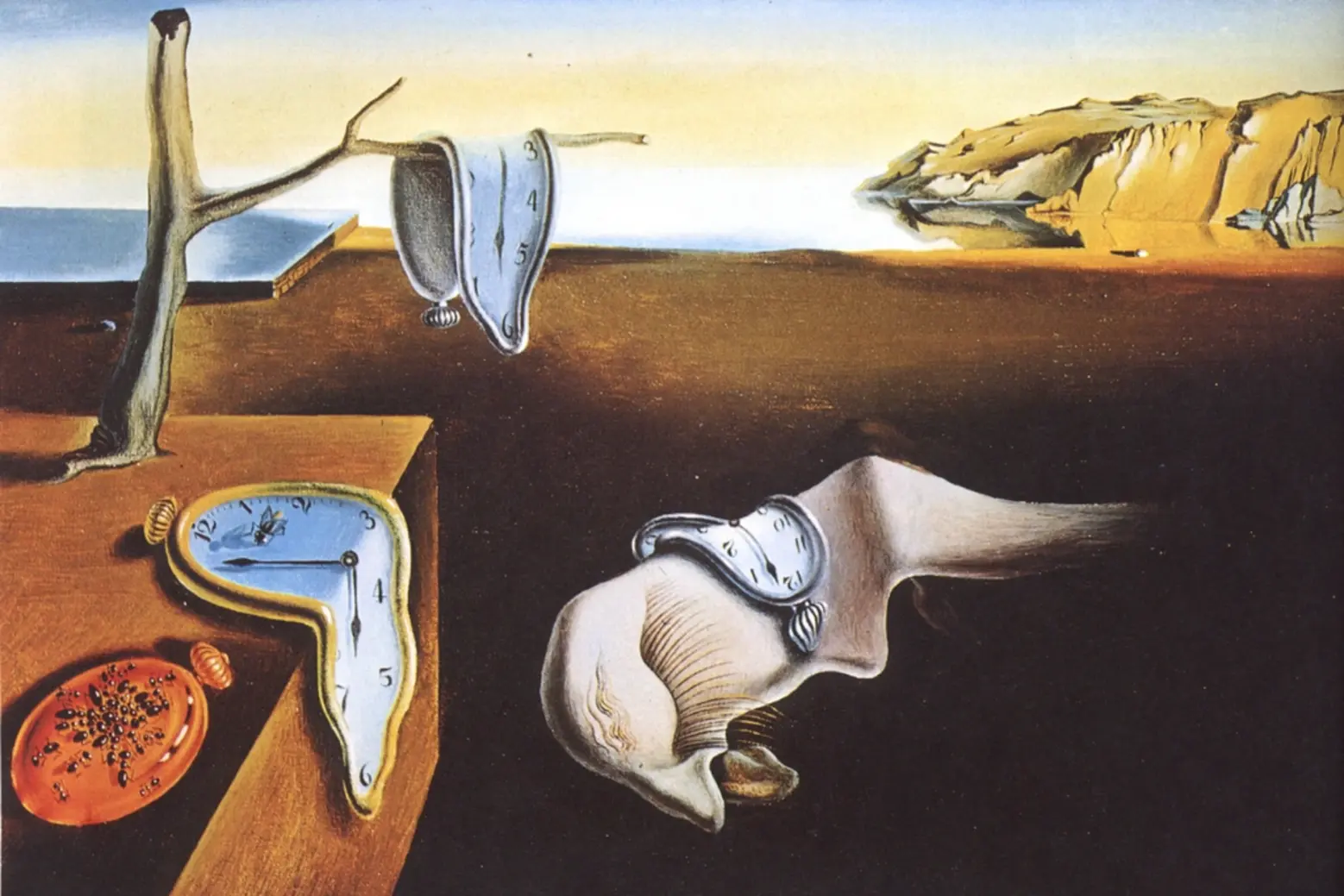
Surrealism arrived with a dare: Treat the unconscious as a studio, dreams as raw material, and reality as something you can edit. A century later, its clocks still melt, its pipes still argue with language, and its women artists finally claim the prices and spotlight they always deserved.
Surrealism arrived with a dare: Treat the unconscious as a studio, dreams as raw material, and reality as something you can edit. A century later, its clocks still melt, its pipes still argue with language, and its women artists finally claim the prices and spotlight they always deserved.
February 3, 2026


Surrealism officially crystallized in Paris in 1924, when André Breton published the Surrealist Manifesto and tried to give a name to a new kind of creative freedom. Its roots sit in Dada, the post World War I eruption that mocked the “reasonable” world that had produced industrial catastrophe. If Dada loved sabotage, Surrealism loved discovery: It chased what happened beneath the tidy surface of logic.
That chase had a map: Modern psychology. Surrealists read Freud as a guide to dream imagery and hidden desire, and they treated the mind as a landscape filled with symbols, glitches, and secret corridors. By the late 1930s and into World War II, the movement’s internal politics and the pressure of history scattered artists across borders, with many arriving in New York. The historic exhibition at the Julien Levy Gallery in 1932 marks the movement's "grand debut" in America, opening up an era of where the unconscious could later matter to American painting.
Breton’s most famous definition frames Surrealism as “pure psychic automatism,” meaning expression that flows with as little rational control as possible. The goal was ambitious: Fuse dream and waking life into a single “surreality,” a higher, stranger realism where contradictions coexist instead of cancelling each other out.
That is why Surrealism produced methods as much as masterpieces. Automatism, automatic writing, automatic drawing, and the exquisite corpse game all aimed to bypass the censoring brain and let thought arrive in a more unfiltered form. Then came the signature mood: the uncanny. Ordinary objects placed in impossible contexts create a flicker in the viewer, a feeling that the world has slipped one degree off its hinge.
Surrealism also carried political hunger. At various moments, Surrealists aligned themselves with Marxist and communist currents, imagining liberation of the psyche as part of liberation in society. Even when the movement argued with itself, that tension between inner freedom and collective struggle stayed central to its identity.
Surrealism is often reduced to a few icons, yet its power comes from how differently each artist staged the dream.
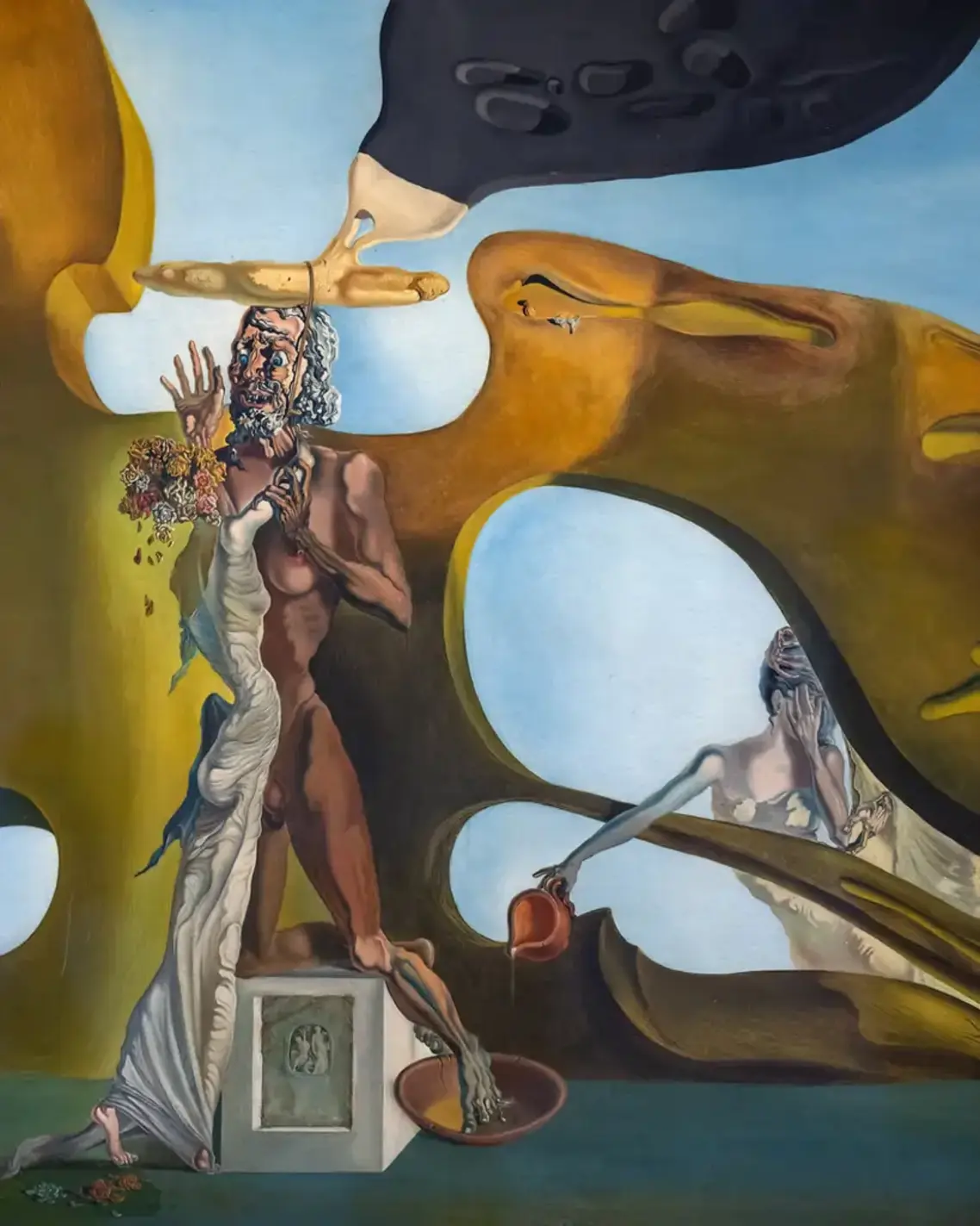
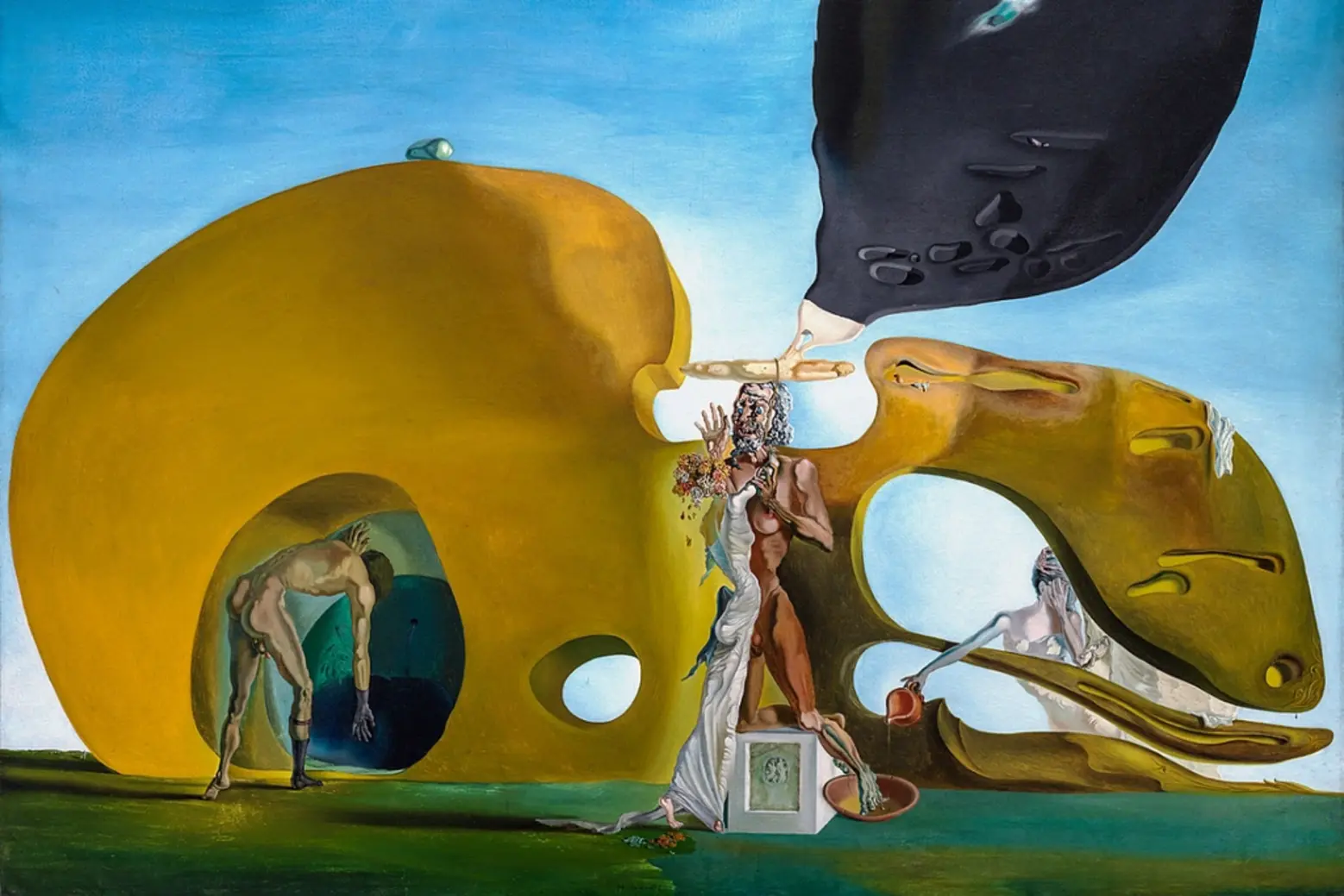
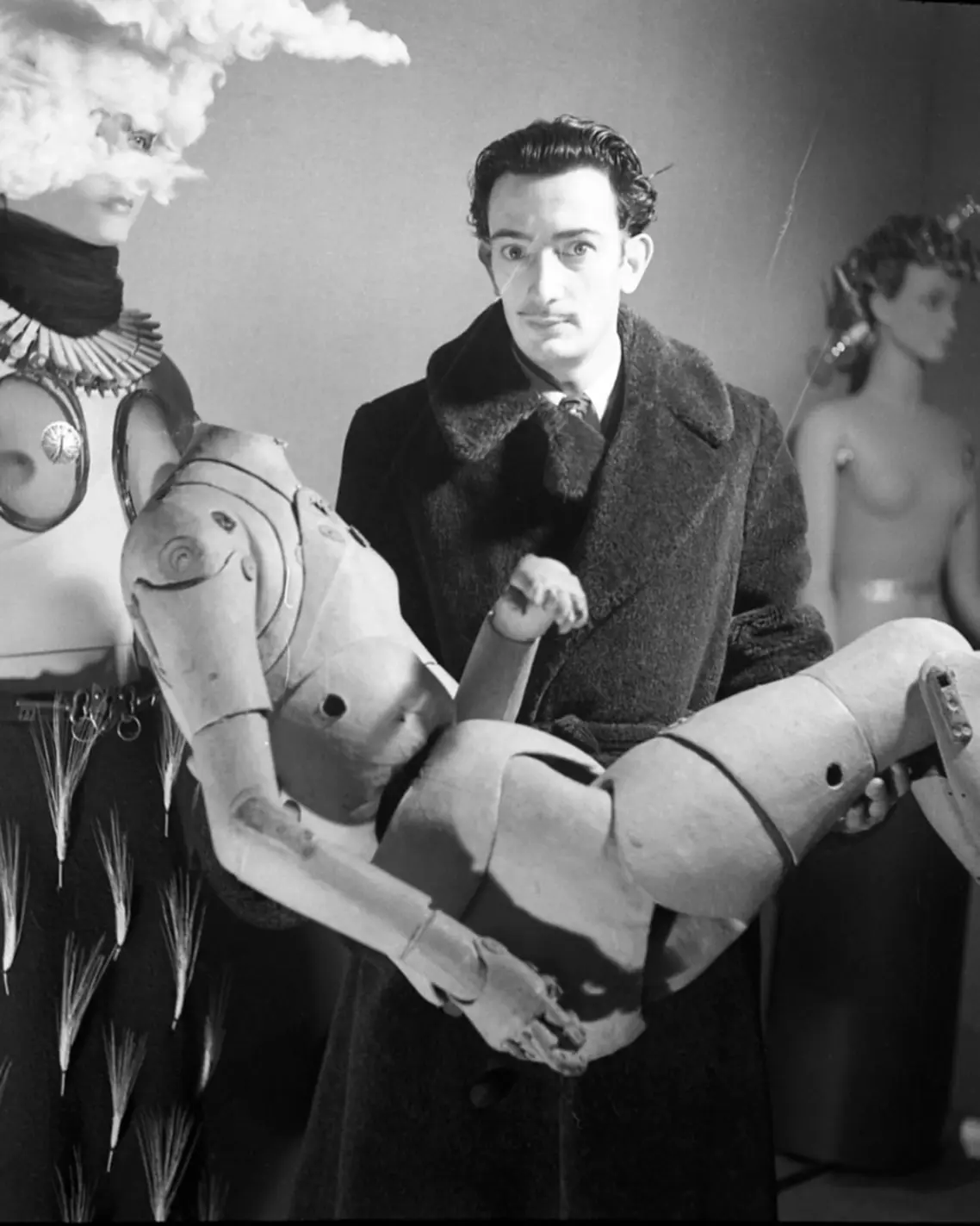
Salvador Dalí performed precision like a magic trick: Crisp, academic technique used to paint irrational scenes with counterfeit clarity, as if a nightmare had perfect lighting. His approach made the bizarre feel “documented,” which is why his imagery still reads like a screenshot from a mind you almost recognize.
René Magritte worked with conceptual wit. A pipe with a caption, a night sky in daylight, a face replaced by an object. He turned painting into philosophy that can be hung on a wall, forcing viewers to question how words, images, and things relate. His Surrealism feels especially modern because it anticipates today’s battles over representation, media, and belief.
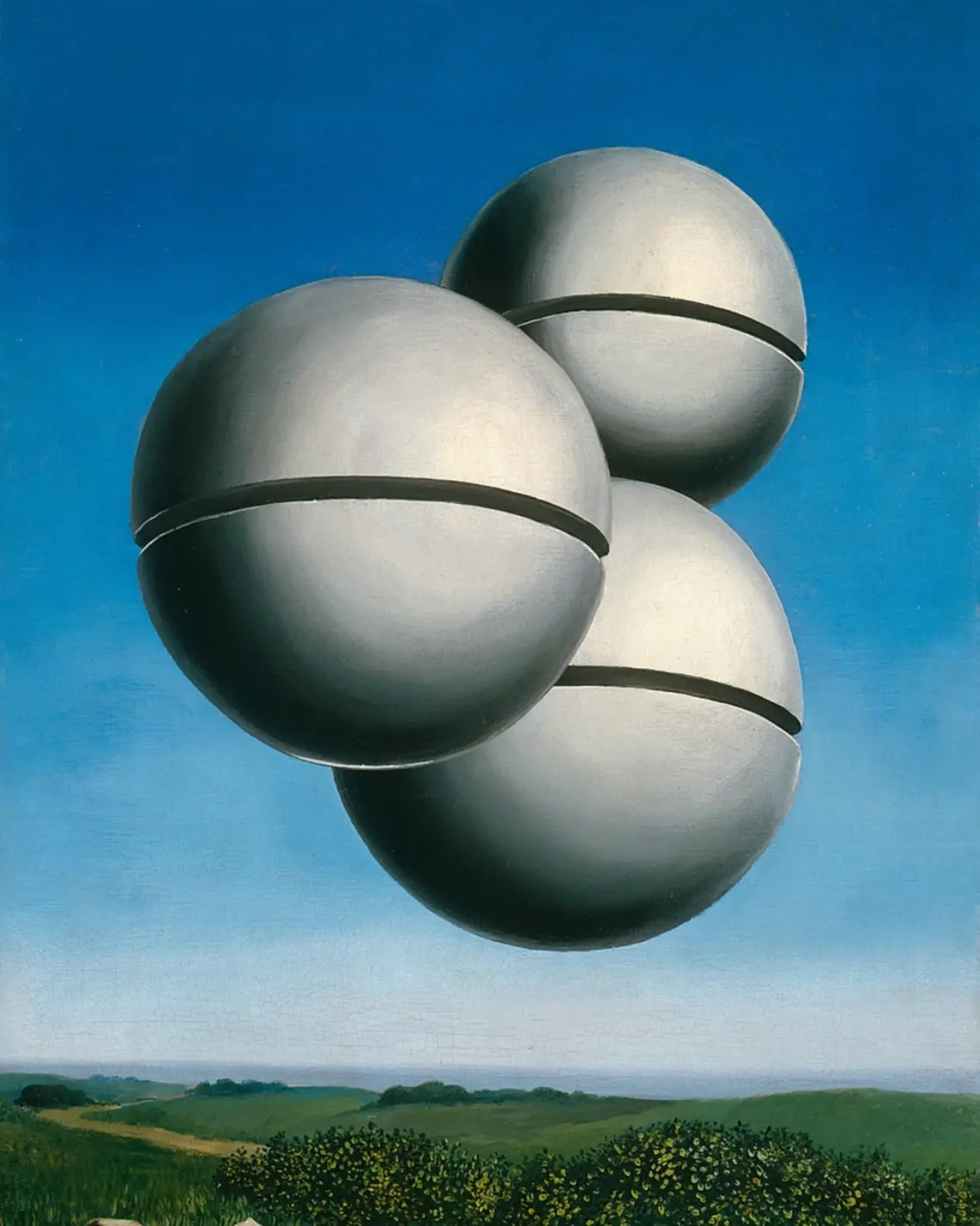
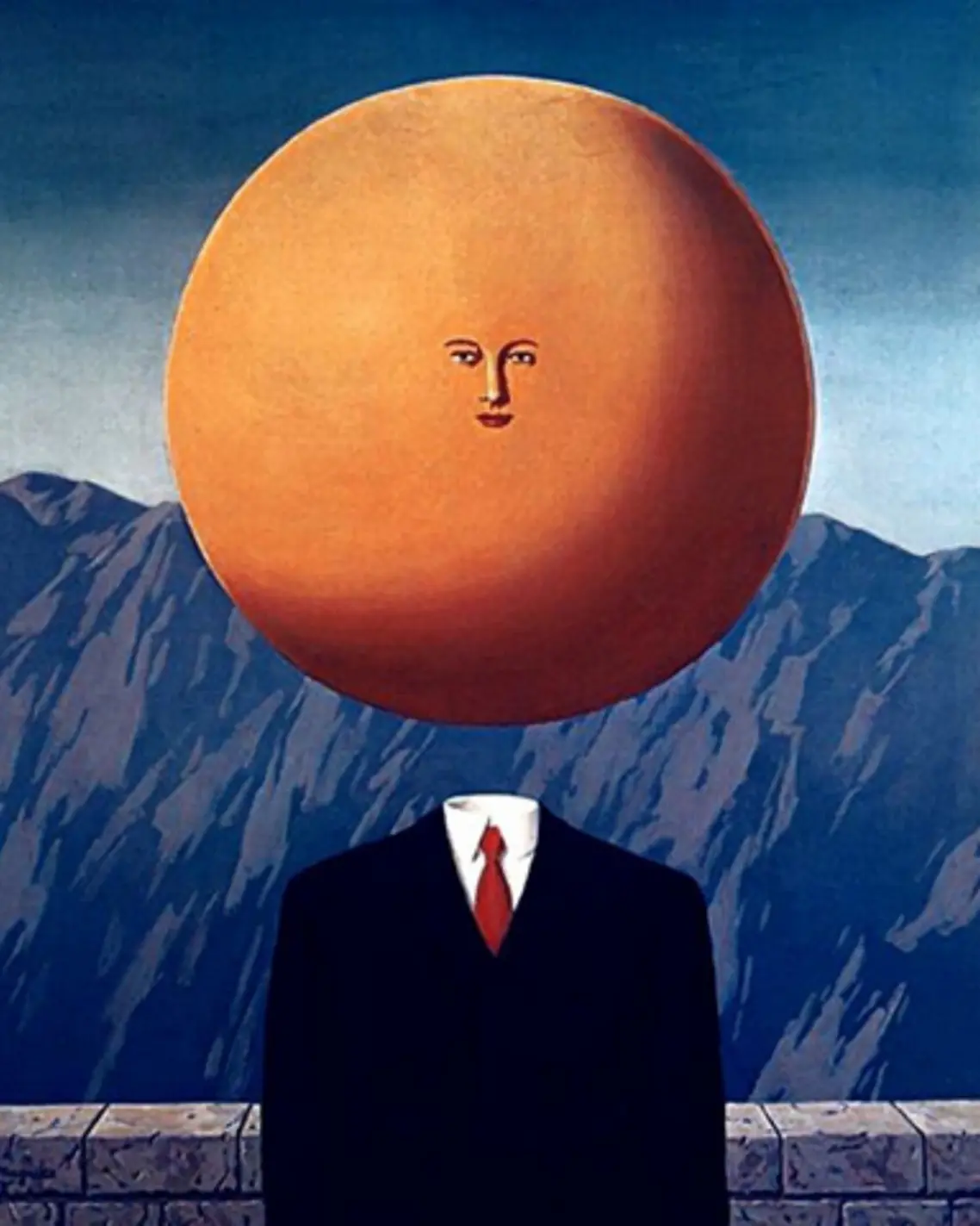
Max Ernst treated invention as a laboratory. Techniques like frottage and grattage let texture generate forms, as if the material itself had dreams. Joan Miró translated the unconscious into a floating alphabet of signs: Biomorphic shapes that suggest creatures, constellations, and impulses without pinning them down.
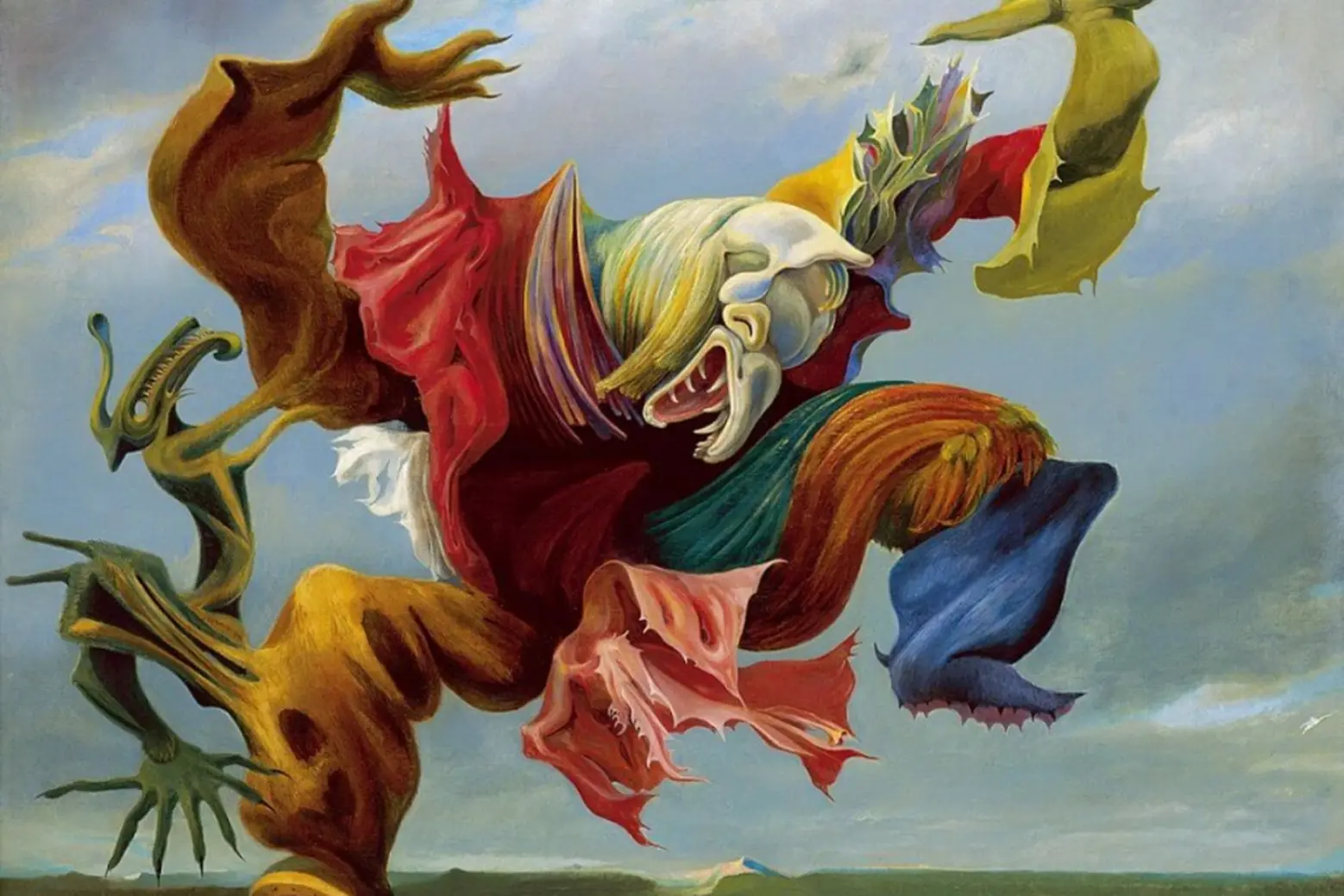
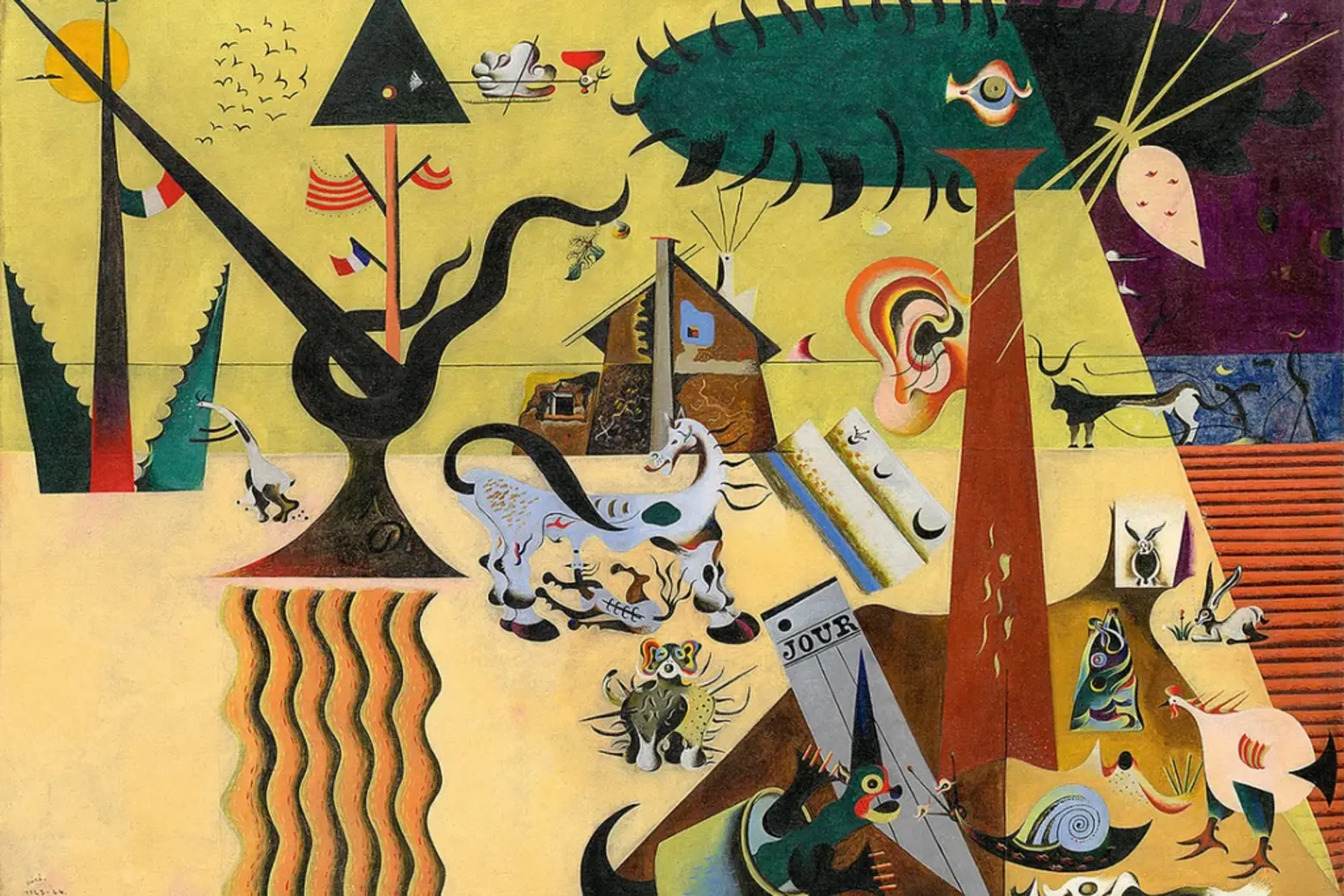
Then come the artists who rewrote Surrealism’s center of gravity.
Leonora Carrington built a feminist Surrealism of alchemy, metamorphosis, animals, and occult intelligence, where myth becomes a tool for autonomy as much as fantasy. Her worlds feel like parallel ecosystems. Tender, eerie, and fiercely self-owned. Her art has recently resurfaced, taking spotlight at the February 2026 retrospective exhibition at Musée du Luxembourg.
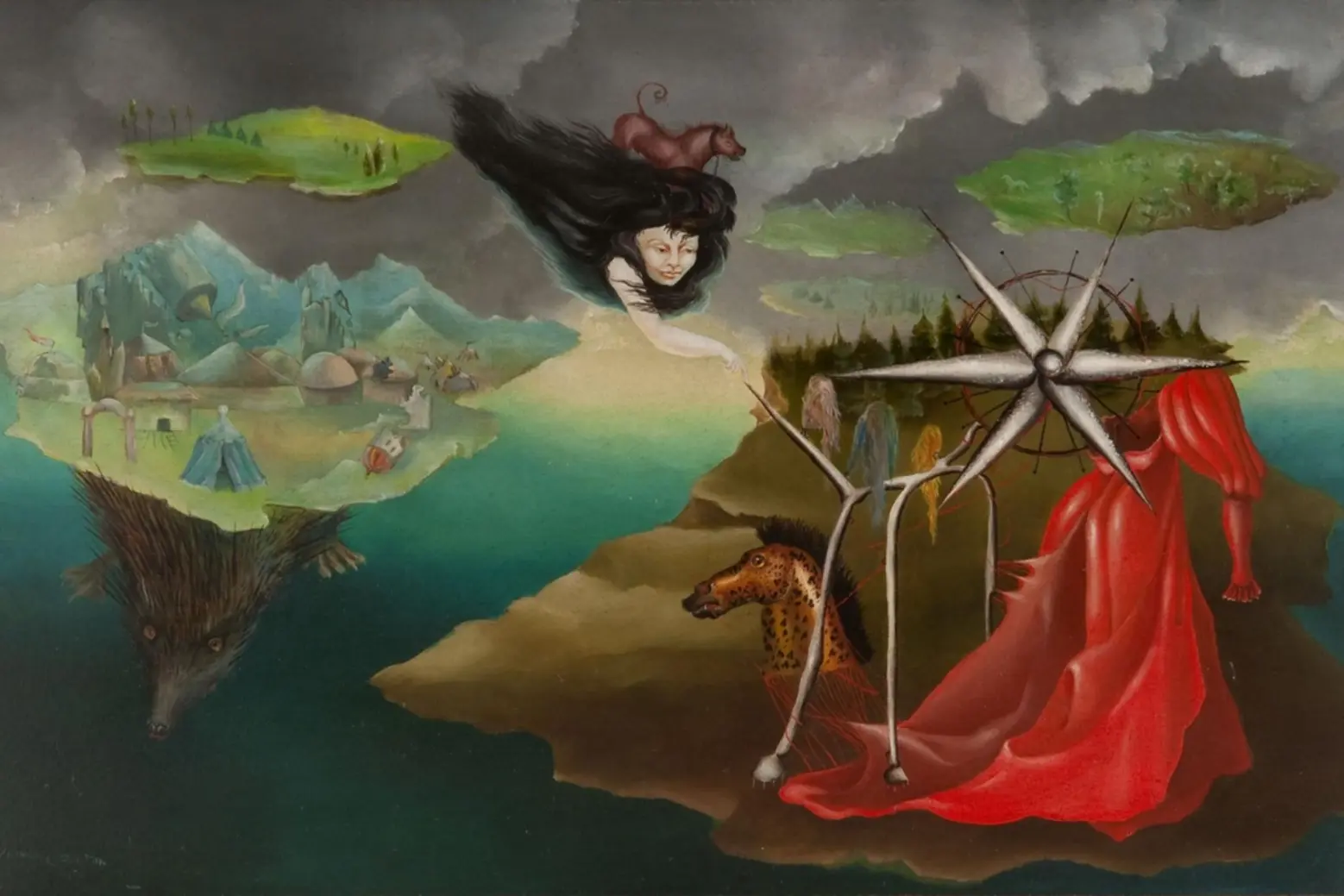
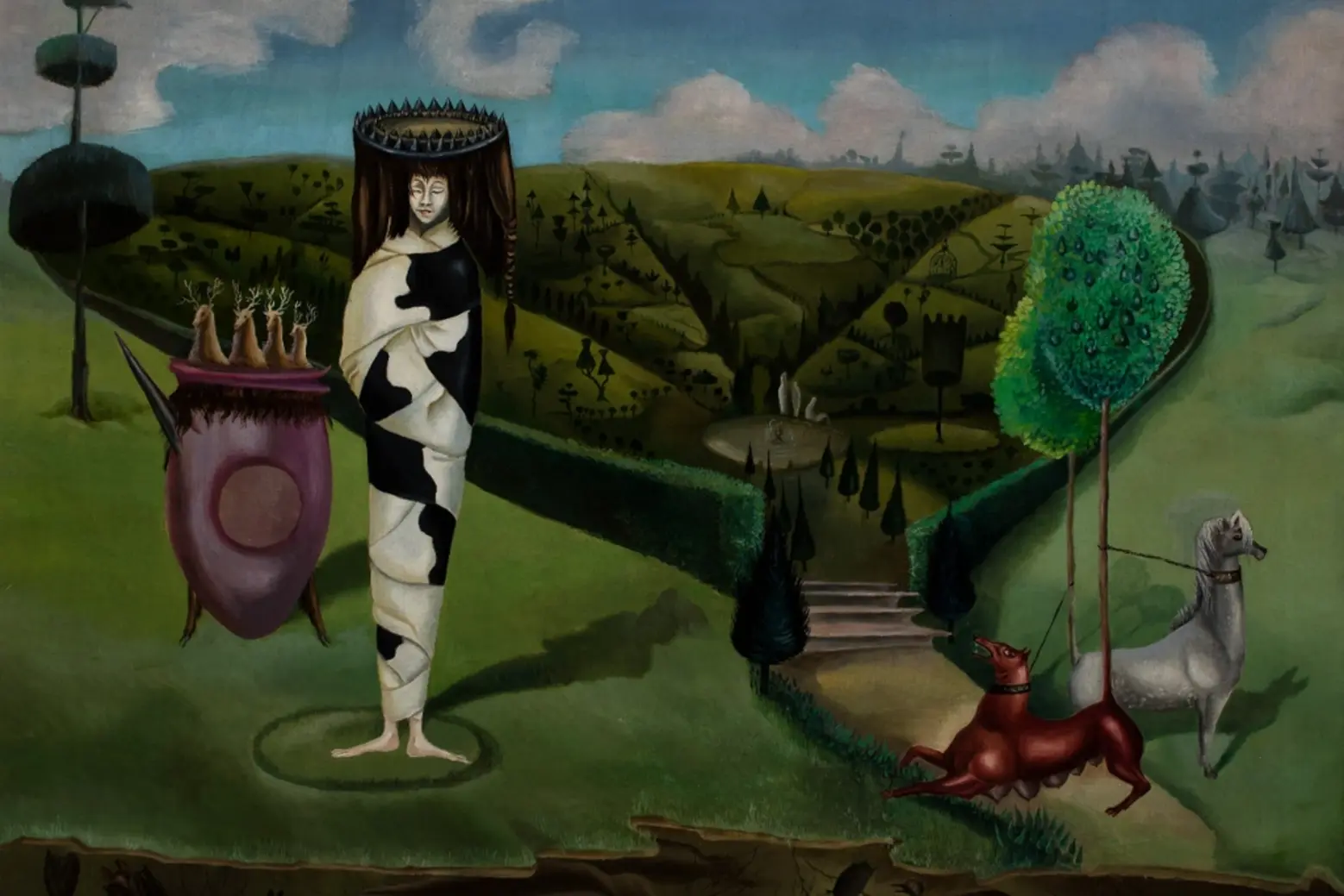
Frida Kahlo remains a productive debate. Many viewers see Surrealist energy in her symbolism, yet she resisted the label, insisting she painted lived reality rather than dreams. That friction itself matches Surrealism’s core problem: where does reality end, and the mind begin?
Surrealists understood that an exhibition can be a machine that changes perception. In 1925, La peinture surréaliste helped formalize Surrealist painting as a public force, drawing major attention in Paris and setting a tone for how Surrealism would present itself: As a movement, not a solo style.
The 1936 London International Surrealist Exhibition became infamous for its theater of ideas, including Salvador Dalí delivering a lecture in a deep sea diving suit, a gesture meant to dramatize a “dive” into the unconscious. The stunt turned chaotic and required intervention to free him from the helmet, which only amplified Surrealism’s aura as both spectacle and concept.
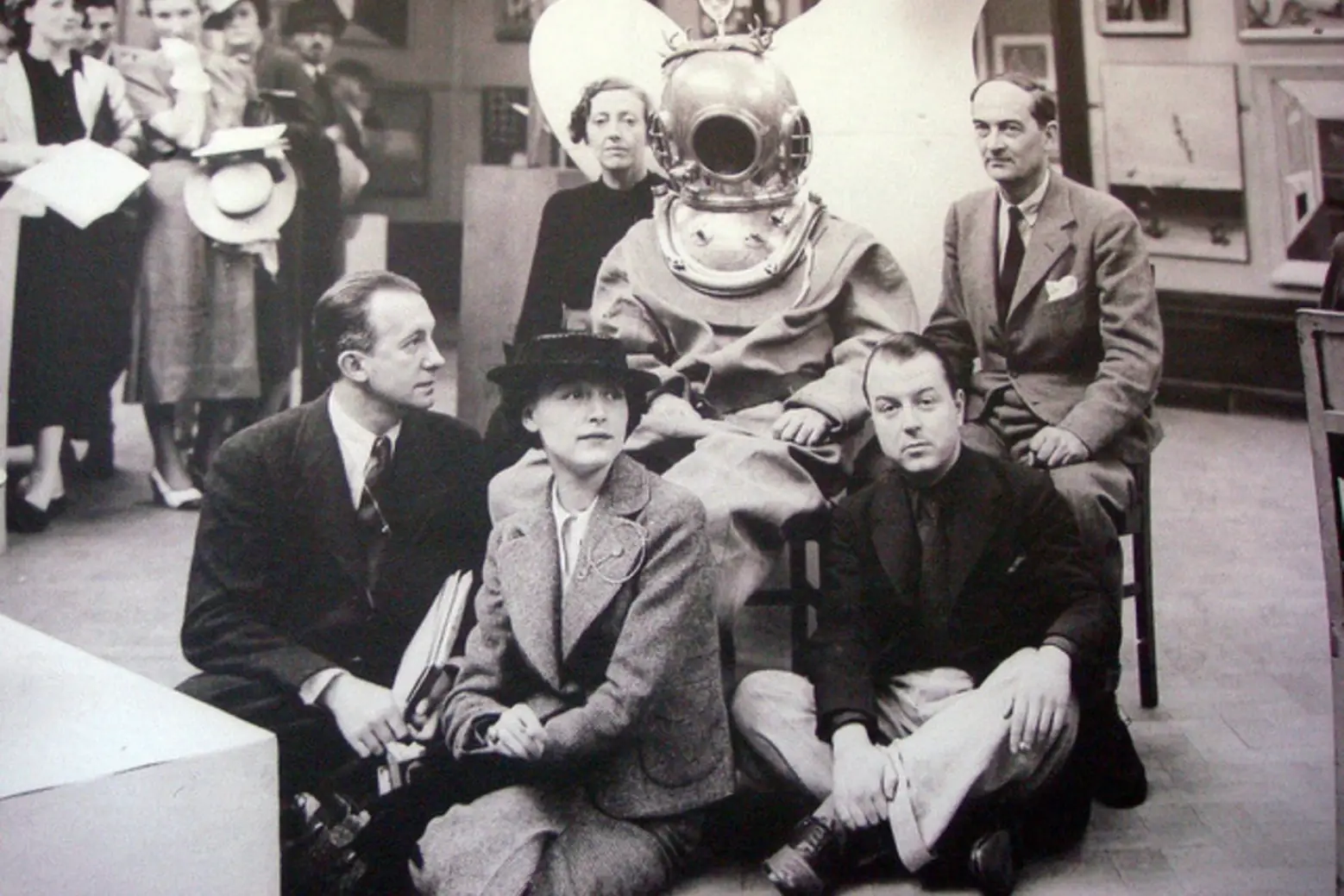
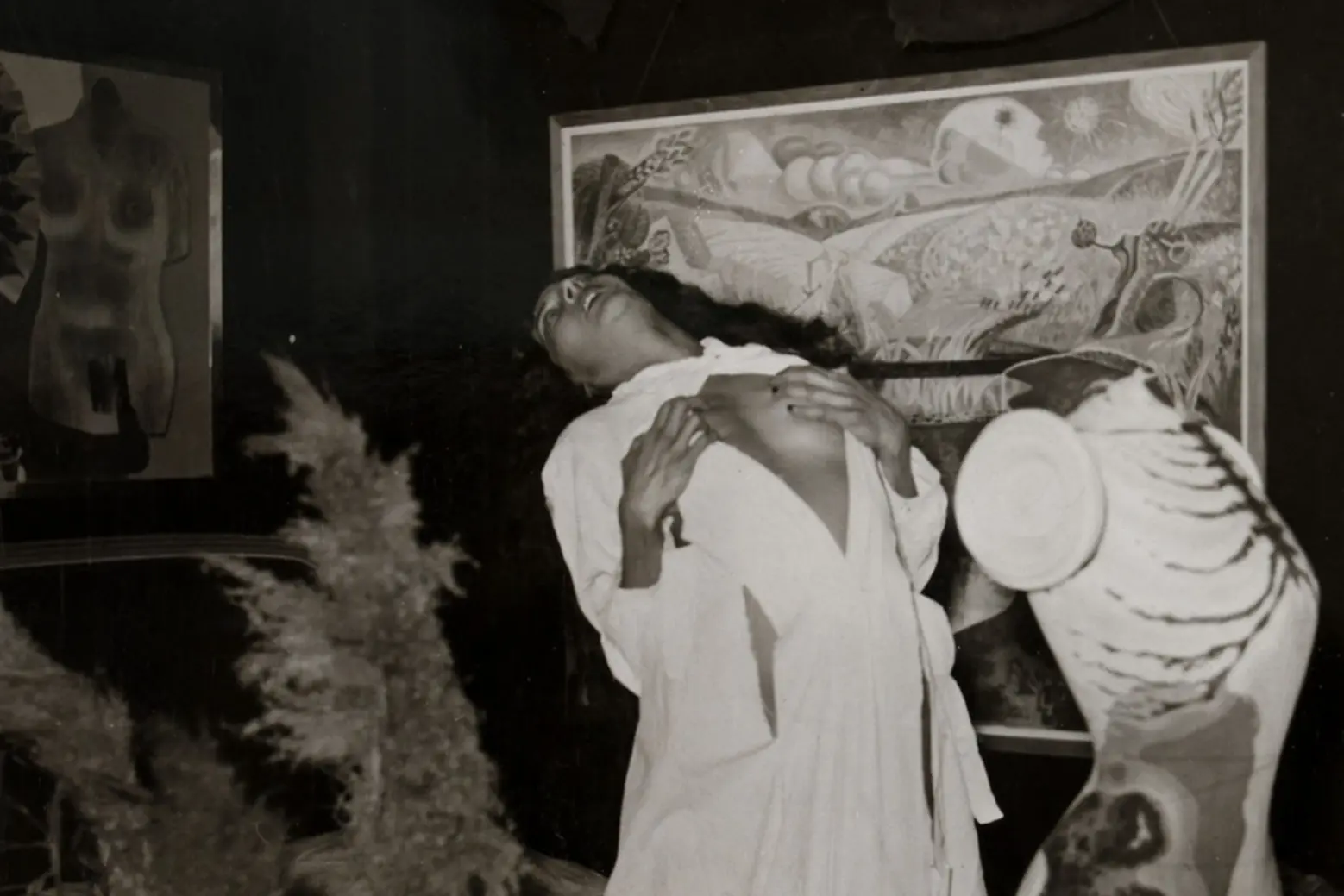
Then came 1938 in Paris: Exposition Internationale du Surréalisme, an immersive environment curated with Marcel Duchamp’s mischievous intelligence. The main room featured 1,200 bags of coal hanging from the ceiling, flipping the architecture into a low, threatening sky. Visitors navigated darkness with flashlights, while the space leaned into smell, humidity, and disorientation, treating viewing as a physical experience, not a polite glance. At the entrance, Salvador Dalí’s Rainy Taxi pushed the everyday object into living hallucination, turning a car into an absurd ecosystem that invited wonder and unease at once.

Surrealism’s market has entered a loud new phase, driven by collectors who want psychological intensity, symbolic density, and images that feel prophetic in an era of digital unreality. A headline moment arrived in November 2024, when René Magritte’s L’empire des lumières (Empire of Light) sold at Christie’s New York for about $121 million, setting a record for the artist and signaling how aggressively the top end now values Surrealist iconography.
Even more telling is the surge for women Surrealists. In May 2024, Leonora Carrington’s Les Distractions de Dagobert sold at Sotheby’s New York for $28.5 million, a record that recast her as a market pillar rather than a specialist favorite. Remedios Varo has also climbed, with recent record prices reported around the $6.2 million mark in New York evening sales, reflecting a wider rebalancing of canon through demand, not just scholarship.
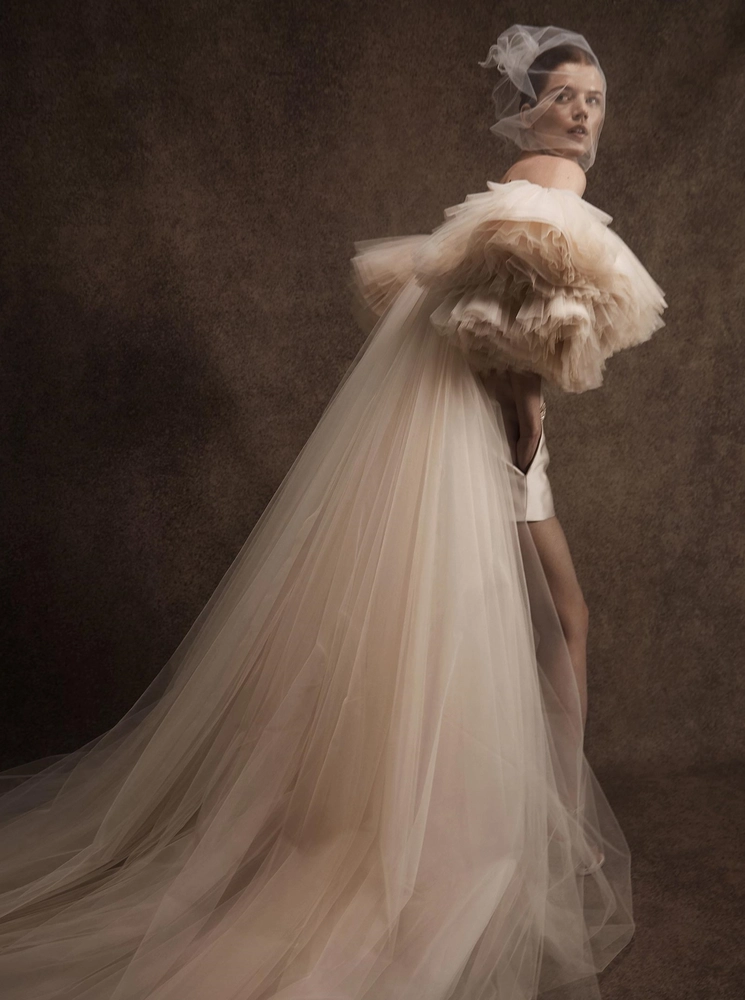
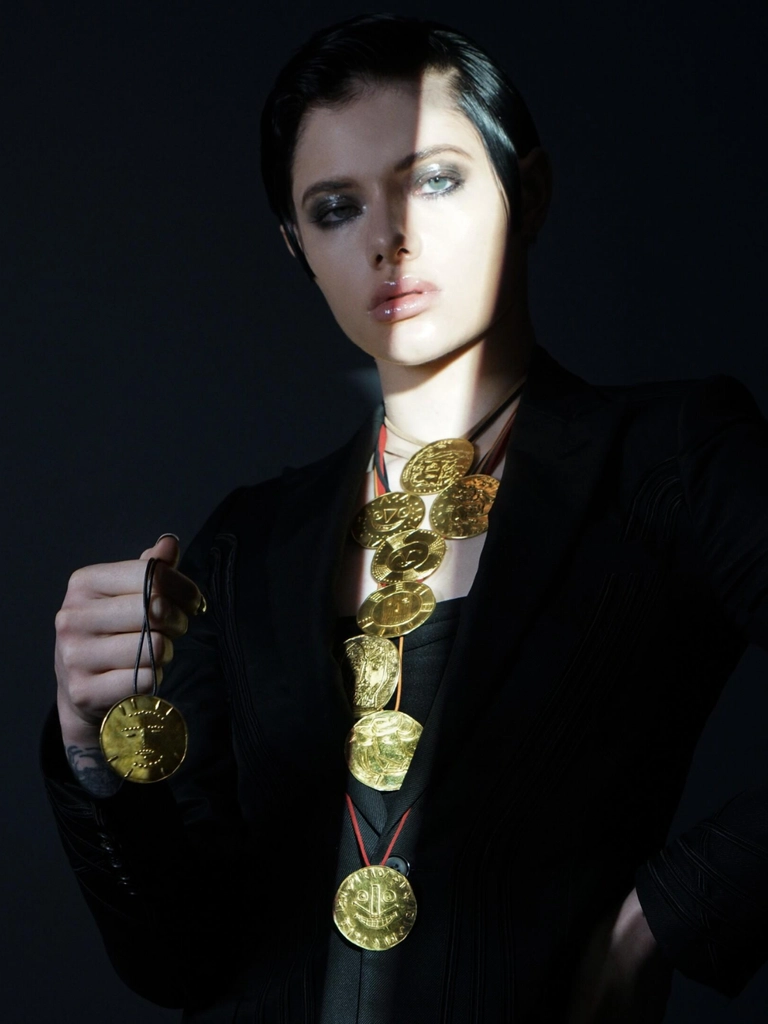
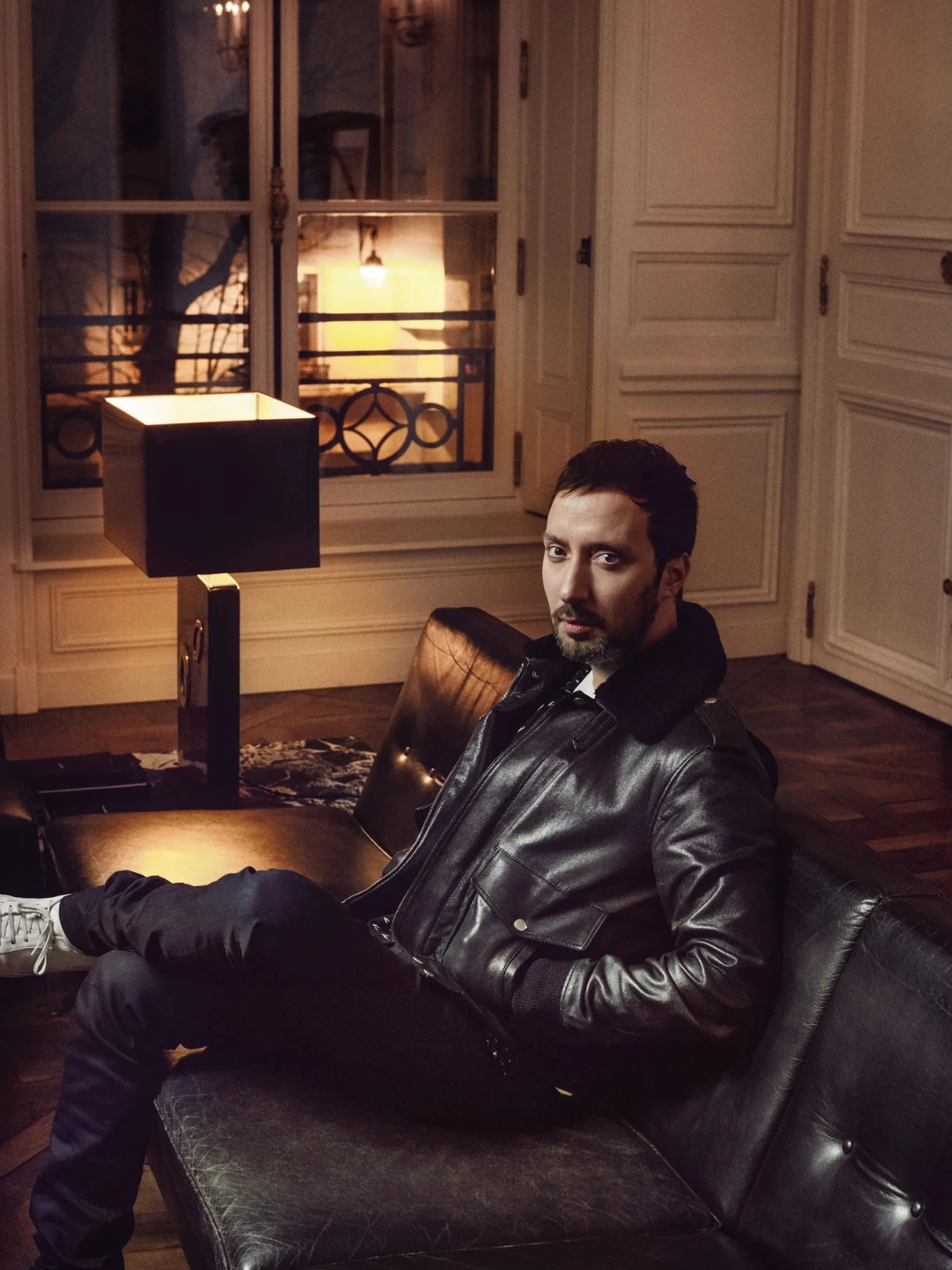
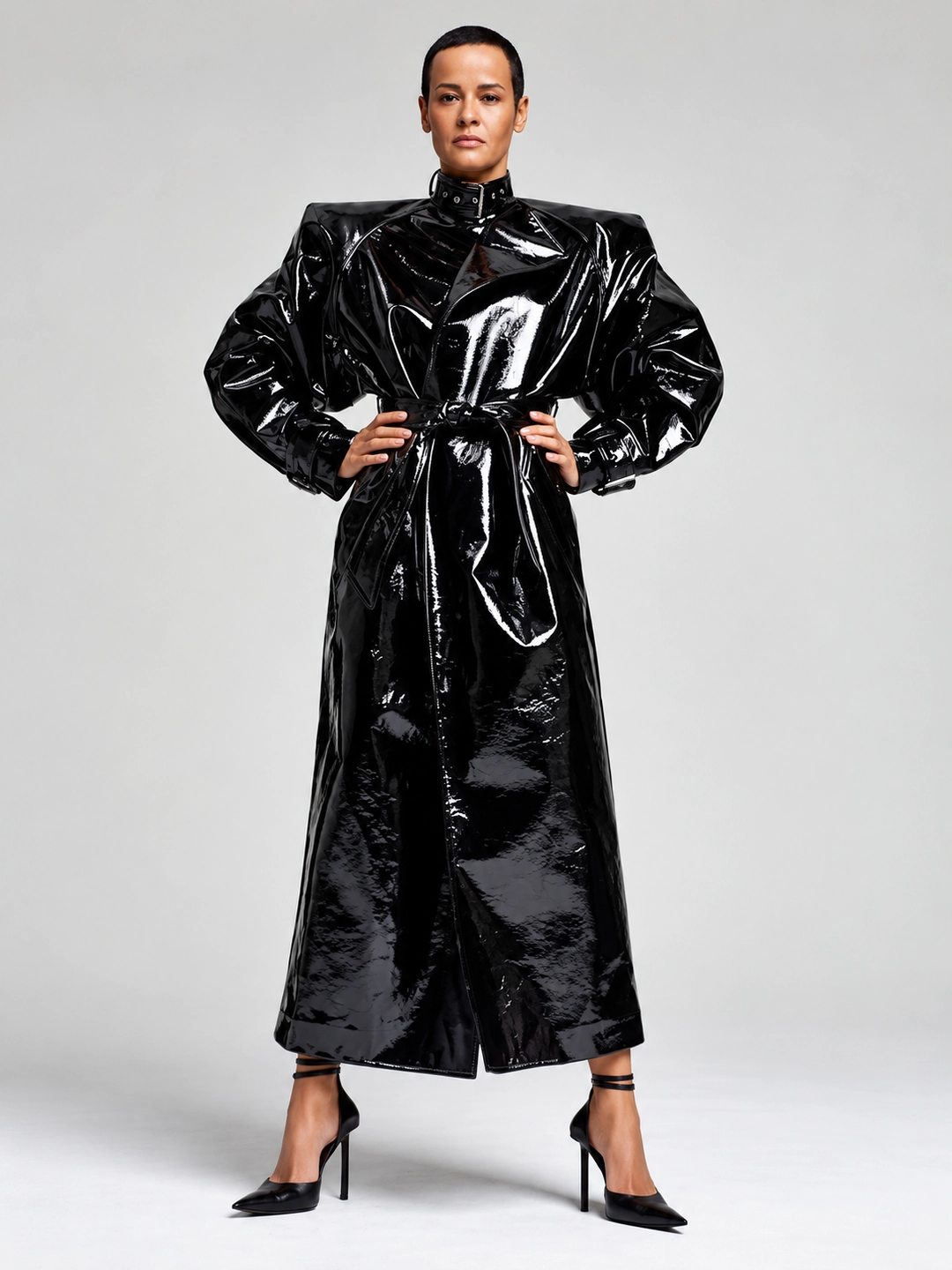
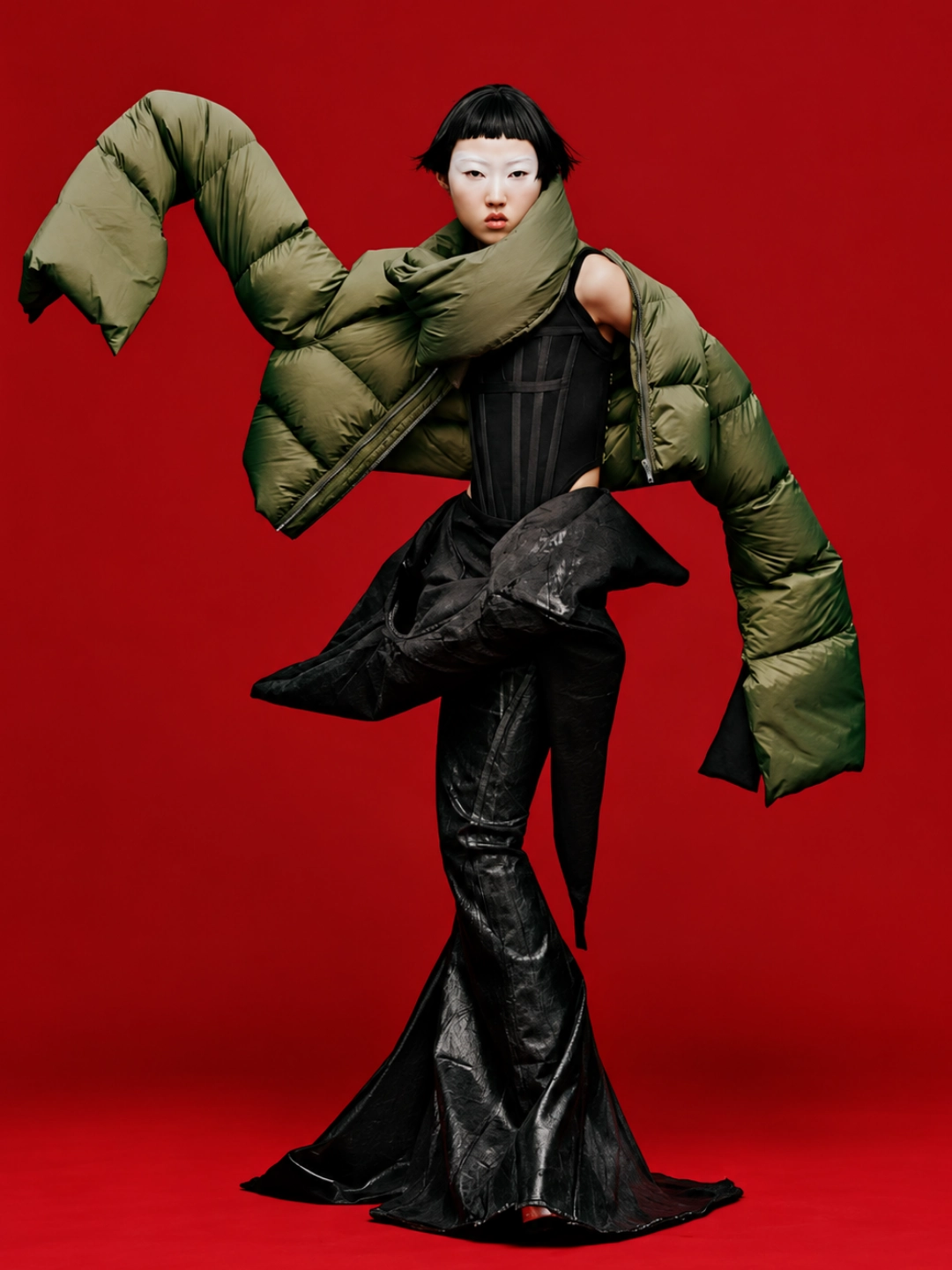
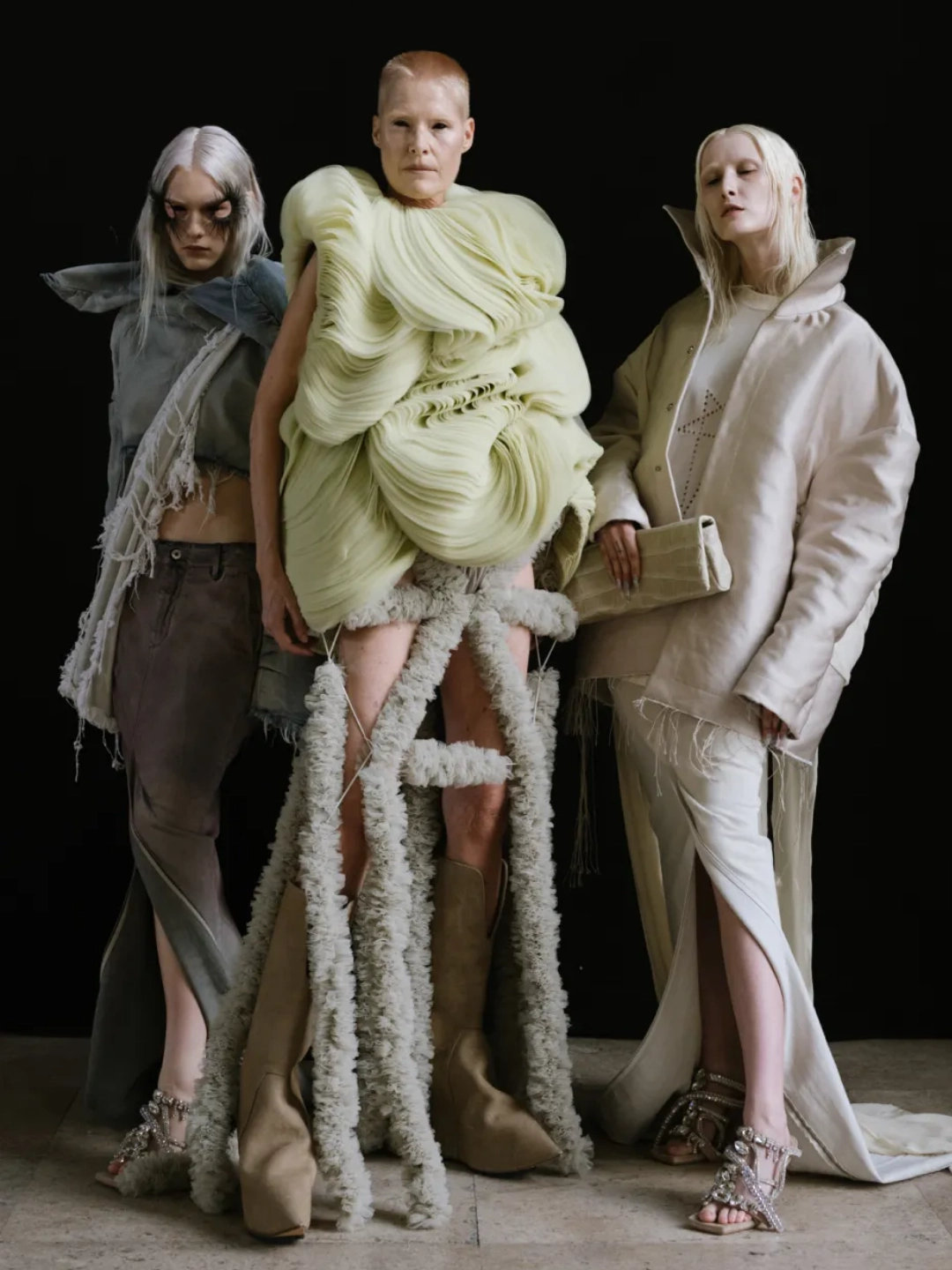
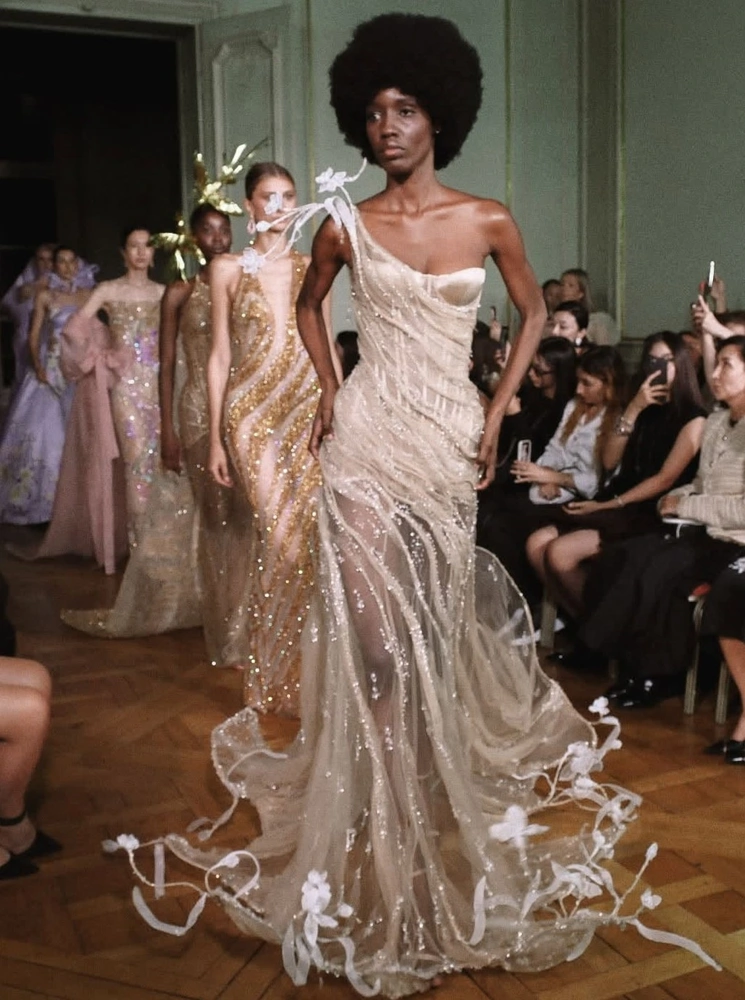
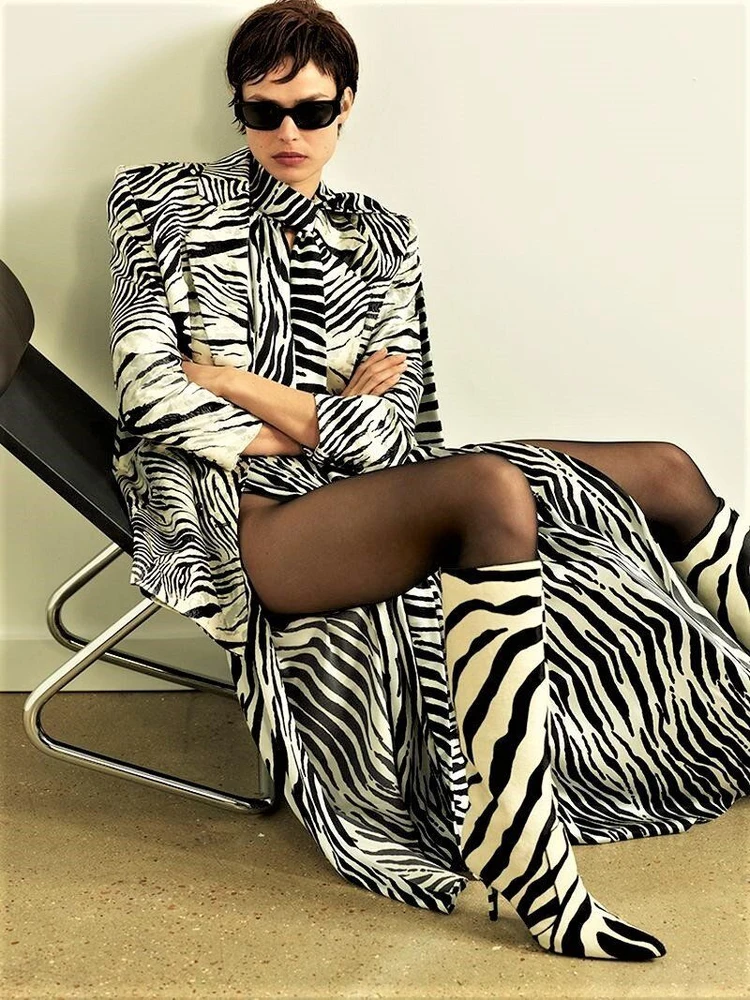
This resurgence connects to Surrealism’s influence outside galleries, where its logic became a cultural engine:
Surrealism began as a revolt against a world that worshiped rationality while producing catastrophe, and it offered an alternative faith: the unconscious as a source of truth, creativity, and freedom. Its greatest artists made dreams legible without making them small, and its greatest exhibitions turned spectatorship into a destabilizing experience that viewers could feel in the body.
Today’s boom makes sense because Surrealism speaks fluent “unreality.” When screens generate endless synthetic images, Surrealism’s hand made strangeness feels like a forecast that finally caught up with us: reality as collage, identity as symbol, desire as a hidden director. And as records for René Magritte, Leonora Carrington, and Varo keep rising, the market is confirming what the work has long insisted: the dream has real power, and it lasts.