MENU
Close





Opening on February 27, 2026 and running through August 31, 2026, the Tracey Emin: A Second Life exhibition fills the Eyal Ofer Galleries with the largest and most comprehensive survey of Emin’s work to date, spanning four decades across painting, video, textiles, neon, sculpture, and installation.
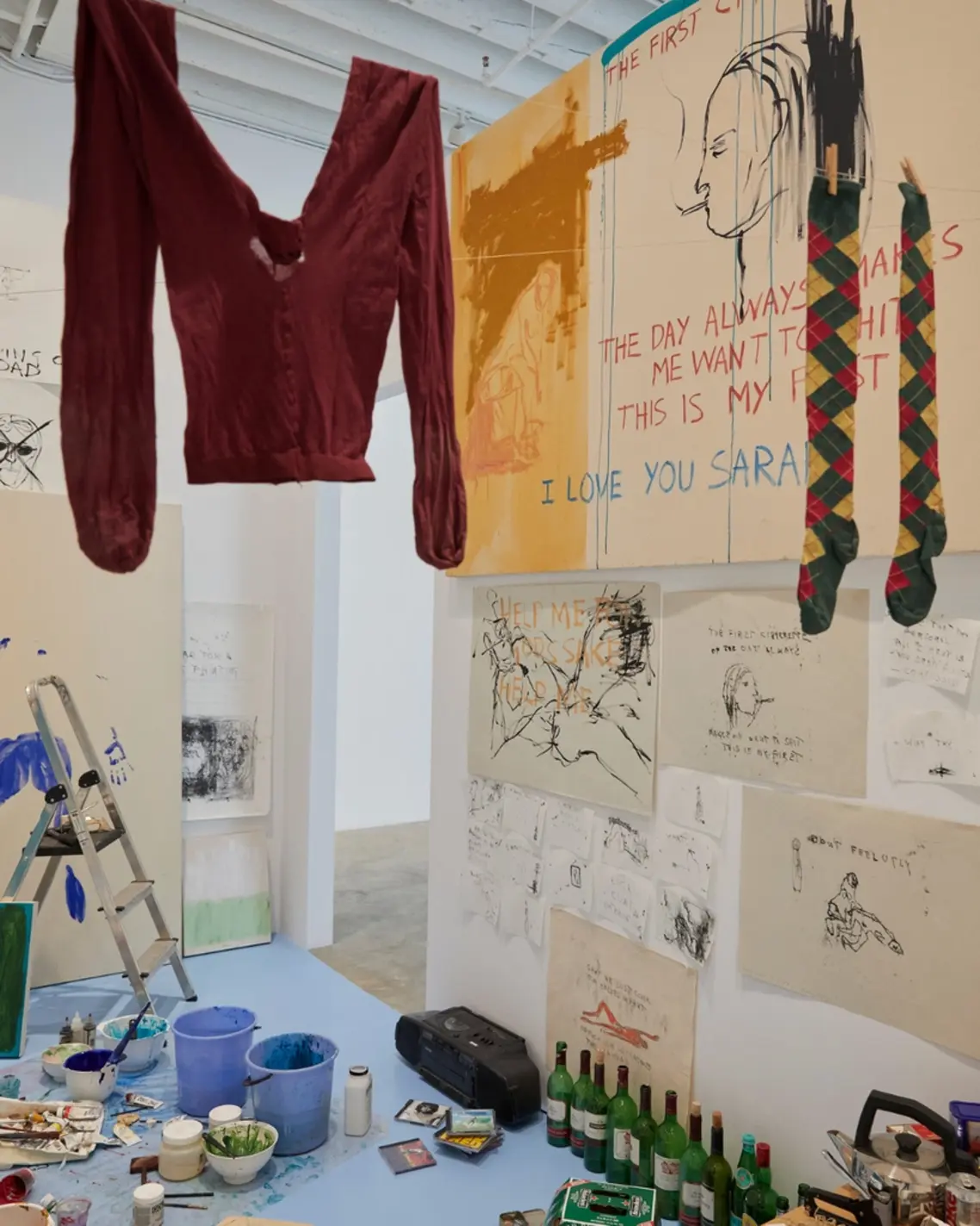
Opening on February 27, 2026 and running through August 31, 2026, the Tracey Emin: A Second Life exhibition fills the Eyal Ofer Galleries with the largest and most comprehensive survey of Emin’s work to date, spanning four decades across painting, video, textiles, neon, sculpture, and installation.
February 27, 2026


The title frames the show as a narrative of survival and renewal. After Emin’s 2020 diagnosis of aggressive bladder cancer and subsequent surgery, her practice shifts in register, moving from confession as confrontation toward confession as continuation. The retrospective holds both “lives” in one arc. Early rooms return to the stormy notoriety of the 1990s, when Emin’s work fused autobiography with the language of the gallery, insisting that vulnerability could operate as form.
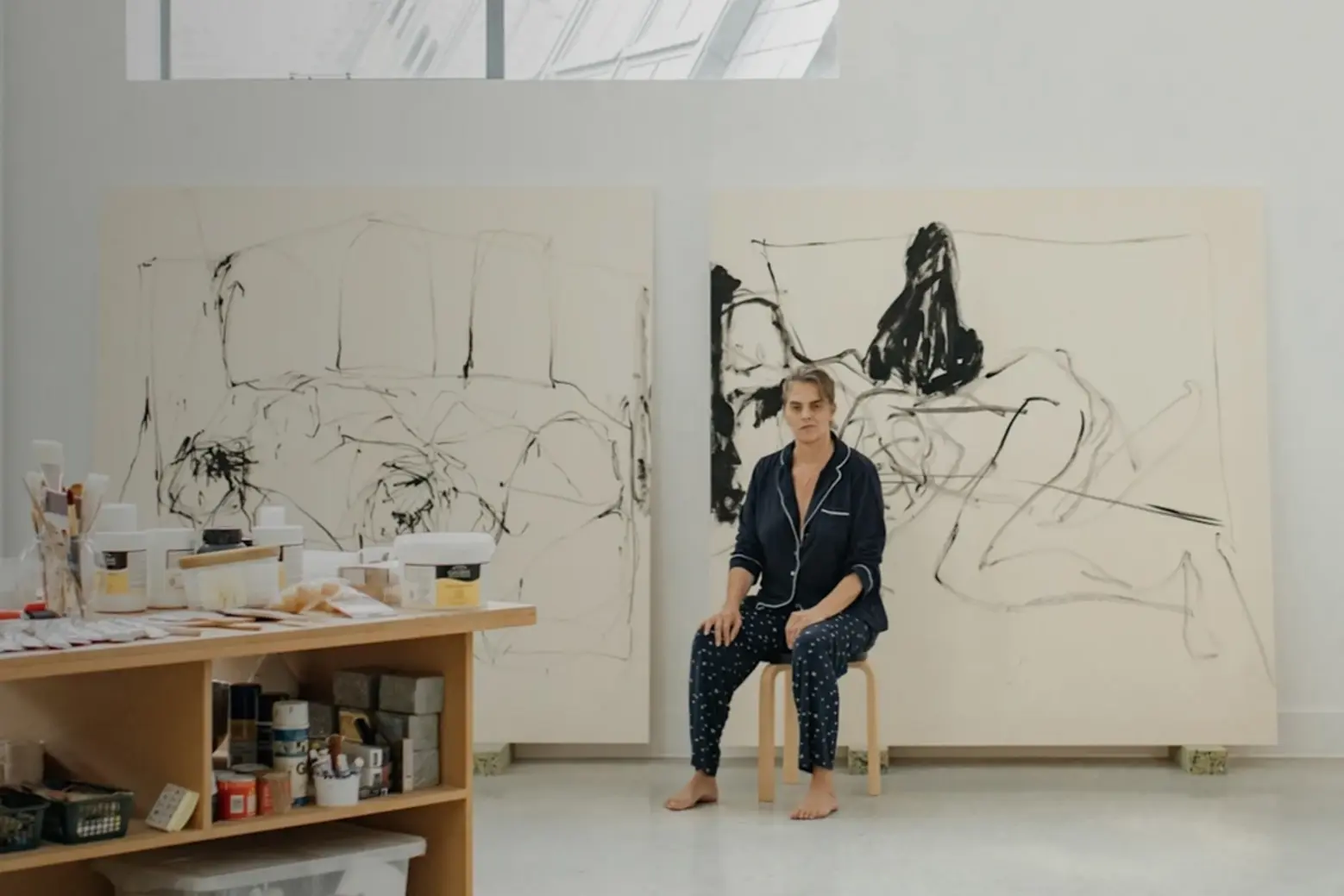
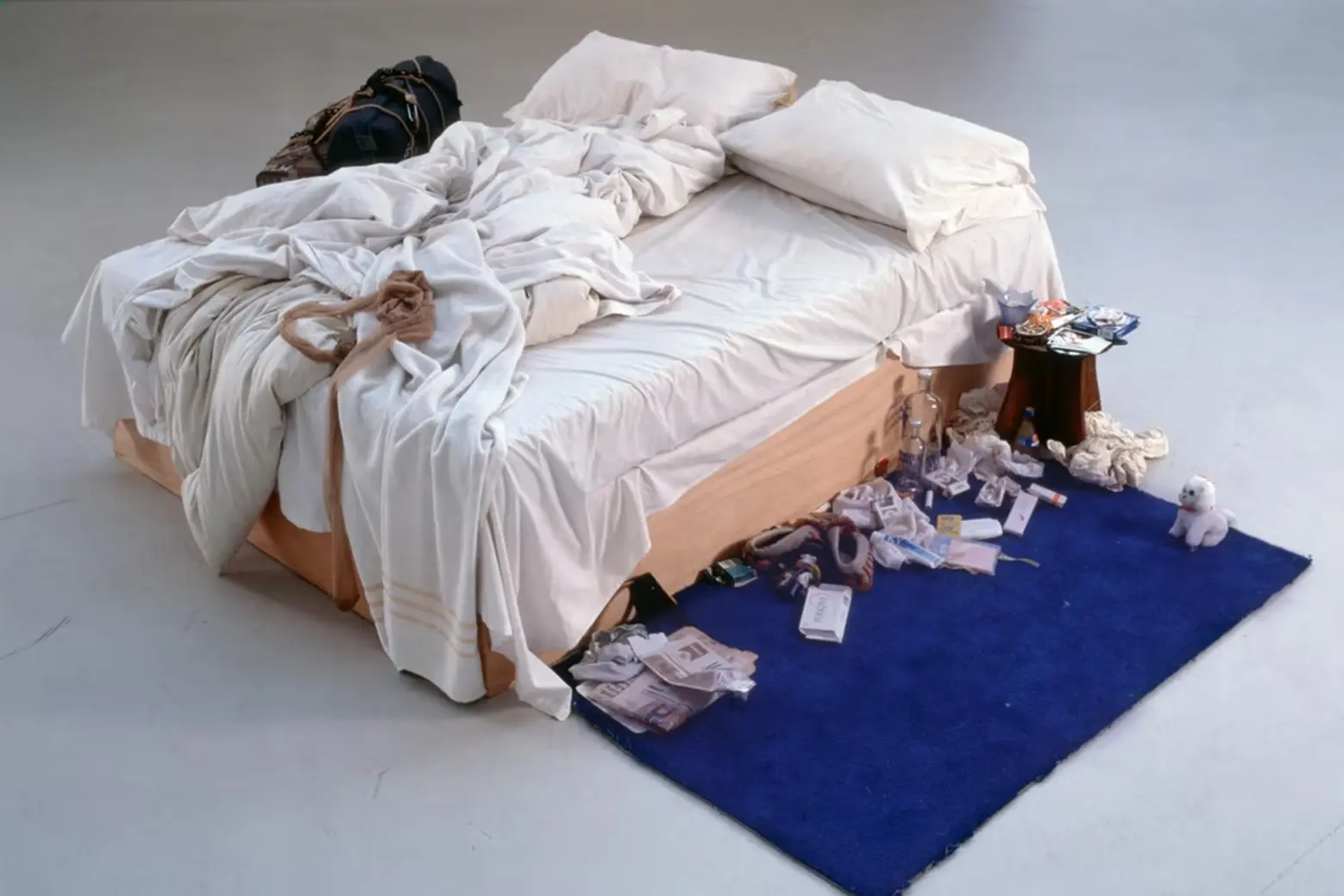
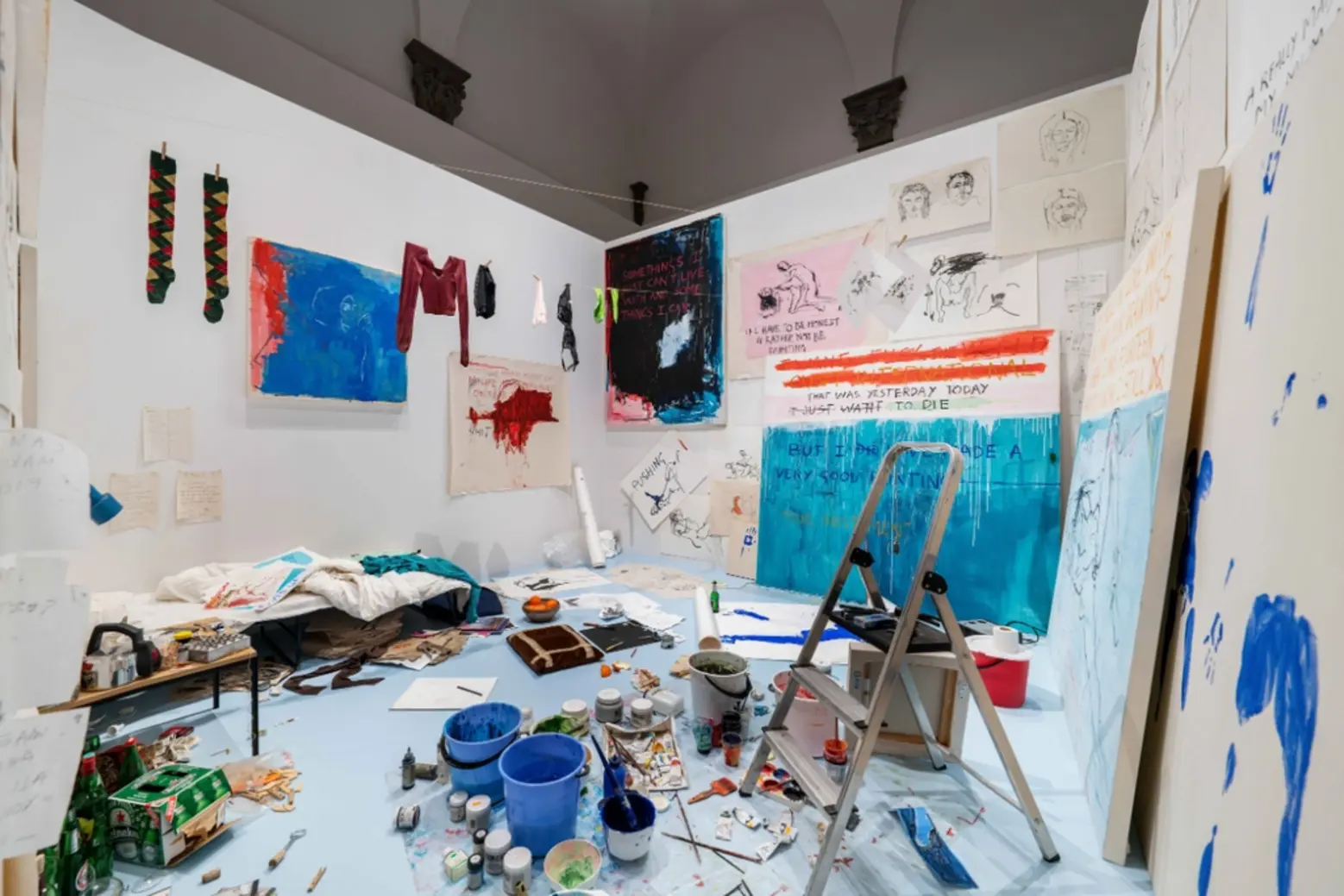
Two key installations function as the hinge of the exhibition. My Bed (1998) appears as a raw monument to a period of psychological collapse, translating private wreckage into a public object with the force of a truth telling gesture. Nearby, Exorcism of the Last Painting I Ever Made (1996) documents three weeks of artistic confinement and a fierce attempt to reconnect with painting as a bodily act. Together, they read as evidence of Emin’s central method: art as a witness stand, art as a ritual of return.
From that pivot, the Tracey Emin: A Second Life exhibition exhibition opens into the “second life” rooms, where the body post illness becomes both subject and structure. A recent bronze, Ascension (2024), extends Emin’s tradition of total transparency into sculptural permanence, while documentary material acknowledges the physical realities of recovery with the same directness that has always powered her voice. The final sequence belongs to painting. Monumental canvases surge with urgency and heat, described by Emin as a celebration of being alive, less interested in tidying experience than in letting it burn through color and line.
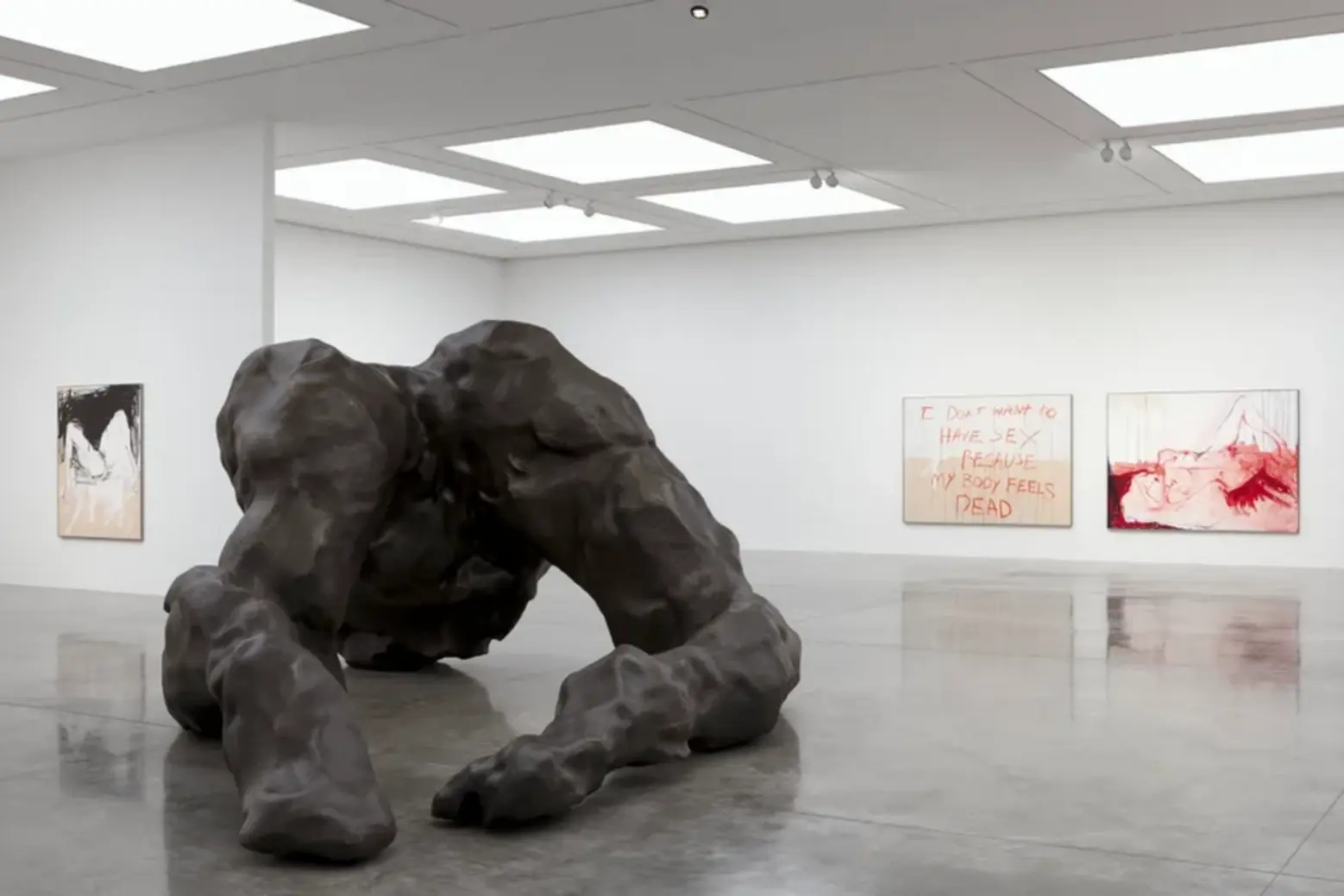
Outside the museum, London becomes a prelude. To coincide with the opening, More Love spreads 22 neon messages across 22 billboard sites in 11 boroughs, turning everyday commutes into brief encounters with Emin’s bright, blunt declarations of feeling.
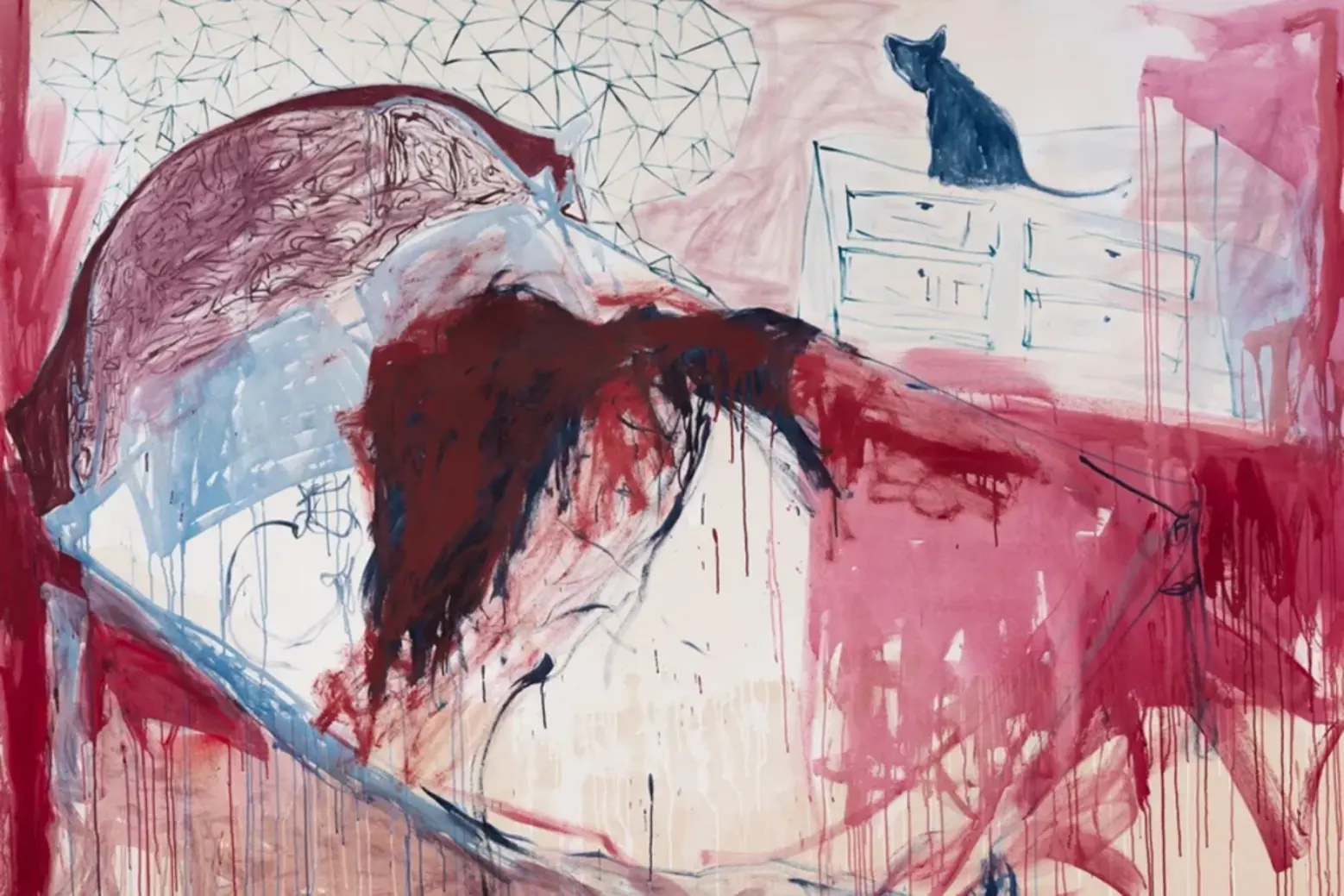
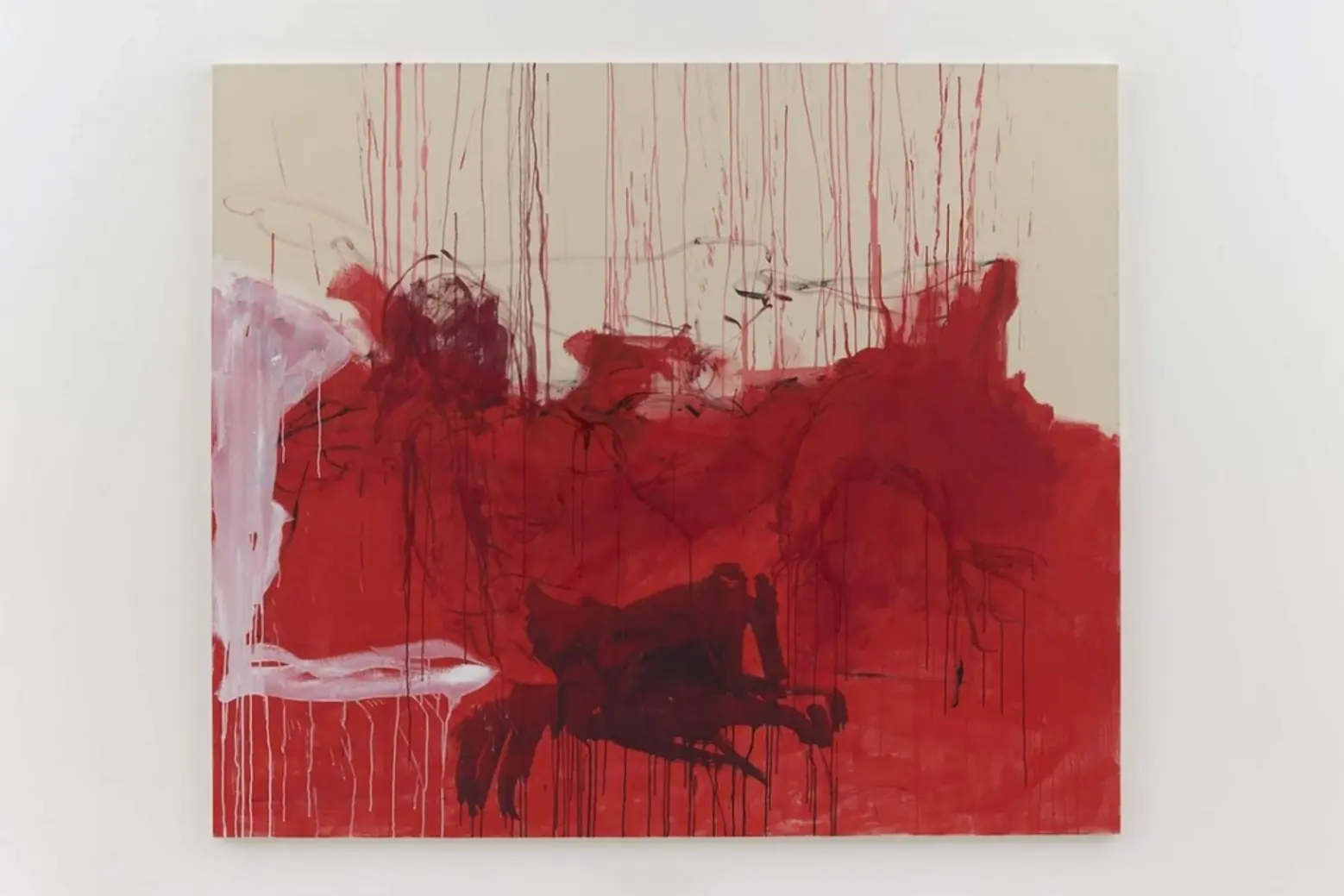
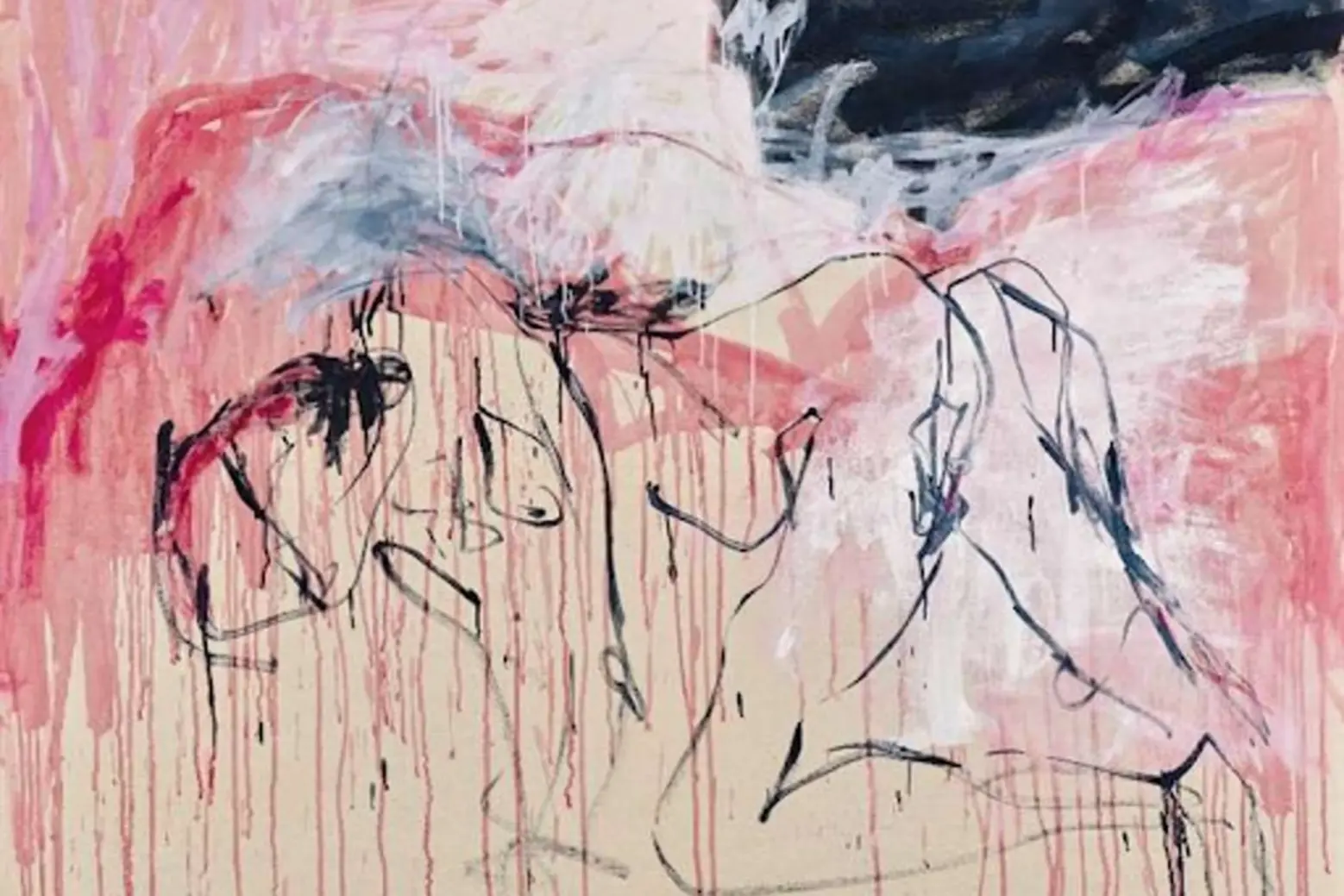
In the end, Tracey Emin: A Second Life lands less like a retrospective and more like a reckoning with time. It shows how the same hand can keep returning to the same questions, yet in a different key, shaped by what the body has carried and what it has survived. The early works still crackle with scandal and confession, yet here they read as foundations rather than headlines, proof that honesty has always been her medium.