MENU
Close





This is the story of how human hands, timeless patience, and the art of engraving and enameling are redefining haute horlogerie as true luxury in a digital age. Discover how the quiet valleys of Fleurier became the epicenter of a horological renaissance. This is the story of how human hands, timeless patience, and the art of engraving, enameling, and craftsmanship write about the future of true luxury in a digital age.
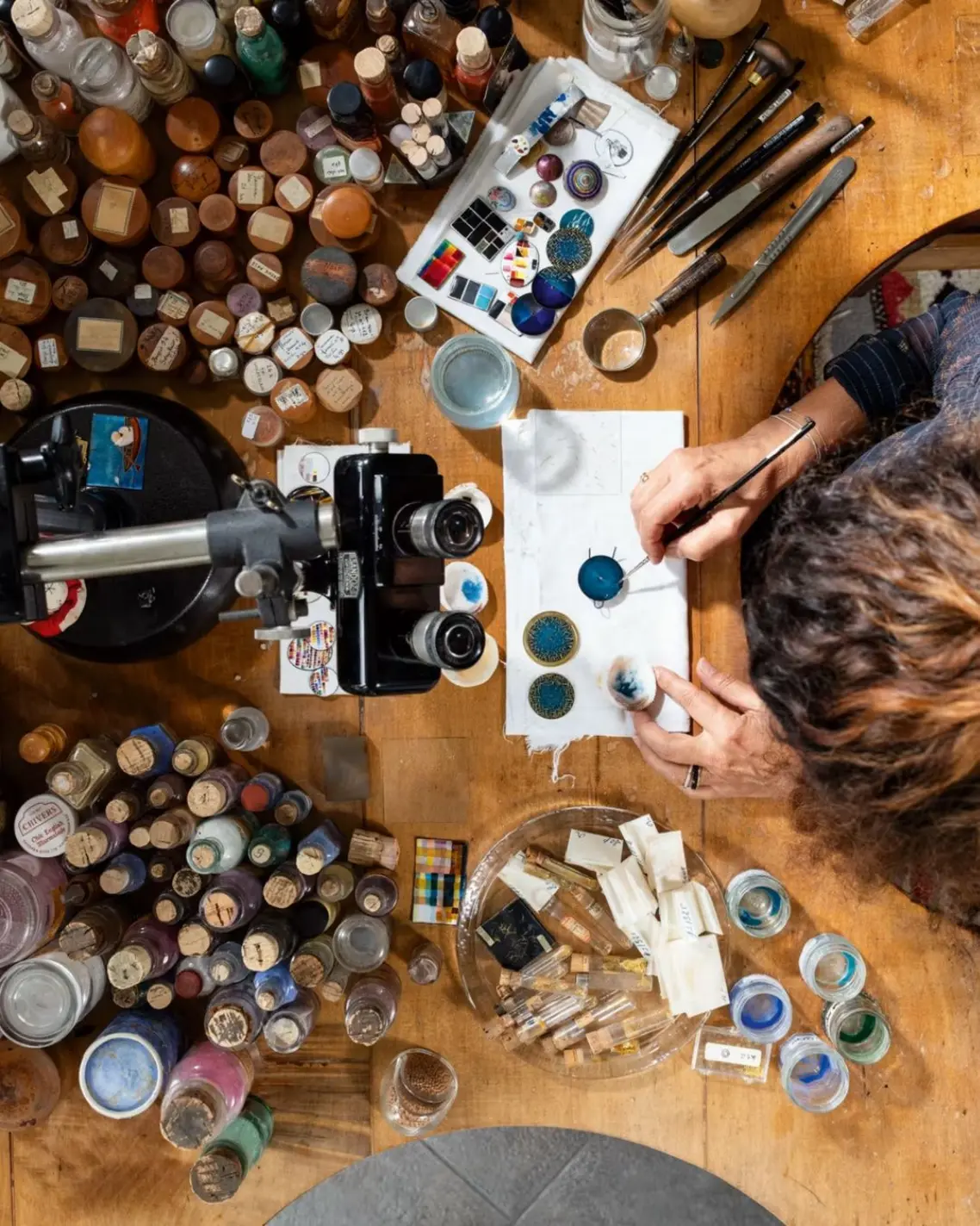
This is the story of how human hands, timeless patience, and the art of engraving and enameling are redefining haute horlogerie as true luxury in a digital age. Discover how the quiet valleys of Fleurier became the epicenter of a horological renaissance. This is the story of how human hands, timeless patience, and the art of engraving, enameling, and craftsmanship write about the future of true luxury in a digital age.
December 24, 2025


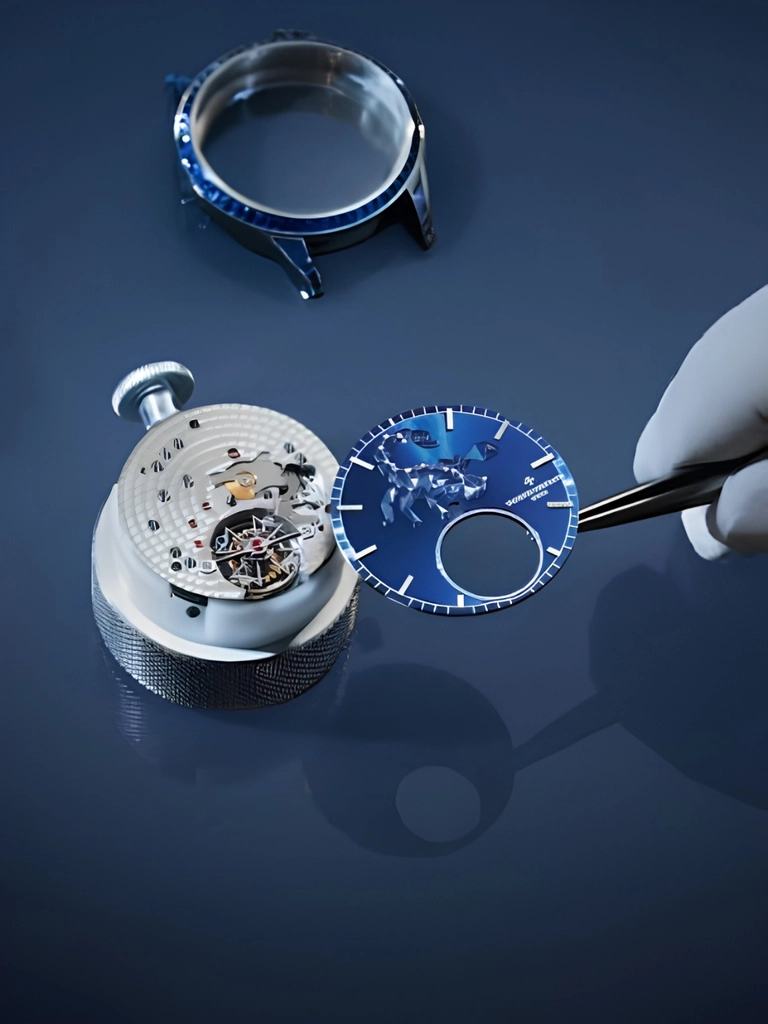
From the serene valleys of Fleurier, a renaissance is being written not in words but in the delicate sweep of an engraver’s burin, the luminous depth of fired enamel, and a patience that transcends time. This is not merely the return of mechanical watchmaking; it is the reaffirmation of a fundamental truth: in a digital age, true value is still forged by human hands.
The Fleurier of today tells a story entirely different from that of three decades ago. What was once described as “dead land” following the collapse of the traditional textile industry has become an epicenter of innovation in high-end watchmaking. This metamorphosis did not emerge from automated production lines but from a vision spearheaded by the Fleurier Quality Foundation - a strategic alliance formed in 2001 among Bovet, Chopard, Parmigiani Fleurier, and the movement manufacturer Vaucher Manufacture Fleurier.
Jean-Patrice Hofner, President of the foundation, recalls a time when such craftsmanship seemed destined for oblivion. "We faced a choice: either let these heritage skills fade away or reinvest in them as a core value of true luxury."
Over the past two decades, a subtle yet powerful shift has taken place. If the 1990s were dominated by technology and production efficiency, the 21st century is witnessing the return of artistry as the ultimate differentiator.
Pascal Raffy, who has steered Bovet Fleurier for over a decade, observes, "Technical excellence has now become the prerequisite. But to truly resonate emotionally and create value that endures, you must invoke art. That is the difference between a precise machine and an object with a soul."
This evolution is reflected in how brands allocate their resources. From having just one master engraver, Bovet has since cultivated an atelier of six dedicated artisans, each requiring at least a decade to master the classical techniques native to Fleurier.
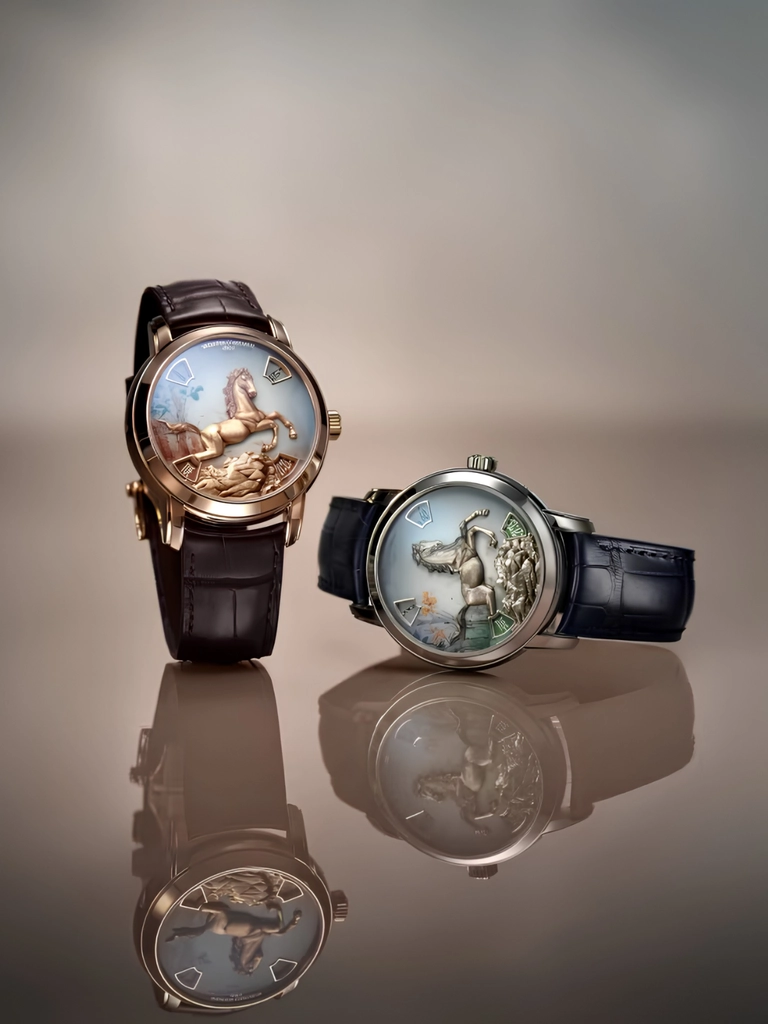
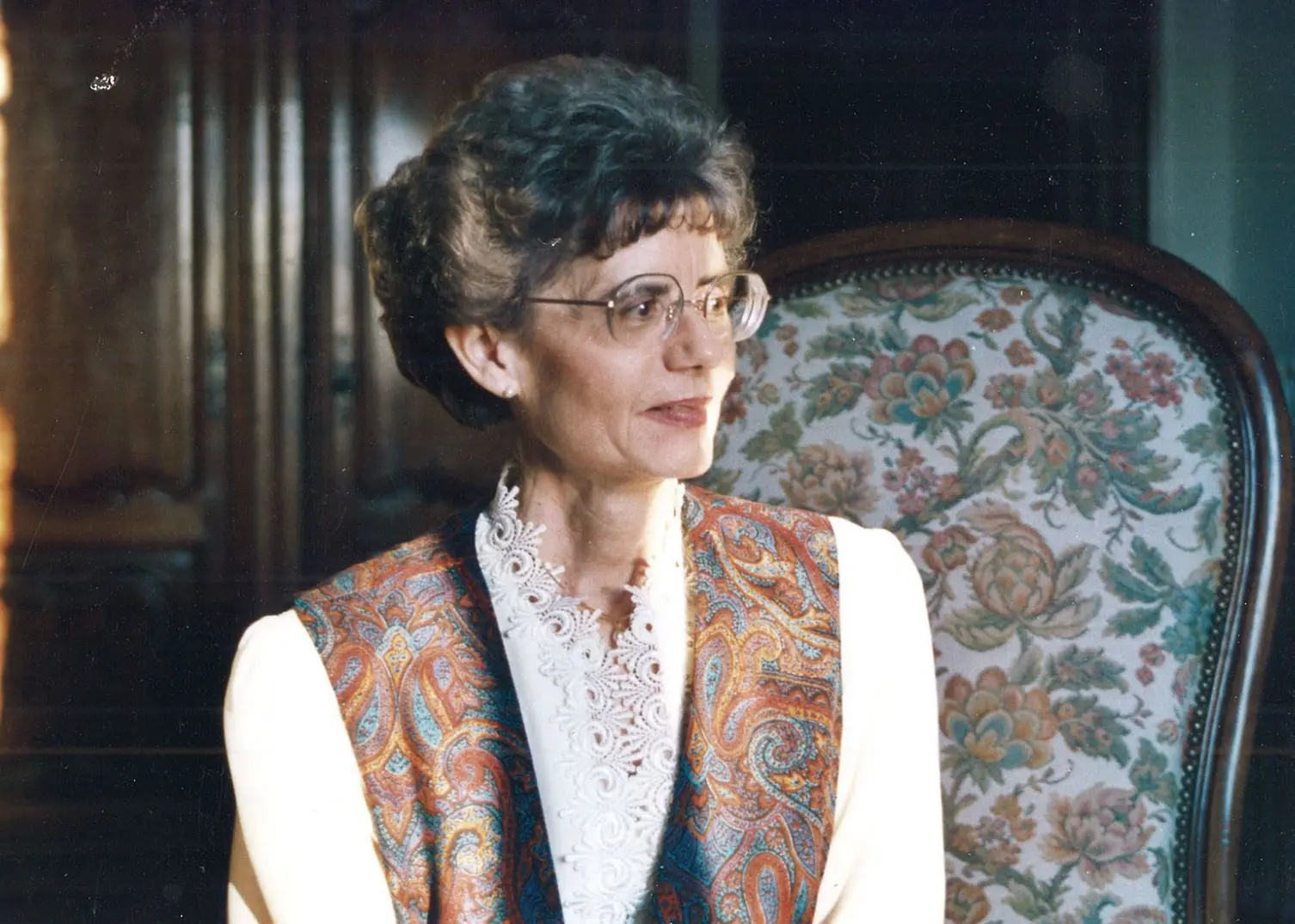
This renaissance would not have been possible without individuals who steadfastly preserved the flame of craftsmanship during the industry's most challenging period. Suzanne Rohr and Muriel Sechaud became symbols of endurance - artisans who, under the patronage of Patek Philippe and Vacheron Constantin, continued to practice and pass on the arts of dial decoration even as the wider industry turned its back on them.
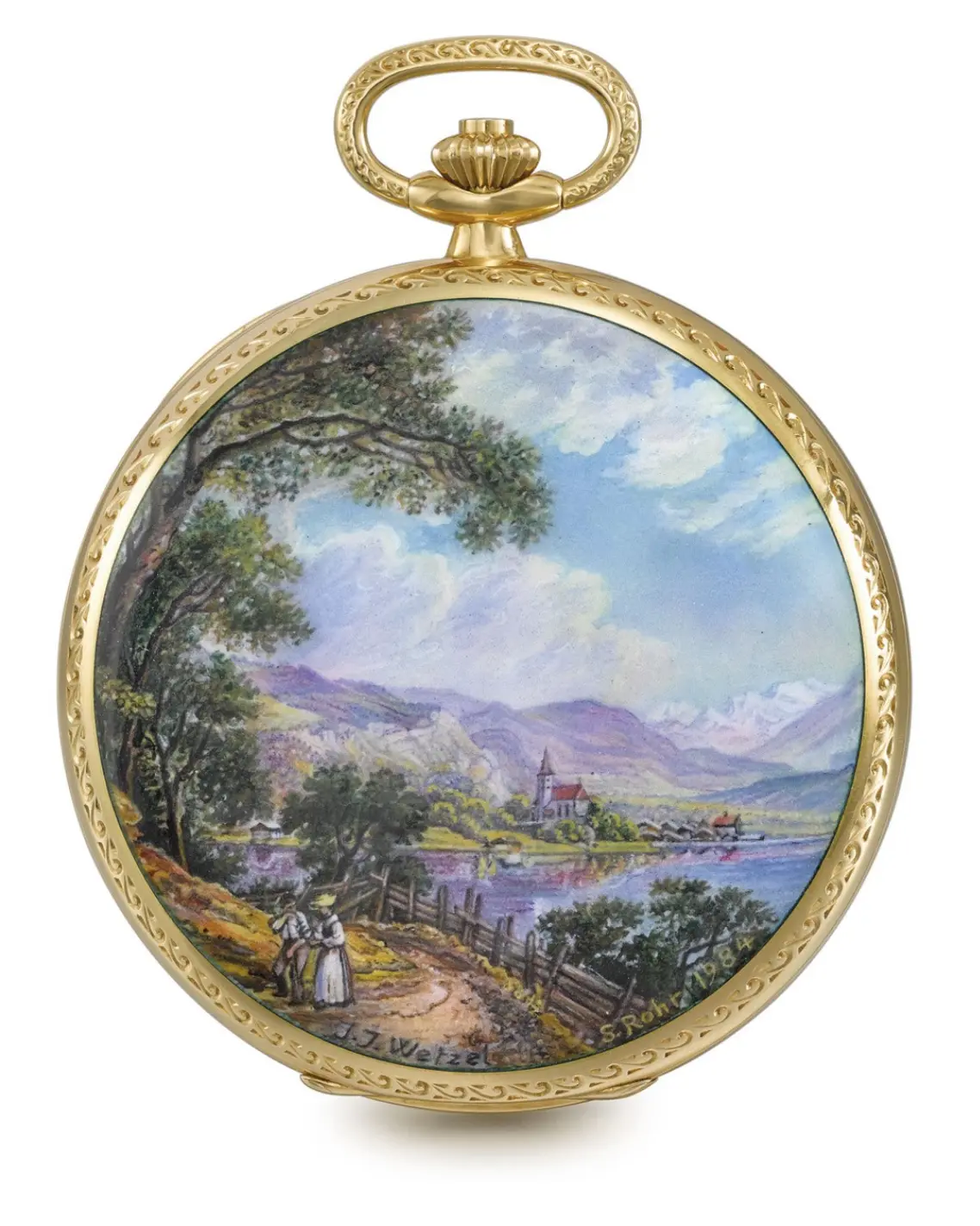

Anita Porchet, inheriting that legacy and now one of the world’s most sought-after enamel artists, shares, "Each timepiece is a dialogue between past and present. When I reinterpret a Chagall painting on a Vacheron Constantin dial, I am not merely copying, I am translating a visual language into a new medium, with all its constraints and possibilities."
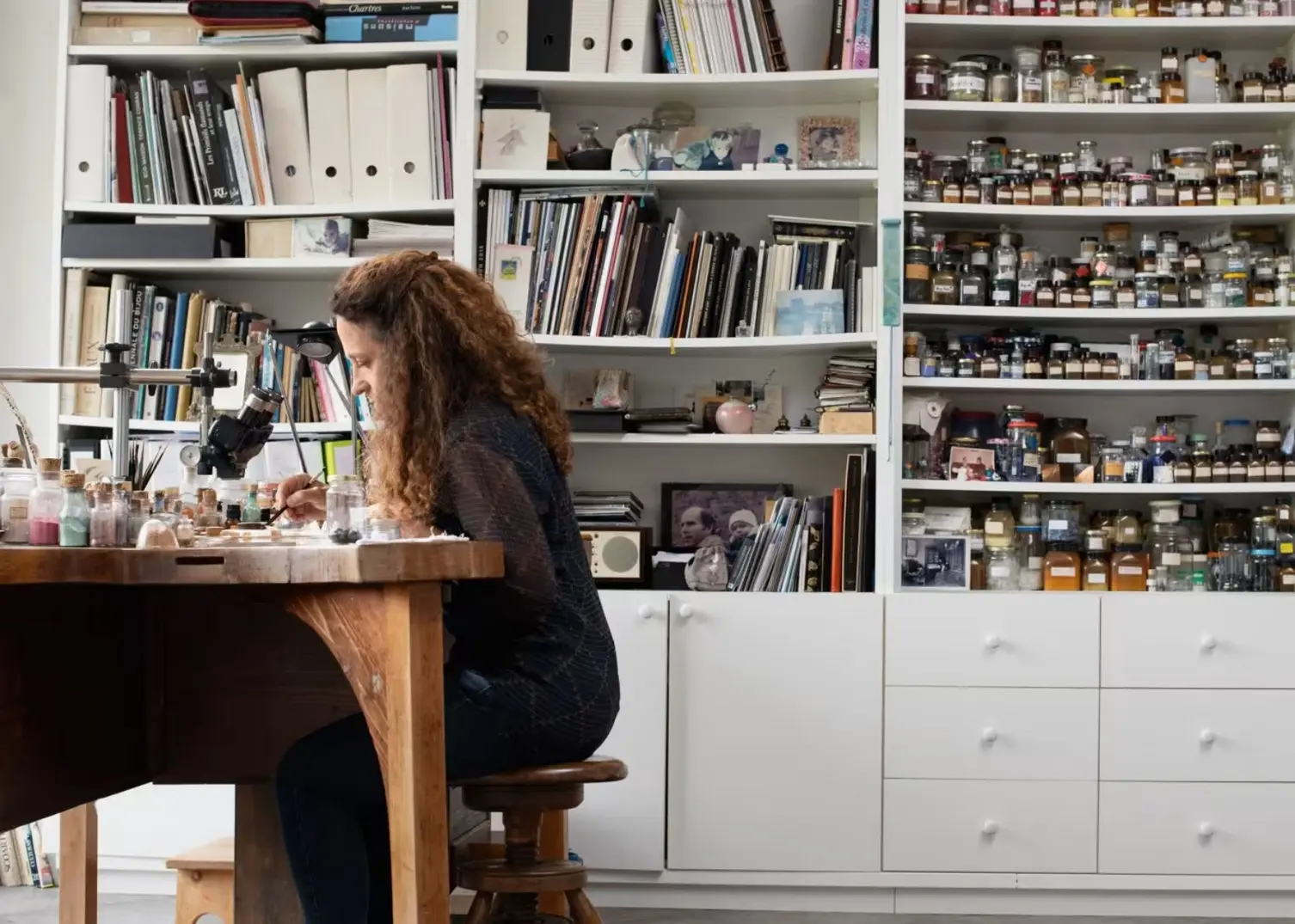
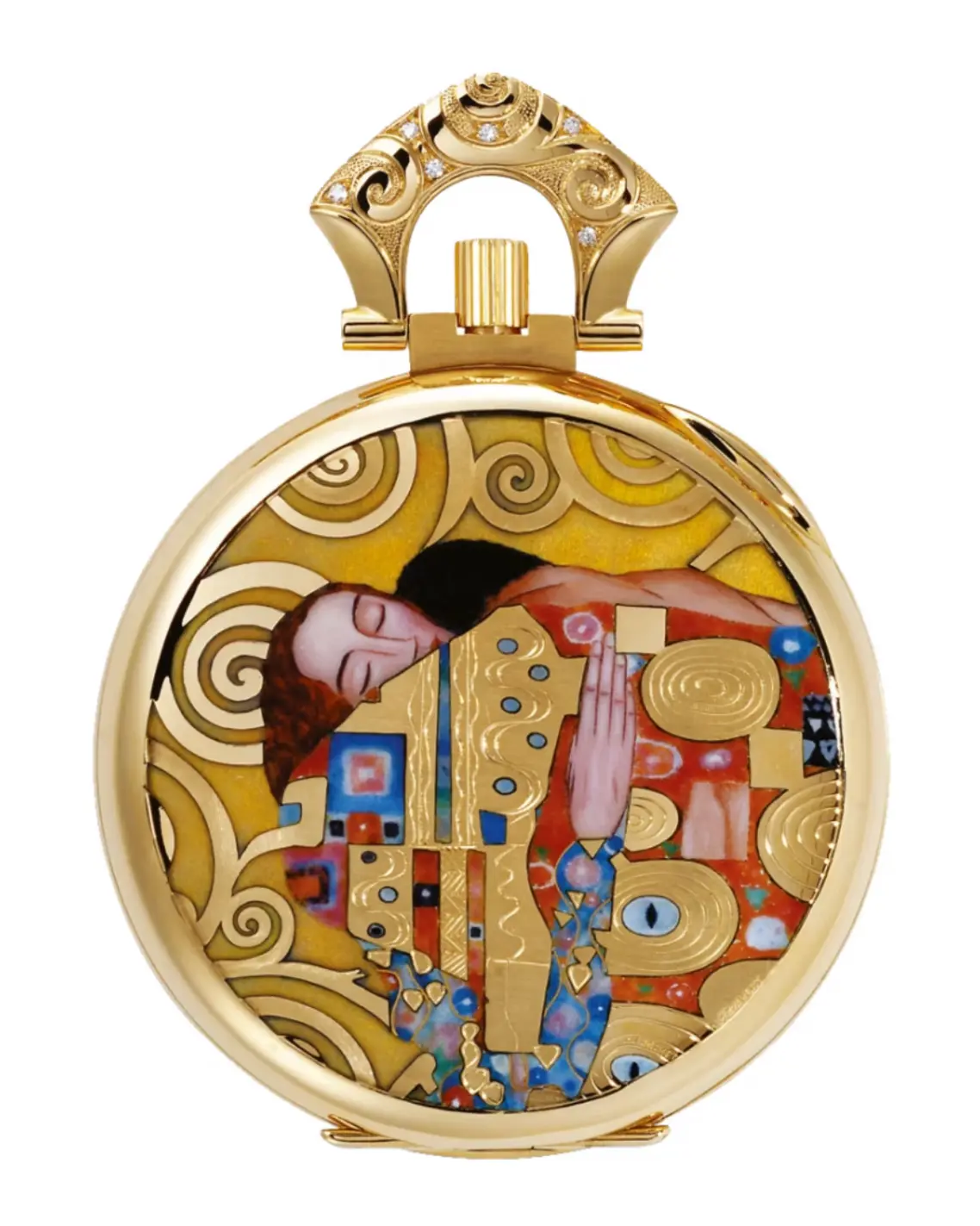

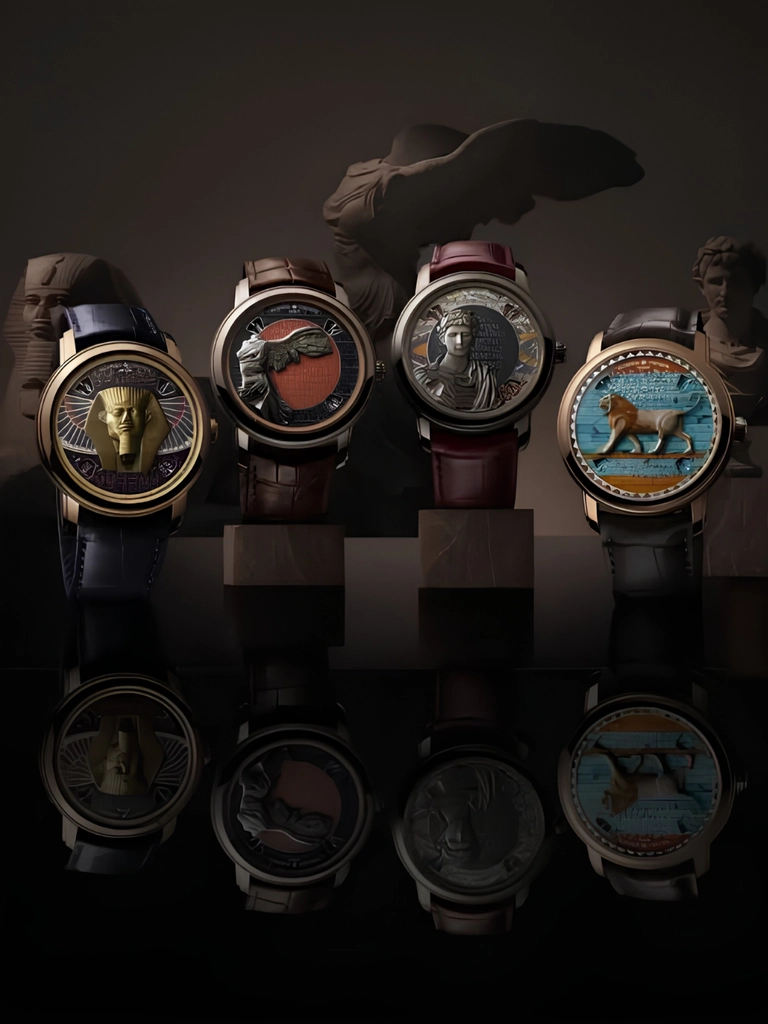
While traditional techniques such as negative engraving, Grand Feu enameling, and mother-of-pearl marquetry continue to be revered, a new wave of creativity is reshaping the boundaries of horological art.
Van Cleef & Arpels, with its heritage in high jewelry, has redefined the approach to artistic watchmaking. Rather than viewing artisans as mere executants, it empowers them as collaborative artists. The maison’s "Poetic Complications" collection does not simply tell time - it narrates stories of constellations, seasons, and dreams through slowly evolving enamel dials, demanding collaboration among a team of specialists from diverse fields.
Cross-disciplinary and cross-cultural collaboration has become a defining trend. Speake-Marin partnered with a Dutch metal sculptor to create dynamic three-dimensional dragon motifs, while Vacheron Constantin works with Japanese lacquer masters from Zohiko - a workshop with a history dating to 1661.
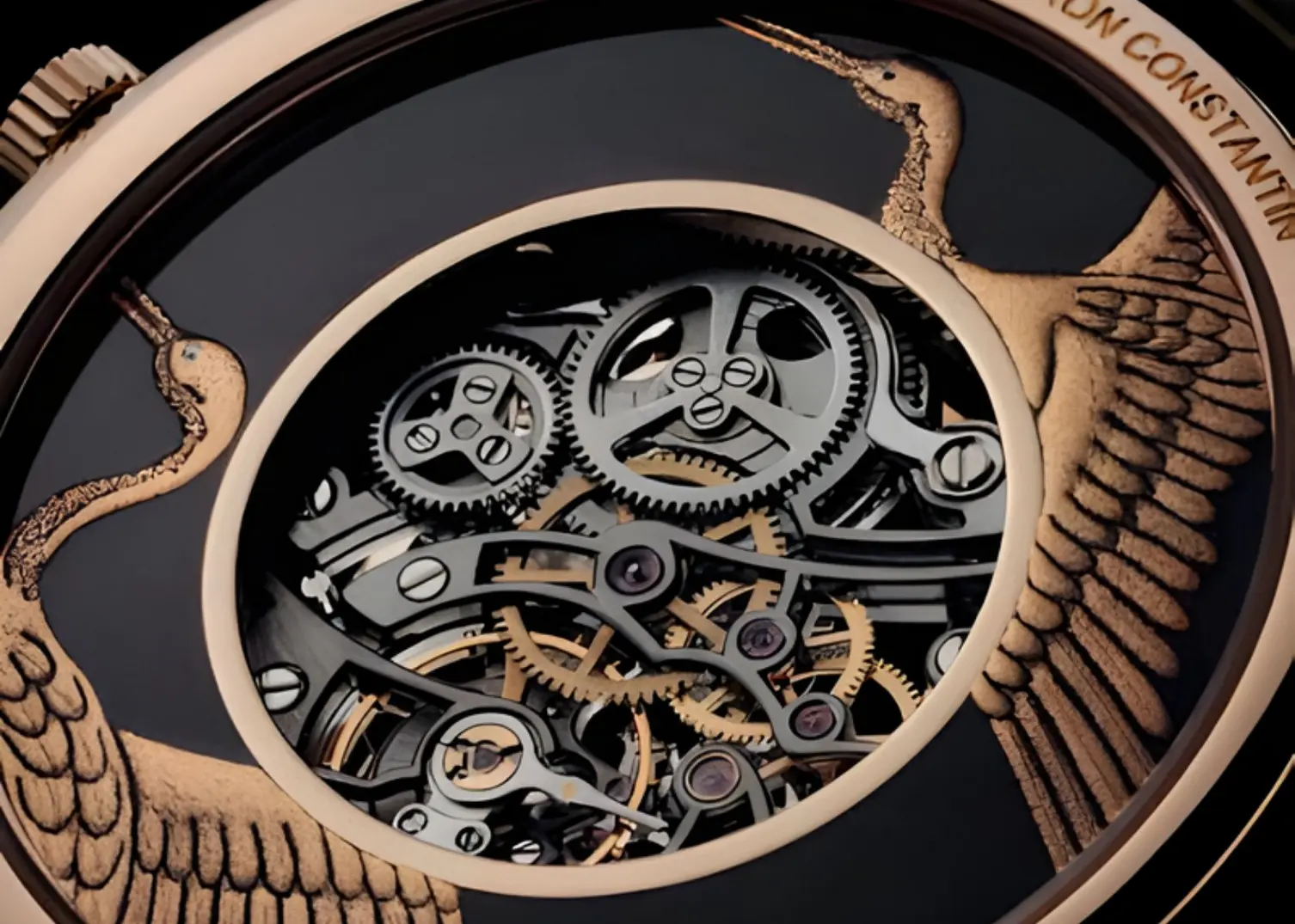
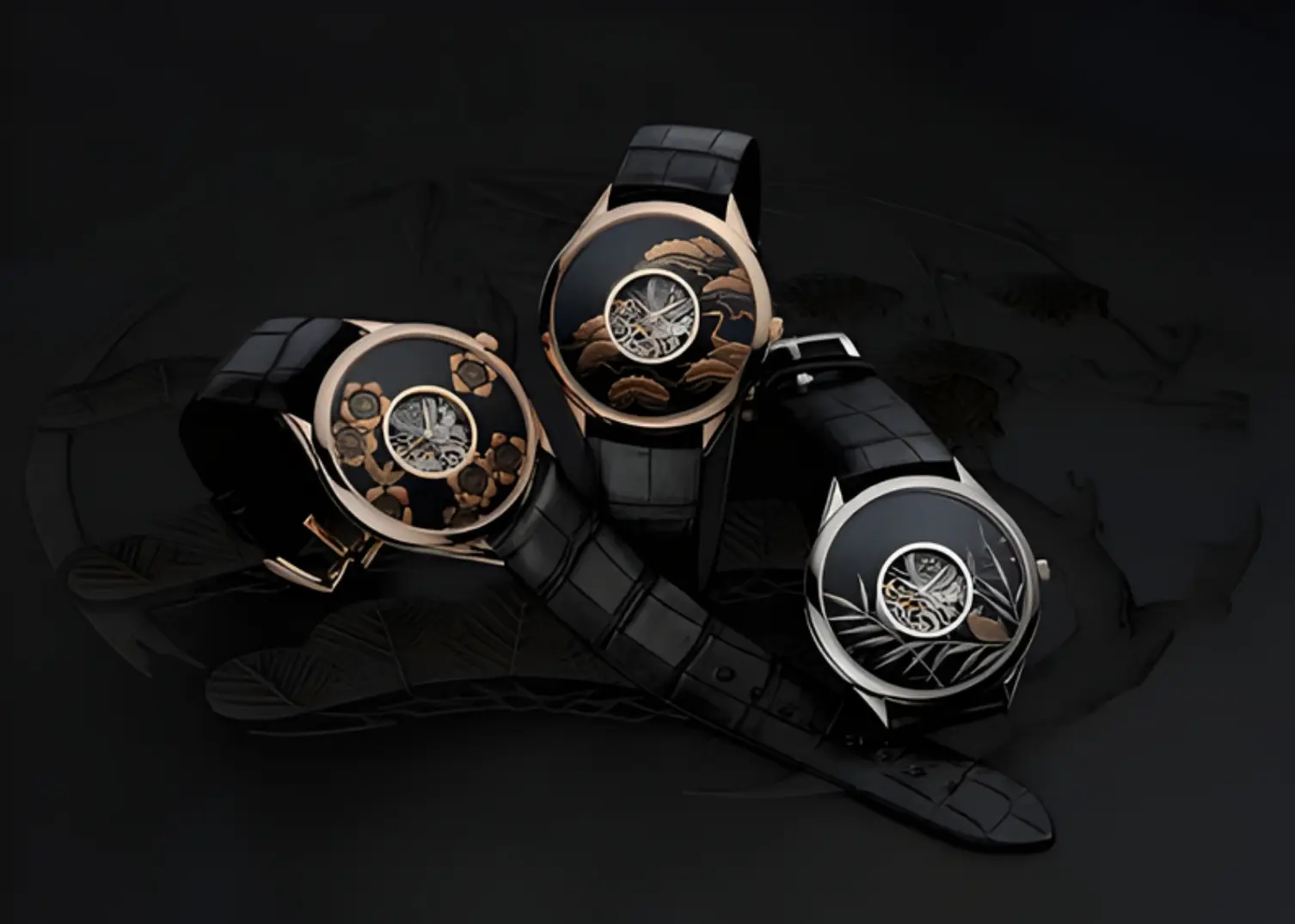
Beneath the radiant surface of these wearable artworks lies an urgent challenge: how to preserve and cultivate the next generation of artisans. Although the number of watchmakers in Val-de-Travers has grown significantly since the 1990s, few possess mastery of techniques that demand decades of refinement.
In response, brands are investing heavily in training through apprenticeship programs and partnerships with traditional trade schools. Yet, as one artistic director of a major house confided, "We are not just teaching skills, we are imparting a philosophy. It is a blend of infinite patience, a refined aesthetic eye, and, most crucially, a profound respect for the material and the creative process."
Looking ahead, the industry stands at a historical juncture: integrating modern technology to expand the frontiers of traditional craft. Techniques such as micro-laser engraving, high-resolution 3D printing, and digital design software are being employed not to replace, but to complement the artisan’s hand.
Simultaneously, a new generation of artists is bringing contemporary perspectives. They explore themes of sustainability, cultural identity, and social issues through the medium of the watch, transforming each piece into a multi-layered artistic statement.
In a world where everything seems to be accelerating, the revival of handcraft in haute horlogerie represents a counter-current declaration: that true value is still born from slowness, from absolute focus, and from a profound relationship between human and material.
The timepieces emerging from Fleurier and Switzerland’s other craft centers are not merely instruments that measure time. They are embodiments of time itself, the time required to master a skill, the time for an idea to mature, and time as a vessel connecting past, present, and future. In the relentless flow of change, they remind us that sometimes the most sustainable path forward begins by returning to the most fundamental values of the past.