Open your mother’s closet and look again. Somewhere between old leather and new hunger, the Coach rebrand asks a little question: what if the bag you once ignored has been waiting all along to become the thing everyone wants?

Open your mother’s closet and look again. Somewhere between old leather and new hunger, the Coach rebrand asks a little question: what if the bag you once ignored has been waiting all along to become the thing everyone wants?
June 8, 2026
Advertisement

Advertisement



The contemporary fashion landscape requires a delicate alchemy of heritage and forward momentum to sustain relevance. Within this highly competitive arena, the resurgence of Coach stands as a definitive masterclass in holistic brand revitalization. This sophisticated Coach rebrand moved fluidly and deliberately through four intrinsically connected layers: memory, strategy, product architecture, and commercial validation.
This analytical narrative begins with the central paradox defining Coach’s repositioning. The brand already lived vibrantly and deeply inside Gen Z’s collective visual memory. Young consumers possessed crystal-clear memories of their mothers’ closets, vibrant weekend trips to outlet malls, the early-2000s era of monogram-heavy shoulder bags, and the deeply familiar codes of classic American leatherworking. That profound historical familiarity carried immense emotional proximity.
The brand’s primary, essential task involved converting this passive inherited recognition into active, fervent aspiration. Younger shoppers found Coach anew through viral TikTok style videos, dedicated and exhaustive vintage hunting, a rising appreciation for enduring leather craftsmanship, and the renewed desirability of archival silhouettes originating from the 1970s through the 1990s.
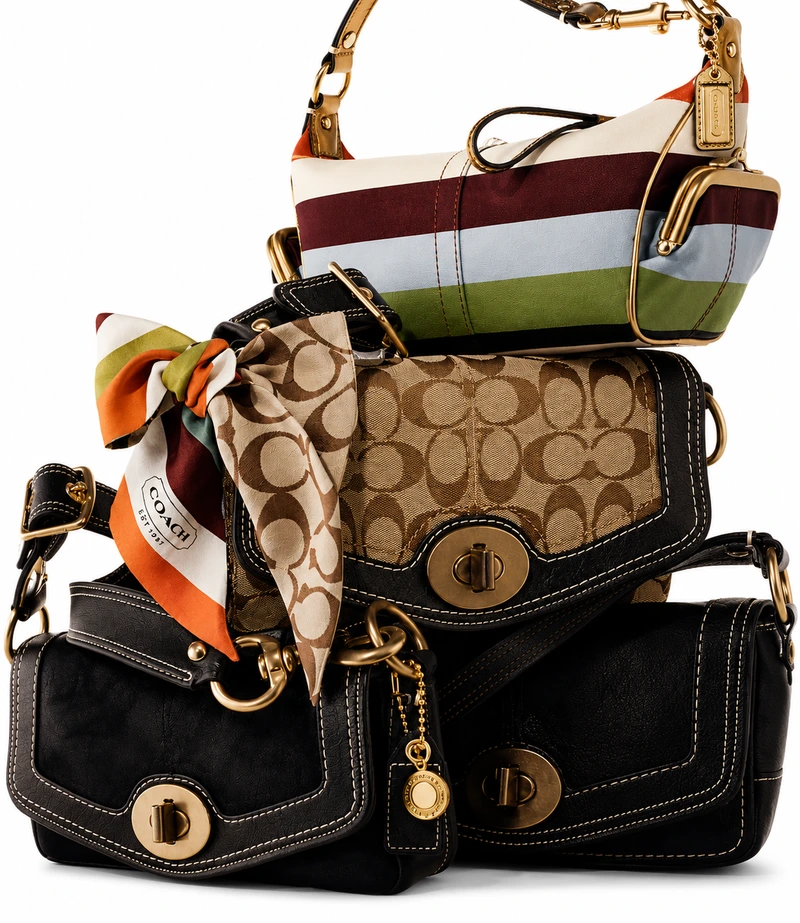
Analytically, Coach treated nostalgia as a highly precise, quantifiable strategic asset. Within the Coach rebrand, the culturally embedded “mom’s bag” image evolved into a rich, living cultural archive, overflowing with memory, proven durability, and generational intimacy. Gen Z’s current taste economy places an extraordinary premium on objects possessing tangible history, playful irony, and highly visible personality. This specific value system made vintage Coach exceptionally powerful.

Coach’s established visual history gave the brand immediate, frictionless cultural legibility. Vintage Coach proved absolute material credibility through documented leather quality and multi-decade longevity. The “mom’s bag” label served as a vital, highly effective bridge connecting family memory directly to Gen Z self-styling. Furthermore, the mechanics of TikTok and modern resale culture helped reframe Coach as a newly discovered, highly personal object. This digital ecosystem gave younger consumers the distinct, empowering pleasure of finding the brand on their own terms. Ultimately, the Coach rebrand commenced through a soft, welcoming reactivation of memory. The brand’s past became intensely desirable because Gen Z possessed the complete agency to personalize it, remix its context, and make it feel profoundly and newly intimate.
Following the successful reactivation of cultural memory, Coach executed a decisive, sweeping strategic pivot. In 2022, Coach repositioned itself from the traditional, somewhat saturated concept of “accessible luxury” to the dynamic, consumer-centric framework of “expressive luxury.” This monumental shift placed Gen Z at the very center of its overarching growth strategy, precisely as parent company Tapestry pursued expansive, aggressive revenue ambitions. The transition completely changed the brand’s competitive frame.

Coach’s Gen Z strategy speaks to a consumer drawn to classic design when it carries personality, emotional depth, and effortless cultural fluency. Under Todd Kahn’s leadership, this understanding became a highly integrated internal model, often described through the language of a “triangle offense.” Rather than treating business, creative direction, and storytelling as separate functions, the structure brings them into close alignment around one clearly defined young consumer, allowing the Coach rebrand to operate with unusual coherence across product, image, and commercial ambition.


The fresh language of “expressive luxury” gave Coach a completely new philosophical vocabulary. The Gen Z consumer became the vital, beating center of the business model, campaign language, product strategy, and retail merchandising structure. The pandemic period provided the necessary, quiet space for a profound strategic reset and substantially deeper consumer research. Coach’s new market position became immensely powerful because it occupied the highly lucrative, deeply desired space between ephemeral trend fashion and four-figure legacy luxury handbags.
The quantitative data gives this strategic shift undeniable, objective force. Coach entered the prestigious Lyst Index top 10, emerging triumphantly as the fifth hottest fashion brand globally. Demand rose a staggering 65% quarter-on-quarter and an astonishing 332% year-on-year. Through the Coach rebrand, the house achieved this remarkable cultural relevance through rigorous, resolute structural repositioning.
Coach’s brilliant strategic repositioning became entirely visible through its physical product assortment. The Tabby bag functioned as the clearest, most articulate symbol of the newly revitalized Coach. The design remained archival enough to carry the weight of the house's storied heritage, playful enough to circulate widely and virally online, and accessible enough to enter Gen Z wish lists globally. Coach utilized both hard quantitative data numbers and immersive qualitative research to shape the Tabby’s massive success. This extensive research included immersive “shopalongs” with young customers, providing transparent, direct insight into physical retail behaviors and psychological purchasing triggers.
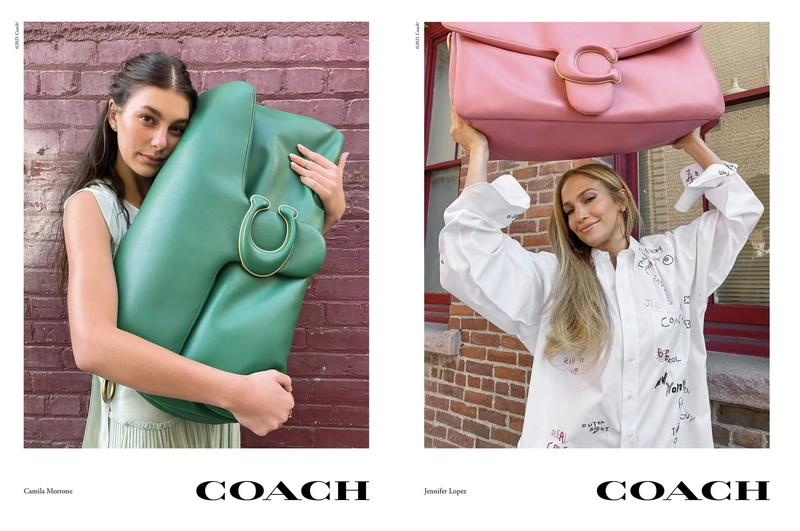
The product logic expanded deliberately from one singular hero bag to a comprehensive, brilliantly interconnected wider ecosystem. The Tabby gave Coach a firm, reliable anchor. The Pillow Tabby added engaging, cloud-like tactility and viral visual softness. The Brooklyn brought slouchy, effortless, highly desired off-duty appeal. The Empire introduced a highly structured, sophisticated, commanding carryall language suitable for the modern workplace.
Simultaneously, the introduction of varied bag charms created infinite personalization opportunities and turned traditional handbags into dynamic, evolving identity surfaces. Business Insider reported that Coach’s charms became especially powerful and highly collectible among Gen Z buyers. The diverse product matrix featured the viral Cherry Bag Charm priced at $95, with the broader, expansive charm collection ranging strategically from $20 to $195.
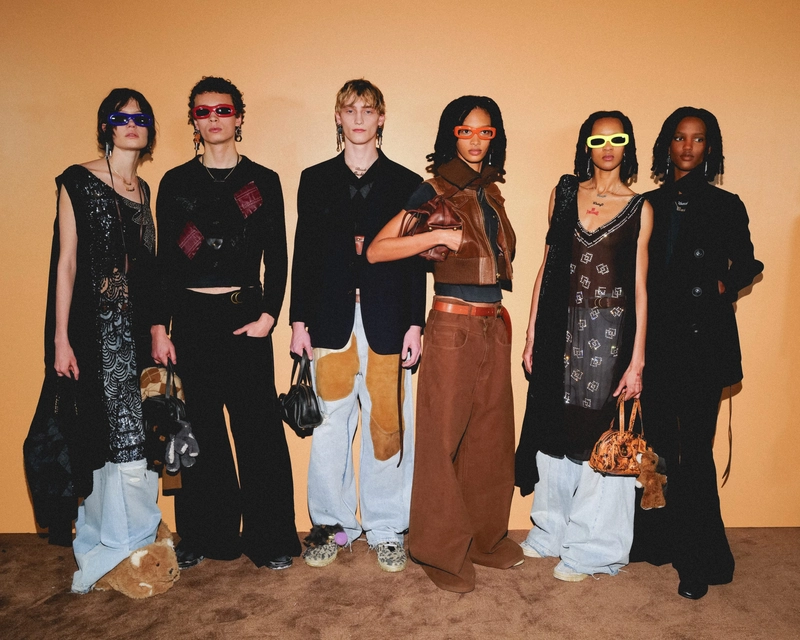
Coachtopia belongs firmly inside this section as the innovative, circular-design branch of the brand's overarching repositioning. Launched explicitly as a Gen Z-geared sub-brand, Coachtopia utilizes high-quality material remnants such as excess leather fragments and leftover zipper tracks. The meticulous design details include innovative digital passports, visible screw-back hardware, easily detachable parts, and entirely repair-oriented construction methods.
The Coach rebrand succeeded fully because it produced tangible, desirable objects capable of carrying the heavy weight of the corporate strategy. The bags became active, participatory cultural media: thrifted, filmed, charmed, reviewed, styled, and passionately collected by a new generation.
Tapestry’s fiscal 2025 results reported record-breaking annual revenue of $7.0 billion, a robust 5% increase fueled heavily and undeniably by 10% standalone Coach brand growth. The company acquired approximately 1.5 million eager new customers in North America during the quarter, totaling over 6.8 million new acquisitions during the full year. Gen Z and Millennials represented an overwhelming 60% of these new customers for both the quarter and the entire fiscal year.
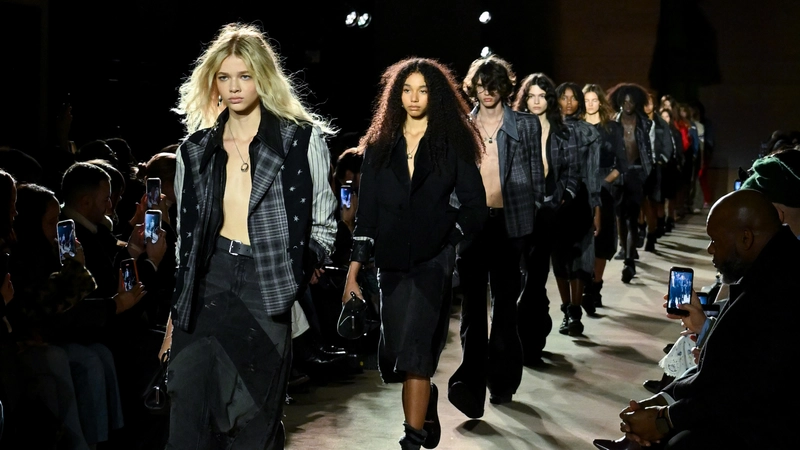
Reuters provides the clearest, most recent 2026 proof of the Tabby engine's immense, sustained power. In the crucial, highly competitive holiday quarter, extraordinarily strong demand for Tabby handbags among affluent Gen Z shoppers helped Coach revenue surge a massive 25% to an impressive $2.14 billion. Consumers eagerly and consistently purchased Tabby bags priced between $295 and $725. To support and amplify this massive momentum, Tapestry increased marketing spend by a significant 40% during the reported quarter. CEO Joanne Crevoiserat stated clearly and confidently that Coach possesses the distinct, highly realistic opportunity to become a $10 billion global brand.
Fortune adds a highly recent, vital business frame, describing Coach’s “expressive luxury” formula as simultaneously deeply aspirational and warmly approachable. In the recently reported quarter, Coach posted massive 29% constant-currency revenue growth. North America grew by a stellar 27%, Greater China expanded by a massive, industry-leading 58%, and Europe increased by a highly respectable 27%. The brand added an astonishing 2 million new customers globally in that specific quarter alone.


The sophisticated creator strategy functions here as the primary, essential mechanism connecting cultural relevance directly to massive sales conversion. Business Insider reports that Coach utilizes deep, long-term creator partnerships across YouTube, TikTok, and Instagram. A prime, highly successful example includes Haley Pham’s continued, engaging work for the Tabby campaign ecosystem. Kimberly Landry Wallengren, Coach’s VP of Marketing for North America, linked this deliberate, authentic creator approach to vastly stronger brand consideration among Gen Z female shoppers. This specific metric remains one of Coach’s most vital core KPIs.
Coach successfully and sustainably converted fleeting online relevance into massive, permanent customer acquisition. Increased marketing spend supported comprehensive brand elevation and massive global cultural scale. Long-term creators gave the brand enduring trust, essential narrative continuity, and native platform fluency. The financial results definitively and absolutely show that the Gen Z strategy became a formidable, high-functioning revenue engine. The Coach rebrand evolved beautifully into a fully realized, deeply integrated commercial system.
Advertisement