MENU
Close





On May 3, 2003, Suzy Parker died at her home in Montecito, California, closing the life of the flame-haired model whose face helped define 1950s fashion and whose presence gave modern modeling its first true jolt of star power.
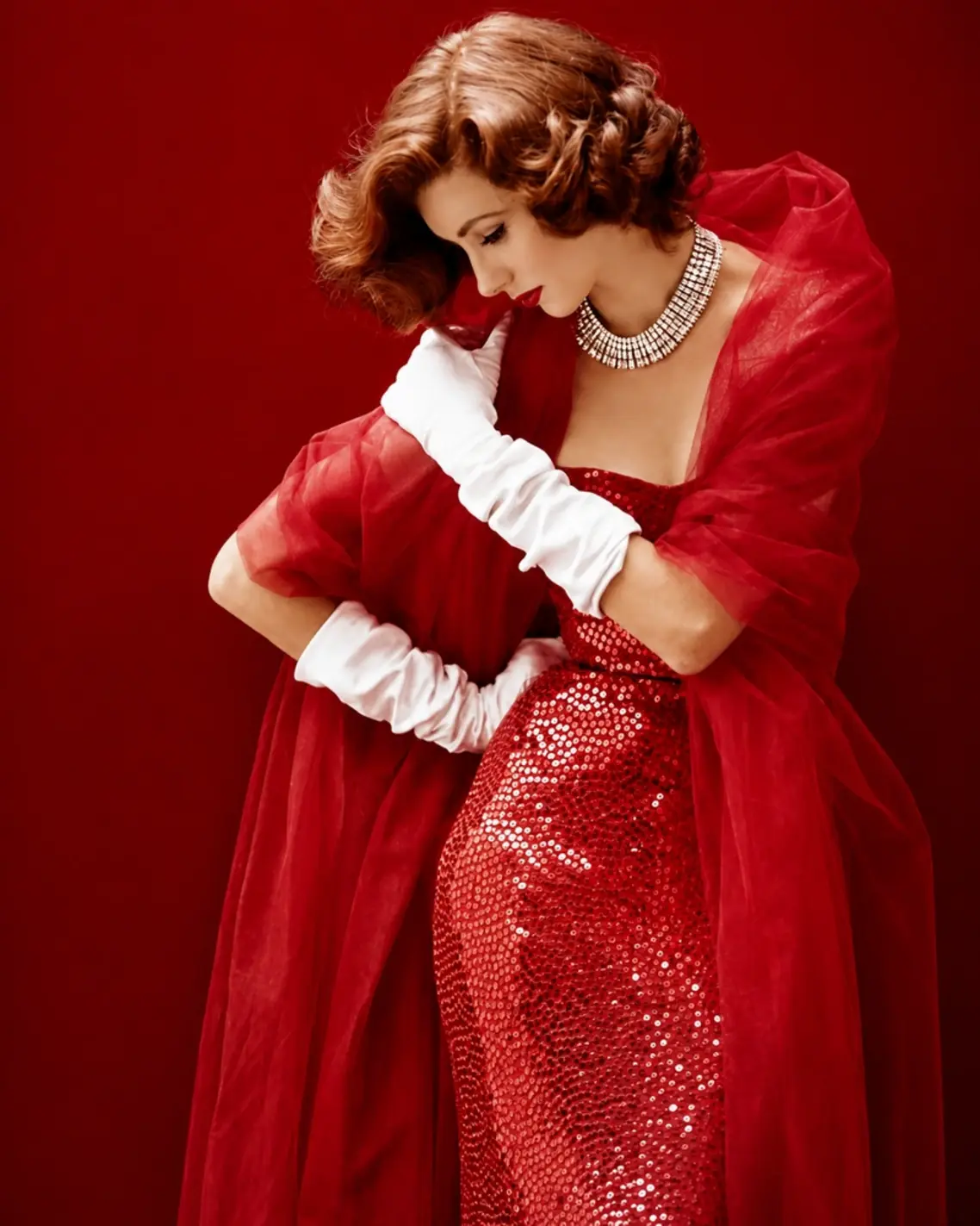
On May 3, 2003, Suzy Parker died at her home in Montecito, California, closing the life of the flame-haired model whose face helped define 1950s fashion and whose presence gave modern modeling its first true jolt of star power.
May 3, 2026


In the 1950s, Suzy Parker helped define what a modern model could be. She moved beyond the idea of a silent clothes hanger and brought emotion, wit, and movement into fashion imagery. Her rise through Harper’s Bazaar and Vogue gave the era a new kind of model presence: vivid, intelligent, and emotionally alive. With her auburn hair, long frame, and instantly readable face, she brought a new energy to editorial fashion, moving beyond decorative poise into something more modern and personal. She also became one of the earliest models to command true celebrity-scale earnings, helping turn fashion modeling into a profession with real public power.
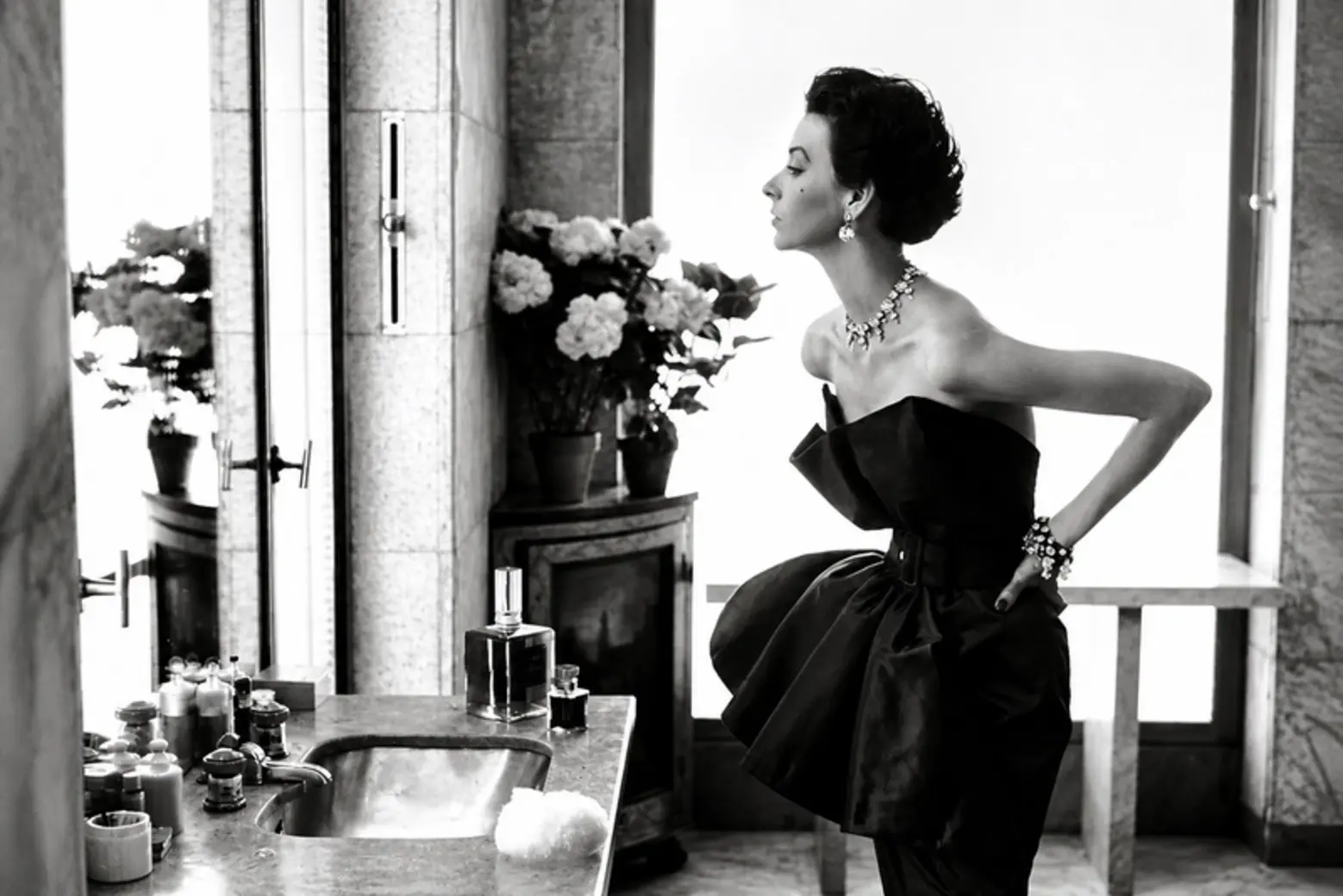
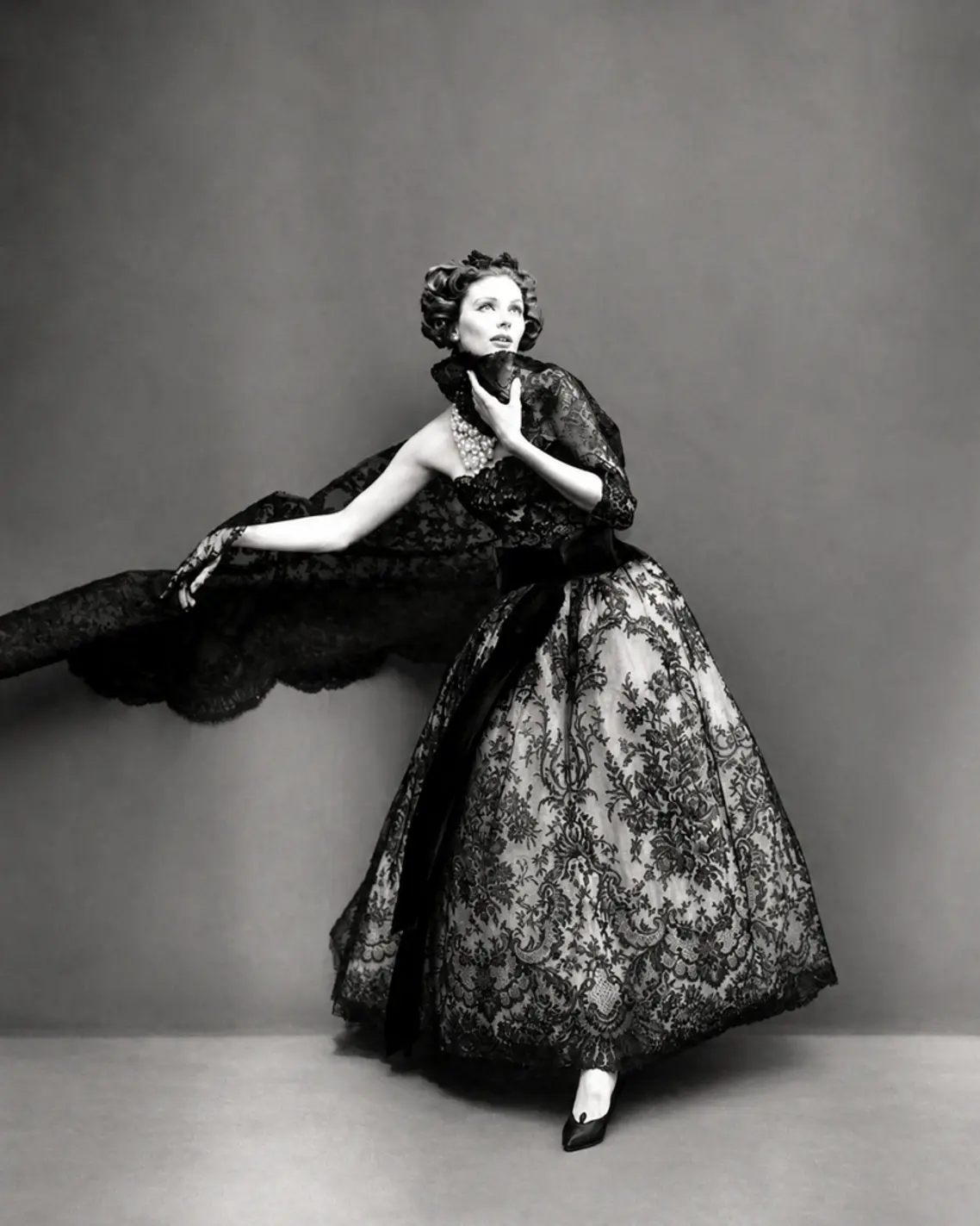
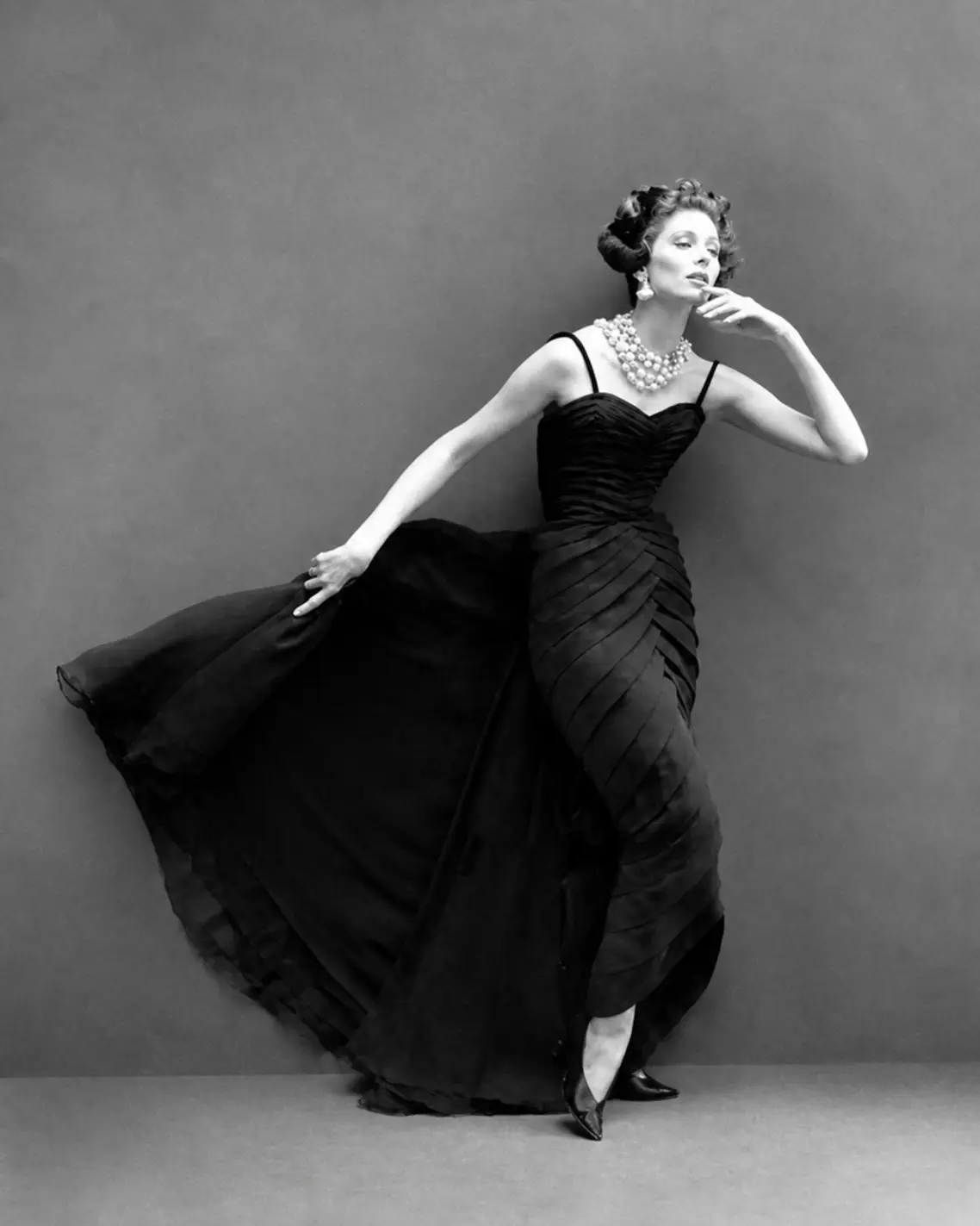
Her work with Richard Avedon gave that transformation its sharpest visual form. Together, they helped push fashion photography toward something more charged and cinematic, where the model could act, tease, and inhabit the image rather than simply pose inside it. Suzy Parker had that rare quality of making style feel immediate and human, which is part of why her photographs still breathe decades later.
Her career also moved into film and popular culture, which expanded her image beyond the magazine page. She appeared in Funny Face, then took larger roles in films such as Kiss Them for Me and Ten North Frederick, carrying her fashion fame into Hollywood at a moment when the industries of style and cinema were becoming increasingly intertwined. Even when acting never fully eclipsed modeling, those appearances deepened her status as a cross-media figure whose influence reached well beyond the runway and editorial spread.
What remains so striking about Suzy Parker is how fully she belonged to her time while still feeling ahead of it. She embodied the polish of postwar fashion, yet she also carried an ease and confidence that feels unmistakably modern. Her beauty opened the door, though her force of presence is what made the door stay open.
Suzy Parker leaves behind far more than an archive of beautiful pictures. She leaves a blueprint for the model as personality, collaborator, and cultural figure, and that legacy still glows every time fashion reaches for image, charisma, and life all at once.