MENU
Close





From Jacques Helleu's career-defining bet on the ceramic Chanel J12 in 2000 to the million-dollar tourbillons of Hermès and Louis Vuitton today, fashion's most powerful houses are no longer outsiders. They are actively redefining what constitutes a luxury watch, forcing the entire Swiss industry to look over its shoulder. This is the quiet revolution where the iconic handbag and the high-complication timepiece have become two sides of the same valuable coin.
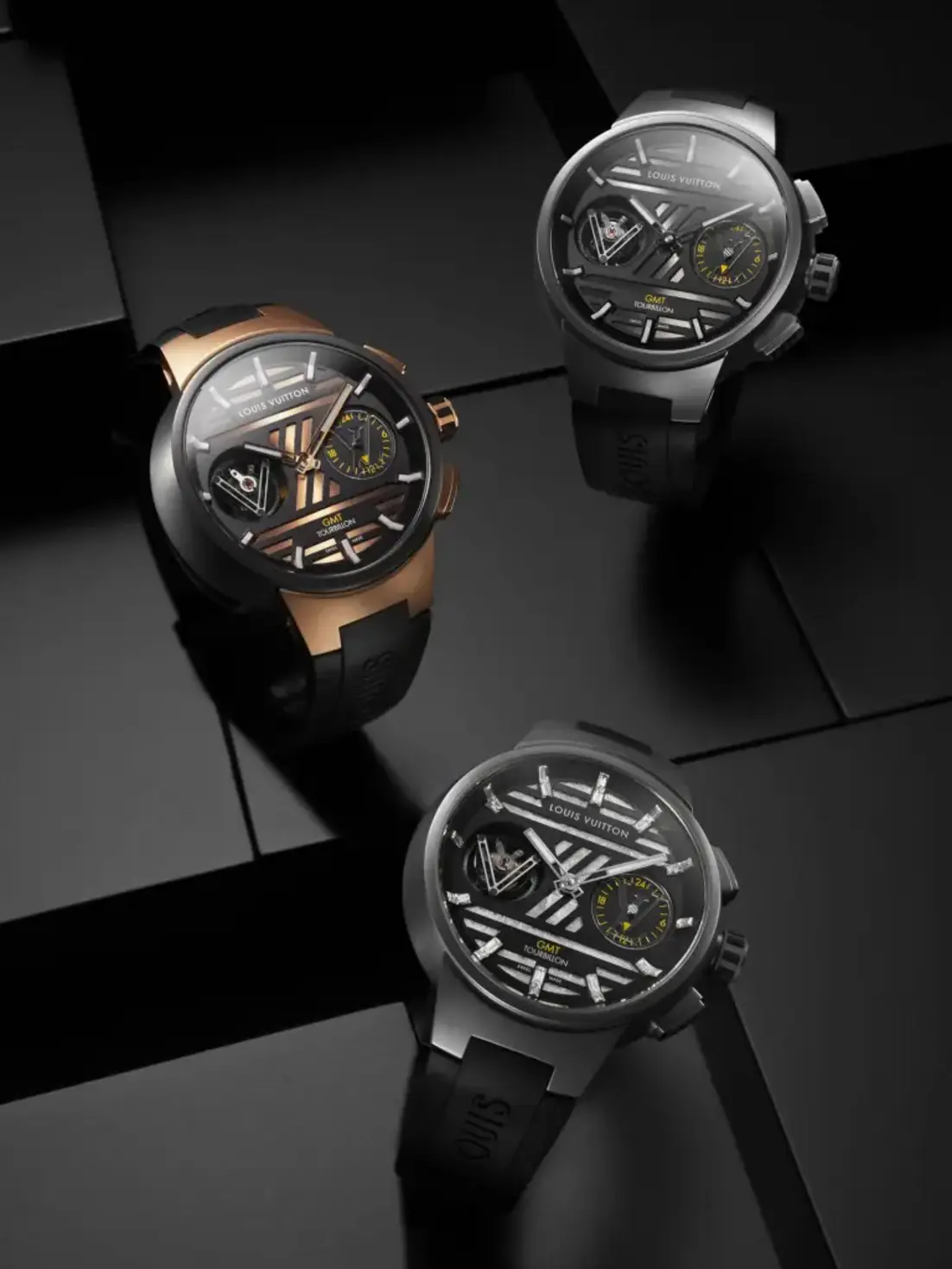
From Jacques Helleu's career-defining bet on the ceramic Chanel J12 in 2000 to the million-dollar tourbillons of Hermès and Louis Vuitton today, fashion's most powerful houses are no longer outsiders. They are actively redefining what constitutes a luxury watch, forcing the entire Swiss industry to look over its shoulder. This is the quiet revolution where the iconic handbag and the high-complication timepiece have become two sides of the same valuable coin.
December 9, 2025


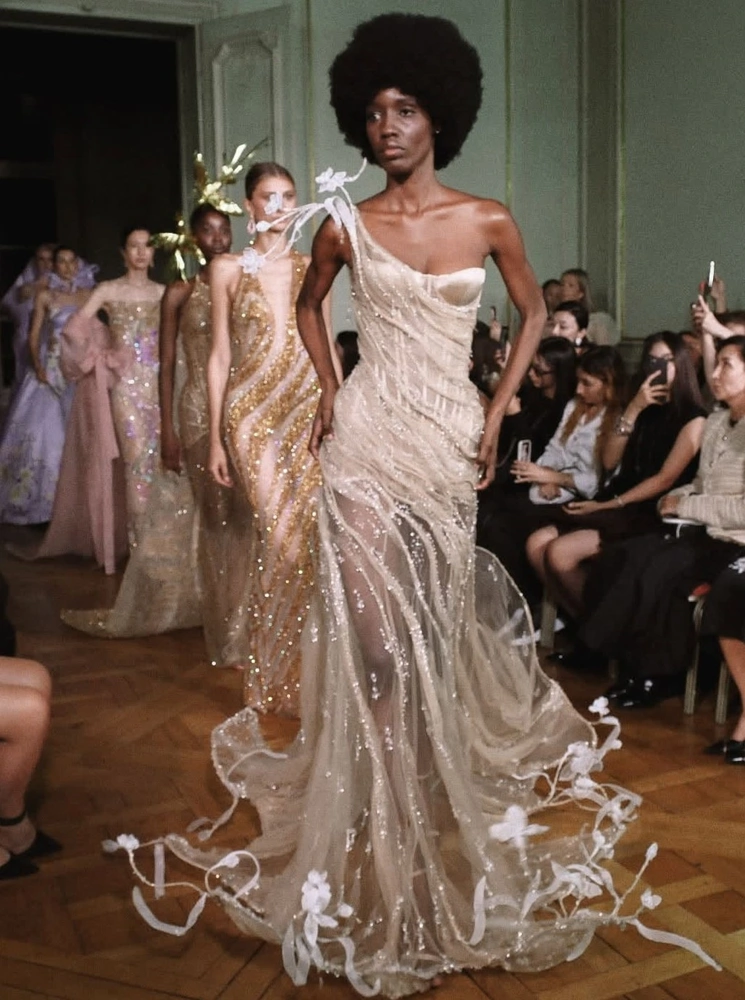
We are all too familiar with headlines praising a fashion brand for “taking the world by storm.” Yet the phrase “this fashion house is at the epicenter of the global watch world” remains a rare declaration. Especially when that house is renowned for its Little Black Dresses or its iconic quilted handbags.
But that is precisely the reality unfolding today. And the story doesn't begin with intricate mechanics, but with a material revolution led by one man's visionary gamble.
In 2000, Chanel, under the guidance of its longtime Artistic Director Jacques Helleu – the "eye" of the brand for four decades – introduced the J12. This was not a cheap fashion accessory, but a statement in ceramic. With a starting price well over £1,000 and manufactured in a dedicated workshop in La Chaux-de-Fonds, Switzerland, the J12 instantly shattered preconceptions.
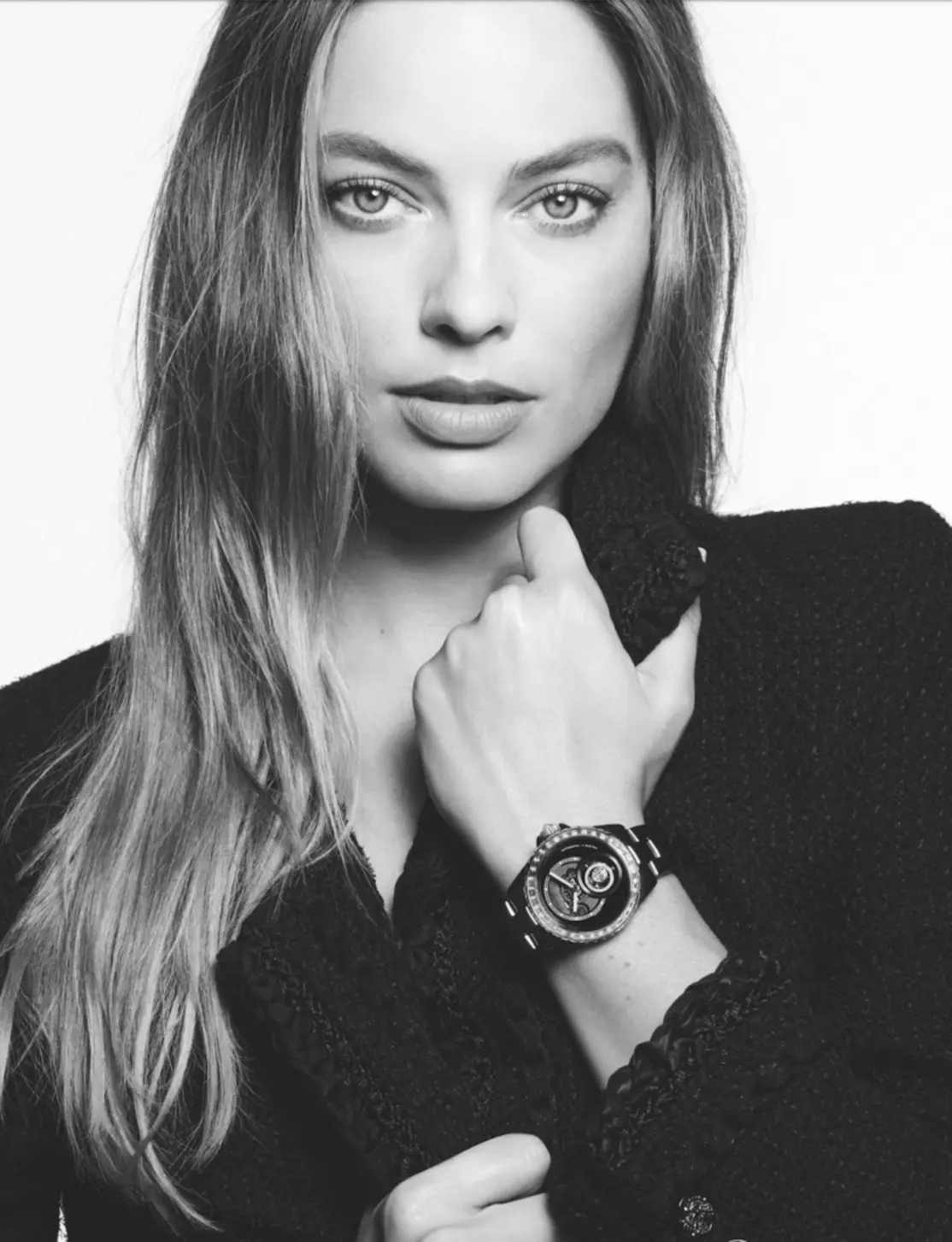
Helleu didn't just want to "have" a watch. He wanted to master a material. After seven years of research, consulting with an expert in jet-engine brake disc composition, he created Chanel's own high-tech ceramic: jet-black, glossy, far more durable than standard PVD coating, and possessing a uniquely luxurious feel. "Some people in the sales department told me it would be a disaster," Helleu recalled in 2006. "They told me I shouldn't do it. Those people are no longer here."
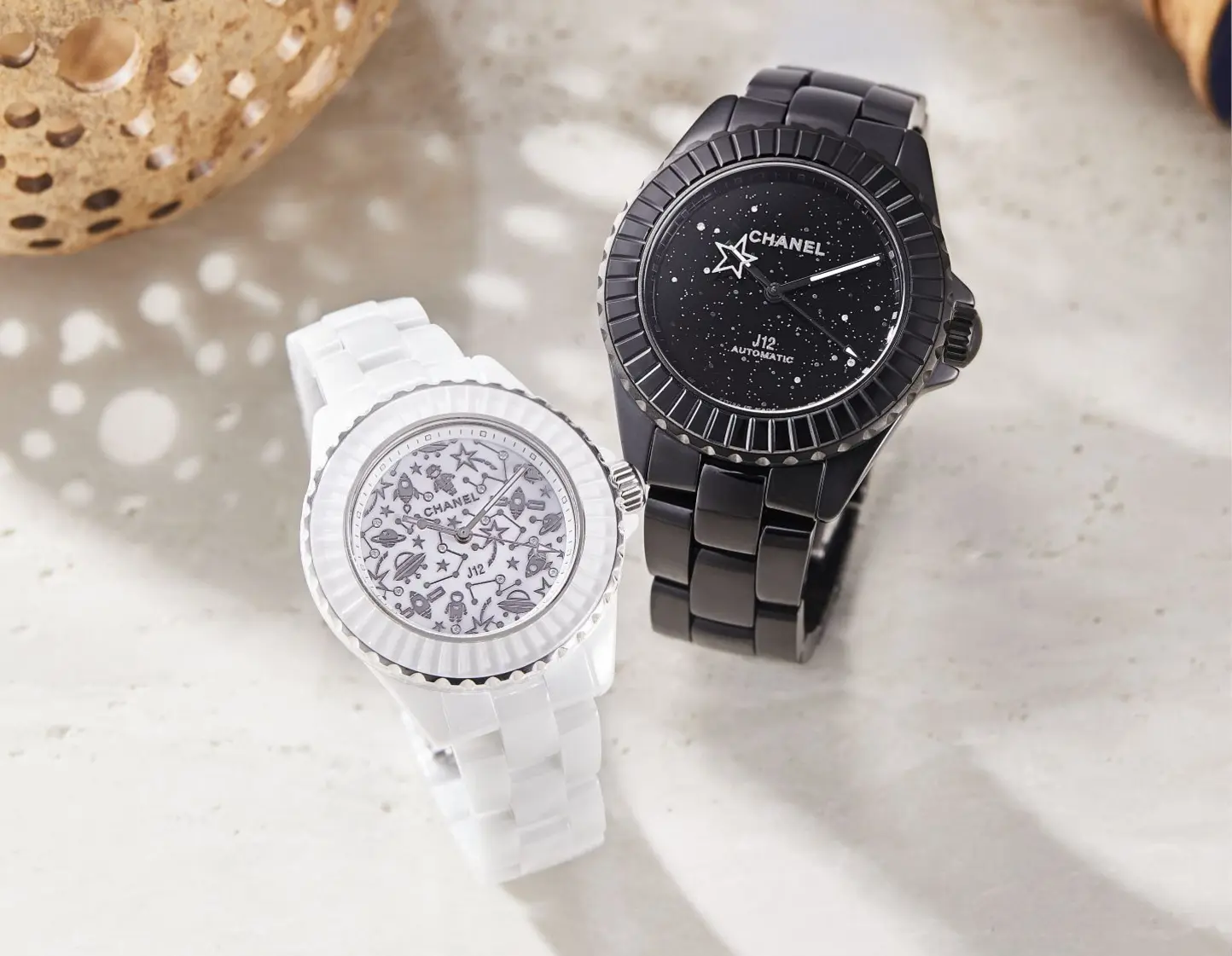
The J12 succeeded spectacularly not just because of the material, but because it carried pure Chanel DNA – black and white, a unisex minimalist yet powerful design – the same ethos that shaped the 2.55 handbag. It proved a fashion house could create a horological icon by being true to its own identity, not by imitating the Swiss.
The success of the J12 paved the way. Fashion houses realized that to conquer the pinnacle, they had to win over the hearts of discerning collectors – those who value the mechanics inside over the case outside.
Dan Rookwood, Style Director of Men's Health UK, observes: "For serious watch enthusiasts, understanding what's happening beneath that beautiful case is more important than ever. There's no longer room for uninformed consumers. That's why when Dolce & Gabbana launched watches, they almost had to start from zero. Earning recognition under the stringent 'Swiss Made' standard became non-negotiable."
And they have succeeded. Moving beyond just "Swiss Made," they now reach for the peaks of "Haute Horlogerie":
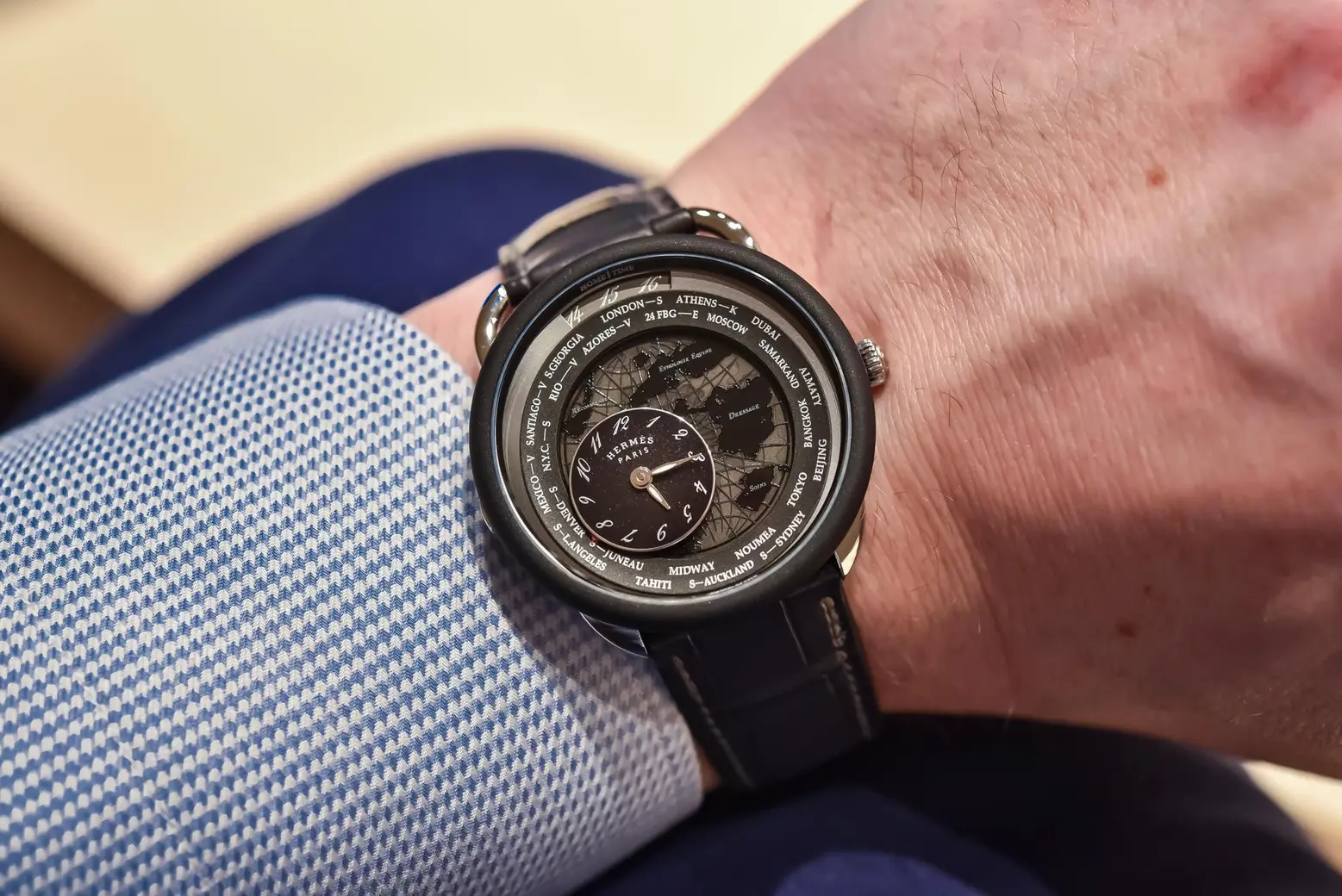
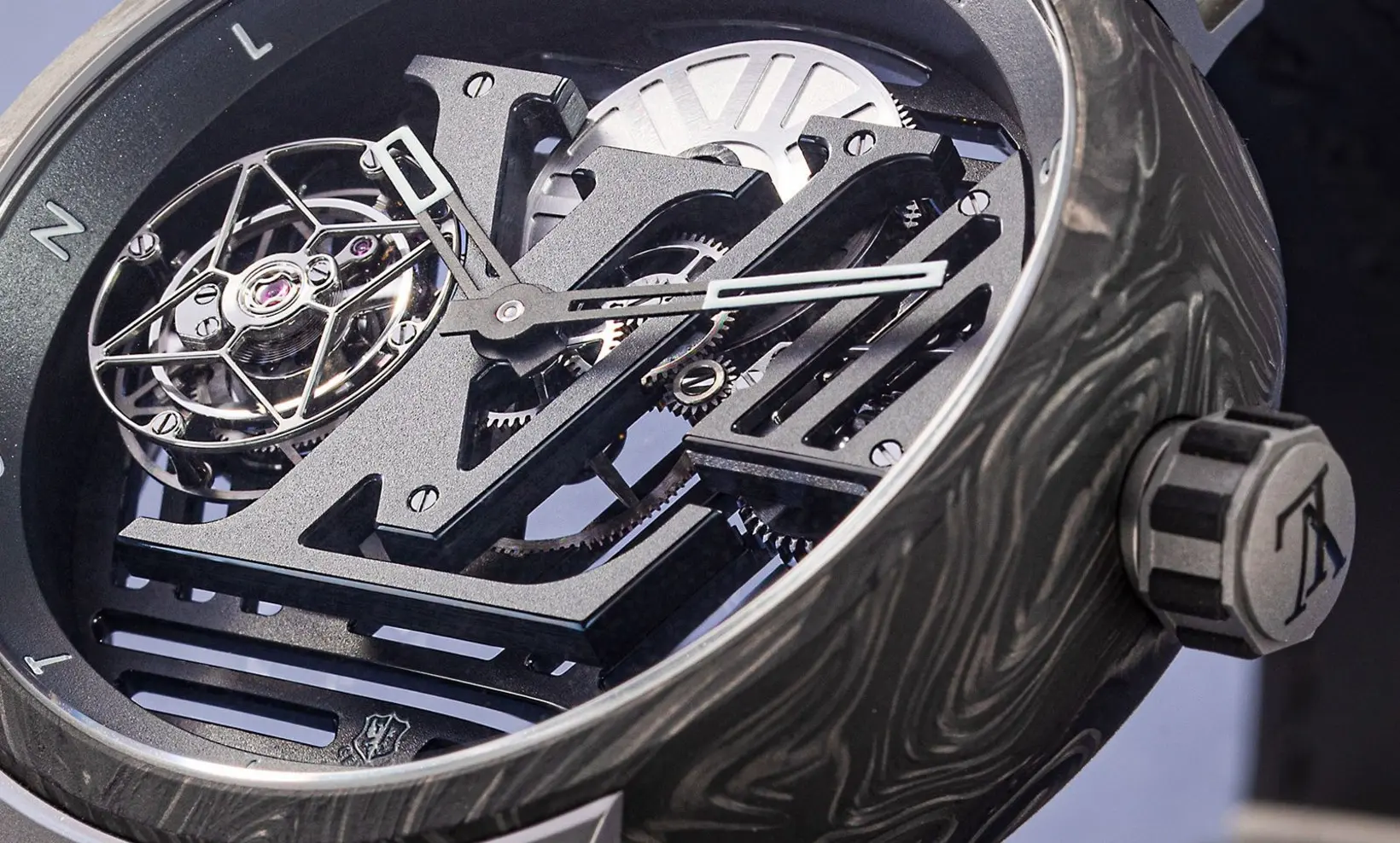
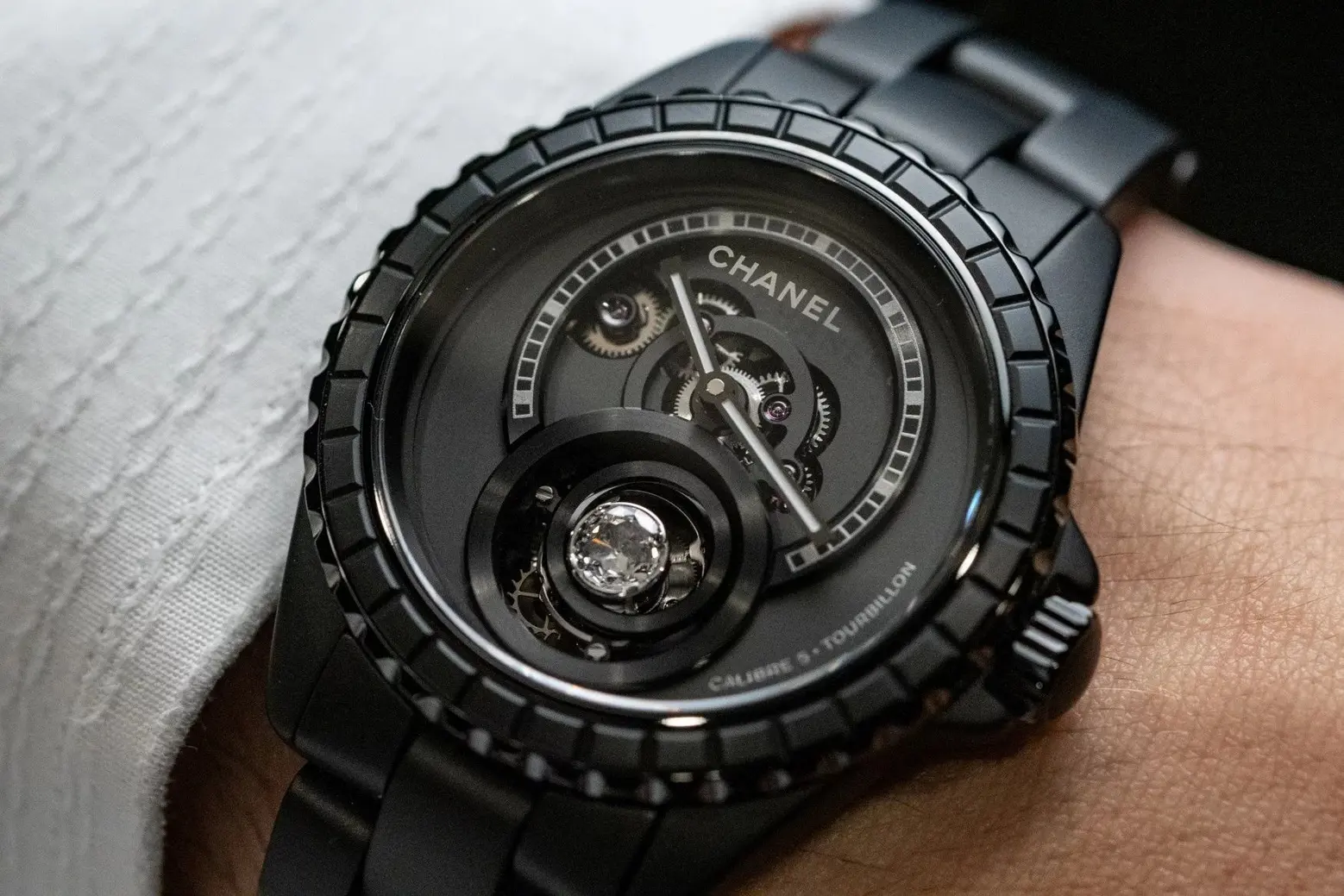
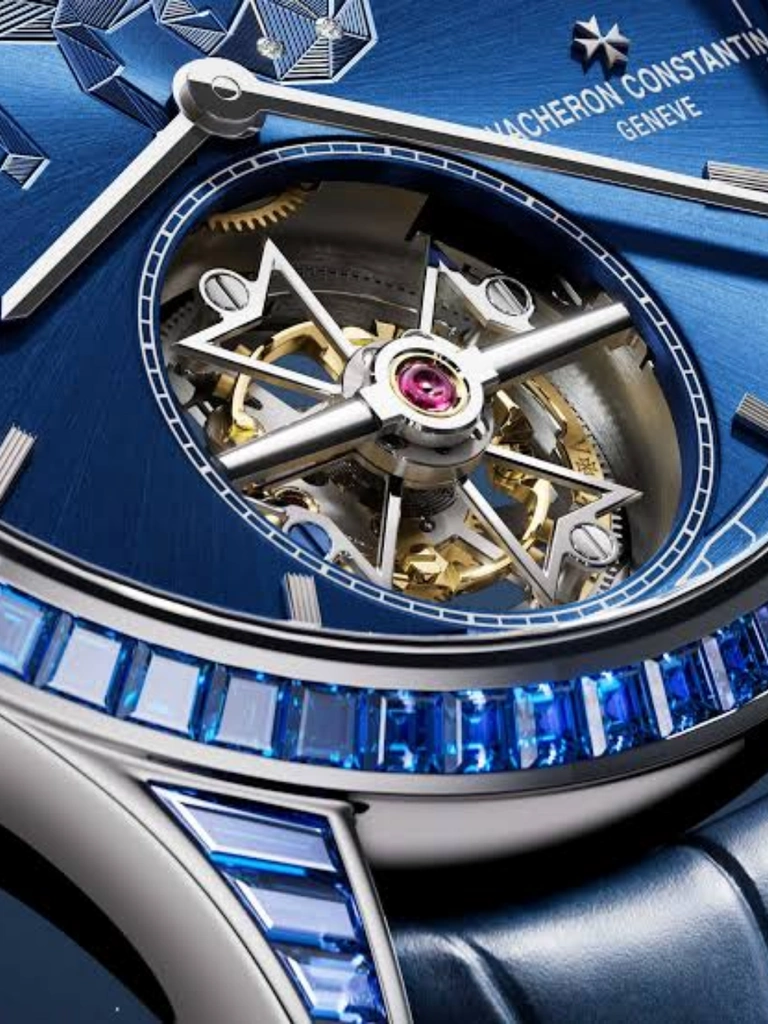
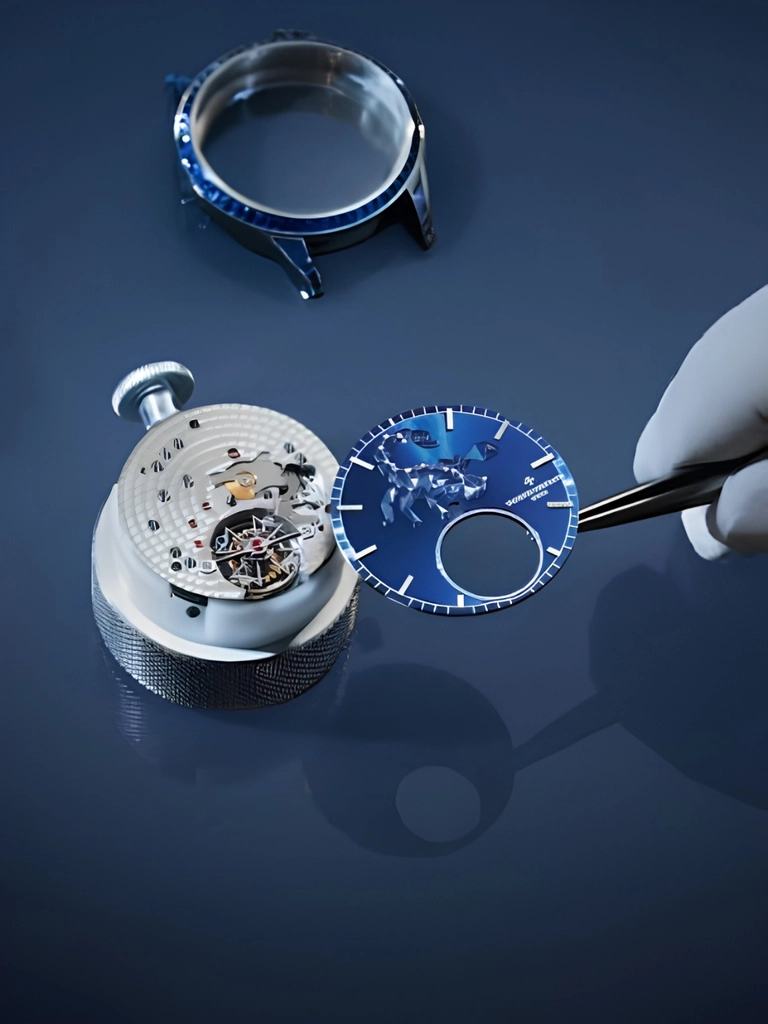
Traditional Swiss watch brands have long focused on the movement within. The fashion houses, with their inherent advantage in aesthetics, storytelling, and cultural influence, have created breakthrough dial and case designs, forcing the Swiss to look inward.
Their success has sparked a wave of "design upgrading" across the entire industry. Today, a watch must not only keep accurate time; its dial must be a work of art, its case a sculptural exercise.
Valérie Lachaux, former CEO of Dior Watches, once noted: "Watches today are no longer just for telling time. Wearers are fascinated by the mechanics, but they also use them to make a statement. The rigorous standards of Swiss watchmaking are attracting high-fashion clientele."
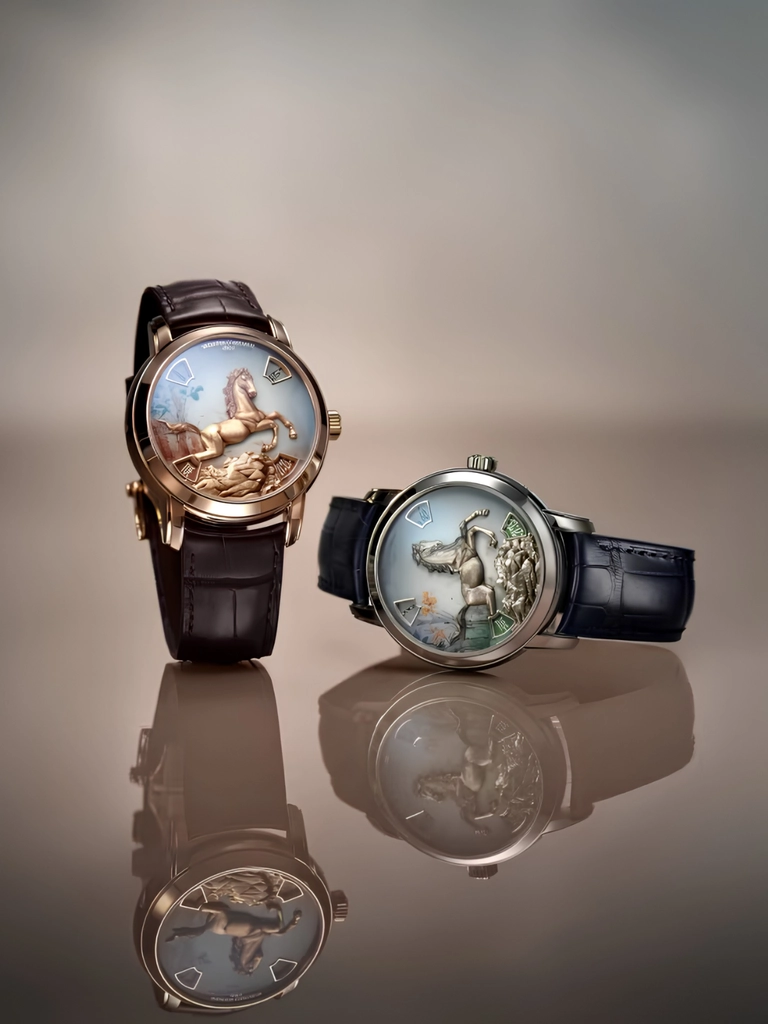
This also opens new doors for the watch-wearing experience. Modern collectors no longer have to choose between a downsized, masculine-complication watch and a purely jeweled piece. They can own an Hermès Arceau with a romantic moonphase displayed through stone marquetry, or a Van Cleef & Arpels with storytelling automatons – where complexity serves emotion and beauty, true to the spirit of the fashion house.
The journey from the J12 to the million-dollar machines of LV and Hermès signals a power shift. Fashion houses are no longer "dabbling" in watches. They are investing seriously, acquiring manufactures, hiring the greatest minds, and, most importantly, using their design language and heritage to write new chapters in watchmaking history.
They succeed because they understand one fundamental truth: in the contemporary luxury world, value lies not in which category you belong to, but in the story you tell. And with their vast archives of heritage, material mastery, and immense cultural sway, fashion's empires hold some of the most compelling stories of all – stories worthy of being told not just on fabric, but on the most intricate mechanical canvases imaginable.
The era of the dubious "fashion watch" is over. A new epoch has dawned: one where the border between fashion and haute horology is blurred, and the ultimate winners are the connoisseurs with vision