MENU
Close





Florence moves like a masterpiece that never learned how to sit still, preserving the grandeur of the Renaissance while letting contemporary life slip beautifully through its medieval streets.

Florence moves like a masterpiece that never learned how to sit still, preserving the grandeur of the Renaissance while letting contemporary life slip beautifully through its medieval streets.
April 2, 2026


Florence is one of those rare cities that feels instantly mythic and strangely intimate at once. Its historic centre, recognized by UNESCO, gathers centuries of artistic achievement into a walkable urban fabric where the cathedral, palaces, churches, and museums still shape daily life. Even the Duomo’s dome remains an active astonishment: Brunelleschi’s great vault, built between 1420 and 1436, is still described by the Opera del Duomo as the largest masonry vault in the world.
Florence became a symbol of the Renaissance under the Medici, yet its magnetism begins earlier, in the layered collision of Roman origins, medieval ambition, and civic self-invention. UNESCO describes the city as a place of six hundred years of extraordinary artistic activity, visible in monuments such as Santa Maria del Fiore, the Uffizi, and Pitti Palace. That is what makes Florence feel less like a destination and more like a complete visual language: one in which architecture, painting, sculpture, and urban space all speak to each other.
Before the domes and palaces came to define the skyline, Florence was known as the “towered city.” The city’s medieval tower houses once rose in large numbers as defensive structures and status symbols for rival families. Feel Florence notes that in the 13th century there were about 160 tower houses, and that a law in 1250 imposed height limits, which led many of them to be lowered. That history still lingers in the streets today, giving Florence an edge beneath the polish, a reminder that elegance here was forged from conflict as much as patronage.
The city also carries a more recent memory of collective rescue. During the catastrophic flood of 4 November 1966, Florence’s National Library alone saw almost one million books submerged, while the Uffizi records the enormous damage done to the city’s artistic heritage. In the aftermath, hundreds of young international volunteers, the “Mud Angels,” helped save books, artworks, and archives, turning recovery into a global act of solidarity. Florence’s beauty therefore feels especially moving because it has been loved, damaged, defended, and restored in full public view.
No first encounter with Florence feels complete without the Cathedral of Santa Maria del Fiore. Brunelleschi’s dome is the city’s great architectural thesis statement, a feat of engineering that still reads as daring rather than merely historic. The Opera del Duomo calls it the symbol of Florence and confirms that its structure was achieved without the wooden reinforcements that would ordinarily have been required for a cupola of that scale. To stand beneath it is to understand that Renaissance Florence was never only decorative. It was radical, ambitious, and deeply confident in human ingenuity.
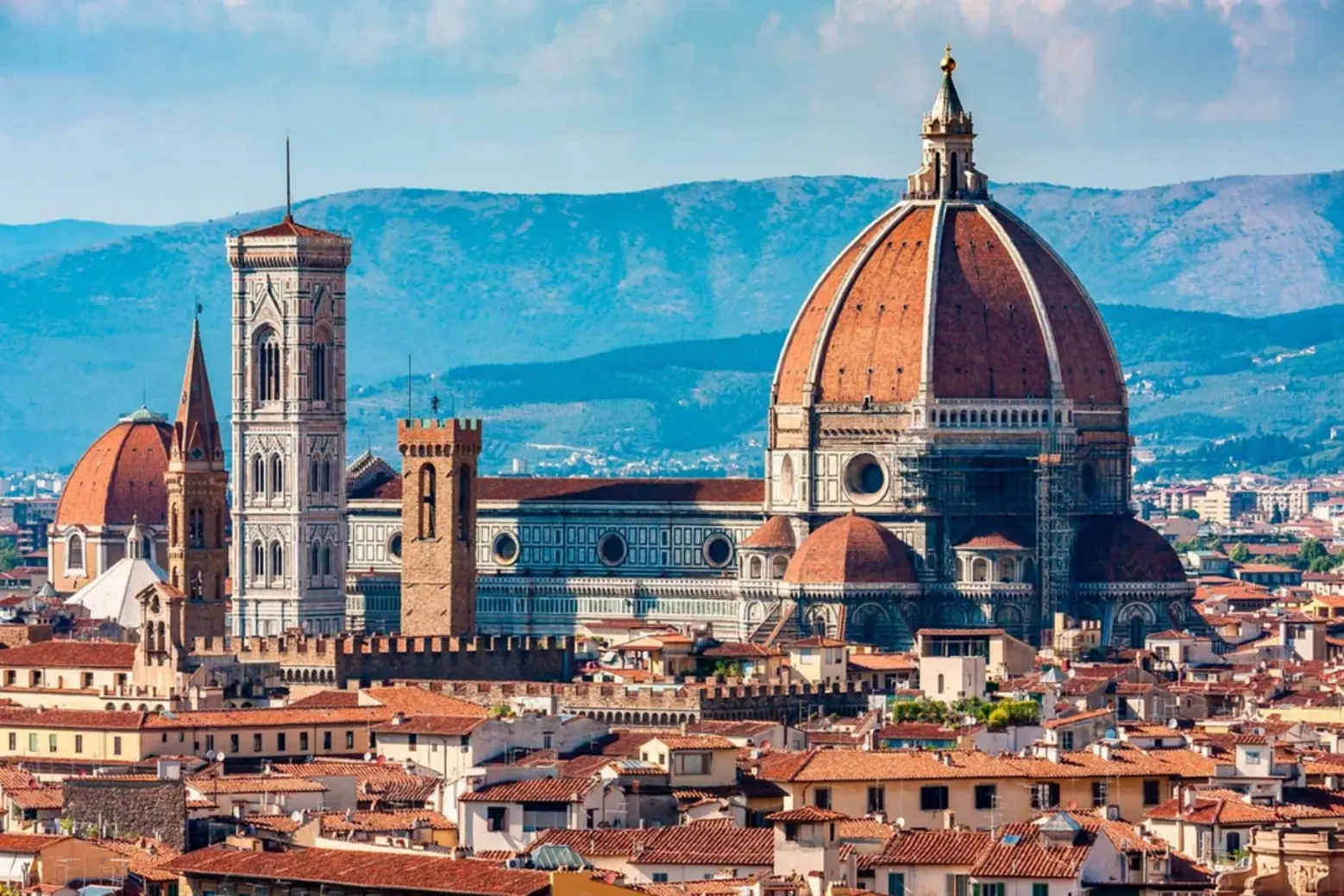
Then comes the Uffizi, still one of the defining experiences of the city. The museum describes itself as famous worldwide for its outstanding collections of ancient sculptures and paintings, and it remains the essential chamber of Florentine pictorial memory. This is where Botticelli’s Birth of Venus continues to draw viewers into its mythic calm, and where the Vasari Corridor extends the museum’s narrative physically across the city. The corridor, accessible by reservation through the Uffizi, reconnects the gallery to the broader Medici geography of Florence, making the visit feel architectural as much as curatorial.
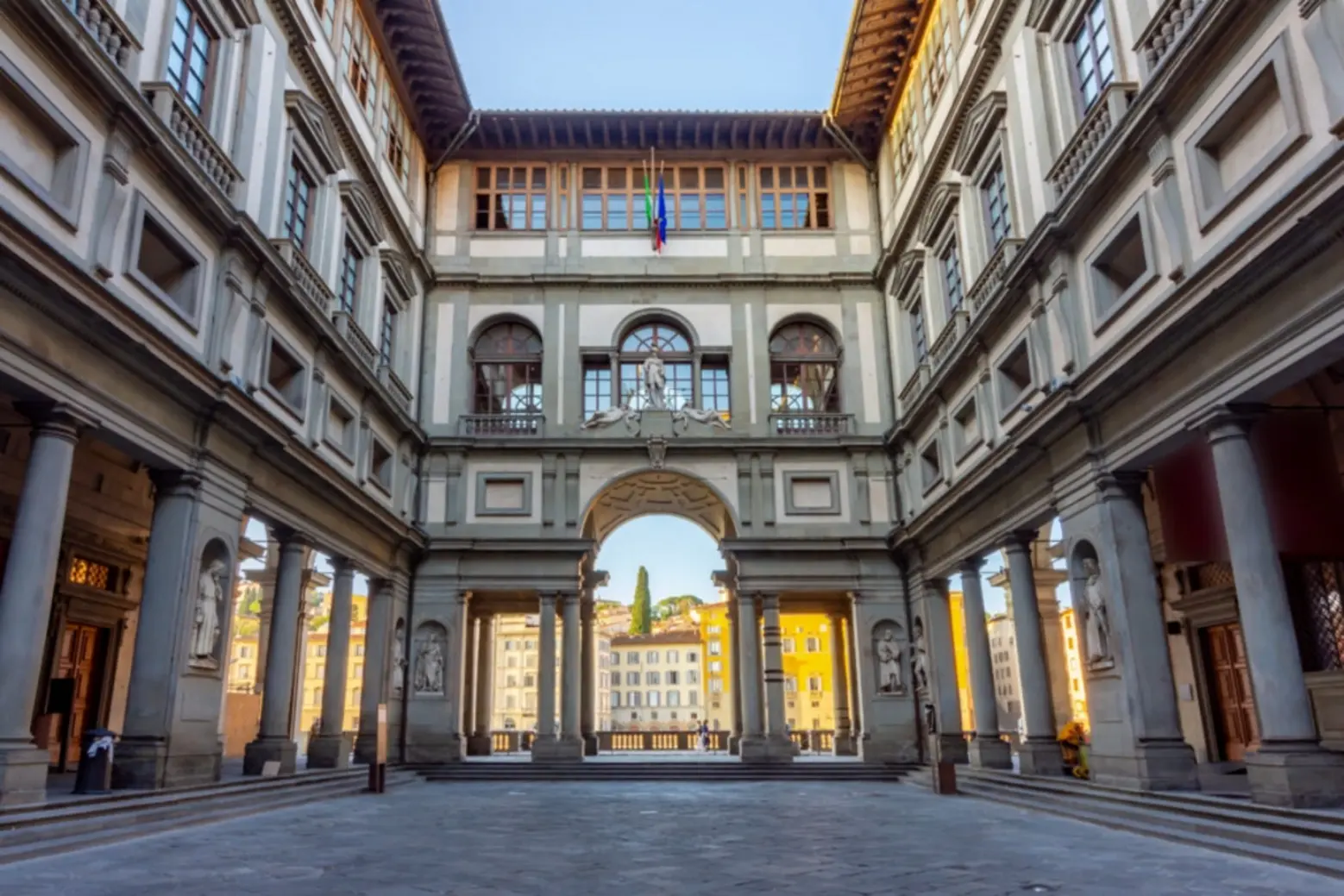
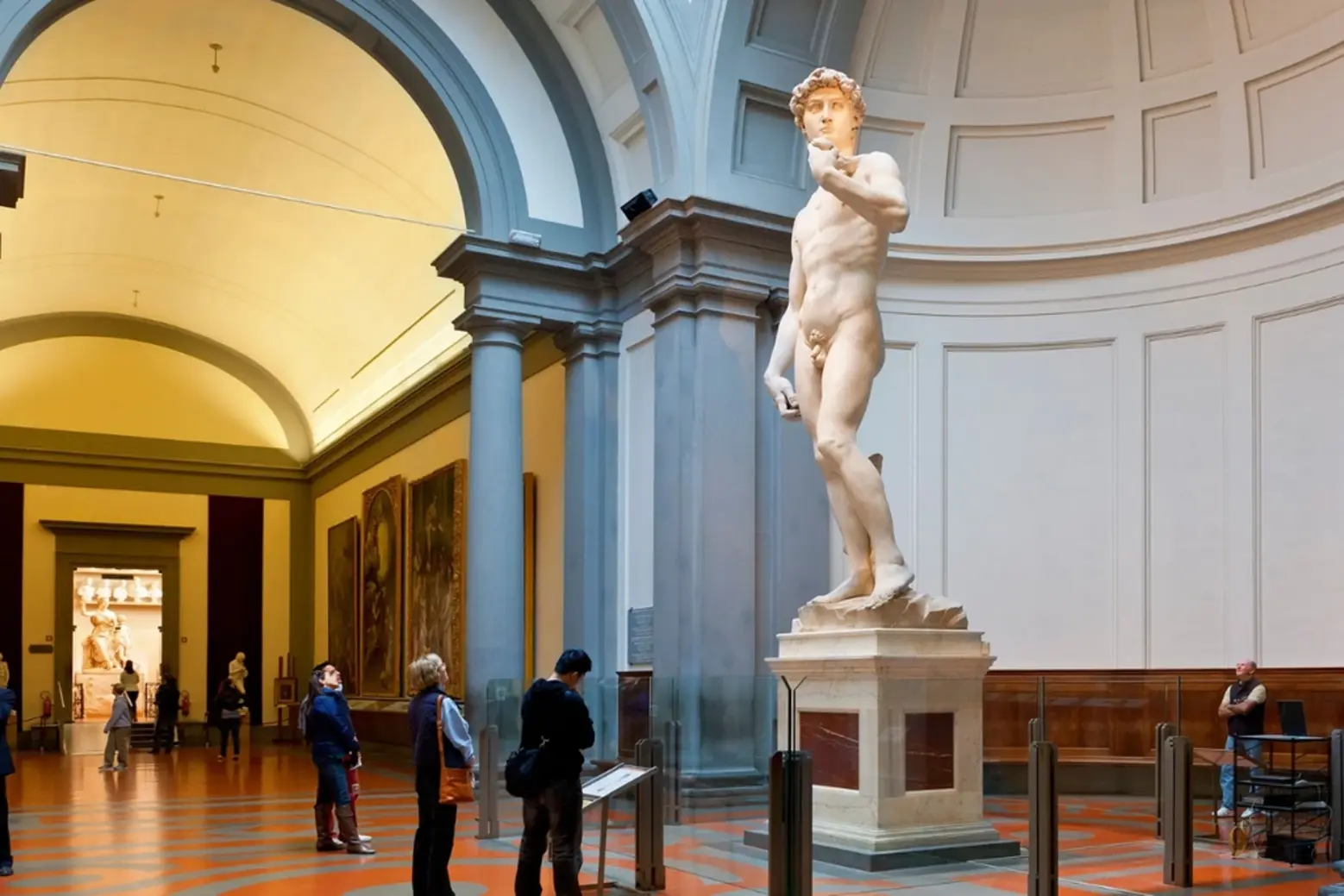
The Galleria dell’Accademia offers a different emotional tempo. Michelangelo’s David remains its gravitational center, officially described by the museum as a symbol of the strength and independence of the Florentines, yet the unfinished Prisoners are just as unforgettable for the way they seem to emerge from stone mid-struggle. The Accademia also includes collections of musical instruments, adding another layer to the city’s idea of art.
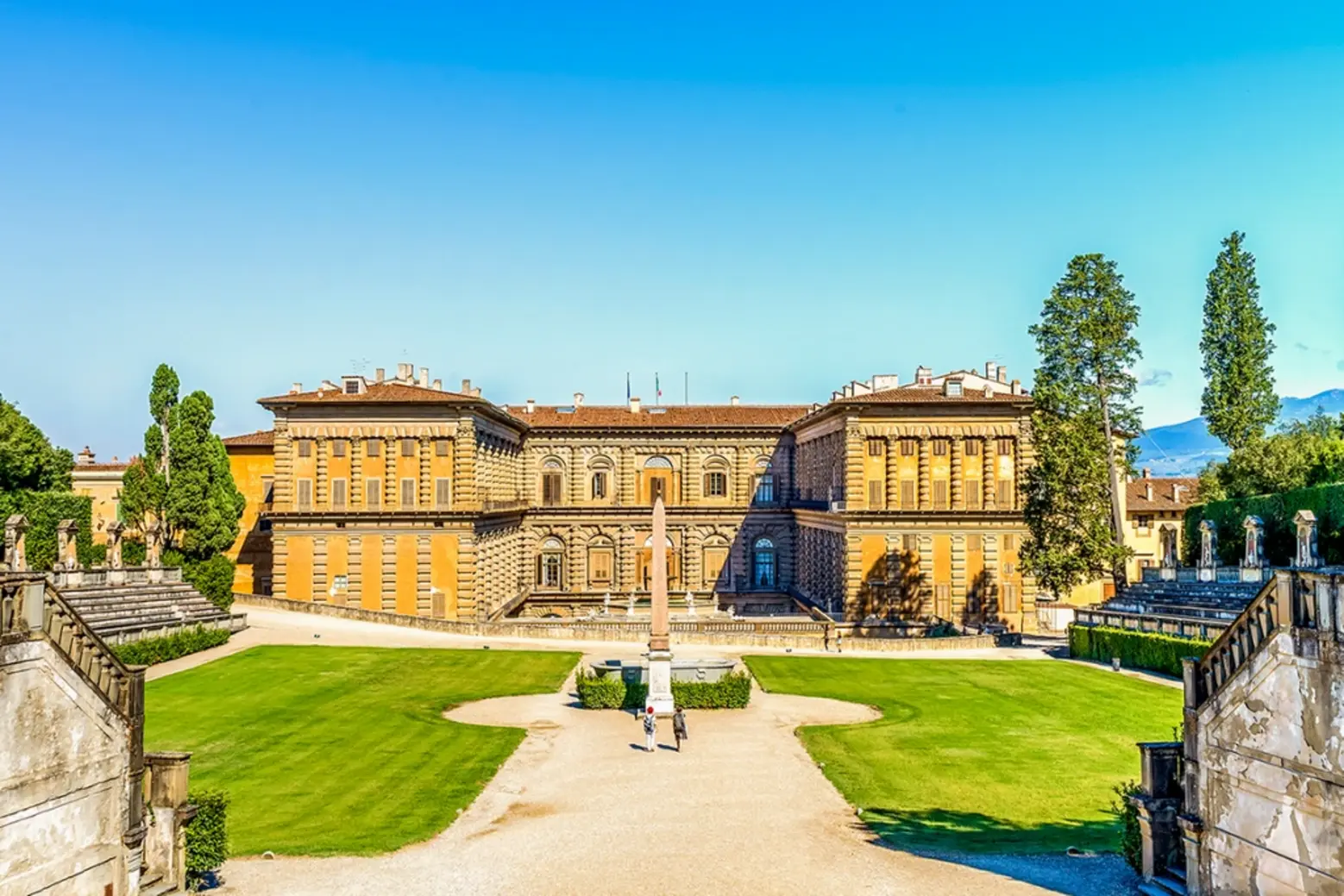
Across the river, Palazzo Pitti and the Boboli Gardens reveal Florence at its most dynastic and theatrical: a former Medici residence whose Palatine Gallery hangs masterpieces in lush ceremonial rooms, opening onto gardens that helped define the very model of the Italian garden for European courts.
Florence is a city where every corner offers a sensory reward, from the smell of slow-simmered tripe in a bustling market to the sight of the sun setting over the Arno. A day here can begin with the city spread before you from Piazzale Michelangelo, where the Duomo’s red dome rises above a sea of terracotta roofs and musicians fill the air as dusk approaches, then move into the Uffizi and the Accademia, where Botticelli, Leonardo, and Michelangelo turn art into something almost physical in its emotional force.
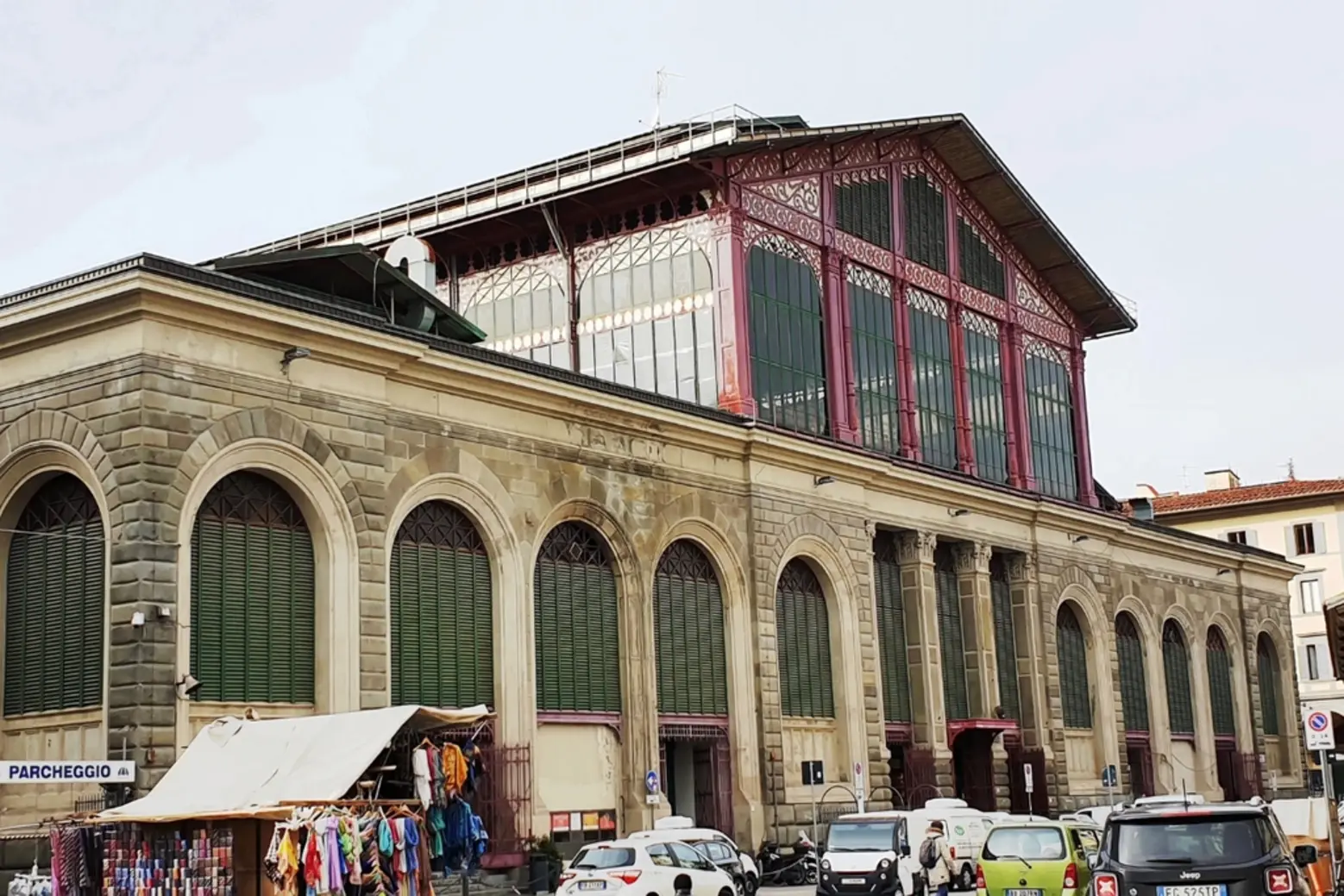
Between those cultural pilgrimages, the city reveals itself through flavor: The hum of Mercato Centrale, fragrant with truffles, cheese, and fresh pasta; the crush of hungry crowds outside All’Antico Vinaio waiting for overfilled schiacciata; the ritual of a rare bistecca alla Fiorentina at Trattoria Mario; the rich comfort of wild boar ragù or traditional tripe at Sergio Gozzi; and, at the end of it all, a cone from Edoardo, with the scent of warm waffle batter drifting through the streets beneath the Duomo.
In Florence, beauty is never confined to a museum wall or a postcard view, but lives equally in the plaza, the market, the trattoria, and the golden light that softens the city by evening.
Where you stay in Florence can shape the emotional texture of the trip. SoprArno Suites, in the Oltrarno, is a strong choice for travelers who want to remain close to the city’s artisan energy. The property describes itself as a boutique bed and breakfast with 13 individually designed rooms near Ponte Vecchio and Pitti Palace, filled with antique and salvaged furniture and bespoke works of art. It suits Florence beautifully because it resists anonymous luxury in favor of character, atmosphere, and visual intelligence.
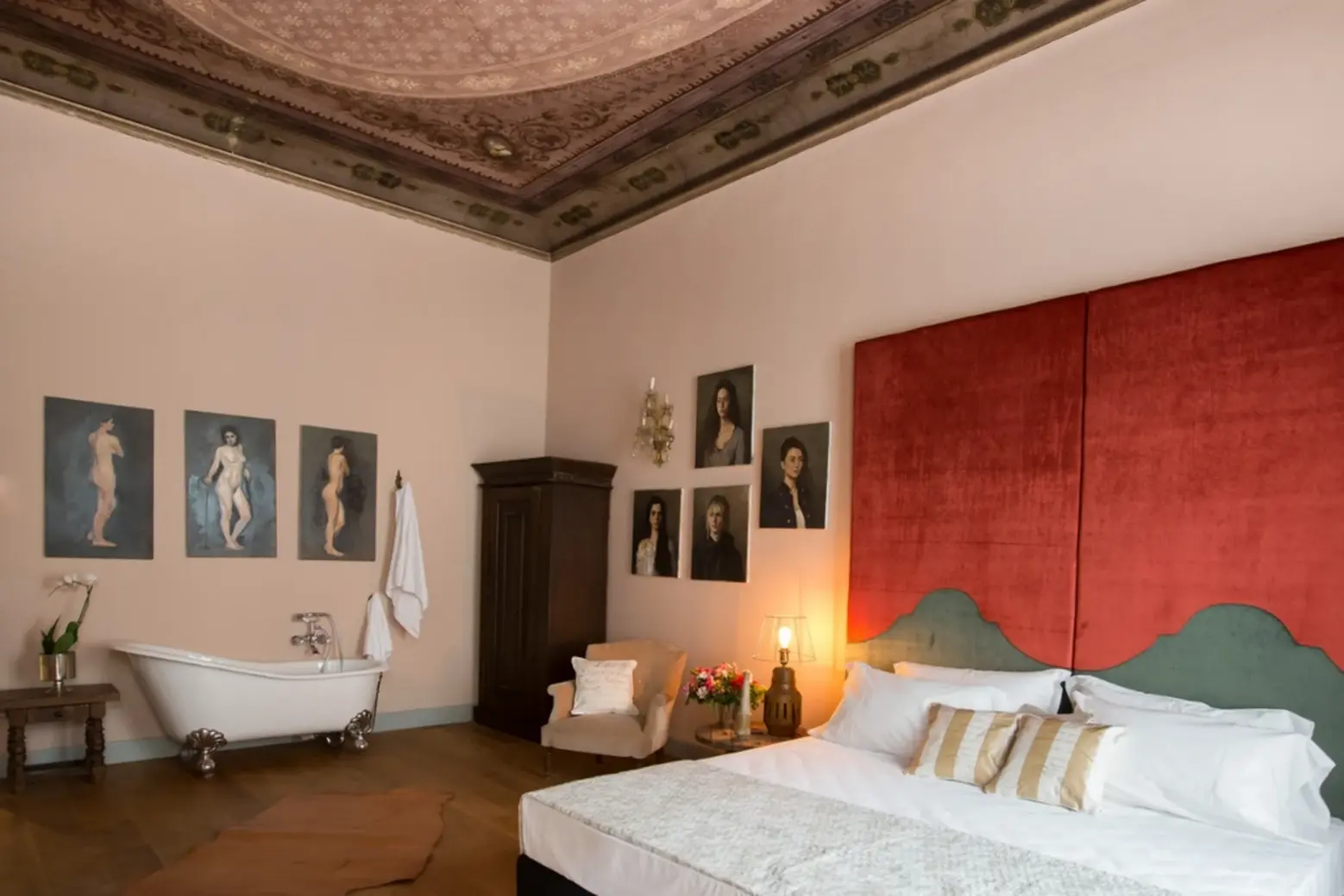
Velona’s Jungle Luxury Suites offers something moodier and more theatrical. On its official site, the property frames itself as a refined home for curious travelers, while Michelin places it in Santa Maria Novella. Its 1950s-inflected glamour and surreal decorative language make it ideal for visitors who want Florence with a little fantasy woven into it.
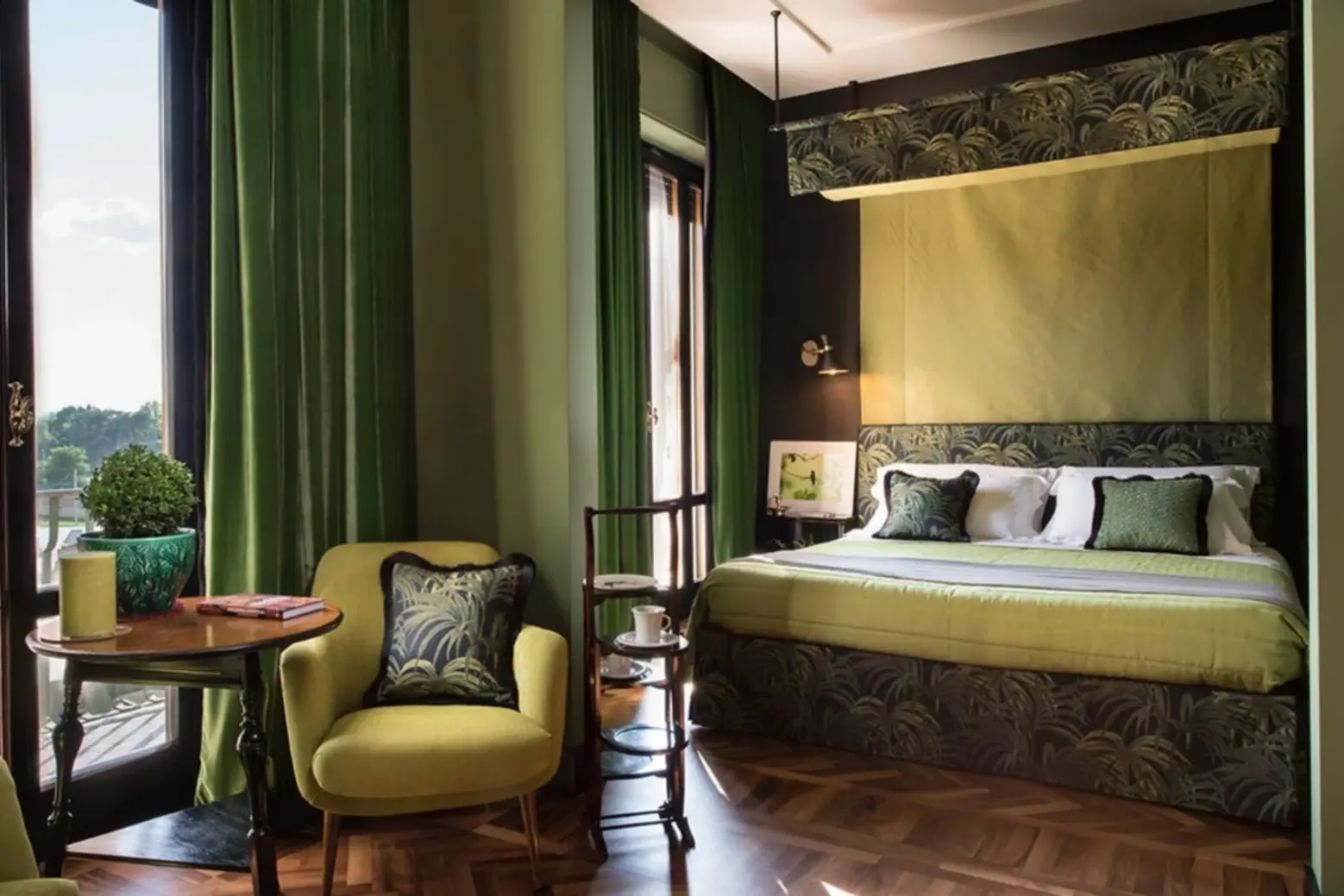
Casa Botticelli, close to Palazzo Pitti in the Santo Spirito district, takes a more intimate art-world approach. The hotel describes itself as an “art gallery” integrated with furniture, antiques, and local handicrafts, and even notes that many objects on display are for sale. Together, these addresses show how Florence hospitality can move beyond convenience into curation.

Florence remains one of the world’s great cultural pilgrimages, yet its real seduction lies in how alive it still feels. This is a city where the Renaissance is never sealed behind glass. It continues in the geometry of streets, in workshop windows, in the theatrical hush of galleries, in the climb toward a dome that still defies logic, and in the instinct to protect beauty when history turns fragile. To travel to Florence is to discover that grandeur can still feel human, and that a city made famous by the past can keep finding new ways to look awake.