MENU
Close





In a world crowded with interchangeable towers and placeless luxury, Critical Regionalism proposes a more difficult beauty: architecture that accepts modernity while remaining faithful to climate, land, memory, and the slow intelligence of place.
In a world crowded with interchangeable towers and placeless luxury, Critical Regionalism proposes a more difficult beauty: architecture that accepts modernity while remaining faithful to climate, land, memory, and the slow intelligence of place.
April 10, 2026


The 20th century promised a "Universal Style," a dream of industrial efficiency that would liberate humanity from the constraints of geography. Yet, as the same steel-and-glass boxes began to colonize every horizon, a sense of "placelessness" took hold. Architecture became a product rather than a presence.
Critical Regionalism emerged in the early 1980s as the intellectual antidote to this homogenization. By weaving together the high-tech capabilities of the global era with the specific "genius loci" (spirit of place) of the local, it offers an architectural language that is both hyper-modern and deeply rooted. It asks a fundamental question: Can a building be part of the world and part of its soil at the same time?
The term Critical Regionalism was first introduced by Alexander Tzonis and Liane Lefaivre in the early 1980s, then given lasting architectural force by Kenneth Frampton in his 1983 essay Towards a Critical Regionalism: Six Points for an Architecture of Resistance. For Frampton, the problem was never modernity itself. The real danger was a version of modernization so universalized that it flattened cultural distinctions and reduced architecture to either technical optimization or image-making. His argument, drawing on Paul Ricoeur, framed the dilemma with enduring clarity: How can a society become modern and still return to its sources? How can it participate in universal civilization without dissolving the cultural ground that gives life meaning?

That is why Critical Regionalism should never be confused with nostalgia. Frampton explicitly rejected sentimental regionalism and what he saw as the easy theatricality of postmodern scenography. A building does not become rooted merely by attaching a traditional roofline to a glass tower or by borrowing decorative motifs from local history. That kind of gesture produces image, not depth. Critical Regionalism aims for mediated architecture, one able to absorb the tools of world culture while resisting homogenization through local light, local construction, local terrain, and local bodily experience. It is modernism under pressure from place.
At its best, the theory occupies an in-between territory. It does not celebrate the borderless triumph of cosmopolitan sameness, but it also refuses xenophobic retreat or decorative provincialism. That balance remains one of its greatest strengths. Critical Regionalism is neither anti-modern nor anti-global in any simplistic sense. It is a disciplined refusal of placelessness. It insists that architecture belongs to the world only when it also belongs to the ground beneath it.
Frampton’s most radical move was to shift architectural attention away from pure image and back toward embodied experience. In his formulation, the decisive elements are topography, context, climate, light, and tectonic form. This is a profound reorientation. It means that architecture should be judged less by how it photographs and more by how it meets the land, filters the sun, handles air, frames shadow, and reveals its own making. Tectonics, in this sense, is not merely structure. It is the expressive truth of construction, the way a building communicates through material, weight, joinery, and resistance.
This approach also restores touch to architectural thought. Critical Regionalism rejects the idea of the building as a graphic object consumed only through vision. It asks what a wall feels like when heated by afternoon sun, what kind of shadow a deep overhang throws at a particular latitude, what a stair does to the body as it turns, or how rain sounds when it strikes a specific roof. These are not decorative concerns. They are the very substance of habitation. A region is not a postcard. It is a microclimate, a material memory, a rhythm of seasons, a local acoustics of weather.

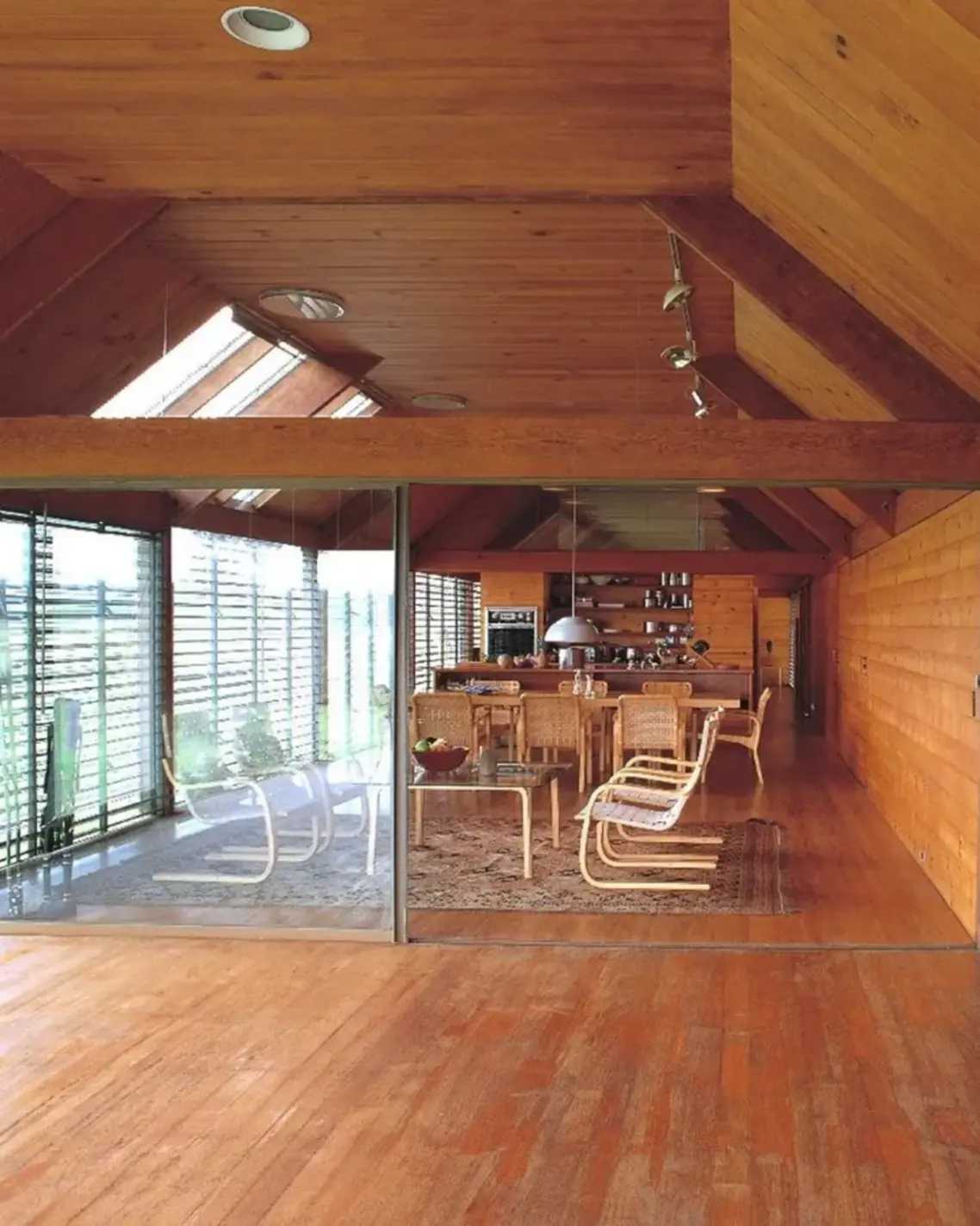
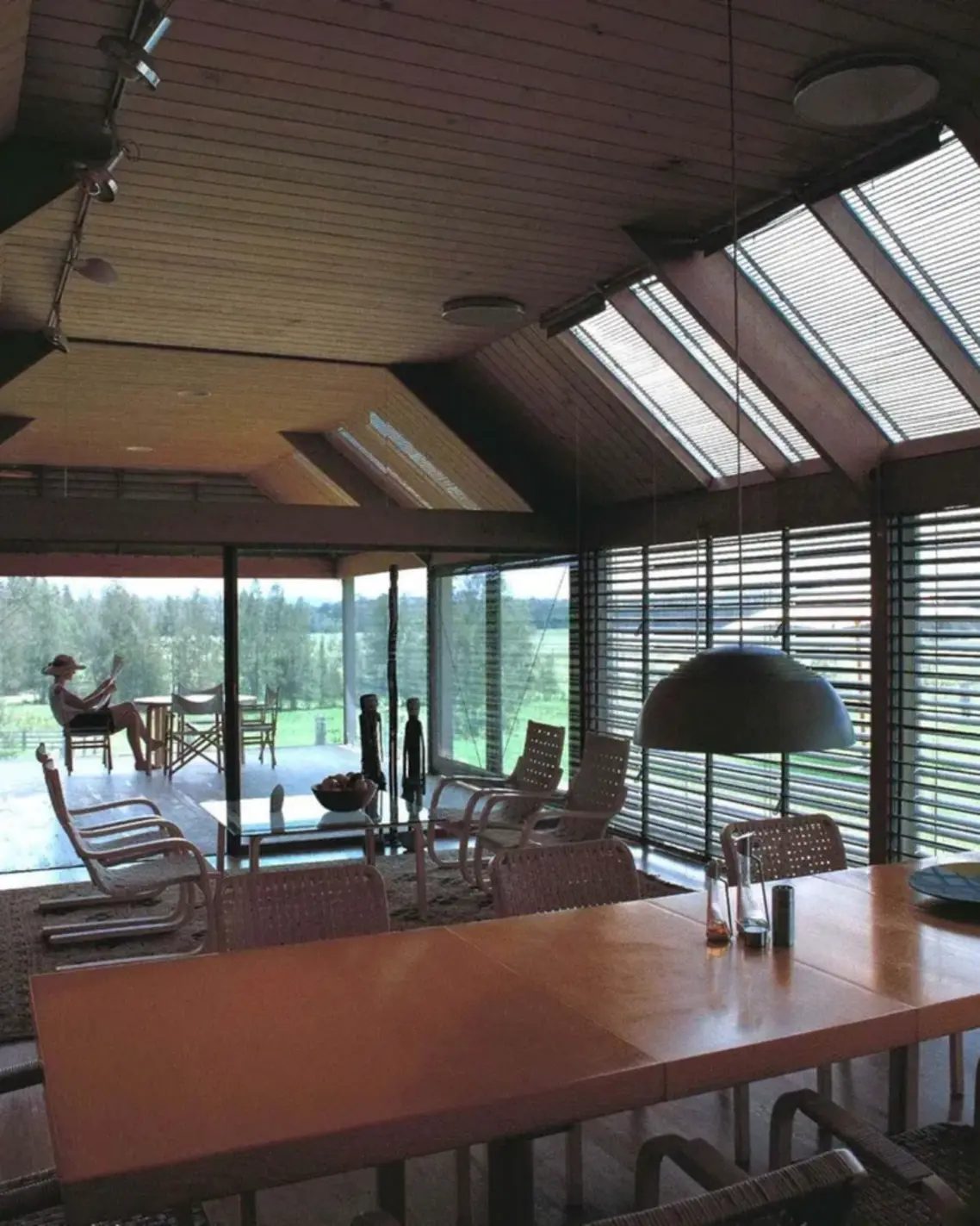
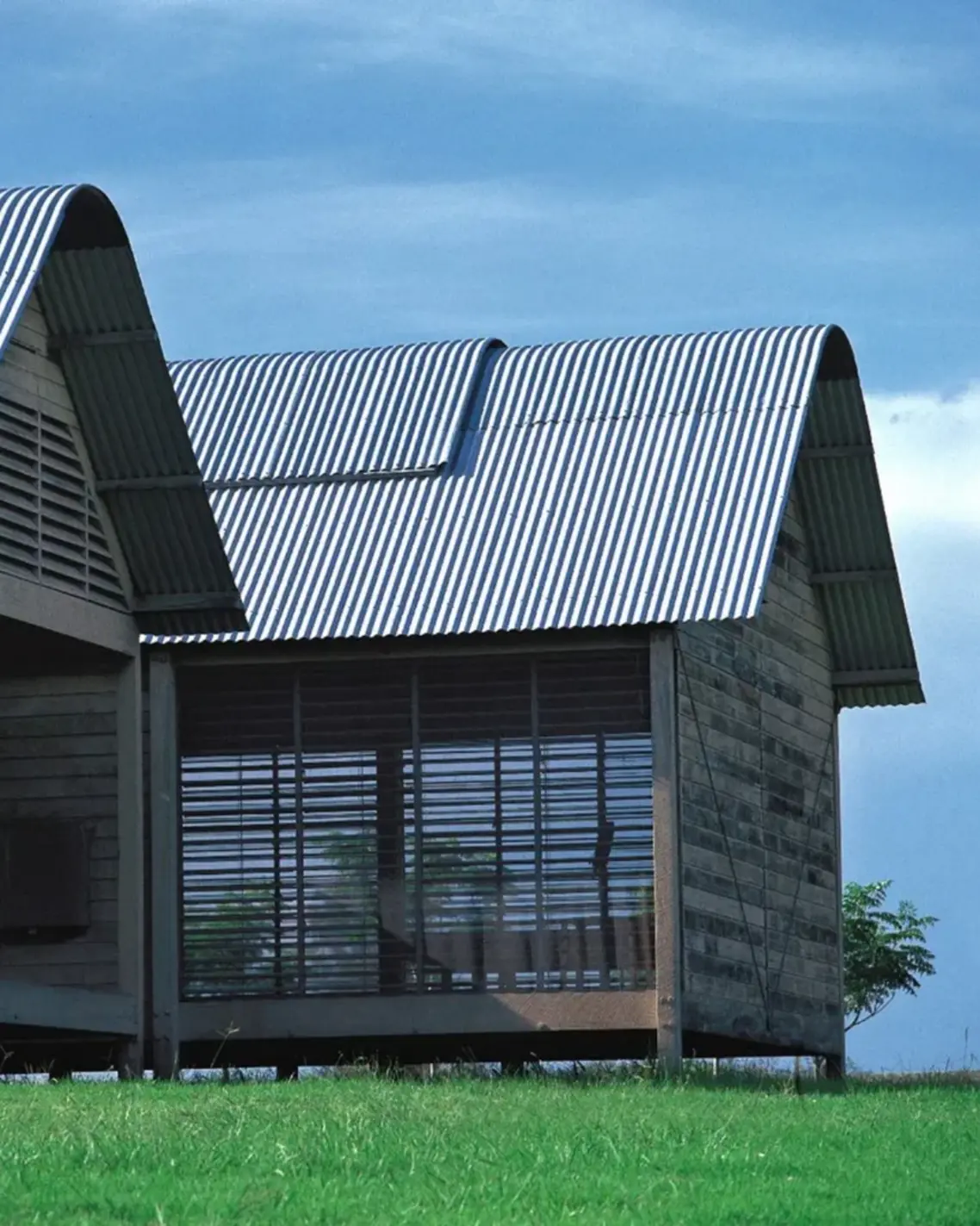
Few architects embody this tactile-climatic ethic more clearly than Glenn Murcutt. When the Pritzker Prize honored him in 2002, it described his structures as seeming to float above the landscape and quoted the Aboriginal phrase he often invoked: Buildings should “touch the earth lightly.” Murcutt’s work uses lightweight structures, operable skins, and climate-responsive detailing to make architecture act as an environmental instrument rather than a sealed container. In his hands, sustainability is not a technological afterthought but an outcome of reading wind, sun, terrain, and season with extreme care.

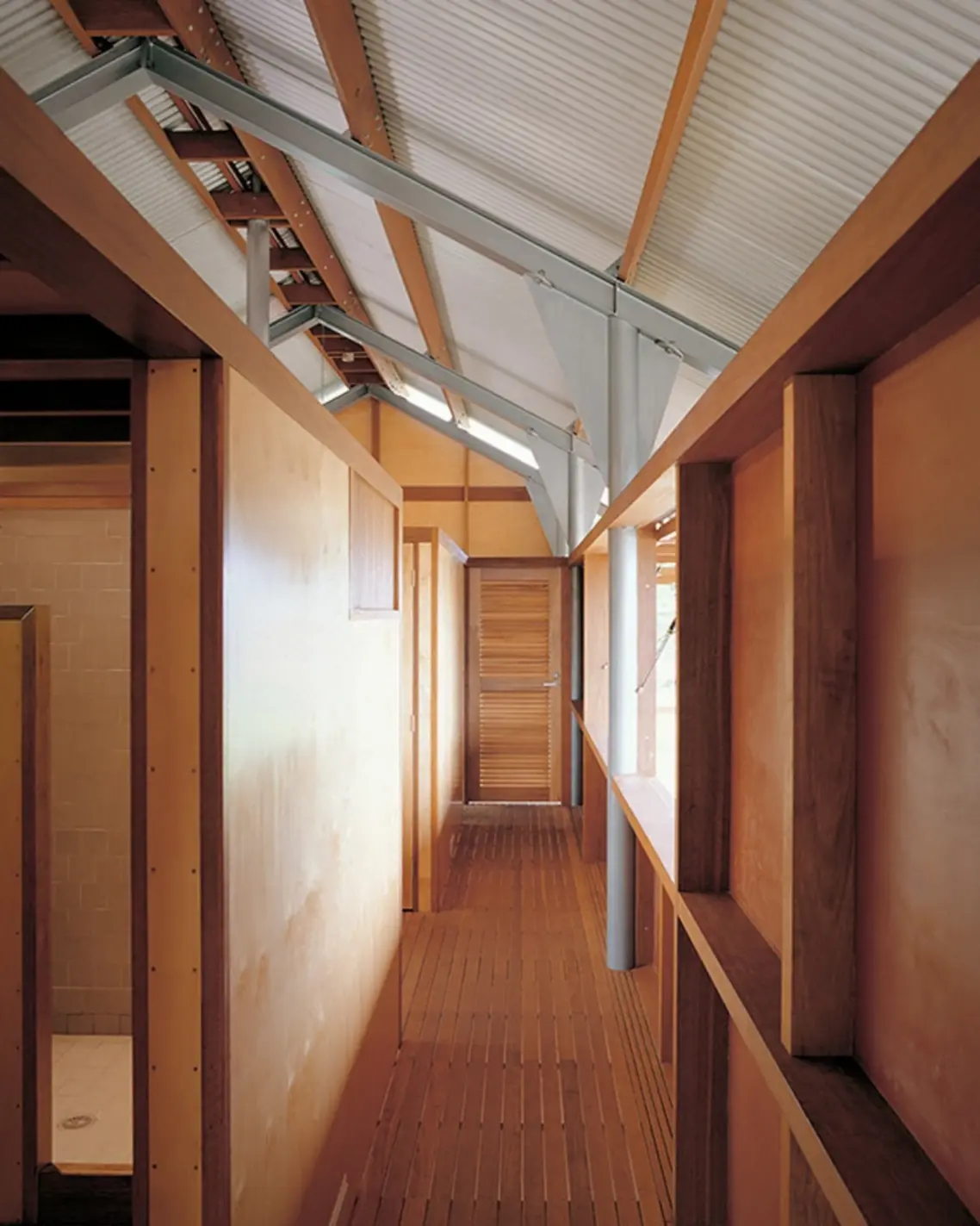
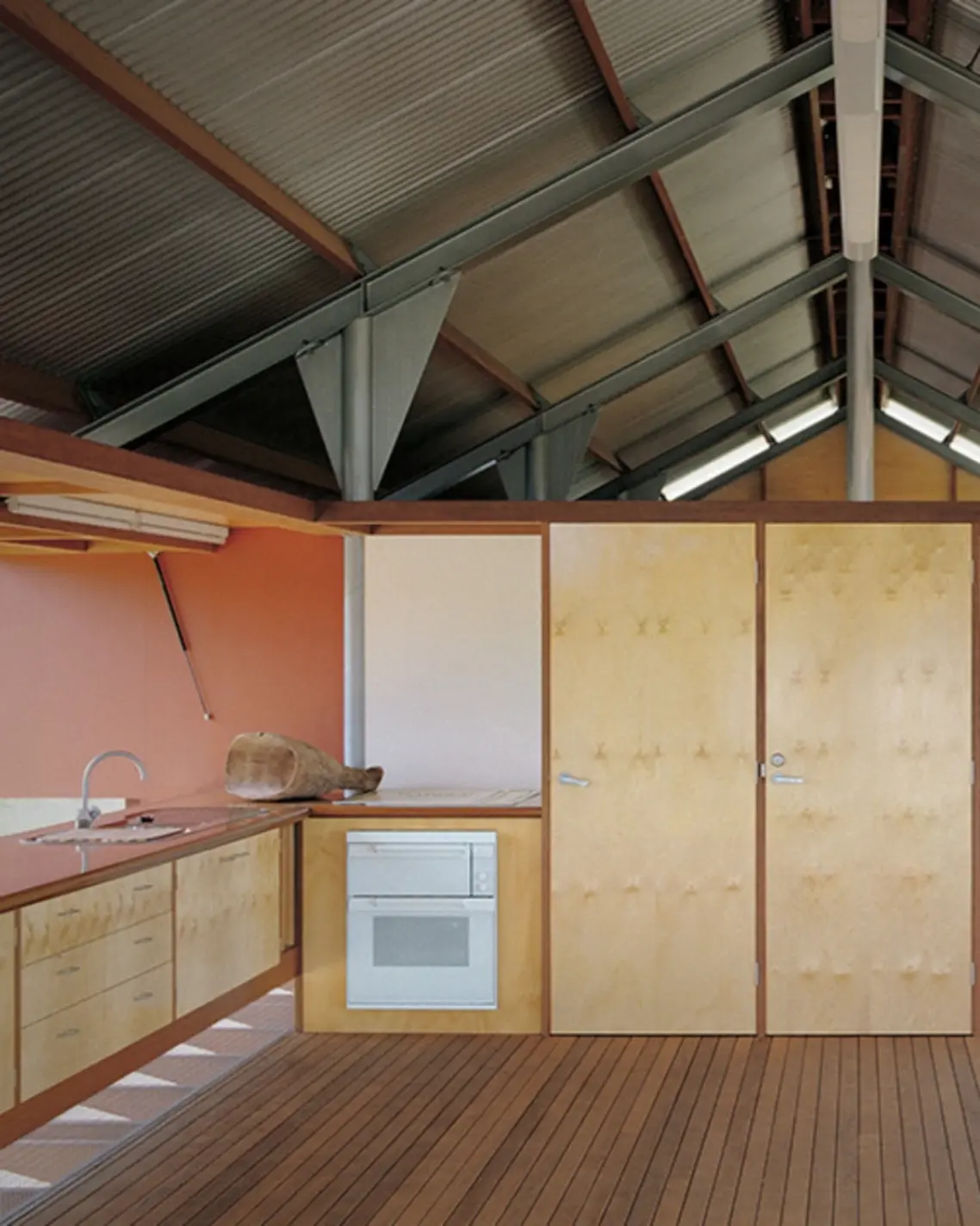
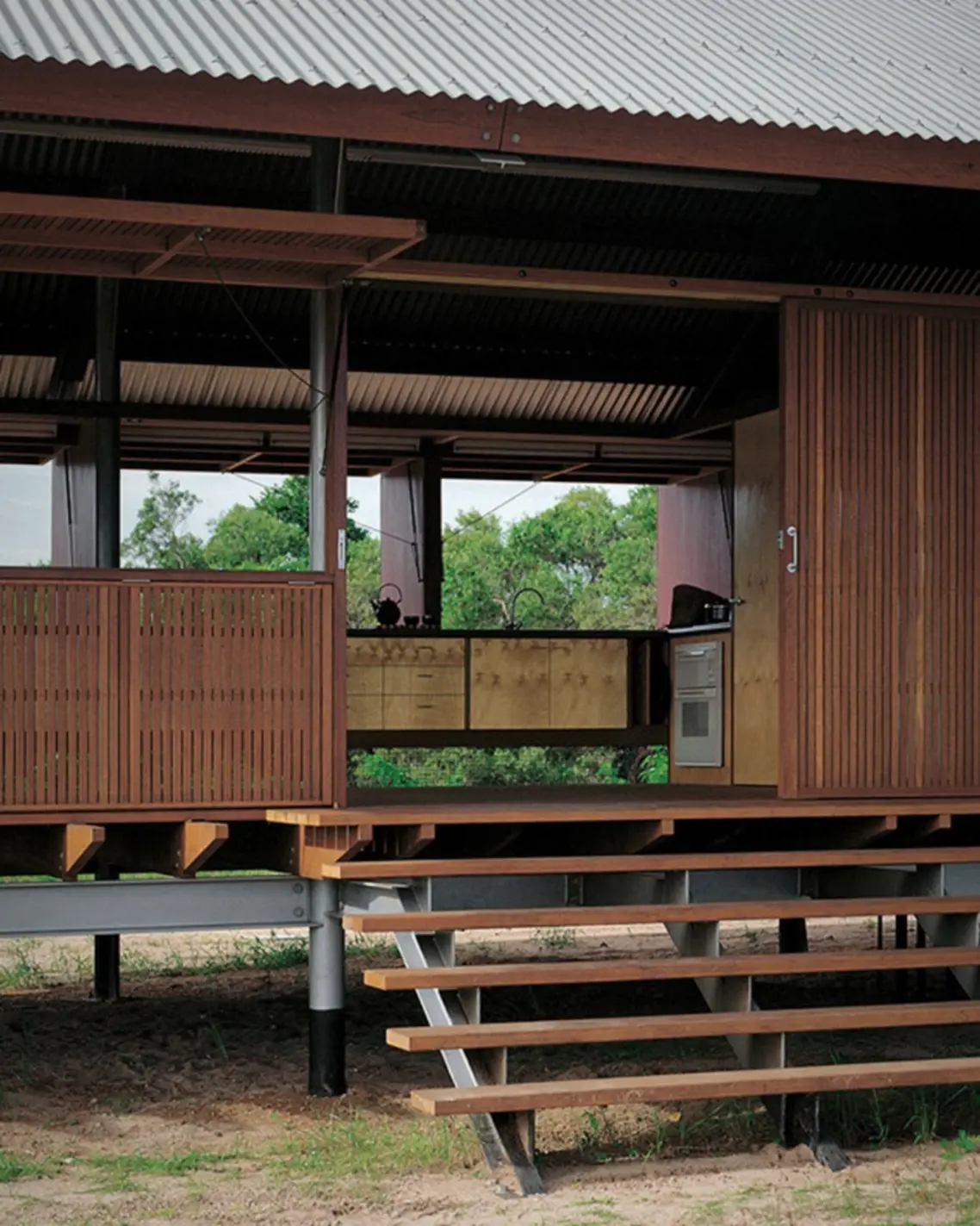
This is where Critical Regionalism remains startlingly current. In an era of climate crisis, the universal glass box looks less like progress and more like a failure of environmental imagination. A building that ignores latitude, heat, humidity, monsoon, or prevailing breeze is not advanced. It is merely expensive. Critical Regionalism offers a different standard of sophistication, one in which local intelligence and modern technique reinforce each other rather than cancel each other out.
Although Frampton’s theory is often discussed in abstract terms, its power is easiest to grasp through buildings. Luis Barragán, who predated the formal codification of Critical Regionalism, is often read as one of its spiritual precursors. His architecture fused modern planes and geometric restraint with the emotional depth of Mexican color, enclosed gardens, silence, and introspection.
Álvaro Siza offers another, more austere version of the same synthesis. Born in Matosinhos, just north of Porto, Siza developed an architecture deeply attuned to the Atlantic edge of Portugal: White surfaces, careful massing, controlled openings, and a sensitivity to site that never lapses into spectacle. His buildings feel universal in discipline and local in temperament.
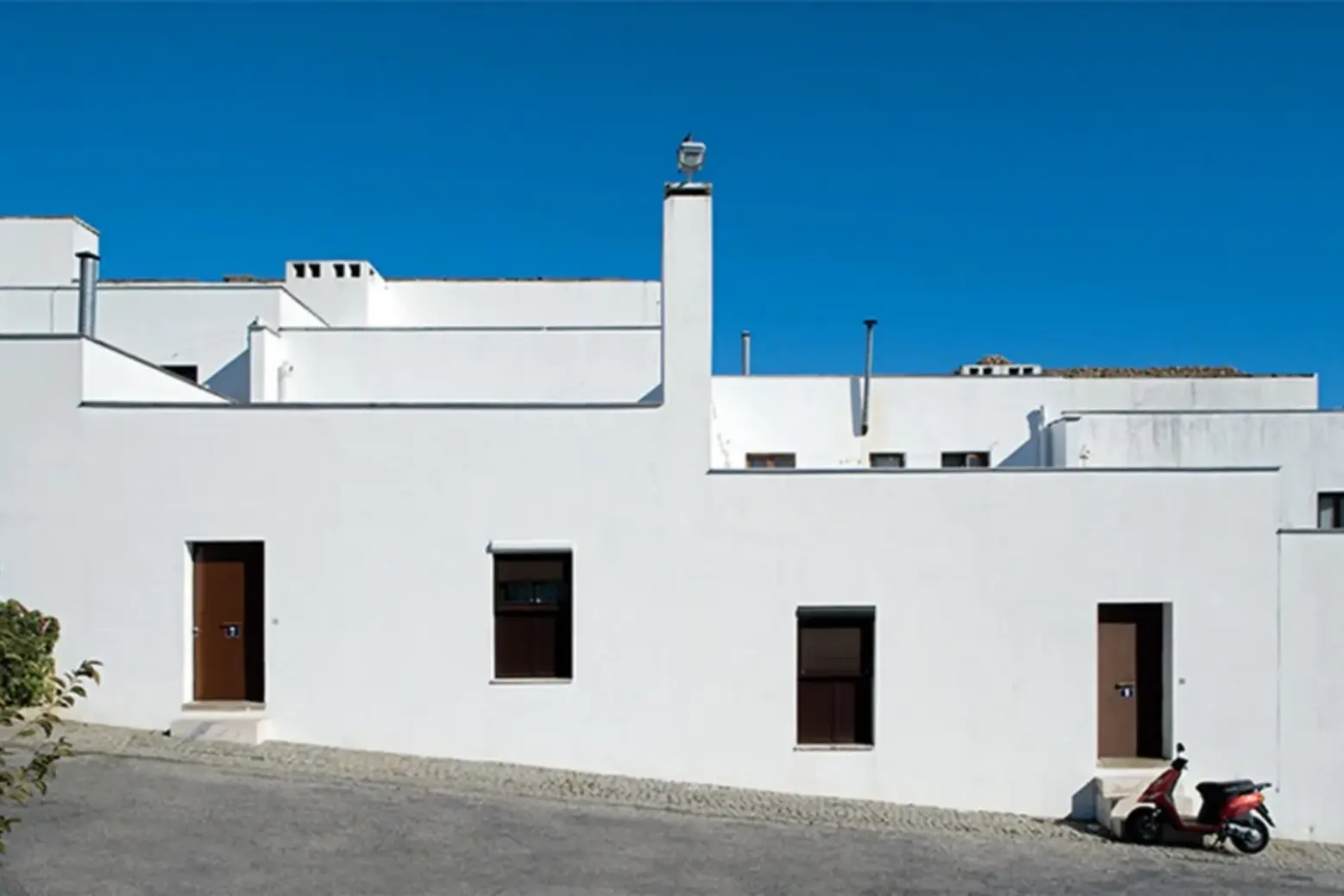
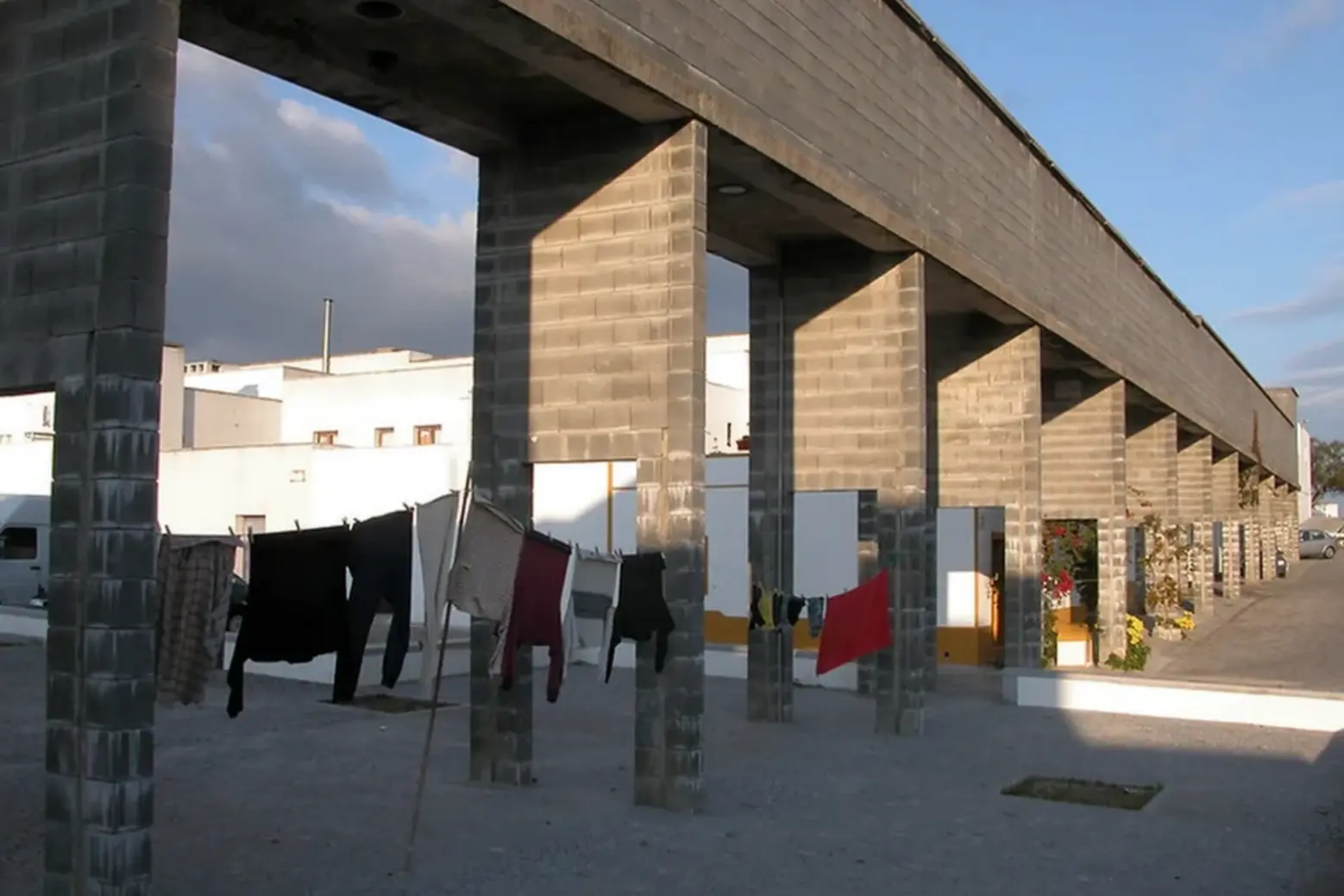
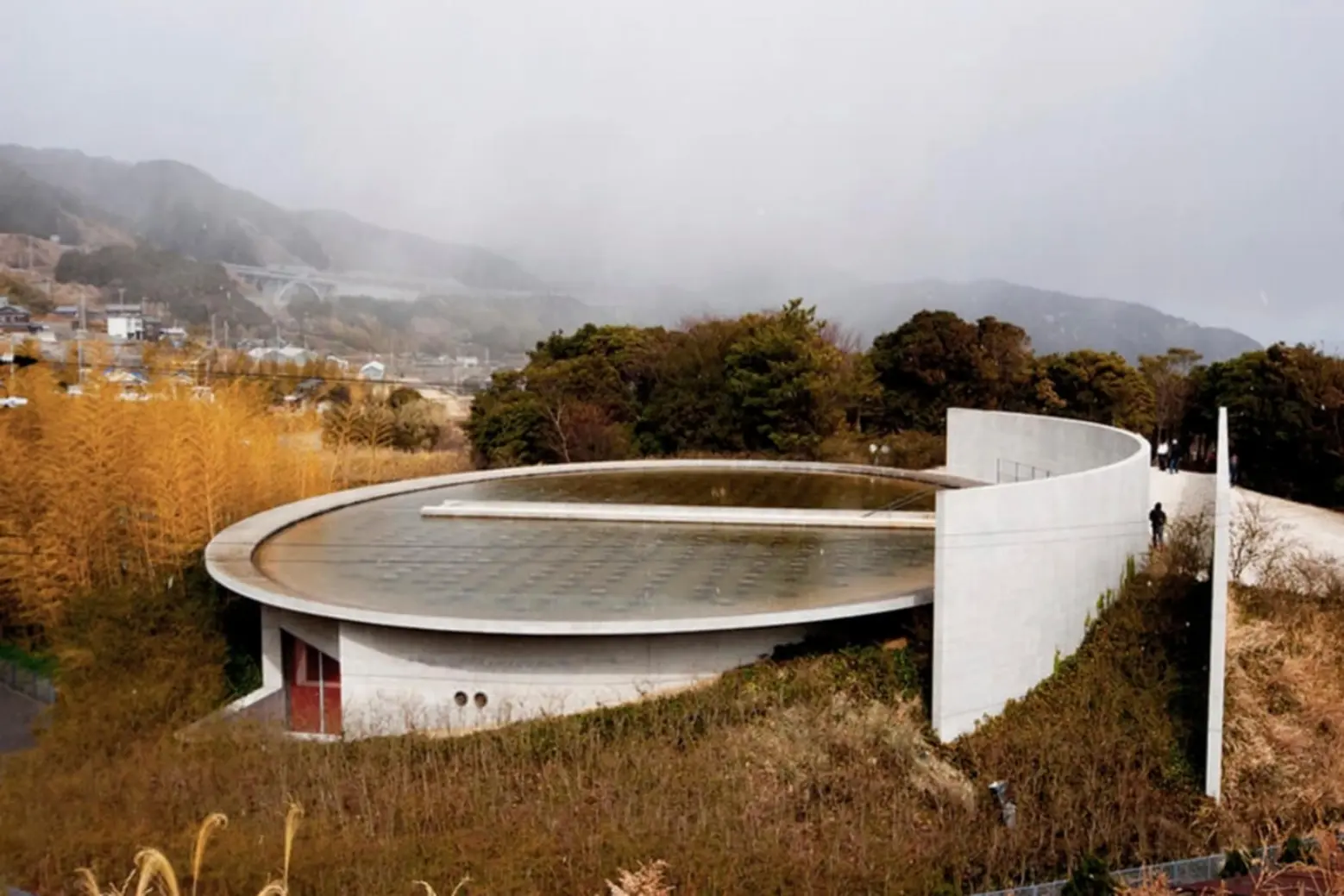
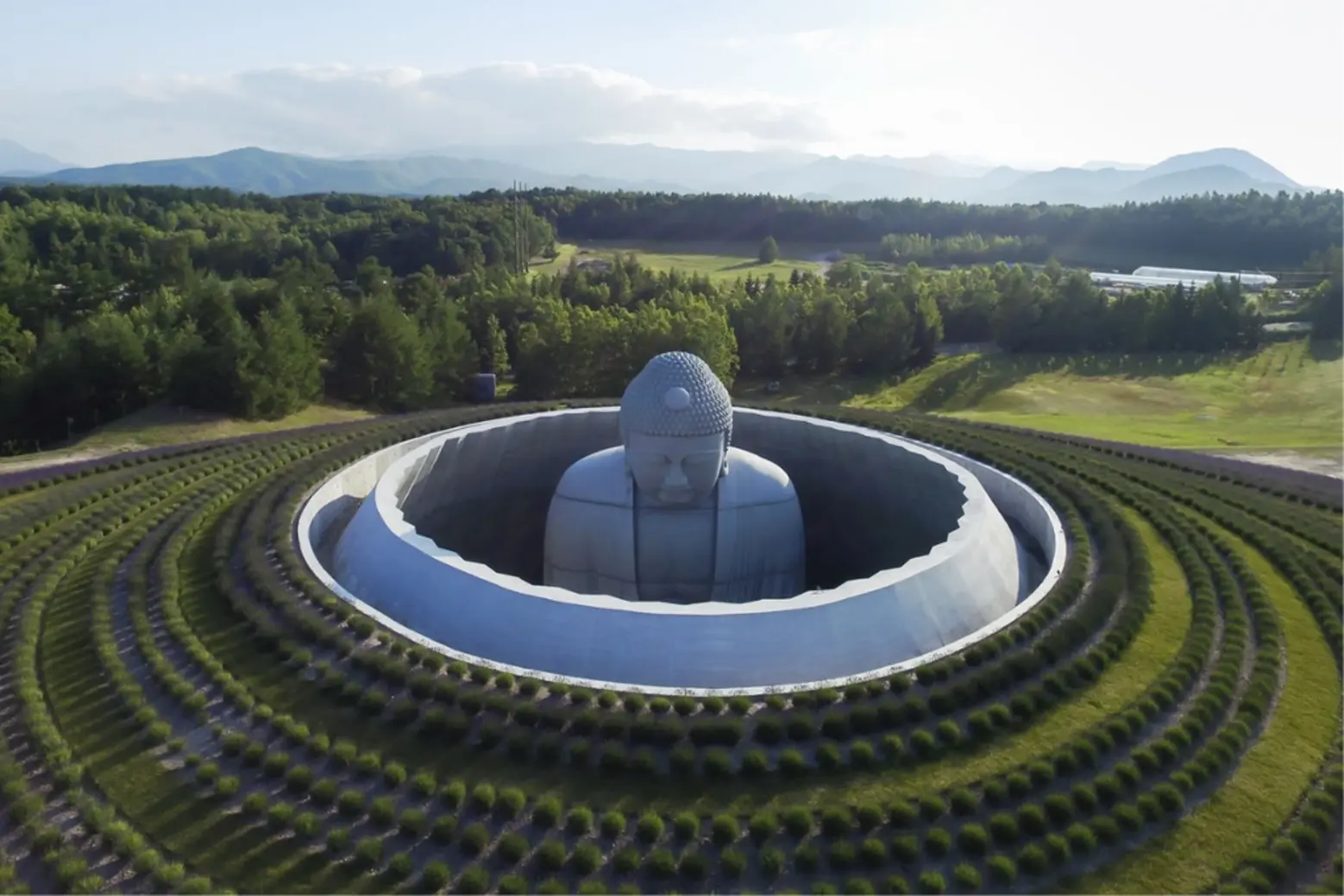
The same could be said, in a different register, of Tadao Ando. His work is often celebrated for its extraordinary concrete, but the deeper achievement lies in how that concrete stages light, shadow, wind, and water. The Pritzker materials on Ando stress that light is a controlling factor in his architecture and that his concrete serves as both structure and surface, never camouflaged. Although Ando’s forms are unmistakably modern, the spaces they produce are inseparable from Japanese traditions of enclosure, emptiness, and contemplative threshold.
If the early theory of Critical Regionalism was shaped largely through European debate, some of its most urgent contemporary expressions can be seen across Africa, where the question of building with climate, community, and material economy is anything but academic. Here, regionalism is rarely a stylistic option. It is tied to labor, thermal performance, cost, dignity, and resource sovereignty.
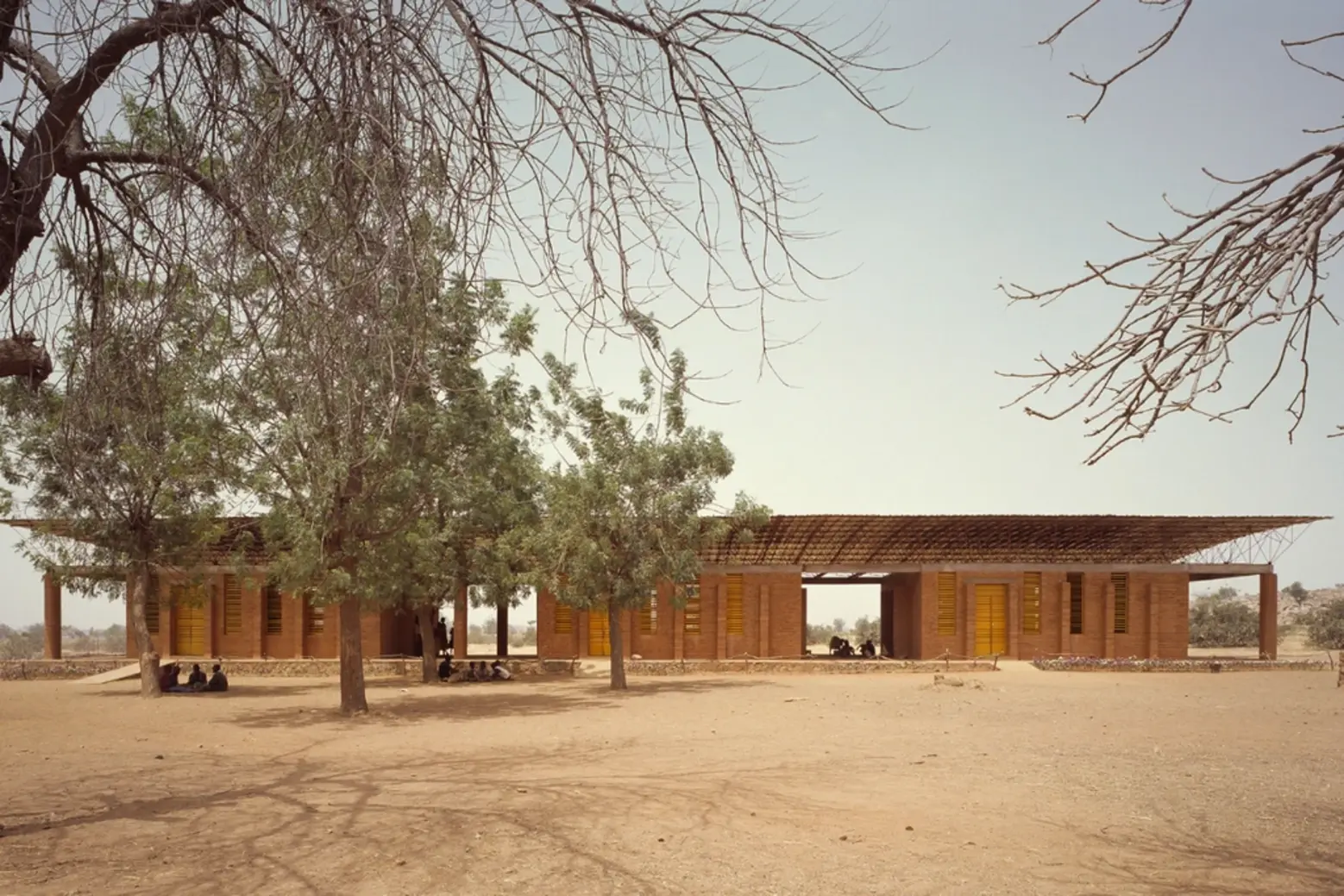
Francis Kéré’s Gando Primary School in Burkina Faso has become a foundational example. The project addressed poor lighting and ventilation by combining local clay-based bricks with a roof system pulled away from the ceiling, allowing cool air to enter and hot air to escape. Traditional building knowledge and modern engineering were combined, and the local community was deeply involved in construction. The building is regional not because it looks “traditional” in a superficial sense, but because it translates local material intelligence and climate realities into a new tectonic form.
Mariam Issoufou Kamara’s Hikma Complex in Dandaji, Niger, works with a similar intelligence. Architectural Record notes that the new mosque was built with compressed-earth block to echo the clay elements of the old mosque that was converted into a library. This is a powerful example of continuity without imitation. The project does not freeze tradition into a historical image. It retools inherited forms, materials, and spatial hierarchies for contemporary civic life. Architecture here becomes both repair and renewal.

MASS Design Group’s Butaro District Hospital in Rwanda extends the argument into public health. According to the project description, the hospital opened in 2011 as a 140-bed facility designed with Partners In Health and the Rwandan Ministry of Health, while the construction process itself was organized to employ, educate, and empower the local community. The project’s use of stone and its deep concern for health outcomes show how regional intelligence can become institutional architecture rather than boutique formalism.
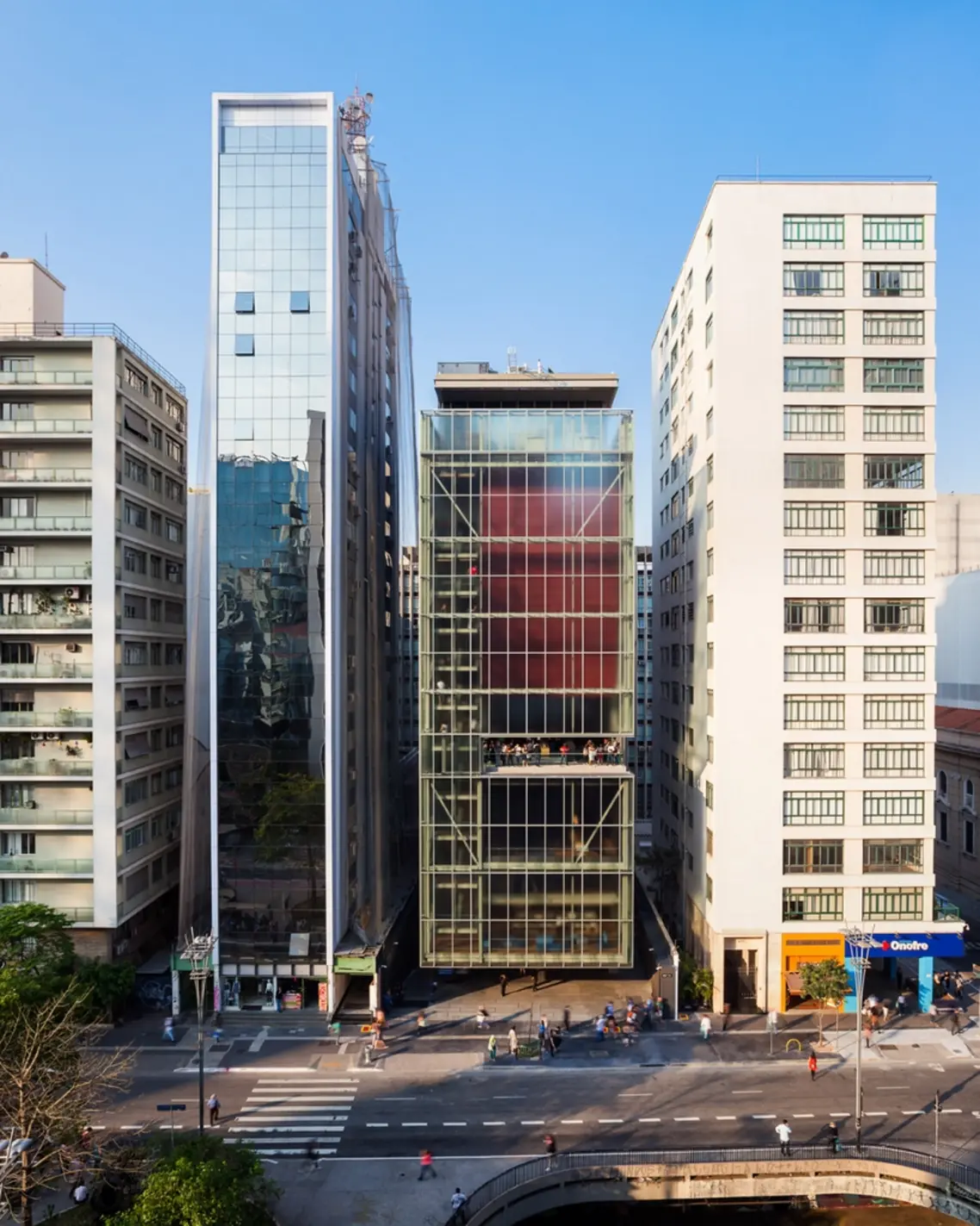
Likewise, in São Paulo, Andrade Morettin’s Instituto Moreira Salles Paulista reinterprets the civic aspirations of Critical Regionalism in a dense urban context by lifting the museum’s main public floor fifteen meters above Avenida Paulista and turning the lower levels into a distribution hall continuous with the city. Even within a vertical metropolis, the project creates a public interior shaped by light, material correspondence, and urban permeability.
Critical Regionalism remains the clearest architectural answers to the problem of “anywhere” design. Architecture becomes most humane when it stops pretending that the world is flat. It belongs fully to modernity only when it also belongs to its land.