MENU
Close





Each March 8 - International Women’s Day, purple returns with the quiet majesty of remembrance, carrying the dignity, courage, and radiant strength of women across generations.
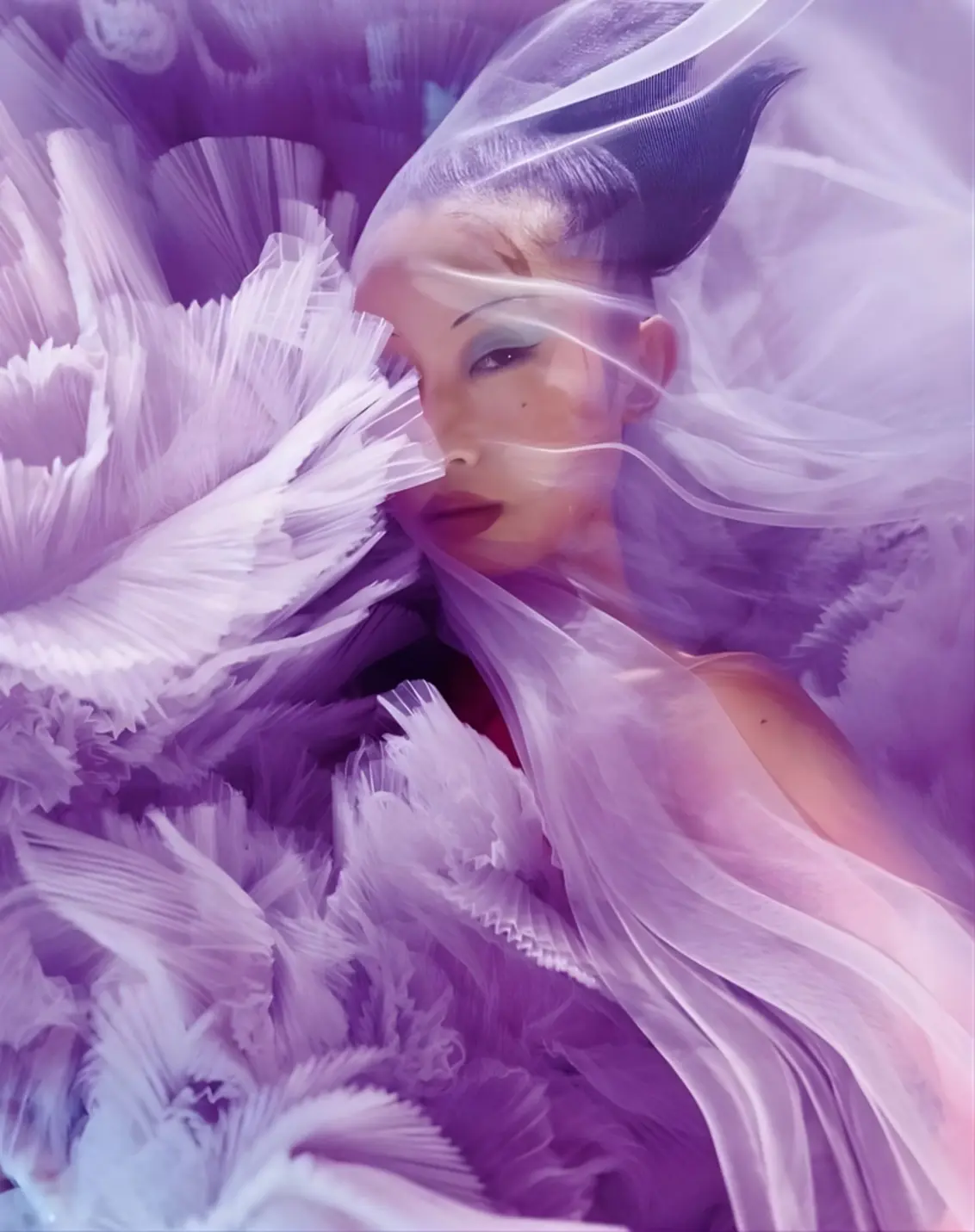
Each March 8 - International Women’s Day, purple returns with the quiet majesty of remembrance, carrying the dignity, courage, and radiant strength of women across generations.
March 6, 2026
Advertisement

Advertisement



Every year, March 8 arrives with a particular kind of light. It is a day made of tribute and reckoning, gratitude and unfinished work. A day that asks the world to look directly at women and to do so with seriousness, pride, and memory. On such a day, clothing becomes more than adornment. It becomes language. It becomes ceremony. It becomes a public act of regard. That is why purple belongs to International Women’s Day.
Purple carries something few colors can hold all at once. It has gravity. It has radiance. It has depth without gloom, splendour without frivolity, strength without hardness. It enters a room like a presence rather than an accessory. On March 8, that quality matters. International Women’s Day asks for a color that can express honor as clearly as it expresses beauty. Purple does exactly that.
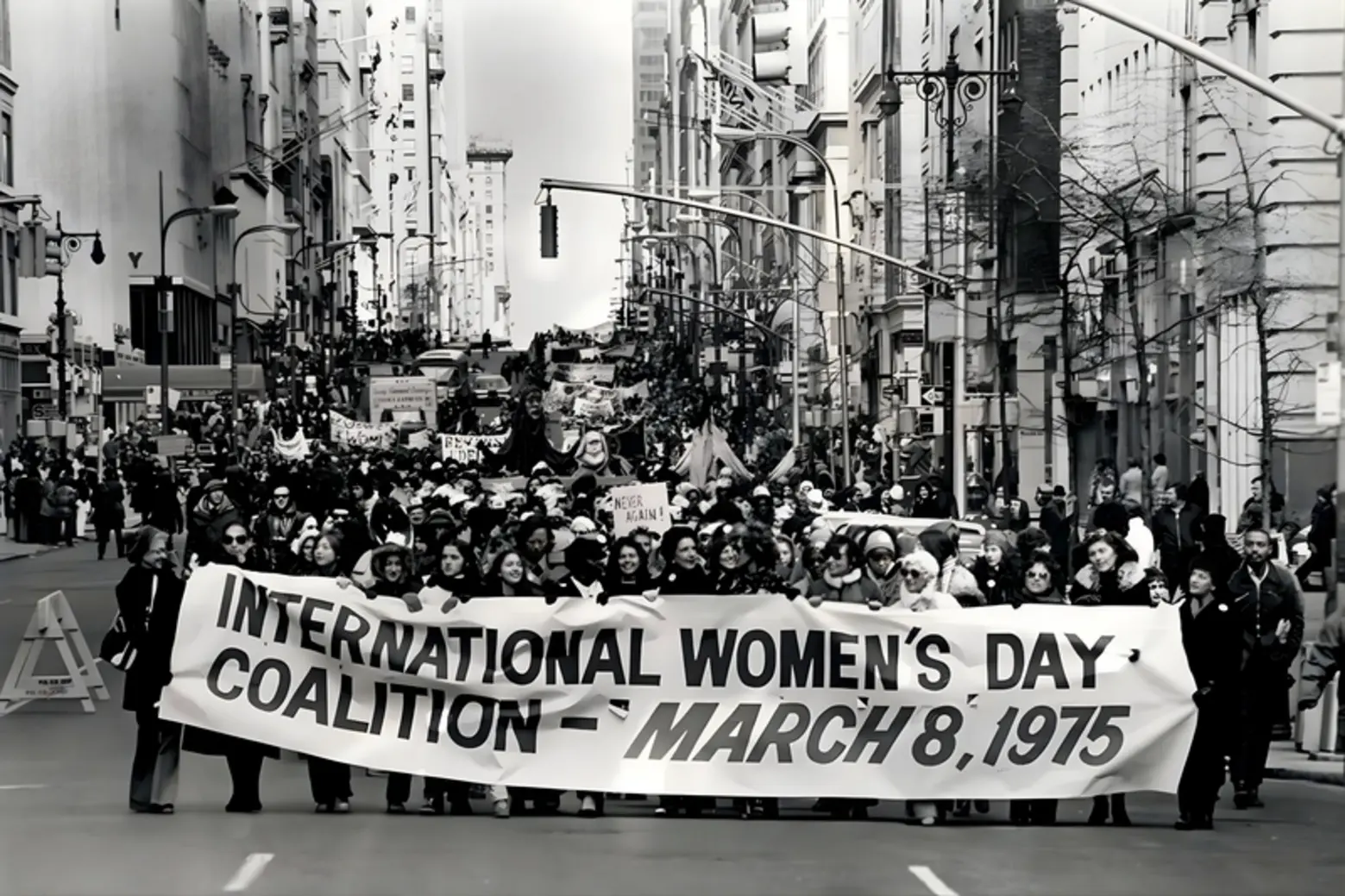
Its meaning, of course, was never accidental. Long before it became part of women’s political iconography, purple had already lived a long symbolic life. Across centuries, it was tied to rarity, ceremony, power, and distinction. Then the suffrage movement took that inherited authority and gave it a new moral center. In 1908, the Women’s Social and Political Union adopted purple, white, and green, with purple standing for dignity, white for purity, and green for hope. That same year, the colors entered public life with tremendous visual force during Women’s Sunday in Hyde Park, where banners, ribbons, sashes, and dresses transformed a political demonstration into a disciplined spectacle of conviction. International Women’s Day itself emerged from women’s labour and rights movements in the early twentieth century, and the United Nations began marking March 8 in 1975 before officially recognizing it in 1977.
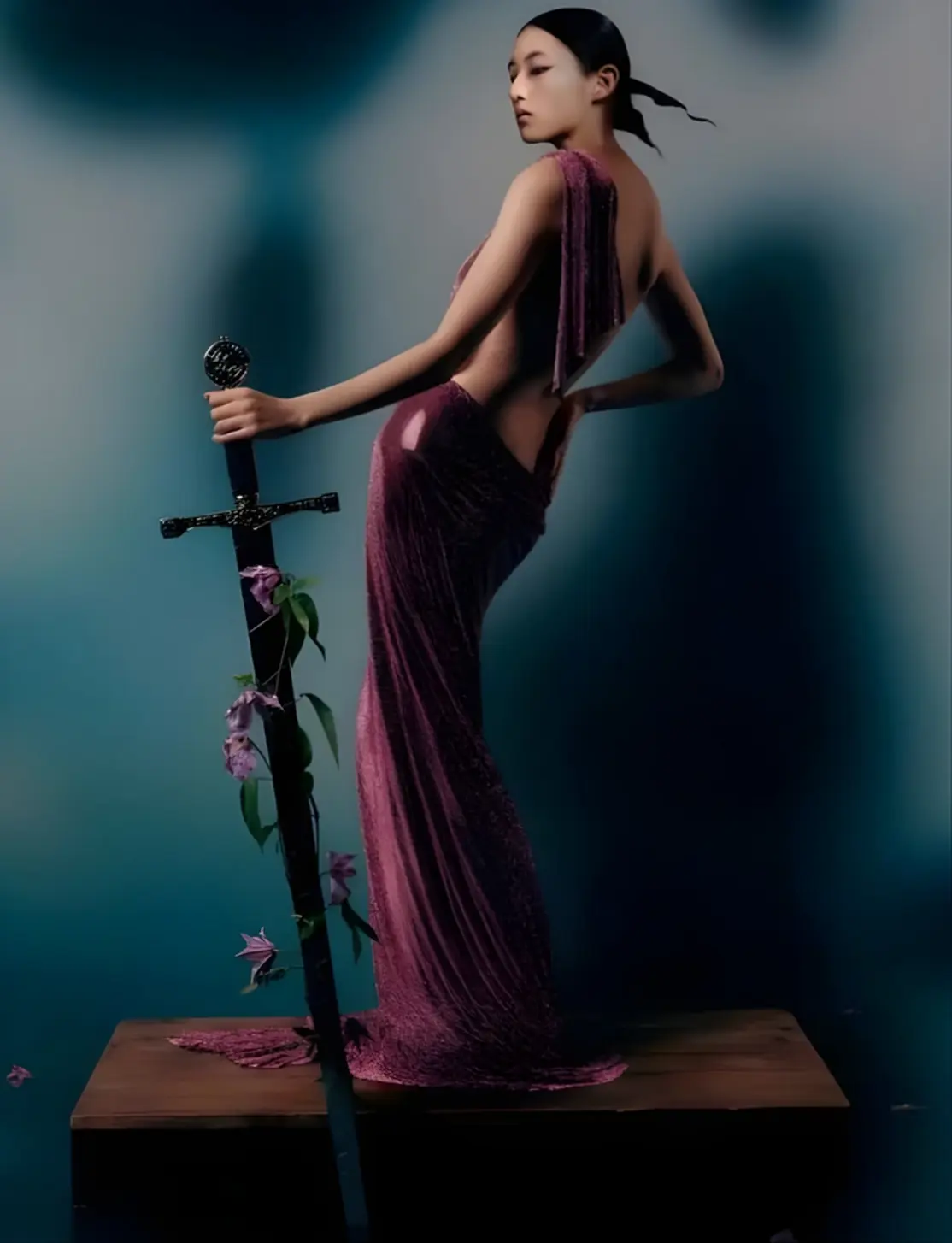
Women chose it because it already knew how to signify worth. They took a color once associated with rank and redirected its meaning toward a far nobler claim: that women deserved dignity in public life, dignity in law, dignity in work, dignity in citizenship, dignity in the gaze of the world. Purple became a visual declaration that women were never asking to be indulged. Women were asking to be recognized in the full stature of their humanity.
It holds continuity between generations of women who refused erasure. It binds the woman who pinned on a suffrage ribbon to the woman who leads a company, teaches a class, raises a child, writes a law, tends a patient, makes art, starts over, persists, and builds. Purple says that their stories belong to one long inheritance of courage. It says memory has a color. It says progress, too, can dress itself.
And purple ennobles without excluding. Many political colors can feel severe, militant, or narrow in mood. Purple remains generous. It can live in velvet and in wool, in satin and in cotton, in lipstick and in tailoring, in a quiet scarf and in a commanding coat. Deep plum can read like authority. Violet can glow with almost ecclesiastical grandeur. Lavender can soften the day without diminishing its seriousness. The color moves across ages, classes, aesthetics, and occasions with unusual grace. That versatility has always made it powerful. A great public symbol must be legible to many women, while still leaving each woman free to wear it in her own voice. Purple offers exactly that freedom.
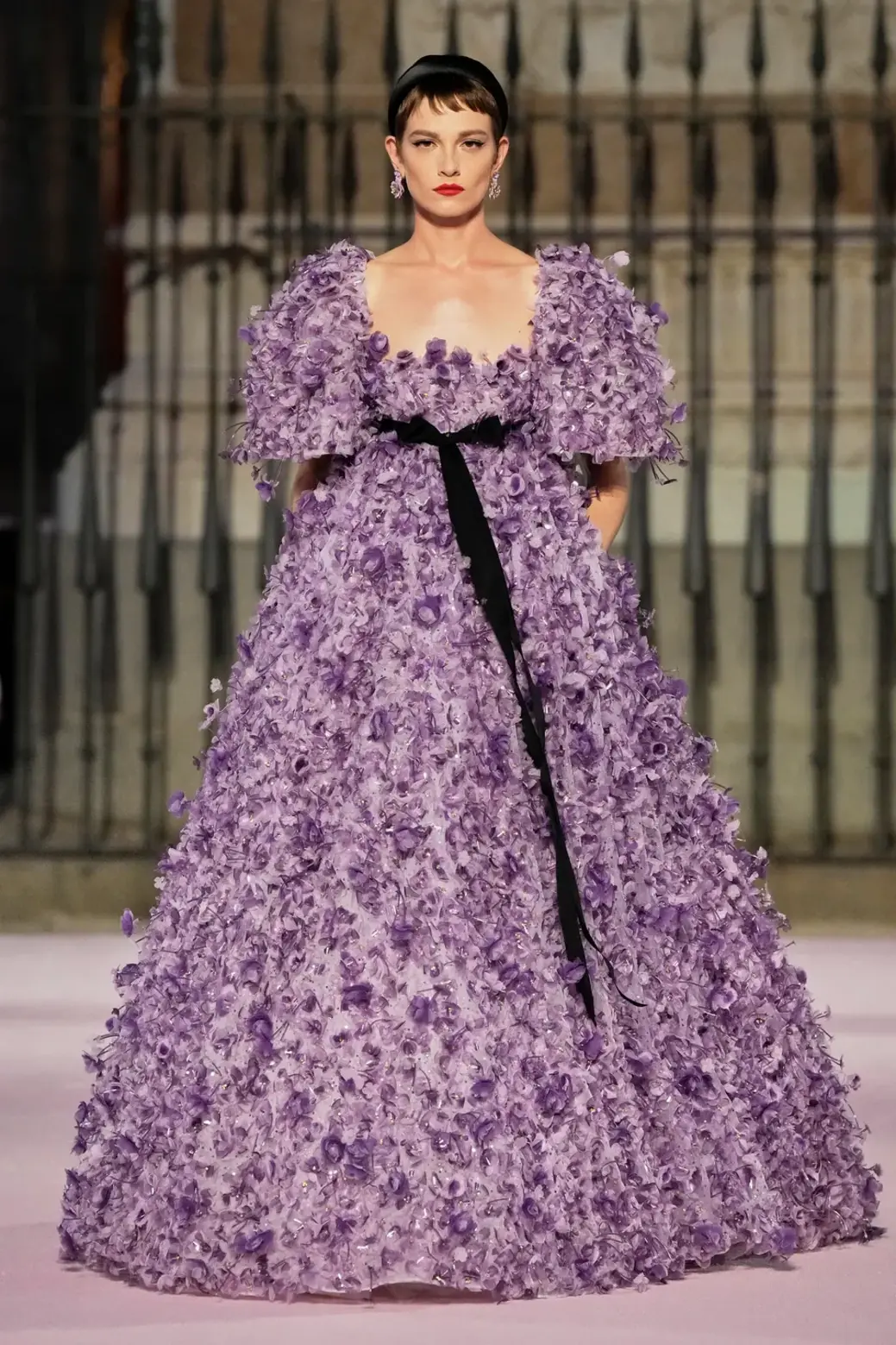
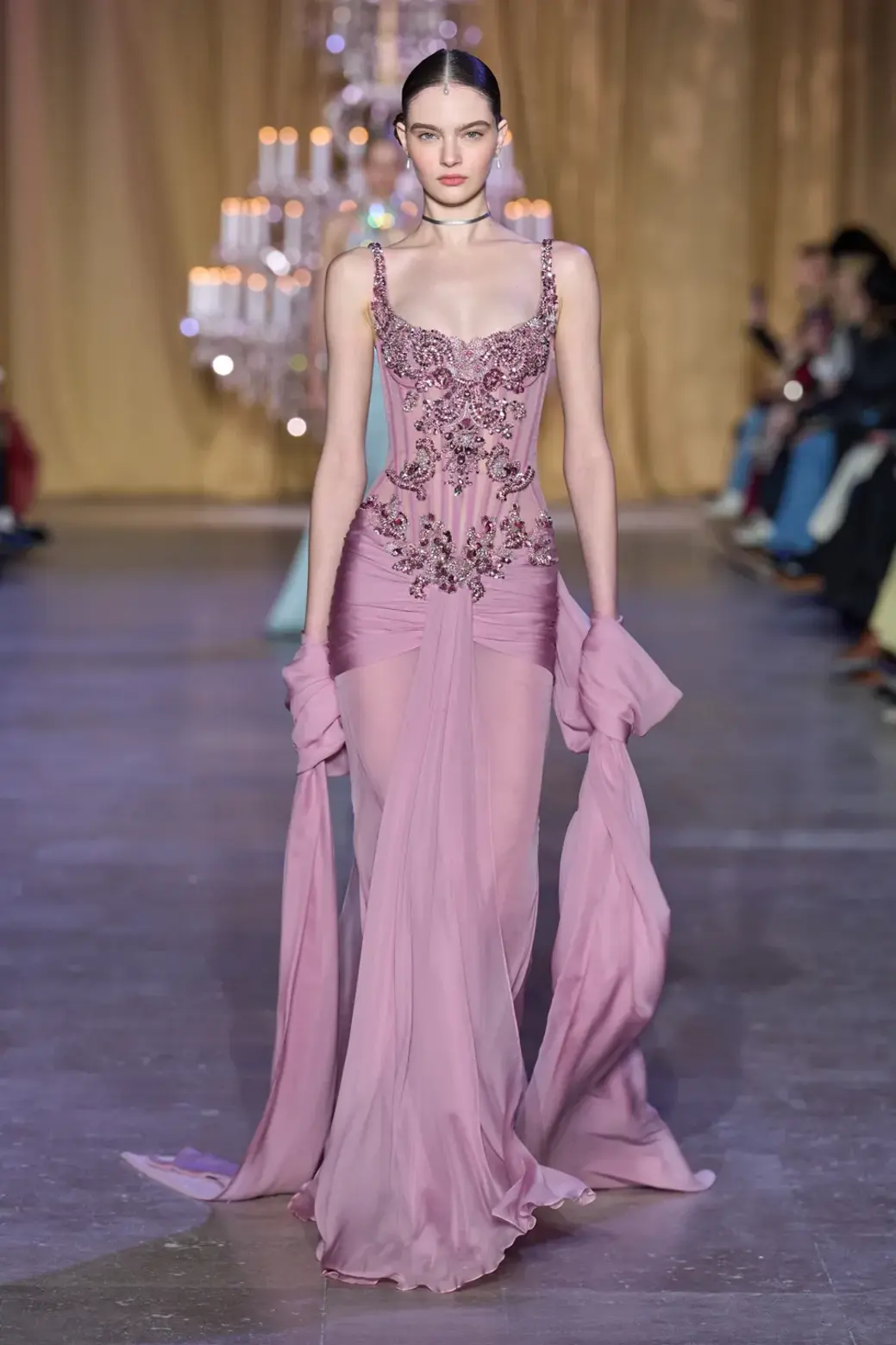
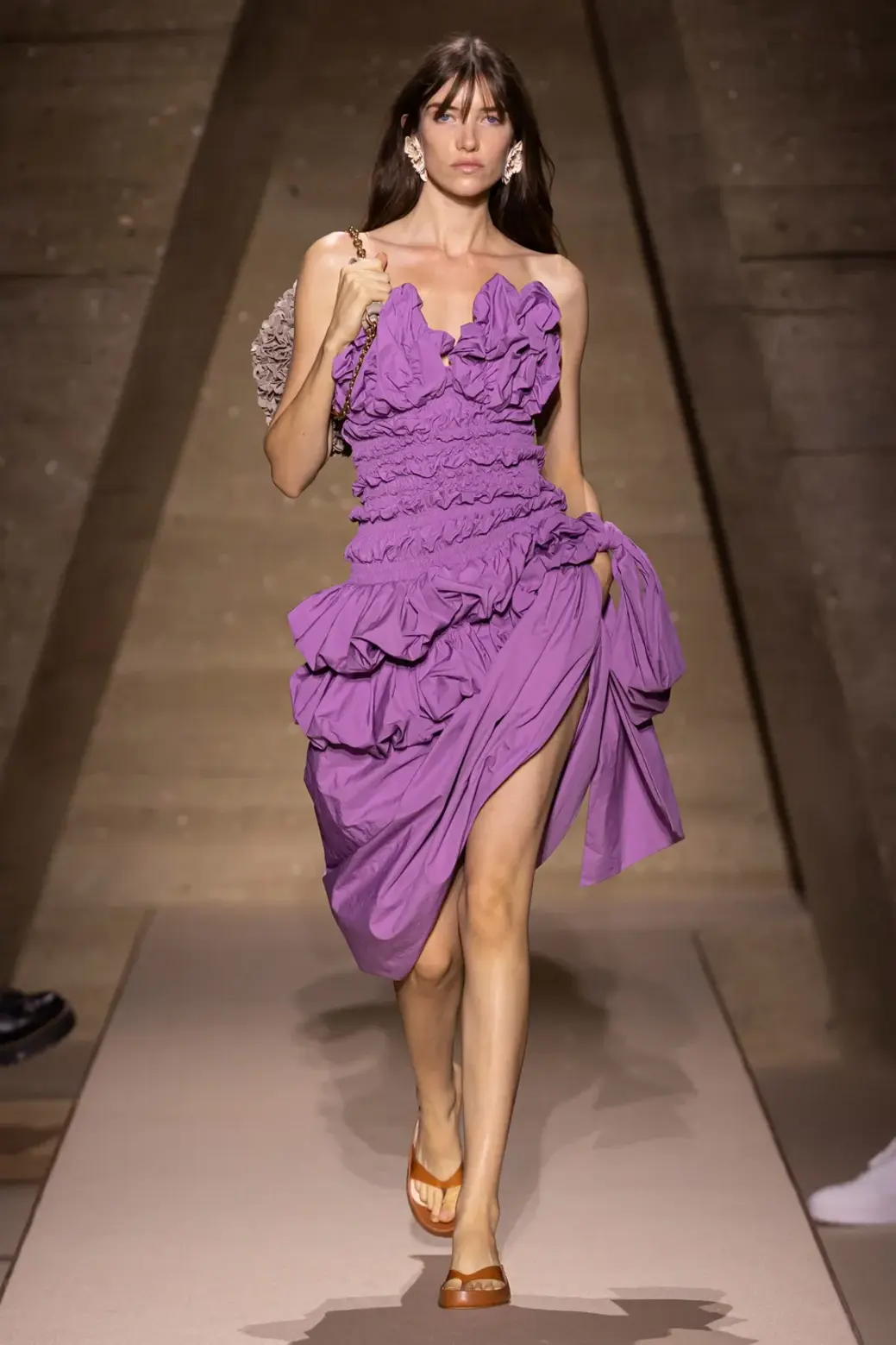
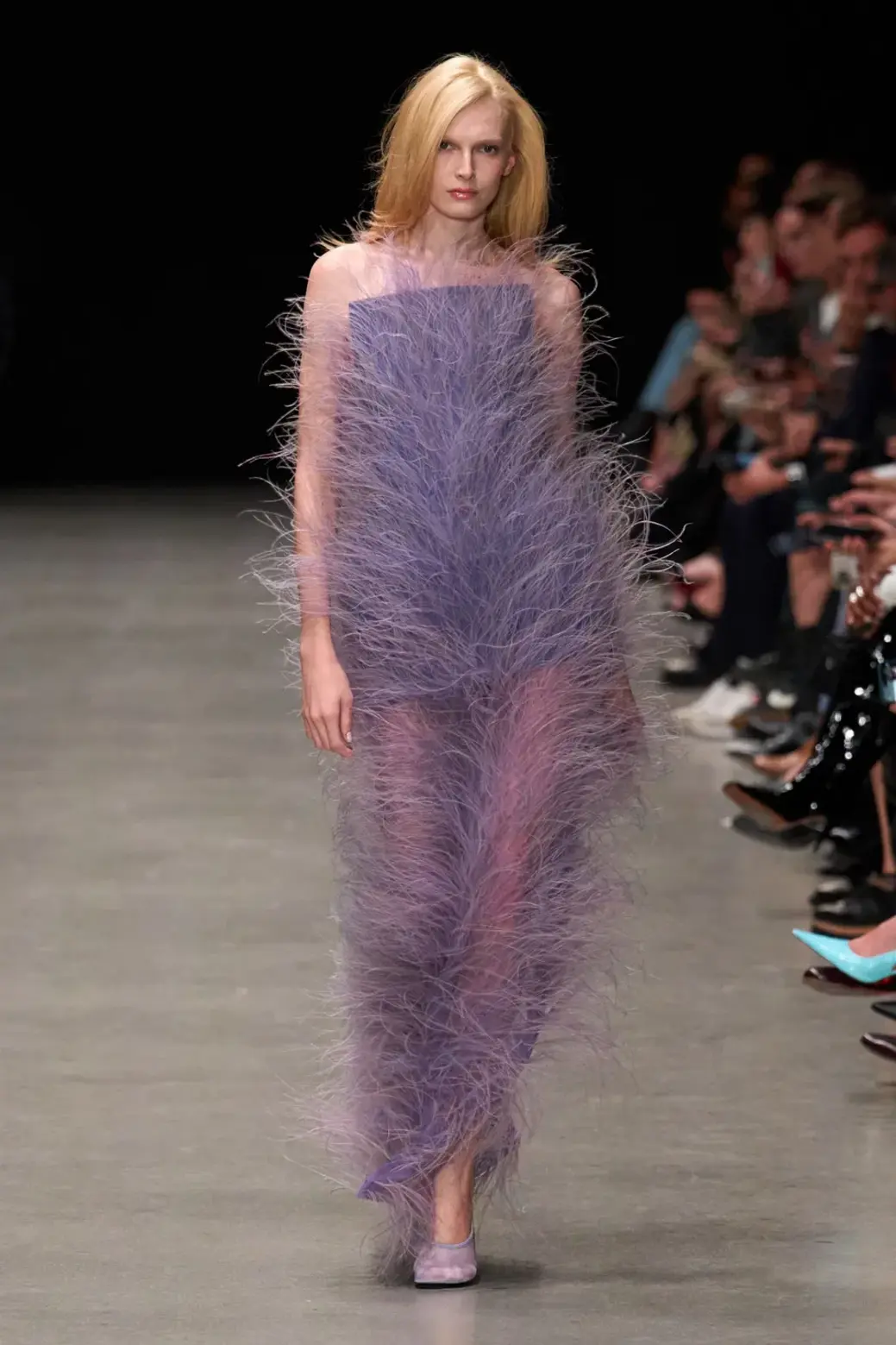
International Women’s Day still belongs to the present tense. This year, UN Women stated that no country in the world has reached full legal equality for women and girls, and the United Nations continues to warn that the world is off track to achieve gender equality by 2030. March 8 therefore carries both celebration and charge. It honors the women who changed history, and it calls for enough moral imagination to keep changing it.
This is why wearing purple should continue. Because continuity matters. Because memory needs form. Because hard-won rights deserve a visible language. Because each generation of women benefits from symbols that say, without hesitation, you come from strength. You come from struggle. You come from brilliance. You come from women who entered rooms built to exclude them and altered the architecture of the future.
There is also deep beauty in the fact that women transformed purple into a collective emblem. A color once linked to hierarchy became a sign of shared dignity. That transformation alone feels worthy of reverence. Purple became more democratic in women’s hands. More human. More luminous. And perhaps that is the truest reason to keep wearing it on International Women’s Day. Purple reminds us that women’s movements have always enlarged the moral imagination of the world.
Advertisement