MENU
Close





Discover how high jewellery evolves into a true asset class, from Cartier’s Aga Khan Emerald to auction records, gold, bitcoin and generational wealth.
Discover how high jewellery evolves into a true asset class, from Cartier’s Aga Khan Emerald to auction records, gold, bitcoin and generational wealth.
December 17, 2025


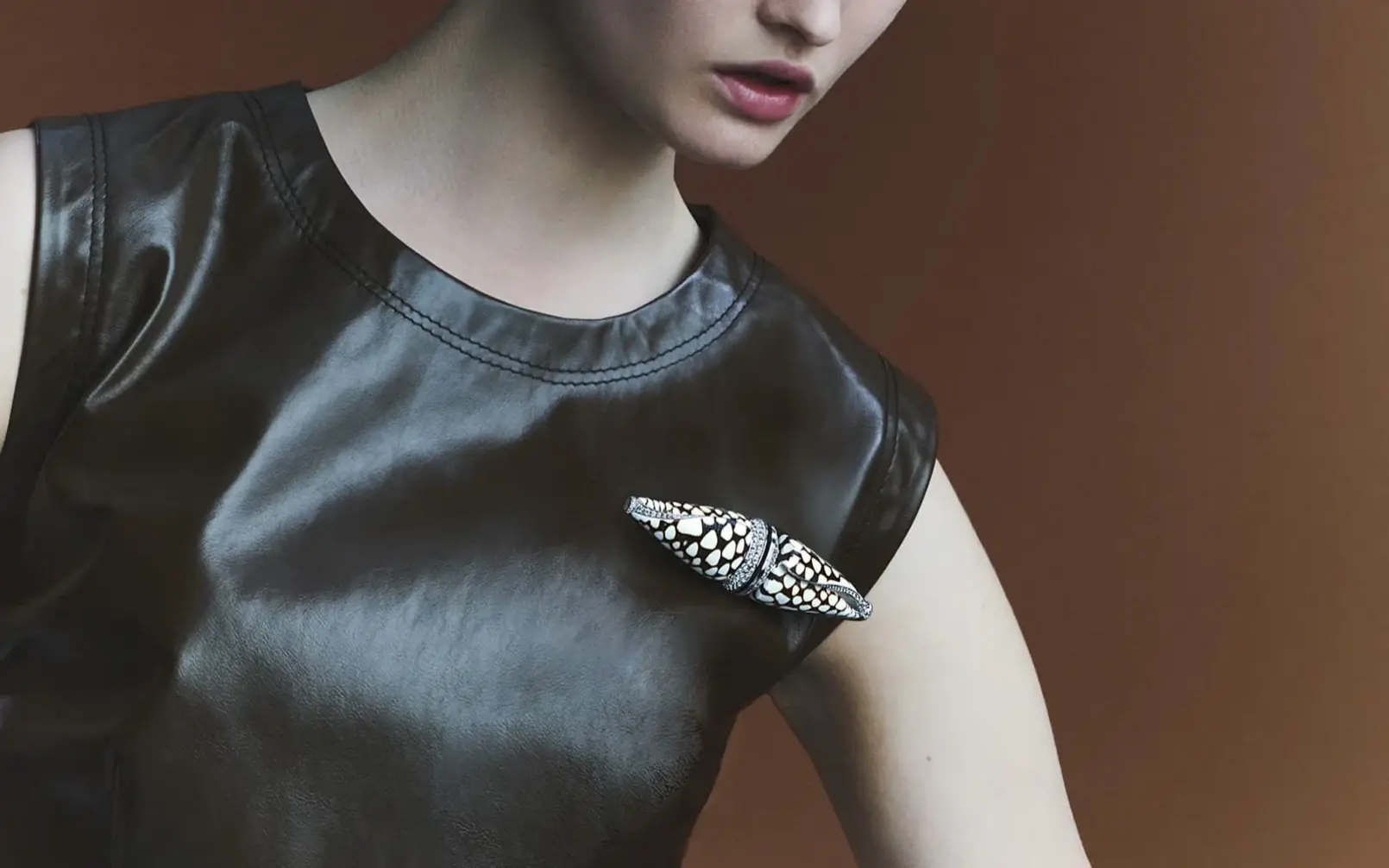
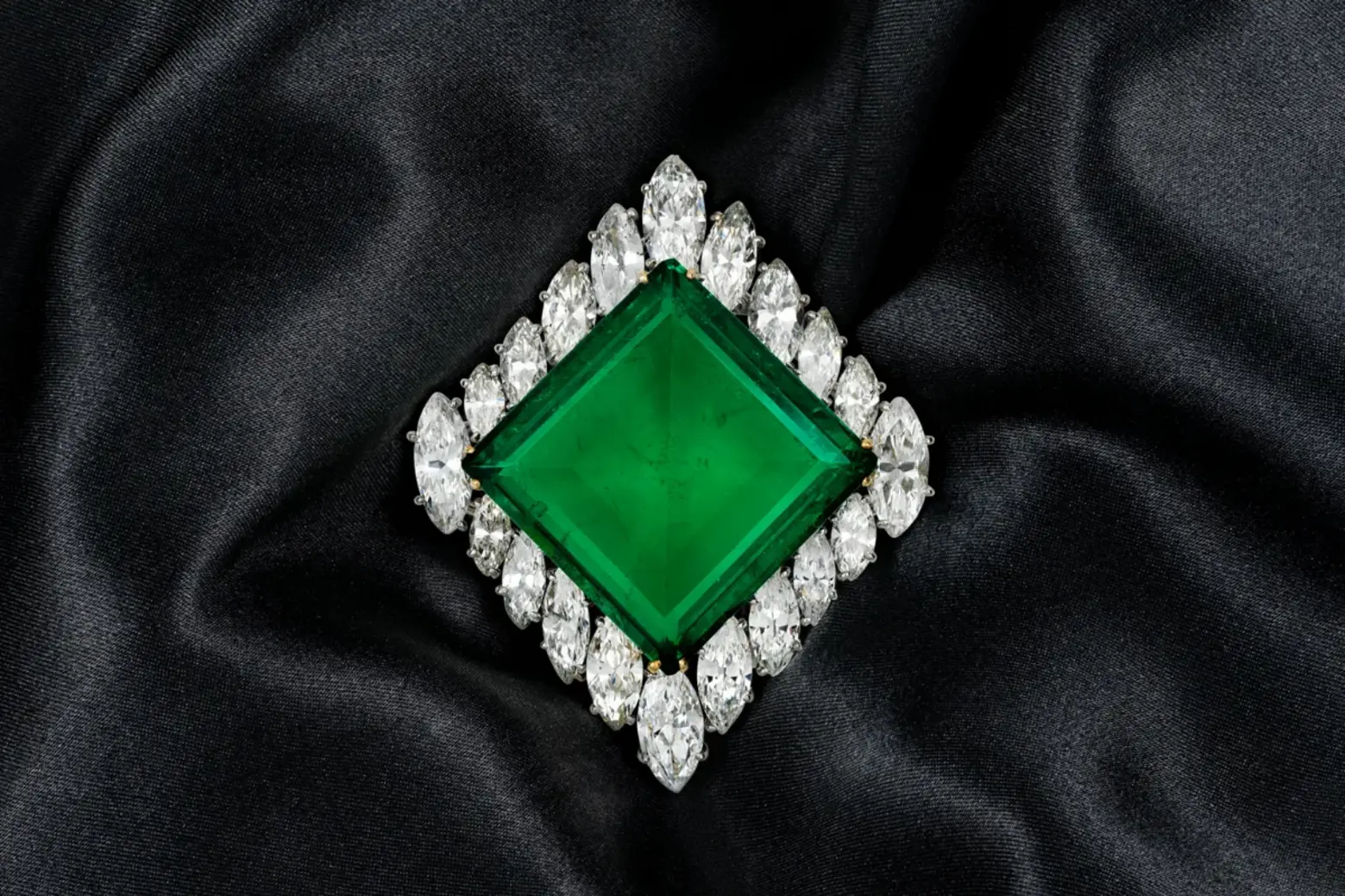
In 2024, a Cartier brooch entered the rostrum at Christie’s Geneva and compelled the market to discuss jewellery in the language it understands best: assets. The Aga Khan Emerald — a 1960s Cartier jewel anchored by an emerald of roughly 37 carats — sold for CHF 7.76 million, setting a world auction record for an emerald jewel.
What matters is not the headline figure alone, but the timeline behind it. The brooch had appeared at auction in Geneva in 1969, when it realised CHF 900,000. More than half a century later, the market re-priced it at more than eight times its earlier value. No chart is needed. This is jewellery behaving as a long-duration store of value, where time itself becomes yield.
It feels contemporary. It isn’t. Jewellery has always been money.
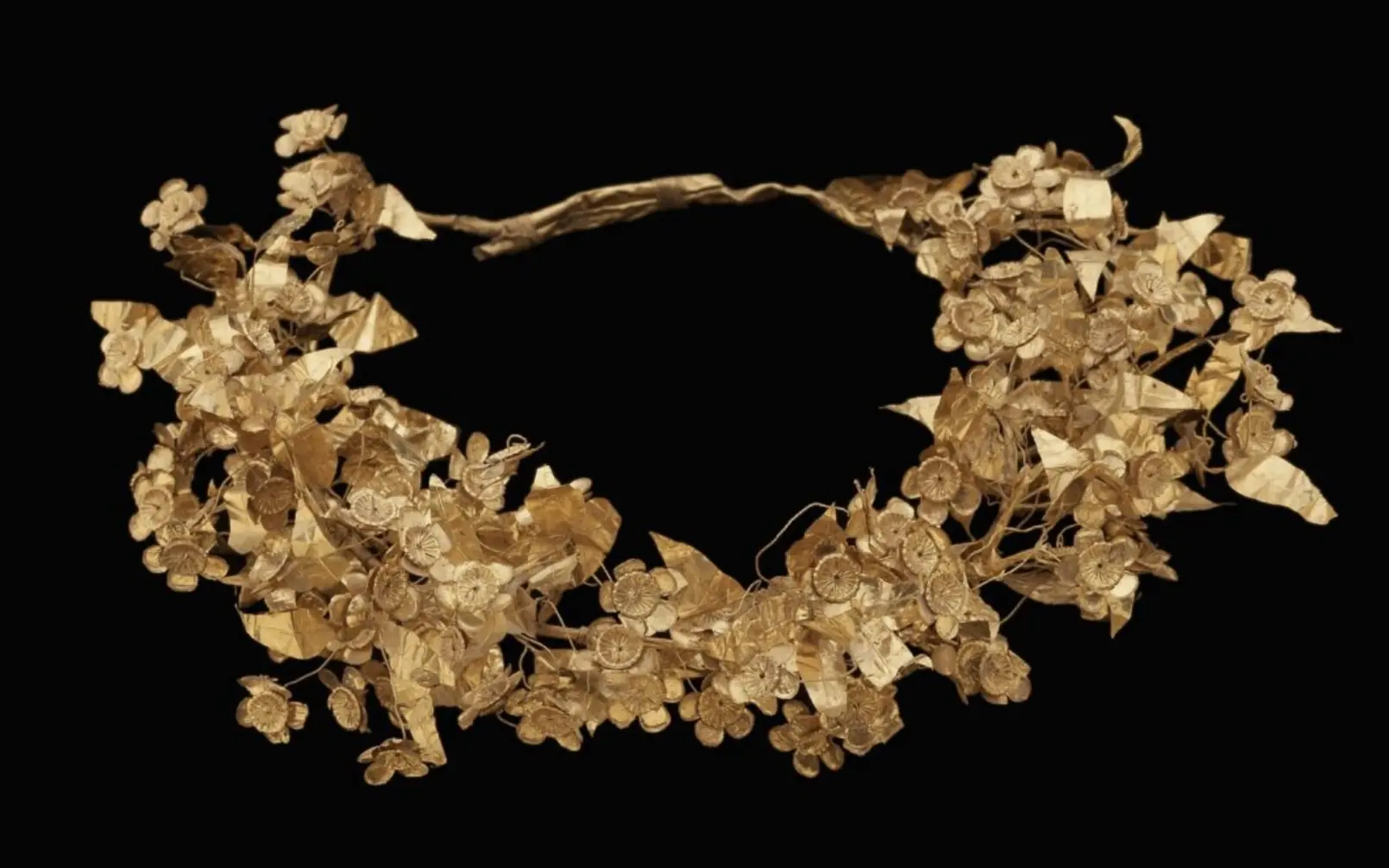
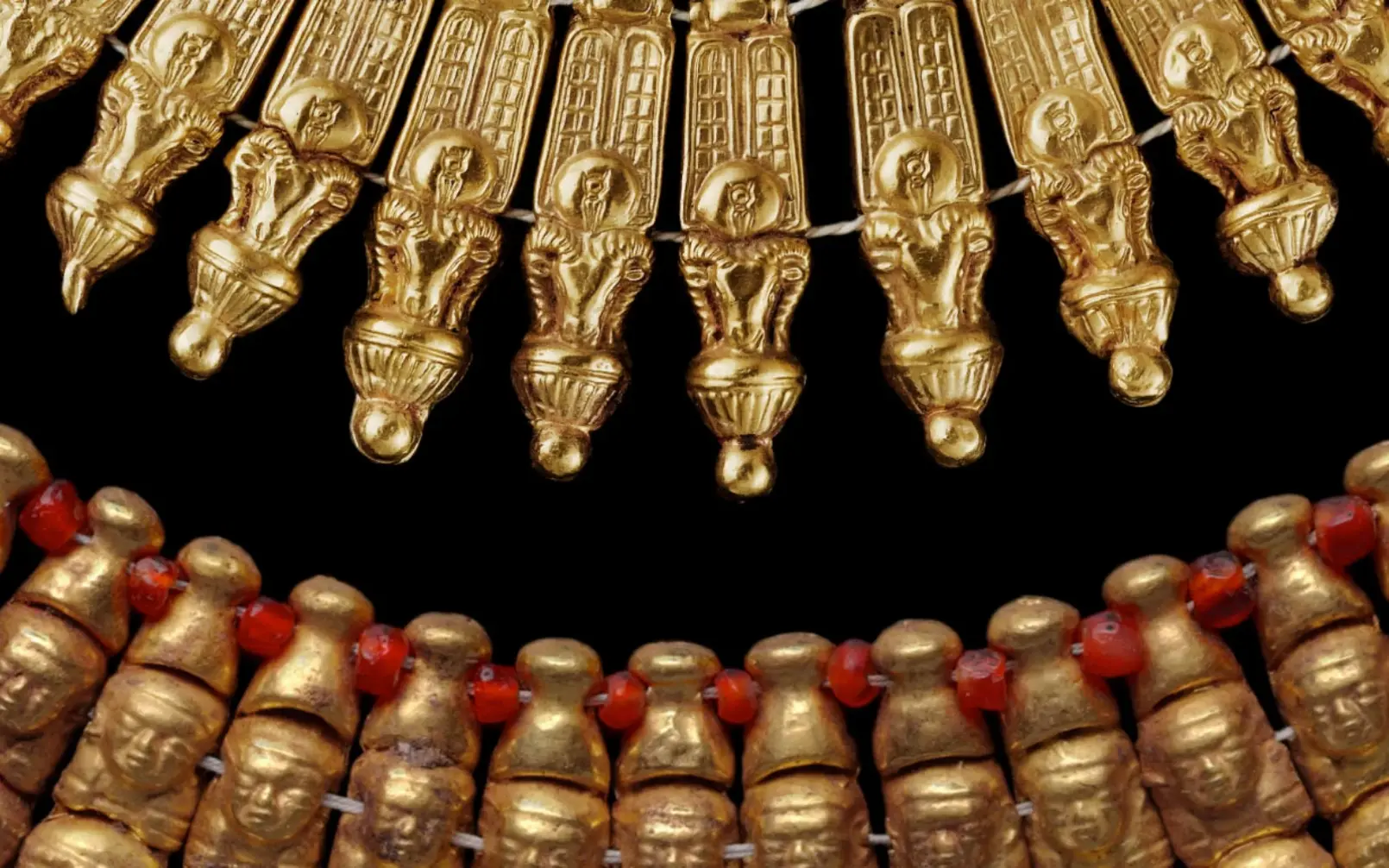
Long before fiat currency, societies traded with shells, bone, ivory and metal. Across parts of Africa and Asia, cowrie shells functioned as currency. Prehistoric cultures fashioned jewellery from animal remains, embedding spiritual meaning into objects of exchange. Gold later became the ultimate portable wealth — dowry, inheritance, savings — especially in societies where women were excluded from formal financial systems. To own gold jewellery was to own security.
That logic never disappeared. It merely changed costume.
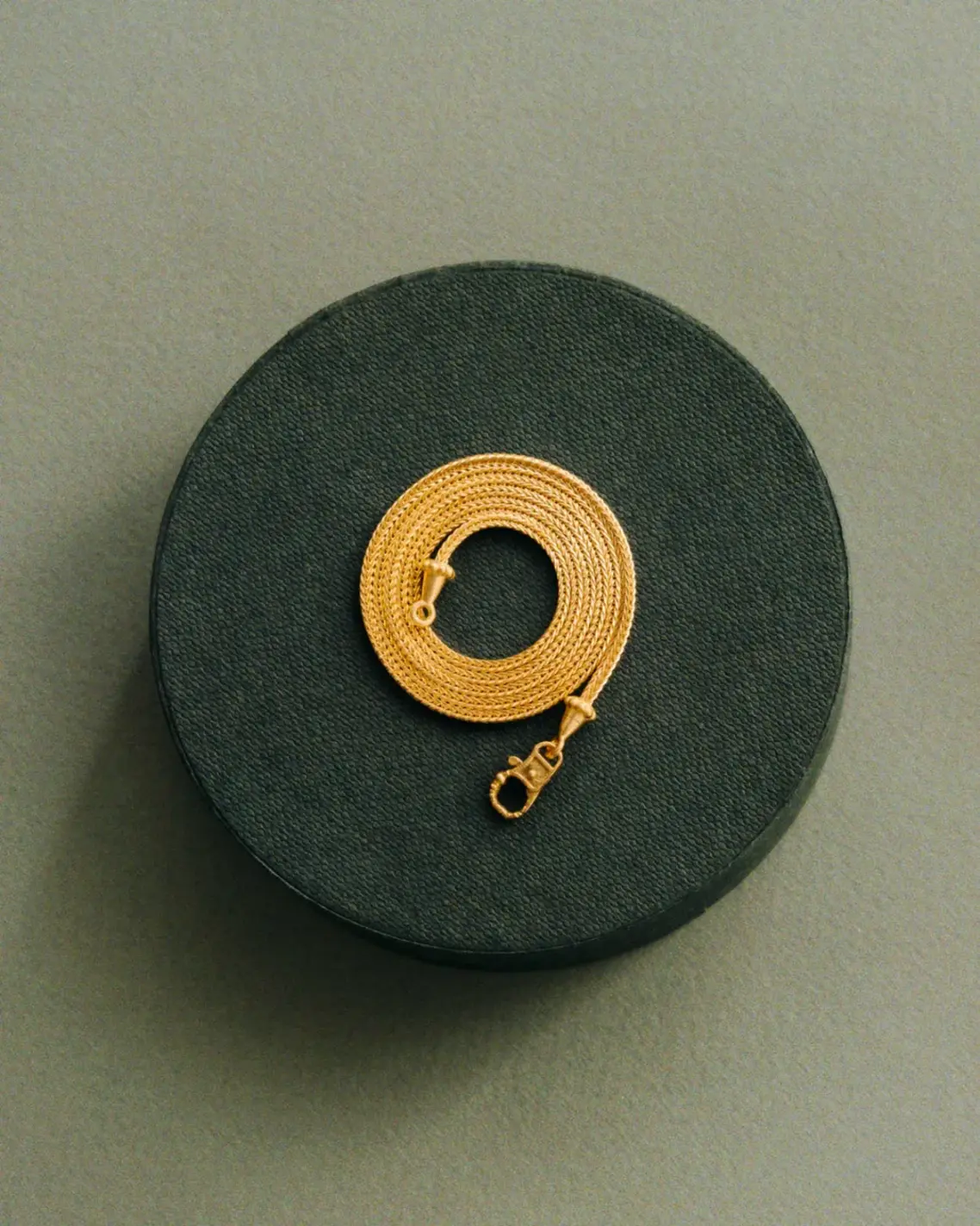
Today, as trust in paper currency wavers and inflation reshapes global wealth, tangible assets are returning to favour. Bullion jewellery — gold you can wear, sits at the intersection of adornment and asset. Brands such as Menē price pieces transparently by weight and purity, appealing to a generation raised on blockchain logic and ethical supply chains. For Millennials and Gen Z, jewellery is no longer simply status. It is ownership you can verify.
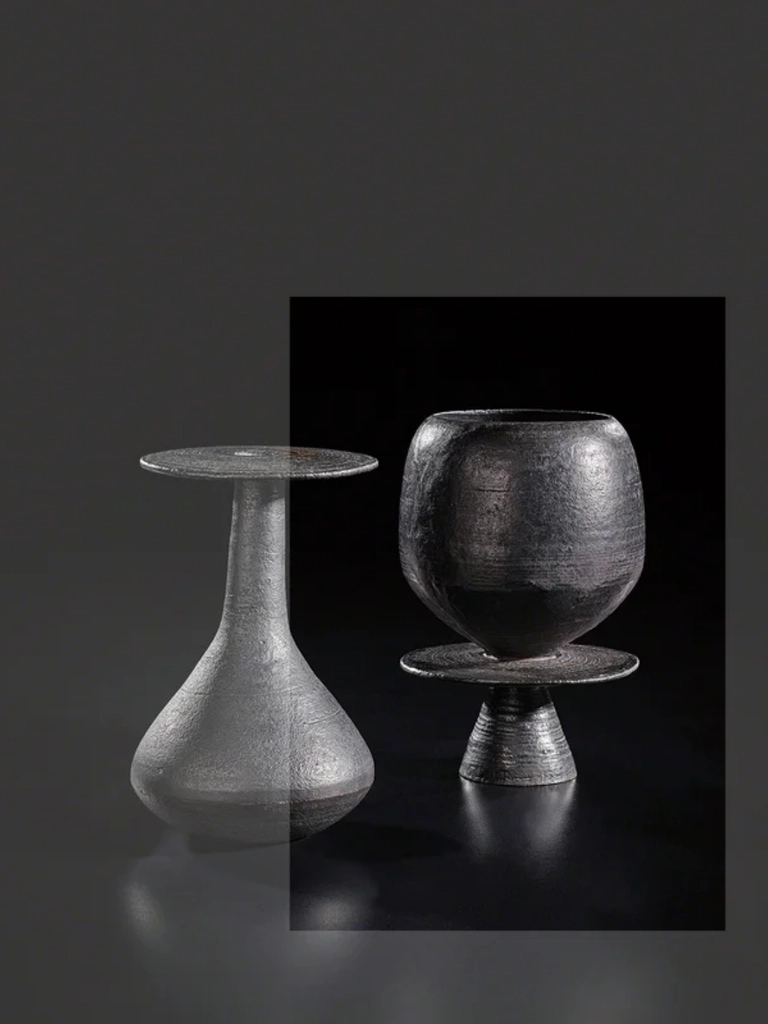
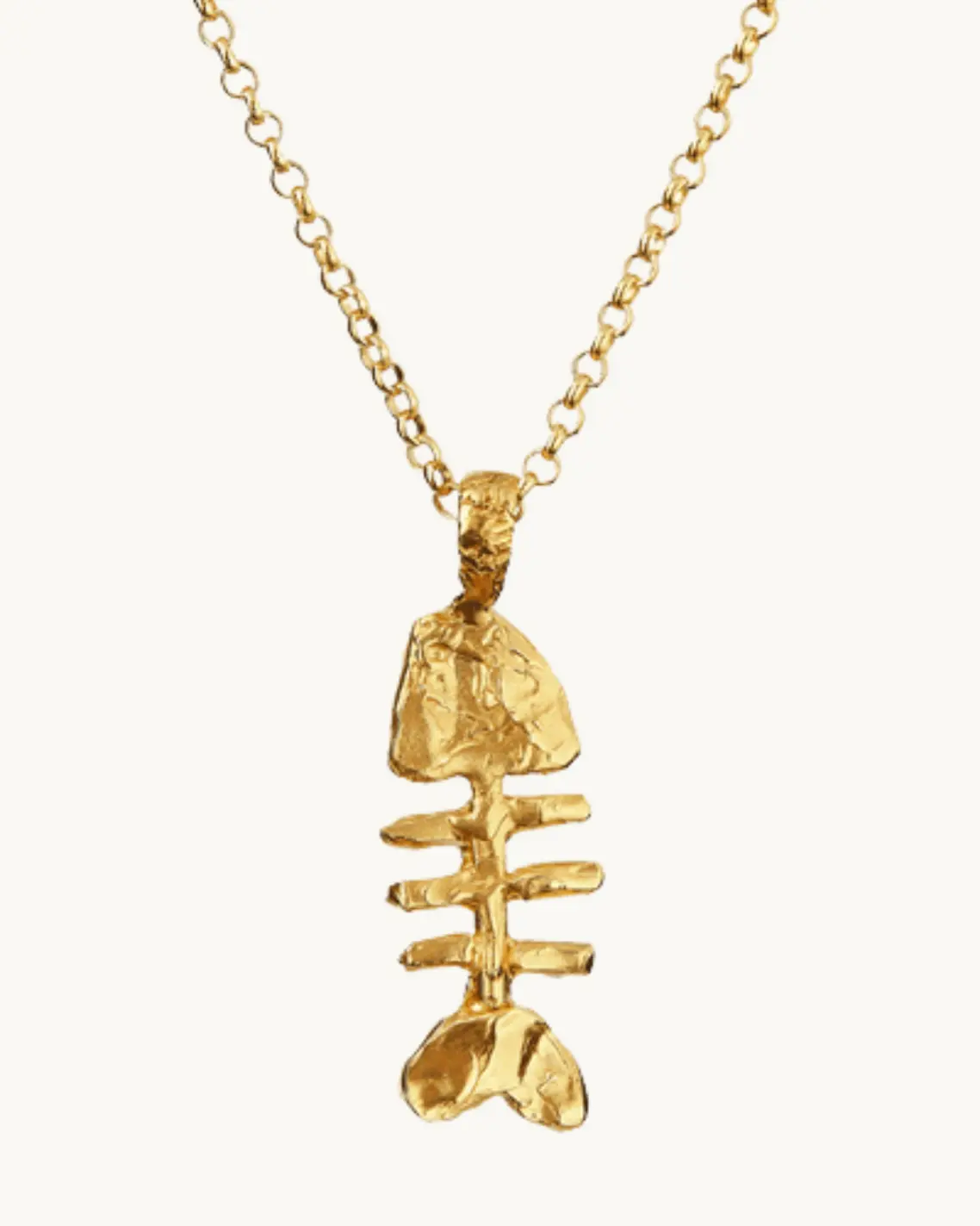
At the same time, a new aesthetic has emerged. “Primitive luxury” rejects polish and logos in favour of raw textures, organic materials and natural forms. Designers such as Elhanati, Alighieri, Sophie Buhai and Prounis craft jewellery that feels archaeological — as if unearthed rather than manufactured. Amber, fossils, bone and horn are no longer outliers. They signal a cultural shift away from mass luxury and toward objects with memory.
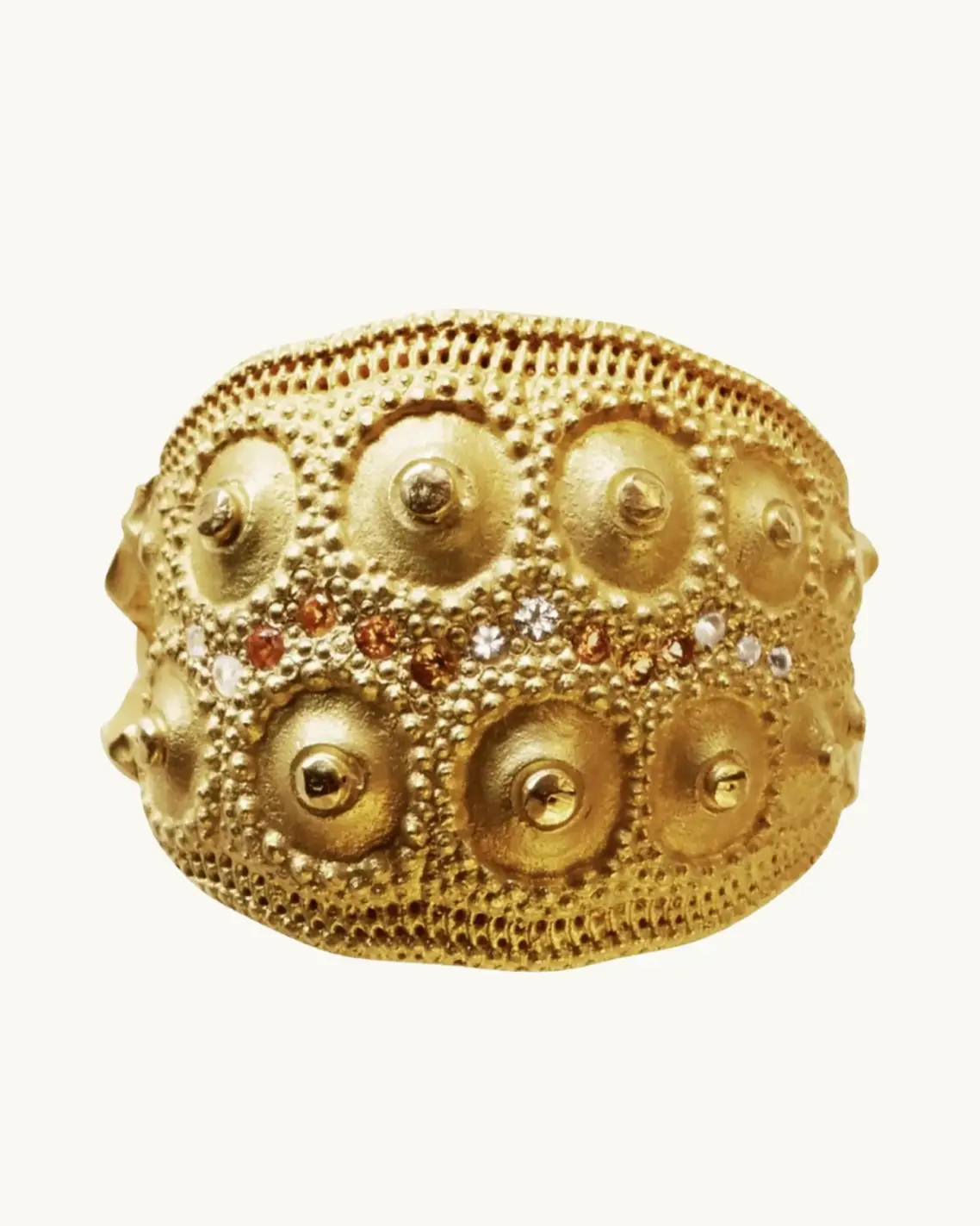
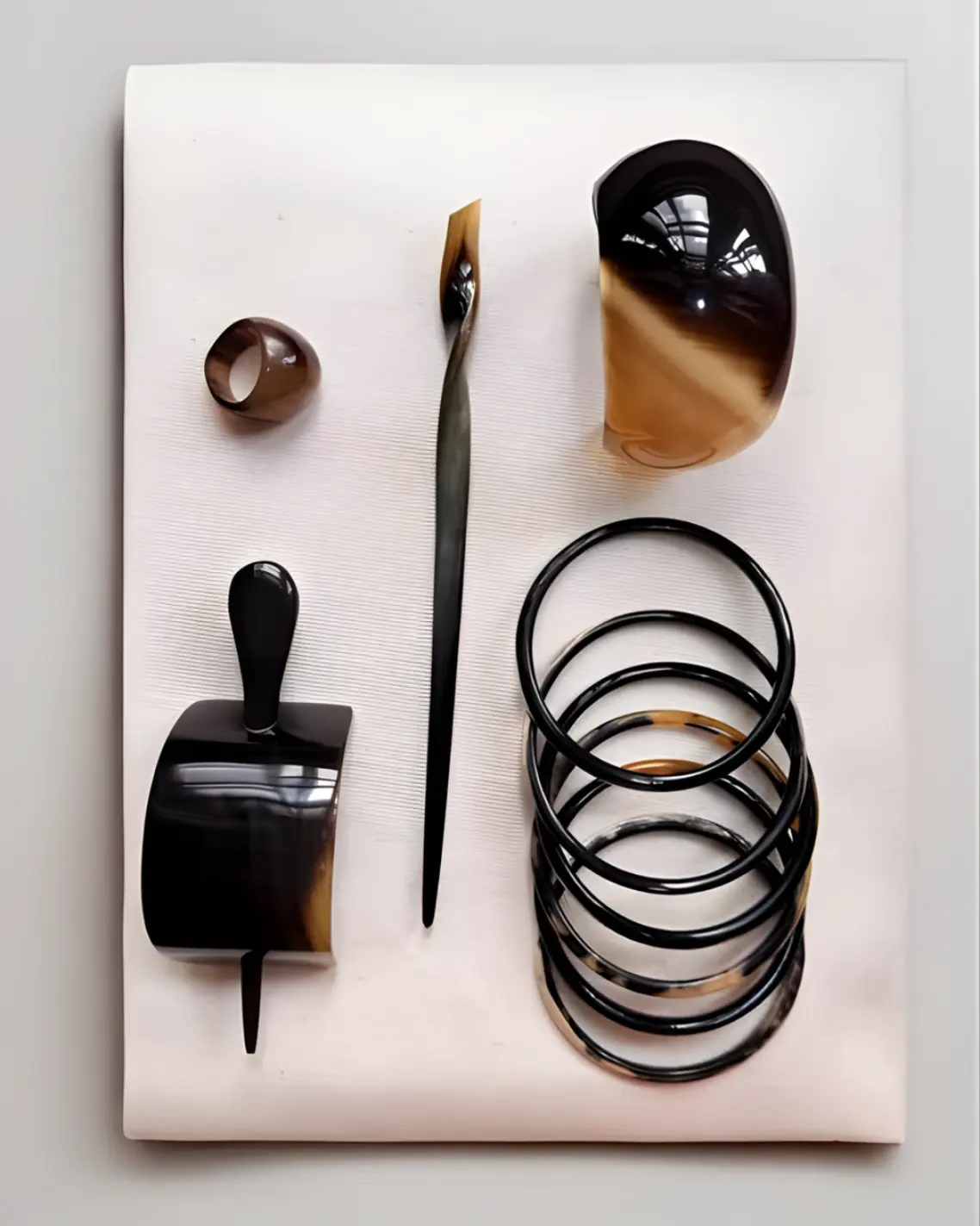
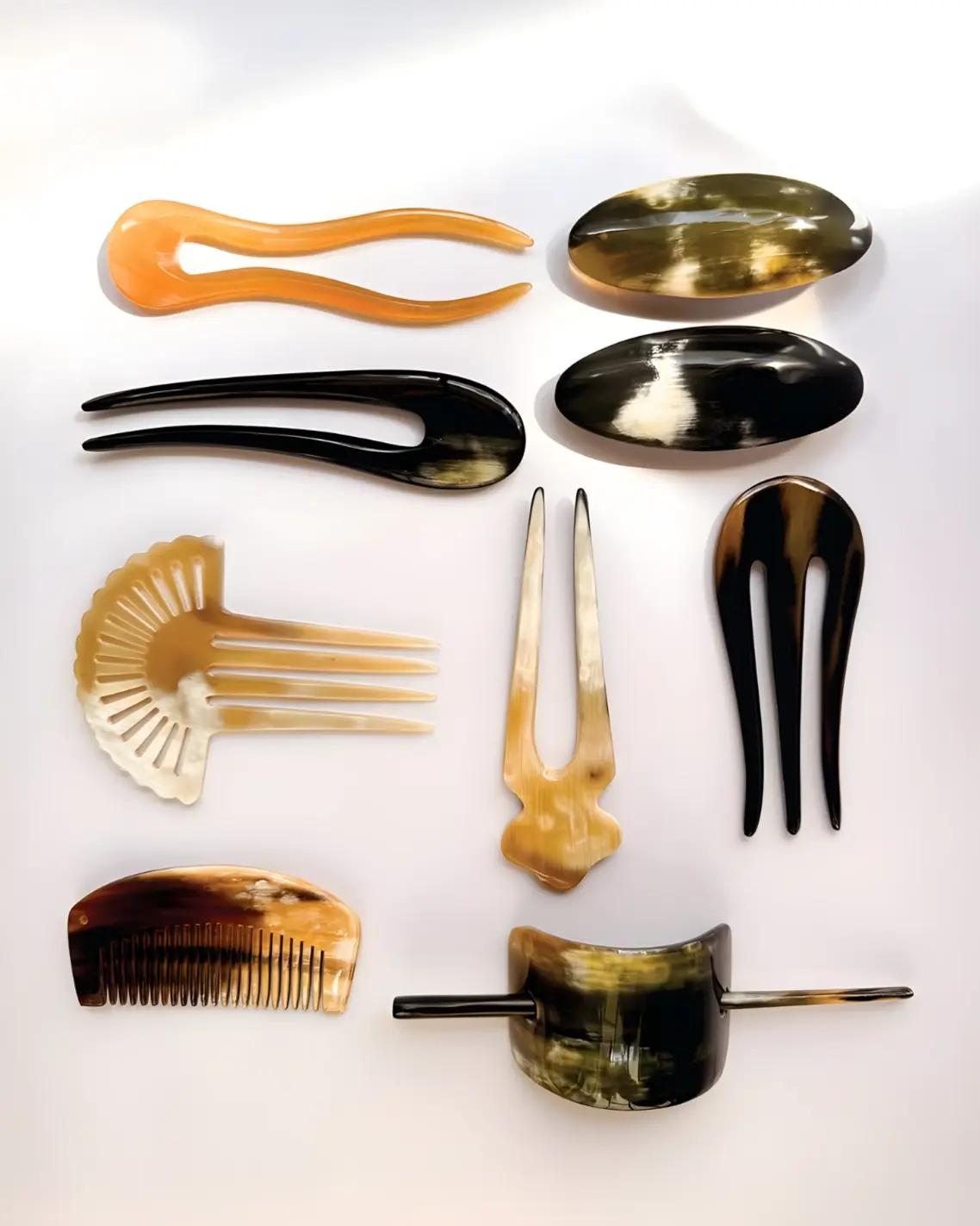
The major maisons have noticed. Boucheron’s Ailleurs: Earth Women incorporates wood and shell into high jewellery. Van Cleef & Arpels turns mother-of-pearl into opulence. Even independent labels such as UOM Archive sculpt buffalo horn into contemporary heirlooms. Luxury, it seems, is remembering its origins.
Yet it is the auction market that ultimately sets the numbers.
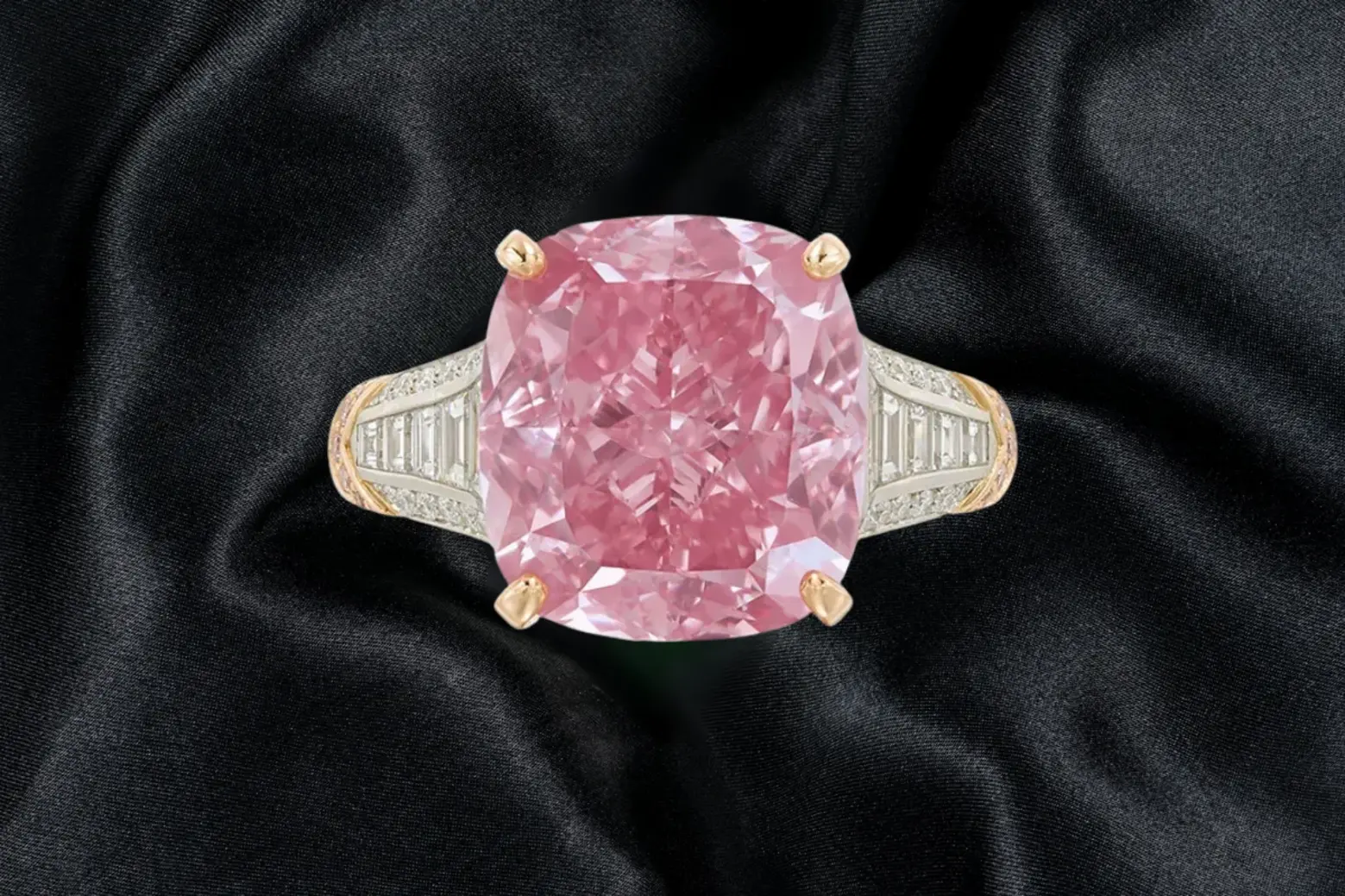
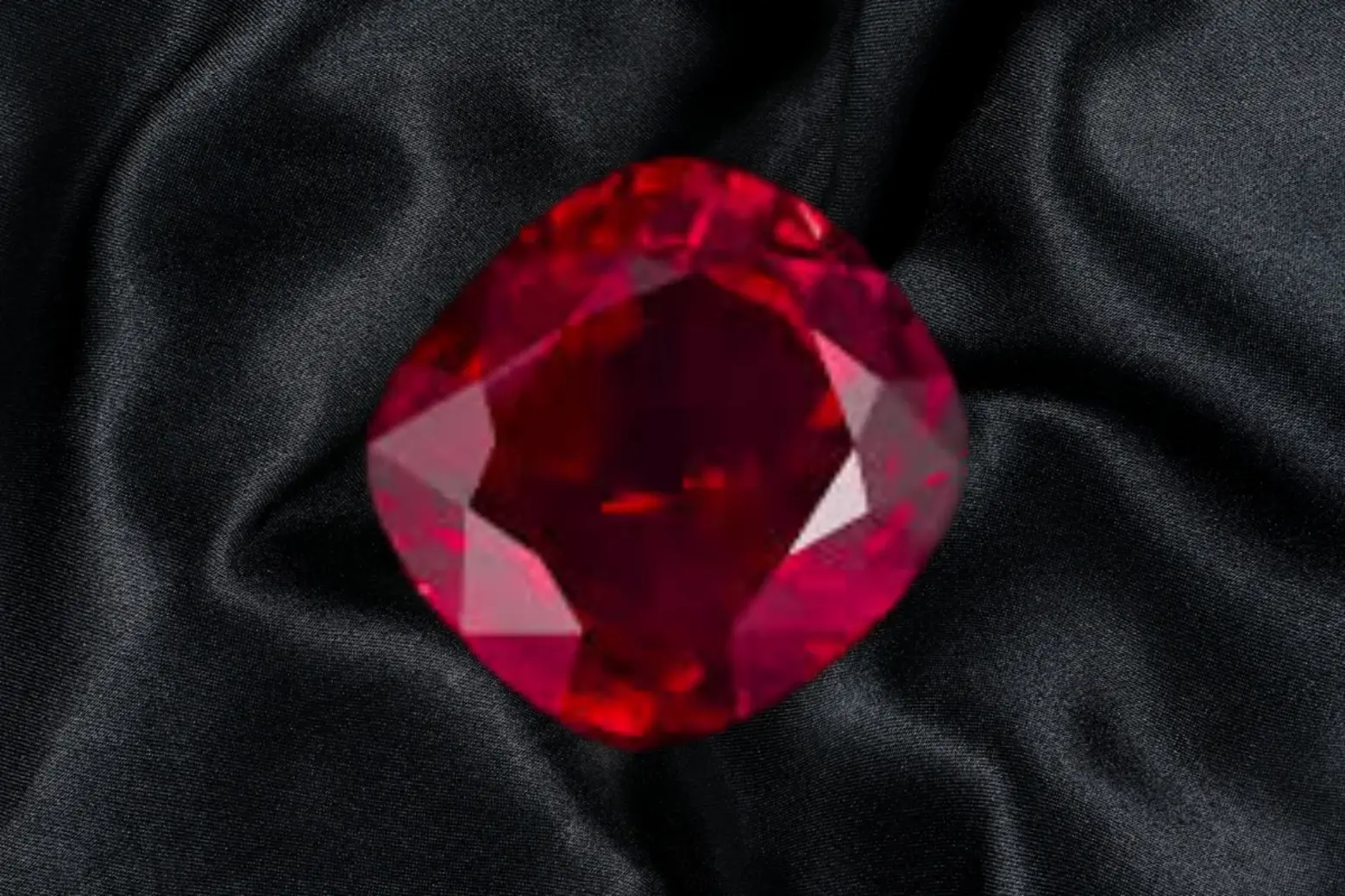
In 2023, Christie’s sold the Bleu Royal, a 17.61-carat fancy vivid blue diamond ring, for US$44 million, making it the most expensive jewel sold that year. Sotheby’s had already pushed the ceiling higher in 2022 when the Williamson Pink Star, an 11.15-carat pink diamond ring, achieved US$57.7 million. In the same period, the Estrela de FURA, a 55.22-carat Mozambique ruby, reached US$34.8 million, setting a world record for a coloured gemstone. These are no longer accessories. They are capital.
Jewellery, of course, resists neat financial modelling. Most trophy pieces trade privately, and purchase prices are rarely disclosed. There is no clean ledger as there is with equities. But that discretion is structural. When a jewel surfaces publicly, an auction performs global price discovery — not only for materials, but for rarity, authorship, history and provenance.
Aga Khan Emerald shows what happens when those variables align. In the best cases, jewellery appreciates across generations. In others, it simply holds. Either way, it behaves like a safe-haven asset: tangible, portable, independent of banking systems, and globally liquid.
Set against the era’s most visible stores of value, the distinction sharpens. Over the past five years, gold has surged as investors sought shelter from inflation. Bitcoin has delivered spectacular returns too — but at a price: extreme volatility. After peaking near US$69,000 in 2021, bitcoin later fell toward the US$15,000 range within a year, erasing fortunes overnight. Volatility is not incidental. It is the fee.
High jewellery offers no such drama. It makes a quieter promise: stability wrapped in culture.
Here, Patek Philippe’s famous line lands with unusual precision: “You never actually own a Patek Philippe. You merely look after it for the next generation.” The sentiment travels beyond watches. In the world of fine jewellery, possession looks less like consumption and more like stewardship.
A curious signal comes from Silicon Valley. Mark Zuckerberg, an emblem of the digital economy, has appeared repeatedly with blue-chip haute horlogerie — Greubel Forsey, Patek Philippe, F.P. Journe. A watch approaching US$900,000 on the wrist of a tech billionaire is not merely aesthetic. It is a way of anchoring wealth in something physical, finite and historic.
In a world increasingly defined by intangible assets — equities, tokens, platforms — the pull of tangible value is strengthening. Jewellery, poised between art, history and finance, is consolidating its place as a hybrid asset class: seldom explosive, often resilient; not loud, but enduring. And sometimes, as a Cartier brooch quietly proves, time does the compounding.