MENU
Close





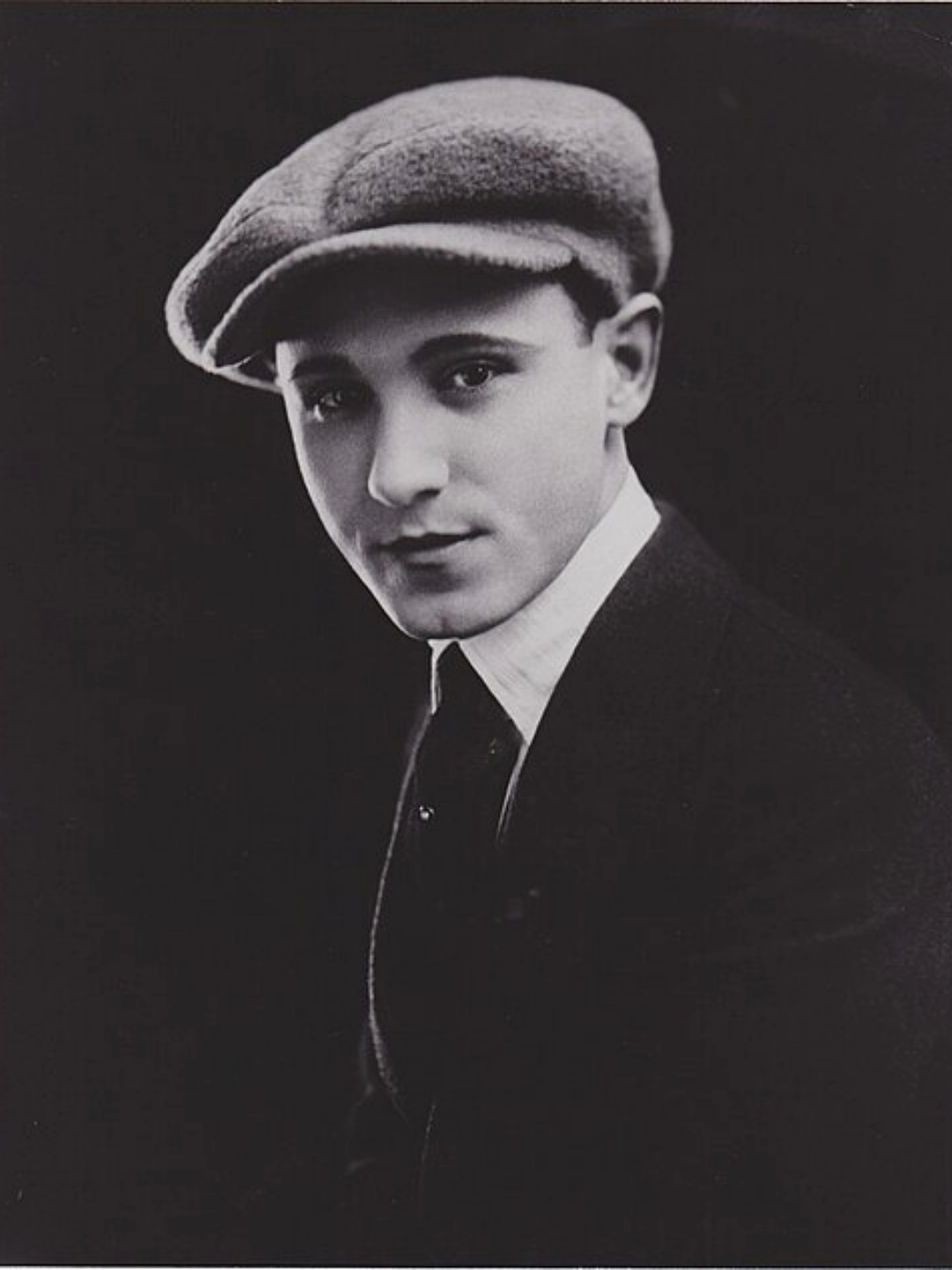
On April 2, 2020, Sergio Rossi died at 84, closing the life of one of Italian fashion’s great shoe minds, though hardly closing his influence.

On April 2, 2020, Sergio Rossi died at 84, closing the life of one of Italian fashion’s great shoe minds, though hardly closing his influence.
April 2, 2026


He had already stepped away from the day-to-day design of his namesake house years earlier, after selling most of the business to Gucci Group in 1999 and retiring before the final sale of his remaining stake in 2005. The work itself stayed alive because Sergio Rossi had built more than a label. He had built a way of thinking about shoes as seduction, structure, and engineering at once.
The beginnings were beautifully grounded. Born in San Mauro Pascoli, in Italy’s shoemaking heartland, he learned the craft from his father and spent his early years making sandals in winter and selling them in summer along the Adriatic coast before establishing his own label in the late 1960s. That origin story matters because the shoes always carried both discipline and ease: workshop rigor on one side, beach lightness on the other. Even the house heritage still describes his vision in terms of form, harmony, and elegance, with craftsmanship sitting at the center of everything.
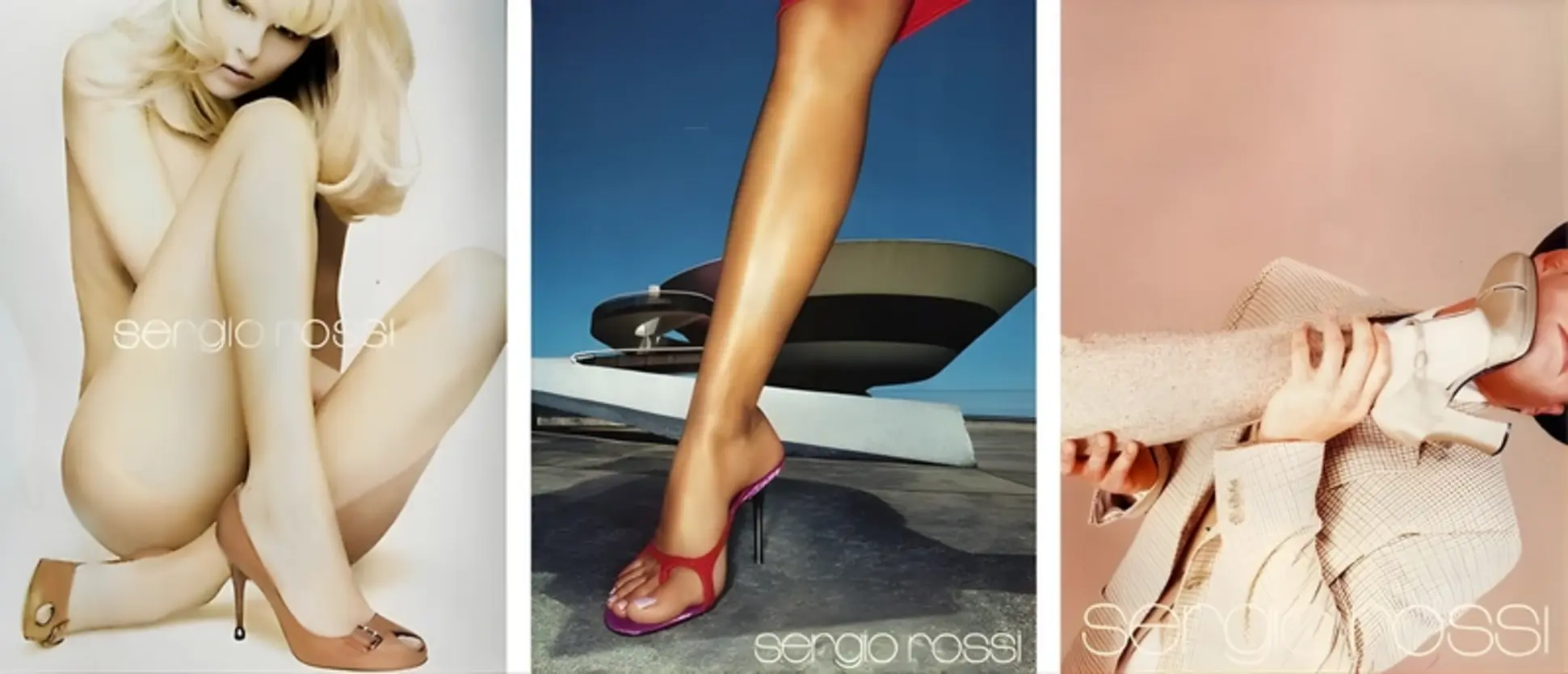
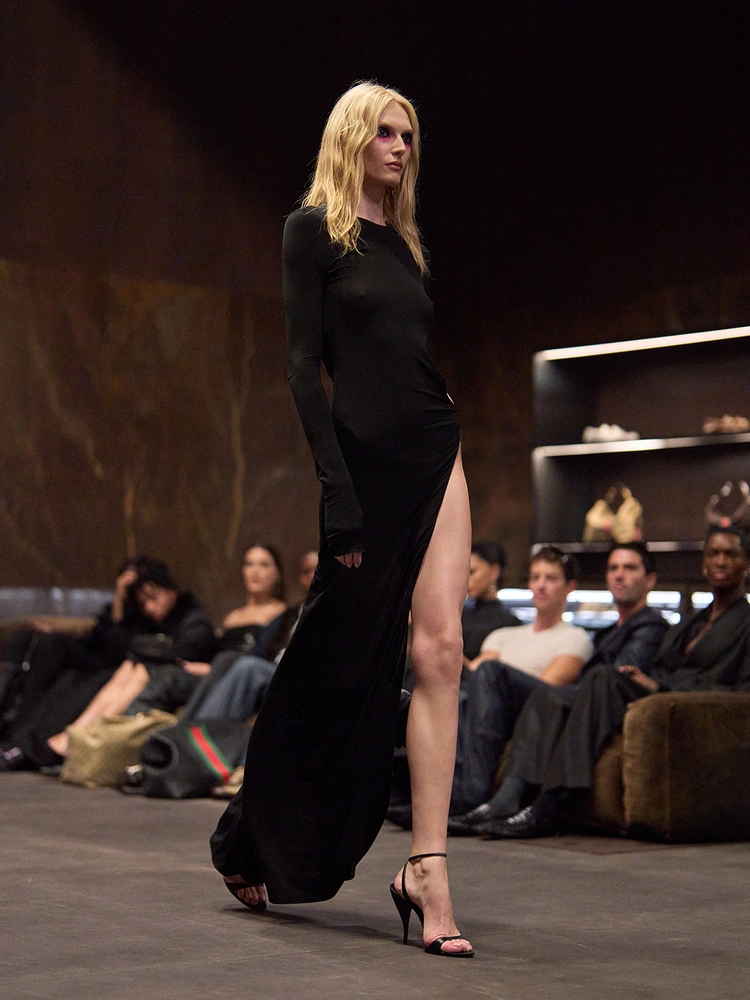
What Sergio Rossi gave fashion was a particular idea of femininity. He loved precision, though never stiffness. Riccardo Sciutto, the brand’s chief executive, said Rossi wanted to create “the perfect extension of a woman’s leg,” and that line explains almost everything. His shoes were famous for their line, their lift, their balance, and their wearability, with the house stating that each pair required 120 steps and 14 hours of work. He called himself first a cobbler, then a creative manager, which says something lovely about his priorities: the hand came before the slogan.
His legacy also lives in how deeply he shaped other houses. Through the 1970s, 1980s, and 1990s, his footwear moved through the worlds of Gianni Versace, Azzedine Alaïa, and Dolce & Gabbana, while Tom Ford later leaned on his craftsmanship when building the modern image of Gucci. That role feels especially important now because it placed Sergio Rossi among the earliest great footwear specialists to function as a real creative ally to ready-to-wear. He helped make the shoe part of the fashion argument.
His work joined artisanal patience to runway electricity. His shoes walked beside major fashion houses without disappearing inside them. His passion began in a family workshop and ended as a global language of elegance. Plenty of designers make beautiful shoes. Sergio Rossi made shoes that understood posture, desire, and the theater of a woman entering a room. That is why the name still stands.