MENU
Close





Close your eyes and listen to the sound of the kimono dragging across warm skin. Between these fragile threads lies the history of a nation’s desire, a journey through military restraint, imperial opulence, and the forbidden colors of the merchant class.
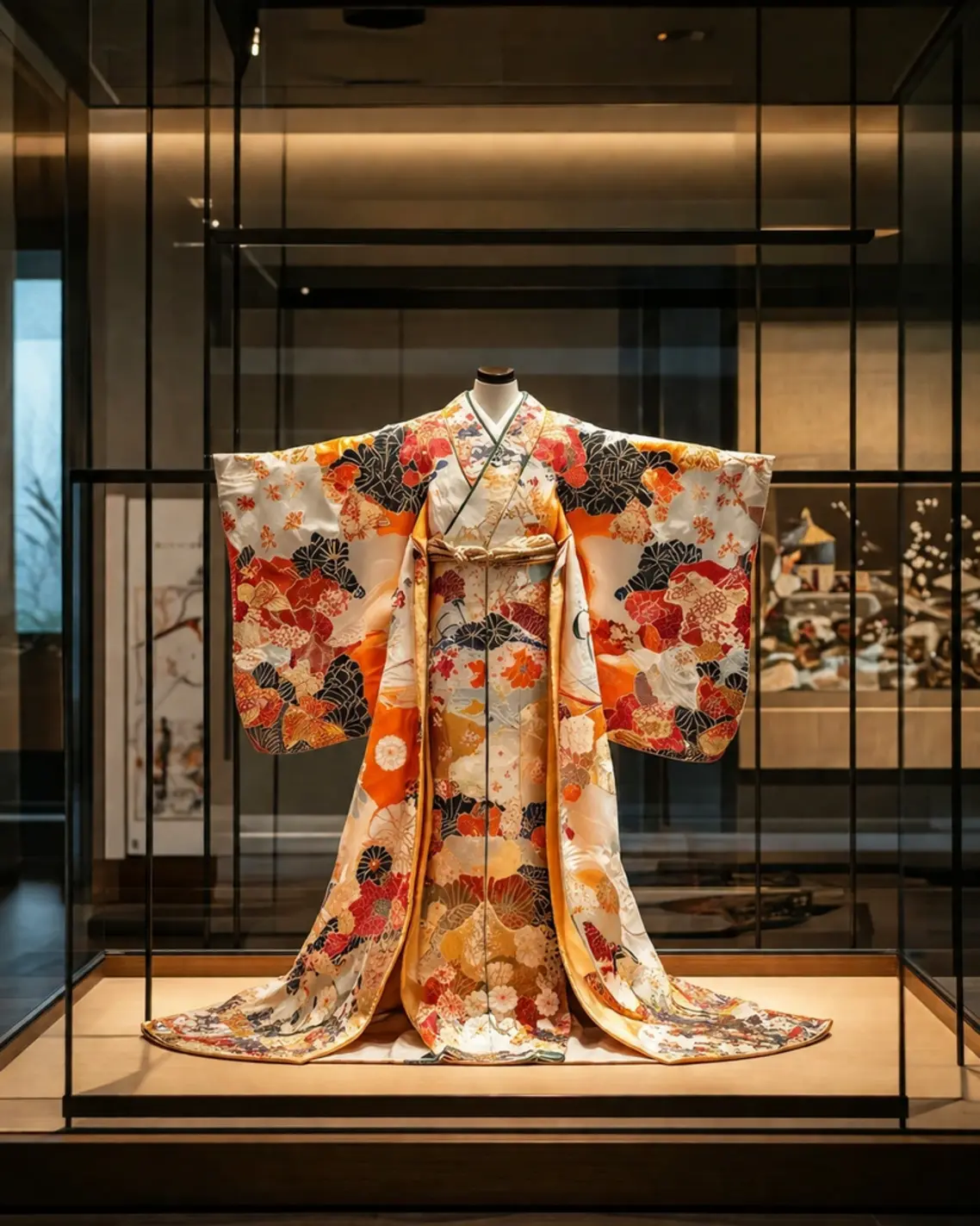
Close your eyes and listen to the sound of the kimono dragging across warm skin. Between these fragile threads lies the history of a nation’s desire, a journey through military restraint, imperial opulence, and the forbidden colors of the merchant class.
April 26, 2026
Advertisement

Advertisement



Across the shadowed corridors of Japanese history, the kimono has moved like a phantom woman slipping behind a translucent paper screen, sometimes perfectly still in the quiet of a moonlit room, sometimes unbearably bold, sometimes weighed down by the heavy gold of imperial rank, and sometimes as light and intoxicating as incense smoke. It has memorized the sacred dust of shrine paths, the hushed secrets of palace chambers, the whispered negotiations of merchant houses, the frantic pulse of festival streets, the dark years of war, and the slow, seductive rhythm of moonlit parades. Every trailing sleeve, every tightly pulled tie, every deliberate fold of cloth carries a heavy, breathless secret: who possessed the right to wear such beauty, who possessed the gold to afford it, who was forced to hide it beneath muted coats, and who possessed the wicked cleverness to turn that very hiding into an elevated, tantalizing art. Between the years of 1930 and 1933, a series of historical kimono reproductions was coaxed into existence in Kyoto for a grand festival of dyeing and weaving. These garments were not born as empty, lifeless copies, but as feverish acts of devotion. Scholars of the loom and the vat surrendered themselves to the past, studying ancient, crumbling records, reviving forgotten dyes, and mimicking the rhythm of old, ghostly hands. Only the true colors and the authentic techniques that belonged to each specific age were permitted to touch the silk. That is why these kimono still possess a heartbeat. They are sacred doors left slightly ajar. Nearly a century of time has washed over them now, leaving their silk fragile and their threads trembling near the very end of their earthly lives. Yet, their dark, hypnotic power remains absolute. They invite us to stand dangerously close to the phantoms of women long gone, to close our eyes and imagine the sharp, shivering sound of stiff fabric dragging against warm skin, the excruciatingly slow turn of a heavily embroidered sleeve, the pale flash of a hidden hand, the painful, perfect restriction of a tied waist, and the soft, beautiful cruelty of a woman’s body disciplined into a living masterpiece.
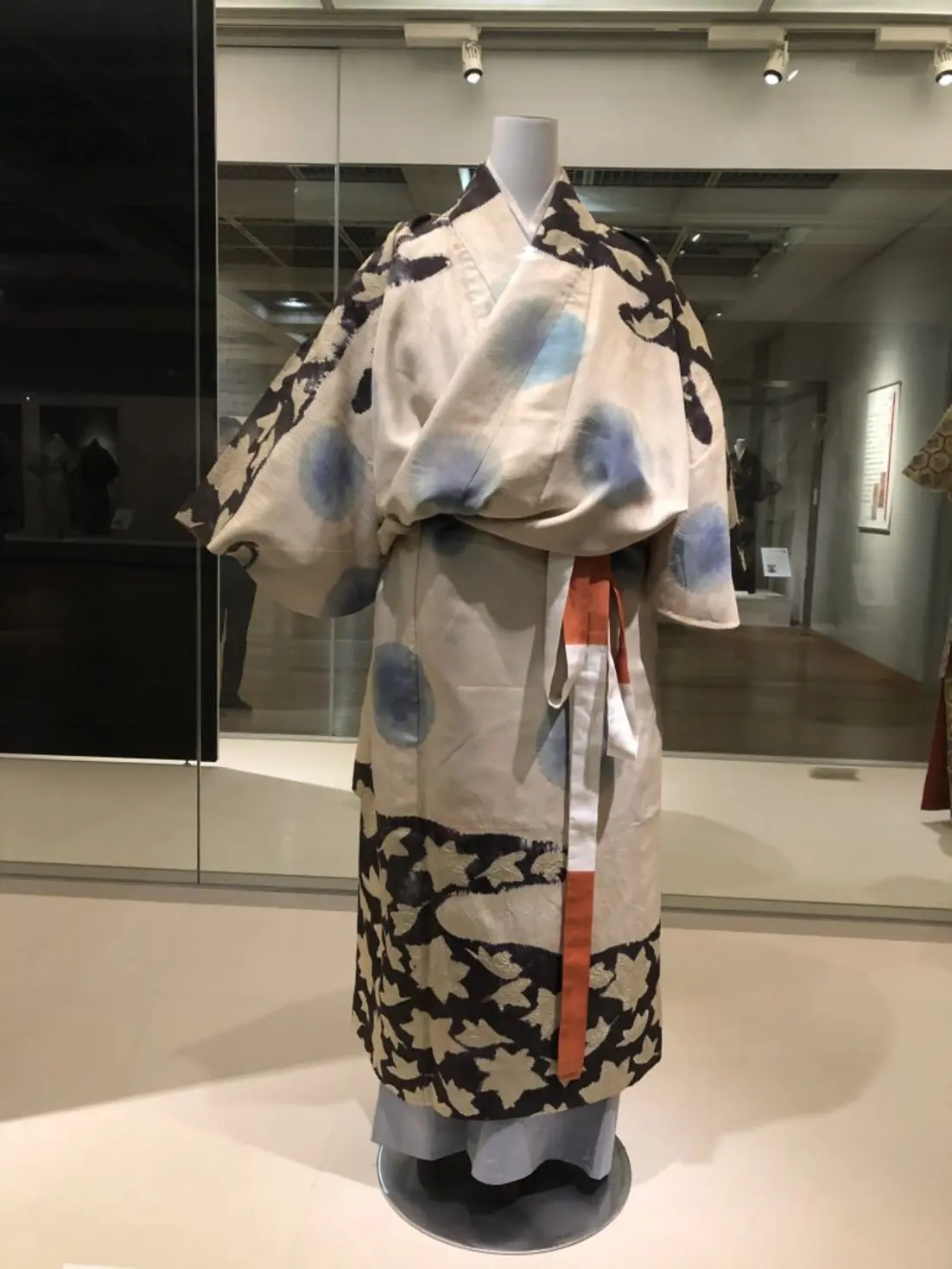
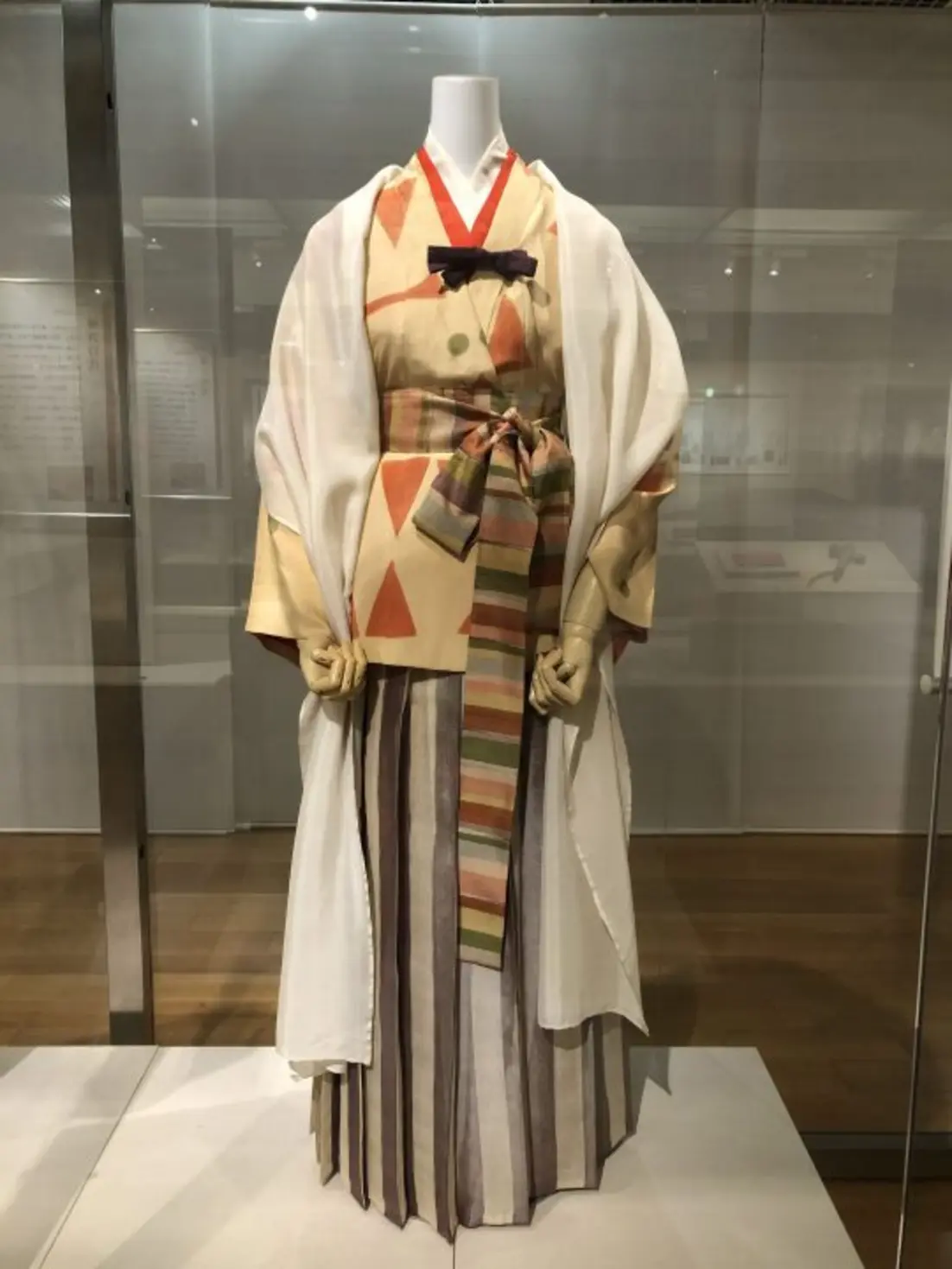
The great festival of dyers and weavers danced through the streets of Kyoto from 1931 until 1937, before the harsh, unforgiving breath of war closed its opulent path. But silk has a memory, and cloth remembers the passions that history attempts to interrupt. In 1984, these very garments awoke once more, parading under the sun to celebrate the 330th anniversary of the birth of Yuzensai, the legendary fan maker who, around the year 1700, is believed to have seduced the kimono into accepting his vivid yuzen dyes. That story alone feels like a heavy, intoxicating spell. Imagine a man who painted folding fans, those flirtatious little paper moons held in a trembling hand, flicked open to hide a smile or a blush, taking his brilliant pastes and colors and letting them bloom wildly across the sprawling canvas of a kimono. A fan opens. A sleeve falls. A woman turns her shoulder. Suddenly, a length of plain fabric is transformed into a midnight garden, a weeping season, a love letter written entirely without ink. In that glorious 1984 revival, it was my sisters, the geisha of Kyoto, who offered their living, breathing bodies to these garments. It is so easy to close your eyes and see the scene: the stark white of powdered necks exposed to the air, heavily painted eyes lowered in feigned modesty, the agonizingly slow, measured steps, and the ancient silk catching the light like dark water trembling at midnight. My sisters did not simply wear these kimono; they breathed life into their lungs, awakening them from a fifty-year slumber. The later pieces of the Edo and Meiji eras, particularly the treasures pulled from the vaults of the wealthy Mitsui merchant family, reveal another, darker side of this silken history. These garments belong to a hazy, opulent world where ruthless trade, impeccable taste, and quiet, absolute power met in the shadows behind beautiful, flawless surfaces. Look closely at the shibori pieces, and you will see how the fabric was violently bound, how it was made to resist the dye, and how it was finally, triumphantly released, as if beauty itself is something that must be aggressively teased out of the dark through pressure, restriction, and surrender.
Drift back with me, far back into the haze of the Kofun era, from the 3rd to the 7th century, when the kimono was still young, its form breathtakingly simple and dangerously innocent. A primitive, kimono-like tunic was worn directly against the body, hidden beneath a long, deeply pleated skirt called a mo. This mo was secured around the hips with nothing more than a single, long ribbon, pulled tight and closed into a soft, vulnerable bow that practically begged the hands to pull it undone. The fabrics of this ancient time were as light and translucent as a morning mist, woven loosely to let the skin breathe. The colors were coaxed from the crushed blood of wild plants, bleeding into the cloth in plain washes, gentle stripes, or marked with the sharp, rhythmic bite of simple triangles. Tiny, unpretentious flowers appeared across the fabric like shy, unspoken thoughts. A long, sheer cloth, much like a shawl, was draped carelessly over bare shoulders, and the women wore heavy strings of cold beads resting against the heat of their chests. There is absolutely no excess in this era, no heavy brocade to hide behind, yet the beauty is piercing and sharp. A woman of the Kofun era did not require a storm of gold thread and frantic decoration to command the room and arrest the eye. A trailing ribbon, the clink of a stone bead, a sheer stripe of pale, plant-dyed gauze clinging to her form, these were more than enough to make the natural body feel like a sacred, untouchable ceremony.
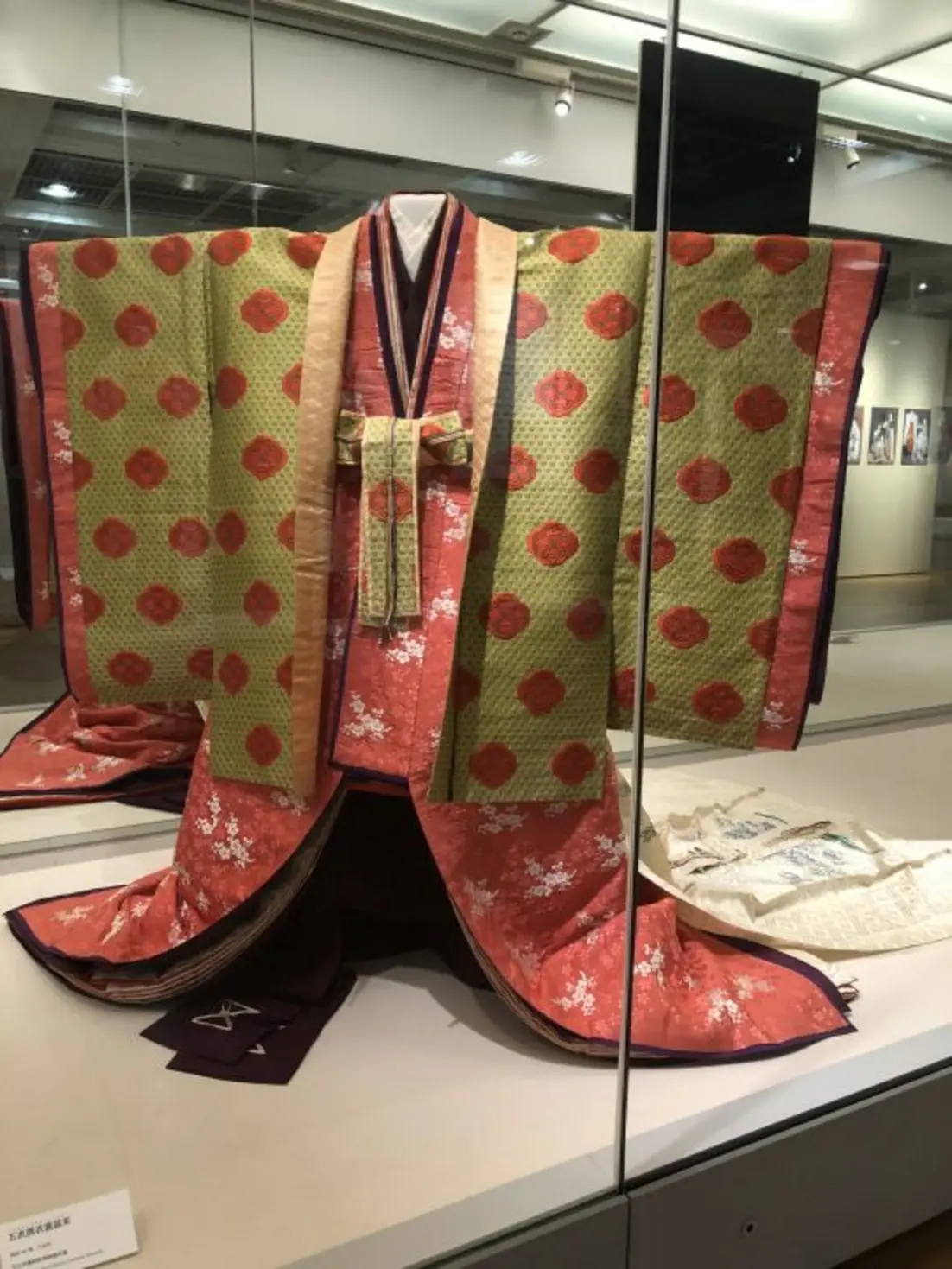
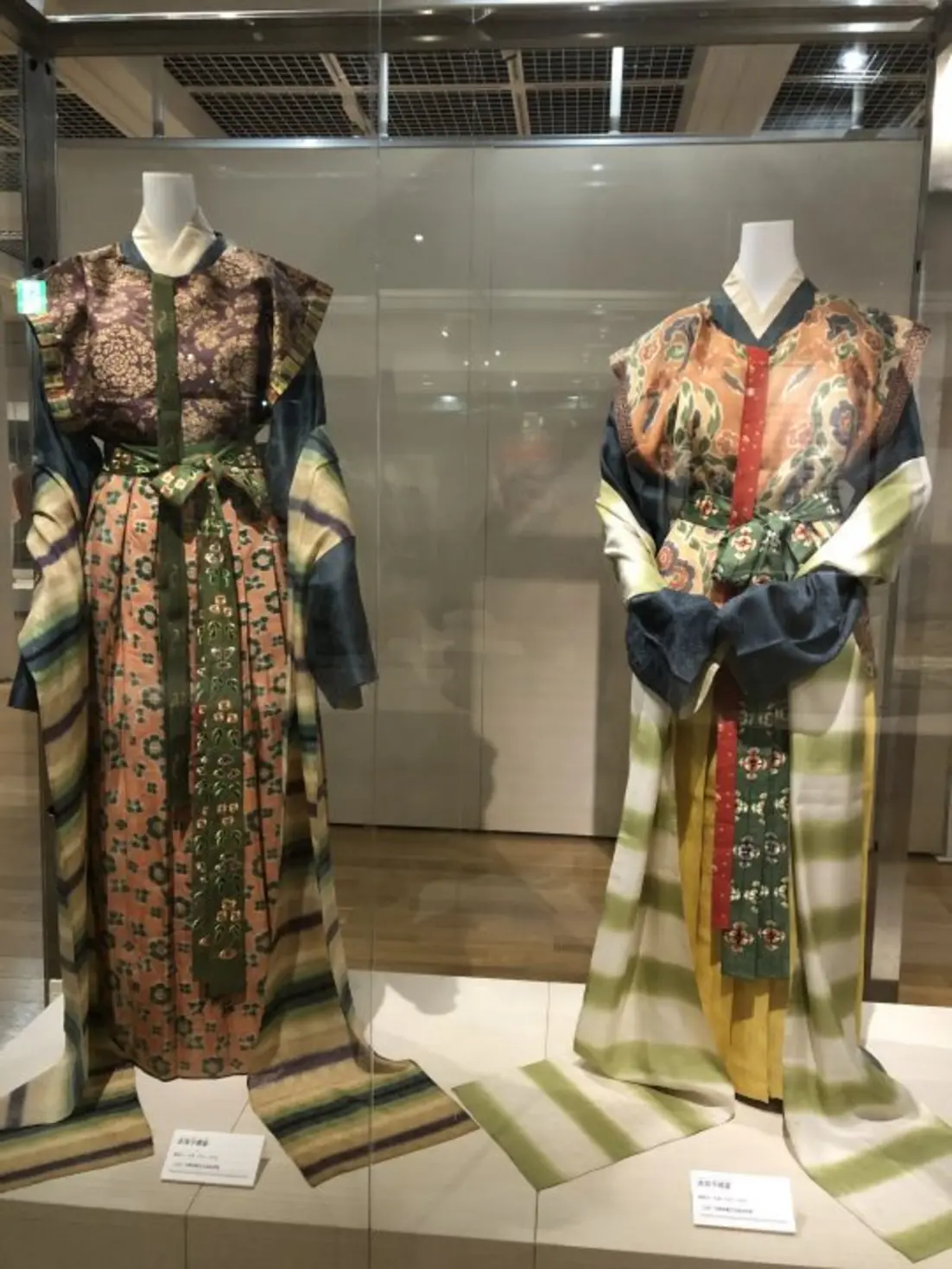
When the Nara period dawned between 710 and 794, the Japanese soul surrendered to the heavy, perfumed influence of Tang Dynasty China, and the garment was never the same again. The colors deepened into bruised plums, sunset crimsons, and forbidden forest greens, hues that did not merely sit upon the silk but seemed to pulse from within it. This was the era where the body entered a formal, feverish dream, draped in the technical sorcery of kyokechi tie-dyeing and the tactile seduction of raised embroidery. A round-necked, sleeveless tunic was layered over the inner robes, while a shawl of impossible length flowed like a silken river over the shoulders, trailing behind the wearer as she moved through the incense-heavy halls of the court. But the true magic, the true flirtation with the unknown, lived in the sleeves. They stretched downward, growing so long and so deep that they swallowed the hands entirely, turning every gesture into a private secret and every movement into a slow, languid dance of shadows. A hidden hand is a promise, a mystery, a flirtation with absence; when the hands vanish, the woman becomes a phantom of elegance, her every reach a hushed suggestion rather than a grasp. Crowned with shimmering, colorful hairpins that caught the flickering candlelight, the Nara woman was no longer merely dressed in cloth, she was an exquisite vessel of imported grace, intoxicated by the first true bloom of complex pattern and the dark, rhythmic pull of a distant, continental heart.
To speak of the Heian era, that golden span from 794 to 1185, is to speak of the absolute zenith of Japanese allure, where the kimono ceased to be mere clothing and became a towering, breathless atmosphere. Here, the legendary Junihitoe transformed the woman into a living shrine of silk, an imperial mystery composed of layer upon layer of diaphanous robes that whispered against one another in a symphony of friction. The karaori woven jacket sat atop this mountain of beauty, its stiff, rich threads providing a stark, regal contrast to the white mo train that flowed out behind her like a pale, grounded cloud. This was a garment that forbade the commonness of haste; it was not designed for walking, nor for work, nor for the trivial rush of the mundane world. It was a costume of pure, absolute presence. In the Heian court, a woman did not simply enter a room, she appeared, a shimmering apparition of color and weight. Her layers spoke of her rank, her hidden desires, and the precise season of her heart before her lips could even part. The sheer heaviness of the silk was the true spell, forcing a divine, statuesque stillness upon the wearer, turning her into a precious poem that demanded to be read slowly, layer by agonizing layer, until only the soul remained.
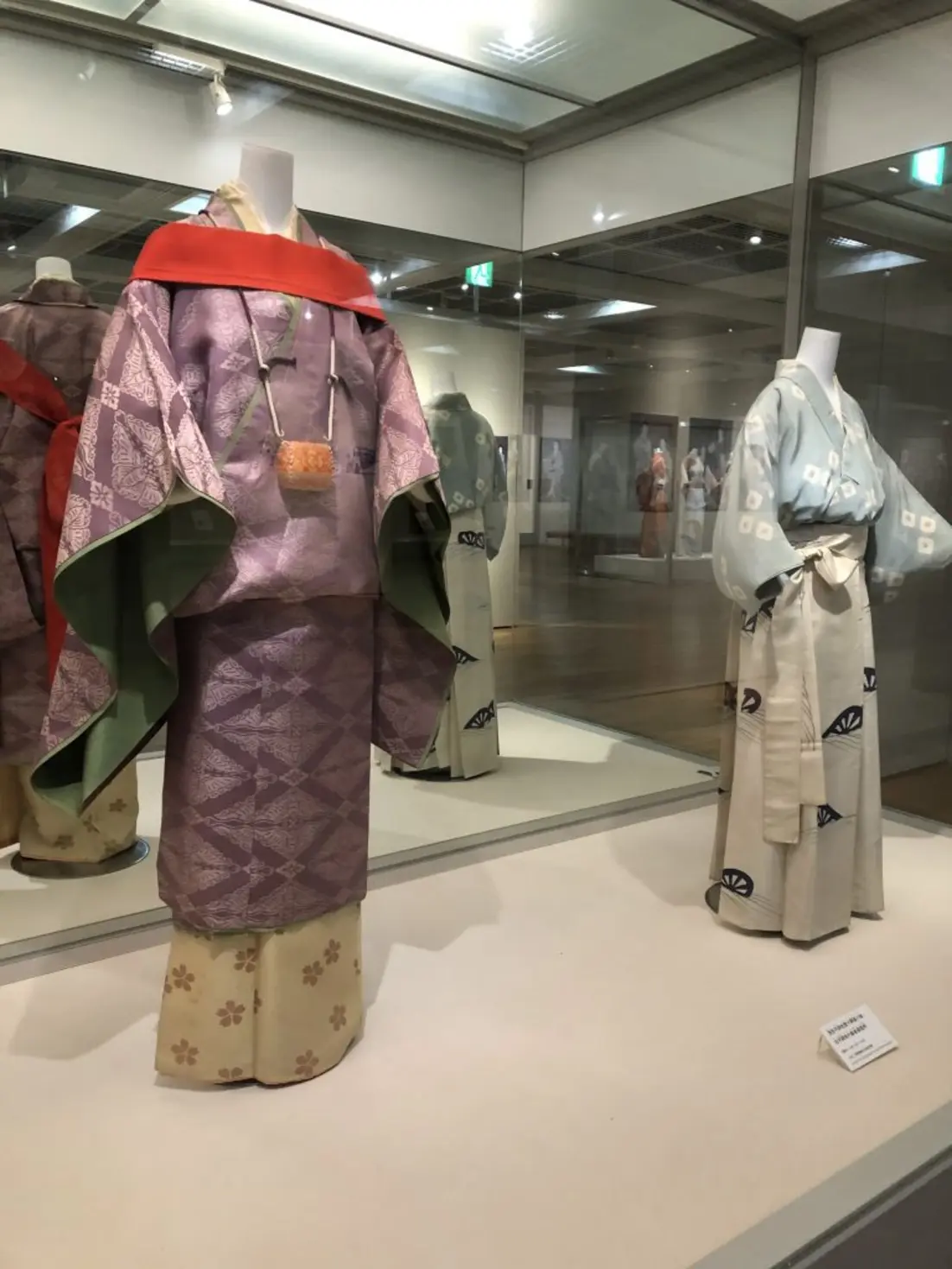
When the military shadows of the Kamakura era fell between 1192 and 1333, the flamboyant splendor of the palace retreated, giving way to a beauty that was sharper, more haunting, and steeped in a quiet, feudal mystery. The grandeur of the past softened into a mood of exquisite restraint, where the body was draped in the colors of prayer and the textures of the earth. A long, protective coat was slipped over a simple cream kimono, its surface kissed by the ghost-pale patterns of cherry blossoms. For the sacred journey to the shrine, a crimson kakeobi tie was draped across the shoulders, a vibrant slash of red against the hushed tones of the robe, while a kakemamori, a small, brocade box containing a hidden prayer, hung like a secret weight around the neck. The world was viewed through the hazy, seductive veil of large straw hats, turning every woman into a wandering spirit, partly hidden and entirely sacred. Even the garment of the assistant, the lower-class woman whose beauty was forged in simple dyes rather than the heavy brocades of the high-born, possessed a raw, magnetic pull. It was a time when beauty survived by stripping itself bare, proving that even in the shadow of the sword, a single blossom on a field of cream silk could hold the power of a thousand layers.
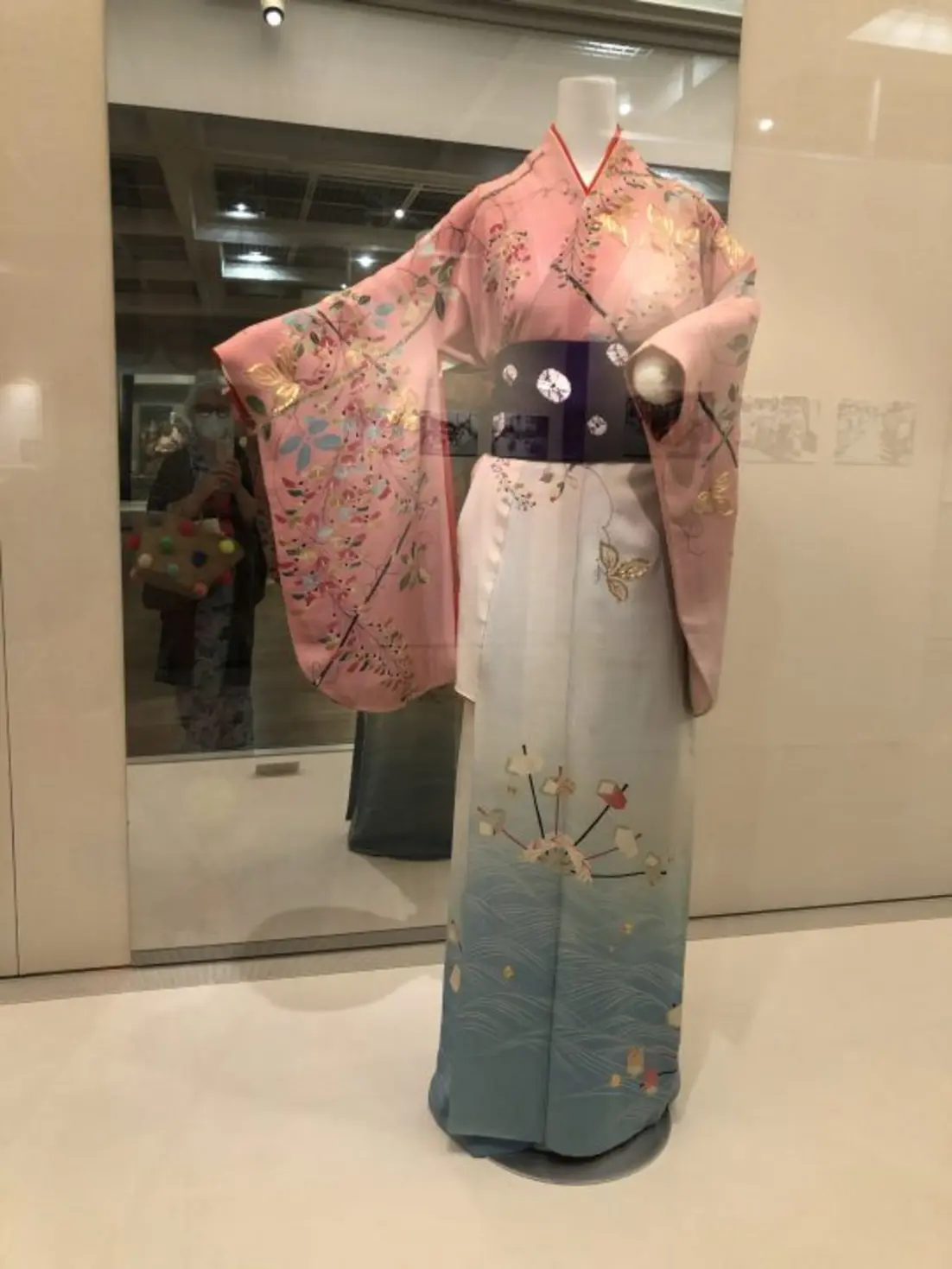
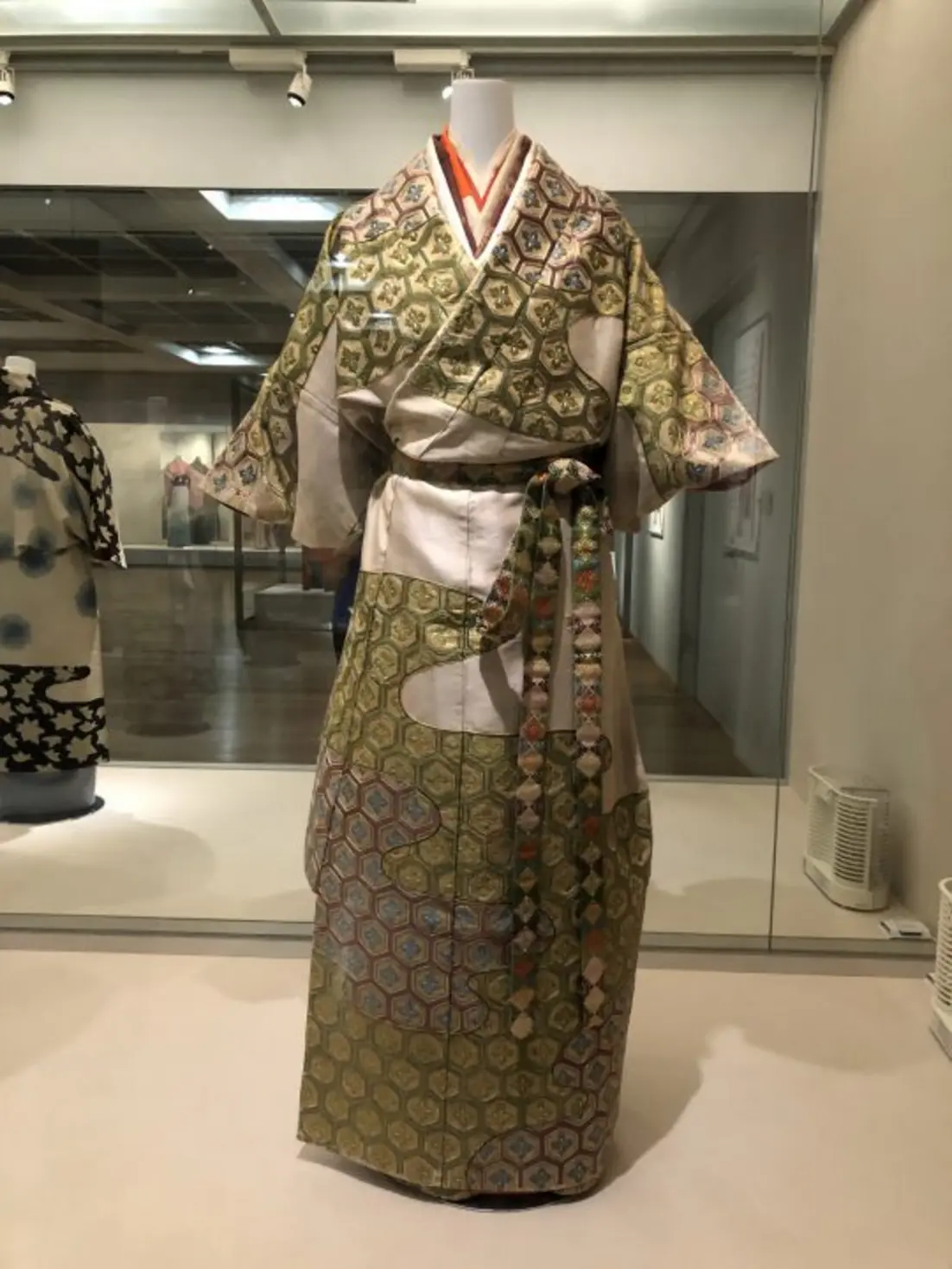
As the Muromachi and Momoyama periods took hold, the kimono awoke from its slumber and grew wicked and complex once more, fueled by a daring, restless energy that pushed dyeing into the realm of the supernatural. This was the haunting age of tsujigahana, a technique so refined and dreamlike it feels as though it were conjured from the mist. It was a marriage of shadows and light: complex shibori puckering the silk, joined with hand-painted ink blossoms that seemed to bloom and fade as you watched them. The colors were soft but dangerous, smoldering purples, mossy greens, and tarnished yellows that did not cry out for attention but drew you in like a slow-acting poison. The kimono was divided into living sections of tie-dyed leaves and geometric checks, a beauty that possessed a rhythmic, beating pulse. And then came the surihaku, the shimmering heat of gold and silver leaf pasted onto the fabric, catching the light like the sun reflecting off temple lacquer in the dying hours of the day. The designs began to migrate, gathering in thick, opulent clusters at the shoulders and the hem, leaving a vast, quiet tension through the middle of the body. This empty space was not a void; it was a breathless pause, a charged silence, the intoxicating moment of stillness just before the fan is snapped open to reveal the face of desire.
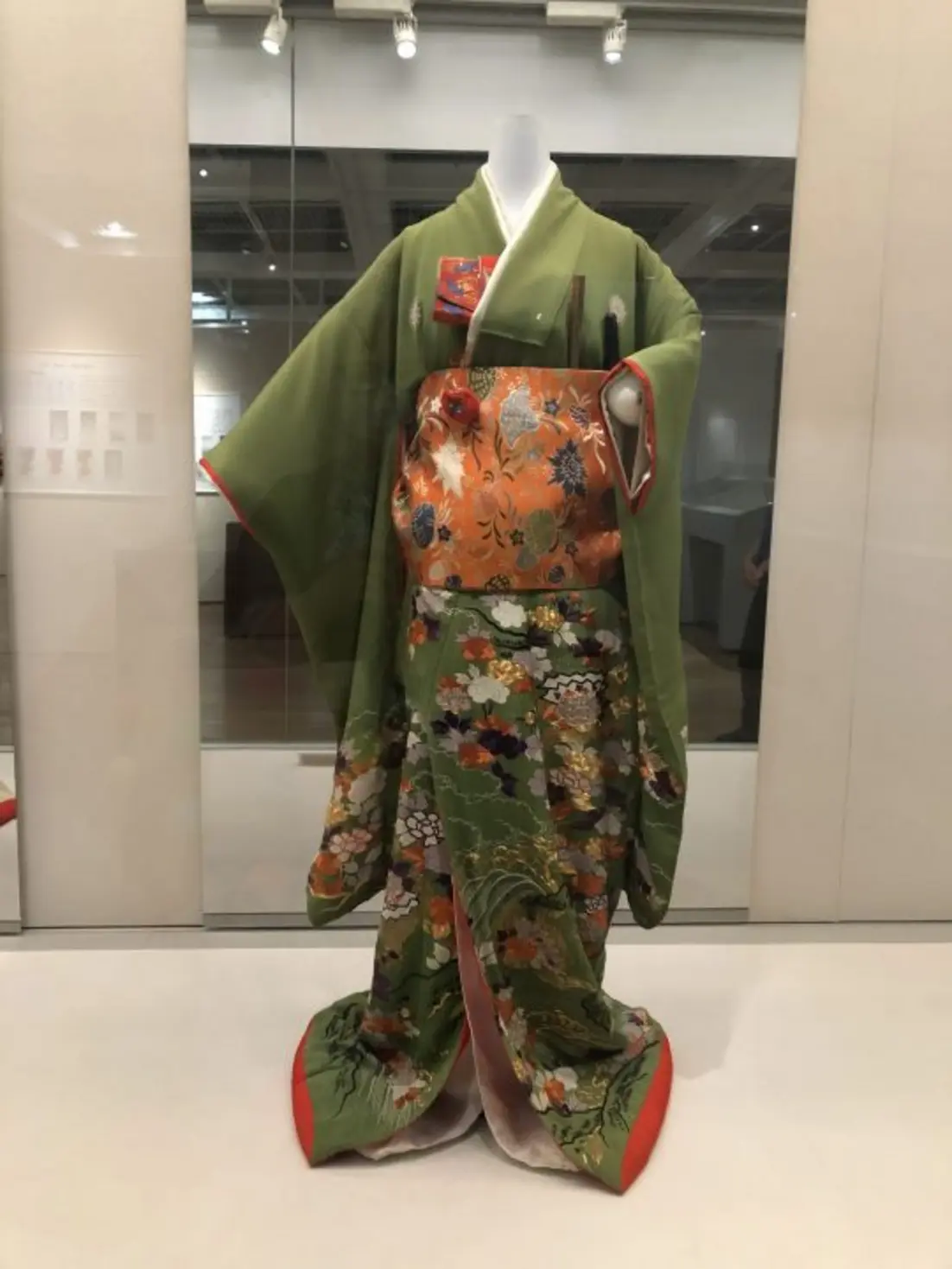
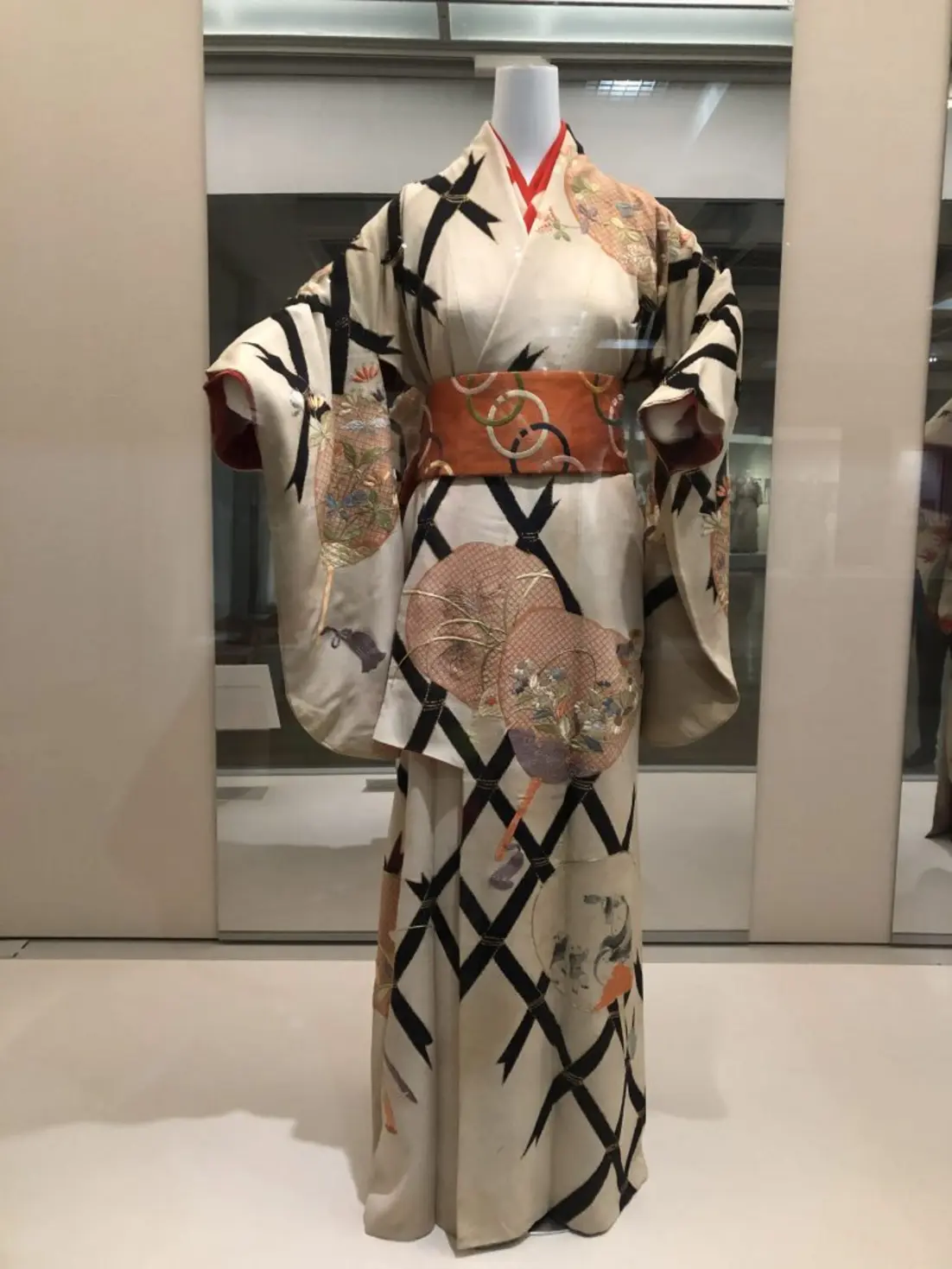
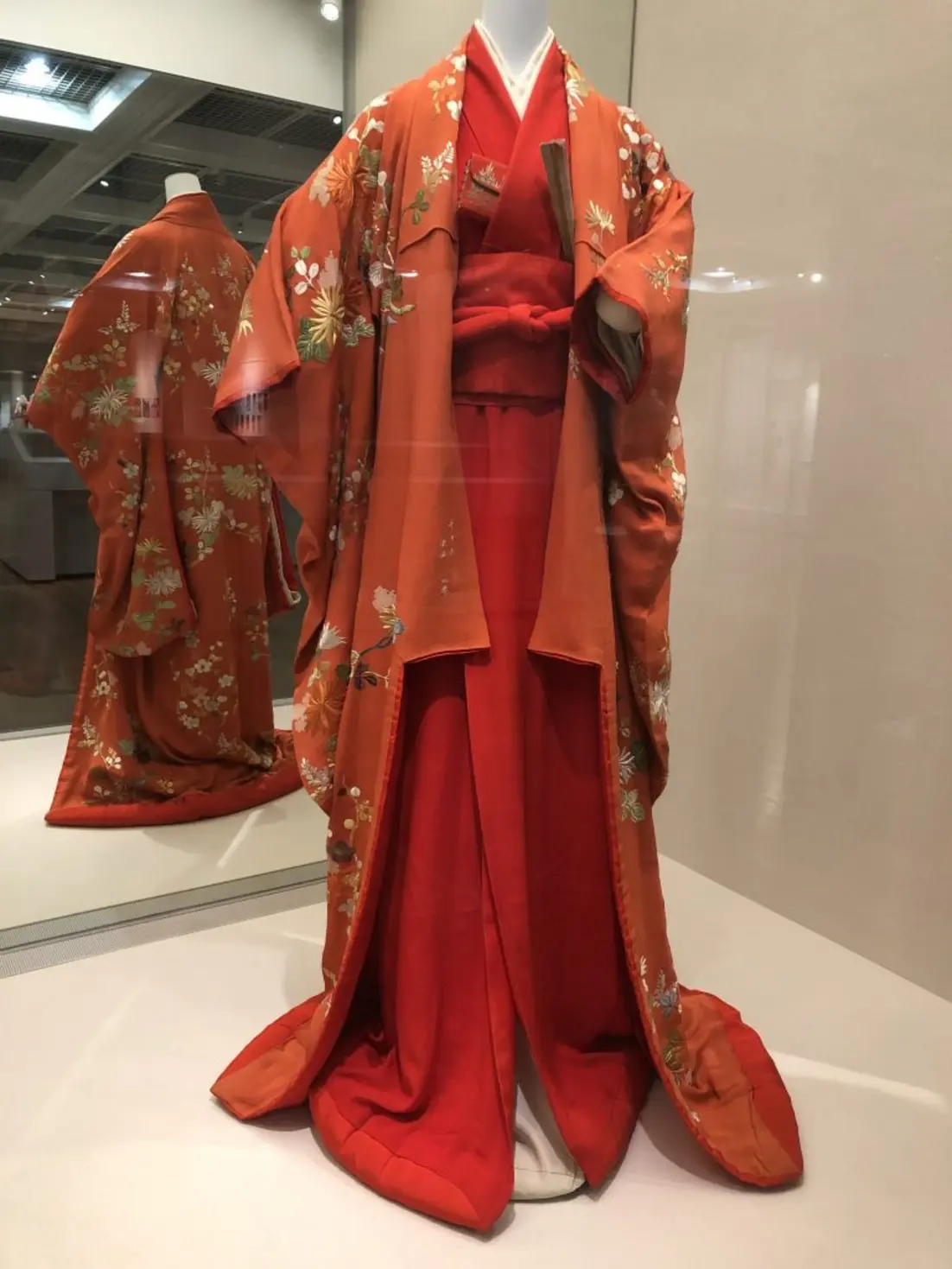
As Japan drifted into the long, sultry afternoon of the Edo period between 1603 and 1868, the kimono became a map of the heart’s secret rebellions. This was an age of strict hierarchies and whispered desires, where the silk you wore was a confession of your rank, your wealth, and how exquisitely you could bend the rigid laws of the Shogun. In the early days, the Keicho kosode slashed the body into bold, dramatic continents of color, drowning the wearer in the tactile luxury of shibori tie-dyeing and the metallic heat of surihaku gold. But as the year 1640 passed, a new obsession took hold: the obi began to emerge from the shadows, cinching the waist and forcing the designs to sweep diagonally across the body like a single, breathless caress. By the turn of 1700, the air was thick with the scent of ogi moyou, fan patterns that danced across the silk like discarded memories. Folding fans and round moons of bamboo and paper were captured in thread, and within their arched ribs bloomed seasonal flowers in agonizingly fine embroidery. The kimono had become a secret garden, held open for the world by the invisible, ghostly hands of the past. Then, like a spell cast in a darkened room, came yuzen. The legendary fan-maker Yuzensai poured his soul from the delicate paper of fans onto the vast, waiting silk of the kimono, using his resist-pastes to paint dreams that did not bleed, but shimmered with unnatural detail. It was a magic born of defiance; when the law forbade the common townspeople from the "excess" of embroidery and tie-dye, they turned to the dyer’s brush. They discovered that while the samurai might claim the gold, the people could claim the light, the color, and the very spirit of the painted wind.
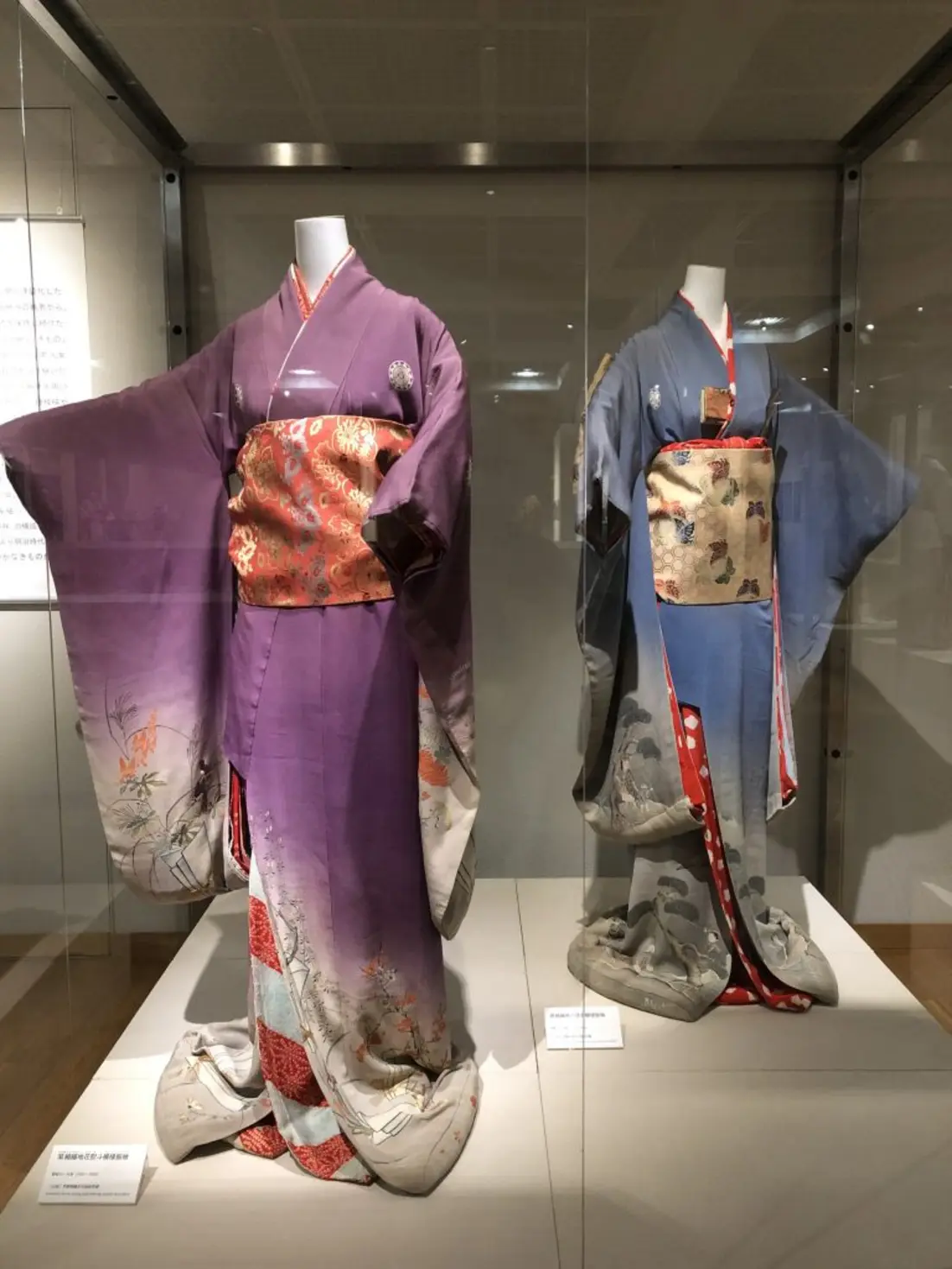
Around 1720, the world tilted, and the obi became the heavy, intoxicating center of the feminine universe. No longer a simple cord, it grew wide and demanding, a silken serpent that split the woman’s body into two distinct realms of mystery. The riot of decoration was forced to flee from the heart, migrating downward to the hem, where it pooled around the feet like colorful ink dropped into water, a seductive placement that remains the hallmark of the formal kimono even in our waking hours. The waist became a silent throne, the unmoving pivot around which all beauty turned. As the sumptuary laws sharpened their teeth, attempting to bite the color from the streets, the townspeople retreated into a deceptive, hazy quiet. They draped themselves in "shades of tea and mice", subdued beiges and smoky greys that seemed to whisper of modesty. But look closer, my guest... for near the hem, tucked away like a stolen kiss, were tiny, intricate yuzen masterpieces. This was beauty forced to lower its voice to a sultry murmur, and we geisha know well that a low voice is far more dangerous than a scream. While the upper classes remained frozen in their bright embroideries and heavy brocades, the common world leaned into the shadows of Meiji blue and violet. Even under the weight of a thousand rules, beauty never truly surrendered; it simply moved closer to the earth, hiding in the silk linings and the heavy fall of the hem, touching the floor like a secret that refuses to be told.
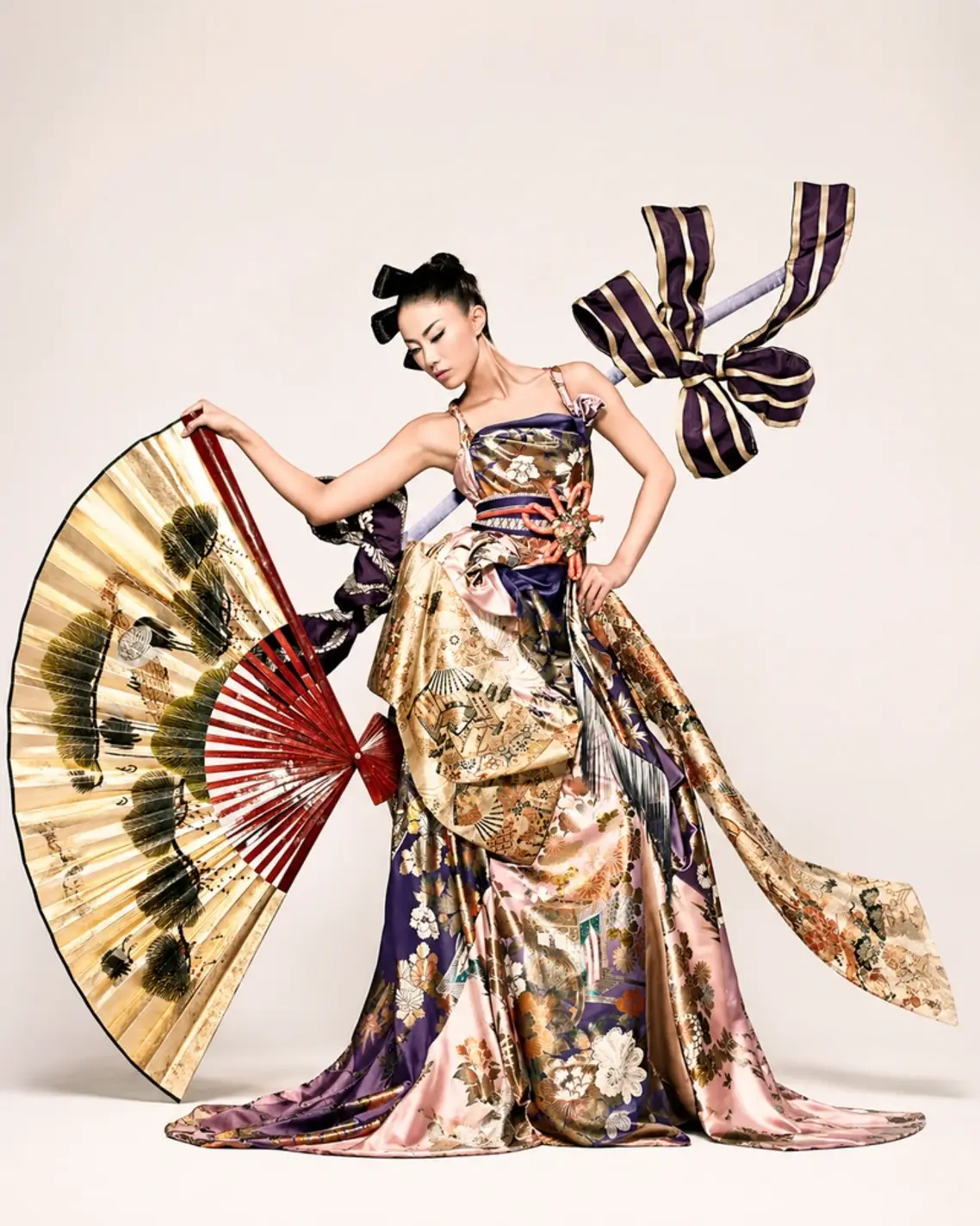
To speak of the unchanging kimono is to speak of a ghost that never existed. It is a beautiful lie whispered by those who have never felt the silk throb with the pulse of history. The kimono has never been a still pond; it is a dark, restless river flowing beneath a surface of embroidered flowers. It has shifted its shape with every political tremor, every merchant’s fortune, and every lover’s whim. It changed when the obi grew wide enough to choke the breath; it changed when the patterns migrated from the shoulder to the ankles like birds seeking a warmer climate; it changed when a dyer’s hand trembled and discovered a new way to resist the vat. From the ancient plant dyes of the dawn to the imperial weight of the Heian court, from the veiled hats of the Kamakura shrine-goers to the wicked elegance of a Kyoto geisha, every century has left its thumbprint upon the cloth. The kimono possesses a dark, hypnotic power that no law can tame: it covers the body only to make its absence unbearable. It hides the hand, yet makes the movement of the sleeve a haunting memory. It lowers the voice, yet compels the entire room to lean in and listen. It turns history into something warm, something heavy, something that smells of incense and old silk, resting, if only for a moment, against the soft, shivering heat of your skin.
Advertisement