MENU
Close





Explore the world of luxury aquariums: from million-dollar shark tanks owned by celebrities to AI-driven sustainable ecosystems. Discover why this living art form remains the ultimate status symbol for the elite.
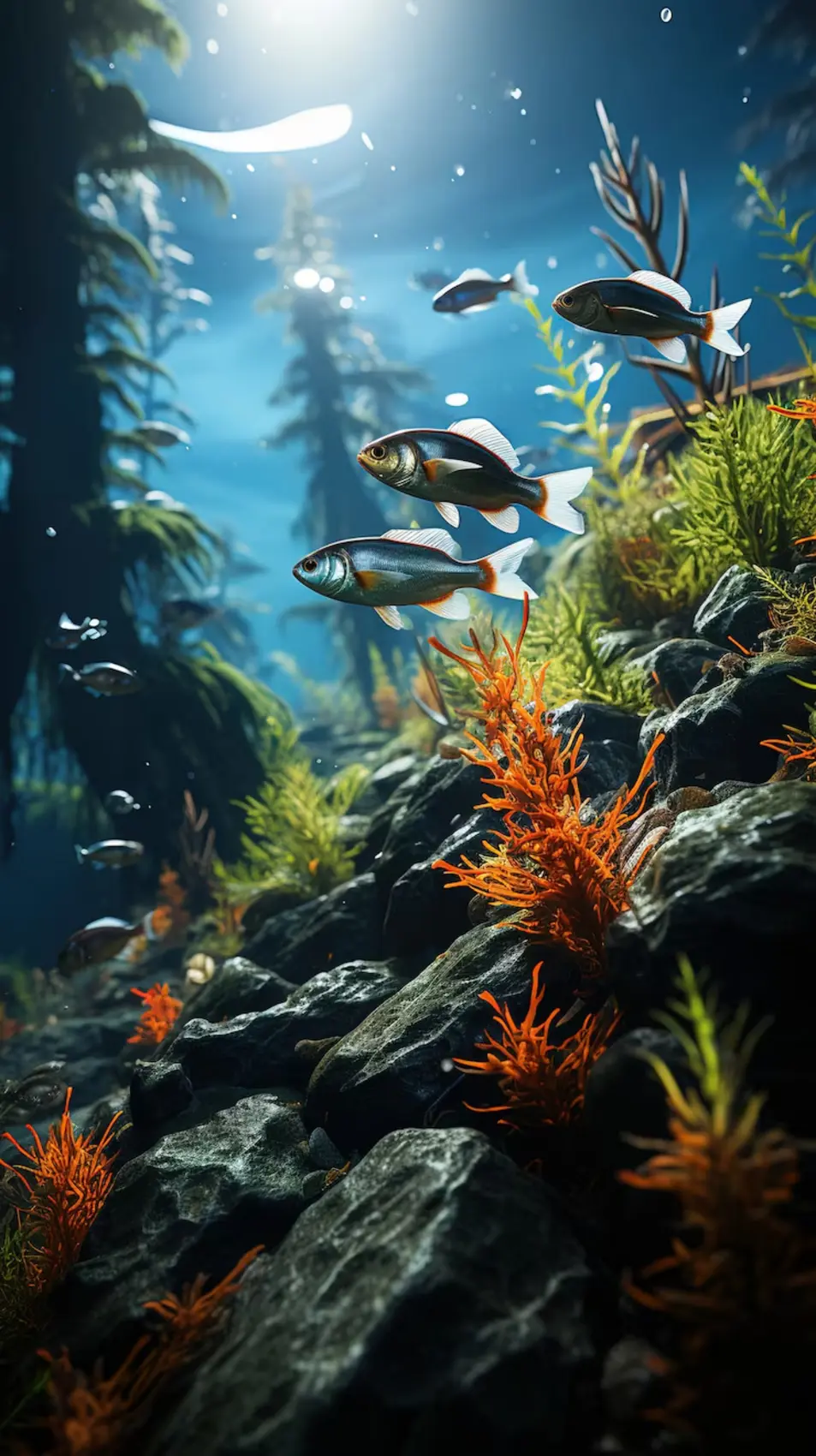
Explore the world of luxury aquariums: from million-dollar shark tanks owned by celebrities to AI-driven sustainable ecosystems. Discover why this living art form remains the ultimate status symbol for the elite.
December 24, 2025


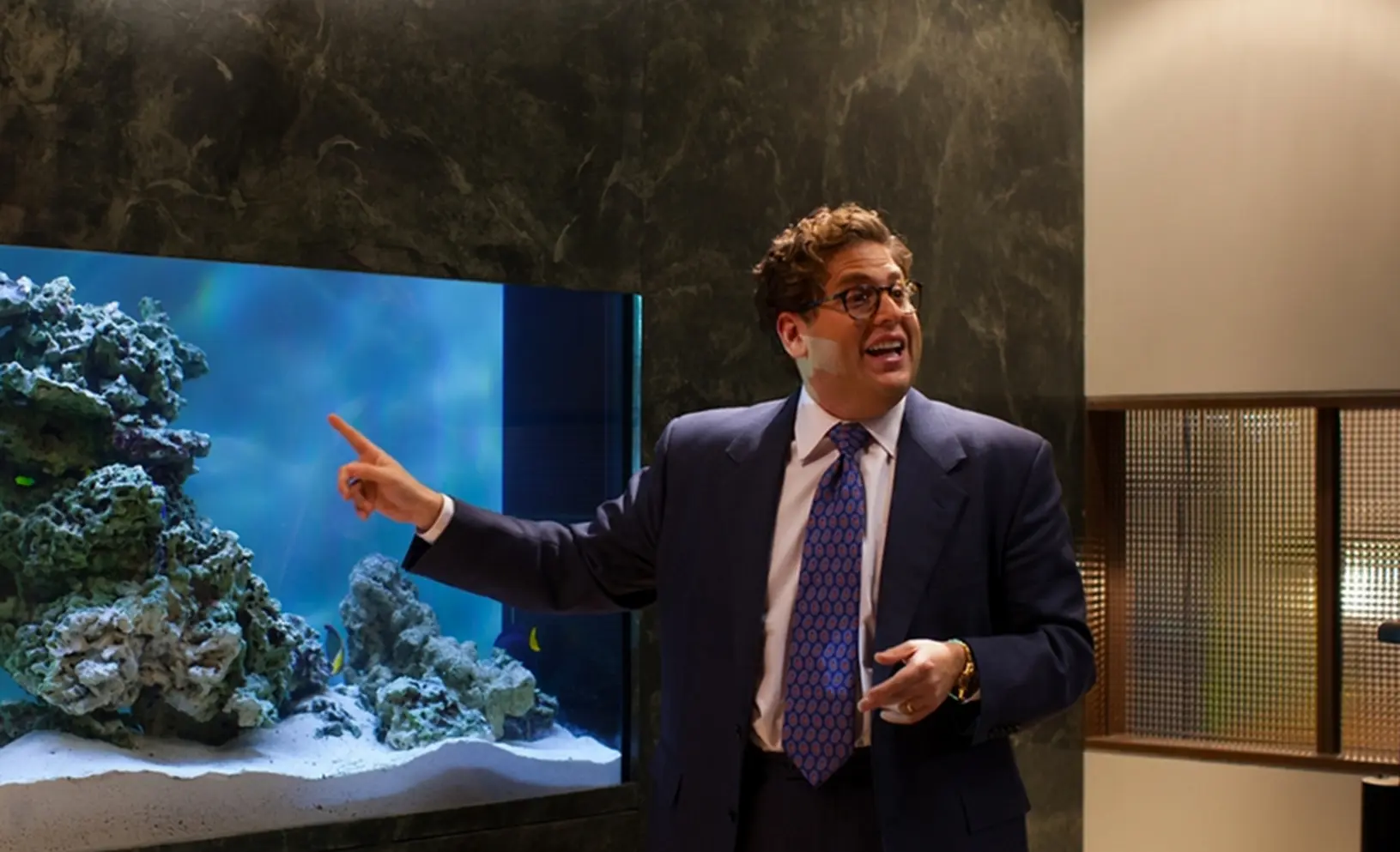
From the ominous shark tank beside the drug lord in Colombiana to the serene backdrops in James Bond films and the unrestrained opulence of The Wolf of Wall Street, the luxury aquarium has long been a cinematic shorthand for power, control and refined taste. Far from mere set decoration, these underwater worlds reflect a profound and evolving real-world passion among the global elite, a symbiosis of art, technology, biology, and deep cultural symbolism.
To understand this niche, one must first appreciate its staggering scale. This is not about a goldfish bowl. These bespoke aquariums operate at an entirely different scale. For clients of firms like London’s Aquarium Architecture, co-founded by Roland Horne, a project might begin with a request for a pair of rare Marine Angelfish at £30,000 each. Or it might escalate to a footballer’s desire for a 15-metre-long, 3-metre-high shark tank inspired by a sighting in Dubai - a modern-day homage to 007.

The anecdotes are as vast as the installations themselves. Former footballer Thierry Henry once commissioned designs for a £250,000, four-storey aquarium, later abandoned due to practicalities. Lady Gaga owns a £40,000 system; director Steven Spielberg has one in his screening room. Stephen Ireland, the former Aston Villa midfielder, integrated a complex saltwater system with over 500 species into his £6m home, complete with Wi-Fi-enabled monitoring. This is a realm where, as Justin Muir of City Aquarium in the US notes, commissions typically start between $25,000 and $100,000, serving a rarefied clientele of perhaps 50 global high-net-worth individuals a year.
The apogee of this excess was the “AquaVista Dinosaur Gold” unveiled in 2010, a £3m-plusmasterpiece crafted from 68kg of 24-carat gold and mammoth ivory, a testament to the desire for a unique, conversation-stopping centrepiece.
The why behind the investment is multifaceted. For some, as seen in the shark requests, it is a primal display of dominance, the ultimate flex of keeping dangerous, wild beauty in check. For others, particularly in Asian markets, it draws from ancient principles of feng shui, where flowing water and thriving life symbolize and attract prosperity, much like the coins tossed for luck at the Venetian Macao’s aquarium displays.
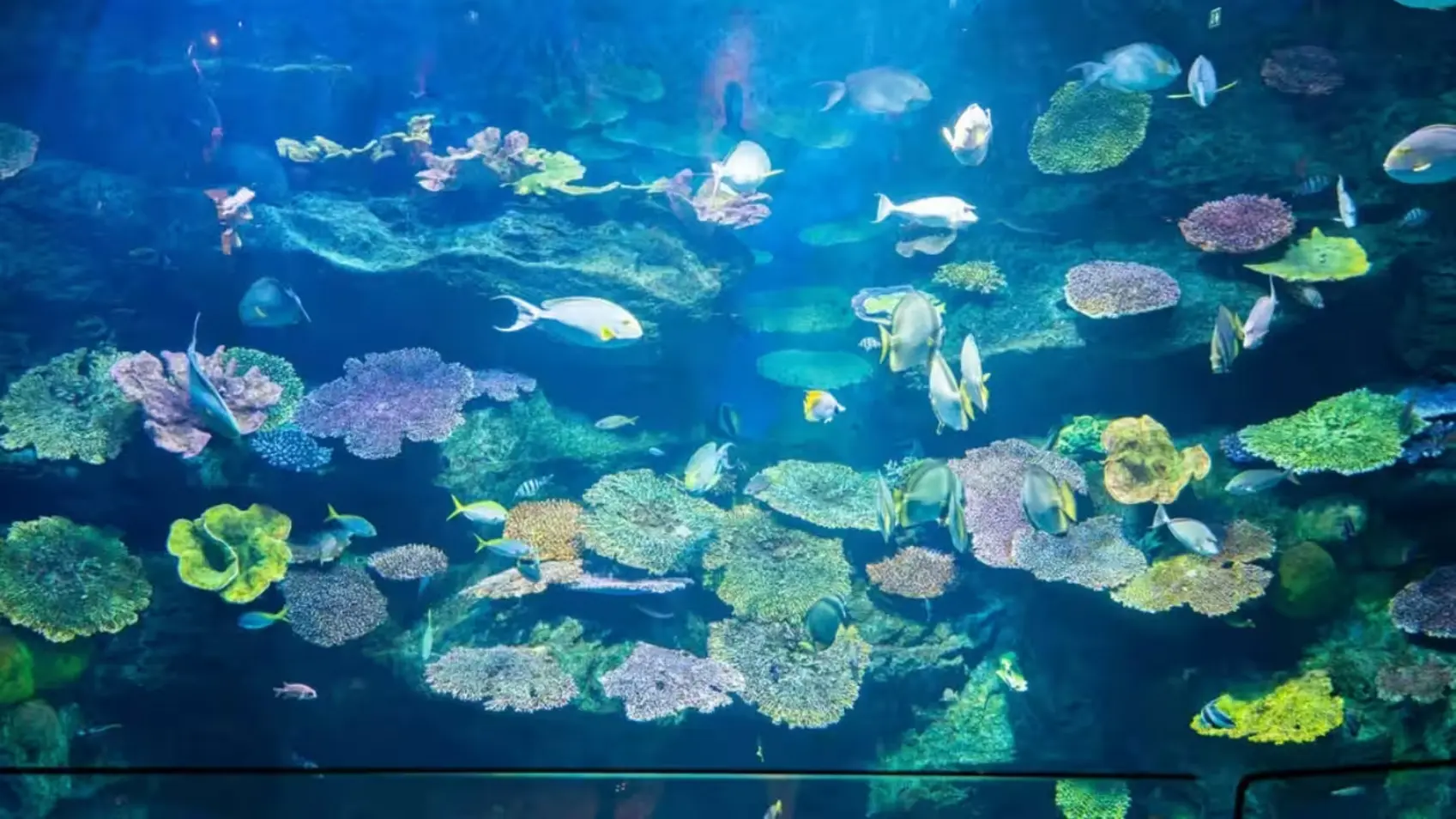
Increasingly, however, the drive is more introspective. In a hyper-connected, stressful world, a private aquatic ecosystem serves as a digital-age sanctuary. Studies, including one in the journal Environment & Behavior, confirm that watching fish swim lowers blood pressure and heart rate. For CEOs and celebrities, it becomes a living meditation, a kinetic art piece that demands presence and offers calm.
As we look towards 2026, the future of aquariums lies in intelligent, sustainable integration. The conversation has shifted.
Technology is becoming ambient and predictive. The latest systems employ AI and IoT sensors not just for remote feeding and lighting, but for predictive health analytics, monitoring individual fish behaviour and water biochemistry to prevent issues before they arise. Smart LED arrays can replicate the exact solar and lunar cycles of a Caribbean reef or a Southeast Asian riverbed.
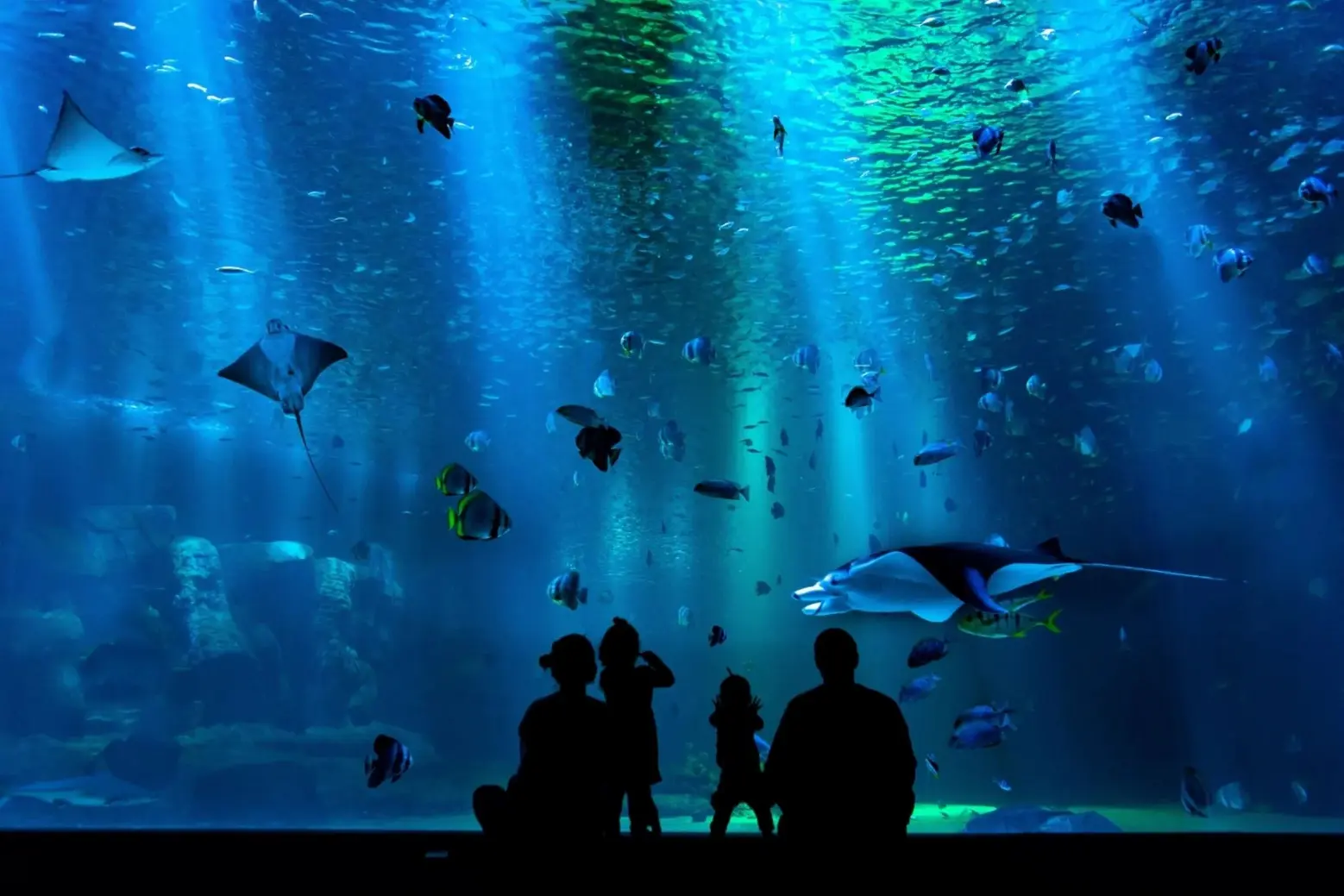
Sustainability is now a core luxury value. The ethical elite are turning away from wild-caught specimens. Over 80% of marine aquarium fish in the US are now farmed, thanks to advances in aquaculture. Closed-loop recirculating systems can reduce water usage by up to 90% compared to traditional setups, and energy-efficient pumps and filters are standard. The new status symbol is not just rarity, but responsible stewardship.
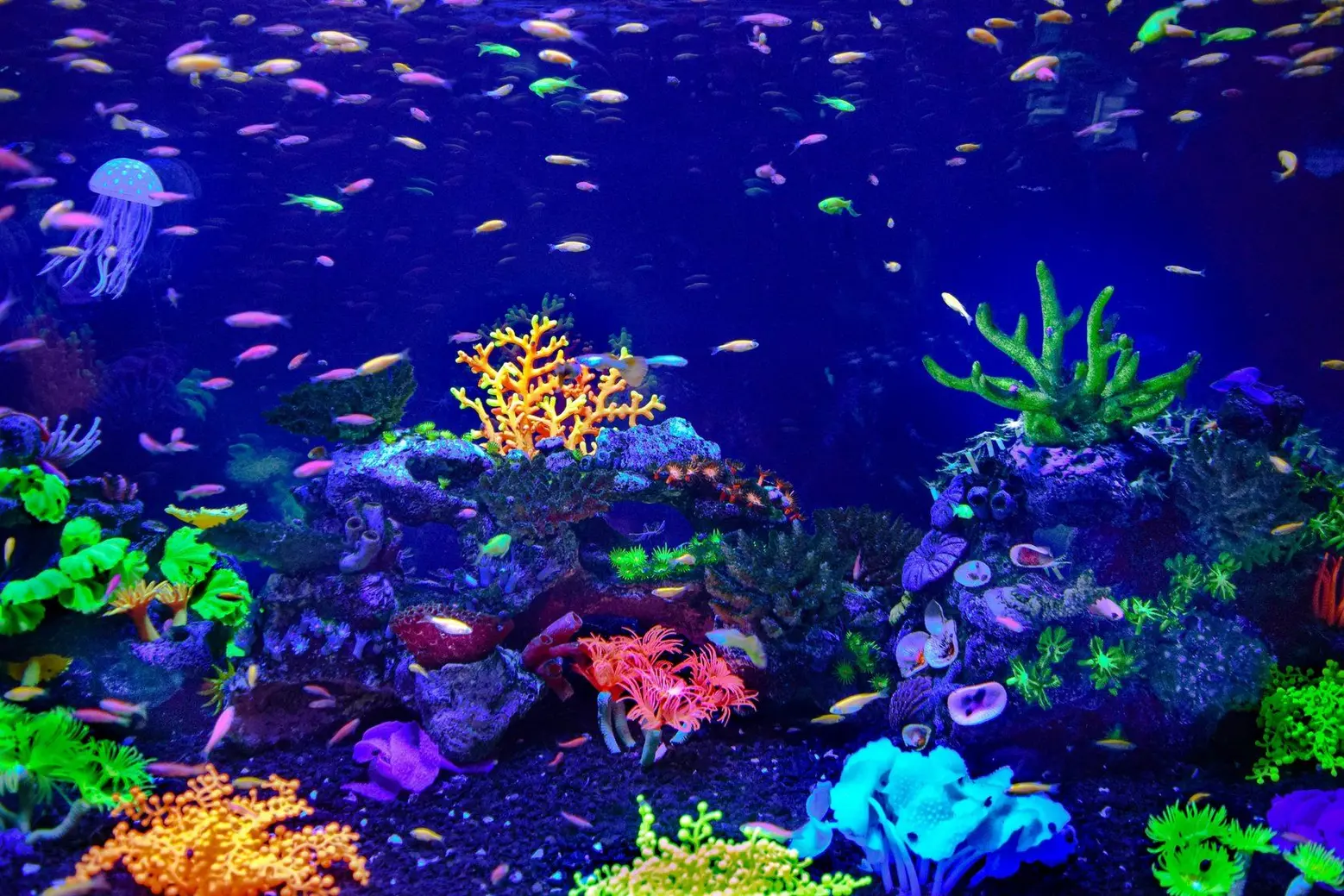
Finally, architectural fusion is key. The standalone tank is passé. The future lies in “living walls,” structural aquarium columns, or even transparent coffee tables. The aquarium ceases to be a thing in the room and becomes the room itself - a seamless blend of biology, design, and well-being architecture.
From the storied tanks of Madonna and Steven Spielberg to the gilded dreams of anonymous billionaires, the luxury aquariums endure because it is more than an asset. It is a dynamic statement - a curated slice of the natural world that speaks to one’s aesthetic, one’s values, and one’s search for tranquillity. As technology and biophilic design advance, this ancient hobby will continue to evolve, forever serving as a fluid and fascinating marker of what it means to live exquisitely.