MENU
Close





On August 25, 2016, Sonia Rykiel died in Paris at the age of 86. The designer, known as the Queen of Knits, left behind a wardrobe built around a deceptively simple proposition: women should be able to dress for their own lives, bodies and desires.
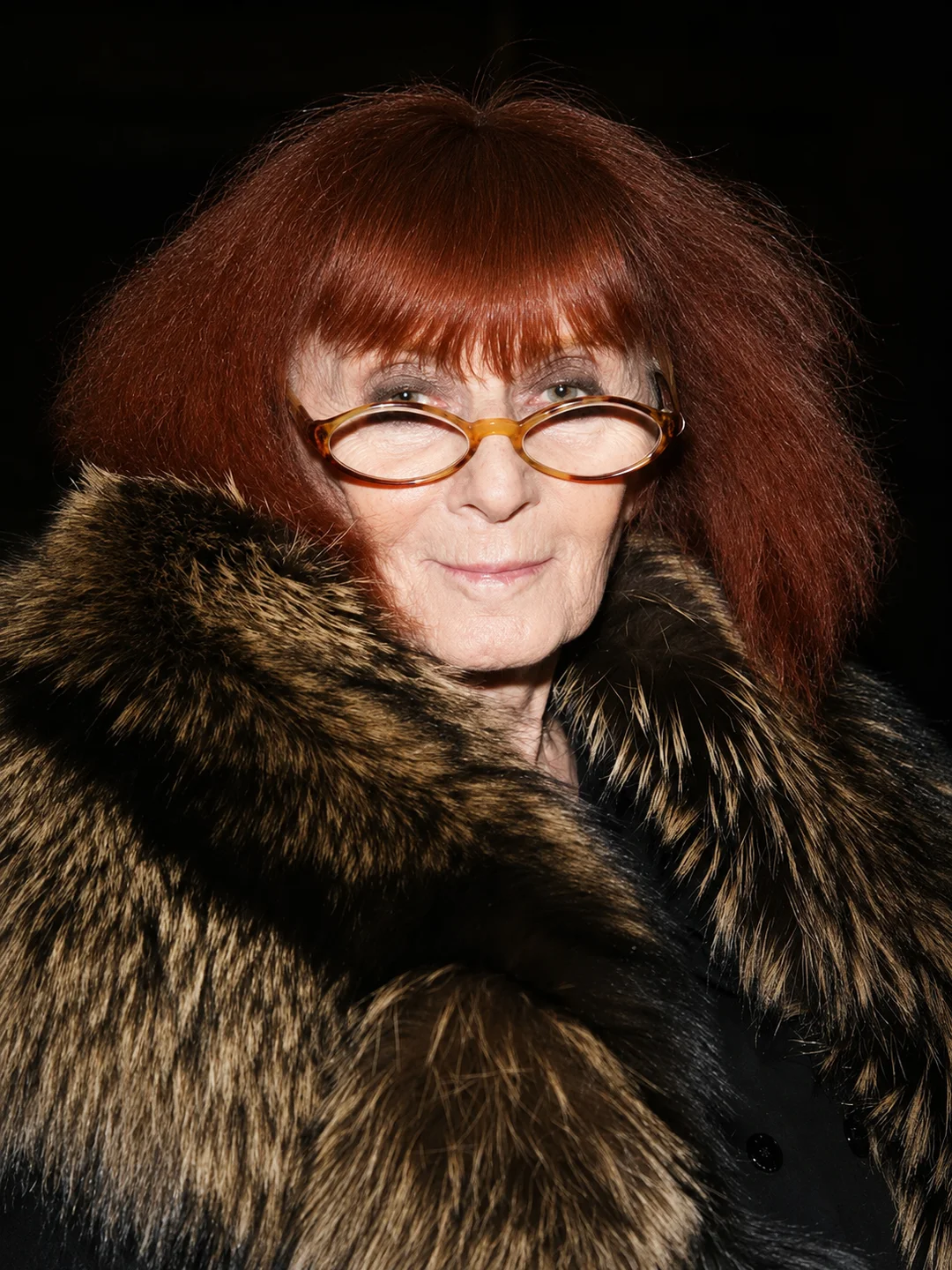
On August 25, 2016, Sonia Rykiel died in Paris at the age of 86. The designer, known as the Queen of Knits, left behind a wardrobe built around a deceptively simple proposition: women should be able to dress for their own lives, bodies and desires.
August 25, 2026


While pregnant in the early 1960s, Sonia Rykiel struggled to find clothes that accommodated her changing body without concealing it beneath shapeless maternity wear. With no formal design training, she worked with a supplier connected to her husband’s boutique and developed slim sweaters that stretched close to the figure.
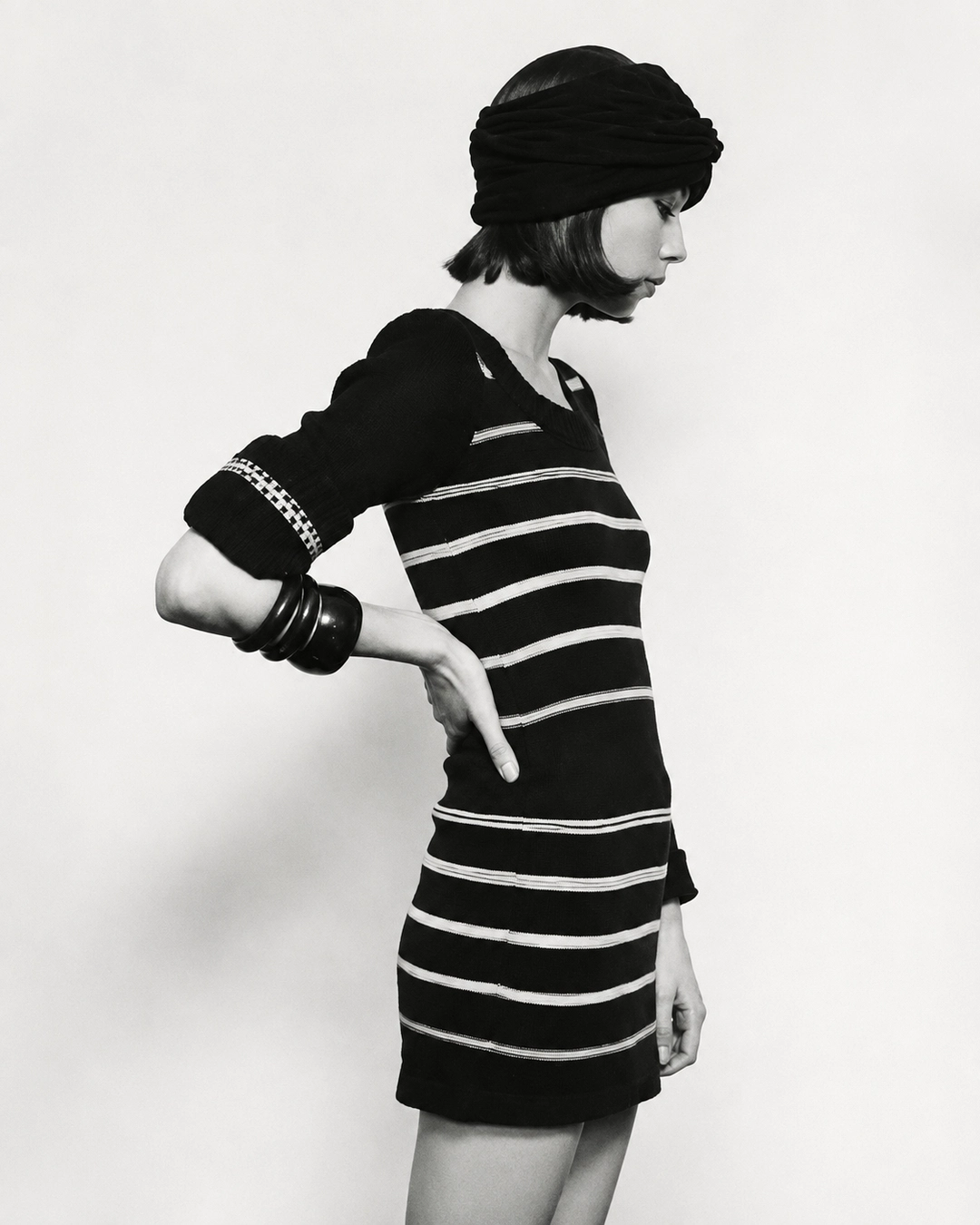
The Poor Boy Sweater became her breakthrough. Its narrow sleeves, high armholes and body-skimming fit replaced polite stiffness with something younger and more intimate. After the design appeared on a French magazine cover, Audrey Hepburn reportedly bought 14 versions in different colours. Knitwear, once treated as practical background clothing, had acquired the charisma of fashion.
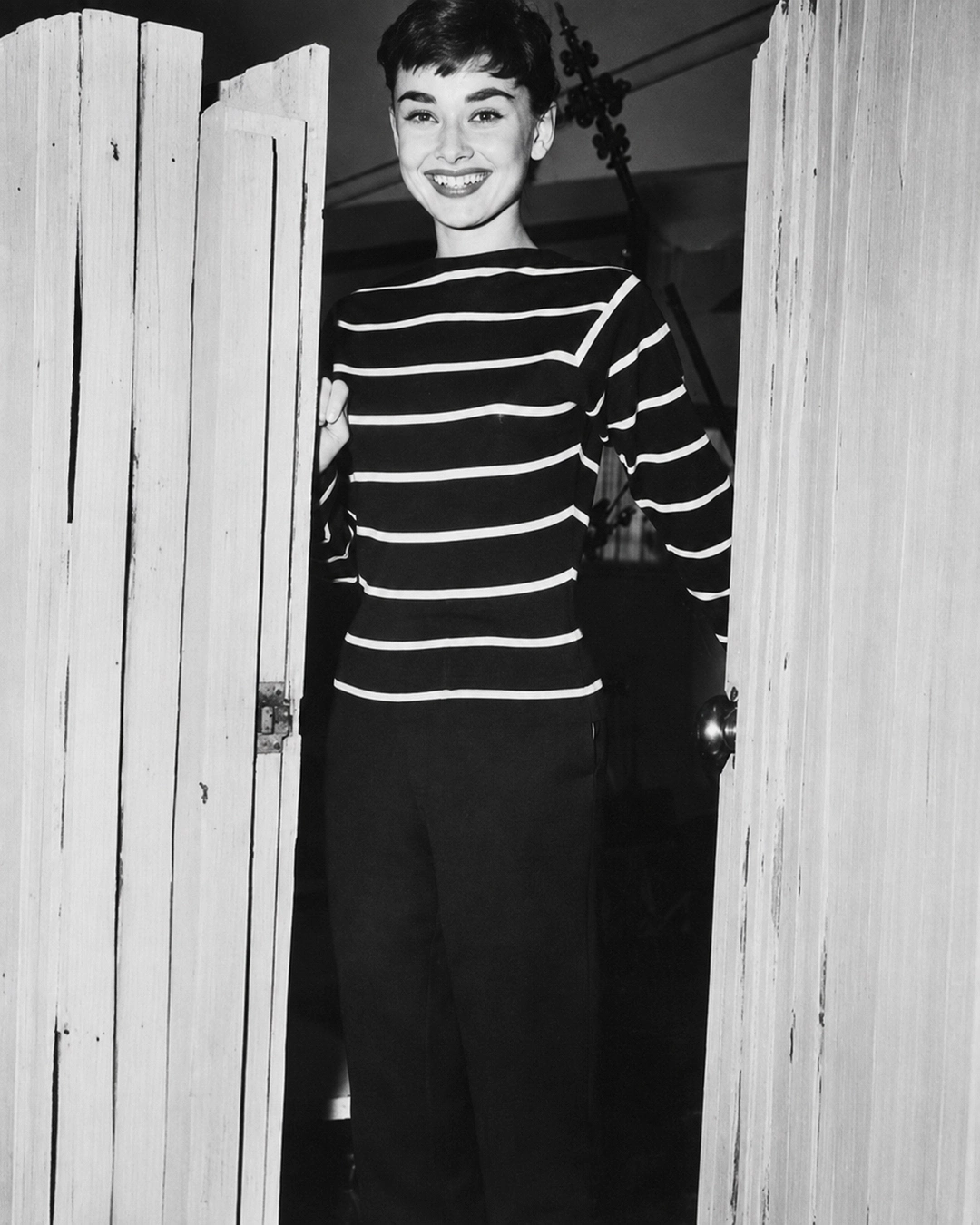
In 1968, Sonia Rykiel opened her first namesake boutique on Paris’s Rue de Grenelle. The timing placed her directly inside the social energy of the Left Bank, where ideas about female independence, youth and personal freedom were already transforming the city. Her clothes shared that atmosphere. They clung, stretched and travelled with the wearer instead of dictating how she should stand.
Rykiel’s technical choices carried the same insolence. Seams appeared on the outside. Hems were left unfinished. Linings disappeared. Words travelled across sweaters, while stripes, black knitwear and flashes of rhinestone turned recognisable basics into declarations of personality. She called her philosophy la démode: an approach that placed personal style beyond the authority of seasonal rules.
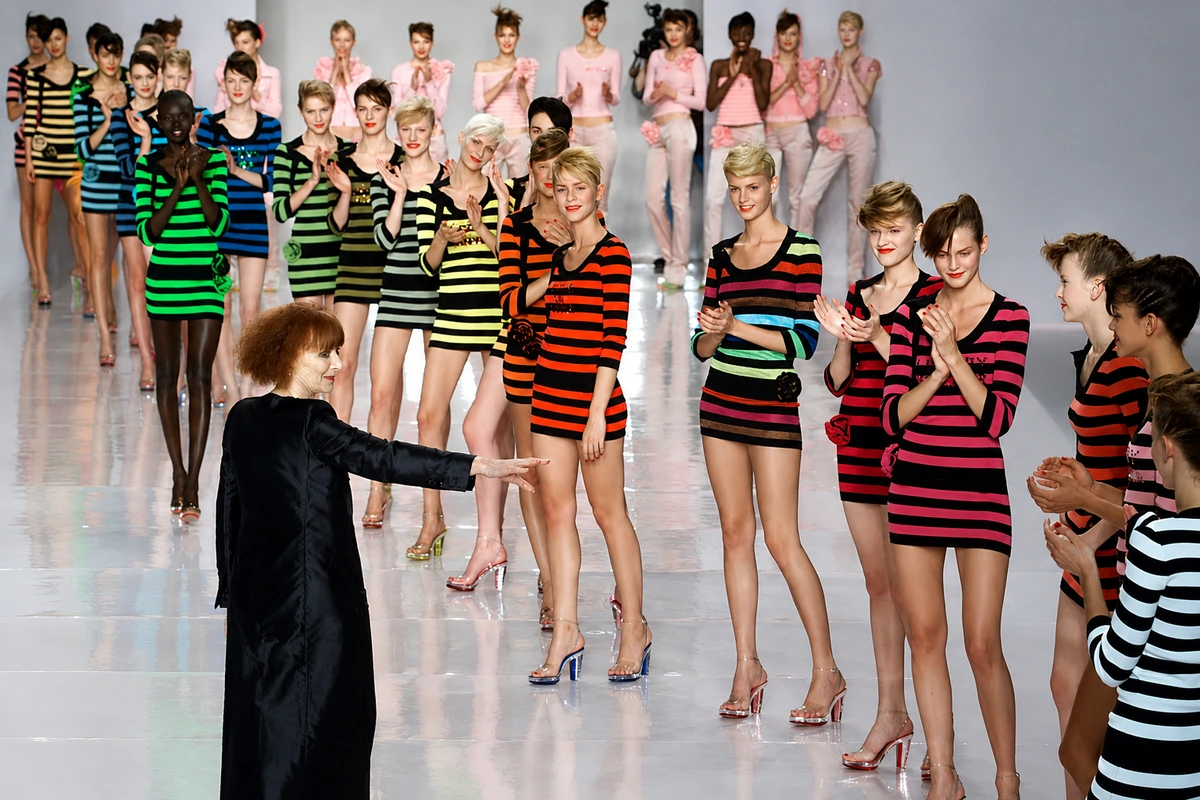
Her work changed the image of the Parisian woman. Rykiel’s heroine could be sensual, intellectual, tired, playful and slightly dishevelled within the same outfit. She wore a sweater directly against the skin, wide trousers, a long cardigan or a dark dress that left enough freedom to cross the city at her own pace. Elegance emerged through confidence and use.
Sonia Rykiel foreseen how much drama could live inside knitwear: a stripe travelling across the body, a sleeve extending beyond the hand, a shimmer of Lurex under evening light. She gave a soft clothing attitude and allowed comfort to become visually commanding.
Her influence now appears across contemporary wardrobes almost invisibly. Exposed construction, slogan knits, bra-free styling, body-conscious sweaters and clothes designed around female movement have become familiar fashion language. Sonia Rykiel helped establish that vocabulary before the industry learned how profitable liberation could become.
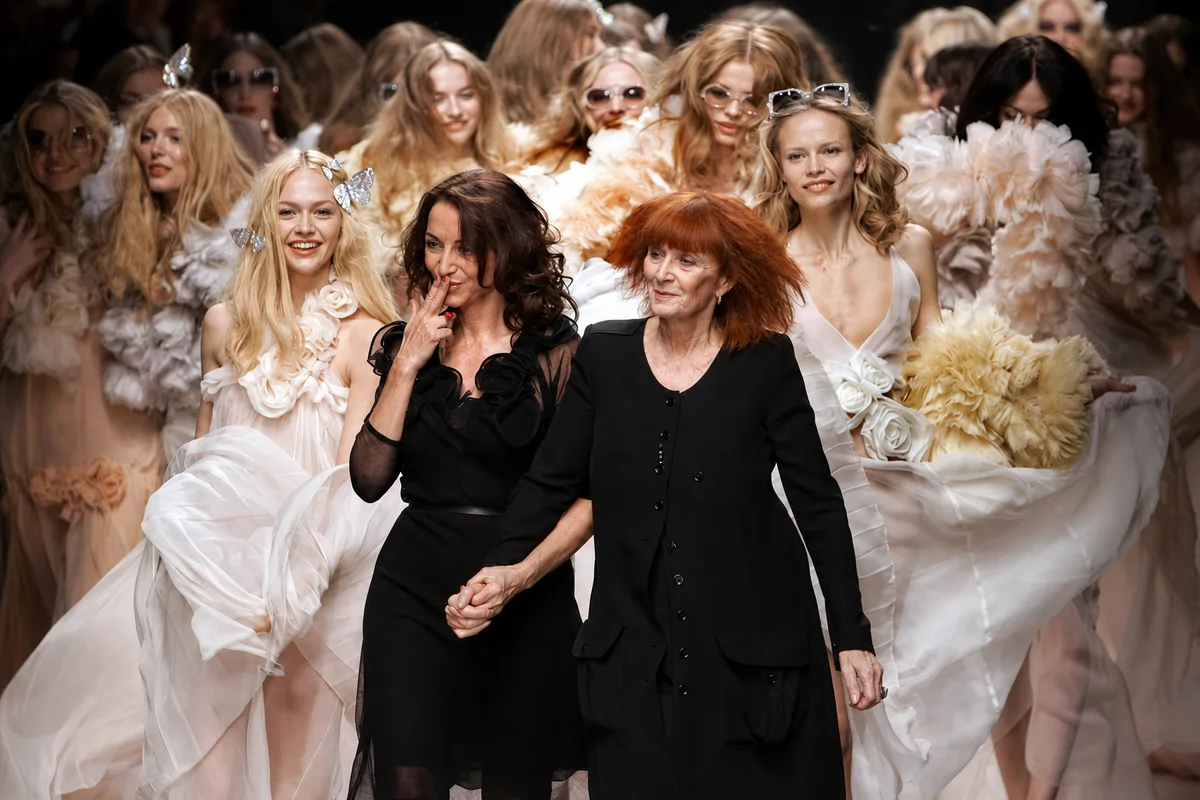
She also embodied her own world with unmistakable force. The flame-red hair, heavy fringe and darkened eyes formed a self-portrait as memorable as any logo. Yet the real signature remained inside the garments: wit, flexibility and permission.
Fashion lost a designer who made a sweater capable of carrying an entire philosophy. The enduring freedom inside every unfinished hem, exposed seam and narrow stripe remains the clearest memorial to Sonia Rykiel.