MENU
Close





On December 2, 1819, Louis-François Cartier was born in Paris, a city that would become inseparable from his name and legacy. While the Cartier maison is now synonymous with global luxury, royal patronage, and iconic design, its origins were far more modest and rooted firmly in craftsmanship.

On December 2, 1819, Louis-François Cartier was born in Paris, a city that would become inseparable from his name and legacy. While the Cartier maison is now synonymous with global luxury, royal patronage, and iconic design, its origins were far more modest and rooted firmly in craftsmanship.
December 7, 2025


In 1847, Louis-François Cartier took over the jewelry workshop of his former master, Adolphe Picard, located on Rue Montorgueil in Paris. This moment marked the official founding of Cartier. At the time, Parisian jewelry was dominated by ornate historic styles and heavy embellishment. Cartier’s work stood apart for its restraint, technical precision, and balanced proportions. He believed that excellence began with mastery of materials and construction rather than decorative excess.
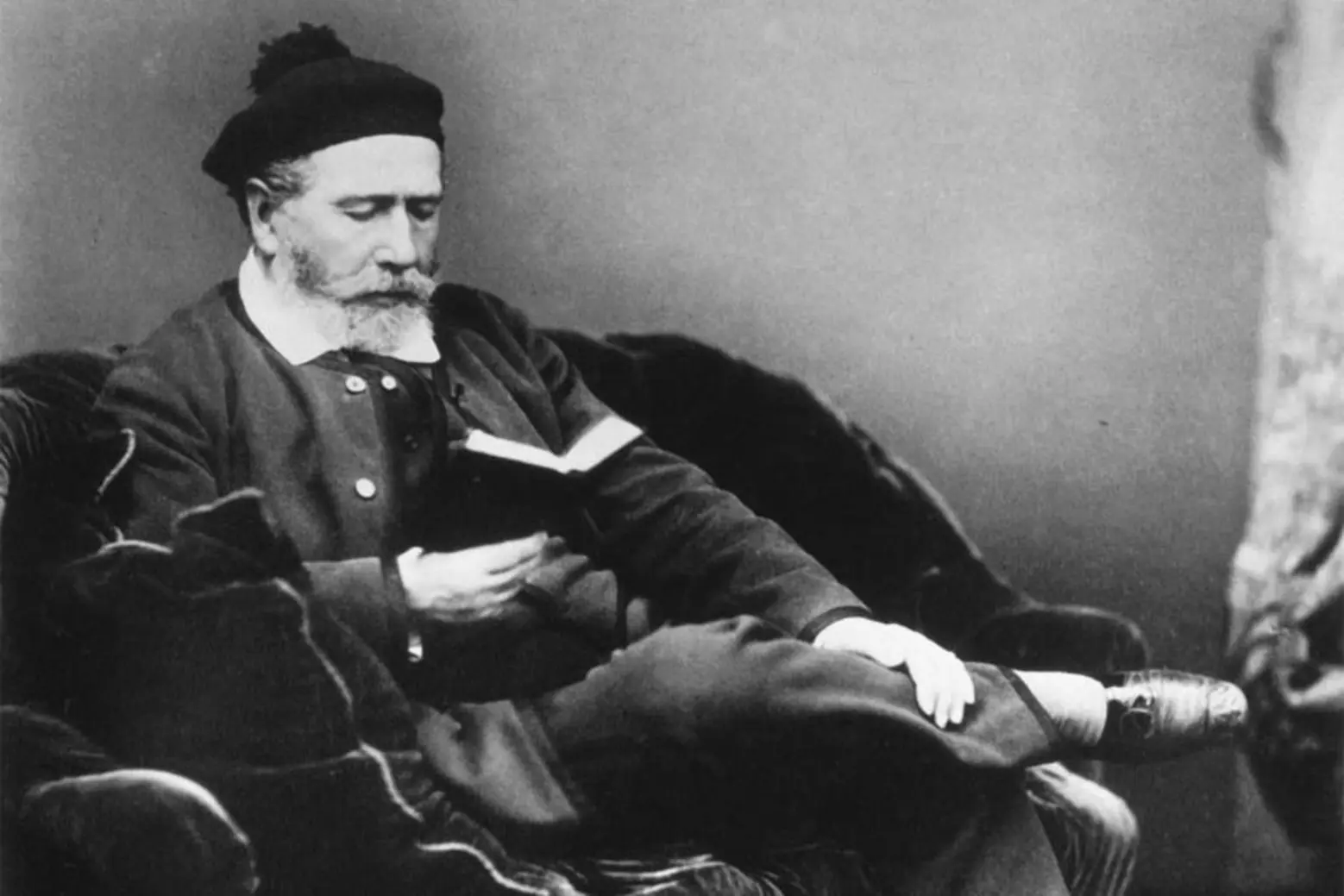
Louis-François built his reputation slowly, relying on consistency and trust rather than spectacle. His clients were drawn to the reliability of his craftsmanship and the clarity of his designs. By 1853, the house had already attracted aristocratic attention, including Princess Mathilde, cousin of Emperor Napoleon III. This early patronage helped establish Cartier as a jeweler of discretion and refinement rather than fleeting fashion.

Unlike later generations of the Cartier family, Louis-François remained closely tied to the workshop. He viewed jewelry as a trade governed by discipline, not celebrity. His role was to create a stable, respected business capable of lasting beyond one lifetime. That stability proved crucial. In 1874, his son Alfred Cartier took over the firm, inheriting not only a business, but a set of values centered on precision, quality, and continuity.

Those values enabled Cartier’s extraordinary evolution in the early 20th century, when Louis-François’s grandsons — Louis, Pierre, and Jacques Cartier, expanded the house internationally and introduced designs that would define modern jewelry and watchmaking. Without the strong foundations established in the 19th century, this expansion would not have been possible.
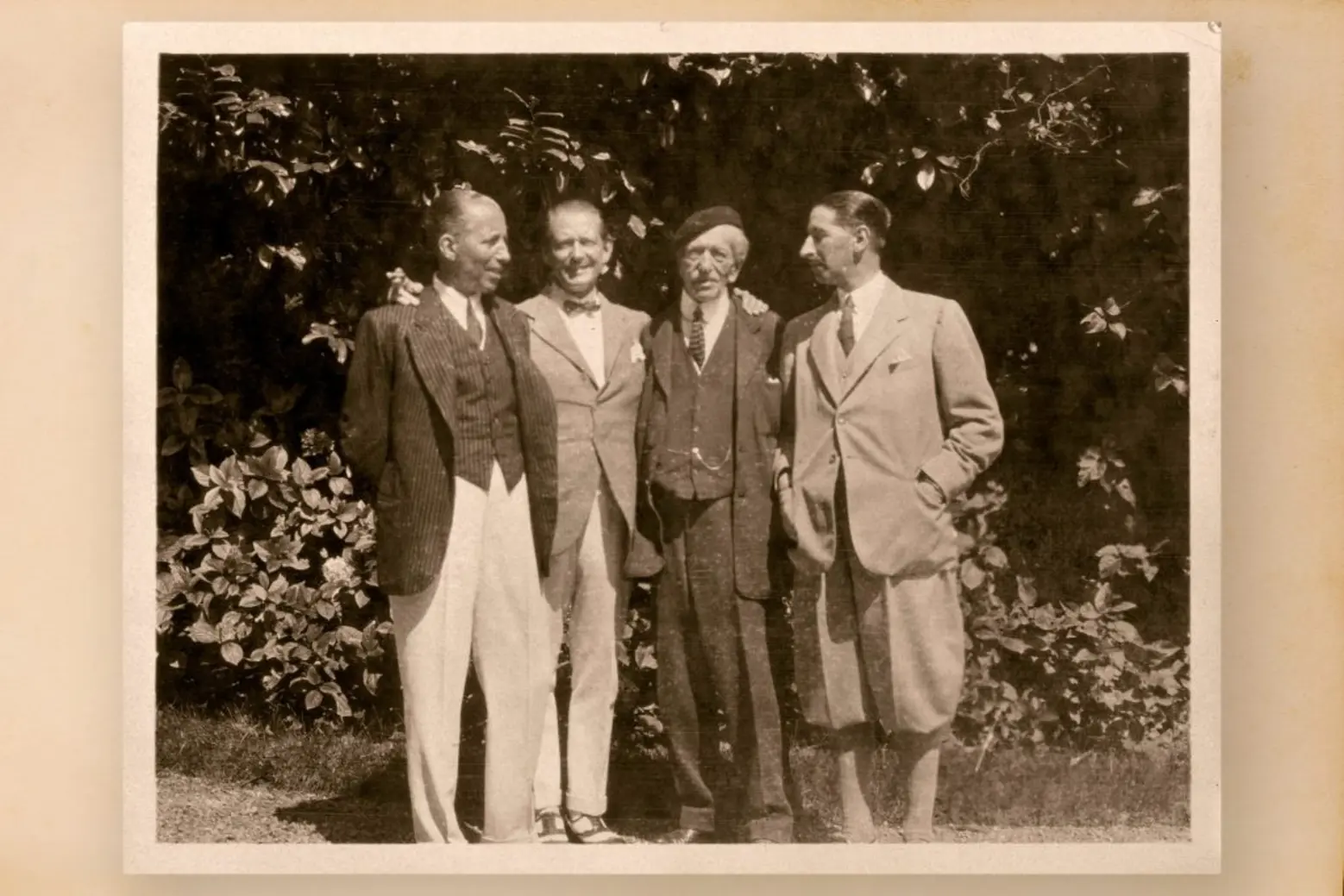
Louis-François Cartier died in 1904, before witnessing the full global ascent of the brand he founded. Yet his influence remains embedded in Cartier’s identity. On his birthday, he is remembered not for iconic motifs or famous clients, but for something more enduring: the creation of a house built on discipline, integrity, and craftsmanship, designed to outlive its founder and evolve without losing its soul.