MENU
Close





On December 14, 1947 the automotive world remembers Louis Delage, the French engineer and entrepreneur whose name became synonymous with refinement, innovation, and racing excellence in the early 20th century.

On December 14, 1947 the automotive world remembers Louis Delage, the French engineer and entrepreneur whose name became synonymous with refinement, innovation, and racing excellence in the early 20th century.
December 14, 2025


Delage left behind far more than a car company. He left a philosophy that fused mechanical rigor with artistic grace, shaping the very idea of what a luxury automobile could be.
Louis Delage began his career as an engineer, trained in precision and logic rather than spectacle. In 1905, he founded Delage Automobiles in Levallois-Perret, near Paris, at a moment when the automobile was still a daring experiment rather than a settled industry. From the outset, Delage believed cars should not only perform flawlessly, but also embody harmony, balance, and restraint. This belief set his marque apart in a competitive and rapidly evolving field.

Racing played a crucial role in Delage’s rise. Unlike many luxury manufacturers who distanced themselves from motorsport, Delage embraced competition as a laboratory for progress. The brand achieved extraordinary success in Grand Prix racing during the 1910s and 1920s, culminating in victories that established Delage as one of the dominant forces in European motorsport. These triumphs were not merely symbolic. Technologies proven on the track directly influenced Delage’s road cars, reinforcing the connection between performance and prestige.
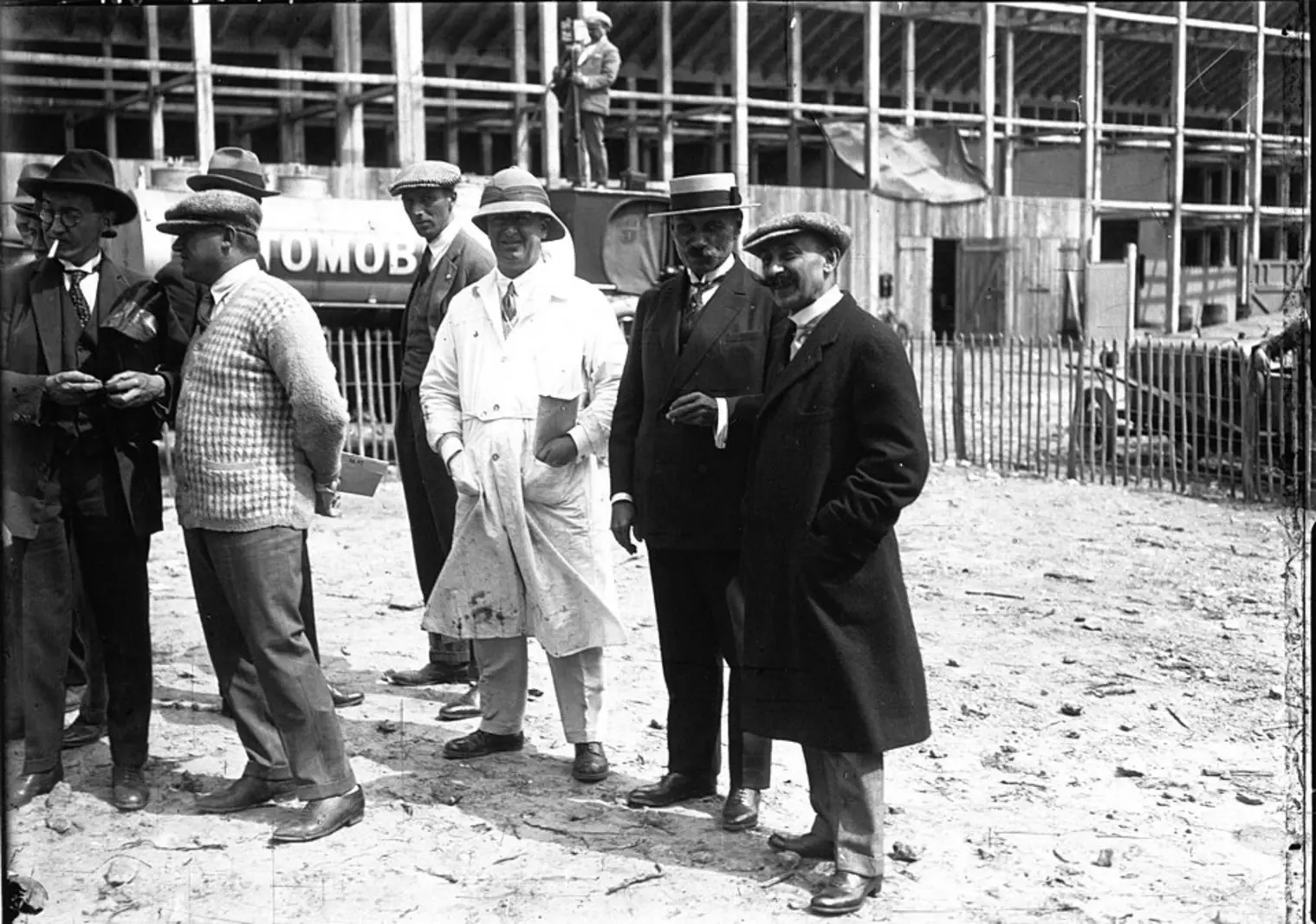
Yet Louis Delage’s genius lay in knowing when to shift focus. As racing costs soared and markets changed, he steered the company toward high-luxury touring cars, celebrated for their smooth engines, impeccable engineering, and coachbuilt bodies by firms such as Figoni & Falaschi and Chapron. Delage automobiles became rolling works of art, favored by aristocrats, industrialists, and cultural elites who valued discretion over excess.
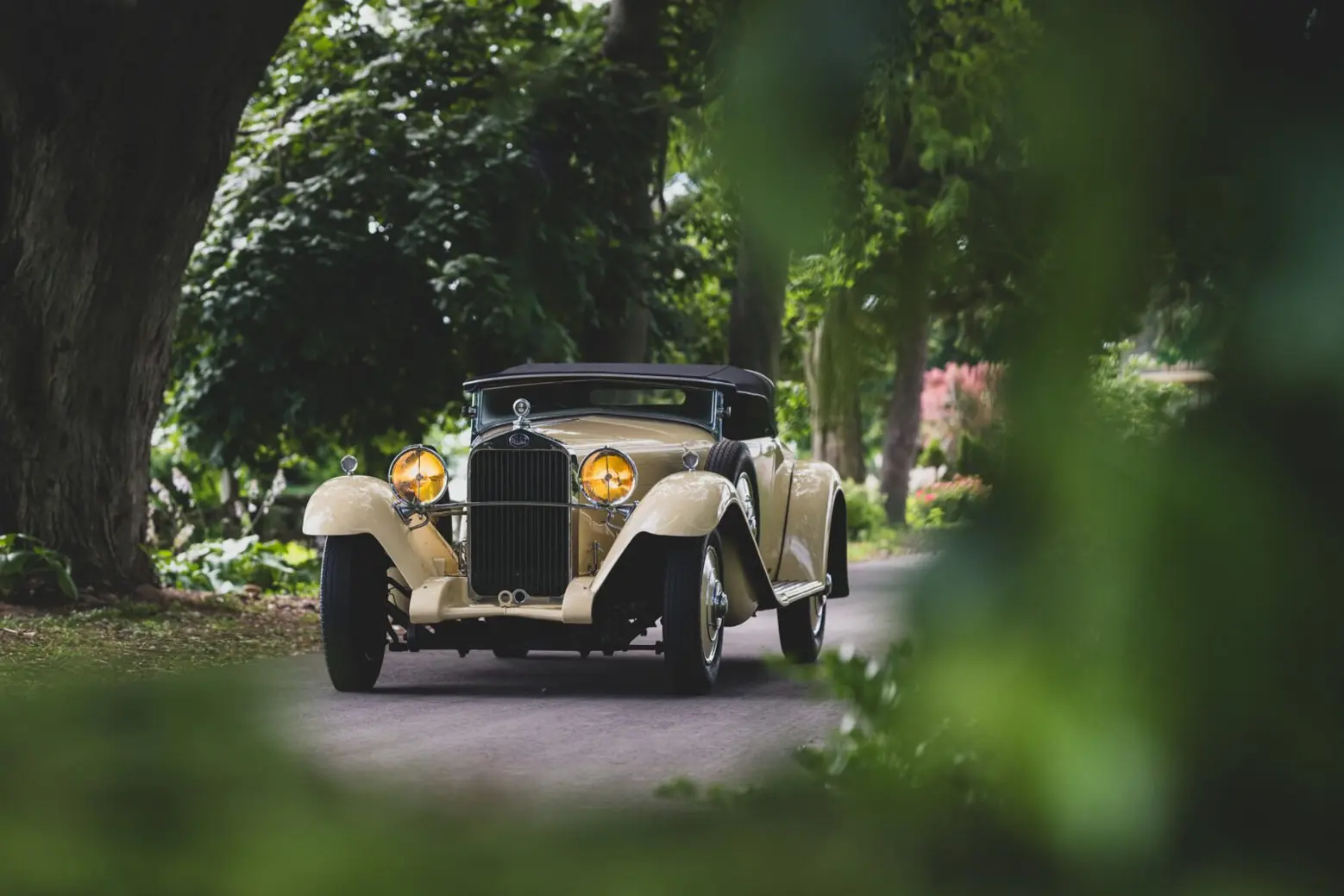
The economic pressures of the 1930s eventually overwhelmed the company, leading to its absorption by Delahaye. For Delage himself, this was a quiet, painful end to a brilliant chapter. He died in relative obscurity in 1947, far from the glamour his name once commanded.
Today, Louis Delage is remembered as a pioneer who understood that true luxury is born from discipline. His cars endure as collectors’ treasures, admired not for flamboyance, but for their intelligence, balance, and timeless elegance. On his death anniversary, his legacy remains a reminder that the most enduring speed is the kind guided by purpose.