MENU
Close





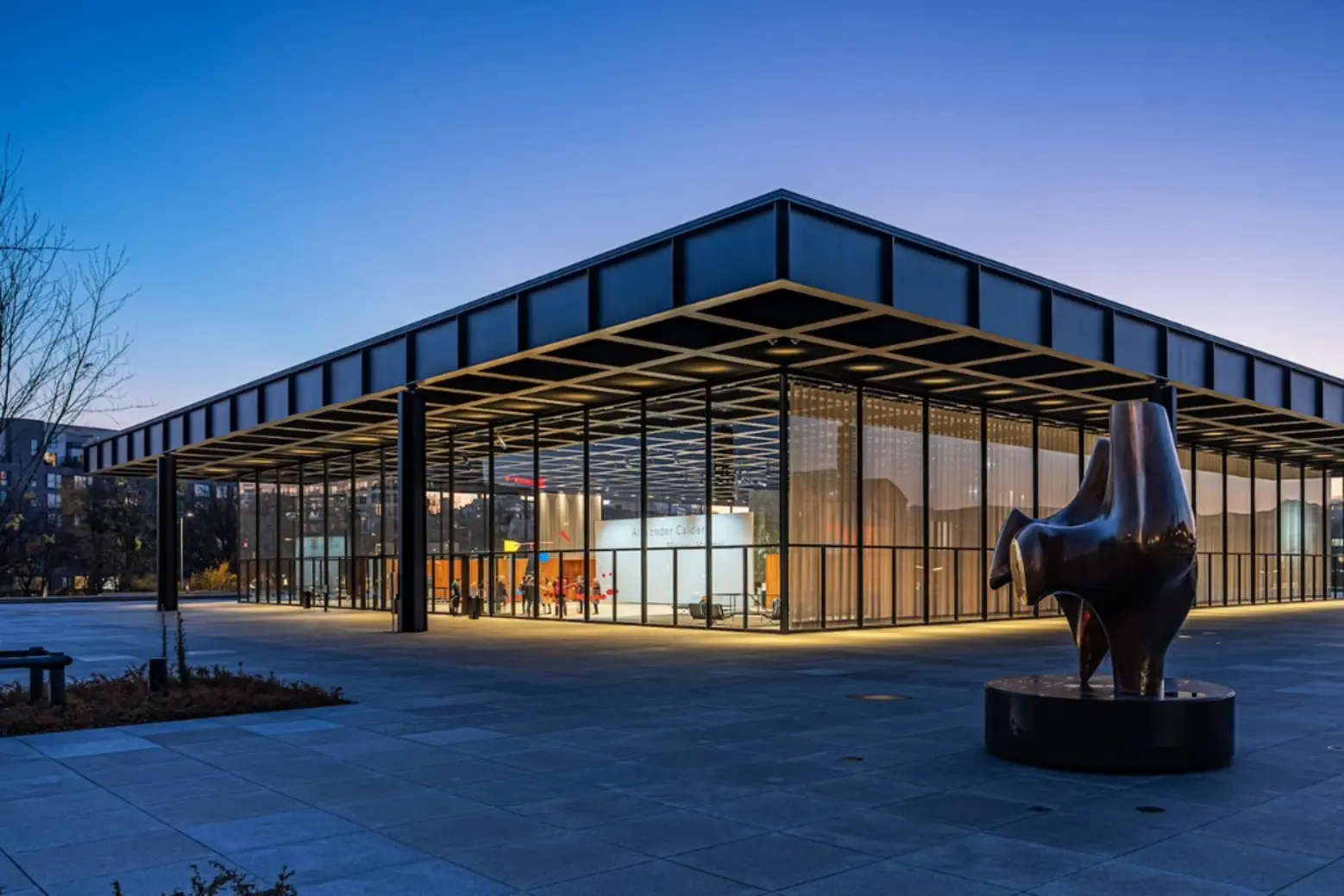
At the Neue Nationalgalerie, the Brâncuși retrospective traces how Constantin Brâncuși transformed marble, bronze, film, and studio space into a single pursuit of essence. Running from March 20 to August 9, 2026, the Berlin exhibition frames modernism as something sensual, eccentric, and alive.
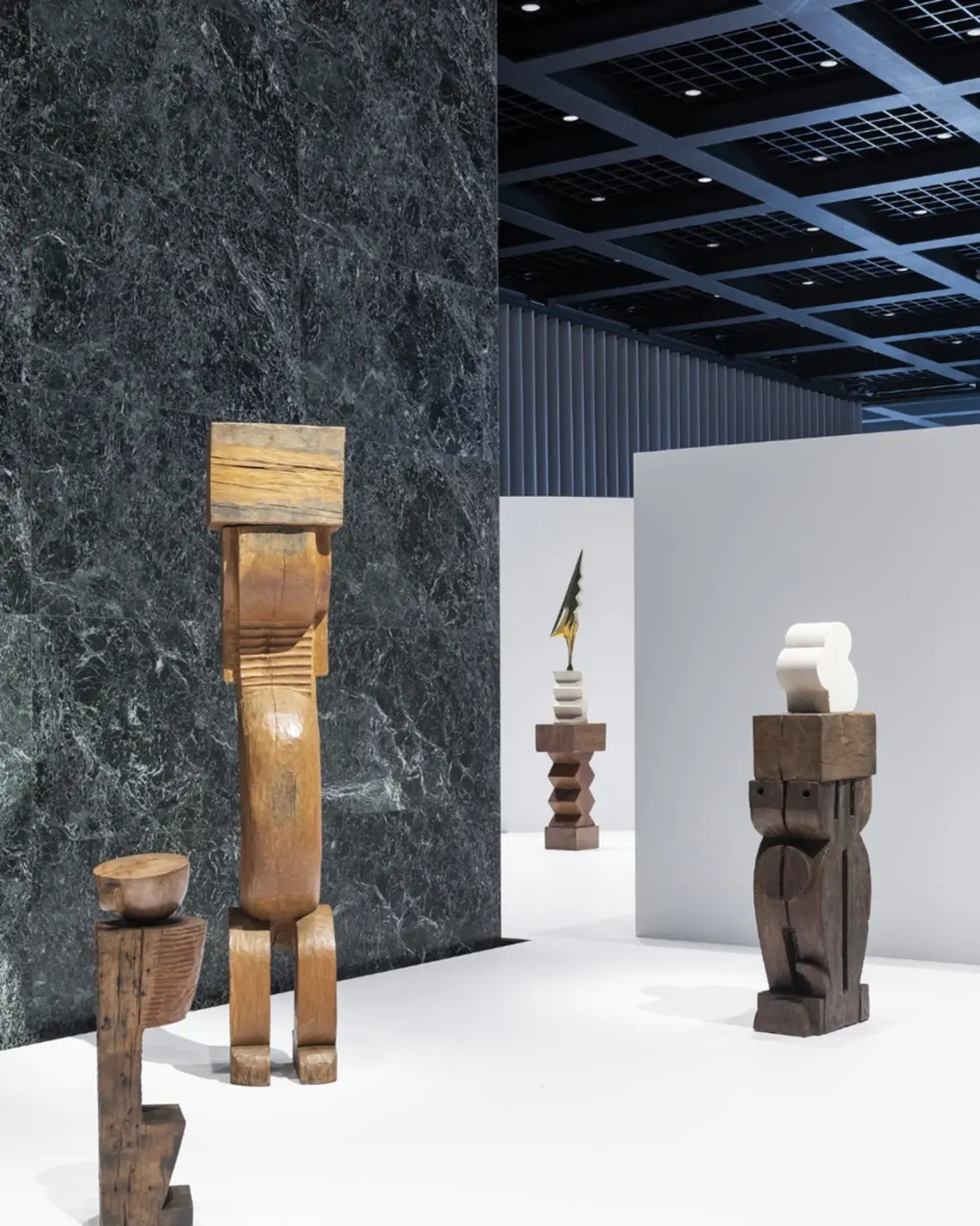
At the Neue Nationalgalerie, the Brâncuși retrospective traces how Constantin Brâncuși transformed marble, bronze, film, and studio space into a single pursuit of essence. Running from March 20 to August 9, 2026, the Berlin exhibition frames modernism as something sensual, eccentric, and alive.
March 20, 2026


At the Neue Nationalgalerie, the major Brâncuși retrospective running from March 20 to August 9, 2026, does more than assemble masterpieces. Created with the Centre Pompidou, the exhibition brings together more than 150 sculptures, photographs, drawings, films, and archival materials, making it the most extensive survey of his work to date and the first major Brâncuși exhibition in Germany in over fifty years. What matters most, though, is the mood. This is an exhibition built around his central pursuit, the stripping away of noise until only essence remains.
Its true center is the partial reconstruction of the Atelier Brâncuși, shown outside Paris for the first time since the studio entered the French state collection in 1957. Berlin’s curators treat that studio as Brâncuși treated it himself: Not as a backdrop, but as a total work of art. The official exhibition texts describe it as a Gesamtkunstwerk, at once living space, workshop, and display room. He made the furniture, the pedestals, even the architectural divisions, and he arranged sculptures so they entered into dialogue with one another. When a work sold, he often replaced it with a plaster or bronze counterpart to preserve the balance of the whole. In Berlin, that logic returns. You are asked to read not only objects, but relationships.
That is why this Brâncuși Retrospective feels unusually sensory. Brâncuși’s art was always about how form behaves in light, and the exhibition leans into that fact. The museum’s wall texts stress his use of polished surfaces, photography, and film as tools for staging sculpture, making objects appear weightless, mobile, even immaterial. Nowhere is that clearer than in the Bird in Space sequence, which Brâncuși developed for more than three decades in marble, bronze, and plaster, gradually refining the motif into a near-abstract ascent. The public program extends that sensual approach with a June 3 event titled The Enchanted Bird, a sound dialogue between Maria Tănase and Brâncuși, a June 4 bronze workshop, and an accessibility tour called Form and Sound.
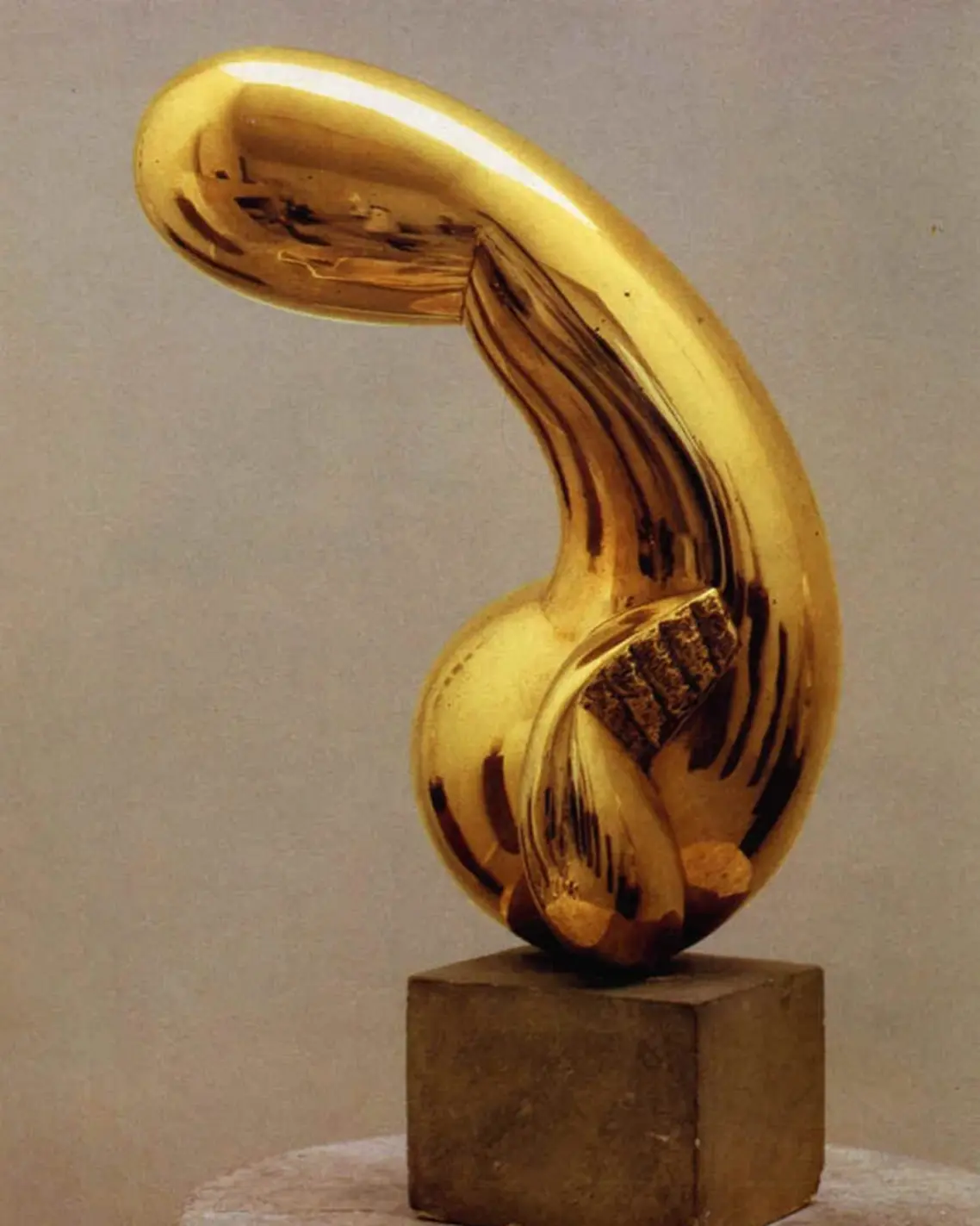
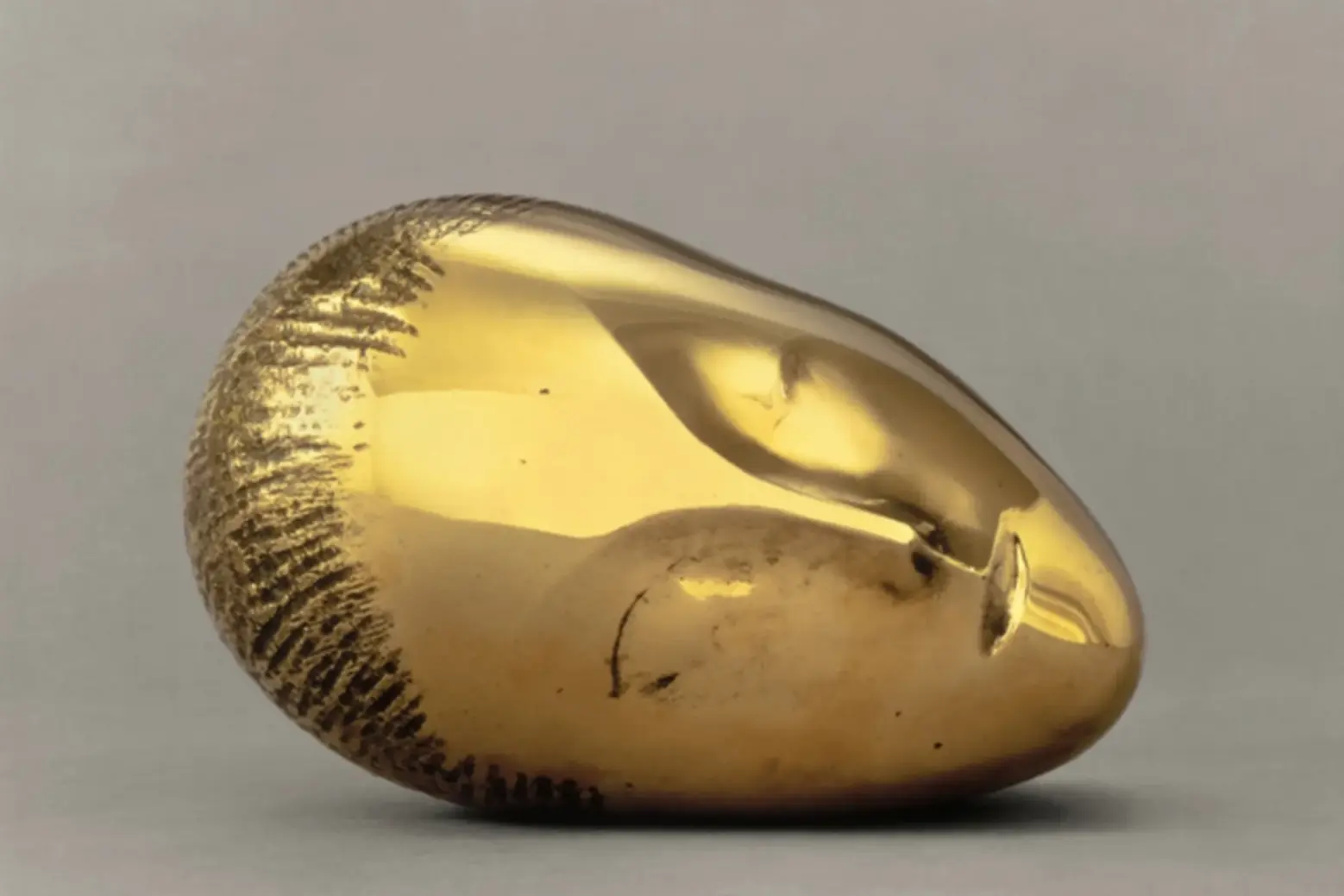
This Brâncuși Retrospective also keeps the artist’s volatility alive. It recalls his brief break from Rodin in 1907 and follows the leap from early academic sculpture toward direct carving and radical reduction. It also restores the scandal to the serenity. Princess X, removed from the Salon des Indépendants in 1920 after being judged obscene, reappears as proof that Brâncuși’s purity could still provoke. Nearby, works such as Sleeping Muse reveal how far he could push a head toward an egg, a cell, a dream, without losing human presence.